
Mastering the Flash: 7 Advanced Strobe DJ Light Techniques for Pro Entertainers
- What Is a Strobe DJ Light and Why Is It Critical for Pro Sets?
- Key Functions in a Rig
- Quick Summary: Key Takeaways for Busy Entertainers
- Top 4 Insights
- The Physics of the Pulse: Understanding Rate, Duration, and Intensity
- The Holy Trinity of Strobe Physics
- 7 Advanced Strobe DJ Light Techniques for 2026
- 1. Frequency Ramping (The Build-Up)
- 2. The "Blinder" Wash Out
- 3. Pixel-Mapped Chases
- 4. Audio-Stem Triggering
- 5. Color Stroboscopy (RGBW)
- 6. The "Negative Space" Strobe
- 7. The "Ghost" Effect
- Industry Leading Solutions: Integrating High-End Fixtures
- Why Hardware Matters
- Expert Tips & Common Mistakes: Safety and Placement
- Critical Safety Guidelines
- Gap Analysis: Future Trends & Pricing Realities (2026+)
- Emerging Trends
- Conclusion & Call to Action
- FAQ: Strobe Lighting Mastery
- What is the difference between LED and Xenon strobe lights?
- How do I program strobe lights with DMX?
- What is a safe flash rate for strobe lighting?
- Can I use strobe lights without a DMX controller?
- What is pixel mapping in strobe lighting?
- How many strobe lights do I need for a mobile DJ setup?
- Why do my strobe lights stop working after a few minutes?
- What creates the "blinder" effect in DJ lighting?
What Is a Strobe DJ Light and Why Is It Critical for Pro Sets?
A strobe DJ light is a high-intensity fixture that produces regular flashes of light at variable frequencies, typically controlled via DMX512, to create the optical illusion of "stop-motion" or slow motion on a dance floor.
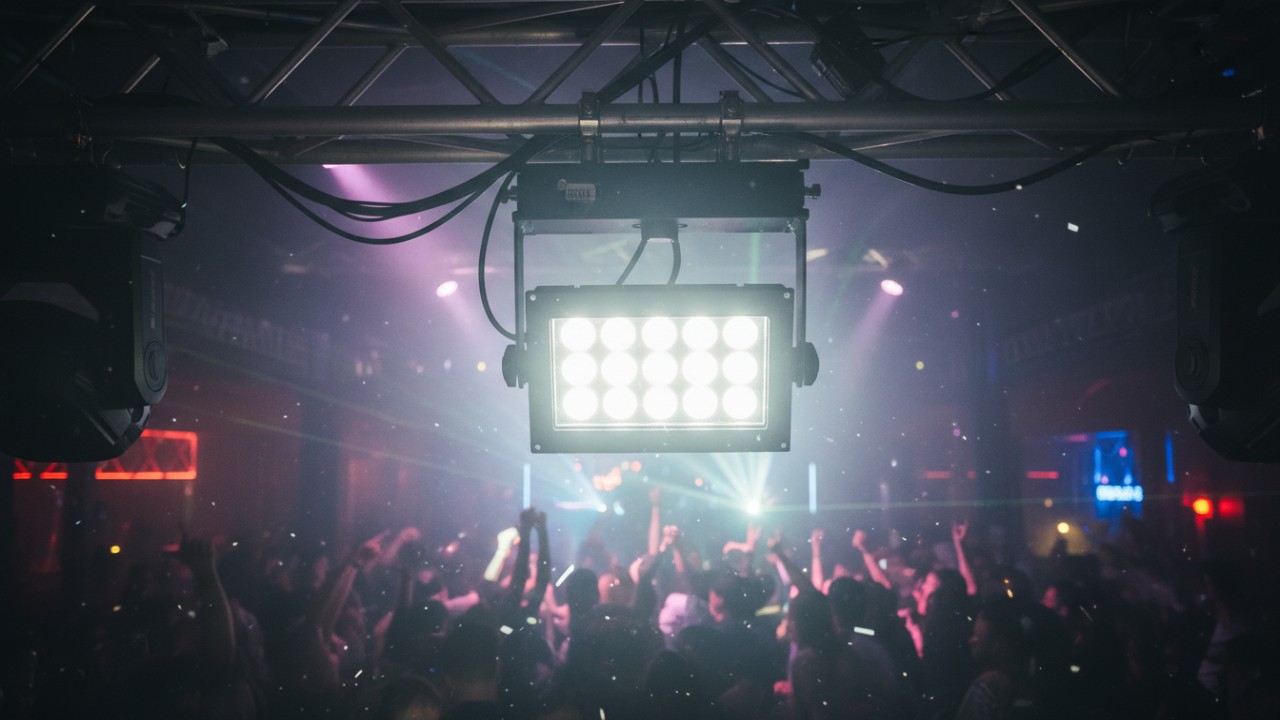
Beyond simple flashing, these lights act as the "caffeine" of a lighting rig, injecting immediate visceral energy into musical drops and transitions. For professional entertainers, mastering DMX512 Strobe Programming is essential to manipulate the audience's perception of time and rhythm, turning a standard DJ set into an immersive visual experience. While static washes set the mood, strobes provide the punctuation that defines the peaks of a performance.
Key Functions in a Rig
- Rhythmic Punctuation: Emphasizing snare hits or bass drops.
- Visual Disorientation: Creating brief moments of chaos to heighten anticipation.
- Crowd Scanning: illuminating the audience briefly to create connection.
Quick Summary: Key Takeaways for Busy Entertainers
Professional strobe use relies on timing, thermal management, and strict adherence to safety protocols rather than constant, aggressive flashing.
If you are looking to upgrade your setup immediately, keep these core principles in mind to distinguish yourself from amateur mobile DJs.
Top 4 Insights
- Punctuation over Saturation: Strobes should be used sparingly; constant flashing fatigues the eye and diminishes impact.
- Technology Shift: Modern LED technology has surpassed Xenon in versatility, offering color mixing and lower power draw without sacrificing brightness.
- Safety First: Adhere to the 4 flashes per second rule for general crowds to minimize seizure risks (see safety section below).
- Control is King: Advanced programming allows for "Blind" and "Ramp" effects that automated sound-active modes cannot replicate.
The Physics of the Pulse: Understanding Rate, Duration, and Intensity
The visual impact of a strobe is defined by three core physics parameters: Frequency (Rate), Duty Cycle (Duration), and Luminous Intensity.
To master LED vs Xenon Flash Rate dynamics, you must understand how these parameters interact. In the past, Xenon tubes offered the sharpest "cut" (shortest duration), but modern LEDs have closed this gap, allowing for millisecond-precision control.
The Holy Trinity of Strobe Physics
- Rate (Frequency): Measured in Hertz (Hz), this determines how many times the light fires per second (typically 1Hz to 30Hz).
- Duration (Duty Cycle): This dictates how long the light stays "ON" during a single flash. Long duration creates "Blinder" effects; short duration creates sharp stop-motion.
- Intensity: The brightness output. It is crucial to balance this so you do not wash out your other moving heads or lasers.
7 Advanced Strobe DJ Light Techniques for 2026
Advanced techniques in 2026 focus on pixel-level control and psycho-acoustic synchronization rather than simple on/off flashing.
Below are the seven workflows used by top-tier lighting designers to create festival-grade visuals.
1. Frequency Ramping (The Build-Up)
Automate the flash rate from 1Hz to 20Hz over 8 bars. This technique perfectly matches the musical "riser" or snare roll before a drop, creating physical tension that releases the moment the beat drops.
2. The "Blinder" Wash Out
Maximize duration and intensity simultaneously to create a momentary "whiteout" at the peak of a track. This mimics the effect of stadium floodlights and is perfect for crowd sing-alongs.
3. Pixel-Mapped Chases
Pixel Mapping DJ Lights allows you to control individual zones within a single fixture. Instead of the whole panel flashing, run patterns across the face of the light (left to right, or spiral) to add texture to the stage.
4. Audio-Stem Triggering
Modern software can now isolate stems (drums, vocals, bass). Route the isolated snare or hi-hat frequencies to trigger your strobes. This ensures the light fires only on specific percussive elements, creating a tighter sync than generic Sound Active Lighting Sync modes.
5. Color Stroboscopy (RGBW)
Use RGBW LEDs to alternate colors (e.g., Red/Blue) at high speeds (15Hz). This creates a disorienting, psychedelic effect where objects appear to vibrate in two different positions and colors simultaneously.
6. The "Negative Space" Strobe
Use the strobe to highlight darkness. By flashing brightly only on the off-beat, you create silhouette effects where the dancers are seen in black against a bright background.
7. The "Ghost" Effect
Set the strobe to a high frequency (25Hz) but very low intensity (10%). This creates a shimmering, liquid texture in the air (especially with haze) without blinding the crowd, adding a "ghostly" layer to the atmosphere.
Industry Leading Solutions: Integrating High-End Fixtures
Achieving these effects requires professional-grade hardware capable of sustaining high thermal stress without throttling.
At Guangzhou Lees Lighting Co., Ltd. (LiteLEES), we understand that reliability is non-negotiable. Established in 2010, our R&D team has developed hybrid strobe fixtures that can handle continuous high-frequency flashing that would melt consumer-grade plastic units. For example, our newest beam/wash/strobe 3-in-1 fixtures utilize advanced heat dissipation designs backed by ISO9001 quality management systems.
Why Hardware Matters
- Thermal Management: Cheap units shut down after 30 seconds of intense strobing; professional gear like LiteLEES keeps running.
- DMX Compliance: According to the USITT, adherence to the DMX512 standard ensures your strobes respond to millisecond-perfect commands without latency.
- Versatility: Our multi-functional LED fixtures allow you to switch from a wash light to a high-impact strobe instantly, saving rigging space and budget.
Expert Tips & Common Mistakes: Safety and Placement
The most critical aspect of strobe lighting is crowd safety, specifically regarding photosensitive epilepsy.
Ignoring Strobe Safety Regulations can lead to medical emergencies and liability issues. It is vital to balance artistic expression with public health standards.
Critical Safety Guidelines
- The 4Hz Rule: General guidance from health organizations suggests keeping sustained flash rates under 4 flashes per second (4Hz) for general public safety to reduce seizure risk.
- Epilepsy Awareness: According to the Epilepsy Society, the flash rate range most likely to trigger seizures is between 3Hz and 30Hz. Always post warning signs at the venue entrance.
- Mistake - Visual Fatigue: Leaving the strobe on for more than 10-15 seconds causes audience annoyance. Use a "Blackout" kill switch mapped to your controller.
- Tip - Haze Usage: Strobes need an atmosphere to refract through. Without haze or fog, the audience only sees the blinding source, not the impressive beams.
Gap Analysis: Future Trends & Pricing Realities (2026+)
The future of DJ lighting lies in wireless freedom and AI-driven automation, moving away from static cable runs.
Entertainers preparing for 2026 must look beyond current standards to stay competitive.
Emerging Trends
- The Shift to Wireless DMX: The standard for 2026 is battery-powered, W-DMX strobes. This eliminates cable clutter, allowing for rapid deployment in mobile setups.
- AI-Driven Light Shows: Upcoming software will predict drops in audio tracks and pre-ramp strobe intensity automatically, removing the need for manual fader riding.
- Pricing Insight: Expect to pay $300-$500 per fixture for pro-grade hybrid LED strobes. While $50 consumer toys exist, they lack the brightness and duty cycles required for professional venues.
- Sustainability: New regulations on energy efficiency will likely phase out remaining Xenon tube fixtures completely in favor of high-efficiency LEDs.
Conclusion & Call to Action
Mastering strobe lighting elevates a DJ from a simple music player to a complete visual performance artist. By implementing these 7 advanced techniques—from frequency ramping to pixel mapping—you ensure your set creates a lasting psychological impact on your audience. However, this power comes with the responsibility to use high-quality, safe equipment.
With over 50 patents and service to 6,000+ customers worldwide, LiteLEES is your trusted partner for professional stage lighting solutions.
Contact us today to discuss your specific needs and upgrade your rig with our industry-leading technology.
FAQ: Strobe Lighting Mastery
What is the difference between LED and Xenon strobe lights?
Xenon uses gas discharge tubes for an incredibly bright, sharp white flash but consumes more power and generates significant heat. LEDs are more energy-efficient, run cooler, and offer RGB color mixing, though older models lacked the raw "punch" of Xenon. Modern pro-grade LEDs have effectively closed this brightness gap.
How do I program strobe lights with DMX?
You need a DMX controller or software interface. You map the fixture's channels (typically Intensity, Rate, and Duration) to faders or software knobs. This allows you to create custom scenes, such as a slow build-up or a sudden blackout, which gives you far more control than automatic modes.
What is a safe flash rate for strobe lighting?
For general crowds where medical history is unknown, it is best to keep flash rates below 5Hz or above 30Hz for short bursts. The most dangerous range for photosensitive epilepsy is typically cited as 15Hz to 20Hz.
Can I use strobe lights without a DMX controller?
Yes, most units have "Sound Active" or "Auto" modes. However, these modes lack precision and can fire at inappropriate times (e.g., during a breakdown), potentially ruining the mood of the set.
What is pixel mapping in strobe lighting?
Pixel mapping involves controlling individual LEDs or "zones" within a single strobe fixture rather than the entire unit acting as one light. This allows for complex patterns, scrolling text, or geometric shapes to be displayed on the light surface, turning the strobe into a low-resolution video screen.
How many strobe lights do I need for a mobile DJ setup?
For small to medium weddings or parties, 1 or 2 high-output units are usually sufficient to create energy. For larger stage setups or festival-style looks, 4 to 8 units are recommended to allow for impressive "chase" effects across the truss.
Why do my strobe lights stop working after a few minutes?
This is likely "Thermal Protection" mode. If you run strobes at full intensity and maximum duration continuously, they generate immense heat. The internal computer shuts them down to prevent permanent damage. Professional fixtures like those from LiteLEES have better cooling systems to prevent this.
What creates the "blinder" effect in DJ lighting?
The blinder effect is created by setting the strobe duration to maximum (always on) and intensity to maximum. It floods the room with steady light, usually to emphasize a crowd sing-along moment or the final note of a performance.
![Moving Head Stage Lighting Guide: Mastering the Technical and Artistic Essence [2026 Edition] - LiteLEES](https://static.gooecloud.com/upload/img/GY160908357145/moving-head-stage-lighting-guide-mastering-the-technical-and-artistic-essence-2026-edition.png?x-oss-process=image/format,webp/quality,Q_100 "Moving-Head-Stage-Lighting-Guide:-Mastering-the-Technical-and-Artistic-Essence-[2026-Edition] - LiteLEES")
Products
Do your lights support DMX512 and other control protocols?
Yes. All LiteLEES stage lights are fully compatible with DMX512. Many models also support RDM, Art-Net, and wireless DMX (optional), ensuring seamless integration with modern lighting control systems.
How long is the warranty period for your products?
We offer a standard 1-year warranty on all products, with extended warranty options available upon request. During the warranty period, we provide free technical support and parts replacement for non-human damage.
Company
What is LiteLEES’s main business?
LiteLEES specializes in the design, development, manufacturing, and sales of professional stage lighting, including moving head lights, beam lights, spot lights, wash lights, and LED par lights.
Do you have your own factory?
Yes. We own a sheet metal factory and a complete in-house production line—from PCB to final assembly—ensuring strict quality control and fast delivery.
Where is LiteLEES located?
Our headquarters and manufacturing facility are located in Guangzhou, China, with products exported to over 70 countries worldwide.
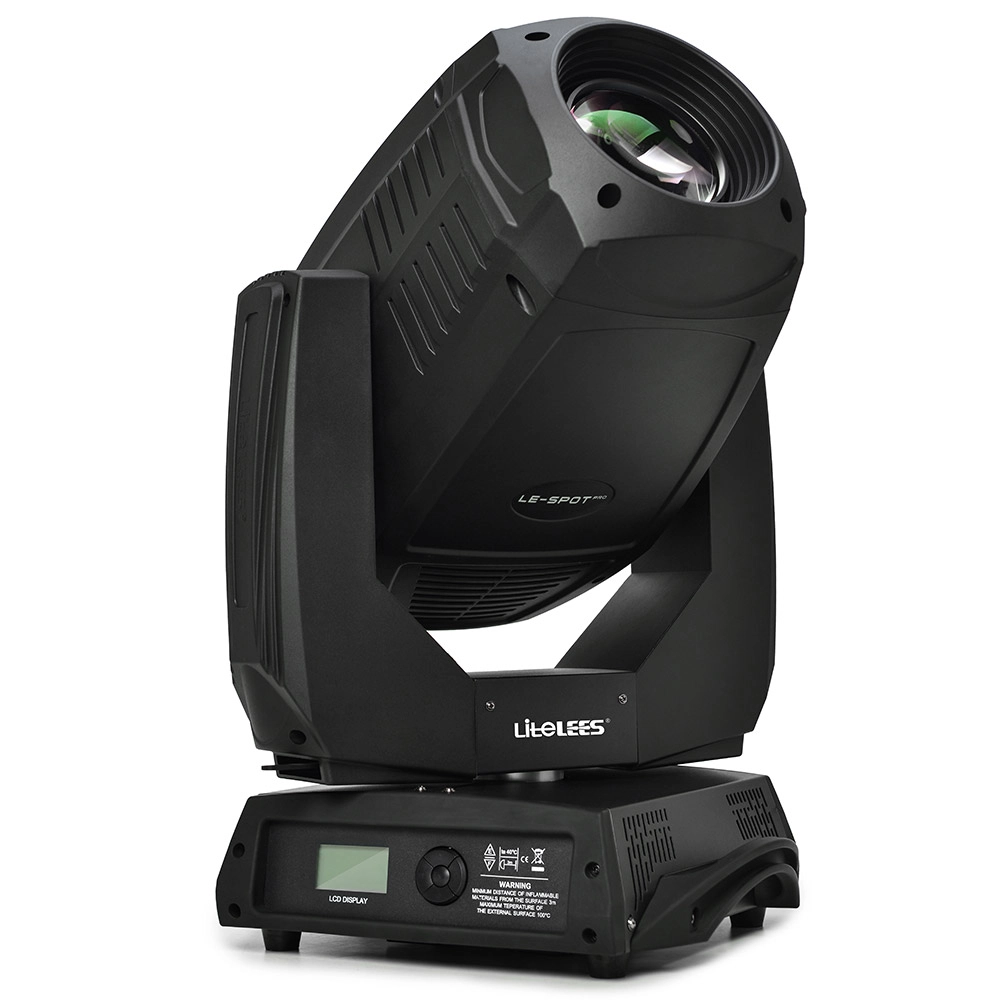
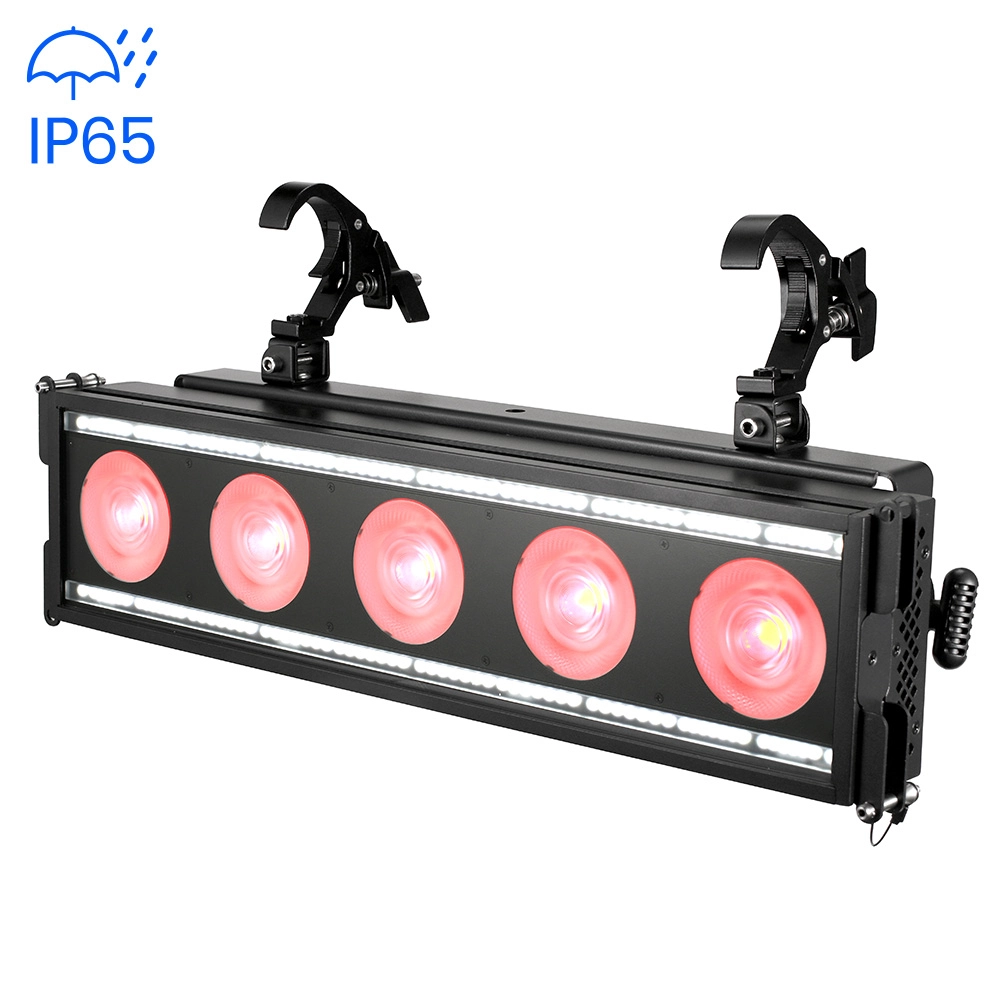
Stormy Flash 550 lP
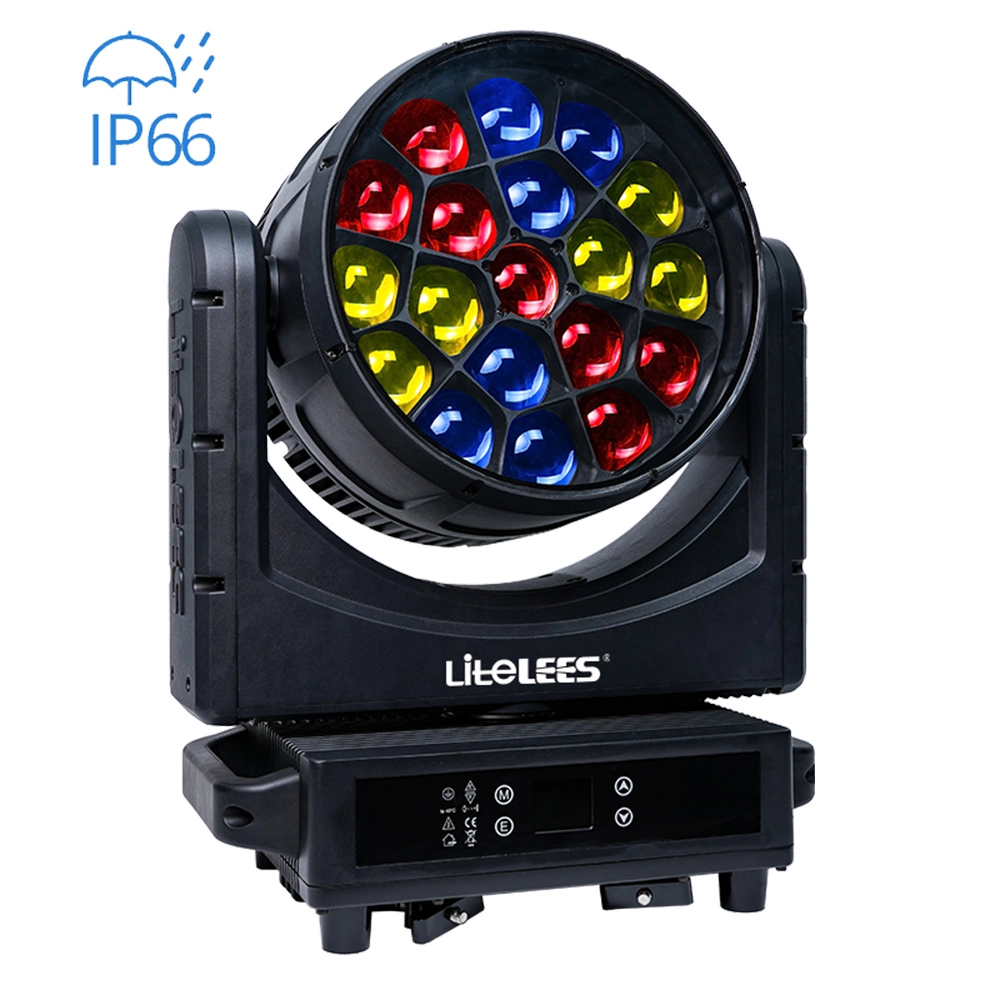
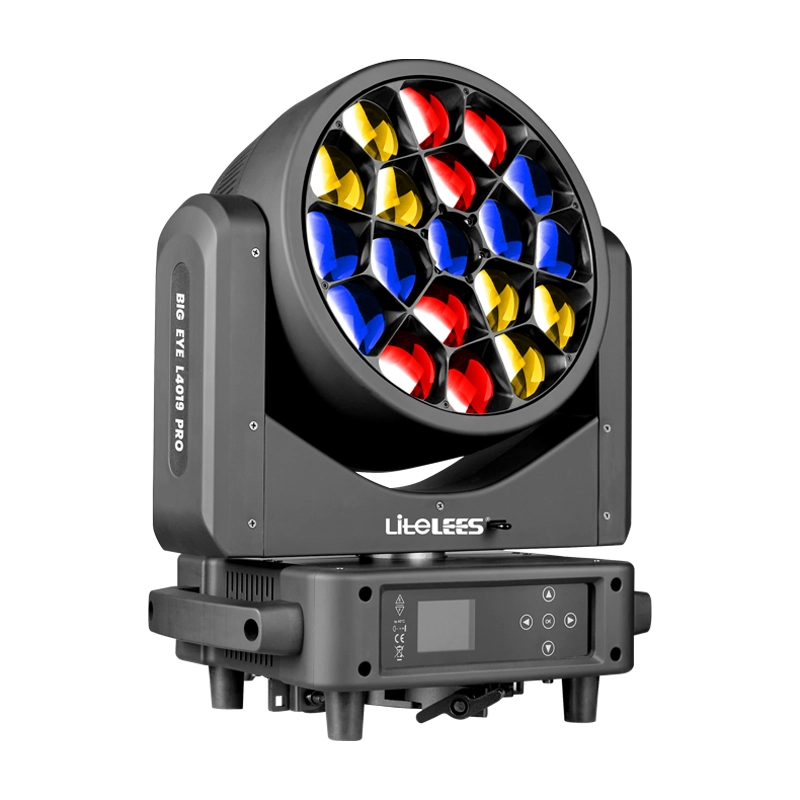
BIG EYE L4019 IP
Want to get more up-to-date news?
If you have any comments or good suggestions, please leave us a message; later our professional staff will contact you as soon as possible.

We are professional stage lighting manufacturers offering OEM and ODM LED stage lights.
Contact
Email us
Call us
Address
No.6 Longnan Road, Huashan Town, Huadu District Guangzhou, Guangdong Province, China.
LiteLEES Professional
Less Lighting