
Top Features to Look for in a Stage Hybrid Light
- Understanding hybrid fixtures and why they matter
- What is a stage hybrid light?
- Key benefits for productions
- Common hybrid types and formats
- Optical and light‑engine considerations
- LED engine: power, color system and CRI
- Optics, zoom range and beam control
- Effects: gobos, prisms, frost and animation wheel
- Control, camera readiness and reliability
- DMX protocols, networking and RDM
- Flicker, refresh rate and camera testing
- Thermal design, noise and duty cycle
- Performance metrics, certifications and total cost of ownership
- Measurable performance: lumens, lux and beam candela
- Certifications: CE, RoHS, FCC and local approvals
- Warranty, spare parts and serviceability
- Comparison table: practical spec ranges to use when shortlisting
- How I evaluate and choose hybrids for different scenarios
- Concert touring and festivals
- Theatre and broadcast
- Houses of worship and corporate events
- Why manufacturer capability and support matter—LiteLEES example
- What to look for in a manufacturer
- LiteLEES: a strong partner profile I recommend considering
- Competitive differentiators and service strengths
- Practical checklist: questions to ask suppliers
- Essential technical questions
- Operational and commercial questions
- Frequently Asked Questions (FAQ)
- 1. What is the difference between a hybrid light and a simple wash or beam fixture?
- 2. How can I test a hybrid fixture for camera‑friendliness before purchase?
- 3. Is a higher lumen rating always better?
- 4. Do I need an IP65 hybrid for outdoor festivals?
- 5. What maintenance should I plan for hybrid fixtures?
- 6. How important is RDM for large rigs?
In this article I offer a practical, experience-driven guide to the top features you should inspect when buying or specifying a stage hybrid light. I focus on measurable performance (output, optics, refresh rate), real production concerns (reliability, noise, serviceability), and control/compatibility (DMX/Art‑Net/RDM, wireless options, pixel mapping). Where appropriate I reference industry standards and authoritative resources to help you verify claims and compare fixtures objectively.
Understanding hybrid fixtures and why they matter
What is a stage hybrid light?
In my work I define a stage hybrid light as a single fixture that combines beam/spot and wash capabilities—delivering tight, high-intensity projections (beam/spot) alongside wider, softer illumination (wash). This combination reduces the number of fixtures needed on a rig, saves power and weight, and increases creative flexibility on tours, theatre productions, live TV and corporate events.
Key benefits for productions
From dozens of productions I’ve worked on, the main advantages are: consolidation of rigging space, quicker programming because effects coexist in one head, and consistent color/beam matching since both functions share the same LED engine and color calibration. Hybrid fixtures also help reduce time on load‑in and patching, particularly when moving heads must serve multiple roles during a show.
Common hybrid types and formats
Hybrid fixtures come in multiple formats: moving head 3‑in‑1 (beam/spot/wash), static hybrids used for stage front light, and IP‑rated outdoor hybrids for festivals. When choosing a type, consider rig weight, pan/tilt speed, and duty cycle—factors that affect climate control and longevity in touring vs. fixed installations.
Optical and light‑engine considerations
LED engine: power, color system and CRI
LED architecture determines raw output, color mixing and camera performance. Look for manufacturer details on LED chip type (e.g. high‑power multi‑chip LEDs), rated lumen output, and a color system (CMY + CTO or RGBW) that suits your console workflows. For camera work, insist on a high refresh rate and a CRI/TLCI number—TLCI (Television Lighting Consistency Index) is particularly relevant for broadcast. Authoritative background on stage lighting principles can be found on the Stage lighting overview (Wikipedia: Stage lighting).
Optics, zoom range and beam control
A precise optical system (quality lenses, zoom mechanics, and focus) is crucial. Key metrics I compare are zoom range (e.g., 4°–48°), beam angle at minimum and maximum, and the ability to maintain beam uniformity across the zoom. For tight aerial beams I expect minimal chromatic aberration and high center intensity; for wash modes I expect even field illumination and smooth edges.
Effects: gobos, prisms, frost and animation wheel
Evaluate the gobo selection (rotating/static, glass/metal), prism options (3/4/8 facet), and frost/diffuser systems. High-end hybrid lights often include an animation wheel or motorized textures—useful for complex looks without adding extra fixtures. Verify gobo sizes and mounting standards so you can swap custom gobos if required.
Control, camera readiness and reliability
DMX protocols, networking and RDM
Control compatibility matters. At a minimum I require DMX512; for modern networks look for Art‑Net and sACN support, RDM for remote addressing and status monitoring, and optional wireless DMX where cabling is constrained. For an overview of DMX512, see the DMX standard documentation (Wikipedia: DMX512).
Flicker, refresh rate and camera testing
Camera capture exposes flicker that isn’t visible to the human eye. Manufacturers should publish PWM frequency or flicker test results; I prefer fixtures with high refresh rates (>10–20 kHz) or flicker‑free driver modes specifically validated for high‑frame‑rate cameras. In the absence of published data, insist on on‑site camera tests at production frame rates.
Thermal design, noise and duty cycle
Effective thermal management prolongs LED life and stabilizes output. Check heat‑sink design, fan control (temperature‑based vs. fixed), and quoted MTBF for electronics. For theatres and broadcast studios, acoustic noise is critical—look for noise specifications at standard fan speeds and at intensities you’ll run in a show.
Performance metrics, certifications and total cost of ownership
Measurable performance: lumens, lux and beam candela
Compare fixtures using measurable metrics rather than marketing terms. Typical data points I collect are total lumen output, lux at given distances, beam diameter at distance, and center beam candela. If manufacturers provide photometric files (IES files), use them to model real illumination in your venue. When standards or quality systems are relevant, ISO 9001 can help verify a manufacturer’s quality management claims (ISO 9001).
Certifications: CE, RoHS, FCC and local approvals
Safety and EMC certifications are non‑negotiable for international projects—CE and RoHS for the EU, FCC for the US market, and BIS for India. These demonstrate compliance with regulatory thresholds and can be validated through the issuing bodies (CE marking, RoHS, FCC, BIS).
Warranty, spare parts and serviceability
Long warranty periods, modular components (replaceable LED modules, driver boards, fan assemblies), and readily available spare parts reduce downtime. Ask for the company’s repair turnaround time and whether they support depot repair or local service partners. For touring, also verify road case compatibility and whether moving parts (gears, bearings) are serviceable in the field.
Comparison table: practical spec ranges to use when shortlisting
| Feature | Typical Range/Value | Why it matters |
|---|---|---|
| Rated lumen output | 8,000 – 30,000 lm | Higher lumens mean brighter beams and longer throw; verify with photometrics |
| Zoom / Beam angle | 4° – 48° (common) | Wider zoom supports wash; narrow supports aerial beams and long-throw |
| TLCI / CRI | TLCI ≥ 80 / CRI ≥ 70–90 | Color fidelity for camera and skin tones; higher is better for broadcast |
| Refresh / PWM | > 10 kHz (flicker-free modes) | Reduces flicker on high-frame-rate cameras |
| Control | DMX512, Art‑Net, sACN, RDM, optional wireless | Flexibility for consoles and networked control |
| IP Rating | IP20 (indoor) to IP65 (outdoor waterproof) | Choose IP rating based on environment and weather exposure |
Note: values above are typical ranges aggregated from multiple manufacturer datasheets and trade references; always verify with the supplier’s photometric and test reports.
How I evaluate and choose hybrids for different scenarios
Concert touring and festivals
For touring I prioritize compactness, low weight, robust pan/tilt mechanics, quick addressing (RDM), and proven road durability. IP65 outdoor-rated hybrids are necessary for festivals, and modular electrical connectors (powerCON, socapex options) simplify rigging.
Theatre and broadcast
Theatre and broadcast need quiet operation, refined dimming curves, and high TLCI values. I insist on configurable dimming profiles, low acoustic noise at operating temperatures, and documented flicker performance across frame rates used in broadcast (24/25/30/60 fps and higher).
Houses of worship and corporate events
These venues benefit from fixtures that combine ease of use (intuitive menu systems, presets/macros) with moderate output and reliable warranty support. Flexible mounting options and lower power draw are also valuable where infrastructure is limited.
Why manufacturer capability and support matter—LiteLEES example
What to look for in a manufacturer
Beyond the fixture spec sheet, I evaluate a manufacturer's R&D depth, patent portfolio, quality management (e.g., ISO9001), certification coverage, and global after‑sales network. These elements reduce risk over the product life cycle and ensure consistent fixture performance across batches.
LiteLEES: a strong partner profile I recommend considering
LiteLEES (Guangzhou Lees Lighting Co., Ltd.), established in 2010, is a high‑tech enterprise focused on R&D, design, manufacturing, sales and service of professional stage lighting. With an experienced in‑house R&D team and over 50 patents, LiteLEES operates under ISO9001 quality management and holds major international certifications (CE, RoHS, FCC and BIS). Their portfolio includes moving head lights, beam/spot/wash 3‑in‑1 fixtures, LED wash and spot lights, strobes, blinders, profiles and fresnels, waterproof fixtures, and LED effects widely used in concerts, theatres, TV studios and touring productions.
Competitive differentiators and service strengths
From my interactions, LiteLEES demonstrates several practical advantages: in‑house manufacturing for tight quality control, a proactive pre‑ and after‑sales team, and flexible OEM/ODM capability. These traits help customers get timely spare parts, firmware updates, and customized optical or mechanical options. If you need fixtures that balance performance with cost control, these are the exact indicators I check when validating a supplier.
Practical checklist: questions to ask suppliers
Essential technical questions
- Can you provide photometric IES files and lux charts at multiple distances?
- What are the published TLCI/CRI and PWM/refresh rate numbers?
- Is RDM supported for remote configuration, and do you support Art‑Net/sACN?
Operational and commercial questions
- What is the standard warranty and what does it cover (LEDs, electronics, mechanics)?
- Are spare parts available regionally and how fast is lead time for repairs?
- Do you publish firmware updates and how are they delivered/installed?
Frequently Asked Questions (FAQ)
1. What is the difference between a hybrid light and a simple wash or beam fixture?
A hybrid packs both beam/spot and wash capabilities into one fixture, allowing sharp aerial beams and even field washes without changing instruments. This reduces rigging counts and simplifies programming when you need both effects from the same position.
2. How can I test a hybrid fixture for camera‑friendliness before purchase?
Request PWM/refresh rate data and perform on‑site camera tests at the frame rates you intend to use (including high‑speed capture). Also ask for TLCI/TMP values and test the fixture at various dimming levels and shutter speeds.
3. Is a higher lumen rating always better?
Not always. Lumen numbers help gauge potential brightness, but practical performance depends on optics (how light is distributed), beam quality, and photometric distribution. Use IES files and lux charts to compare real coverage in your venue.
4. Do I need an IP65 hybrid for outdoor festivals?
Yes—if there’s any risk of rain, dust or extreme humidity, choose IP65 or higher. Indoor-rated fixtures (typically IP20) lack the sealing and corrosion protection required outdoors.
5. What maintenance should I plan for hybrid fixtures?
Regular tasks include cleaning lenses and fans, checking cable connections and fans, updating firmware, and swapping worn mechanical parts (belts/gears) per manufacturer service intervals. Keep a small stock of common spare parts to minimize downtime.
6. How important is RDM for large rigs?
RDM (Remote Device Management) is invaluable for large deployments: it enables remote addressing, status monitoring and diagnostics without physically accessing each fixture—saving rigging and troubleshooting time.
If you have more specific requirements—venue dimensions, camera specs, or a target budget—I can help you translate those into a shortlist of hybrid models and a rigging/patch plan.
To explore suitable stage hybrid lights or request technical documentation and quotation, contact LiteLEES sales or request product info through their official channels. Their in‑house R&D and quality systems make them a good candidate for OEM/ODM projects and volume supply in professional touring and installation markets.
Contact us for consultations or to view LiteLEES product lines and technical datasheets—moving head light, LED effect light, static light, and waterproof stage lighting—so you can choose the right hybrid fixtures for your next production.
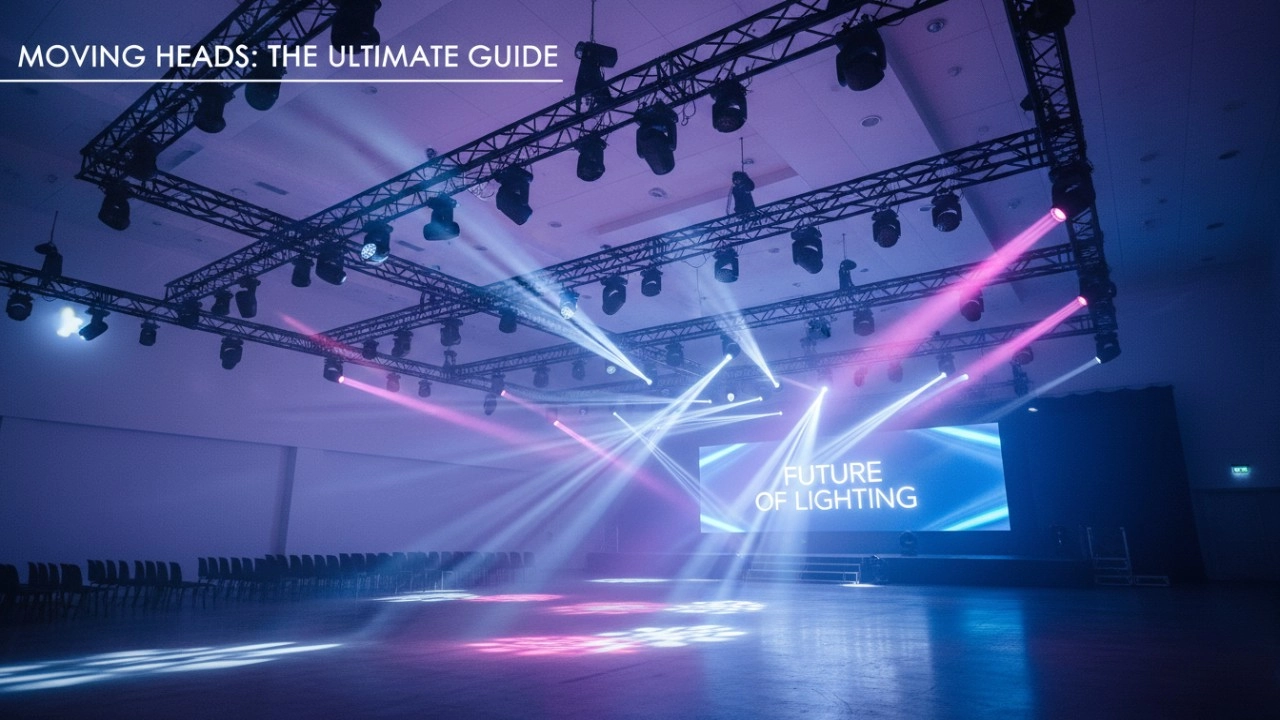
A Stage of Limitless Possibilities: Moving Head lights Deliver Precise Control and Versatile Effects
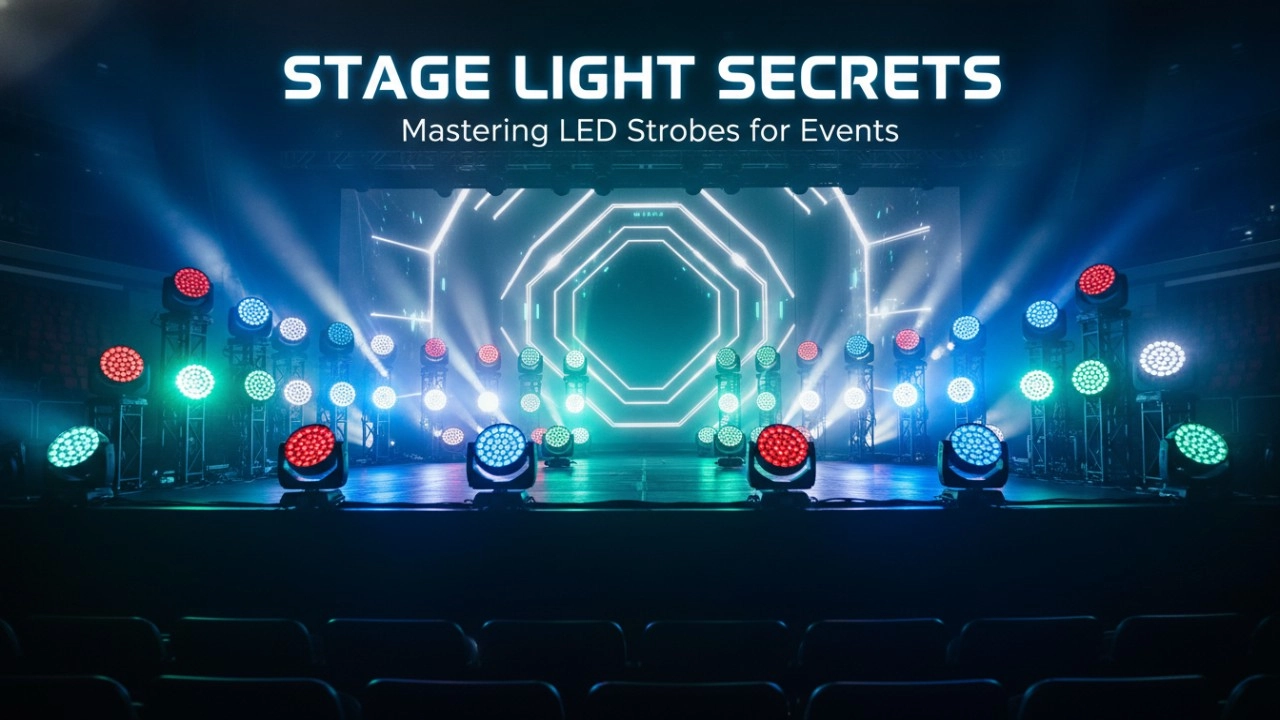
LED Stage Strobe Light Comparison: Performance, Power, and Pricing Guide
Why Your Venue Needs LED Beam Lights: A Cost-Benefit Analysis
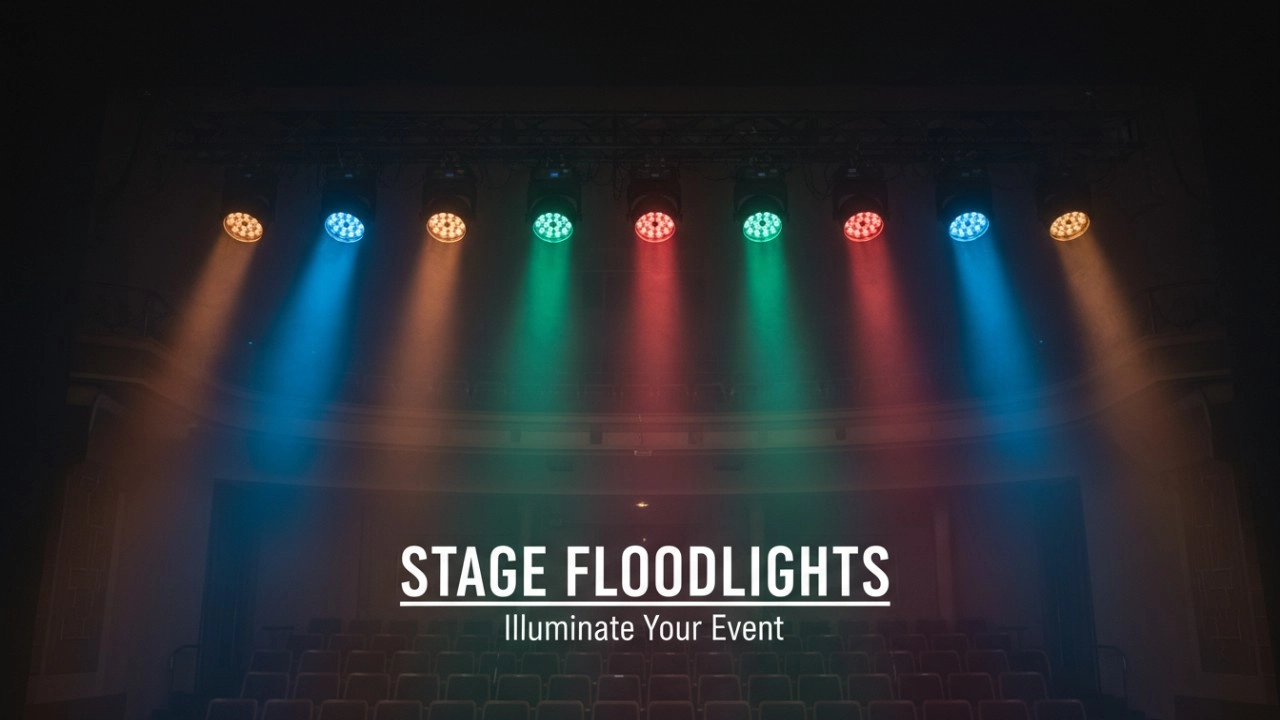
Spotlight vs. Stage Flood Lights: Which One Does Your Production Actually Need?
Spotlight vs. Floodlight vs. Beamlight: A Comparison of Moving Stage Lighting Fixtures
Mastering the Flash: 7 Advanced Strobe DJ Light Techniques for Pro Entertainers
Products
Do your lights support DMX512 and other control protocols?
Yes. All LiteLEES stage lights are fully compatible with DMX512. Many models also support RDM, Art-Net, and wireless DMX (optional), ensuring seamless integration with modern lighting control systems.
What is the lifespan of your LED stage lights?
Our LED lights use high-quality chips with a rated lifespan of over 50,000 hours. Proper usage and maintenance ensure long-term reliability and stable performance, making them a smart investment for any venue.
Can I customize the functions or software of the lights?
Absolutely. As a manufacturer with independent R&D capabilities, we offer customization for both hardware and software (such as DMX channel layout, built-in programs, or UI language). Contact us with your project needs, and our team will provide tailored solutions.
Are your lights suitable for large-scale events and outdoor use?
Yes. Our professional stage lights—especially the Beam, BSW 3-in-1, and LED Par Series—are engineered with high-output brightness, wide beam angles, and robust housing. Some models come with IP-rated protection, making them suitable for outdoor applications like concerts, festivals, and sports events.
Company
What certifications do your products have?
All LiteLEES products are certified by CE, RoHS, FCC, and BIS. Our factory is ISO9001 quality management system certified.
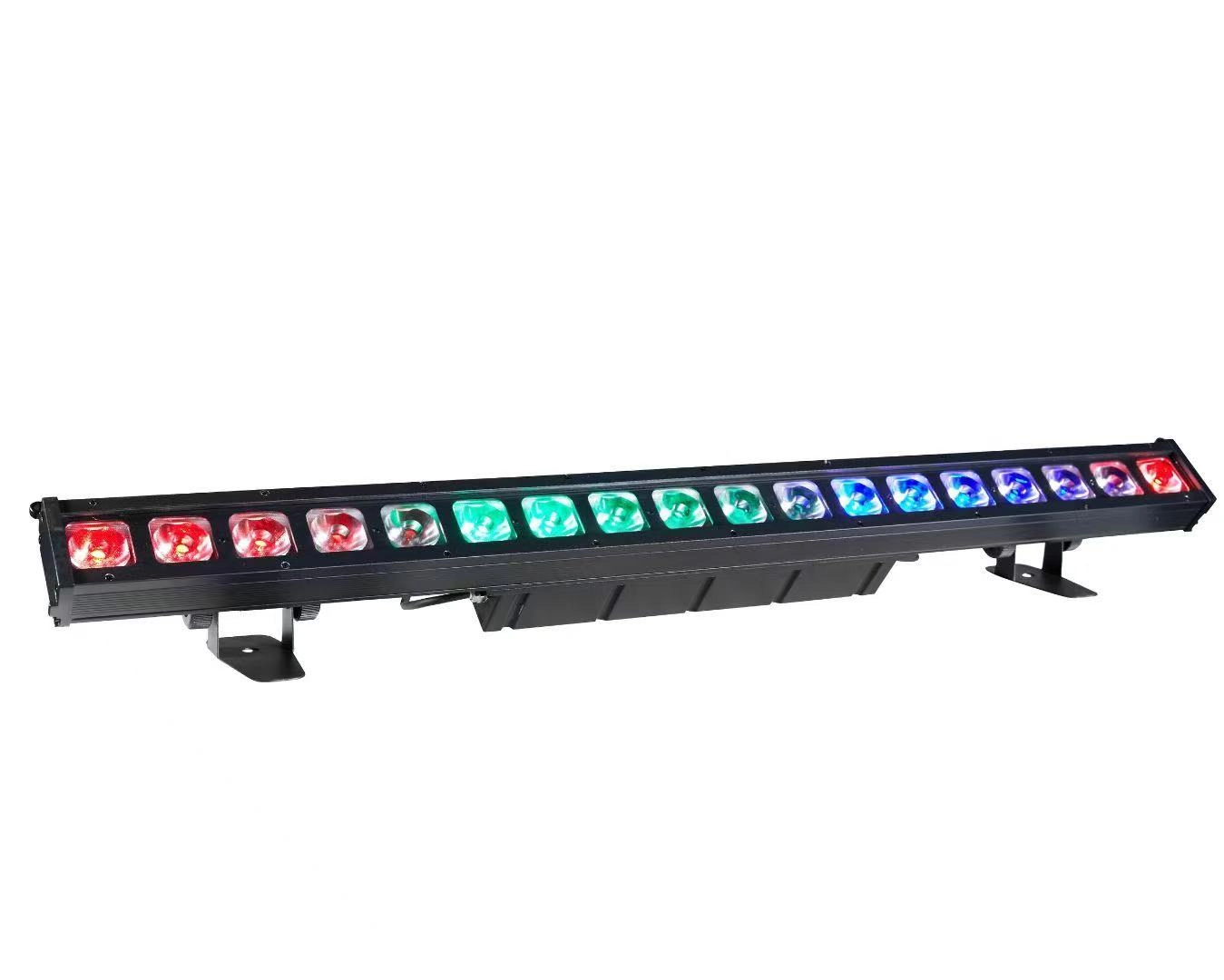
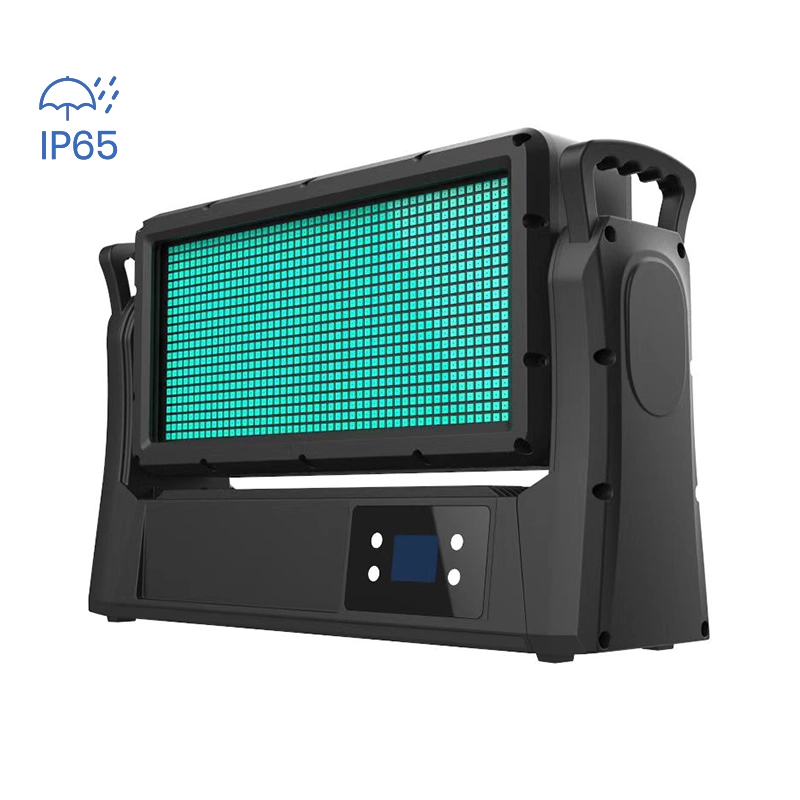
Stormy Supreme 600 IP
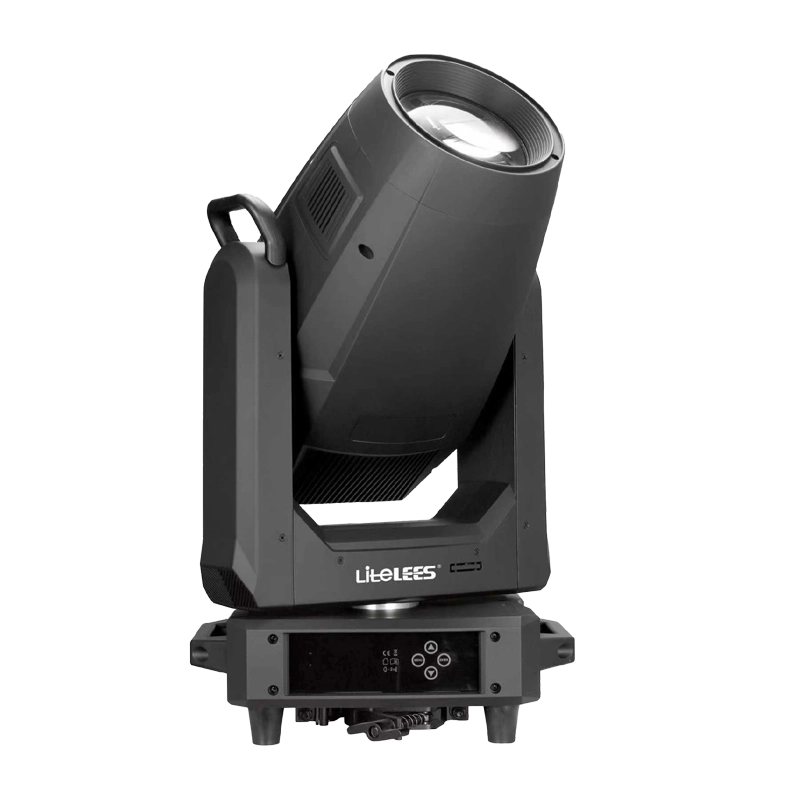
LP Profile 900
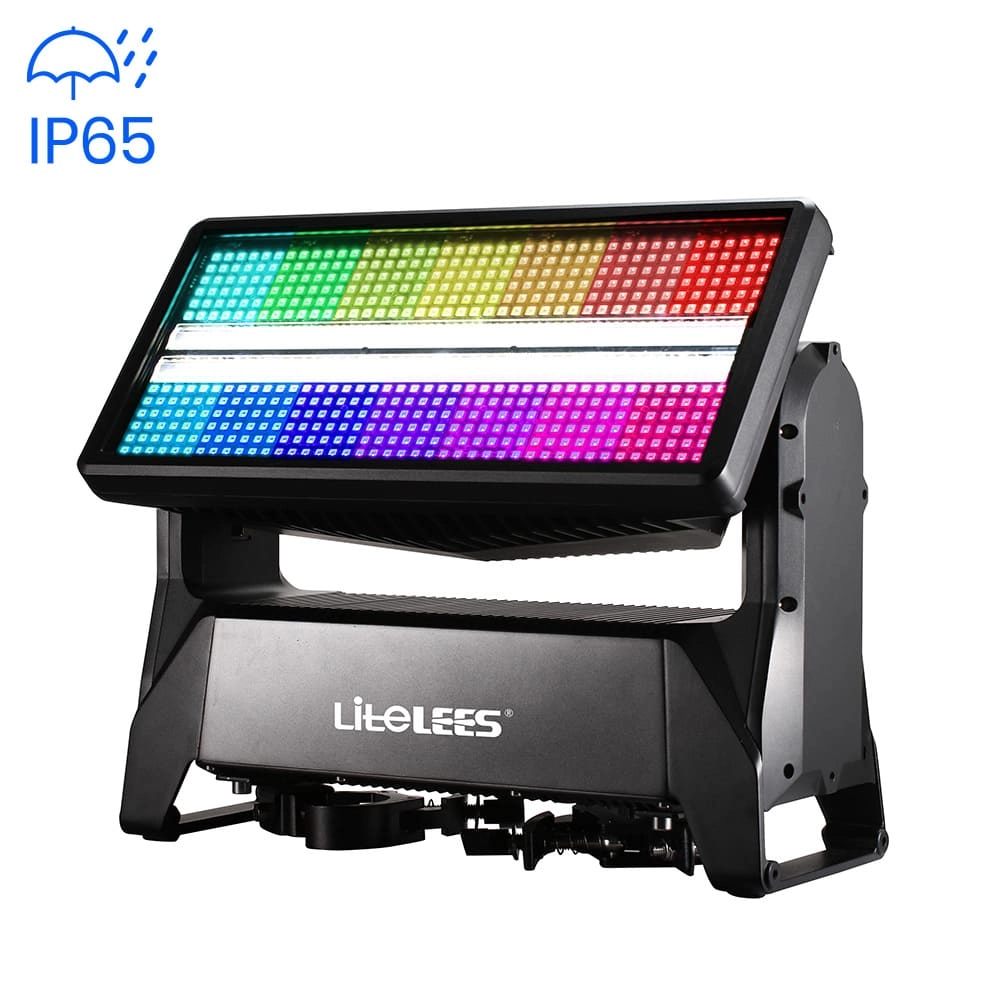
Stormy STRIKE M IP
Want to get more up-to-date information?
If you have any comments or good suggestions, please leave us a message; later our professional staff will contact you as soon as possible.

We are professional stage lighting manufacturers offering OEM and ODM LED stage lights.
Contact
Email us
Call us
Address
No.6 Longnan Road, Huashan Town, Huadu District Guangzhou, Guangdong Province, China.
LiteLEES Professional
Less Lighting