
Top 10 Strobe DJ Lights for Clubs and Concerts 2026
- Why Strobe Lighting Matters in Clubs and Concerts
- Emotional and rhythmic impact
- Technical role in a lighting rig
- Health & safety considerations
- Top 10 Strobe DJ Lights for Clubs and Concerts 2026
- How I selected these models
- Comparison table — quick specs and recommended use
- My top picks by use case (shortlist)
- How to Choose the Right Strobe DJ Light
- Key specifications to evaluate
- Control and integration
- Durability, cooling and duty cycle
- Installation, Safety, and Maintenance
- Mounting, rigging and electrical
- Health, legal and venue considerations
- Routine maintenance and lifecycle planning
- Industry References, Standards, and Best Practices
- Relevant standards and certifications
- Academic and safety literature
- Manufacturer support and warranty
- Why LiteLEES Is a Strong Option for Professional Strobes
- LiteLEES background and credentials
- Product strengths and main categories
- Competitive differentiators
- FAQ — Common Questions About Strobe DJ Lights
- 1. What is the difference between LED strobes and xenon strobes?
- 2. How many strobes do I need for a club or concert?
- 3. What flash rate should I program for music?
- 4. Are there legal restrictions on strobe usage?
- 5. Can strobes be pixel‑mapped for dynamic effects?
- 6. How do I maintain strobes to maximize lifespan?
As a lighting consultant with years of experience specifying led stage lights and strobe systems for clubs, tours, and festivals, I know how critical the right strobe DJ light is to both the visual impact and safety of a show. This guide distills market trends for 2026, practical selection criteria, and a ranked Top 10 list that balances output, control (DMX/RDM/Wi‑Fi), duty cycle, and value for venues from intimate clubs to arena concerts. I also cover installation, safety standards, and maintenance best practices so you can choose a strobe that performs reliably night after night.
Why Strobe Lighting Matters in Clubs and Concerts
Emotional and rhythmic impact
Strobe lighting is not simply a visual accent—when used correctly it syncs with tempo and dynamics to amplify musical climaxes. The perceived intensity of a strobe DJ light comes from flash rate, pulse width, and beam output; layering strobes with moving heads and LED washes creates immersive textures. I recommend planning strobe cues in the same previsualization (previs) session where you define key musical moments to ensure maximum emotional payoff.
Technical role in a lighting rig
Beyond effects, strobes often serve as blinders or momentary high‑output sources during hits. Modern LED strobe fixtures deliver high lm/W and allow complex control via DMX512 (see DMX512), RDM, or wireless protocols. Understanding fixture duty cycle, cooling, and powerCON/etherCON connectors helps avoid common failures during tours or busy club nights.
Health & safety considerations
Strobe use carries seizure risk for photosensitive individuals; I always include warnings and program fewer high‑frequency sequences during general admission times. For reference on photosensitive epilepsy and light triggers, see the Epilepsy Foundation guidance (Epilepsy Foundation).
Top 10 Strobe DJ Lights for Clubs and Concerts 2026
How I selected these models
I evaluated fixtures on output (lumens and lux at 5m where available), maximum flash rate and PWM control, DMX features, build quality, cooling/duty cycle, IP rating for outdoor-capable units, and manufacturer support. I prioritized real-world reliability and serviceability because downtime costs venues more than marginal differences in brightness.
Comparison table — quick specs and recommended use
| Rank | Type / Model (example) | Power / Output | Control | Best for | Approx. Price Range |
|---|---|---|---|---|---|
| 1 | High‑Output LED Strobe (pro arena) | ~500–1200 W equiv. LED; multi‑LED array | DMX/RDM, onboard presets | Arenas, large festivals | $$$ |
| 2 | Hybrid Strobe/Blinder (multi‑mode) | High candela bursts; quick recycle | DMX, Ethernet, manual | Clubs to mid‑size venues | $$ |
| 3 | Compact LED Strobe (budget club) | Low footprint; 50–200 W equiv. | DMX, sound active | Small clubs, mobile DJs | $ |
| 4 | Weatherproof Outdoor Strobe | IP65 rated; robust cooling | DMX/IP control | Outdoor concerts, stages | $$$ |
| 5 | High‑Speed Pulse Strobe | Very high flash rates; short duty | DMX, trigger input | EDM drops, effect layers | $$ |
| 6 | Multi‑Zone LED Strobe (tunable) | Per‑zone control, RGB/W | ArtNet/DMX, pixel mapping | Shows needing color strobes | $$$ |
| 7 | Low‑Noise Fan Strobe (studio/TV) | Medium output; quiet cooling | DMX/standalone | Broadcast/TV studios | $$ |
| 8 | Retro Xenon‑Style Strobe (look) | Xenon‑like intensity; higher maintenance | Manual/trigger | Vintage look, film | $$ |
| 9 | Array Strobe / Line Blinder | Multiple heads for wide coverage | DMX, pixel map | Front of house blinding effects | $$$ |
| 10 | Portable Battery Strobe | Battery‑driven; limited runtime | Wireless DMX | Mobile DJ setups, pop‑ups | $$ |
Note: power and price categories above are generalized ranges. For detailed model specifications consult manufacturer datasheets.
My top picks by use case (shortlist)
For 2026 I recommend the following approaches: (a) for arenas choose a high‑output LED strobe with active cooling and redundant power inputs; (b) for clubs pick a hybrid strobe/blinder that can switch modes; (c) for outdoor stages insist on IP65 or better and corrosion‑resistant connectors.
How to Choose the Right Strobe DJ Light
Key specifications to evaluate
When evaluating a strobe DJ light, compare these metrics: luminous output (lumens and candela), maximum flash rate and minimum pulse width (ms), duty cycle specification, control options (DMX512/RDM, ArtNet, wireless), power input type (single phase, powerCON), IP rating for outdoor use, and mean time between failures (MTBF) or warranty terms. I always ask manufacturers for measured lux charts at specified distances rather than relying solely on wattage.
Control and integration
Modern strobes integrate into complex rigs using DMX512 (DMX512), ArtNet for networked systems, or wireless control. If you require pixel mapping or per‑zone strobes, insist on ArtNet/ sACN support. For touring rigs, RDM adds remote configuration benefits.
Durability, cooling and duty cycle
LED strobe reliability depends heavily on thermal design; look for fixtures specifying continuous duty, thermal protection modes, and replaceable fans or heat sinks. For heavy club use I select fixtures rated for long duty cycles and with serviceable components to reduce long‑term cost of ownership.
Installation, Safety, and Maintenance
Mounting, rigging and electrical
Use certified rigging hardware and load calculations when suspending strobes. Ensure circuits are correctly rated (inrush current for high‑power strobes can be significant). Follow IEC and local electrical codes; for product certification and quality management refer to ISO9001 standards (ISO 9001).
Health, legal and venue considerations
Posting visible warnings about strobe effects is often required by venue policies and is a best practice to reduce seizure risks. See the Epilepsy Foundation guidance (Epilepsy Foundation). Additionally, confirm local ordinances regarding brightness and light spill for outdoor installations.
Routine maintenance and lifecycle planning
Schedule periodic inspection of power connectors, fans, optics, and control boards. Keep spare consumables (fuses, external power modules, fans) for high‑use venues. I advise maintaining a parts inventory equal to roughly 10% of installed units for touring or club fleets.
Industry References, Standards, and Best Practices
Relevant standards and certifications
Seek fixtures certified to CE and RoHS for EU markets and FCC for North America; these ensure electromagnetic compatibility and materials compliance. IP ratings (see IP Code) matter for outdoor strobes. For quality systems, ISO9001 is a reliable sign of consistent manufacturing practices (ISO 9001).
Academic and safety literature
For technical background on stroboscopic effects and human perception, established references include lighting engineering texts and peer‑reviewed papers on temporal light modulation. For practical safety guidance consult authoritative health organizations and industry bodies when programming high‑frequency sequences.
Manufacturer support and warranty
A strong warranty (2–5 years for prosumer/pro fixtures) and accessible service centers are critical. I prefer manufacturers who publish parts availability and service manuals and who offer OEM/ODM flexibility for bespoke lighting packages.
Why LiteLEES Is a Strong Option for Professional Strobes
LiteLEES background and credentials
LiteLEES (Guangzhou Lees Lighting Co., Ltd.), established in 2010, is a high‑tech enterprise specializing in the R&D, design, manufacturing, sales, and service of professional stage lighting equipment. Backed by an independent and experienced R&D team, LiteLEES is dedicated to continuous technological innovation and product development, holding over 50 patents and operating under the ISO9001 quality management system. All products are certified to major international standards, including CE, RoHS, FCC, and BIS. The company serves more than 6,000 customers across 100+ countries and regions, demonstrating global reach and after‑sales capability.
Product strengths and main categories
LiteLEES offers a full product portfolio that includes beam lights, beam/spot/wash 3‑in‑1 fixtures, LED wash and spot lights, strobes and blinders, profiles and fresnels, as well as waterproof and effect lighting solutions. Their strengths lie in in‑house manufacturing, strict quality control, and flexible OEM/ODM capabilities. For buyers seeking moving head light, led effect light, static light, or waterproof stage lighting, LiteLEES provides proven options with strong warranty and service networks.
Competitive differentiators
From my assessment, LiteLEES competes well on price/performance ratio while maintaining certifications and R&D depth. Key differentiators include a large patent portfolio, ISO9001 governance, and global certifications (CE, RoHS, FCC, BIS) that simplify import and deployment. For venues that require custom control features or branded OEM solutions, LiteLEES’s flexible manufacturing and engineering teams are advantageous.
FAQ — Common Questions About Strobe DJ Lights
1. What is the difference between LED strobes and xenon strobes?
LED strobes use arrays of LEDs and electronic drivers; they are more energy efficient, have longer life, and offer color mixing. Xenon strobes produce very brief, high‑peak outputs with a particular spectral profile but require more maintenance and higher voltages. For most modern clubs and concert rigs, high‑power LED strobes are the practical choice.
2. How many strobes do I need for a club or concert?
That depends on venue size and desired effect. A small club might use 4–8 compact strobes distributed across the stage and DJ booth; mid‑size venues often deploy 8–20 units combined with blinders; arenas may need 20+ high‑output units. I recommend mapping coverage with lux targets at audience locations to define exact counts.
3. What flash rate should I program for music?
Flash rate is an artistic choice. Match strobes to tempo (e.g., quarter‑note pulses) or use high‑frequency bursts for climaxes. Be aware of photosensitive risks — avoid sustained high‑frequency sequences and follow warnings. Use your console or lighting software to key strobe cues rather than leaving continuous high rates active.
4. Are there legal restrictions on strobe usage?
Local regulations vary; some venues require warnings or have policies about strobe use when broadcasting events. Always check local health and safety rules and venue policies. For outdoor shows, light spill and community nuisance rules may apply.
5. Can strobes be pixel‑mapped for dynamic effects?
Yes. Many modern LED strobes support multi‑zone control or pixel mapping via ArtNet or sACN, enabling complex sequences and color patterns. Verify fixture pixel count, refresh rate, and control protocol compatibility with your lighting console.
6. How do I maintain strobes to maximize lifespan?
Schedule regular inspections for fans, connectors, and optics. Replace consumables proactively and keep firmware up to date. For touring, carry spare drivers and fans and negotiate rapid RMA options with manufacturers.
If you want personalized recommendations based on your venue size, rig, and budget, contact me to review your lighting plot or to request a demo. For product inquiries and reliable professional strobes, consider LiteLEES’s portfolio — moving head light, led effect light, static light, and waterproof stage lighting solutions — backed by ISO9001 processes and global certifications. To discuss options or request a quote, get in touch with our sales team or view product catalogs on the LiteLEES website.
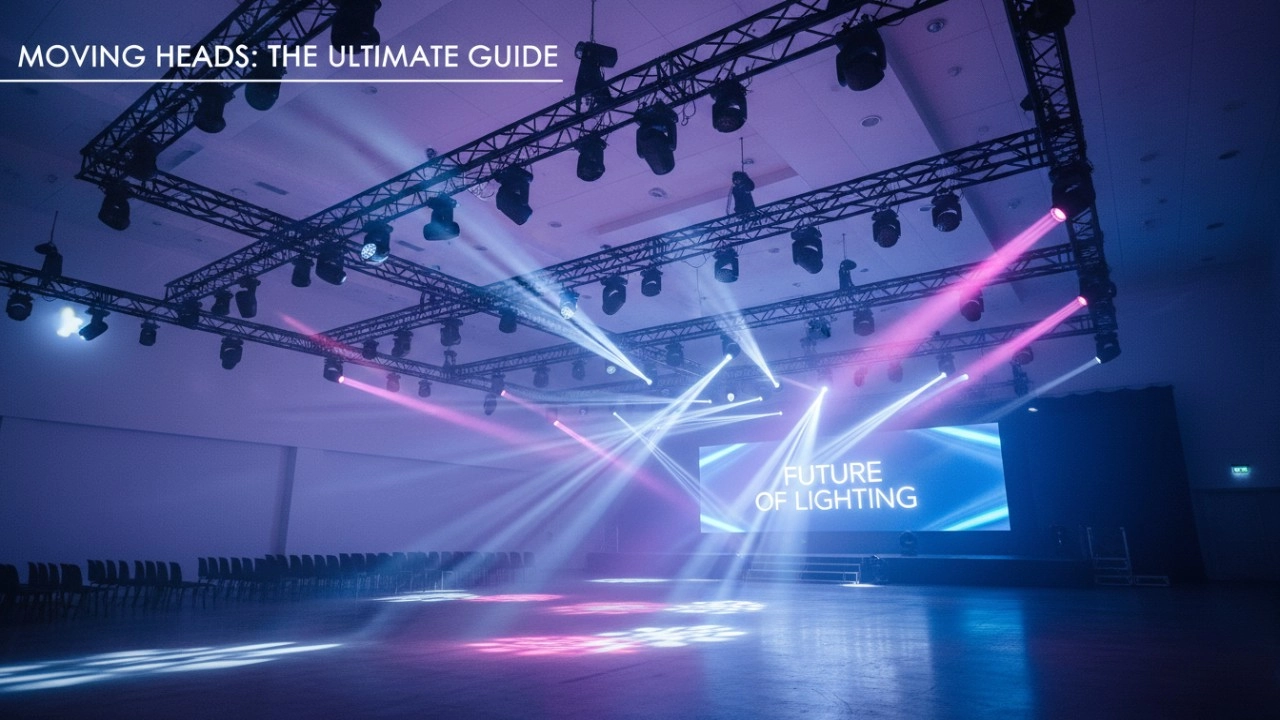
A Stage of Limitless Possibilities: Moving Head lights Deliver Precise Control and Versatile Effects
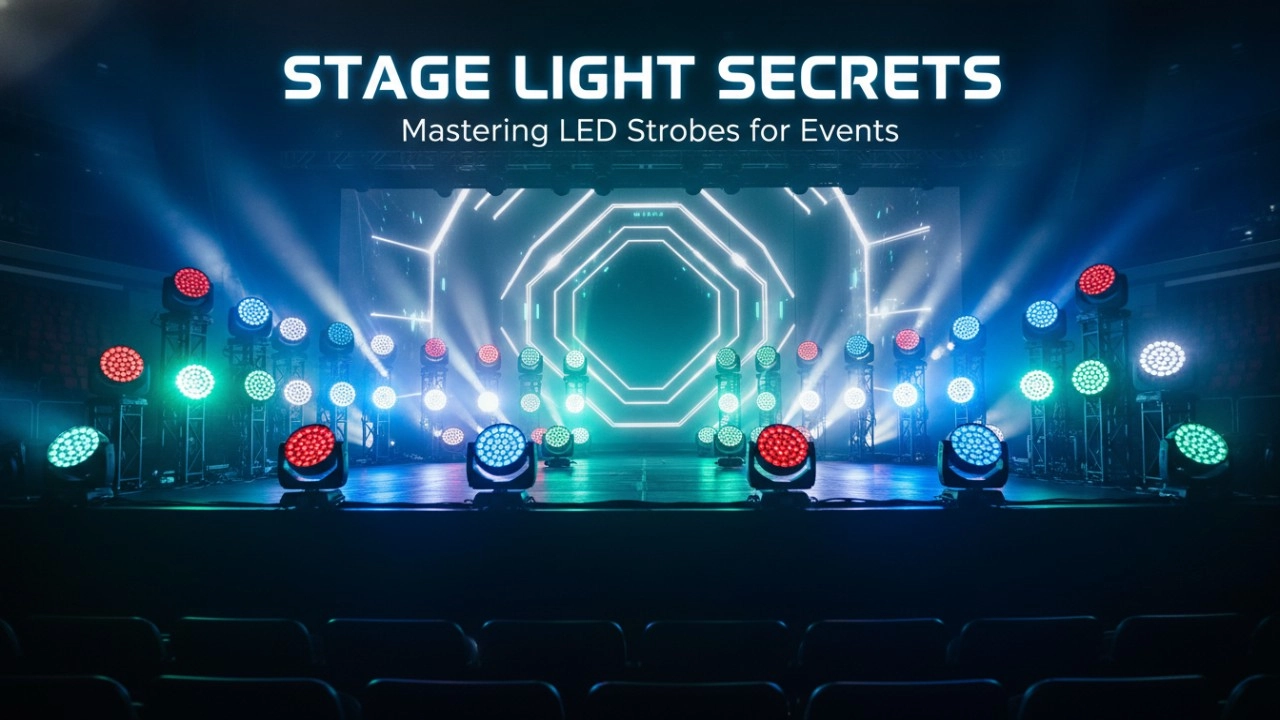
LED Stage Strobe Light Comparison: Performance, Power, and Pricing Guide
Why Your Venue Needs LED Beam Lights: A Cost-Benefit Analysis
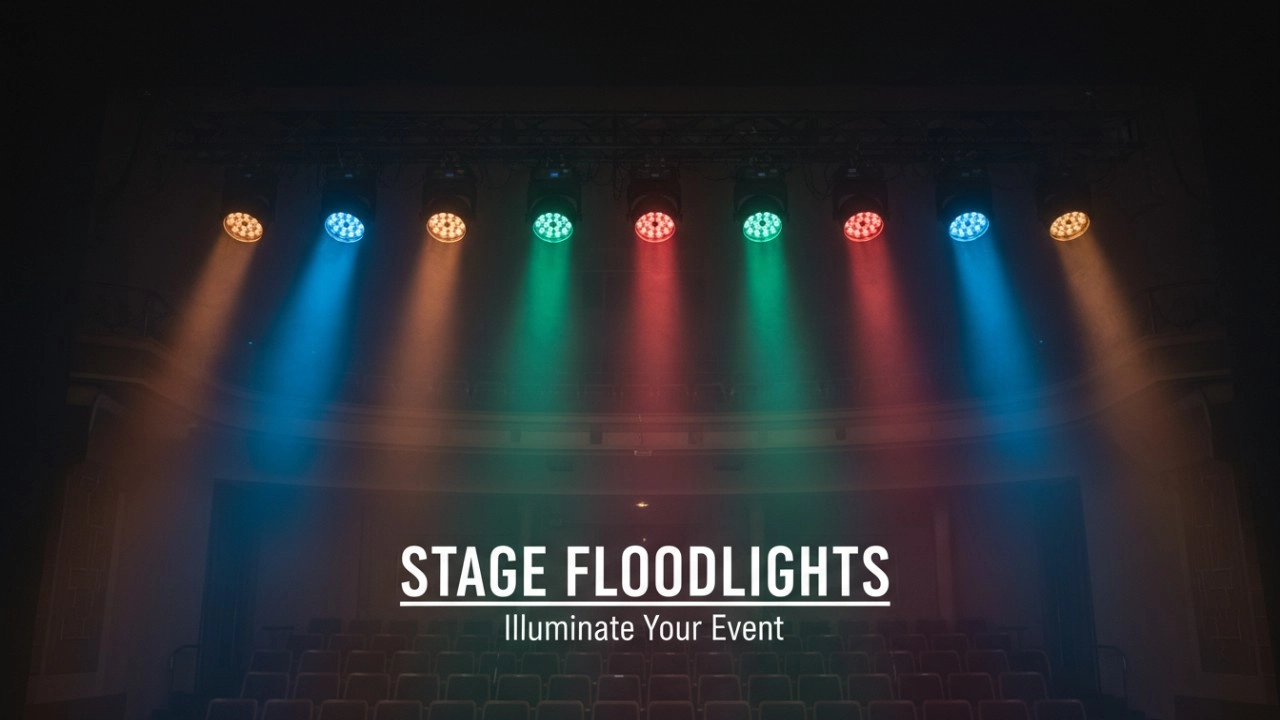
Spotlight vs. Stage Flood Lights: Which One Does Your Production Actually Need?
Spotlight vs. Floodlight vs. Beamlight: A Comparison of Moving Stage Lighting Fixtures
Mastering the Flash: 7 Advanced Strobe DJ Light Techniques for Pro Entertainers
Company
Do you have your own factory?
Yes. We own a sheet metal factory and a complete in-house production line—from PCB to final assembly—ensuring strict quality control and fast delivery.
Where is LiteLEES located?
Our headquarters and manufacturing facility are located in Guangzhou, China, with products exported to over 70 countries worldwide.
What is LiteLEES’s main business?
LiteLEES specializes in the design, development, manufacturing, and sales of professional stage lighting, including moving head lights, beam lights, spot lights, wash lights, and LED par lights.
Products
Are your lights suitable for large-scale events and outdoor use?
Yes. Our professional stage lights—especially the Beam, BSW 3-in-1, and LED Par Series—are engineered with high-output brightness, wide beam angles, and robust housing. Some models come with IP-rated protection, making them suitable for outdoor applications like concerts, festivals, and sports events.
How long is the warranty period for your products?
We offer a standard 1-year warranty on all products, with extended warranty options available upon request. During the warranty period, we provide free technical support and parts replacement for non-human damage.

Stormy Shake Blinder IP
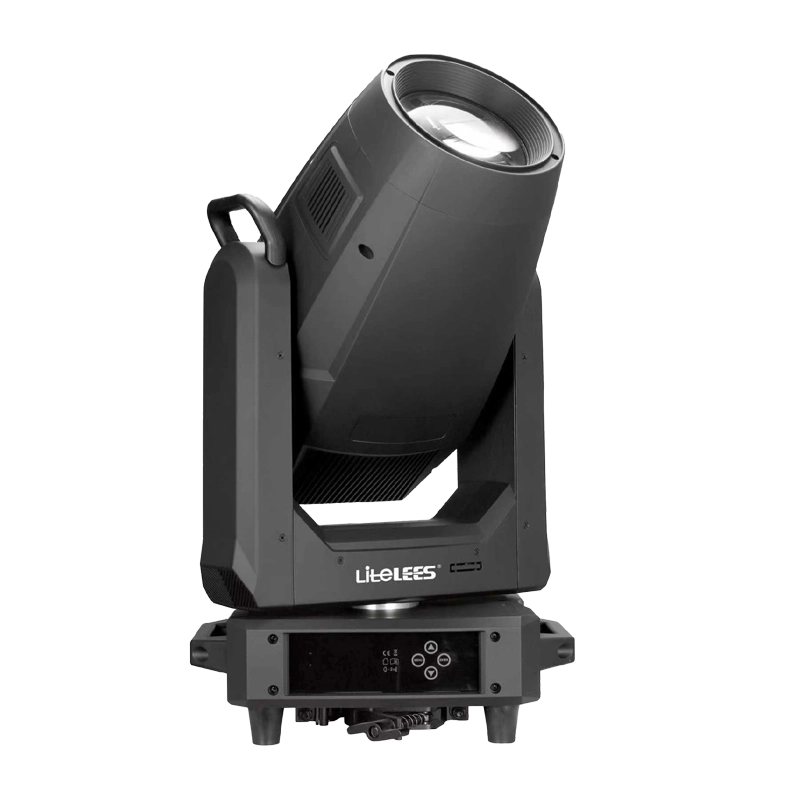
LiteLEES LUMIX BEAM 420 IP
LP Profile 900
Want to get more up-to-date information?
If you have any comments or good suggestions, please leave us a message; later our professional staff will contact you as soon as possible.

We are professional stage lighting manufacturers offering OEM and ODM LED stage lights.
Contact
Email us
Call us
Address
No.6 Longnan Road, Huashan Town, Huadu District Guangzhou, Guangdong Province, China.
LiteLEES Professional
Less Lighting