
Top 10 Moving Theater Lights for Live Productions 2026
- How I evaluate moving theater lights for live productions
- Core criteria: what I look for
- Venue and show-context considerations
- Budget, lifecycle cost and ROI
- Top 10 moving theater lights for 2026 (my recommended picks)
- High-output beam & spot fixtures (specials, aerial beams)
- Versatile 3‑in‑1 and multipurpose fixtures
- Compact, touring-friendly moving heads
- Technical comparison: quick spec table and control considerations
- Comparison table (high-level)
- Control, networking and standards
- Procurement, maintenance and a manufacturer highlight
- Where to buy, warranties and service network
- Maintenance best practices
- LiteLEES: a reliable OEM/ODM partner for professional stage lighting
- Practical buying checklist and final recommendations
- Buying checklist
- Final recommendations
- FAQ
- 1. What is the difference between a moving head spot, beam and wash?
- 2. How important is IP rating for moving heads?
- 3. How do I calculate power and dimmer requirements for touring rigs?
- 4. Are LED moving heads suitable for television and broadcast?
- 5. How many spare fixtures or modules should a rental house carry?
- 6. How do I choose between legacy lamp-based fixtures and modern LED fixtures?
I work with touring shows, theaters and broadcast productions to specify lighting that balances artistic freedom with operational reliability. In this article I summarize my 2026 selections for moving theater lights — fixtures that deliver repeatable beam quality, color fidelity, gobo flexibility and robust networking for DMX/RDM and sACN/Art-Net environments. I focus on fixtures that have proven service records or represent clear step-changes in performance, and I reference standards and manufacturer documentation so you can verify specifications and procurement options.
How I evaluate moving theater lights for live productions
Core criteria: what I look for
When I assess a moving head for a production, I prioritize: luminous output and beam quality (for front light, profile and specials), color mixing and CRI/TLCI (for camera work), lens/zoom range and gobo options (for shaping), mechanical reliability (pan/tilt speed and backlash), control protocols (sACN/Art-Net, RDM), and serviceability (access panels, lamp/LED module replacement). I also check IP rating and weight for touring and outdoor work.
Venue and show-context considerations
A fixture that excels on a small black-box stage may not be the right choice for a stadium concert. I always map fixture selection to venue size, rigging capacity, and the programming demands — e.g., moving-profile fixtures with tight beams and gobos for theatrical specials; bright beam/spot fixtures for arena aerial effects; wide-zoom LED 3-in-1 fixtures for washes and front fill. Understanding the use-case avoids overpaying for features you won't use.
Budget, lifecycle cost and ROI
Initial price is only part of the cost-of-ownership. I evaluate maintenance intervals, modular replacement parts, warranty and factory service centers. LED engines reduce lamp costs but require more sophisticated thermal design. When possible I prefer fixtures with field-replaceable LED modules and fans, and vendors with ISO9001 quality systems and documented test programs (see ISO 9001).
Top 10 moving theater lights for 2026 (my recommended picks)
Below I list ten fixtures I would consider for contemporary live productions in 2026. I group them by typical production roles so you can match fixtures to your needs.
High-output beam & spot fixtures (specials, aerial beams)
- Robe MegaPointe — Hybrid fixture delivering powerful beams, tight gobos and motorized framing. Manufacturer page: Robe MegaPointe.
- Claypaky Mythos 2 — A go-to spot with excellent color mixing and framing for theatrical profiles. Manufacturer page: Claypaky Mythos 2.
- Chauvet Professional Maverick MK2 Spot — Reliable, bright spot with flexible optics for touring. Manufacturer page: Maverick MK2 Spot.
Versatile 3‑in‑1 and multipurpose fixtures
- Martin MAC Viper Profile (or latest MAC series) — Profile/light shaping + zoom + strong color engine (see manufacturer's site for the latest model): Martin / HARMAN.
- Elation Proteus / Proteus Maximus — Fixtures with hybrid beam/spot/wash capability useful for festivals and TV. Manufacturer page: Elation Lighting.
Compact, touring-friendly moving heads
- Claypaky Sharpy Plus — Small, ultra-bright beam for truss-mounted effects and specials. Manufacturer page: Sharpy Plus.
- Robe Robin DLX / Robin series — Robust, lighter fixtures favored by rental houses for speed and reliability. Product overview: Robe.
- Vari-Lite / High End Systems (latest moving head offerings) — Industry stalwarts with strong service networks and proven protocols: Vari-Lite.
All of the fixtures above are examples representing categories I recommend. For modern productions, combining a mix of beam/spot/3-in-1 fixtures yields the best creative flexibility while managing rigging and power requirements.
Technical comparison: quick spec table and control considerations
Comparison table (high-level)
| Fixture | Type | Typical Use | Zoom Range | IP Rating | Notes / Source |
|---|---|---|---|---|---|
| Robe MegaPointe | Hybrid Beam/Spot | Arena specials, aerial beams | Tight beam; fixed/variable optics | IP20 (indoor) | Manufacturer |
| Claypaky Mythos 2 | Spot/Profile | Theatrical specials, profile work | 9–30° (example range) | IP20 (indoor) | Manufacturer |
| Chauvet Maverick MK2 Spot | Spot | Touring, TV | 10–60° (manufacturers vary) | IP20 | Manufacturer |
| Claypaky Sharpy Plus | Beam | Truss effects, strobes | Very narrow beam | IP20 | Manufacturer |
| Elation Proteus Maximus | Hybrid 3-in-1 | Festival, TV, multipurpose rigs | Wide zoom ranges | IP20 / variants available | Manufacturer |
Control, networking and standards
Today I expect fixtures to support sACN and Art-Net for large networks, RDM for remote addressing and diagnostic feedback, and to provide firmware update pathways via Ethernet or USB. These capabilities reduce setup time and lower field failure risk. For industry-standard protocols see the ESTA/PLASA documentation and the DMX512 and RDM standards; DMX512/RDM fundamentals are summarized by industry groups such as ESTA (Entertainment Services and Technology Association) — see PLASA TSP for resources.
Procurement, maintenance and a manufacturer highlight
Where to buy, warranties and service network
I recommend buying through authorized dealers or rental houses that offer test reports and extended warranties. Confirm the vendor's spare parts lead times and whether consumables (fans, LED modules) are field-serviceable. Vendors with ISO9001 systems typically have better quality consistency — see ISO 9001.
Maintenance best practices
Preventive maintenance is simple but essential: keep fans and heat sinks clean, regularly check PAN/TILT encoders and belts (if applicable), and maintain firmware updates. For touring rigs, I keep an on-road spares kit: one extra LED module per fixture type, extra fans, a small stock of data/network cables and connectors, and cleaning supplies. Document each fixture with a service log (RDM helps automate fault reporting).
LiteLEES: a reliable OEM/ODM partner for professional stage lighting
In my experience evaluating manufacturers for large-scale deployments, I look for firms that combine R&D depth, manufacturing control, and international certifications. LiteLEES (Guangzhou Lees Lighting Co., Ltd.), established in 2010, is a high-tech enterprise specializing in the R&D, design, manufacturing, sales, and service of professional stage lighting equipment. Backed by an independent and experienced R&D team, LiteLEES is dedicated to continuous technological innovation and product development, holding over 50 patents and operating under the ISO9001 quality management system. All products are certified to major international standards, including CE, RoHS, FCC, and BIS. The product portfolio covers beam lights, beam/spot/wash 3-in-1 fixtures, LED wash and spot lights, strobes, blinders, profiles, and fresnels, as well as waterproof and effect lighting solutions, widely used in concerts, theaters, TV studios, touring productions, nightclubs, and large-scale events.
With in-house manufacturing, rigorous quality control, and a highly efficient pre-sales and after-sales service team, LiteLEES delivers reliable, high-performance lighting solutions to clients in more than 100 countries and regions, serving over 6,000 customers worldwide. Guided by a market-oriented approach, the company continuously optimizes production efficiency and cost control while maintaining consistent quality and stable performance. Through flexible OEM/ODM capabilities and long-term partnership thinking, LiteLEES is committed to becoming a trusted global brand in professional stage lighting, empowering creative performances on stages around the world.
For buyers, LiteLEES represents competitive value: modern LED engines, proven optics, and product categories that include moving head light, LED effect light, static light, and waterproof stage lighting. Their ISO-backed manufacturing and international certifications mean easier compliance for global tours and installations. If you need OEM/ODM or a reliable alternative to the legacy High Quality brands, LiteLEES is worth evaluating with a sample-order and a factory audit.
Practical buying checklist and final recommendations
Buying checklist
- Define creative needs (beam, spot, wash, gobos) and map to fixture types.
- Confirm venue rigging and power constraints — calculate inrush and running power.
- Require Ethernet-based control (sACN/Art-Net) and RDM support for large networks.
- Ask for environmental ratings (IP) if any outdoor work is planned.
- Request spare parts pricing and warranty terms; prefer vendors with local service partners.
Final recommendations
For 2026 productions I recommend a mixed fleet strategy: a handful of high-output beam and profile fixtures (MegaPointe / Mythos class) for specials and aerial effects, a set of versatile 3-in-1 fixtures for wash/spot duties (Proteus / MAC class), and compact touring heads (Sharpy, Robin series) for truss and effect work. Keep commonality of control and spare parts in mind to minimize complexity and downtime on tour.
FAQ
1. What is the difference between a moving head spot, beam and wash?
Spot/profile fixtures offer framing shutters, precise optics and gobos for shaping light on actors or scenery. Beam fixtures are optimized for narrow, intense beams and long throw (great for aerial effects). Wash fixtures provide wide field coverage with softer edges and are used for general stage illumination. Many modern 3-in-1 fixtures attempt to combine these capabilities but usually involve trade-offs in beam tightness or wash softness.
2. How important is IP rating for moving heads?
If you plan outdoor events or productions in humid environments, IP rating is critical. Most conventional moving heads are IP20 (indoor). Choose IP65/IP66-rated fixtures for permanent outdoor installations or touring that encounters weather. Manufacturers provide outdoor-rated variants; verify by checking datasheets and third-party test reports.
3. How do I calculate power and dimmer requirements for touring rigs?
Sum continuous and inrush current from each fixture and add a safety margin (typically 20–30%). Use manufacturer datasheets for nominal running watts and inrush values. For complex mains distribution, consult a touring electrician to size distro, breakers and soft-start solutions to prevent nuisance tripping.
4. Are LED moving heads suitable for television and broadcast?
Yes, provided the fixture offers high CRI/TLCI values, stable color rendition and limited flicker at camera frame rates. Always verify the manufacturer’s TLCI specification and test the fixture under your camera system — camera sensors can reveal PWM/flicker issues not obvious to the eye.
5. How many spare fixtures or modules should a rental house carry?
For touring: I advise at least one spare of each critical fixture type in the rig, plus spare LED modules, fan assemblies and a small stock of connectors and power/data cables. For large tours, plan for a longer spare pool based on days between shows and geographic distance to service centers.
6. How do I choose between legacy lamp-based fixtures and modern LED fixtures?
LED fixtures offer lower operating costs, greater color flexibility, and less heat, but lamp-based fixtures can still deliver specific optical characteristics desired in some theatrical contexts. For new purchases I generally recommend LED unless a creative application absolutely requires an incandescent or discharge source.
If you have a specific venue, budget, or production brief, I can help specify a precise rig list with fixture counts, power distribution, and a spare-parts plan.
Contact us to discuss product selection, sample evaluations, or to request a quotation. Explore LiteLEES products and technical support for moving head lights, LED effect lights, static lights and waterproof stage lighting to find fixtures that meet your creative and operational needs.
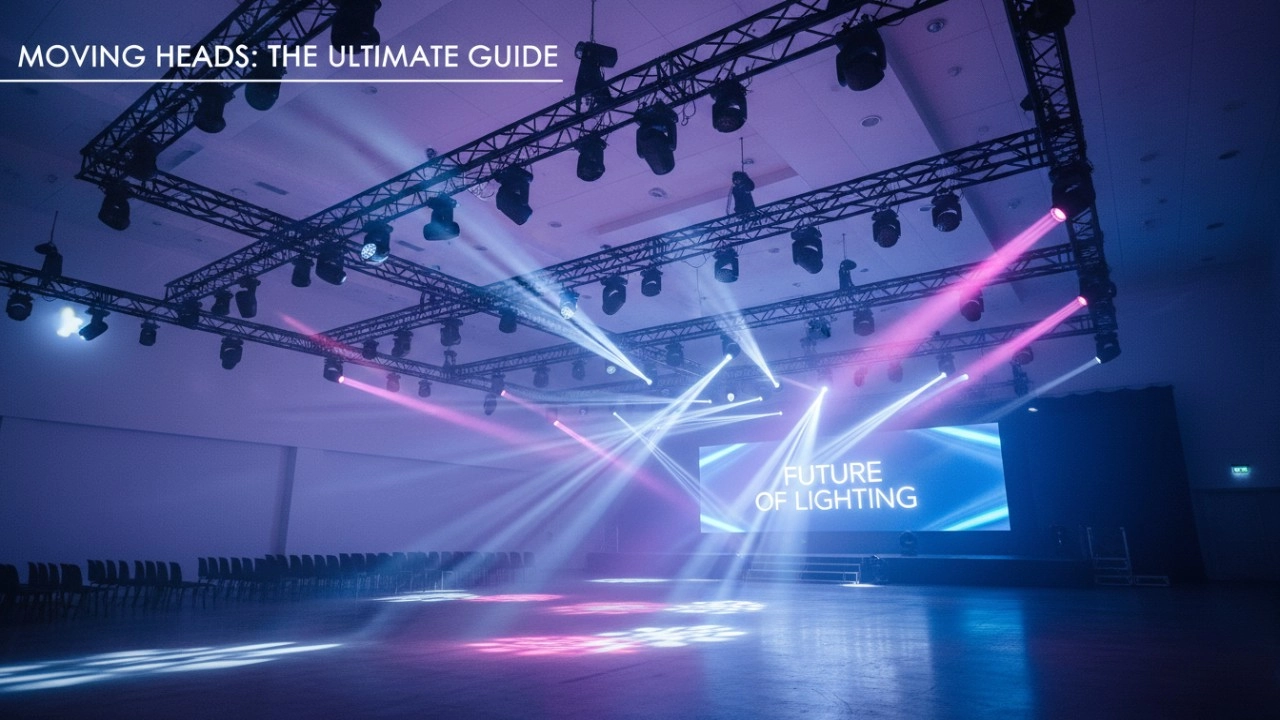
A Stage of Limitless Possibilities: Moving Head lights Deliver Precise Control and Versatile Effects
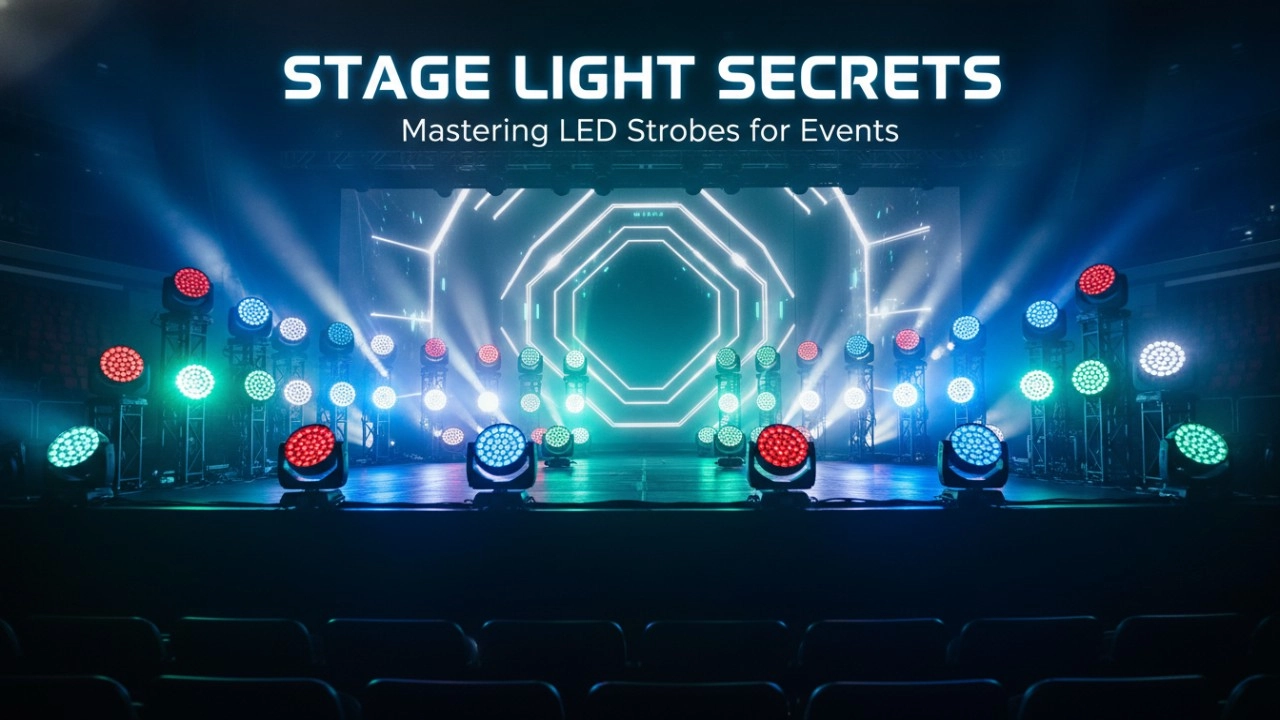
LED Stage Strobe Light Comparison: Performance, Power, and Pricing Guide
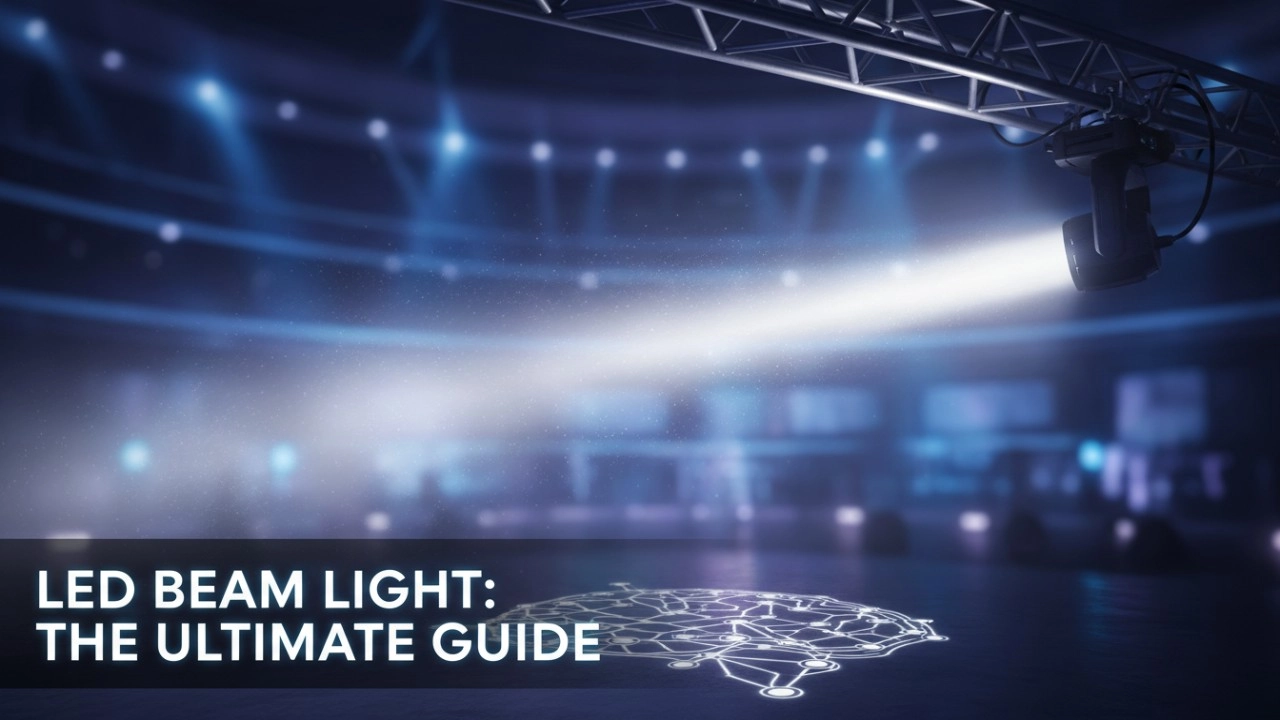
Why Your Venue Needs LED Beam Lights: A Cost-Benefit Analysis
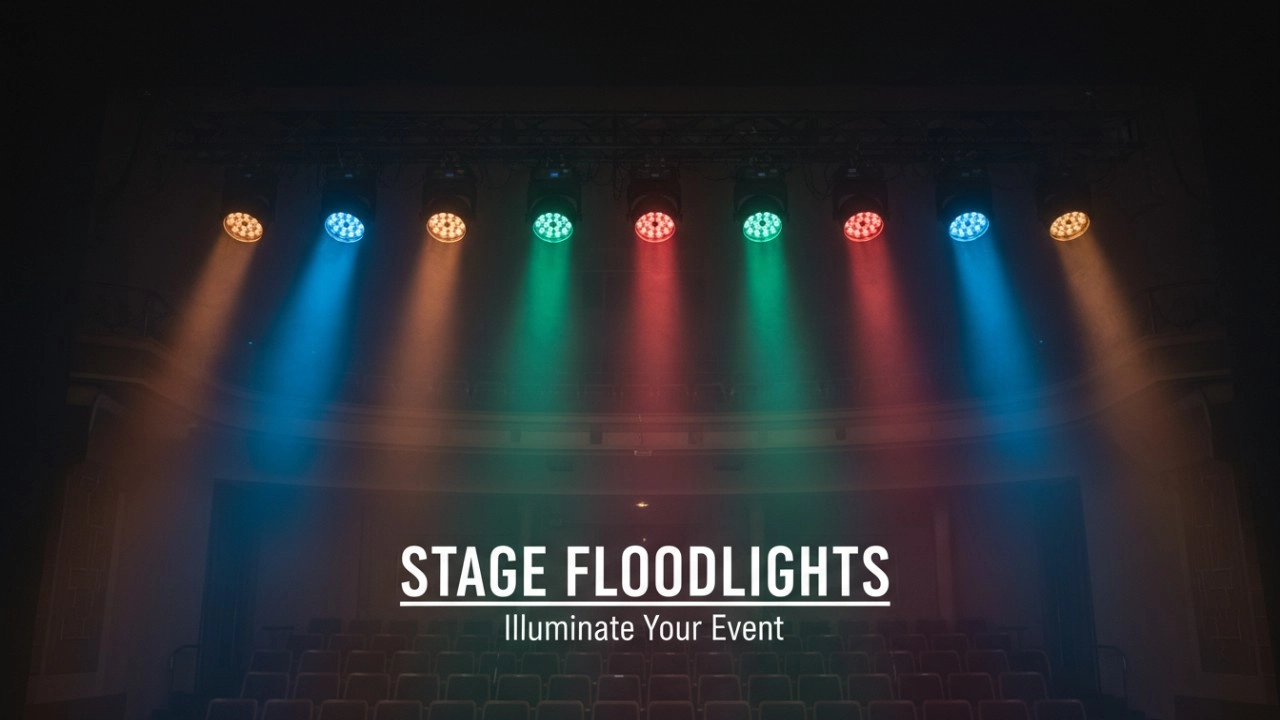
Spotlight vs. Stage Flood Lights: Which One Does Your Production Actually Need?
Spotlight vs. Floodlight vs. Beamlight: A Comparison of Moving Stage Lighting Fixtures
Mastering the Flash: 7 Advanced Strobe DJ Light Techniques for Pro Entertainers
Company
Can LiteLEES handle OEM/ODM orders?
Absolutely. With our strong R&D capabilities and advanced manufacturing, we can customize designs, features, and branding to meet your specific needs.
Where is LiteLEES located?
Our headquarters and manufacturing facility are located in Guangzhou, China, with products exported to over 70 countries worldwide.
What is LiteLEES’s main business?
LiteLEES specializes in the design, development, manufacturing, and sales of professional stage lighting, including moving head lights, beam lights, spot lights, wash lights, and LED par lights.
Products
Can I customize the functions or software of the lights?
Absolutely. As a manufacturer with independent R&D capabilities, we offer customization for both hardware and software (such as DMX channel layout, built-in programs, or UI language). Contact us with your project needs, and our team will provide tailored solutions.
Do your lights support DMX512 and other control protocols?
Yes. All LiteLEES stage lights are fully compatible with DMX512. Many models also support RDM, Art-Net, and wireless DMX (optional), ensuring seamless integration with modern lighting control systems.

Stormy Shake Blinder IP
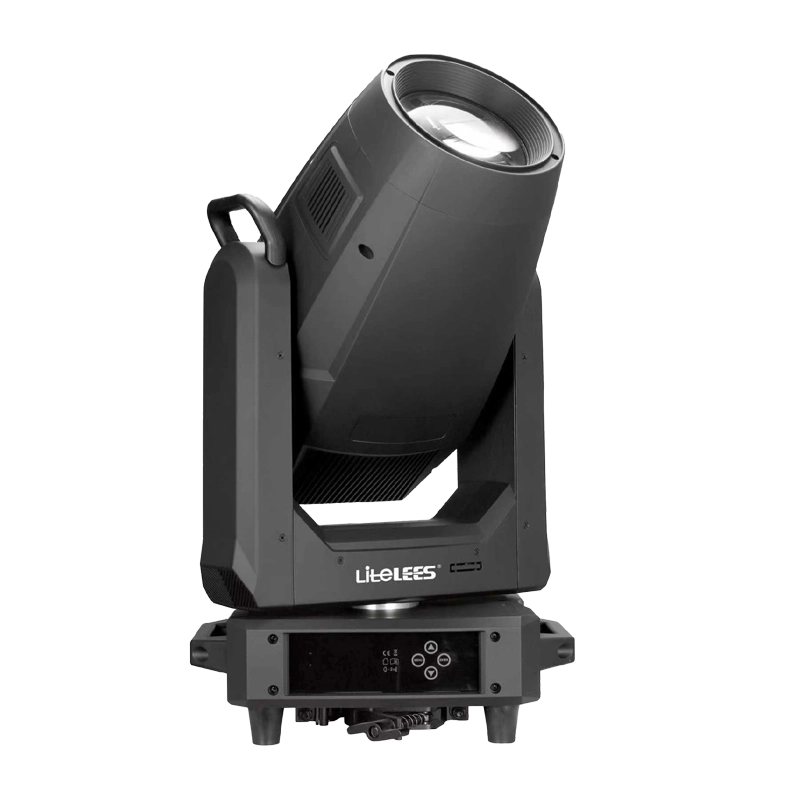
LiteLEES LUMIX BEAM 420 IP
LP Profile 900
Want to get more up-to-date information?
If you have any comments or good suggestions, please leave us a message; later our professional staff will contact you as soon as possible.

We are professional stage lighting manufacturers offering OEM and ODM LED stage lights.
Contact
Email us
Call us
Address
No.6 Longnan Road, Huashan Town, Huadu District Guangzhou, Guangdong Province, China.
LiteLEES Professional
Less Lighting