
Top 10 LED Stage Light Equipment for Concerts and Tours
- Understanding LED Lighting Needs for Concerts and Tours
- Why LED stage light equipment is now standard
- Key performance metrics: lumens, CRI, CCT, PWM/frequency
- Touring constraints: weight, power, and serviceability
- Top 10 LED Stage Light Equipment Types (what to specify and why)
- 1. Moving Head Beam (narrow beam)
- 2. Moving Head Spot / Profile (zoom & gobos)
- 3. LED Wash Fixtures
- 4. LED Pars and Batten Bars
- 5. Strobes and Blinders
- 6. LED Profile / Fresnel Fixtures
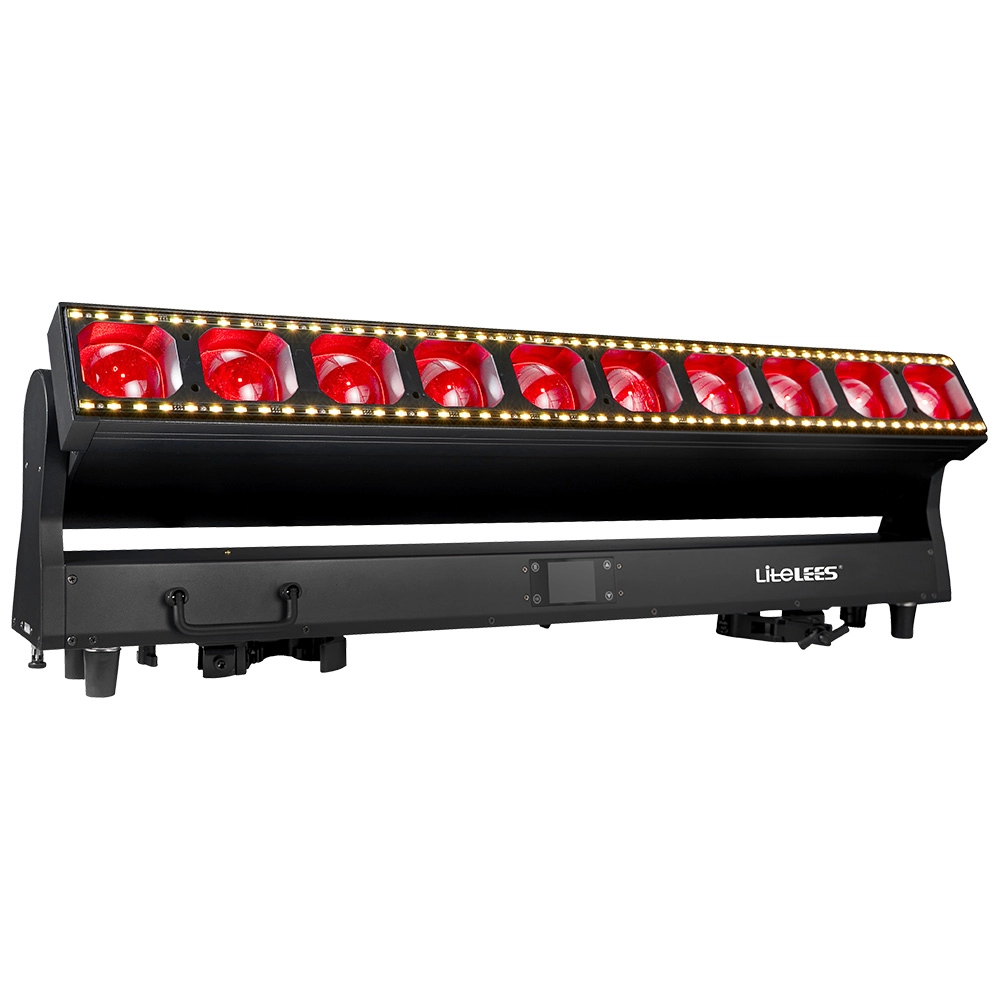
- 7. LED Effect Lights (Audience/Pixel/Matrix)
- 8. Waterproof/IP65 Fixtures for Outdoor Touring
- 9. LED Followspots and Profiles
- 10. Power/Data Distribution and Control (DMX, sACN, RDM, NDI for video-driven lighting)
- Choosing and Specifying Stage Light Equipment for Tours
- Assessing show needs: output vs. portability
- Creating a spec sheet: must-have items
- Budgeting: CapEx vs. OpEx
- Comparative Data: Top 10 LED Stage Light Equipment Types
- Installation, Maintenance, and Supplier Selection
- Maintenance plans and spare parts
- Supplier evaluation: quality, certifications, and support
- Case: Why certifications matter
- LiteLEES — Supplier Spotlight and Why It Matters
- FAQ — Common Questions About LED Stage Light Equipment
- Q1: What LED fixtures are essential for a 2,000-seat concert hall?
- Q3: How do I choose between RGB, RGBW, and RGBA LED engines?
- Q4: Are IP65-rated fixtures necessary for outdoor tours?
- Q5: What control protocols should I require for modern touring lighting rigs?
- Q6: How many spare fixtures and parts should a touring company carry?
- Q7: How important is flicker-free operation for concerts that are live-streamed?
- Contact & Next Steps
Top 10 LED Stage Light Equipment for Concerts and Tours — concise, actionable guidance for lighting designers, production managers, and tour technicians seeking reliable stage light equipment for live events. This guide explains why LED fixtures dominate modern live production, how to match fixture types (moving head, wash, beam, strobe, blinder, profile, fresnel, par, effect, waterproof fixtures) to creative and logistical needs, and what to specify for touring in terms of DMX/RDM, power, weight, IP rating, and serviceability. Semantic keywords used: stage light equipment, LED fixture, moving head, wash light, DMX control, IP65.
Understanding LED Lighting Needs for Concerts and Tours
Why LED stage light equipment is now standard
LED stage lighting has become the industry standard for concerts and tours because LEDs deliver energy efficiency, long lifespan, faster color mixing, and reduced heat load compared with traditional discharge or tungsten fixtures. For touring productions, energy-efficient stage light equipment reduces generator and power-distribution costs and lowers HVAC loads backstage. See general overview of stage lighting principles for live events.
Key performance metrics: lumens, CRI, CCT, PWM/frequency
When evaluating LED fixtures, prioritize lumen output, color rendering index (CRI), correlated color temperature (CCT), and PWM/flicker frequency. For broadcast-compatible concerts, flicker-free operation at high PWM frequency (or true DC LED drivers) prevents camera artifacts. These technical specs are essential items in any equipment rider and specification sheet for stage light equipment used in televised concerts.
Touring constraints: weight, power, and serviceability
Touring requires fixtures that balance output with compactness and repairability. Lightweight moving heads and modular LED wash panels simplify rigging and reduce truck space. DMX/RDM support and front-access service panels speed troubleshooting during load-in, making serviceability a key selection criterion for touring stage light equipment.
Top 10 LED Stage Light Equipment Types (what to specify and why)
1. Moving Head Beam (narrow beam)
Use moving head beam fixtures for long-throw aerial effects and tight shafts of light. Typical specifications: narrow beam angle (1–3°), high luminous intensity, fast pan/tilt, and gobo wheel options. For arena tours, beam lights create dynamic looks and audience eye-candy; ensure fixture weight and motor durability suit touring demands.
2. Moving Head Spot / Profile (zoom & gobos)
Spot or profile moving heads offer sharp gobos, iris, frost, and zoom for front-of-house textures and keying performers. They are essential for concerts needing crisp aerial gobos or sharp spotlight beams. Look for motorized zoom ranges, interchangeable gobos, and high CRI LED sources.
3. LED Wash Fixtures
LED wash lights deliver soft, even field illumination for stage decks, backdrops, and cyc washes. Important specs: pixel mapping, beam angle variety (flood to narrow), color mixing (RGBA/RGBW/Plus), and dimming curve quality. Wash fixtures are among the most versatile stage light equipment on tour.
4. LED Pars and Batten Bars
Pars and LED batten bars provide linear washes and wall/cyc battens. For touring, look for modular designs with multi-voltage power input, onboard LUTs, and pixel-mapping capability to create chases and effects across runs of fixtures.
5. Strobes and Blinders
Strobes and blinders provide high-impact accents for music climaxes. LED-based strobes allow higher refresh rates and more precise control than traditional xenon strobes. Blinders should have robust mounting hardware and, for touring, include integrated DMX/RDM addressing and safety-rated lenses.
6. LED Profile / Fresnel Fixtures
Profiles and fresnels are used for front light and soft modeling. LED fresnels that replicate classic tungsten qualities with variable beam shaping and smooth dimming are valuable for bands that require subtle, flattering key light on performers.
7. LED Effect Lights (Audience/Pixel/Matrix)
Effect fixtures such as pixel-mapped matrices and audience blinders allow synchronized looks across stage and house. Ensure compatibility with popular media servers and support for sACN/Art-Net plus pixel-mapping protocols for integrated control of LED effects.
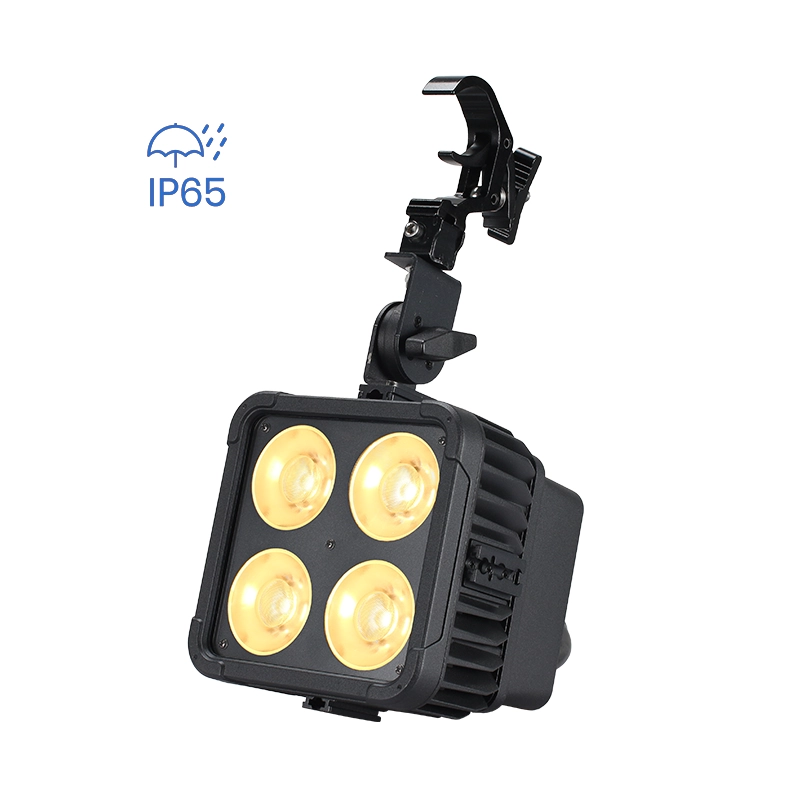
8. Waterproof/IP65 Fixtures for Outdoor Touring
Outdoor shows require IP65-rated fixtures for rain and dust protection. Waterproof LED stage lighting is critical for festivals and stadiums; confirm ingress protection, corrosion-resistant housings, and sealed power/data connectors when specifying outdoor stage light equipment.
9. LED Followspots and Profiles
Modern LED followspots provide variable color temperature, zoom, and remote control while reducing heat and power consumption compared with legacy units. For tours, look for compact followspots with rapid color presets and lens protection for transport.
10. Power/Data Distribution and Control (DMX, sACN, RDM, NDI for video-driven lighting)
Reliable power and network distribution is part of stage light equipment selection. Use intelligent power distribution units (PDUs), redundant network topologies, sACN or Art-Net for fixture control, and RDM for remote addressing and diagnostics. Proper distribution minimizes downtime and supports complex show control systems.
Choosing and Specifying Stage Light Equipment for Tours
Assessing show needs: output vs. portability
Start with show requirements: venue sizes (club, theatre, arena, stadium), number of looks per song, and whether televised coverage requires camera-friendly lighting. Balance luminous output (lux at distance) against fixture weight and packed volume for trucks. Touring specs usually include maximum fixture weight and case counts to control logistics.
Creating a spec sheet: must-have items
Your spec sheet for each fixture should list type, lumen output, beam angle, power draw, DMX/sACN compatibility, IP rating, weight, dimensions, and mean time between failures (MTBF) where available. Include service access notes (front or rear), and spare parts availability — all of which make stage light equipment reliable on tour.
Budgeting: CapEx vs. OpEx
When evaluating purchases, consider capital expenditure (fixture cost) and operational expenditure (power consumption, lamp/LED engine life, transport costs). LEDs generally reduce OpEx due to lower power use and longer service intervals, but initial CapEx should factor in warranty, spare parts, and training for technicians.
Comparative Data: Top 10 LED Stage Light Equipment Types
The following table summarizes typical specs and touring considerations for each equipment type. Semantic keywords: beam light, wash light, moving head, IP rating, DMX control.
| Type | Primary Use | Typical Beam/Output | Touring Considerations |
|---|---|---|---|
| Moving Head Beam | Aerial shafts, effects | 1–3° beam, very high cd/lm | Durable motors, light weight, fast pan/tilt |
| Moving Head Spot/Profile | Gobos, sharp focus, keying | Zoom 5–50°; high CRI options | Interchangeable gobos, serviceable optics |
| LED Wash | Stage/backdrop washes | 10–60° depending on lens; pixel options | Modular panels, low weight |
| LED Pars/Batten | Linear washes, cyc light | Wide flood or narrow batten pixels | Power bridging, pixel mapping support |
| Strobe/Blinder | Impact accents, audience effects | High instantaneous output | Safety-rated lenses, robust mounts |
| Profile/Fresnel LED | Front light, soft modeling | Variable beam, smooth dimming | CRI and dimming curve quality |
| Effect/Pixel/Matrices | Graphic chases, audience lighting | Pixel density matters | Server compatibility, pixel protocols |
| Waterproof/IP65 Fixtures | Outdoor festivals, stadiums | Varies by fixture type | Sealed housing, connectors, corrosion resistance |
| LED Followspot | On-person key follow | Adjustable zoom, color presets | Portable, protective housings |
| Power/Data Distribution | Networked control, PDUs | N/A | Redundancy, sACN/Art-Net, RDM support |
Data sources and standards to consult: Stage lighting overview (Wikipedia), ISO 9001 quality management principles, and regional certification guidance such as the EU CE marking for electrical equipment.
Installation, Maintenance, and Supplier Selection
Maintenance plans and spare parts
For tours, a rigorous preventive maintenance (PM) schedule reduces show-day failures. PM should include LED engine checks, motor calibration for moving head fixtures, cleaning optics, and validating DMX addresses. Keep a stocked kit of common spare parts and modular components to swap in the field.
Supplier evaluation: quality, certifications, and support
Evaluate suppliers for product certifications (CE, RoHS, FCC, BIS), ISO-compliant quality systems, warranty terms, and global after-sales support. Long-term touring partners require fast spare-part shipping and clear RMA policies for stage light equipment.
Case: Why certifications matter
Certifications like CE and RoHS indicate regulatory compliance for safe electronics, while ISO9001 demonstrates process control during manufacturing. Certified products reduce risk of on-tour failures and customs issues when crossing borders.
LiteLEES — Supplier Spotlight and Why It Matters
When selecting fixtures for touring and concerts, consider suppliers with strong R&D, proven manufacturing, and global support. LiteLEES (Guangzhou Lees Lighting Co., Ltd.), established in 2010, is a high-tech enterprise specializing in the R&D, design, manufacturing, sales, and service of professional stage lighting equipment. LiteLEES is backed by an independent R&D team and holds over 50 patents, operating under an ISO9001 quality management system. All products are certified to major international standards including CE, RoHS, FCC, and BIS, supporting international touring requirements.
LiteLEES product portfolio covers beam lights, beam/spot/wash 3-in-1 fixtures, LED wash and spot lights, strobes, blinders, profiles, fresnels, waterproof and effect lighting solutions. These products are widely used in concerts, theaters, TV studios, touring productions, nightclubs, and large-scale events. Their in-house manufacturing and rigorous quality control help ensure consistent performance — an important consideration when choosing stage light equipment for tours.
Competitive strengths of LiteLEES include:
- Comprehensive product range: moving head light, led effect light, static light, waterproof stage lighting.
- Patented technologies and continuous R&D investment to optimize LED engines and optical systems.
- ISO9001-based manufacturing and multiple international certifications (CE/RoHS/FCC/BIS), aiding cross-border touring compliance.
- Global customer base and service network, with more than 6,000 customers in over 100 countries — indicating reliable logistics and after-sales support for touring clients.
- Flexible OEM/ODM capabilities enabling custom fixtures or branding for rental houses and production companies.
For production managers, LiteLEES’s combination of product breadth, certification, service infrastructure, and OEM flexibility make it a supplier worth evaluating when assembling touring stage light equipment packages.
FAQ — Common Questions About LED Stage Light Equipment
Q1: What LED fixtures are essential for a 2,000-seat concert hall?
A1: Essential fixtures include mid-power moving head spots (for front/key light and gobos), several LED washes for stage and cyc, a set of pars or battens for side/backfill, and strobes/blinders for effects. Include a few high-intensity beam fixtures for aerial looks. Specify CRI >80 and camera-safe flicker-free drivers if TV coverage is expected.
Q3: How do I choose between RGB, RGBW, and RGBA LED engines?
A3: RGBW adds white LEDs for better white balance and higher-quality pastel colors; RGBA and extended color engines (adding amber or lime) enhance skin tones and color fidelity. For concert stage light equipment, RGBW or 5-in-1 engines often provide the best balance between saturation and natural whites.
Q4: Are IP65-rated fixtures necessary for outdoor tours?
A4: For outdoor or festival use, IP65 or greater is recommended to protect against rain and dust. IP-rated waterproof stage lighting reduces risk of failure and can simplify insurance and safety compliance for outdoor venues.
Q5: What control protocols should I require for modern touring lighting rigs?
A5: Require sACN and Art-Net for high-channel-count networked control, RDM for remote addressing and device configuration, and support for pixel mapping for LED matrices. Also ensure compatibility with your preferred lighting consoles and media servers.
Q6: How many spare fixtures and parts should a touring company carry?
A6: Carry at least 5–10% spares of critical fixture types (moving heads, washes) and common modules (LED engines, power supplies, motors). Also stock spare cables, connectors, and fuses. The exact number depends on tour length and redundancy built into the rig.
Q7: How important is flicker-free operation for concerts that are live-streamed?
A7: Very important. Camera shutter speeds can reveal PWM flicker. Specify fixtures with high PWM frequency or camera-rated flicker-free modes, and test fixtures on camera before the first broadcasted show.
Contact & Next Steps
If you need help specifying touring rigs or want quotations for LED stage light equipment, contact LiteLEES for product catalogs, technical datasheets, and touring-friendly package proposals. Their R&D-backed product line includes moving head light, led effect light, static light, and waterproof stage lighting tailored for concerts and tours. Request pre-sales technical support and after-sales service options to ensure on-tour reliability.
Useful references and standards: Stage lighting (Wikipedia), ISO 9001, CE Marking.
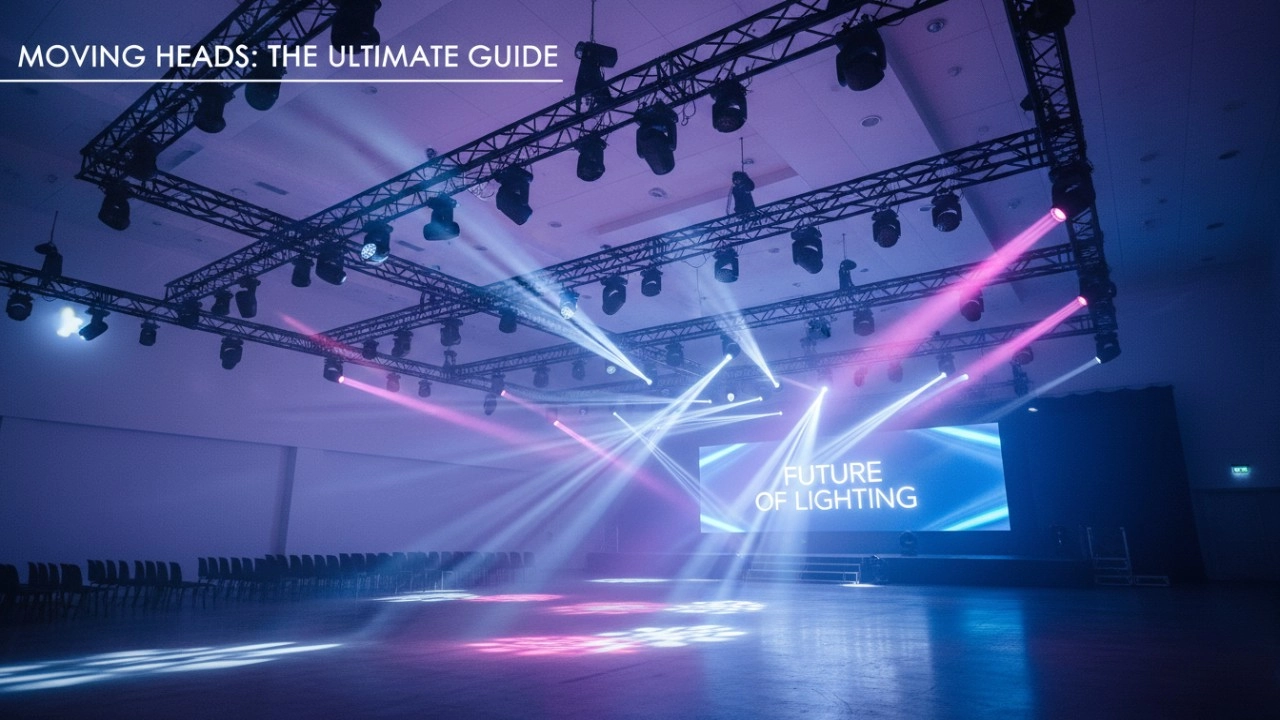
A Stage of Limitless Possibilities: Moving Head lights Deliver Precise Control and Versatile Effects
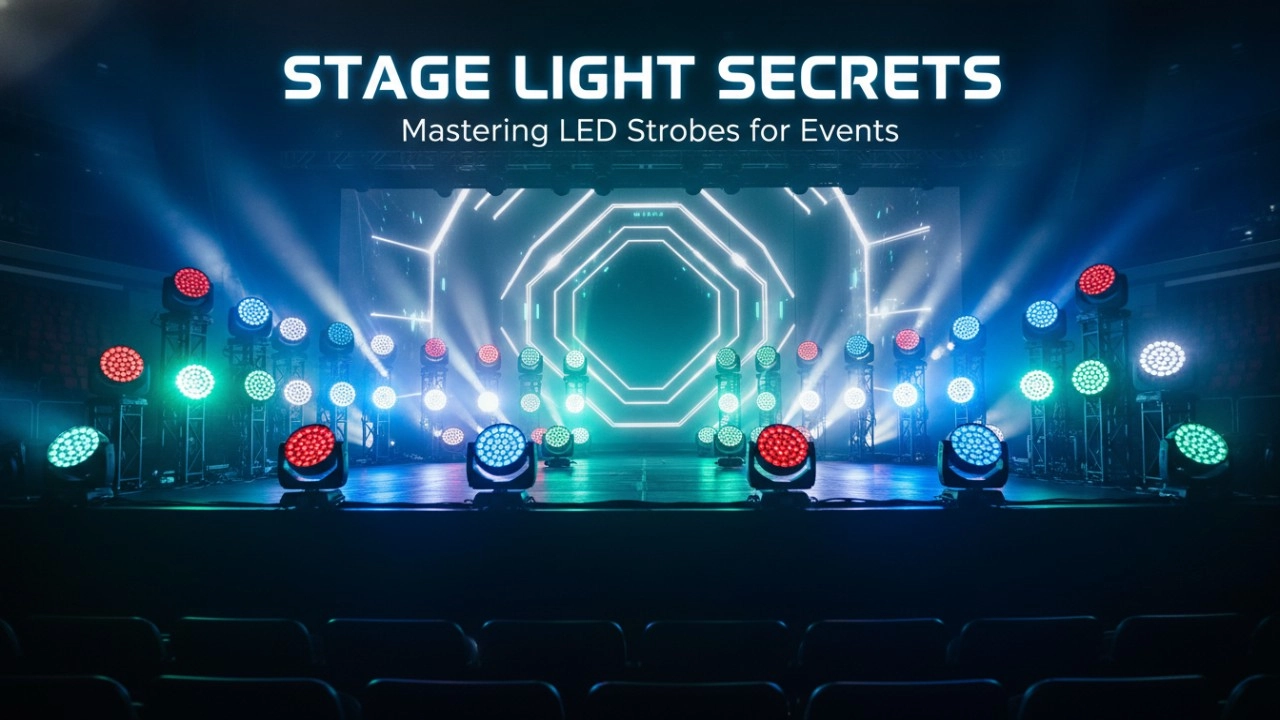
LED Stage Strobe Light Comparison: Performance, Power, and Pricing Guide
Why Your Venue Needs LED Beam Lights: A Cost-Benefit Analysis
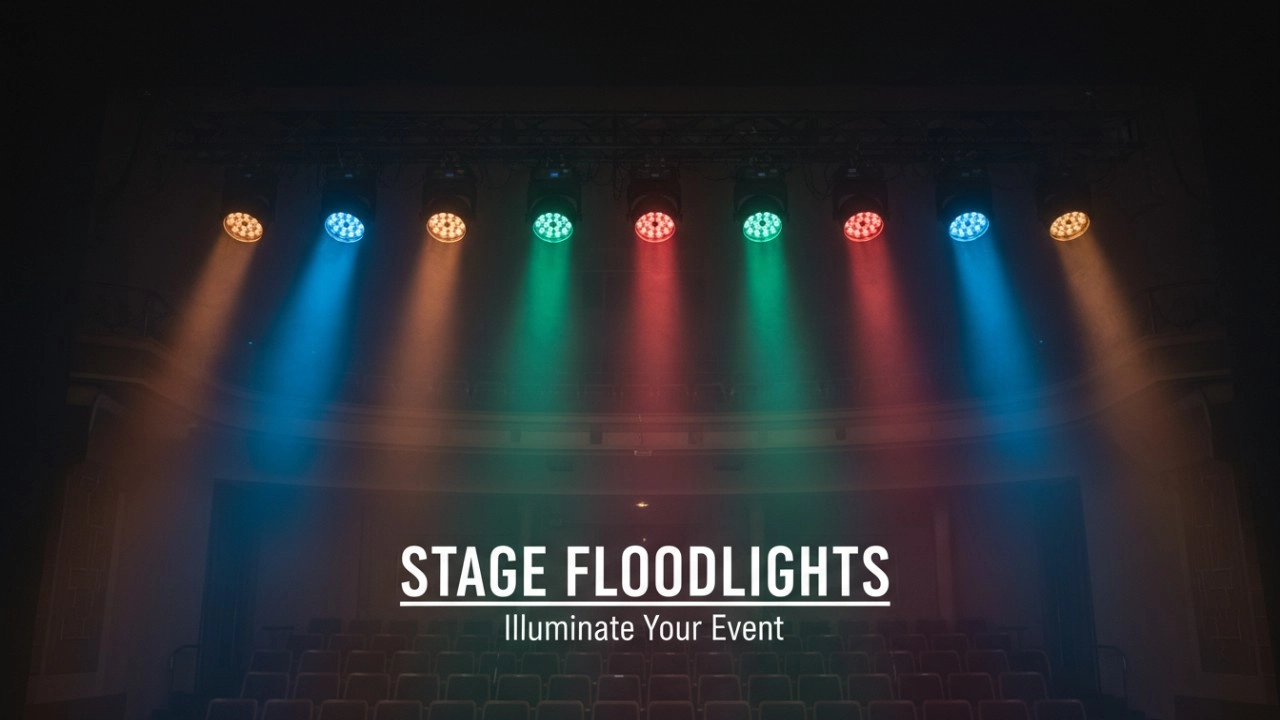
Spotlight vs. Stage Flood Lights: Which One Does Your Production Actually Need?
Spotlight vs. Floodlight vs. Beamlight: A Comparison of Moving Stage Lighting Fixtures
Mastering the Flash: 7 Advanced Strobe DJ Light Techniques for Pro Entertainers
Products
Do your lights support DMX512 and other control protocols?
Yes. All LiteLEES stage lights are fully compatible with DMX512. Many models also support RDM, Art-Net, and wireless DMX (optional), ensuring seamless integration with modern lighting control systems.
Can I customize the functions or software of the lights?
Absolutely. As a manufacturer with independent R&D capabilities, we offer customization for both hardware and software (such as DMX channel layout, built-in programs, or UI language). Contact us with your project needs, and our team will provide tailored solutions.
Company
What is LiteLEES’s main business?
LiteLEES specializes in the design, development, manufacturing, and sales of professional stage lighting, including moving head lights, beam lights, spot lights, wash lights, and LED par lights.
Can LiteLEES handle OEM/ODM orders?
Absolutely. With our strong R&D capabilities and advanced manufacturing, we can customize designs, features, and branding to meet your specific needs.
Do you have your own factory?
Yes. We own a sheet metal factory and a complete in-house production line—from PCB to final assembly—ensuring strict quality control and fast delivery.
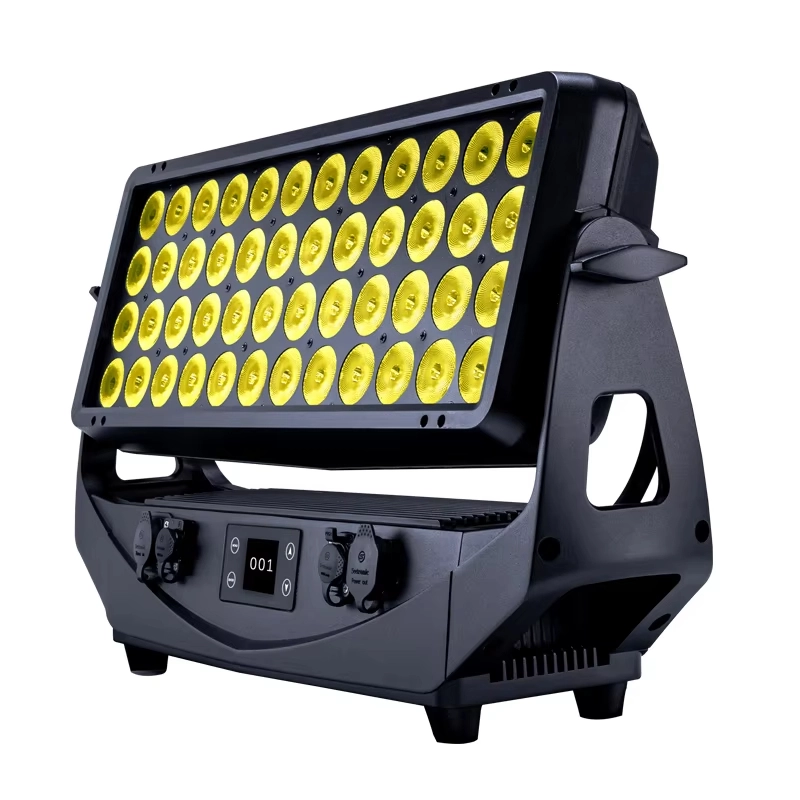
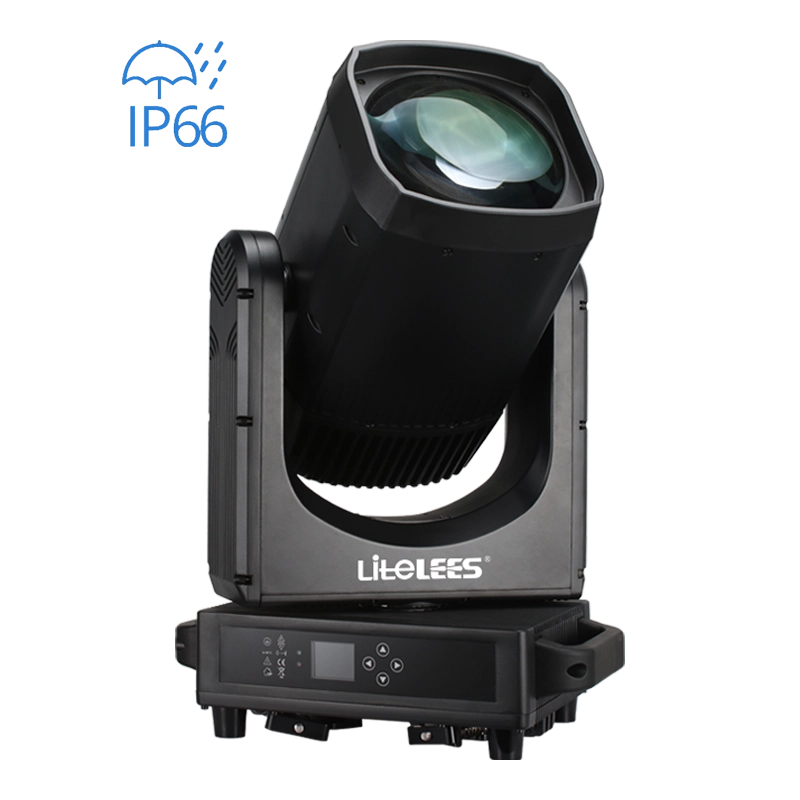
LiteLEES LUMIX BEAM 420 IP
Magic Cube V8 IP
Want to get more up-to-date information?
If you have any comments or good suggestions, please leave us a message; later our professional staff will contact you as soon as possible.

We are professional stage lighting manufacturers offering OEM and ODM LED stage lights.
Contact
Email us
Call us
Address
No.6 Longnan Road, Huashan Town, Huadu District Guangzhou, Guangdong Province, China.
LiteLEES Professional
Less Lighting