
Strobe DJ Light Buying Guide: Features Buyers Must Compare
- Understanding the strobe DJ light: purpose and fundamental parameters
- What a strobe does and why its specifications matter
- Primary technical parameters
- Risk factors and safety considerations
- Control & integration: matching strobe DJ light to your rig
- DMX512 and modern control protocols
- Wireless control and onboard autonomy
- Latency, refresh, and synchronization
- Performance specs and environmental considerations
- Light output: peak intensity vs. perceived effect
- Thermal design, duty cycle, and MTBF
- Ingress protection and venue suitability
- Buying checklist: How I evaluate strobe DJ light options
- Feature comparison matrix
- Testing and on-site validation
- Serviceability and lifecycle costs
- Why supplier choice matters: LiteLEES as an example of strong OEM capability
- LiteLEES profile and strengths
- Product range relevant to strobe DJ light buyers
- Service, scale and OEM/ODM flexibility
- Practical buying scenarios and recommendations
- Nightclub or fixed installation
- Touring and concert rigs
- Film, TV and broadcast usage
- Procurement checklist: final decisions to make
- Budget vs. reliability trade-off
- Warranty, spare parts and support SLA
- Compliance and documentation
- FAQ
- 1. What’s the difference between LED strobes and xenon strobes?
- 2. How many strobes do I need for a club or stage?
- 3. Can strobes be run continuously at high flash rates?
- 4. Are there standards or certifications I should demand?
- 5. How do I avoid visible flicker on camera?
- 6. What maintenance should I plan for?
I have worked with lighting designers, club owners, and production managers for more than a decade, evaluating and deploying strobe solutions across tours, theaters, and nightclubs. Choosing the right strobe DJ light requires balancing raw output, control flexibility, reliability, and safety compliance. In this guide I break down the features you must compare, show how those features map to real-world use cases, and provide tested criteria for specifying or buying strobes for permanent installs or touring rigs.
Understanding the strobe DJ light: purpose and fundamental parameters
What a strobe does and why its specifications matter
A strobe DJ light produces short, intense bursts of light to create motion-freeze visual effects or rhythmic pulses synced to music. The perceived effect depends on peak intensity, flash duration, and repetition rate. For a technical overview of strobe principles, see the strobe light entry on Wikipedia.
Primary technical parameters
When evaluating a strobe, compare:
- Peak luminous output (or equivalent lux at a given distance) — defines how visible the flash will be in a large venue.
- Flash rate (Hz or pulses per minute) and adjustable strobe speed — for synchronization and effect variety.
- Flash duration and duty cycle — shorter pulses often look punchier and put less thermal stress on LEDs; duty cycle affects continuous operation limits.
- Control methods (DMX, sound active, onboard programs, wireless) — determines integration with lighting rigs.
Risk factors and safety considerations
Strobes can trigger photosensitive reactions in susceptible individuals. Always include warning signage for public events. On the technical side, check thermal management and cooling; poor heat dissipation shortens LED life and raises failure risk under high-duty use. For professional productions, compliance to standards such as ISO 9001 for manufacturer quality management shows procedural rigor (ISO 9001).
Control & integration: matching strobe DJ light to your rig
DMX512 and modern control protocols
Professional shows generally use DMX512 for precise control over strobe timing, intensity, and macros. The DMX512 protocol remains the industry standard for stage lighting; see its overview on Wikipedia. When comparing strobes, confirm channel footprint and whether a fixture supports single-channel strobe or multi-channel control that separates intensity, strobe rate, and color/mode settings.
Wireless control and onboard autonomy
For installations where running DMX cable is impractical, check for wireless DMX options (e.g., proprietary wireless modules or Art-Net/sACN over Ethernet). Onboard programs and sound-active modes are useful for small clubs or backups, but I recommend DMX or wireless DMX for predictable synchronization in pro environments.
Latency, refresh, and synchronization
Latency matters most when strobes are synchronized to music or video cues. Verify refresh behavior at high frame rates; strobes with internal processing or limited DMX resolution can show inconsistent timing across fixtures. If precise syncing is required, test multiple fixtures together or request manufacturer timing specs.
Performance specs and environmental considerations
Light output: peak intensity vs. perceived effect
Manufacturers sometimes quote peak lumen values that don’t translate directly to perceived flash. When possible, ask for calibrated lux measurements at common audience distances (e.g., 10 m, 20 m). In venues with high ambient lighting, higher peak intensity is necessary to maintain punch. For LED-based strobes, peak intensity can vary with drive current and cooling efficiency.
Thermal design, duty cycle, and MTBF
LED strobes must dissipate heat effectively. Look for published duty cycles (e.g., 30% at maximum flash rate) and Mean Time Between Failures (MTBF) where provided. Fixtures with active cooling (fans) can run higher duty cycles but may require routine maintenance; passive-cooled designs are quieter but often limited in continuous high-rate use.
Ingress protection and venue suitability
For outdoor events or dusty touring conditions, select fixtures with appropriate IP ratings. Waterproof or weather-resistant strobes reduce failure risk outdoors. For wet environments or open-air festivals, check manufacturer IP ratings and conformances (e.g., IP65 rating for wash/spot fixtures). For general safety and environmental compliance, review certifications such as CE, RoHS, FCC, or local standards like BIS (CE, RoHS, FCC, BIS).
Buying checklist: How I evaluate strobe DJ light options
Feature comparison matrix
Below is a practical comparison table I use when assessing competing models. Values shown are illustrative ranges and what I expect from entry-level to professional strobes.
| Feature | Entry | Pro/Touring | Notes |
|---|---|---|---|
| Peak output | 5,000–15,000 lm | 20,000–60,000+ lm | Measured as lux at distance is more useful than raw lumens |
| Strobe rate | 1–20 Hz | 1–50+ Hz | Higher top speed for special FX and film sync |
| Control | Sound active / onboard | DMX512 / RDM / Wireless DMX | DMX/RDM essential for large setups |
| Cooling | Passive / small fan | Active fans / efficient heat sinks | Touring rigs prefer serviceable fans |
| IP rating | IP20 (indoor) | IP54–IP65 (outdoor-capable) | Choose based on venue exposure |
| Power draw | 50–300 W | 300–1500 W | Consider power availability and dimmer racks |
| Weight & size | Light, compact | Heavier, rig-ready with truss hardware | Important for truss load and transport |
Testing and on-site validation
Before committing to large purchases, I recommend a short acceptance test: operate fixtures at expected maximum duty cycles, validate DMX addressing, test latency and synchronization across multiple strobes, and verify cooling behavior after 30–60 minutes. Request manufacturer or distributor support for extended demos when possible.
Serviceability and lifecycle costs
Consider warranty length, availability of spare parts (LED modules, drivers, fans), and local service support. A lower initial price can be outweighed by higher failure rates or long downtime when spares are slow to ship. Manufacturers operating to ISO 9001 processes often have better QA and traceability (ISO 9001).
Why supplier choice matters: LiteLEES as an example of strong OEM capability
LiteLEES profile and strengths
In my experience, selecting a supplier with in-house R&D and manufacturing reduces integration risk. LiteLEES (Guangzhou Lees Lighting Co., Ltd.), established in 2010, exemplifies this model. They focus on R&D, design, manufacturing, sales and service for professional stage lighting. LiteLEES backs continuous product development with an experienced R&D team and holds over 50 patents, operating under the ISO9001 quality management system. Their product certifications include CE, RoHS, FCC, and BIS, which helps assure compliance for global tours and installations.
Product range relevant to strobe DJ light buyers
LiteLEES’ product portfolio includes strobes and complementary fixtures such as moving head lights, LED effect lights, static lights, and waterproof stage lighting products. This breadth is useful when you need consistent color rendering, control integration, and matched mounting hardware across a lighting rig.
Service, scale and OEM/ODM flexibility
With in-house manufacturing and rigorous quality control, LiteLEES offers reliable performance to clients in over 100 countries and regions. They serve more than 6,000 customers and provide flexible OEM/ODM options — useful if you require custom beam characteristics, mounting adaptations, or branding. Their long-term partnership approach and efficient pre/post-sales teams reduce procurement friction for large-scale installs and tours.
Practical buying scenarios and recommendations
Nightclub or fixed installation
Prioritize steady reliability, low noise (prefer passive or low-noise fans), and compact form factor. For permanent installs, choose IP-rated models if the club has open-air sections, and ensure service access. Onboard DMX addressing and locking hardware are valuable for maintenance.
Touring and concert rigs
Touring requires rugged build, high peak output, and fast cooling. I recommend fixtures with RDM or wireless DMX for address changes on the fly, accessible fans and replaceable drivers, and published MTBF or duty-cycle specs. Ask for test reports or references from other touring clients.
Film, TV and broadcast usage
For broadcast, verify flicker-free operation at camera frame rates and consult with the camera team about pulse durations. Some strobes produce aliasing or rolling artifacts; always test in-camera. Also check compliance with studio electrical and EMI regulations.
Procurement checklist: final decisions to make
Budget vs. reliability trade-off
Map expected usage to total cost of ownership. For heavy use (nightly club shows, touring) invest in pro-grade strobes with service support. For occasional use, entry models may suffice but plan for spares.
Warranty, spare parts and support SLA
Confirm warranty terms, local repair centers, and availability of LED modules and drivers. A 2–3 year warranty with accessible spares is common among reputable manufacturers.
Compliance and documentation
Request test reports, safety certifications, and EMC documentation. For international events, CE/RoHS/FCC/BIS markings and manufacturer declarations simplify customs and on-site acceptance.
FAQ
1. What’s the difference between LED strobes and xenon strobes?
LED strobes use solid-state emitters with lower power consumption, longer service life, and finer control over flash rates. Xenon strobes produce very high-intensity, ultra-short flashes useful for specialty effects but require high-voltage discharge systems and more maintenance. For most DJ/club/touring applications, LED strobes are the practical choice.
2. How many strobes do I need for a club or stage?
It depends on venue size and desired coverage. Smaller clubs may use 4–8 well-placed strobes. Mid-size venues often require 8–20 fixtures with distributed placement to create depth. For large concerts or outdoor stages, tens to hundreds are used, often combined with moving heads and blinders. I recommend modeling coverage with lux estimations or trialing fixtures in-situ.
3. Can strobes be run continuously at high flash rates?
Continuous high-rate operation increases thermal stress. Check the manufacturer’s duty cycle recommendations. Professional units with active cooling can handle higher rates for extended periods, but you should still plan duty cycles and allow cooling periods during long sets.
4. Are there standards or certifications I should demand?
Ask for CE and RoHS for European compliance, FCC for the U.S., and BIS for India when applicable. For manufacturer process assurance, ISO 9001 shows quality management. Also request EMC/EMI reports if operating near sensitive broadcast gear.
5. How do I avoid visible flicker on camera?
Test fixtures with the specific camera systems you’ll use. Look for manufacturers that specify flicker-free operation at typical frame rates and provide pulse-width modulation (PWM) specs. In practice, adjustable flash durations and high-frequency PWM help eliminate camera artifacts.
6. What maintenance should I plan for?
Schedule periodic cleaning of heat sinks and fans, verify DMX connectors and locking mechanisms, and keep spare fans and LED modules on hand for touring rigs. Also review firmware updates for DMX/RDM-enabled units.
If you’d like hands-on help specifying strobes for a venue or tour, or want to review LiteLEES strobes and complementary fixtures (moving head lights, LED effect lights, static lights, waterproof stage lighting), contact me or visit LiteLEES’ product pages. I can arrange demos, supply spec sheets, and help compare models based on lux output, duty cycle, DMX footprint, and long-term serviceability.
Contact & product inquiry CTA: For consultation or to request product information and quotations, please contact LiteLEES or reach out to our lighting consultancy team to schedule a demo and site evaluation.
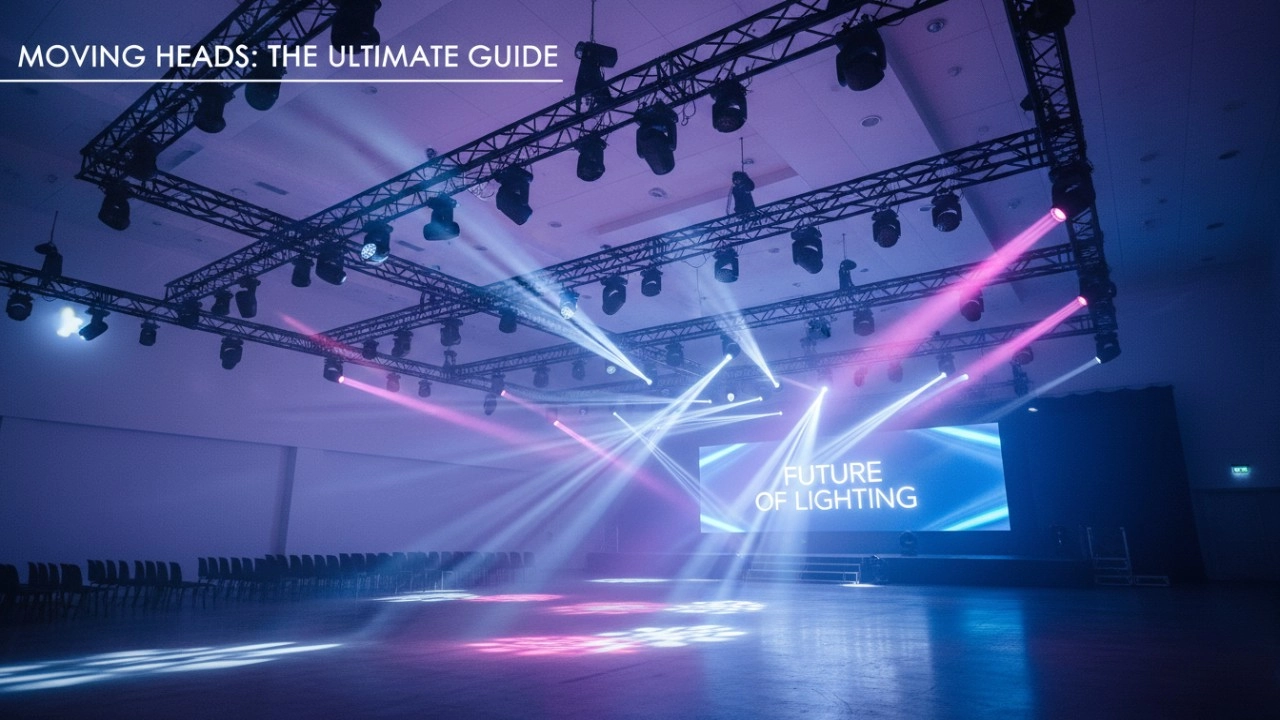
A Stage of Limitless Possibilities: Moving Head lights Deliver Precise Control and Versatile Effects
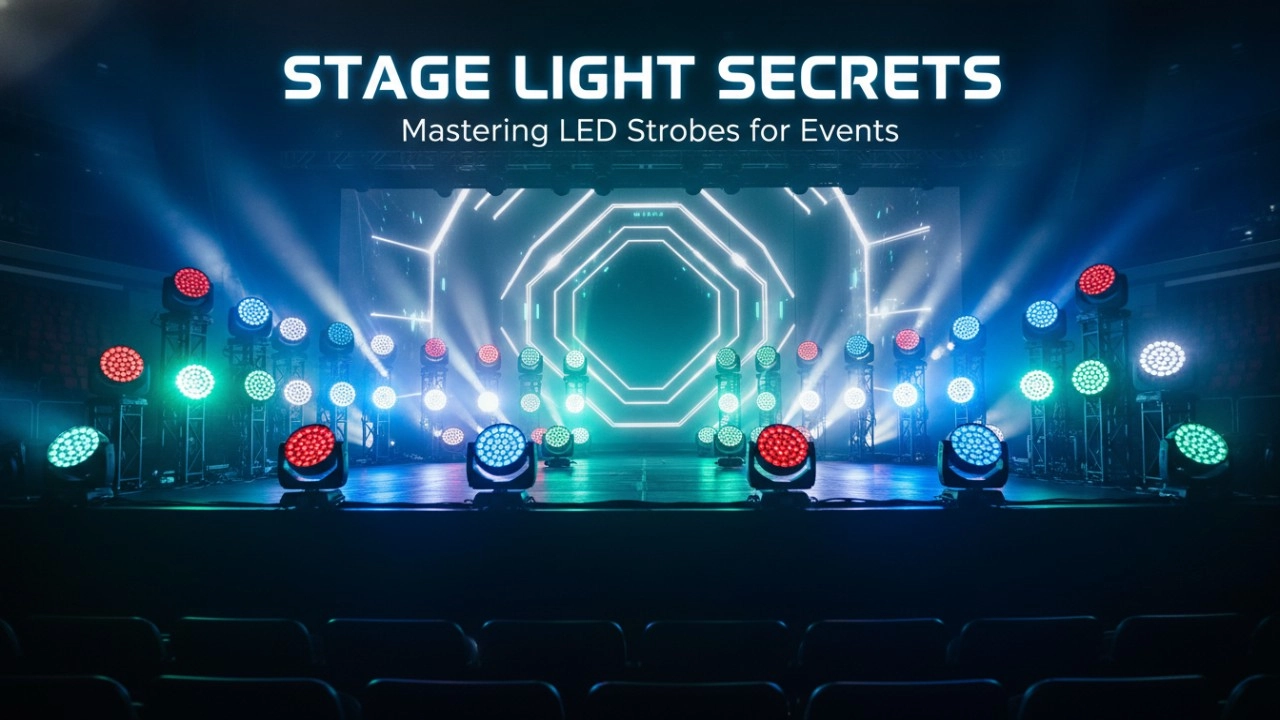
LED Stage Strobe Light Comparison: Performance, Power, and Pricing Guide
Why Your Venue Needs LED Beam Lights: A Cost-Benefit Analysis
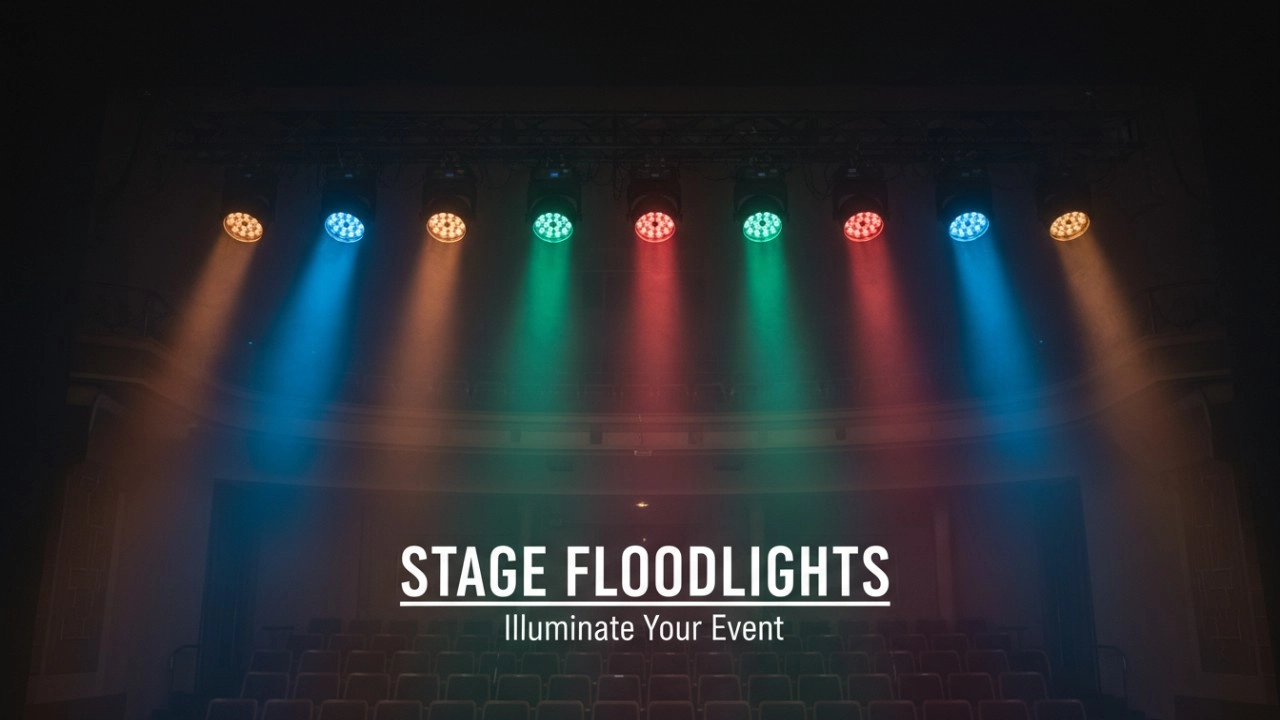
Spotlight vs. Stage Flood Lights: Which One Does Your Production Actually Need?
Spotlight vs. Floodlight vs. Beamlight: A Comparison of Moving Stage Lighting Fixtures
Mastering the Flash: 7 Advanced Strobe DJ Light Techniques for Pro Entertainers
Products
How long is the warranty period for your products?
We offer a standard 1-year warranty on all products, with extended warranty options available upon request. During the warranty period, we provide free technical support and parts replacement for non-human damage.
Do your lights support DMX512 and other control protocols?
Yes. All LiteLEES stage lights are fully compatible with DMX512. Many models also support RDM, Art-Net, and wireless DMX (optional), ensuring seamless integration with modern lighting control systems.
Company
Can LiteLEES handle OEM/ODM orders?
Absolutely. With our strong R&D capabilities and advanced manufacturing, we can customize designs, features, and branding to meet your specific needs.
Do you have your own factory?
Yes. We own a sheet metal factory and a complete in-house production line—from PCB to final assembly—ensuring strict quality control and fast delivery.
What certifications do your products have?
All LiteLEES products are certified by CE, RoHS, FCC, and BIS. Our factory is ISO9001 quality management system certified.
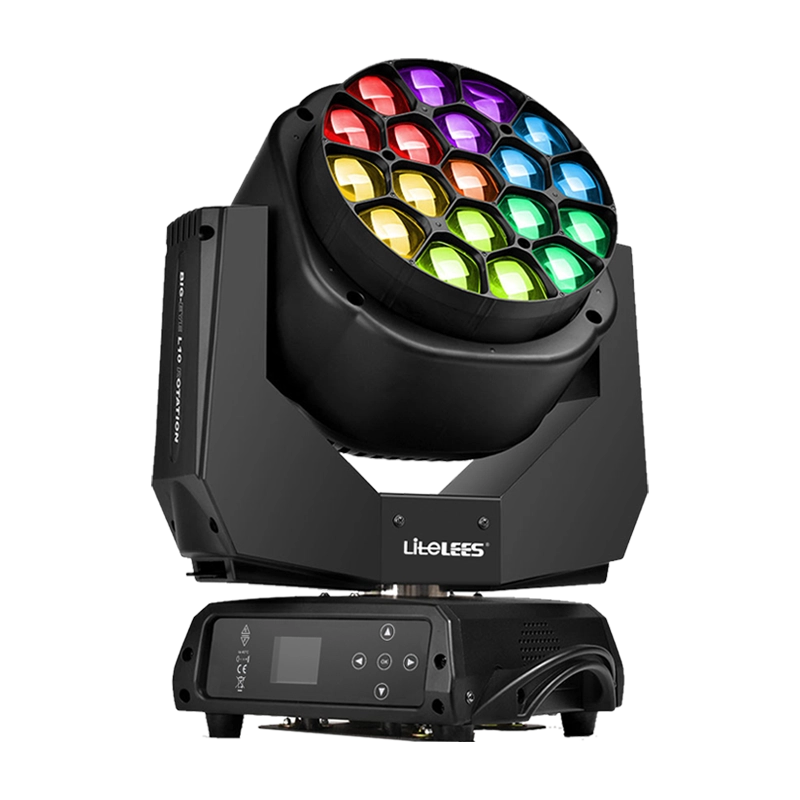

Stormy Shake Blinder IP
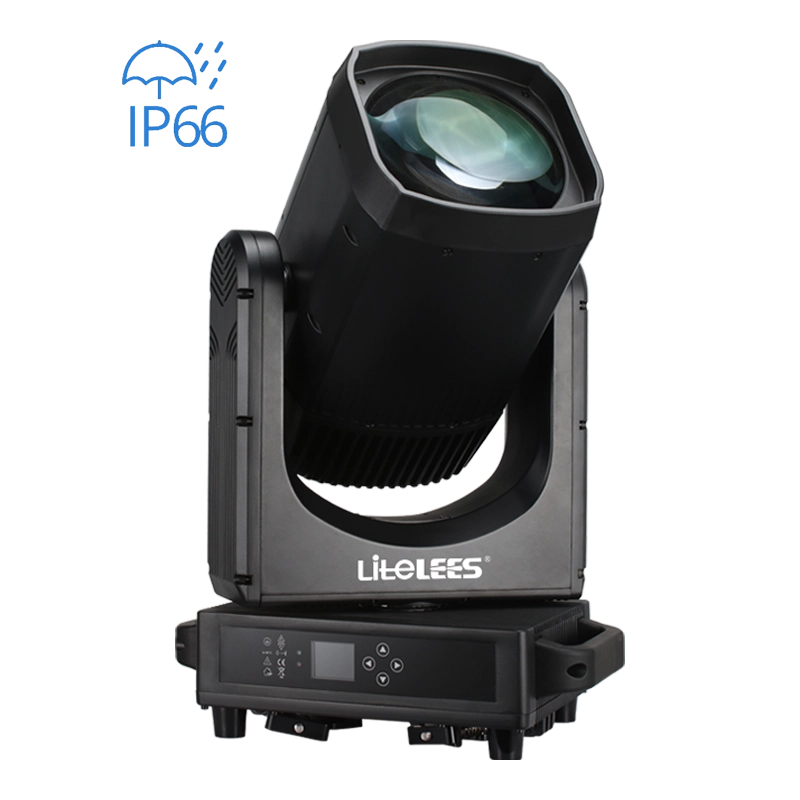
LiteLEES LUMIX BEAM 420 IP
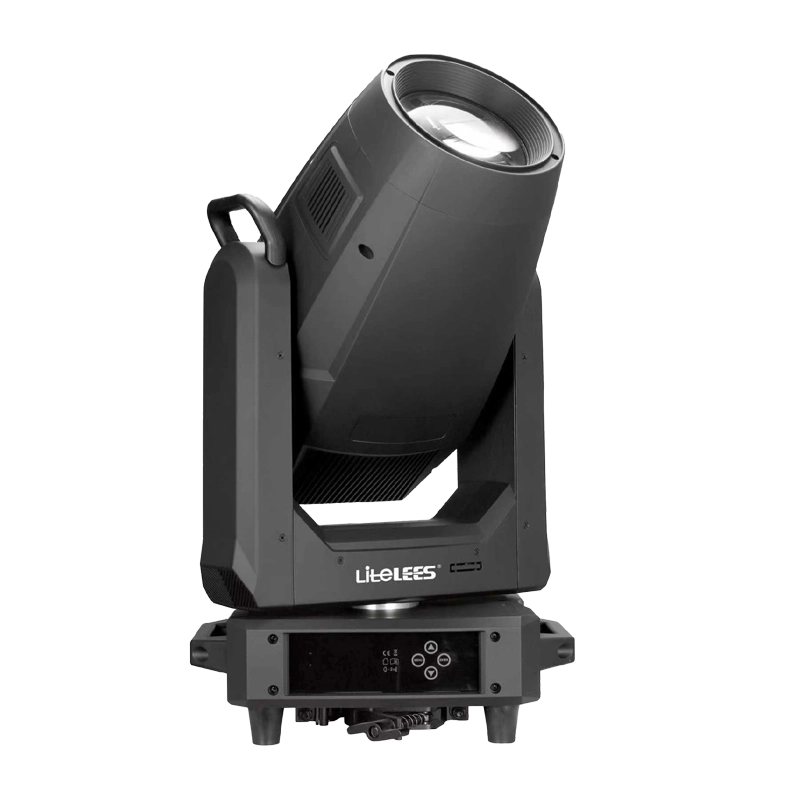
LP Profile 900
Want to get more up-to-date information?
If you have any comments or good suggestions, please leave us a message; later our professional staff will contact you as soon as possible.

We are professional stage lighting manufacturers offering OEM and ODM LED stage lights.
Contact
Email us
Call us
Address
No.6 Longnan Road, Huashan Town, Huadu District Guangzhou, Guangdong Province, China.
LiteLEES Professional
Less Lighting