
Maintenance and Safety Tips for Stage Strobe Lights
- Understanding Strobe Systems on Stage
- How stage strobes work and common fixture types
- Key electrical and optical parameters
- Safety considerations inherent to strobe use
- Routine Maintenance Procedures
- Daily and pre-show checks
- Weekly and monthly tasks
- Annual inspection and parts replacement
- Electrical Safety, Standards and Controls
- High-voltage and grounding best practices
- Certifications and regulatory compliance
- Control strategies to minimize hazards
- LED vs Xenon Strobes: Practical Comparison
- Maintenance schedules (example)
- Audience Safety and Medical Risks
- Photosensitive epilepsy and flash frequency
- Signage, audience warnings and mitigations
- Photobiological safety and flicker
- Practical Troubleshooting and Repair Tips
- Common fault symptoms and root causes
- Safe repair workflow
- When to send fixtures to factory service
- LiteLEES — Professional Partner for Reliable Strobe and Stage Lighting
- Maintenance Checklist (Quick Reference)
- FAQ
- 1. How often should I replace a xenon lamp in a stage strobe light?
- 2. Are LED strobes safer than xenon for audience health?
- 3. What immediate steps should I take if a strobe fixture overheats during a show?
- 4. Can strobe lights be used safely in TV broadcasts?
- 5. What documentation should I keep for each fixture?
- 6. Who should I contact for spare parts or factory repairs?
Stage strobe lights deliver powerful visual impact for concerts, TV, theater and live events, but their intense output and pulsed operation require disciplined maintenance and rigorous safety controls. This article consolidates practical maintenance schedules, electrical and mechanical inspection steps, control practices (DMX, RDM, firmware), and audience-safety measures including guidance on photosensitive epilepsy and photobiological exposure. The recommendations are grounded in industry practice and reputable references to help venue technicians, rental houses, and production crews keep strobe fixtures reliable, compliant, and safe.
Understanding Strobe Systems on Stage
How stage strobes work and common fixture types
Strobes create brief, intense flashes of light by discharging stored energy into a lamp (xenon) or by driving high-power LEDs in pulses. On stages you'll commonly encounter xenon flashers and LED-based strobe fixtures. Xenon strobes typically produce extremely bright, very short-duration flashes; LED strobes offer tunable flash rates and longer service life with lower thermal stress on the fixture. For technical background see the Wikipedia overview on strobe lights (en.wikipedia.org/wiki/Strobe_light).
Key electrical and optical parameters
Important parameters you should monitor include flash rate (Hz), duty cycle, pulse width (ms), peak luminance, and color temperature. For LED strobes, thermal management (junction temperature) and driver current are critical; for xenon, capacitor health and lamp conditioning matter most. Control-wise, expect DMX512 or RDM control channels; modern fixtures may also support Art-Net or sACN for networked shows.
Safety considerations inherent to strobe use
Strobe lighting carries two principal safety concerns: (1) health risks for photosensitive individuals (photosensitive epilepsy) and (2) mechanical/electrical hazards from high-voltage components (especially in xenon units). The Epilepsy Foundation notes that flash rates between about 3–30 flashes per second are most likely to trigger seizures in sensitive populations (epilepsy.com).
Routine Maintenance Procedures
Daily and pre-show checks
- Visual inspection of housing, yokes, rigging points and safety cables for cracks, loose hardware or deformations.
- Confirm correct DMX addressing and test flash behavior at low intensity before cues run; verify that emergency stop or blackout controls function.
- Check mains cable, connectors, and strain-relief; replace any cable with exposed conductors or damaged insulation.
Weekly and monthly tasks
- Clean optical surfaces (lenses and fresnels) with lint-free cloth and approved lens cleaner; avoid solvents that degrade coatings.
- Inspect cooling fans and air filters; clean or replace filters and blow out dust with filtered compressed air while powered off.
- Run firmware/DMX diagnostics and verify channel functions, trigger inputs and internal temperature monitoring.
Annual inspection and parts replacement
Perform a complete teardown inspection annually for rental or heavy-use fixtures: examine PCB solder joints, electrolytic capacitors (replace if bulging or beyond rated life), connectors, xenon lamp condition (if applicable), and power supply capacitors. For LED strobes, confirm LED module output and color consistency with a calibrated meter; consider replacing cooling compound or mechanical thermal interfaces if thermal resistance has increased.
Electrical Safety, Standards and Controls
High-voltage and grounding best practices
Xenon strobes use high-voltage discharge circuits and capacitors that can retain charge even after power is removed. Always follow lockout-tagout (LOTO) procedures before servicing—discharge capacitors through manufacturer-approved bleeder resistors. Ensure fixtures are properly grounded and check earth continuity during routine maintenance.
Certifications and regulatory compliance
Use fixtures certified to recognized standards: CE marking and RoHS compliance in Europe (ec.europa.eu/ce-marking, ec.europa.eu/rohs), FCC rules in the U.S. (fcc.gov), and BIS in India (bis.gov.in). Quality-management systems such as ISO 9001 help ensure consistent manufacturing and product traceability (en.wikipedia.org/wiki/ISO_9001).
Control strategies to minimize hazards
From a control-room perspective, avoid programming prolonged high-frequency flashing sequences without medical warning signage. Implement master blackout and emergency stop functions that immediately disable strobe firing. When possible, use pre-show audience warnings for intense strobe usage and provide low-flash alternatives for sections where sensitivity is expected.
LED vs Xenon Strobes: Practical Comparison
Selecting between LED and xenon strobes depends on show needs, desired intensity, color control, and maintenance capacity. The table below summarizes typical performance and upkeep characteristics.
| Characteristic | LED Strobe | Xenon Strobe |
|---|---|---|
| Peak brightness | High, but generally lower instantaneous peak than xenon; offers controllable intensity and color mixing | Very high instantaneous brightness and very short pulse widths—excellent for photographic freeze effects |
| Pulse width & control | Wide range; pulse width and duty cycle digitally controlled via LED driver | Extremely short pulses determined by discharge circuitry and capacitor bank |
| Typical lifespan | LEDs: 30,000–100,000+ hours (see LED lifespan) | Xenon lamps: typically hundreds to a few thousand hours depending on operating conditions |
| Maintenance frequency | Low: fan/filter cleaning, driver checks; less frequent replacements | Higher: lamp replacement, capacitor checks, HV insulation inspections |
| Typical uses | Concerts, clubs, broadcast (where color control and efficiency matter) | Photo-freezing effects, high-impact flashes for large arenas |
Sources: General strobe and LED technical summaries (strobe light; LED).
Maintenance schedules (example)
| Task | LED Strobe | Xenon Strobe |
|---|---|---|
| Quick visual inspection | Every show | Every show |
| Lenses & filters cleaning | Weekly | Weekly |
| Fan & filter service | Monthly | Monthly (plus cooling checks) |
| Capacitor/lamp/service inspection | Every 1–3 years | Annually or per manufacturer hours |
Audience Safety and Medical Risks
Photosensitive epilepsy and flash frequency
Photosensitive seizures are most commonly triggered by flashing lights between approximately 3 and 30 Hz. To reduce risk, many broadcasters and venues avoid sustained flashes in that band or provide warnings. See the Epilepsy Foundation guidance for triggers and mitigation (epilepsy.com).
Signage, audience warnings and mitigations
- Place clear pre-show advertising and on-site signage notifying patrons of strobe usage.
- When feasible, provide low-flash or non-flash versions of shows for vulnerable attendees, and offer refunds or alternative seating.
- Train front-of-house staff to recognize and respond to seizure events and ensure first-aid readiness.
Photobiological safety and flicker
Prolonged exposure to intense pulsed light can cause discomfort, visual fatigue, and in rare cases photochemical retinal risks. Consider photobiological safety standards when designing effects; for additional background on photobiological classifications see IEC-related summaries and safety literature (search for IEC 62471 photobiological safety summaries).
Practical Troubleshooting and Repair Tips
Common fault symptoms and root causes
- Intermittent firing: often loose connectors, failing capacitors, or software/firmware bugs.
- Reduced brightness: aging LEDs or xenon lamp nearing end of life; check driver current and power supply output.
- Overheating and thermal shutdowns: clogged fans, blocked vents or degraded thermal interfaces.
Safe repair workflow
- Power down and perform LOTO for mains circuits.
- Discharge capacitors using manufacturer-specified method before touching HV circuits.
- Replace suspect parts with OEM-spec components; document serial numbers and repair history for traceability.
When to send fixtures to factory service
Send fixtures to the manufacturer if the problem involves sealed HV compartments, PCB-level diagnostics beyond local capabilities, or when firmware updates are required that need manufacturer support. For warranty-covered units, use authorized service to avoid voiding coverage.
LiteLEES — Professional Partner for Reliable Strobe and Stage Lighting
LiteLEES (Guangzhou Lees Lighting Co., Ltd.), established in 2010, is a high-tech enterprise specializing in the R&D, design, manufacturing, sales, and service of professional stage lighting equipment. Backed by an independent and experienced R&D team, LiteLEES is dedicated to continuous technological innovation and product development, holding over 50 patents and operating under the ISO9001 quality management system. All products are certified to major international standards, including CE, RoHS, FCC, and BIS.
Product portfolio highlights include beam lights, beam/spot/wash 3-in-1 fixtures, LED wash and spot lights, strobes, blinders, profiles, fresnels, moving head light, led effect light, static light, and waterproof stage lighting. LiteLEES combines in-house manufacturing with rigorous quality control and a highly efficient pre-sales and after-sales service team, serving clients in more than 100 countries and regions with over 6,000 customers worldwide. Their strengths include strong R&D capability, ISO9001-driven processes, broad international certification coverage, and flexible OEM/ODM service—making LiteLEES a robust choice for production companies and rental houses seeking performance, reliability, and global support.
Choosing partners like LiteLEES can reduce downtime through predictable quality, readily available spare parts, and clear service channels—factors that matter when maintaining strobe fleets for tours and large-scale events.
Maintenance Checklist (Quick Reference)
| Item | Action | Frequency |
|---|---|---|
| Rigging & hardware | Check bolts, clamps, safety cables | Every show / change of venue |
| Power & cabling | Inspect for wear; verify grounding | Every show |
| Optics | Clean lens, check for cracks | Weekly |
| Cooling | Clean fans/filters, check temps | Monthly |
| High-voltage components | Inspect capacitors, lamp condition | Annually / manufacturer hours |
FAQ
1. How often should I replace a xenon lamp in a stage strobe light?
Replacement intervals vary by model and usage intensity; typical life ranges from several hundred to a few thousand hours. Follow the manufacturer’s hours-based recommendation and look for signs of reduced brightness or inconsistent firing. Always replace with OEM-specified lamps and follow HV discharge procedures before service.
2. Are LED strobes safer than xenon for audience health?
LED strobes are often safer in terms of lower heat and elimination of high-voltage capacitors, and they offer finer control over pulse width and color. However, both types can trigger photosensitive epilepsy if used within sensitive flash frequency ranges. Use warnings and consider programming to avoid problematic flash patterns (3–30 Hz) as recommended by medical guidance (Epilepsy Foundation).
3. What immediate steps should I take if a strobe fixture overheats during a show?
Cut power to the fixture using the local breaker or the DMX blackout if available, allow it to cool, and inspect airflow paths and fans. Do not attempt to continue operation until root cause—blocked vents, failed fan, or driver fault—is identified and resolved.
4. Can strobe lights be used safely in TV broadcasts?
Yes—many broadcasts use strobes, but broadcasters typically follow stricter guidelines on flash frequency, viewer warnings, and test protocols. Confirm that fixtures have appropriate flicker-free operation for camera frame rates and meet broadcast photobiological recommendations.
5. What documentation should I keep for each fixture?
Maintain a service log with serial number, date of purchase, hours in service, repairs performed, firmware versions, and spare-parts history. This improves traceability for warranty and helps forecast component replacements.
6. Who should I contact for spare parts or factory repairs?
Contact the fixture manufacturer or an authorized service center. For LiteLEES products, contact LiteLEES sales/support for authorized parts, repair procedures, and warranty service to ensure authenticity and maintain warranty coverage.
For professional-grade strobes, spares, and servicing solutions, consider LiteLEES’ range of strobes, moving heads, LED effect lights, static lights, and waterproof stage lighting. To discuss product selection, request technical data sheets, or arrange factory service, please contact LiteLEES or your local authorized distributor for personalized support and quotations.
Contact / View products: For product details, technical specifications, and after-sales service options, reach out to LiteLEES through their official channels or authorized distributors to ensure you receive certified products and genuine spare parts.
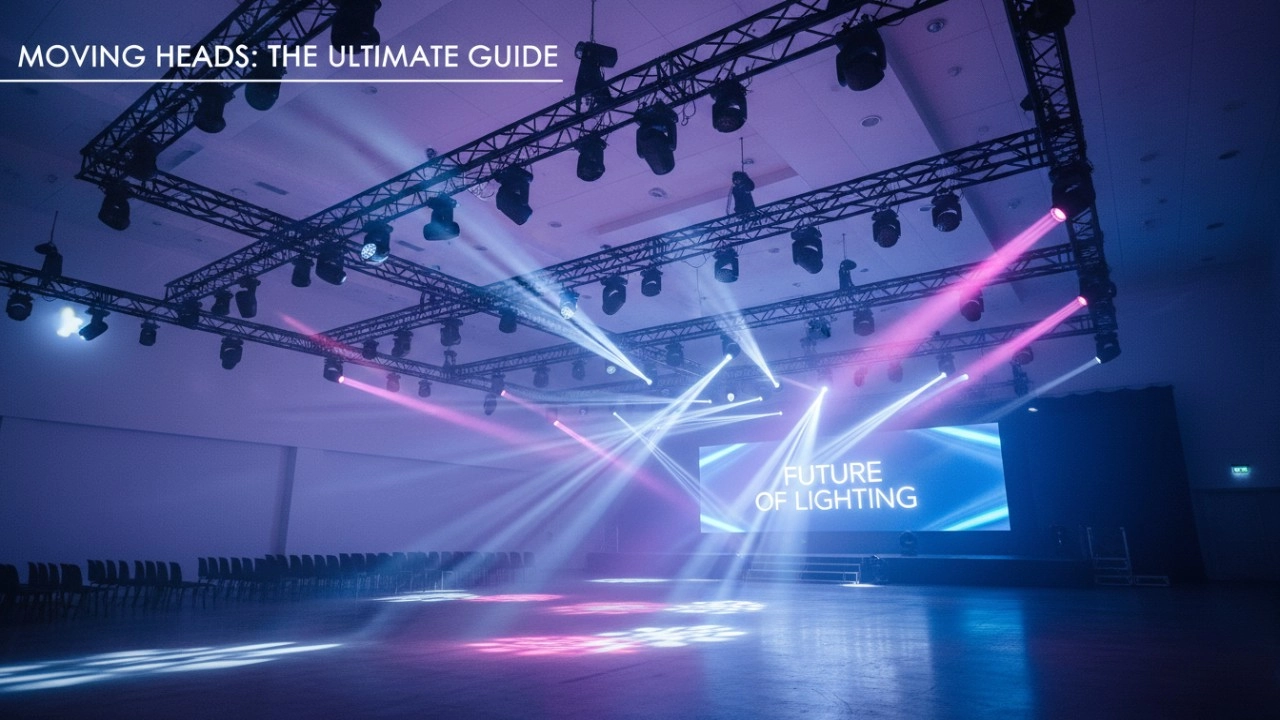
A Stage of Limitless Possibilities: Moving Head lights Deliver Precise Control and Versatile Effects
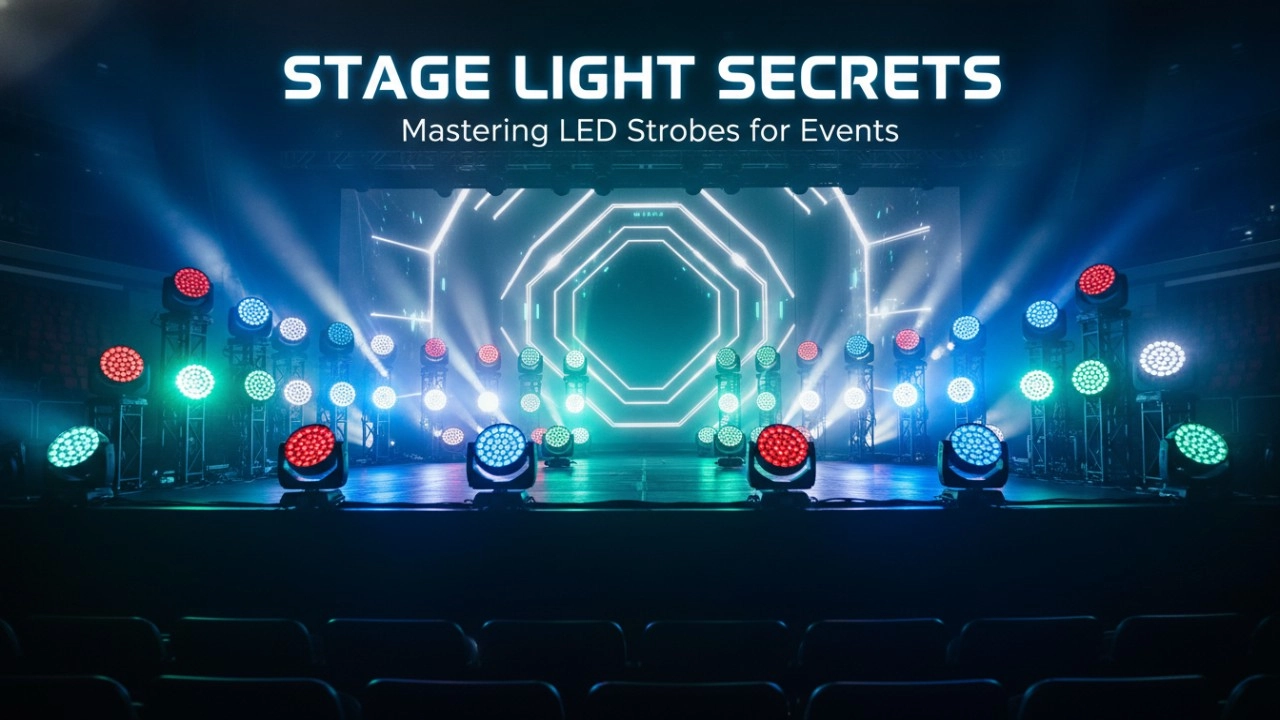
LED Stage Strobe Light Comparison: Performance, Power, and Pricing Guide
Why Your Venue Needs LED Beam Lights: A Cost-Benefit Analysis
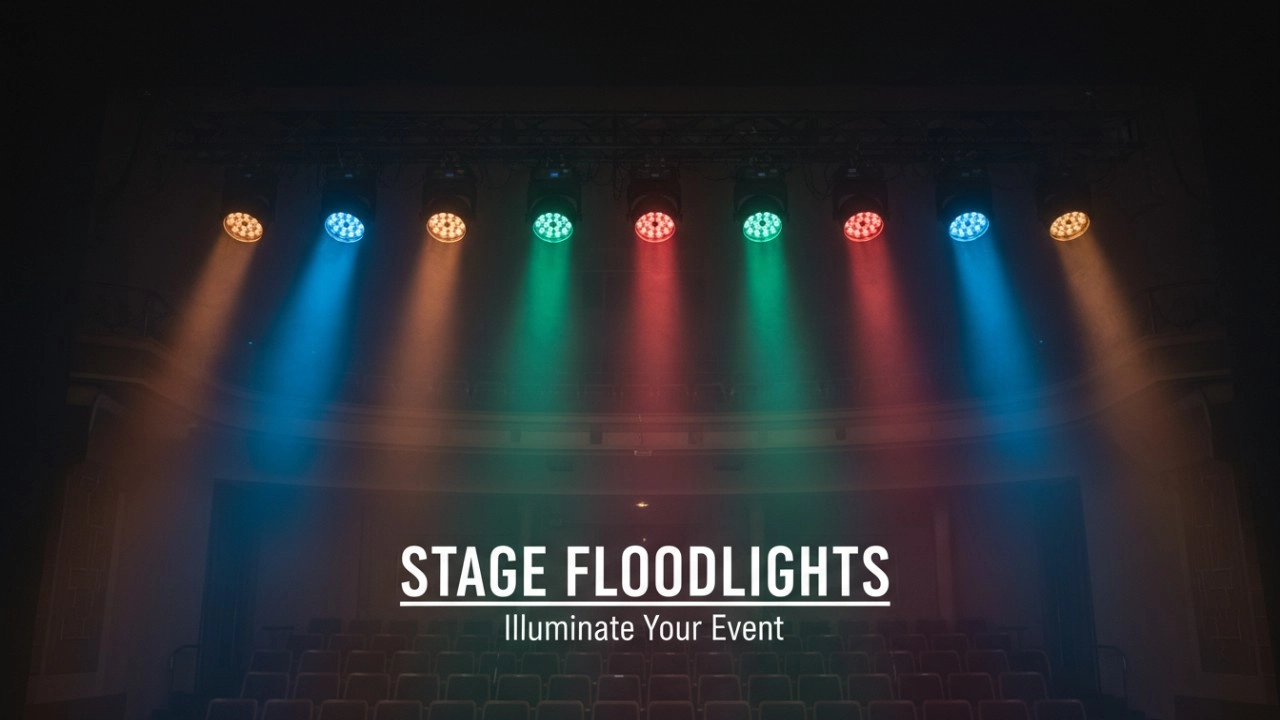
Spotlight vs. Stage Flood Lights: Which One Does Your Production Actually Need?
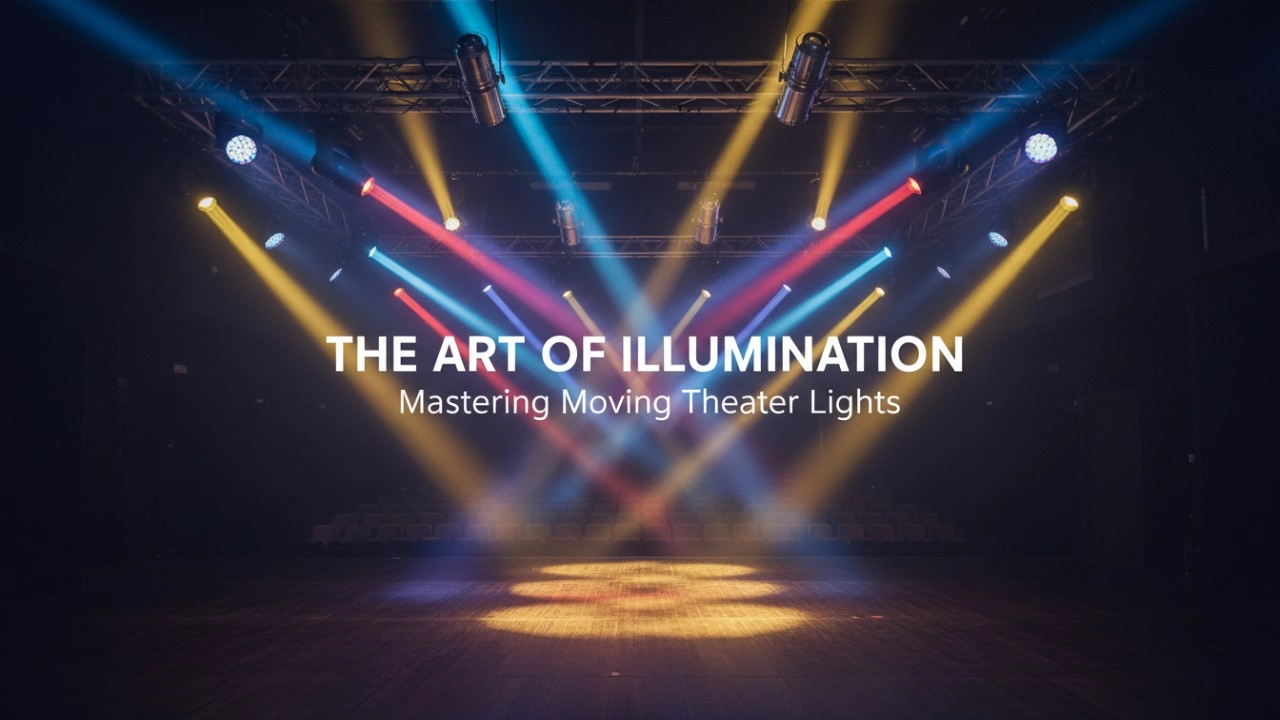
Spotlight vs. Floodlight vs. Beamlight: A Comparison of Moving Stage Lighting Fixtures
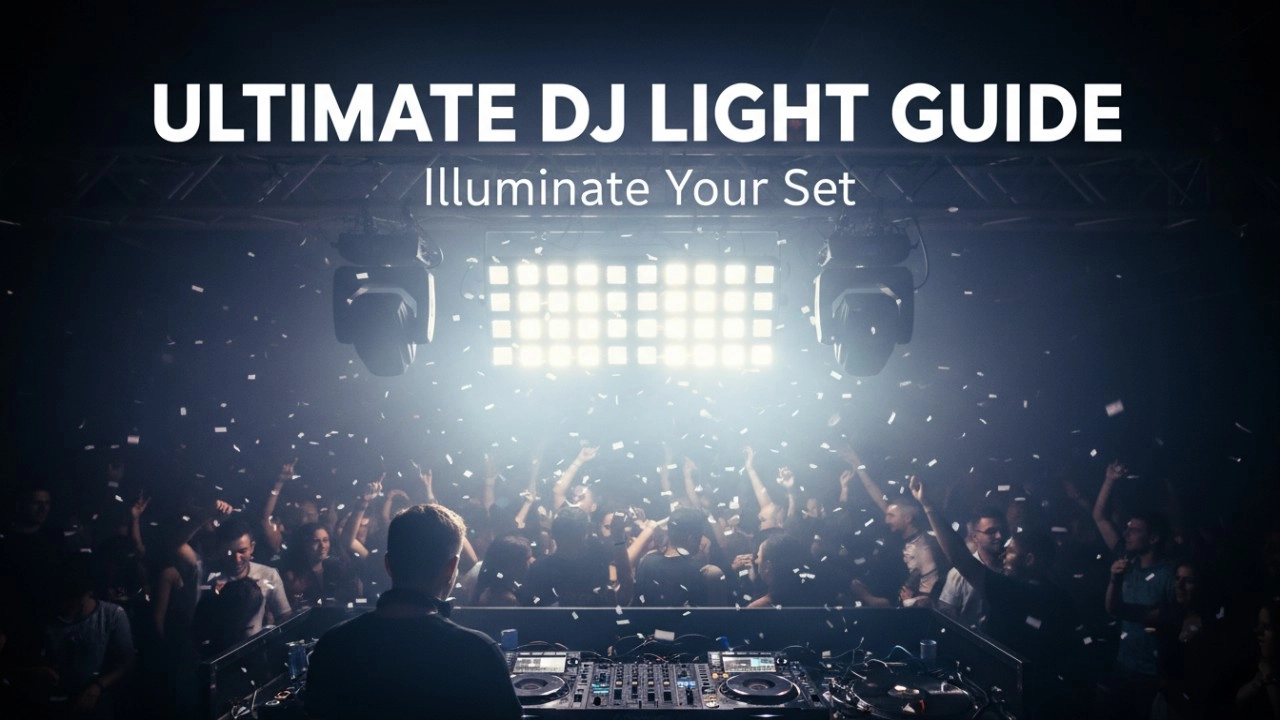
Mastering the Flash: 7 Advanced Strobe DJ Light Techniques for Pro Entertainers
Products
Do your lights support DMX512 and other control protocols?
Yes. All LiteLEES stage lights are fully compatible with DMX512. Many models also support RDM, Art-Net, and wireless DMX (optional), ensuring seamless integration with modern lighting control systems.
Can I customize the functions or software of the lights?
Absolutely. As a manufacturer with independent R&D capabilities, we offer customization for both hardware and software (such as DMX channel layout, built-in programs, or UI language). Contact us with your project needs, and our team will provide tailored solutions.
What is the lifespan of your LED stage lights?
Our LED lights use high-quality chips with a rated lifespan of over 50,000 hours. Proper usage and maintenance ensure long-term reliability and stable performance, making them a smart investment for any venue.
Company
What certifications do your products have?
All LiteLEES products are certified by CE, RoHS, FCC, and BIS. Our factory is ISO9001 quality management system certified.
Can LiteLEES handle OEM/ODM orders?
Absolutely. With our strong R&D capabilities and advanced manufacturing, we can customize designs, features, and branding to meet your specific needs.
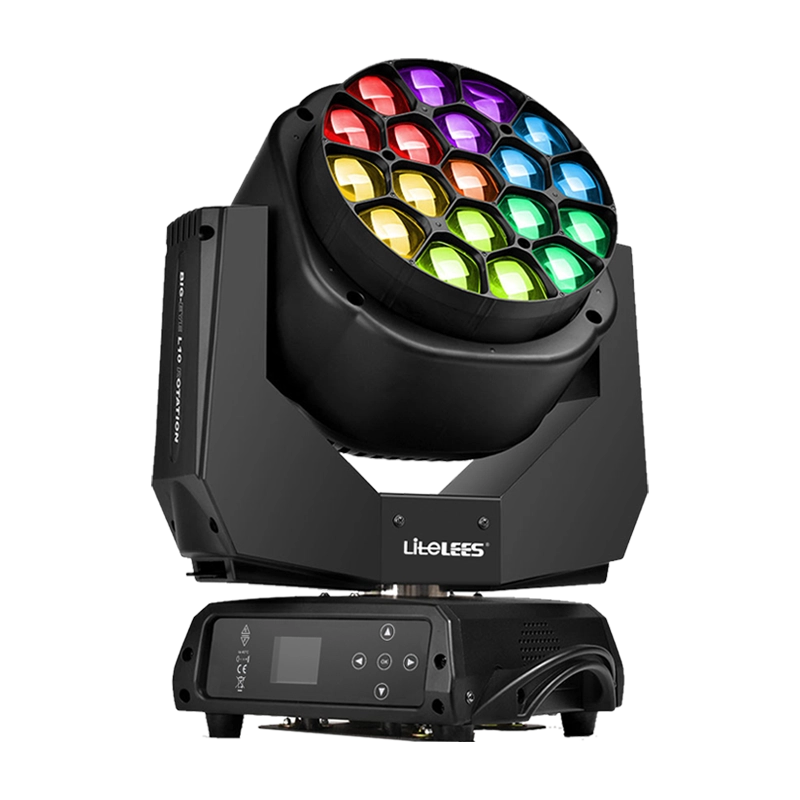

Stormy Shake Blinder IP
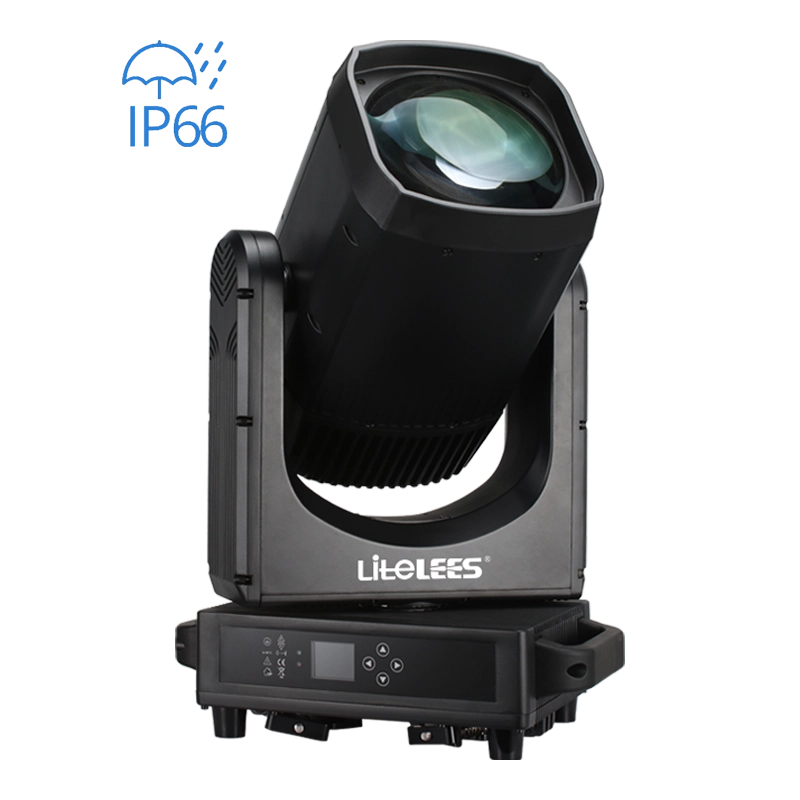
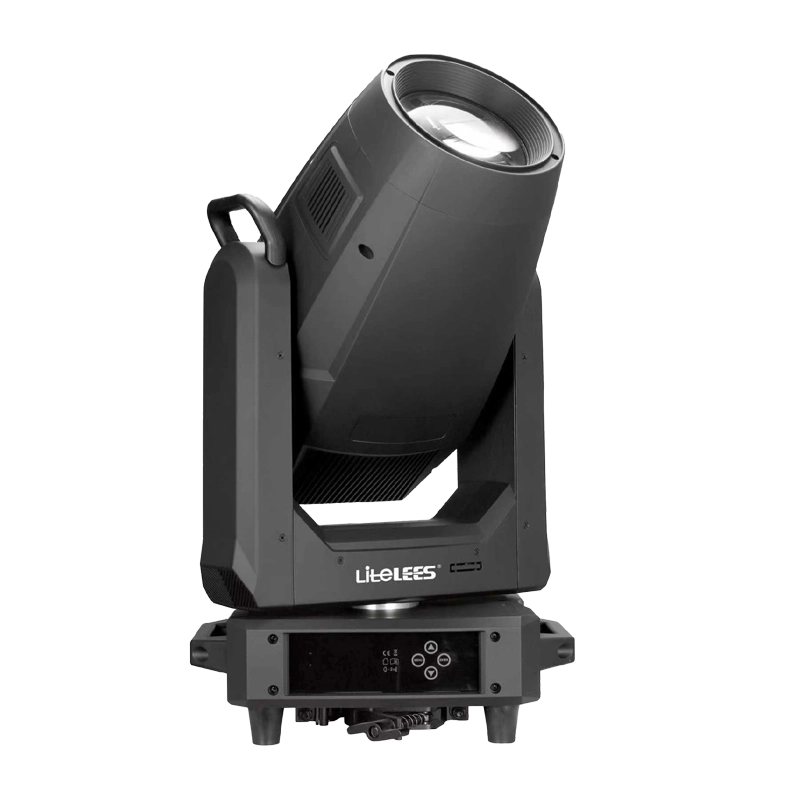
LiteLEES LUMIX BEAM 420 IP
LP Profile 900
Want to get more up-to-date information?
If you have any comments or good suggestions, please leave us a message; later our professional staff will contact you as soon as possible.

We are professional stage lighting manufacturers offering OEM and ODM LED stage lights.
Contact
Email us
Call us
Address
No.6 Longnan Road, Huashan Town, Huadu District Guangzhou, Guangdong Province, China.
LiteLEES Professional
Less Lighting