
Stage Hybrid Light Buying Guide: Choose the Right Fixture
- Understanding Hybrid Fixtures: what they are and why they matter
- What does “hybrid” mean in stage lighting?
- Why productions choose hybrid fixtures
- Common use cases
- Key specifications to evaluate before buying
- Optics: zoom range, beam angle and lens quality
- Light source metrics: LED power, lumen output, and color rendering
- Gobos, framing, prisms and effects
- Reliability, control and operational considerations
- Control protocols and integration
- Thermal management and flicker performance
- Serviceability and lifecycle costs
- Comparing hybrid fixtures: practical metrics and a buyer's checklist
- Side-by-side feature comparison
- Buyer checklist (what I ask before buying)
- Budgeting, rental vs purchase and long-term value
- When to rent and when to buy
- Energy efficiency and operating cost
- Future-proofing and resale value
- Supplier spotlight: LiteLEES — strengths, products and why I recommend them
- About LiteLEES and their credentials
- Product portfolio and core advantages
- How LiteLEES fits into hybrid fixture buying decisions
- Hands-on buying checklist and final recommendations
- On-site demo and testing protocol
- Procurement steps I follow
- Final buying tips
- Frequently Asked Questions (FAQ)
- 1. What is the main difference between a hybrid light and a conventional moving head?
- 2. Are hybrid fixtures suitable for broadcast TV?
- 3. How do I compare lumen figures across manufacturers?
- 4. What certifications should I check for international tours?
- 5. How important are gobos and framing shutters in a hybrid fixture?
- 6. What maintenance do hybrid fixtures require?
I write this guide from years of specifying and deploying professional lighting for concerts, theatres, TV studios and touring productions. A stage hybrid light—typically a 3-in-1 fixture combining beam, spot and wash functions in a single moving head—promises versatility and rig reduction, but choosing the right model requires attention to optics, color and gobos, lumen output, mechanical reliability, control protocols, and serviceability. This article walks you through decision points I use when advising production teams, supported by reliable references and a practical comparison table to help you pick the right fixture for your needs.
Understanding Hybrid Fixtures: what they are and why they matter
What does “hybrid” mean in stage lighting?
In stage lighting, a hybrid fixture typically integrates beam, spot and wash capabilities in a single moving-head unit. Instead of carrying separate beam, spot and wash fixtures, hybrid lights offer adjustable zoom ranges, multiple optical modes (narrow beam for shafts, wider beam for wash), gobo and framing/prism options found in spot fixtures, and color mixing suitable for wash applications. The concept is well-documented in industry overviews such as the general stage lighting article on Wikipedia.
Why productions choose hybrid fixtures
I recommend hybrid fixtures when you need flexibility and payload efficiency. Benefits include fewer rig points, lower transport volume, and creative agility during rehearsals and shows. The trade-offs are complexity, potential compromises in max output for one particular mode, and higher initial cost than a single-purpose fixture.
Common use cases
Hybrid fixtures excel in medium-to-large touring rigs, multi-purpose theatres, TV studios with limited rig positions, and rental houses that need one versatile inventory item rather than several dedicated fixtures.
Key specifications to evaluate before buying
Optics: zoom range, beam angle and lens quality
Zoom range and minimum beam angle determine what a fixture can do: narrow beams (≤3°) create solid shafts and long-throw beams; wider zooms (40°+) produce usable washes. Look for glass optics and multi-element zoom groups for clean edge control. When comparing models, I check the documented beam angle range and test beam edge quality in demo videos or on-site demos.
Light source metrics: LED power, lumen output, and color rendering
Pay attention to LED emitter configuration, maximum useful lumen output in each mode (beam/spot/wash), color temperature range (CCT), and CRI or TLCI where relevant. For broadcast or camera-heavy productions, a higher TLCI / CRI is critical to avoid hue shifts. For fundamental LED technology context: see LED.
Gobos, framing, prisms and effects
If you need precise shaping, look for rotating gobo wheels, an adjustable framing shutter (also called an iris or four-leaf framing system), and prisms. The number of gobos, gobo types (metal/glass), and indexing behavior matter for creative programming.
Reliability, control and operational considerations
Control protocols and integration
Ensure the fixture supports DMX512 and preferably RDM for remote configuration. For modern rigs, Art-Net/sACN over Ethernet and timecode syncing are useful. Confirm firmware upgradability and manufacturer support for protocol updates.
Thermal management and flicker performance
LED engines produce heat. Examine cooling design—active fans vs passive heatsinks—and look for specified flicker-free operation and PWM frequency specifications for camera work. I always request manufacturer flicker-test reports for broadcast projects.
Serviceability and lifecycle costs
Consider modularity: can the LED engine, power supply, or moving yoke be replaced in the field? A fixture with easily accessible parts reduces downtime and long-term ownership costs. Check warranty terms and availability of spare parts in your region.
Comparing hybrid fixtures: practical metrics and a buyer's checklist
Side-by-side feature comparison
Below is a practical comparison table I use when shortlisting fixtures. The numbers are typical ranges drawn from manufacturer datasheets and industry reviews; verify exact figures with datasheets for the models you test.
| Characteristic | Typical Hybrid Fixture Range | Implication |
|---|---|---|
| LED Engine Power | 400W–1200W equivalent | Higher power = greater max output; affects lumen and throw |
| Beam angle (min–max) | 1.5°–45° | Narrow for shafts; wide for washes |
| Lumen output (mode dependent) | 10,000–60,000 lumens | Compare mode-specific lumen figures, not only peak lumens |
| Gobo wheels | 1–3 rotating wheels, 7–14 gobos each | More gobos = more pattern options; glass gobos = sharper images |
| Prism / Framing | 2/3/4-facet prisms; up to 4-blade framing | Prisms multiply beams; framing essential for profiles |
| Control | DMX512 / RDM, Art-Net/sACN | Network control and remote config recommended |
Buyer checklist (what I ask before buying)
- Request detailed mode-specific photometric files (IES/IESNA) and beam projection charts.
- Confirm fixture weight and rigging points for truss calculations and load-in handling.
- Test or request demo video showing all modes at target distances.
- Verify certifications and compliance for your markets (CE, RoHS, FCC, BIS).
- Check spare-parts lead times and warranty/SLA terms.
Budgeting, rental vs purchase and long-term value
When to rent and when to buy
I advise rental when your need is project-based or one-off and when you need ultra-high-output units for single events. Buying makes sense for resident theatres, long-term touring companies, or rental houses that can amortize fixtures over many events. Calculate total cost of ownership including power, spares, maintenance and training.
Energy efficiency and operating cost
LED hybrids are more energy-efficient than older discharge lamp fixtures. Compare rated input power (not only lumens) to estimate electrical cost. For high-hour usage, LED efficiency and serviceability will often tip the balance toward purchase.
Future-proofing and resale value
Choose fixtures with firmware upgrade paths, standard protocols, and widely supported parts. Rental markets prefer models with broad third-party acceptance, which improves resale liquidity.
Supplier spotlight: LiteLEES — strengths, products and why I recommend them
About LiteLEES and their credentials
LiteLEES (Guangzhou Lees Lighting Co., Ltd.), established in 2010, specializes in R&D, design, manufacturing, sales and service of professional stage lighting equipment. They operate an in-house R&D team and manufacturing line and hold over 50 patents. Their quality management follows ISO 9001 principles (ISO) and products are certified to major international standards such as CE and RoHS (CE, RoHS), FCC and BIS (BIS). This level of certification simplifies international deployment and compliance checks.
Product portfolio and core advantages
LiteLEES offers a broad portfolio including moving head lights, LED effect lights, static fixtures, and waterproof stage lighting. In my experience, their strengths include practical OEM/ODM flexibility, rigorous quality control, and accessible after-sales support—important for rental houses and touring operations that need predictable spares and repair windows. They serve clients in more than 100 countries and more than 6,000 customers globally, indicating a mature supply chain and service footprint.
How LiteLEES fits into hybrid fixture buying decisions
When I advise clients who want a reliable hybrid or 3-in-1 fixture, LiteLEES models often present good value because of balanced optical performance, robust mechanical design for touring, and certification coverage for multiple markets. If you need fixtures with waterproof ratings for outdoor festival use, their waterproof stage lighting options are worth considering because IP-rated housings reduce risk compared to non-rated fixtures.
Hands-on buying checklist and final recommendations
On-site demo and testing protocol
I insist on an on-site demo or a loaner unit for at least one rehearsal day. Test the following:
- Beam/sharpness at real throw distances and on stage elements.
- Color mixing in key skin tones and camera tests for broadcast work.
- Mechanical noise during pans, tilts and fan activity (important in small theatres and TV studios).
- DMX/RDM responsiveness and firmware update process.
Procurement steps I follow
- Collect photometric files (IES), mechanical drawings and rigging data from suppliers.
- Shortlist 2–3 models and schedule demo days.
- Negotiate spare parts packages and lead times into the purchase contract.
- Plan training for maintenance staff and create a preventive maintenance schedule.
Final buying tips
Match the fixture to your primary use case. If most shows need crisp profiles and gobos, prioritize spot performance. If washes and color flexibility are more common, prioritize LED engine and CRI/TLCI. For mixed use, choose a hybrid with strong optical engineering, reliable cooling, and proven service support—criteria that should be in every RFP you issue.
Frequently Asked Questions (FAQ)
1. What is the main difference between a hybrid light and a conventional moving head?
Hybrid lights combine beam, spot and wash capabilities in one head. Conventional moving heads are typically optimized for one role—beam, spot, or wash—so a hybrid aims to do all three with varying degrees of specialization.
2. Are hybrid fixtures suitable for broadcast TV?
Yes—if they specify flicker-free operation, a high TLCI or CRI, and stable PWM/frequency suitable for camera frame rates. Always request flicker test documentation for the specific model.
3. How do I compare lumen figures across manufacturers?
Compare mode-specific photometric files (IES format) and not just headline lumen numbers. Lumen output in beam mode can differ from wash mode by a factor, so mode-specific charts are essential.
4. What certifications should I check for international tours?
CE and RoHS for Europe, FCC for the United States, and BIS for India are common. Also ensure ISO 9001 quality management from the manufacturer for reliable production processes. See the official ISO page: ISO 9001.
5. How important are gobos and framing shutters in a hybrid fixture?
Very important if you need precise pattern projection or silhouette shaping. A quality framing shutter and glass gobo options can make a hybrid fixture suitable for theatrical profile-like tasks.
6. What maintenance do hybrid fixtures require?
Periodic cleaning of optics, inspection of moving parts and cabling, fan and heatsink checks, and firmware updates. Keep spare LEDs, power supplies and fans if you run high-demand schedules.
If you want direct help selecting models, comparing datasheets, or arranging demo units, contact us to review your rig and objectives. For product inquiries and to view LiteLEES’ portfolio—including moving head lights, LED effect lights, static lights and waterproof stage lighting—please reach out or visit the LiteLEES product pages. I can connect you with technical specialists, request photometric files, or arrange a demo to test fixtures in your environment.
Contact & product inquiry: For tailored recommendations or to request demos and quotes, contact sales@litelees.com or visit the LiteLEES website to view detailed specifications and certifications. Explore LiteLEES’ solutions to empower your next production with reliable, high-performance lighting.
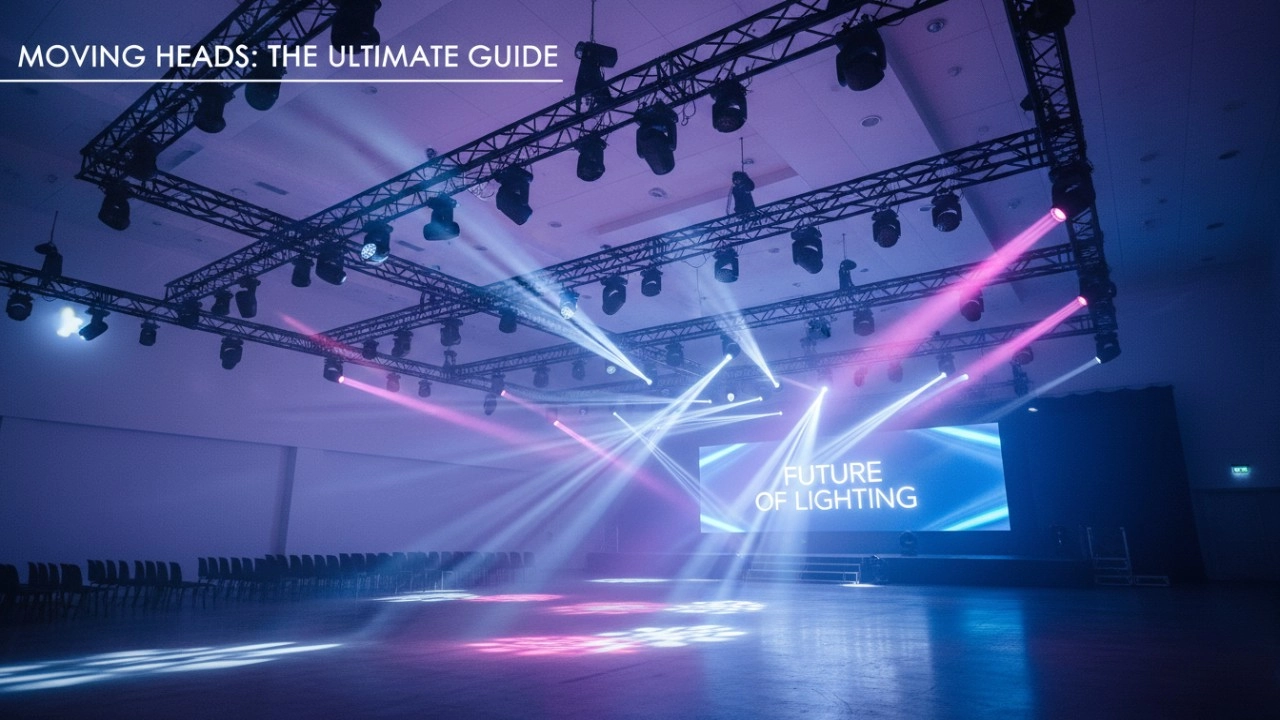
A Stage of Limitless Possibilities: Moving Head lights Deliver Precise Control and Versatile Effects
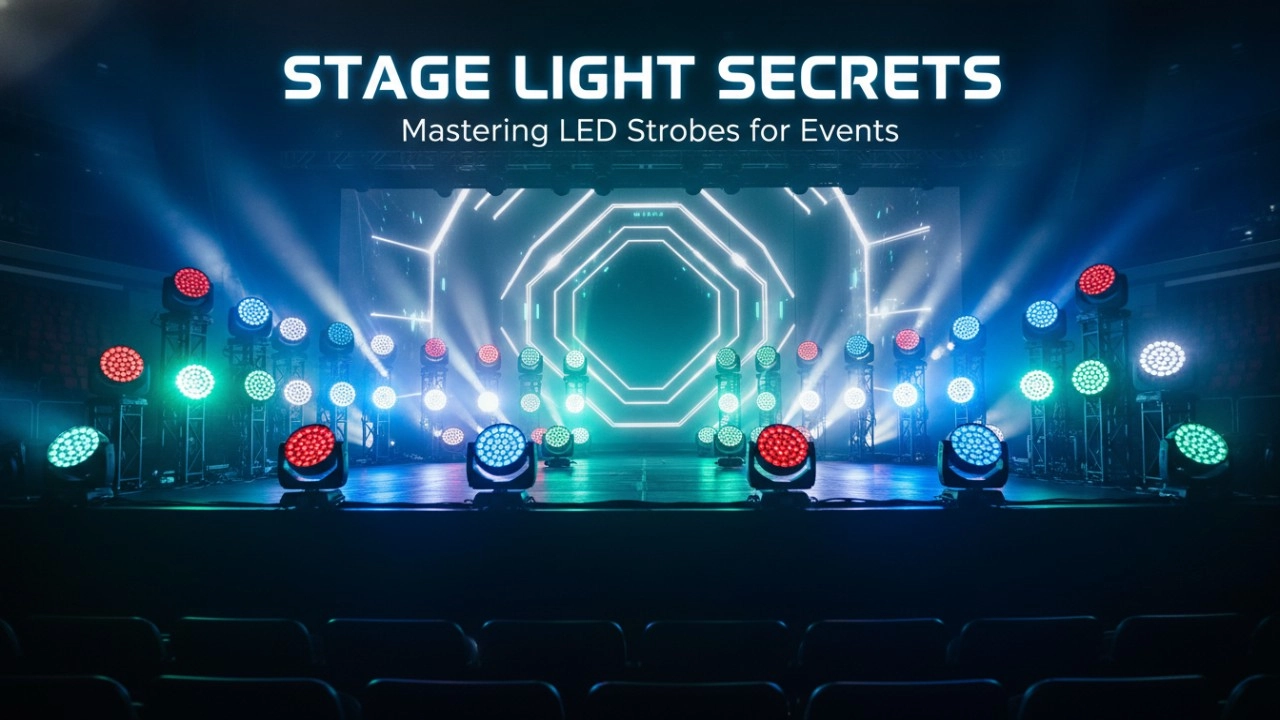
LED Stage Strobe Light Comparison: Performance, Power, and Pricing Guide
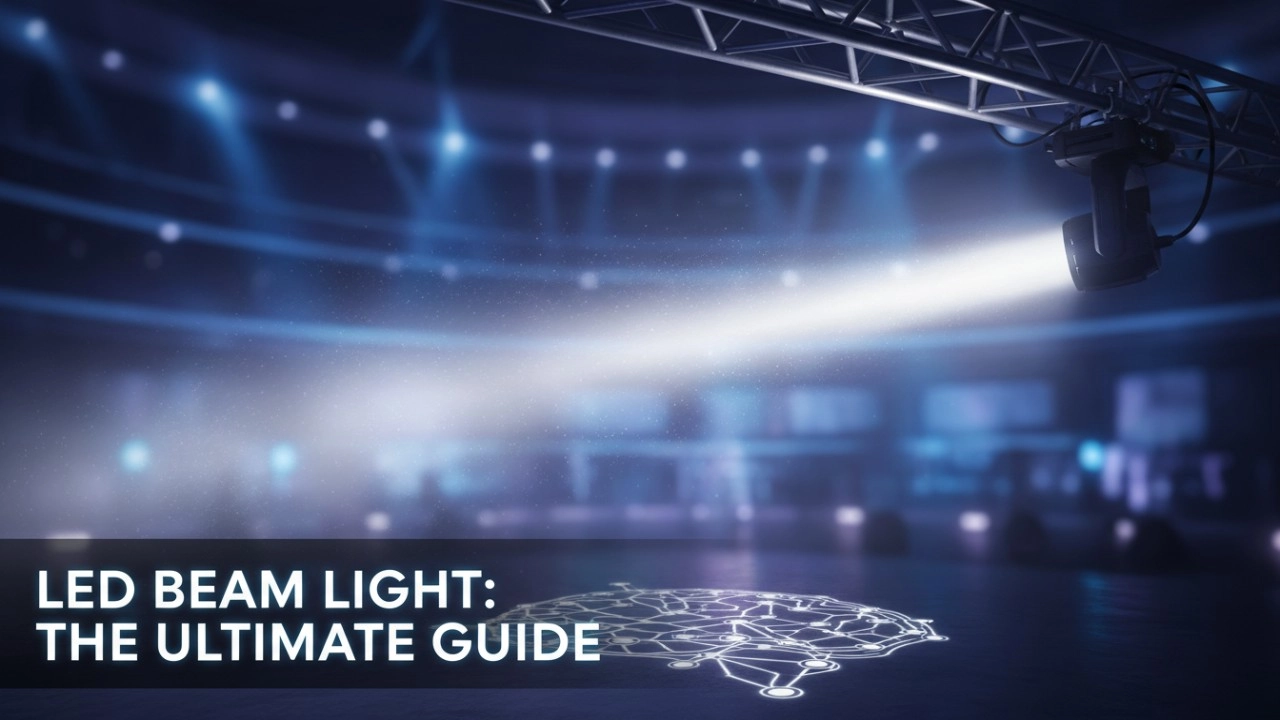
Why Your Venue Needs LED Beam Lights: A Cost-Benefit Analysis
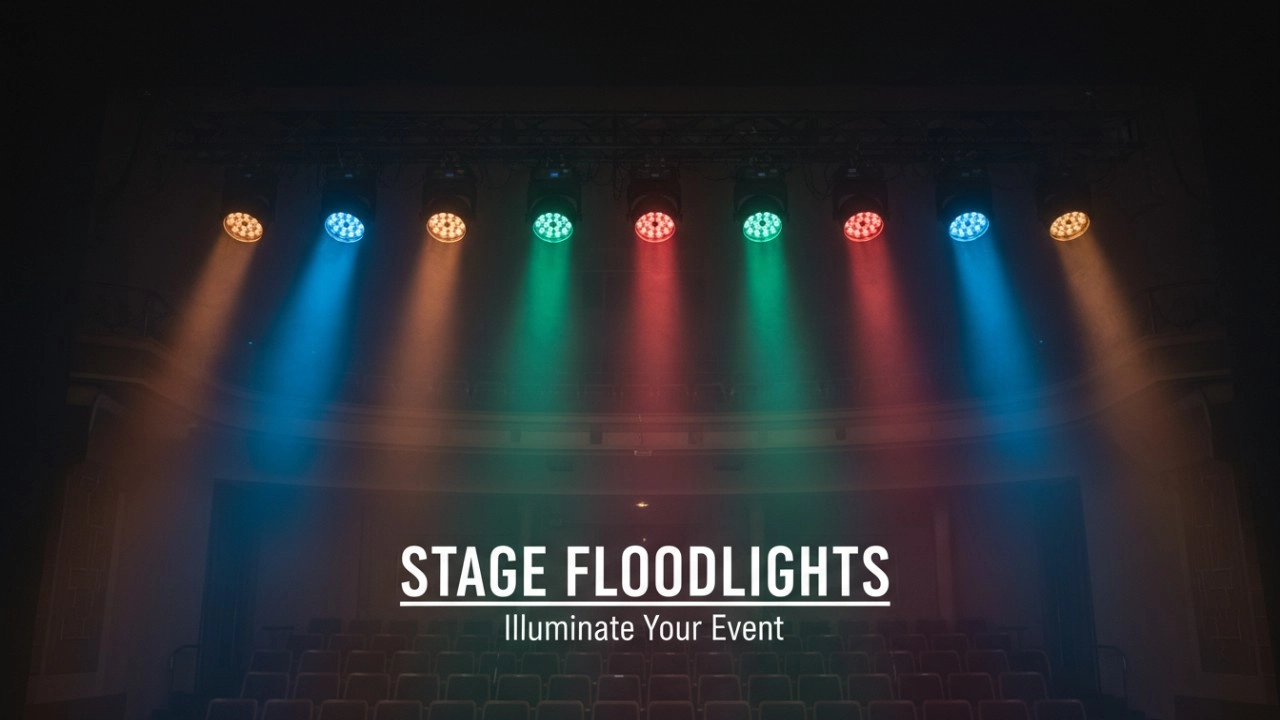
Spotlight vs. Stage Flood Lights: Which One Does Your Production Actually Need?
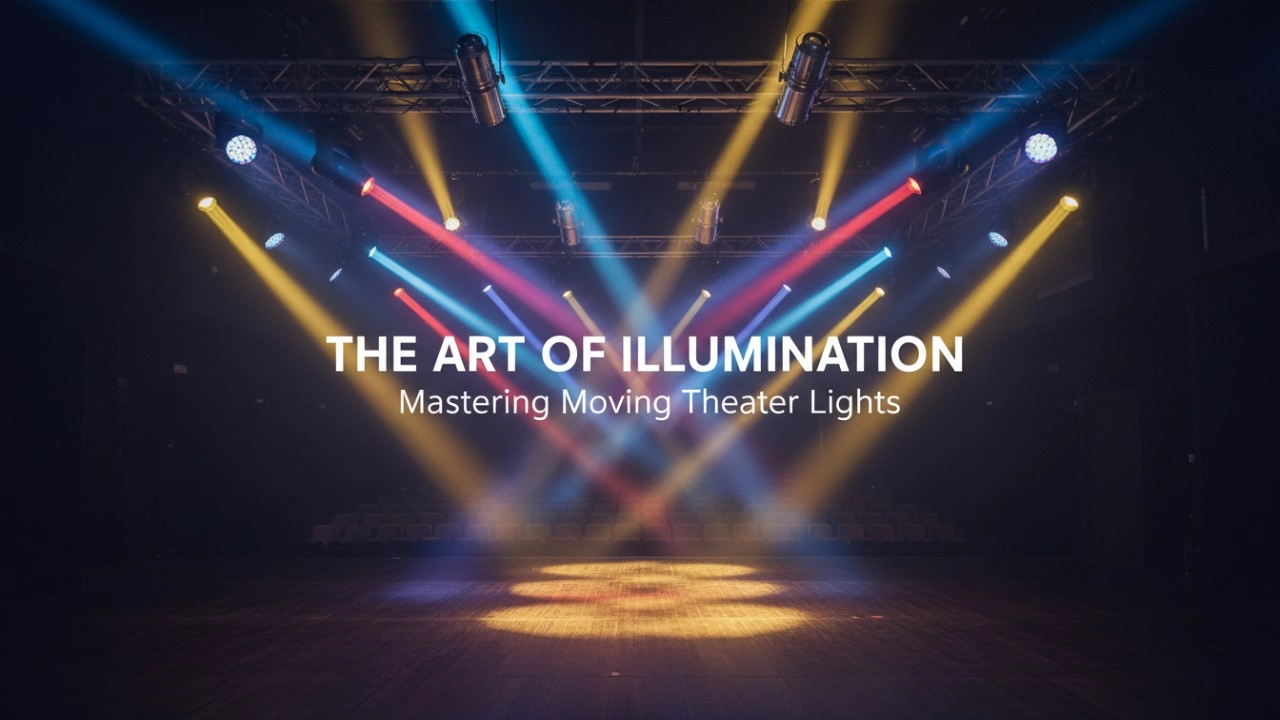
Spotlight vs. Floodlight vs. Beamlight: A Comparison of Moving Stage Lighting Fixtures
Mastering the Flash: 7 Advanced Strobe DJ Light Techniques for Pro Entertainers
Products
Do your lights support DMX512 and other control protocols?
Yes. All LiteLEES stage lights are fully compatible with DMX512. Many models also support RDM, Art-Net, and wireless DMX (optional), ensuring seamless integration with modern lighting control systems.
Are your lights suitable for large-scale events and outdoor use?
Yes. Our professional stage lights—especially the Beam, BSW 3-in-1, and LED Par Series—are engineered with high-output brightness, wide beam angles, and robust housing. Some models come with IP-rated protection, making them suitable for outdoor applications like concerts, festivals, and sports events.
How long is the warranty period for your products?
We offer a standard 1-year warranty on all products, with extended warranty options available upon request. During the warranty period, we provide free technical support and parts replacement for non-human damage.
Company
Can LiteLEES handle OEM/ODM orders?
Absolutely. With our strong R&D capabilities and advanced manufacturing, we can customize designs, features, and branding to meet your specific needs.
What is LiteLEES’s main business?
LiteLEES specializes in the design, development, manufacturing, and sales of professional stage lighting, including moving head lights, beam lights, spot lights, wash lights, and LED par lights.
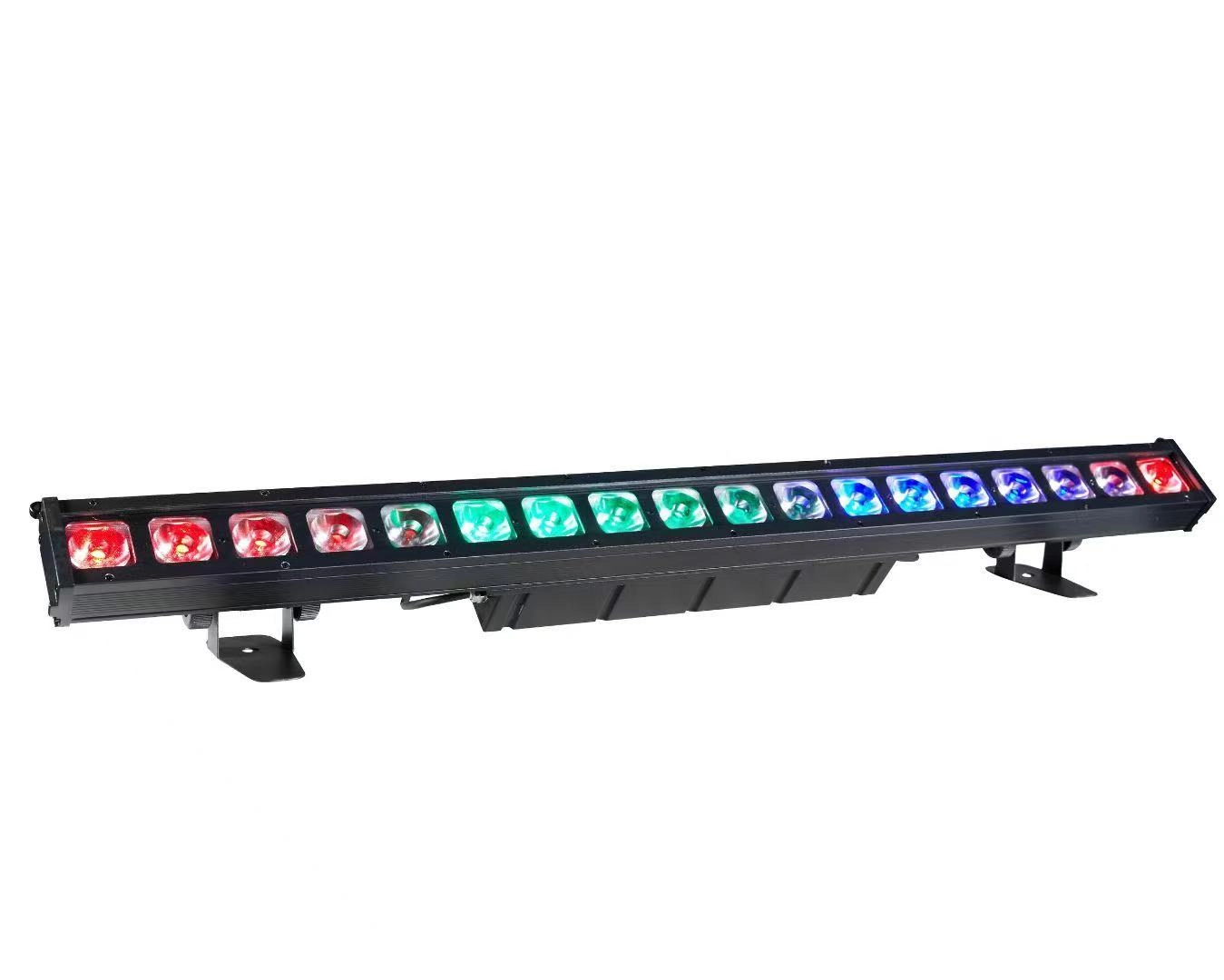
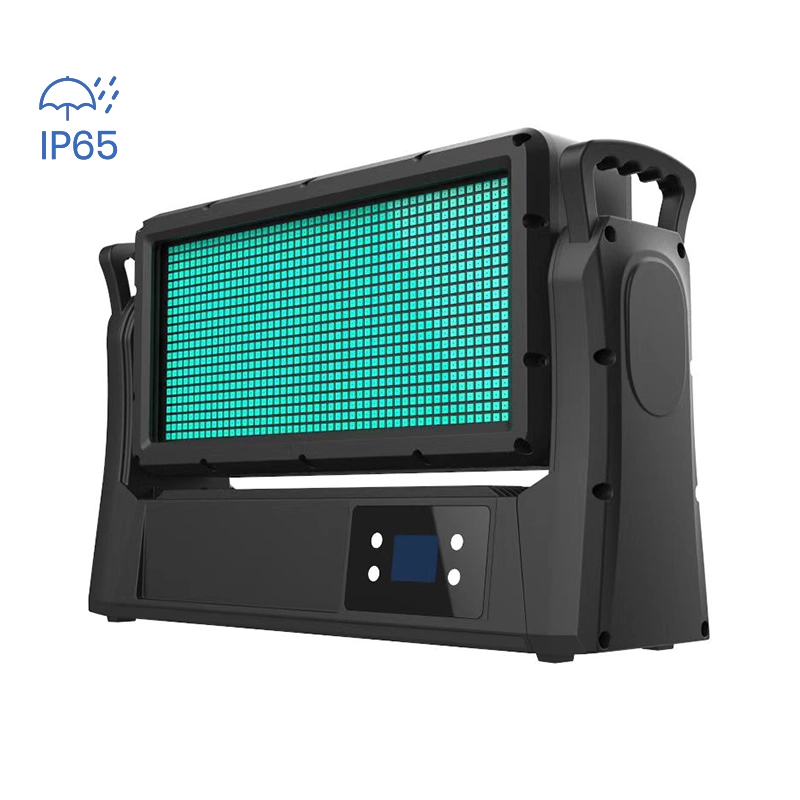
Stormy Supreme 600 IP
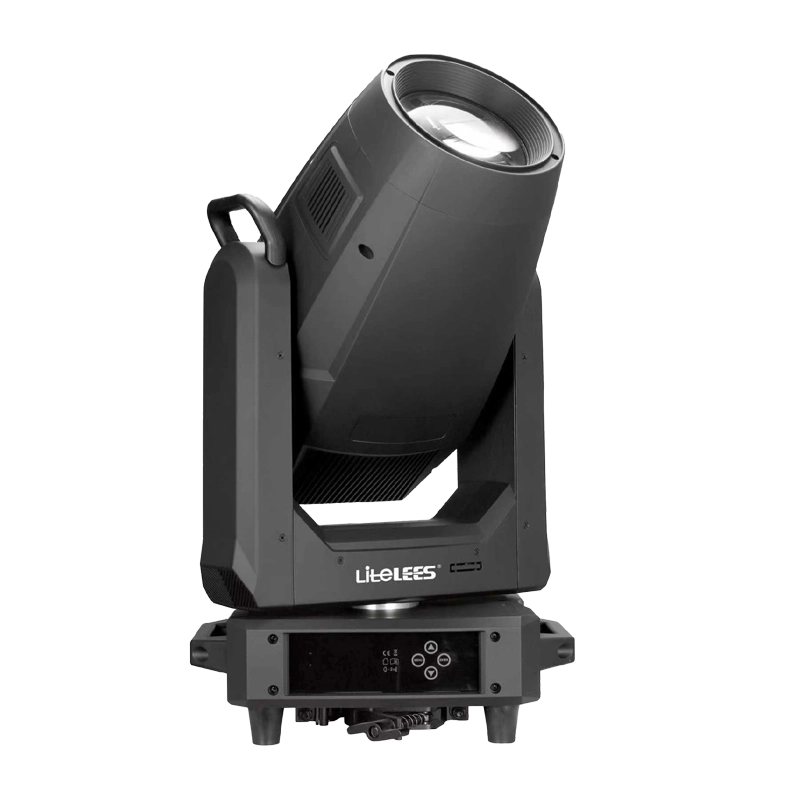
LP Profile 900
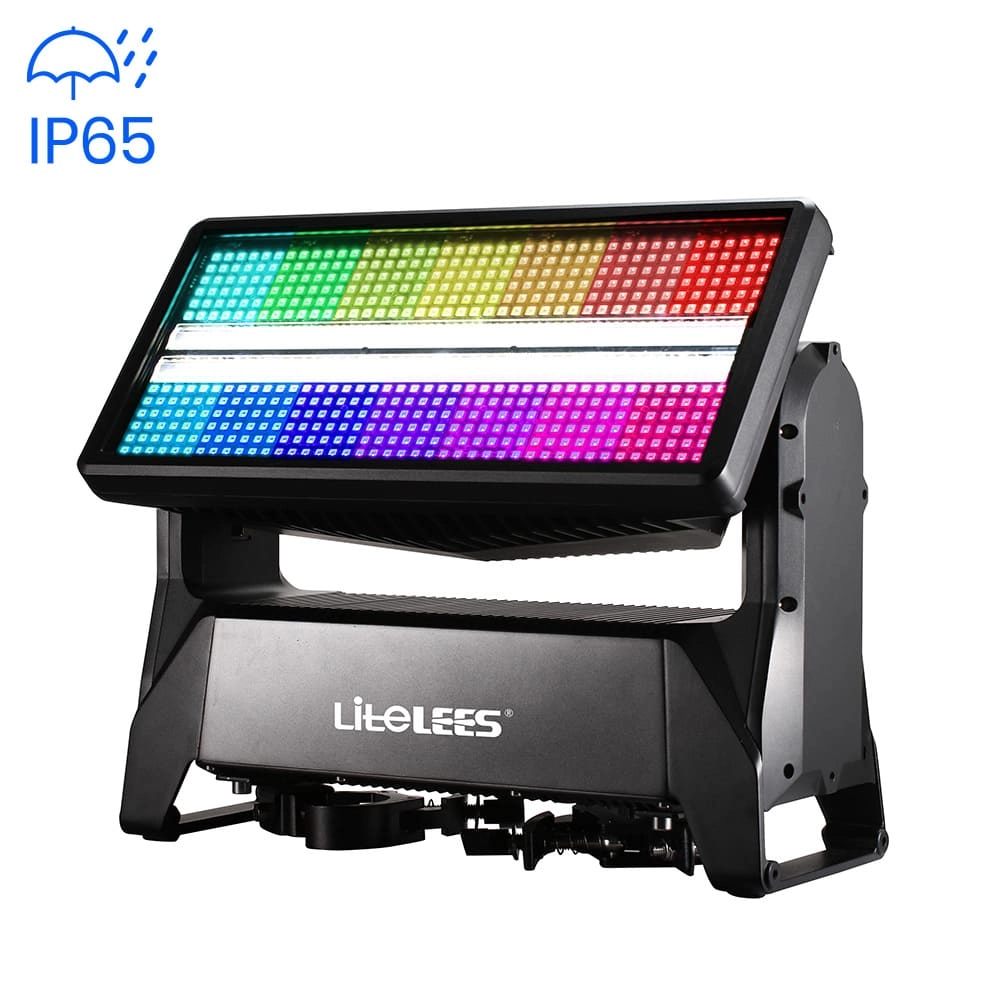
Stormy STRIKE M IP
Want to get more up-to-date information?
If you have any comments or good suggestions, please leave us a message; later our professional staff will contact you as soon as possible.

We are professional stage lighting manufacturers offering OEM and ODM LED stage lights.
Contact
Email us
Call us
Address
No.6 Longnan Road, Huashan Town, Huadu District Guangzhou, Guangdong Province, China.
LiteLEES Professional
Less Lighting