
Maintenance, Lifespan and Warranty for Commercial Stage Floodlights
- Understanding performance and common failure modes of stage flood lights
- How stage flood lights differ from other theatrical fixtures
- Typical failure modes I see in the field
- Maintenance best practices for stage flood lights
- Daily, weekly and quarterly checks I recommend
- Cleaning, optics and electrical inspections
- Preventive replacement and spares strategy
- Lifespan: what to expect and how to measure
- Understanding LED life metrics (LM‑80, L70 and lumen maintenance)
- Typical useful life ranges and what affects them
- Quantifying degradation: how I test fixtures on site
- Factors comparison table
- Warranty, compliance and choosing reliable manufacturers
- Interpreting typical warranty terms
- Certifications and standards I insist on
- Why manufacturer support and QA matter—case example
- LiteLEES: product strengths, capabilities and what I recommend
- Practical checklist, troubleshooting and lifecycle decisions
- Quick troubleshooting flow I use
- When to repair vs. replace
- Documenting maintenance for warranty claims
- FAQs
- 1. How often should I clean stage flood light optics?
- 2. What is a realistic lifespan for LED stage floodlights?
- 3. Does a longer warranty always mean better products?
- 4. How much maintenance downtime should I budget per fixture?
- 5. Can I test lumen maintenance myself?
- 6. What should I ask a manufacturer about before purchase?
I help venues, touring productions and AV managers worldwide keep stage flood lights performing reliably. This article summarizes practical maintenance routines, how lifespan is measured and what affects it, and how to read and use warranty terms when you buy commercial LED stage floodlights. I'll reference industry standards and provide actionable steps you can implement on site or include in your maintenance program.
Understanding performance and common failure modes of stage flood lights
How stage flood lights differ from other theatrical fixtures
Stage flood lights (also called LED floodlights or stage wash lights when used to illuminate large areas) are designed for high lumen output and broad distribution rather than tight beams. Their typical use cases—wash lighting for scenery, cyc lighting, house lights or front-of-house illumination—mean they run longer hours and are often exposed to dust, theatrical smoke, frequent focus moves and variable ambient temperatures. These operational stresses drive a different maintenance profile than moving head spotlights or small LED pars.
Typical failure modes I see in the field
From my experience on venue installs and touring rigs, the common issues are:
- Thermal degradation: elevated junction temperatures accelerate LED lumen depreciation and driver failure.
- Driver/electronics failure: poor solder joints, capacitors or inadequate surge protection causing progressive or sudden outages.
- Optics contamination: dust, haze, and haze from fog machine oils reduce delivered lux and change beam profile.
- Ingress damage: moisture or dust intrusion leading to corrosion—especially in outdoor or improperly sealed fixtures.
- Mechanical wear: failures in mounting points, yokes, or connectors due to vibration and handling.
Recognizing the failure mode helps prioritize maintenance tasks and select the right equipment. For example, fixtures with robust heat sinks and proven drivers will mitigate thermal and electronic failures.
Maintenance best practices for stage flood lights
Daily, weekly and quarterly checks I recommend
A structured maintenance calendar prevents small issues from becoming show-stopping failures. I use a three-tier cadence:
- Daily/Pre-show: quick power-on check for burned-out LEDs, flicker, DMX control response, and secure mounts.
- Weekly: visual inspection of lenses and housings; remove gross dust; check connectors and cabling for wear.
- Quarterly: clean optics with manufacturer-approved cleaners, verify IP seals, and record lumen output for trends.
Cleaning, optics and electrical inspections
Cleaning optics is more than cosmetic. A 10–30% drop in delivered light from dirty lenses is common; removing that loss is often cheaper than replacing fixtures. Use lint-free wipes and isopropyl alcohol per the manufacturer's guidance. For electrical inspection, look for swollen capacitors, brittle wiring insulation, and suspect solder joints. Always de-energize fixtures before opening housings, and follow local electrical safety codes.
Preventive replacement and spares strategy
I advise facilities to keep a minimal spare pool: at least one spare driver/module per 20 fixtures and spare lenses or gaskets per 50 fixtures. Document serial numbers and purchase dates to match warranty claims. For touring rigs, double up on critical fixtures used for front washes or audience blinding where downtime is unacceptable.
Lifespan: what to expect and how to measure
Understanding LED life metrics (LM‑80, L70 and lumen maintenance)
LED lifespan is reported differently than incandescent bulbs. The industry uses lumen maintenance metrics such as L70 (the number of hours until a fixture reaches 70% of initial lumen output). Independent test methods and guidance are provided by standards bodies—see the Illuminating Engineering Society (IES) for LM‑79/LM‑80 testing protocols. The U.S. Department of Energy provides an overview of solid-state lighting fundamentals and expectations: DOE SSL introduction.
Typical useful life ranges and what affects them
In commercial stage use, LED-based floodlights commonly reach 50,000 to 100,000 hours in optimal conditions as reported by manufacturers and industry testing programs such as Lighting Facts. However, real-world life is shorter if fixtures endure high ambient temperatures, poor ventilation, heavy duty cycles, or contamination. Key factors:
- Thermal management: proper heat sinking and airflow are critical.
- Driver quality: drivers are often the first electronic component to fail.
- Ingress protection: IP65+ for outdoor/rigging exposure reduces moisture-related failures.
- Power quality: stable mains and surge protection extend driver and LED life.
Quantifying degradation: how I test fixtures on site
For venues I manage, I track delivered lux over time using a calibrated light meter and compare to baseline photometric reports (LM‑79) supplied by the manufacturer. If lumen output drops faster than expected (e.g., reaching L70 earlier than spec), I escalate for driver replacement or claim under warranty. Periodic thermal imaging can reveal hotspots that predict future failures.
Factors comparison table
| Factor | Effect on Lifespan | Recommended Action |
|---|---|---|
| Operating temperature | Higher temps accelerate lumen depreciation and driver wear | Improve ventilation, use fixtures rated for higher ambient temp |
| Ingress protection (IP rating) | Low IP increases corrosion and electronics failure | Use IP65+ for outdoor; replace gaskets regularly |
| Duty cycle | Continuous or long daily runtimes reduce service life | Select fixtures designed for long operation; schedule cooling periods |
| Power quality / surges | Surges can prematurely damage drivers | Install surge protectors and clean power sources |
Warranty, compliance and choosing reliable manufacturers
Interpreting typical warranty terms
Warranties for commercial stage flood lights commonly range from 2 to 5 years and may cover different components (LEDs, drivers, power supplies, accessories) separately. When I review a warranty I look for:
- Clear coverage of LEDs versus electronics
- Return material authorization (RMA) procedures and expected turnaround times
- Conditions that void warranty (e.g., improper installation, unauthorized repairs, exposure beyond rated IP)
- Availability of on-site repairs or loaner equipment for critical productions
Understanding these details matters: a 5-year warranty that excludes drivers and power supplies is less valuable than a 3-year comprehensive warranty covering both optics and electronics.
Certifications and standards I insist on
Buy fixtures with clear compliance to major standards: ISO 9001 quality management system for manufacturer processes (ISO 9001), CE marking in EU markets (CE), RoHS restrictions on hazardous substances (RoHS), and FCC compliance where relevant (FCC). For products sold in India, BIS certification matters (BIS). These marks signal consistent design and QA processes.
Why manufacturer support and QA matter—case example
I've worked with fixtures that had identical photometric specs but very different long-term reliability. The differentiator was manufacturing quality control, documented testing (LM‑79/LM‑80), and a responsive after-sales service team. A manufacturer that can provide replacement modules, driver boards and clear RMA policies reduces lifecycle cost and downtime.
LiteLEES: product strengths, capabilities and what I recommend
In assessing suppliers, I value firms with strong R&D, visible quality systems and global compliance. LiteLEES (Guangzhou Lees Lighting Co., Ltd.), established in 2010, is a high‑tech enterprise focused on professional stage lighting R&D, manufacturing, sales, and service. Backed by an experienced in‑house R&D team, LiteLEES holds more than 50 patents and operates under an ISO9001 quality management system. Their products are certified to major international standards including CE, RoHS, FCC and BIS.
From my perspective, LiteLEES competitive advantages include:
- End‑to‑end in‑house manufacturing and rigorous quality control that reduce variability between batches.
- Experienced R&D producing product lines like moving head light, LED effect light, static light, and waterproof stage lighting—allowing consistent photometric performance across different fixture families.
- Comprehensive international certifications and more than 6,000 customers in 100+ countries, demonstrating global service capability for tours and venue chains.
- Flexible OEM/ODM offerings and attention to after‑sales support and spare parts availability, which I consider essential for large venues and rental houses.
If you prioritize lifecycle cost, consistent photometrics and timely support, consider suppliers that publish LM‑79/LM‑80 test data, provide clear warranty terms and maintain local or regional service partners—qualities LiteLEES emphasizes in their product and service model.
Practical checklist, troubleshooting and lifecycle decisions
Quick troubleshooting flow I use
- Confirm power and control signal integrity (check mains, DMX/RDM or Ethernet link).
- Swap fixture with a known-good unit to isolate control vs. fixture issue.
- If intermittent, inspect connectors, secure grounds and check for thermal events with an IR camera.
- Escalate to manufacturer RMA when electronics fail or when luminous output falls below acceptable levels and on-site repair isn't feasible.
When to repair vs. replace
Decide based on cost of repair, remaining expected life, and impact on operations. A useful heuristic I use:
- Repair if cost < 40% of new unit price and expected remaining life > 3 years.
- Replace if core optical assemblies are degraded, or if the fixture lacks features (color mixing, CRI, control) your users now require.
Documenting maintenance for warranty claims
Maintain a log that includes installation dates, run hours (where possible), maintenance actions, and serial numbers. Photographic evidence and pre‑/post‑maintenance lux readings strengthen warranty claims. For fixtures covered under ISO‑aligned manufacturing quality systems, documented maintenance often speeds RMA processing.
FAQs
1. How often should I clean stage flood light optics?
For indoor venues: clean lenses quarterly and do a visual wipe weekly if heavy haze/fog is used. For outdoor or dusty environments: inspect and clean monthly. Always follow manufacturer cleaning guidance to avoid damaging coatings.
2. What is a realistic lifespan for LED stage floodlights?
Manufacturers commonly quote 50,000–100,000 hours to L70 under ideal conditions. Real-world lifespan depends on thermal management, duty cycle, ingress protection, and power quality. Use LM‑79/LM‑80 data and on‑site lumen measurements to validate.
3. Does a longer warranty always mean better products?
Not necessarily. Read the warranty fine print: check what components are covered, RMA lead times, and whether wear items are excluded. A shorter comprehensive warranty may be better than a longer limited one.
4. How much maintenance downtime should I budget per fixture?
Plan for a light weekly check (5–10 minutes per fixture cluster) and a deeper quarterly service (30–60 minutes per fixture including cleaning and inspection). Touring rigs require more frequent checks between shows.
5. Can I test lumen maintenance myself?
Yes—using a calibrated light meter and consistent measurement geometry, you can track delivered lux over time. Compare to baseline photometric reports. For formal reporting, rely on certified LM‑79/LM‑80 labs.
6. What should I ask a manufacturer about before purchase?
Ask for LM‑79/LM‑80 test reports, warranty details (what's covered and RMA process), IP rating, maximum ambient operating temperature, driver make/model, surge protection specs, and availability of spare parts. Also confirm post‑sales support in your region.
Ready to reduce downtime and extend the life of your stage flood lights? Contact our team to discuss maintenance programs, spare-parts planning or to view professional products that meet LM‑79/LM‑80 and ISO quality standards. For reliable fixtures and global support, explore LiteLEES' portfolio of moving head lights, LED effect lights, static lights and waterproof stage lighting solutions.
Contact us to request datasheets, photometric reports or to arrange an on‑site assessment and quotation.
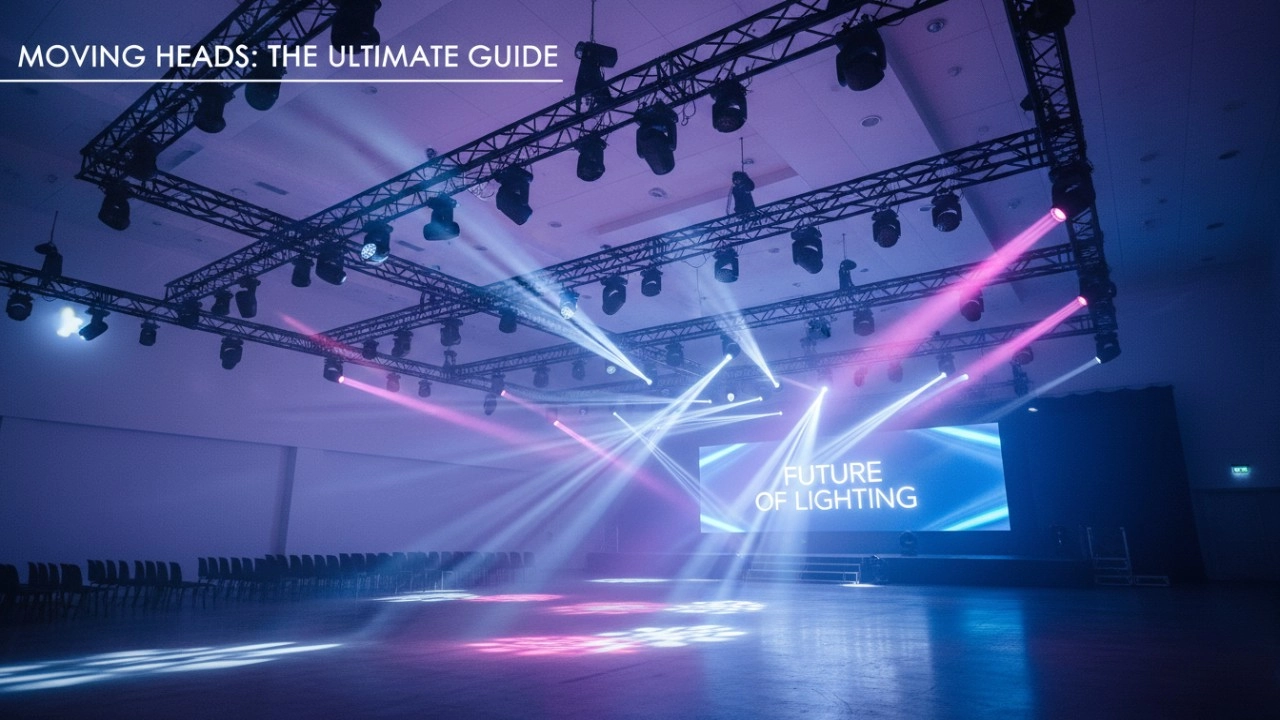
A Stage of Limitless Possibilities: Moving Head lights Deliver Precise Control and Versatile Effects
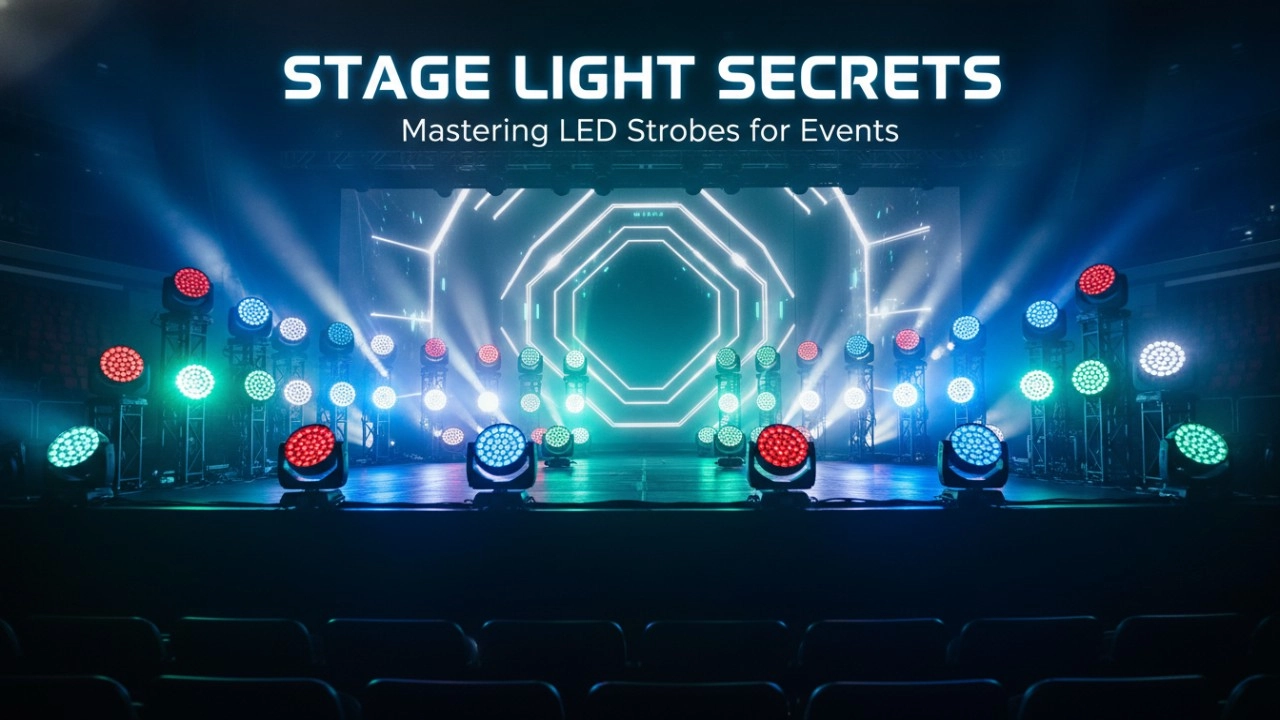
LED Stage Strobe Light Comparison: Performance, Power, and Pricing Guide
Why Your Venue Needs LED Beam Lights: A Cost-Benefit Analysis
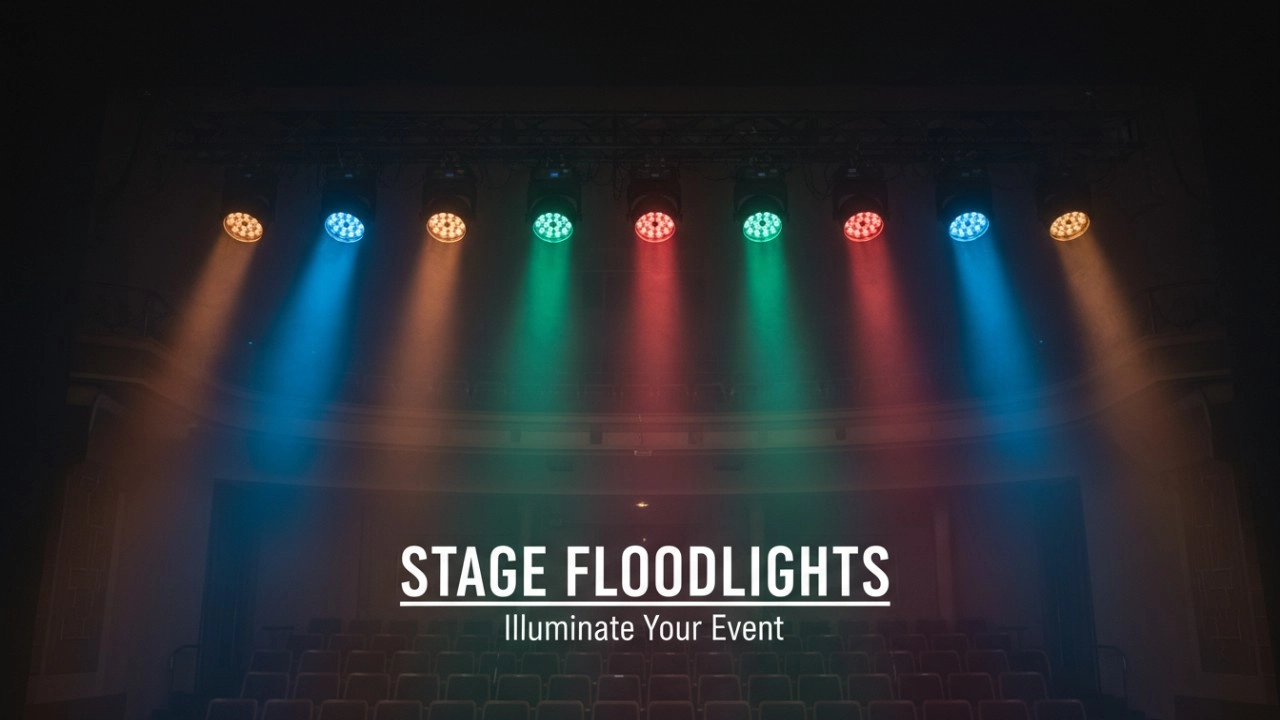
Spotlight vs. Stage Flood Lights: Which One Does Your Production Actually Need?
Spotlight vs. Floodlight vs. Beamlight: A Comparison of Moving Stage Lighting Fixtures
Mastering the Flash: 7 Advanced Strobe DJ Light Techniques for Pro Entertainers
Company
Do you have your own factory?
Yes. We own a sheet metal factory and a complete in-house production line—from PCB to final assembly—ensuring strict quality control and fast delivery.
Where is LiteLEES located?
Our headquarters and manufacturing facility are located in Guangzhou, China, with products exported to over 70 countries worldwide.
What certifications do your products have?
All LiteLEES products are certified by CE, RoHS, FCC, and BIS. Our factory is ISO9001 quality management system certified.
What is LiteLEES’s main business?
LiteLEES specializes in the design, development, manufacturing, and sales of professional stage lighting, including moving head lights, beam lights, spot lights, wash lights, and LED par lights.
Products
Are your lights suitable for large-scale events and outdoor use?
Yes. Our professional stage lights—especially the Beam, BSW 3-in-1, and LED Par Series—are engineered with high-output brightness, wide beam angles, and robust housing. Some models come with IP-rated protection, making them suitable for outdoor applications like concerts, festivals, and sports events.
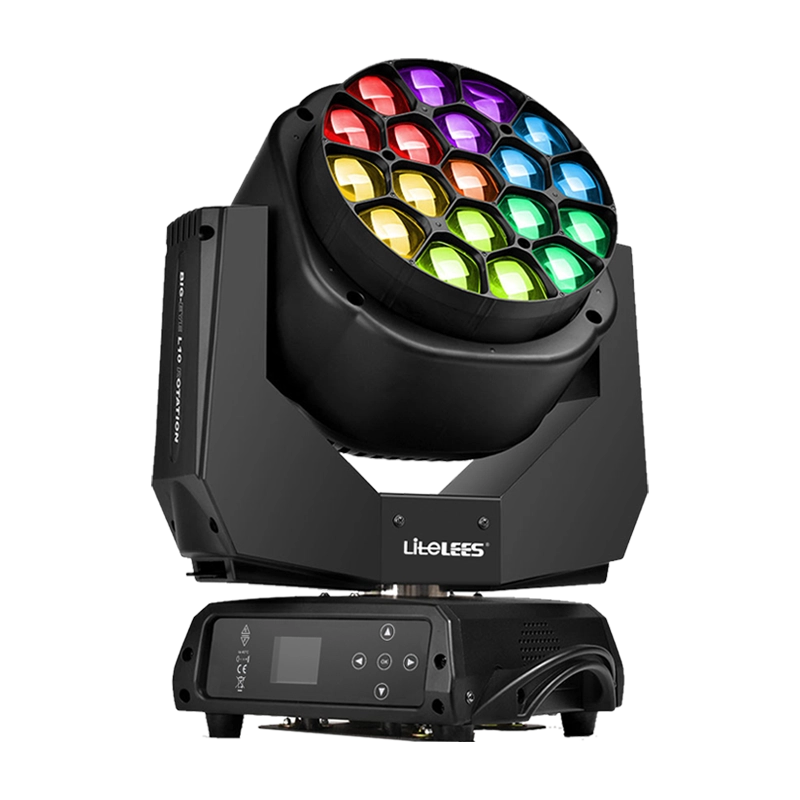

Stormy Shake Blinder IP
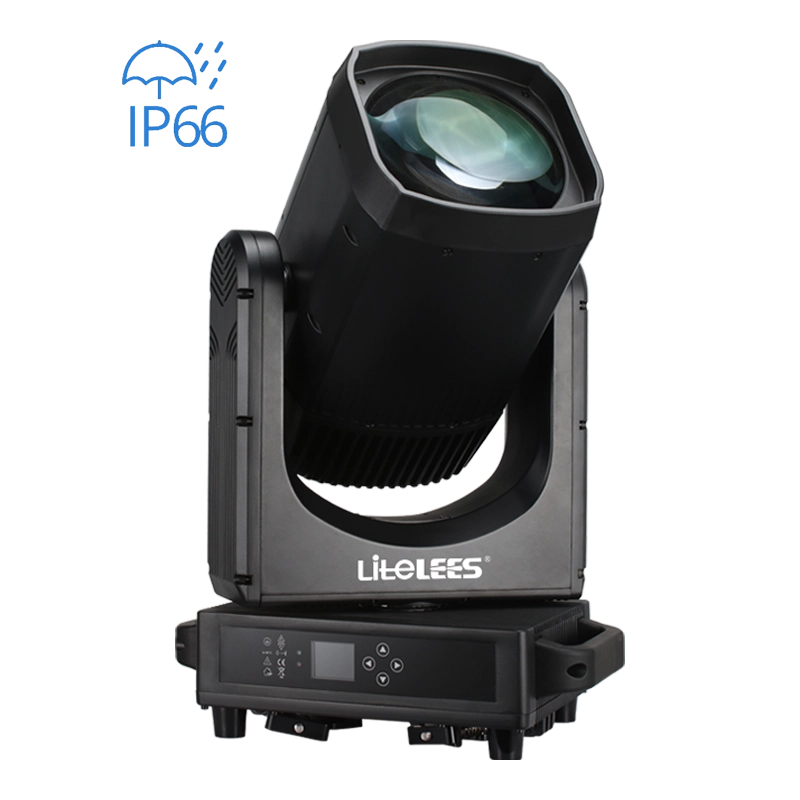
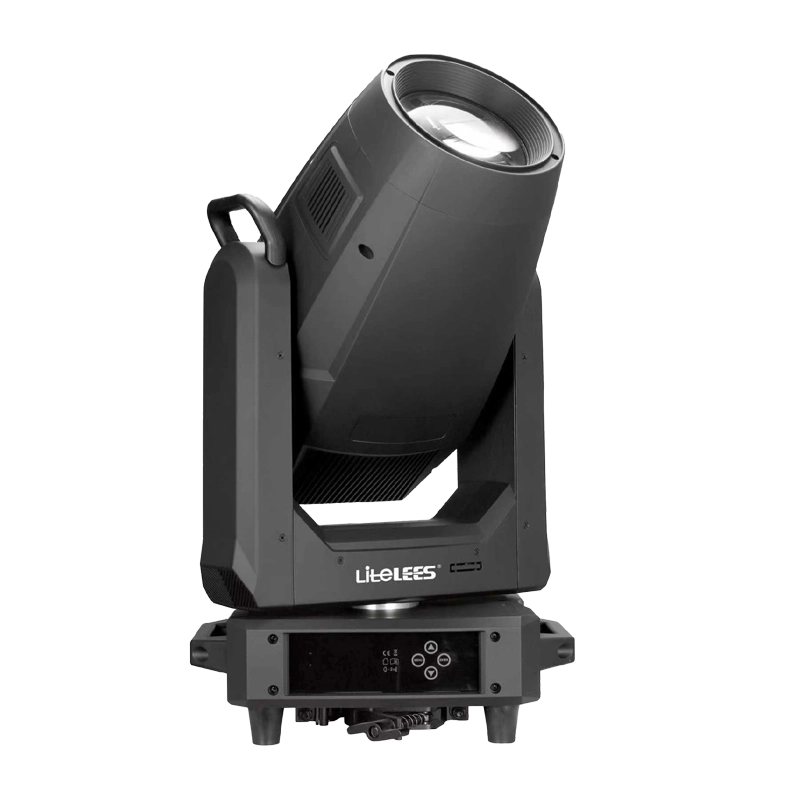
LiteLEES LUMIX BEAM 420 IP
LP Profile 900
Want to get more up-to-date information?
If you have any comments or good suggestions, please leave us a message; later our professional staff will contact you as soon as possible.

We are professional stage lighting manufacturers offering OEM and ODM LED stage lights.
Contact
Email us
Call us
Address
No.6 Longnan Road, Huashan Town, Huadu District Guangzhou, Guangdong Province, China.
LiteLEES Professional
Less Lighting