
Stage Flood Lights Buying Guide for Venues and Production Buyers
- Understanding Stage Flood Lighting: Roles and Performance Metrics
- What stage flood lights are and when to use them
- Key performance metrics to evaluate
- Standards and references I rely on
- Specifying Stage Flood Lights: Practical Decision Points
- Lumen output, beam angle, and calculating lux on stage
- Color temperature and color rendering
- Control protocols and dimming behavior
- Reliability, Environmental Ratings, and Total Cost of Ownership
- IP ratings and outdoor considerations
- Thermal management and LED lifetime
- Warranty, serviceability, and replacement parts
- Comparing Fixture Types and Typical Specs
- How flood fixtures compare to washes, fresnels, and PARs
- Quick comparison table I use when specifying (typical ranges)
- Power, efficiency and electrical planning
- Procurement Checklist and Site Considerations
- Questions I always ask before buying
- Installation and mounting tips
- Maintenance and lifecycle planning
- Vendor Considerations and Why Manufacturer Credentials Matter
- Certifications, quality systems, and verifiable claims
- Why I value companies with R&D and in-house manufacturing
- Case: LiteLEES profile and strengths
- Practical Examples and Quick Specification Templates
- Small black-box theater (recommended example)
- Large touring production
- Sample procurement table for RFP
- FAQ
- 1. What is the difference between a stage flood light and an LED wash?
- 2. How many lumens do I need per square meter (lux) for a stage?
- 3. Are LED stage floods suitable for camera work?
- 4. What IP rating do I need for outdoor use?
- 5. How important is manufacturer certification and ISO9001?
- 6. How do I plan spares and maintenance for touring fixtures?
I’m writing from years of hands-on experience specifying, installing, and maintaining stage lighting for theaters, touring productions, and broadcast studios. This guide focuses on stage flood lights: what they are, how they differ from other wash and spot fixtures, what performance and reliability metrics matter, and how to choose and spec fixtures that meet artistic, operational, and budget constraints. Throughout I reference industry standards and authoritative resources so you can verify the claims and make data-driven decisions.
Understanding Stage Flood Lighting: Roles and Performance Metrics
What stage flood lights are and when to use them
Stage flood lights (flood fixtures or theatrical floods) provide broad, even illumination across a wide area. I use them for front washes, cyclorama lighting, soft audience lighting, or as key/background light where uniformity is more important than tight beams. They differ from moving heads and spot/beam fixtures that deliver narrow, intense shafts of light tailored for accents.
Key performance metrics to evaluate
When I assess flood fixtures I focus on: lumen output (total light), useful lux at target distance, beam angle (flood vs. wide flood), color temperature and color rendering (CRI/CRI alternatives), power consumption (W) and efficacy (lm/W), flicker/frequency behavior, DMX/RDM or network control capability, IP/ingress protection for outdoor stages, and thermal management for longevity.
Standards and references I rely on
To keep specifications verifiable, I consult standards and technical resources: the broad overview of stage lighting techniques (see Wikipedia: Stage lighting), LED technology and efficacy data from the U.S. Department of Energy (DOE) Solid-State Lighting program (DOE SSL), and guidance on flicker from IEEE (see IEEE 1789 recommendations: IEEE 1789-2015).
Specifying Stage Flood Lights: Practical Decision Points
Lumen output, beam angle, and calculating lux on stage
I always start with the target lux level at working distance and the coverage width. Typical occupancy targets vary: 200–500 lux for general wash in small venues, 500–1000+ lux for TV or film, and variable values for theatrical effects. Use the inverse square law and beam angle to estimate lux; manufacturers often provide lux tables. For LED floods, lumen output per fixture and beam angle determine how many fixtures you need to achieve uniform coverage.
Color temperature and color rendering
Color temperature (CCT) choices depend on aesthetic and technical needs: 2700K–3200K for warm theatrical looks, 3200K–5600K for neutral to daylight-balanced applications. For fidelity I prefer high CRI (>90) or TM-30-specified metrics when accurate skin tones and set colors matter. Reference: color rendering overview (CRI on Wikipedia).
Control protocols and dimming behavior
For venue integration I choose fixtures supporting DMX512 and, where possible, RDM for remote addressing. For large, modern installs, fixtures with Art-Net/sACN support are increasingly common. Evaluate dim resolution (8-bit vs 16-bit), flicker-free specifications, and PWM frequency—particularly important for camera work. IEEE 1789 gives useful guidance on LED flicker mitigation (IEEE 1789-2015).
Reliability, Environmental Ratings, and Total Cost of Ownership
IP ratings and outdoor considerations
For venues with outdoor or semi-outdoor use select stage flood lights with appropriate IP ratings. IP65 is a common minimum for weatherproof outdoor fixtures; IP66/67 gives extra protection against heavy jets and immersion respectively. Check gasket materials and connector sealing for long-term resilience.
Thermal management and LED lifetime
LED lifetime is highly dependent on thermal design. I check Tj (junction temperature) design limits, reported L70/L80 data (hours until 70%/80% initial lumen output), and look for manufacturers that specify lumen maintenance rather than just theoretical LED life. DOE resources summarize real-world LED performance expectations (DOE SSL).
Warranty, serviceability, and replacement parts
A realistic total cost of ownership includes warranty length, availability of driver and LED replacement modules, in-house or authorized service centers, and whether firmware updates are provided. For touring rigs I prioritize fixtures with modular, field-replaceable components to minimize downtime.
Comparing Fixture Types and Typical Specs
How flood fixtures compare to washes, fresnels, and PARs
Floods deliver the widest, softest coverage. Fresnels provide an adjustable soft edge, PARs are simple and robust but less controllable, and LED wash fixtures (sometimes called LED wash lights) often include optics to shape the beam and color mixing. I use flood fixtures for even cyc/background illumination and LED wash or moving heads for color blending and front-of-house effects.
Quick comparison table I use when specifying (typical ranges)
| Fixture Type | Typical Total Lumens | Beam Angle | Control | Best Use |
|---|---|---|---|---|
| Stage Flood Light (LED flood) | 4,000 – 30,000 lm | 60° – 120°+ (wide flood) | DMX / Art-Net / sACN | Wide wash, cyclorama, audience |
| LED Wash | 3,000 – 20,000 lm | 20° – 70° (varies) | DMX / RDM / Network | Color blending, even front wash |
| Fresnel | 1,000 – 12,000 lm | Adjustable (narrow to wide) | Simple dim / DMX on modern LED versions | Soft key light, profile blending |
| PAR / Can | 1,000 – 8,000 lm | 25° – 60° | Simple dim / DMX | Accent, uplight, low budget wash |
Data ranges above are typical and manufacturer-dependent; for LED efficacy and lumen expectations consult manufacturer datasheets and DOE summaries (DOE SSL).
Power, efficiency and electrical planning
I plan electrical distribution based on fixture wattage and inrush current. Modern LED floods reach >100 lm/W in many cases, improving energy consumption compared with legacy tungsten or discharge fixtures. See DOE efficacy data for current industry averages (DOE SSL).
Procurement Checklist and Site Considerations
Questions I always ask before buying
- What is the required lux and uniformity for target surfaces?
- Will fixtures be fixed, flown, or toured? (affects rigging and durability)
- Is on-stage camera work expected (flicker, PWM, color stability)?
- Is outdoor exposure possible (IP rating) and what is the local climate?
- What control protocols and consoles are in use (DMX, sACN, Art-Net)?
Installation and mounting tips
For uniform washes I carefully plan spacing and aiming angles to avoid hot spots. Use barn doors, shutters or diffusers where possible to control spill. Ensure rigging points and clamps meet local safety codes and that cabling is routed for easy maintenance.
Maintenance and lifecycle planning
Keep a ledger of hours on fixtures to anticipate LED lumen depreciation and driver replacement. Stock common spares (drivers, connectors, power supplies) and verify that the vendor offers timely service or replacement. This lowers downtime and unexpected costs.
Vendor Considerations and Why Manufacturer Credentials Matter
Certifications, quality systems, and verifiable claims
I vet vendors for ISO9001 or equivalent quality management systems (ISO 9001) and compliance marks such as CE, RoHS, FCC and BIS. CE marking details are available from the European Commission (CE marking - EC) and RoHS requirements are explained by the EU (RoHS - EC).
Why I value companies with R&D and in-house manufacturing
In-house R&D and manufacturing typically allow faster lead times, more consistent QC, and better OEM/ODM flexibility. They also make firmware and mechanical updates easier to coordinate across production batches.
Case: LiteLEES profile and strengths
In my work I often specify LiteLEES products for venues that require a balance of performance, certified compliance, and global support. LiteLEES (Guangzhou Lees Lighting Co., Ltd.), established in 2010, is a high-tech enterprise specializing in the R&D, design, manufacturing, sales, and service of professional stage lighting equipment. Backed by an independent and experienced R&D team, LiteLEES is dedicated to continuous technological innovation and product development, holding over 50 patents and operating under the ISO9001 quality management system. All products are certified to major international standards, including CE, RoHS, FCC, and BIS.
Their portfolio includes beam lights, beam/spot/wash 3-in-1 fixtures, LED wash and spot lights, strobes, blinders, profiles, and fresnels, as well as waterproof and effect lighting solutions. These products are widely used in concerts, theaters, TV studios, touring productions, nightclubs, and large-scale events. With in-house manufacturing, rigorous quality control, and a highly efficient pre-sales and after-sales service team, LiteLEES delivers reliable, high-performance lighting solutions to clients in more than 100 countries and regions, serving over 6,000 customers worldwide.
From a competitive perspective, LiteLEES emphasizes: continuous product innovation (50+ patents), ISO9001-managed quality, comprehensive international certifications (CE, RoHS, FCC, BIS), and flexible OEM/ODM services. Their core product strengths include moving head lights, led effect light, static light, and waterproof stage lighting suitable for outdoor touring and installations. For production buyers I find this combination of product breadth, manufacturing control, and documented quality systems compelling when evaluating long-term partnerships.
Practical Examples and Quick Specification Templates
Small black-box theater (recommended example)
Objective: Even front and cyc wash with low rigging height. I specify:
- 4-8 LED stage flood lights, 6,000–10,000 lm each, 60° beam, 3000K/5600K selectable, CRI > 90
- DMX control, 16-bit dimming, flicker-free spec for camera use
- IP20 for indoor; spare driver stock on site
Large touring production
Objective: Versatile, durable wash with weather resistance. I specify:
- 12-36 IP65-rated LED flood fixtures, 10,000–25,000 lm, integrated rigging points
- Onboard RDM, Art-Net/sACN, high PWM frequency for camera compatibility
- Flight-case spares and manufacturer support agreement
Sample procurement table for RFP
| Requirement | Minimum Spec | Rationale |
|---|---|---|
| Lumen output | 8,000 lm per unit (indoor) / 15,000 lm (outdoor) | Ensures coverage and headroom for dimming |
| Beam angle | 60° – 120° | Wide flood for even coverage |
| Color rendering | CRI > 90 or TM-30 where specified | Accurate skin tones and set colors |
| IP rating | IP20 indoor / IP65 outdoor | Environmental protection for longevity |
| Control | DMX512 + Art-Net/sACN + RDM preferred | Interoperability and remote management |
| Warranty & Service | 3 years minimum + spare parts availability | Reduces TCO and downtime |
FAQ
1. What is the difference between a stage flood light and an LED wash?
Flood lights prioritize the widest, most uniform coverage with fewer optics for beam shaping. LED wash fixtures often include optics and pixel control for color mixing and more precise shaping. Use floods for broad, even illumination and washes for controlled color blending and front-of-house effects.
2. How many lumens do I need per square meter (lux) for a stage?
Common targets: 200–500 lux for general theatrical wash in small venues, 500–1,000+ lux for TV/film or studio work. Calculate required fixture lumens using beam angle and throw distance; manufacturers’ lux tables help verify coverage.
3. Are LED stage floods suitable for camera work?
Yes, but only if the fixture is specified as flicker-free with appropriate PWM frequency and if it has stable color (low SDCM) and high CRI/TM-30 metrics. Check for explicit camera-rated specs and references to IEEE 1789 guidance for flicker mitigation (IEEE 1789-2015).
4. What IP rating do I need for outdoor use?
I recommend IP65 minimum for outdoor stage fixtures to protect against water jets and dust; IP66/67 adds robustness for harsher conditions. Confirm sealed connectors and corrosion-resistant housings for coastal or high-humidity environments.
5. How important is manufacturer certification and ISO9001?
Certifications like CE, RoHS, FCC, and national standards such as BIS indicate compliance with regulatory safety and electromagnetic standards. ISO9001 demonstrates a quality management system. Together they reduce procurement risk and improve traceability for service and warranty claims (see ISO 9001).
6. How do I plan spares and maintenance for touring fixtures?
Stock common consumables (drivers, power supplies, fuses, connectors) and secure a manufacturer or authorized service partner in key regions. Request modular designs that allow field replacement of LED arrays and drivers to minimize venue downtime.
If you’d like tailored recommendations for your venue or tour, or want to view product specs and datasheets from trusted manufacturers like LiteLEES, contact our team for a free lighting needs assessment. I can help map lux targets to fixture counts, specify control and power requirements, and recommend warranty and service plans to match your operational model.
Contact us to discuss requirements or request product catalogs and sample datasheets. See LiteLEES product lines for moving head light, led effect light, static light, and waterproof stage lighting to evaluate options that match your technical and budgetary needs.
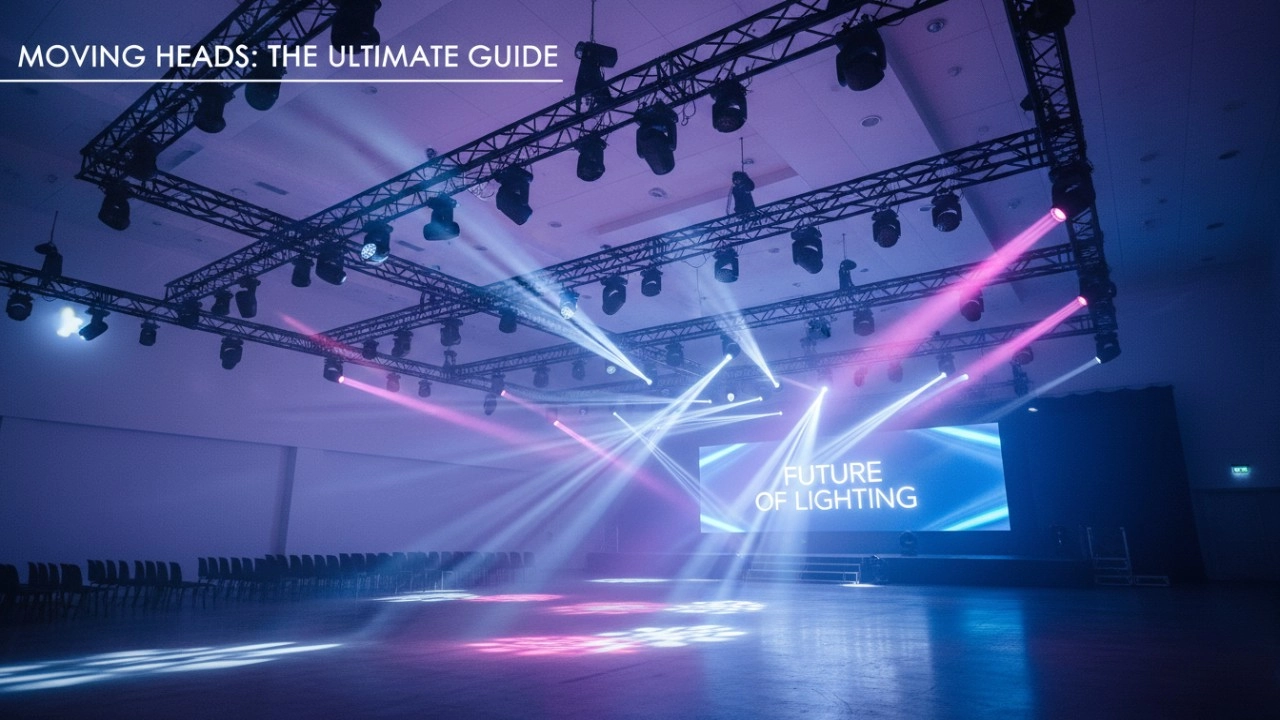
A Stage of Limitless Possibilities: Moving Head lights Deliver Precise Control and Versatile Effects
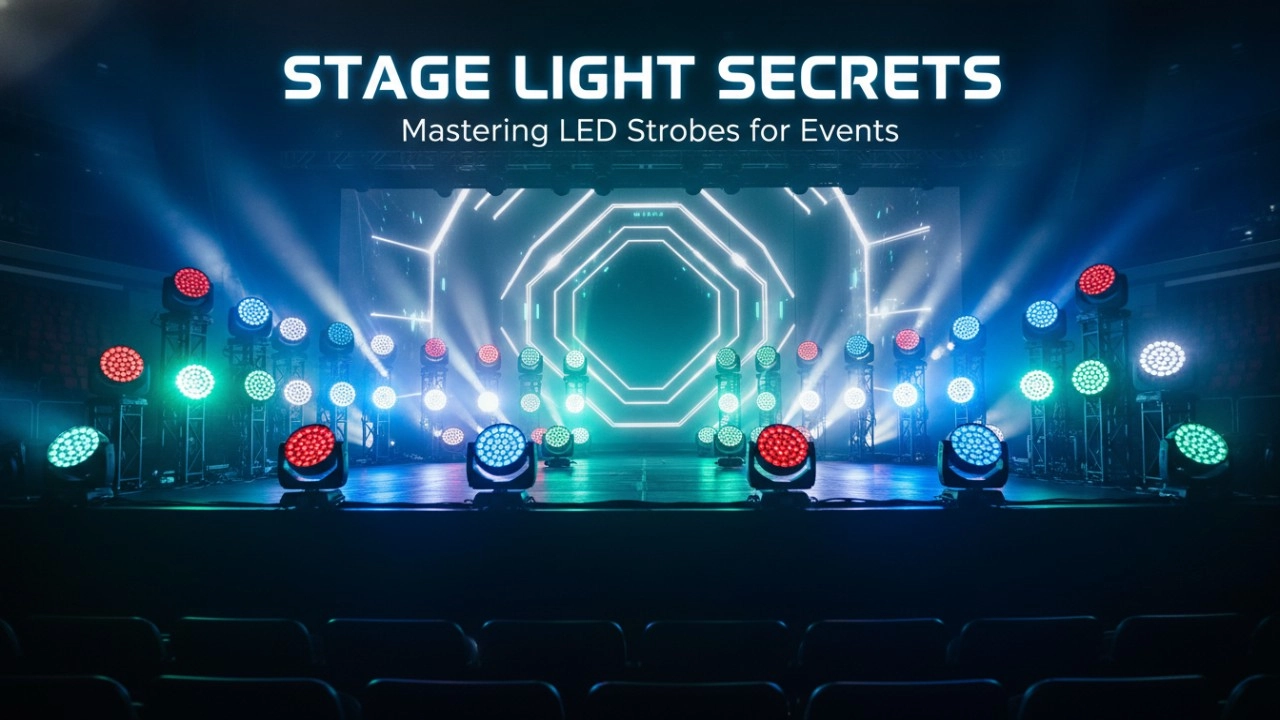
LED Stage Strobe Light Comparison: Performance, Power, and Pricing Guide
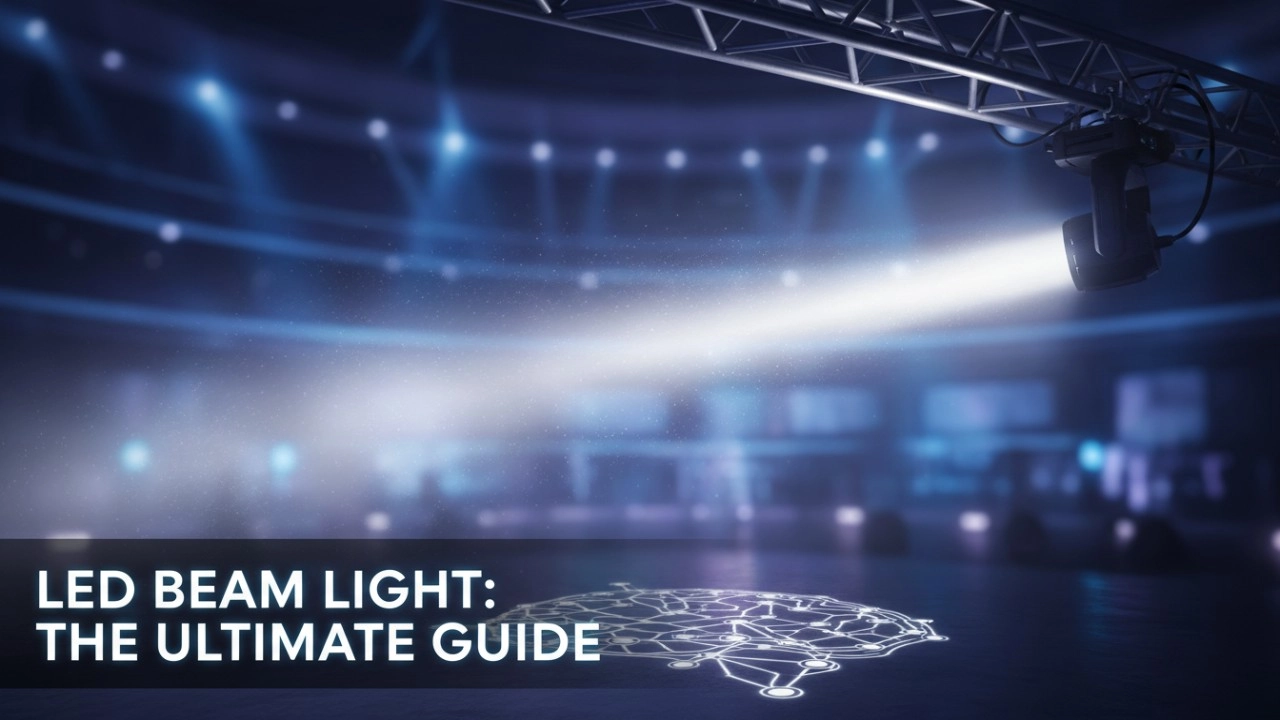
Why Your Venue Needs LED Beam Lights: A Cost-Benefit Analysis
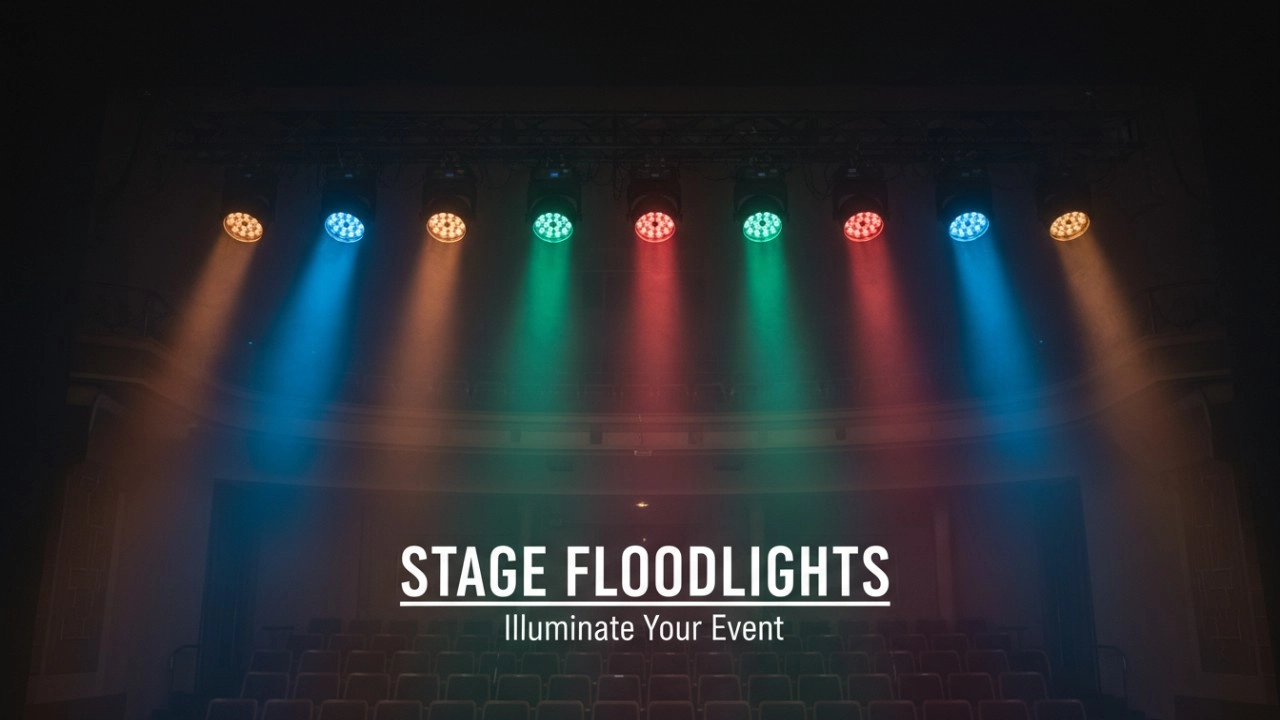
Spotlight vs. Stage Flood Lights: Which One Does Your Production Actually Need?
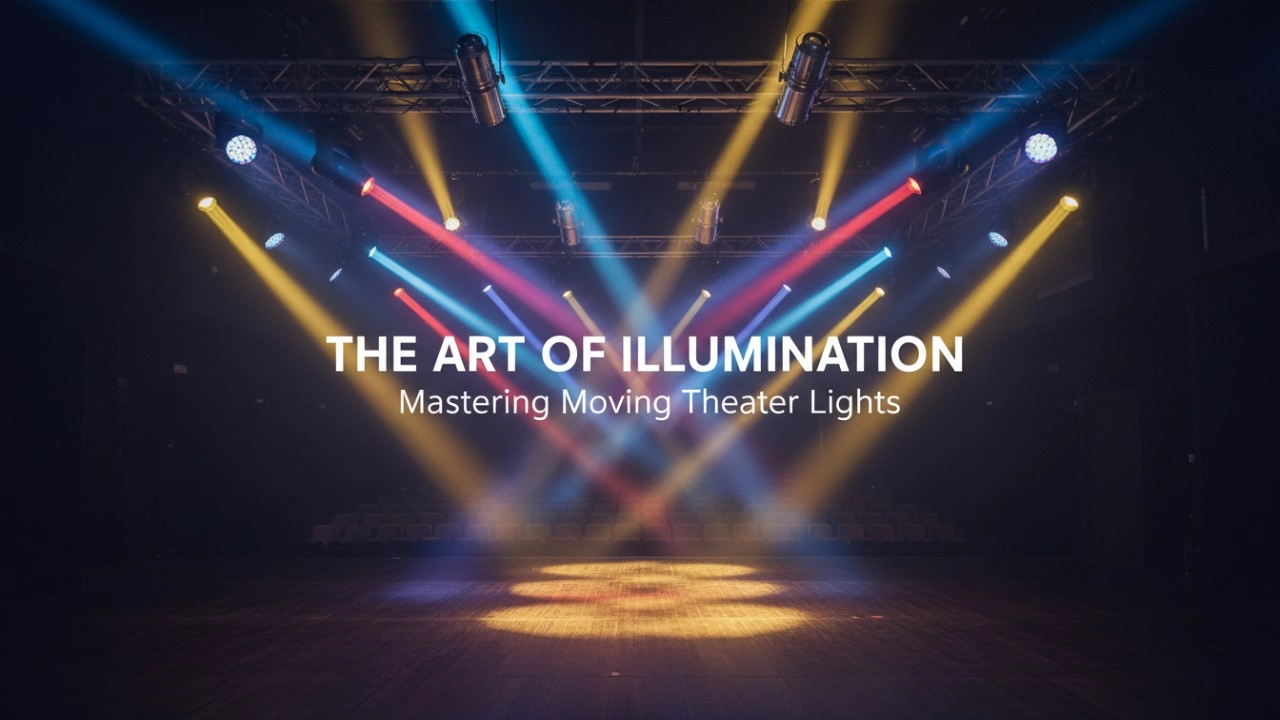
Spotlight vs. Floodlight vs. Beamlight: A Comparison of Moving Stage Lighting Fixtures
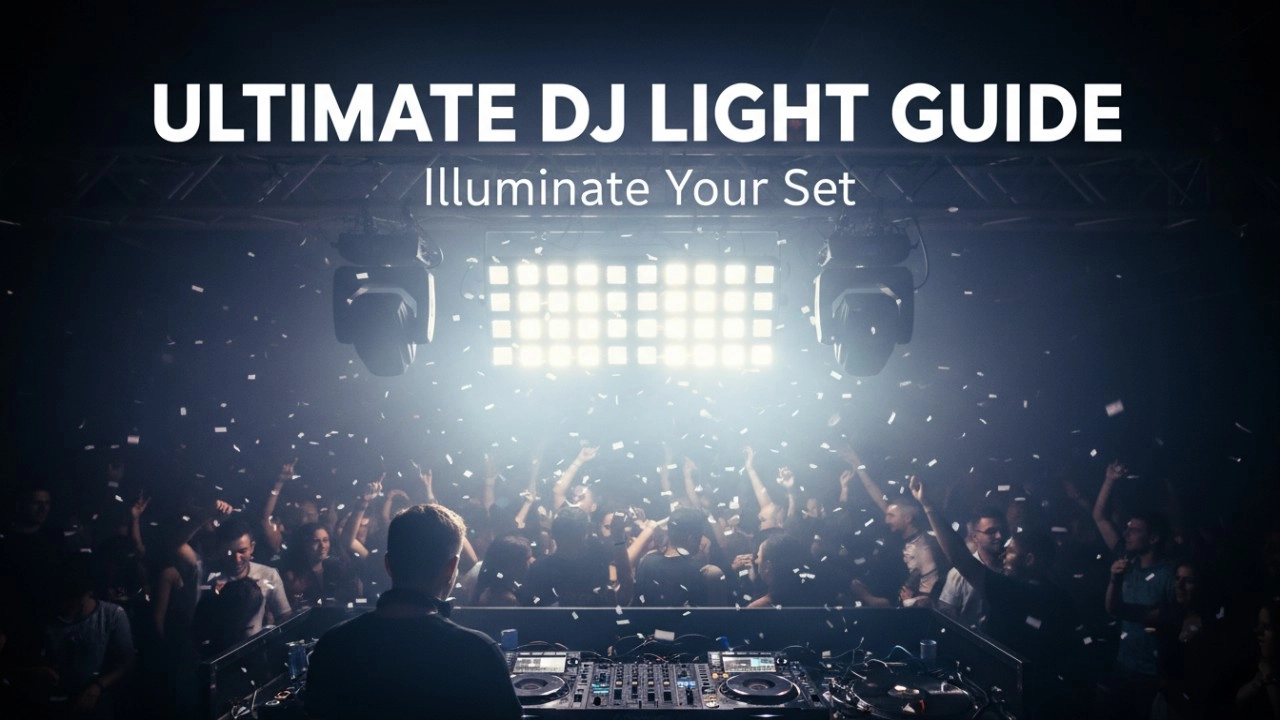
Mastering the Flash: 7 Advanced Strobe DJ Light Techniques for Pro Entertainers
Company
What certifications do your products have?
All LiteLEES products are certified by CE, RoHS, FCC, and BIS. Our factory is ISO9001 quality management system certified.
Where is LiteLEES located?
Our headquarters and manufacturing facility are located in Guangzhou, China, with products exported to over 70 countries worldwide.
Do you have your own factory?
Yes. We own a sheet metal factory and a complete in-house production line—from PCB to final assembly—ensuring strict quality control and fast delivery.
Products
Are your lights suitable for large-scale events and outdoor use?
Yes. Our professional stage lights—especially the Beam, BSW 3-in-1, and LED Par Series—are engineered with high-output brightness, wide beam angles, and robust housing. Some models come with IP-rated protection, making them suitable for outdoor applications like concerts, festivals, and sports events.
Can I customize the functions or software of the lights?
Absolutely. As a manufacturer with independent R&D capabilities, we offer customization for both hardware and software (such as DMX channel layout, built-in programs, or UI language). Contact us with your project needs, and our team will provide tailored solutions.
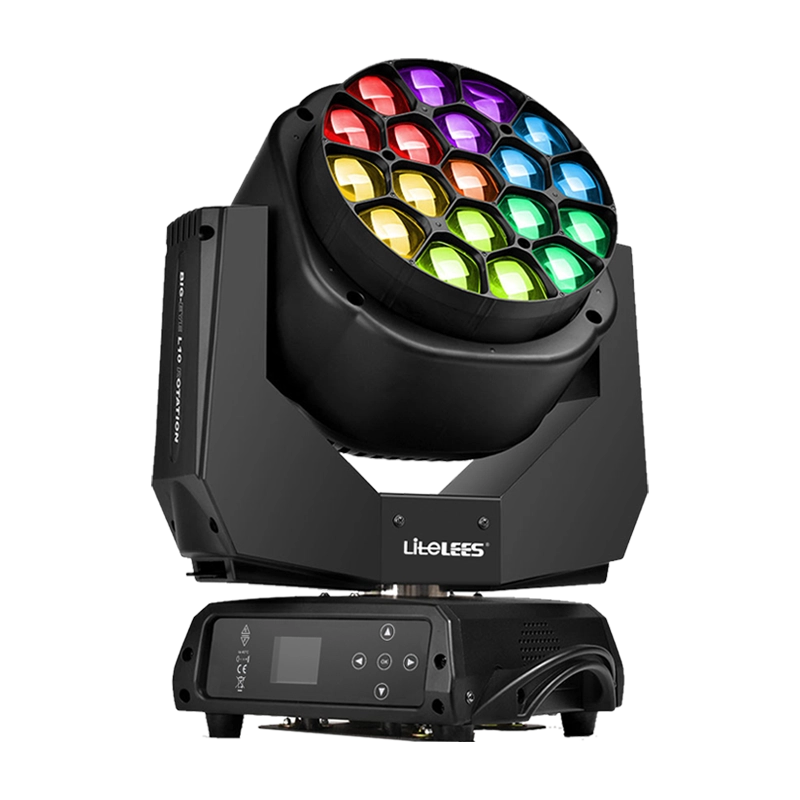

Stormy Shake Blinder IP
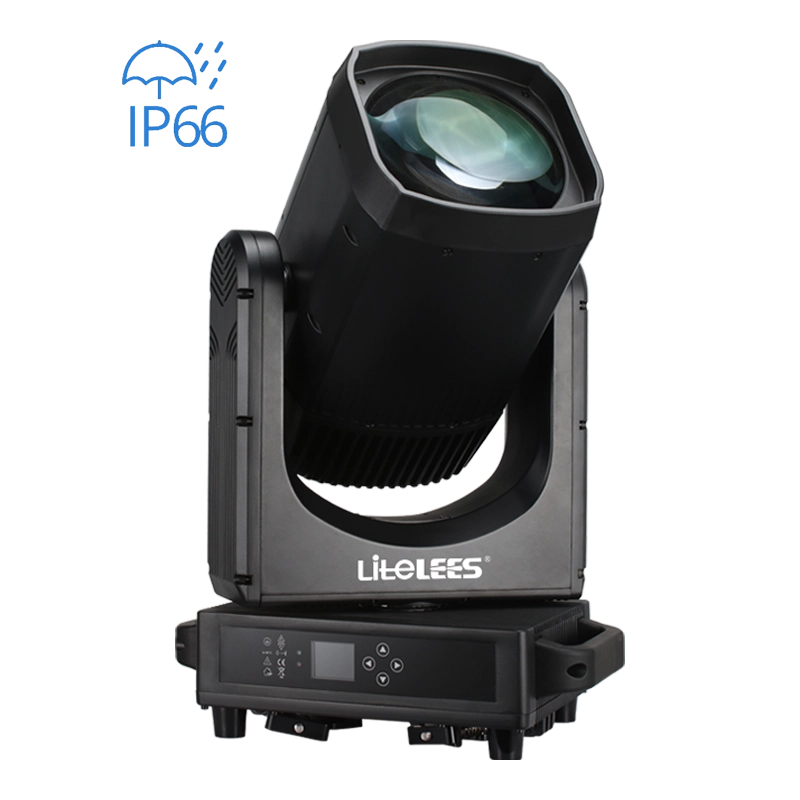
LiteLEES LUMIX BEAM 420 IP
LP Profile 900
Want to get more up-to-date information?
If you have any comments or good suggestions, please leave us a message; later our professional staff will contact you as soon as possible.

We are professional stage lighting manufacturers offering OEM and ODM LED stage lights.
Contact
Email us
Call us
Address
No.6 Longnan Road, Huashan Town, Huadu District Guangzhou, Guangdong Province, China.
LiteLEES Professional
Less Lighting