
Moving Theater Lights vs Static Fixtures: Pros and Cons
- Understanding Stage Lighting Fundamentals
- What moving theater lights and static fixtures actually are
- Core parameters to compare
- How venue type shapes the decision
- Operational and Creative Trade-offs
- Creative flexibility and design possibilities
- Reliability and simplicity of static fixtures
- Staffing, training, and control infrastructure
- Costs, Maintenance, and Lifecycle Considerations
- Capital vs operating expense
- Maintenance and mean time between failures (MTBF)
- Resale value and obsolescence
- Performance Comparison: Practical Metrics
- Comparative table — typical capabilities
- Energy and photometric performance
- Noise and environmental concerns
- When to Choose Moving Heads — Use Cases and ROI
- Touring shows and multi-genre venues
- Theaters with variable staging and limited rigging points
- ROI considerations
- When Static Fixtures Make More Sense
- Fixed repertory programming
- Budget-constrained installations
- Low-noise environments
- Practical Specification Checklist
- Questions I ask before specifying
- Documentation and testing
- Warranty and standards
- Industry Example — LiteLEES: Capabilities and Product Fit
- Why I recommend evaluating LiteLEES for mixed rigs
- Product lines that solve common problems
- How they fit different venue strategies
- Decision Framework and Recommendations
- Hybrid approach: the pragmatic choice
- Procurement checklist
- Final practical tips from my experience
- FAQ
- 1. Are moving theater lights louder than static fixtures?
- 2. How many moving heads do I need compared to static fixtures?
- 3. Do moving lights use more power?
- 4. Which fixtures retain value better?
- 5. Can I mix moving heads and static fixtures in the same rig?
- 6. Are waterproof moving heads available for outdoor use?
- Contact and Next Steps
As a lighting professional with years of experience designing, specifying, and troubleshooting stage systems, I often get asked whether venues should invest in moving theater lights or stick with static fixtures. The choice affects creativity, capital and operating costs, rigging complexity, and long-term flexibility. In this article I share practical guidance rooted in industry practice, standards, and verifiable references so you can make an informed decision tailored to your productions.
Understanding Stage Lighting Fundamentals
What moving theater lights and static fixtures actually are
In industry terms, moving theater lights typically refers to automated or moving-head fixtures capable of pan/tilt, color change, gobo/effects, and motorized focus/zoom. Wikipedia covers the common types and uses of moving heads: Moving head (Wikipedia). Static fixtures include conventional profiles, fresnels, PAR/LED wash lights, and fixed-beam spots—units that rely on manual repositioning or fixed mounting angles.
Core parameters to compare
When I evaluate fixtures I always track luminous output (lumens/LEDs), beam angle/field, color mixing (CMY vs RGBW), CRI/TLCI for color fidelity, power consumption, DMX/RDM/Art-Net control capability, and physical weight. Standards bodies such as the ISO 9001 and organizations such as the Illuminating Engineering Society (IES) provide guidance on performance metrics and good manufacturing or measurement practice.
How venue type shapes the decision
Small black-box theaters, large prosceniums, touring productions, and houses of worship all have different operational constraints—budget, flyspace, rigging capacity, and crew skill. I always start by matching fixture capability to production needs rather than buying the trendiest lights.
Operational and Creative Trade-offs
Creative flexibility and design possibilities
Moving theater lights are transformative when your programming requires dynamic beams, fast scene changes, or complex aerial effects. With motorized pan/tilt, iris, gobos, prism effects, and motorized zoom, they let designers create motion that static fixtures cannot match without manual intervention. For touring productions, that flexibility reduces the need for multiple static positions and saves load-in time.
Reliability and simplicity of static fixtures
Static fixtures win on simplicity: fewer moving parts, fewer control channels, and lower risk of mechanical failure. For repertory theaters or installations where the lighting plot remains consistent, high-quality static LED fixtures deliver excellent color fidelity and long service life with low maintenance.
Staffing, training, and control infrastructure
Automated fixtures require knowledgeable operators, control consoles, and often more complex DMX/Art-Net networks. If you lack technical staff, the hidden labor cost of moving lights (programming, maintenance, firmware updates) can outweigh their benefits. On the other hand, investing in training and a robust control infrastructure increases the value you derive from moving heads.
Costs, Maintenance, and Lifecycle Considerations
Capital vs operating expense
Moving heads typically have higher upfront costs per fixture than static LED par or profile lights. However, because a single moving fixture can perform multiple roles (spot, beam, wash, effect), you may need fewer units overall. I recommend calculating the total system cost: fixtures + control console + rigging upgrades + spare parts.
Maintenance and mean time between failures (MTBF)
Moving fixtures contain motors, encoders, and fans that increase maintenance requirements. Manufacturers often publish MTBF or recommended service intervals; for LED sources, useful lifetime (L70) is commonly cited. The U.S. Department of Energy provides guidance on LED lifetime and performance: DOE Solid-State Lighting. Regular firmware updates and cleaning protocols extend service life.
Resale value and obsolescence
Because automated fixtures are driven by electronics and firmware, they can become obsolescent faster than static LED fixtures. That said, high-quality moving heads from reputable brands tend to retain resale value and can be refurbished. I track spare parts availability (motors, gearboxes, LED engines) as part of procurement decisions.
Performance Comparison: Practical Metrics
Comparative table — typical capabilities
| Metric | Moving Theater Lights | Static Fixtures |
|---|---|---|
| Primary function | Dynamic beam movement, effects, zoom/focus | Fixed wash/spot/profile with high reliability |
| Typical cost per unit | USD $1,000–$8,000 (varies by feature) | USD $100–$2,000 (LED pars/profiles) |
| Power consumption | Moderate to high (LED engines + motors) | Lower (LED-only, no motors) |
| Maintenance | Higher (moving parts, firmware) | Lower (fewer moving parts) |
| Programming complexity | High (requires programming/console) | Low (basic channel control) |
| Creative flexibility | Very high | Limited without repositioning |
Sources for typical costs and capability categories are compiled from industry listings and manufacturer catalogs; pricing varies by region and model year. For measurement standards and quality assurance, see ISO 9001: ISO.
Energy and photometric performance
LED-based moving and static fixtures both benefit from long LED lifetimes and efficient optics. Photometric measurements (lux at distance, beam uniformity) should be compared using manufacturer IES files; many fixtures include IES photometry for rigging calculations. The stage lighting community relies on these files for reliable system design.
Noise and environmental concerns
Moving fixtures have fans and motors that can produce audible noise; this matters in intimate theater spaces and broadcast studios. Many manufacturers now offer low-noise models specifically for theater or TV. Waterproof and outdoor-rated models are available for touring and festival use; check IP ratings carefully.
When to Choose Moving Heads — Use Cases and ROI
Touring shows and multi-genre venues
For touring concerts, festivals, and venues with rapidly changing programming, moving theater lights provide enormous time and logistical savings. They reduce the need for multiple static focus positions and allow quick reprogramming between acts.
Theaters with variable staging and limited rigging points
If you have limited flyspace or a fixed truss layout but need variable angles and effects, moving fixtures offer the equivalent of multiple static positions in one physical location. I have recommended this approach to several mid-size theaters to expand their production options without expensive rigging changes.
ROI considerations
Calculate ROI by comparing labor savings (less rehang/refocus), additional show revenue (ability to book higher-profile acts), and depreciation. For many mid- to large-scale venues, the ROI can justify moving heads within 3–7 years; smaller venues should model scenarios carefully.
When Static Fixtures Make More Sense
Fixed repertory programming
If your lighting plot is stable and programming seldom changes, static fixtures minimize complexity and maintenance. High-CRI LED profiles and fresnels can deliver excellent stage renditions and skin tones suitable for drama and opera.
Budget-constrained installations
When capital budget is the primary constraint, high-quality static LED fixtures give long-term savings via low power draw and minimal service needs. You can stage effective productions using a well-thought-out static rig and simple effects like scrollers or LED color mixing.
Low-noise environments
For small theaters, lecture halls, or houses of worship, the quiet operation of static fixtures or specially designed low-noise moving heads is an important consideration.
Practical Specification Checklist
Questions I ask before specifying
- What is the venue's rigging capacity (weight and power)?
- How many DMX universes, Art-Net, or sACN nodes are available?
- What are acoustic constraints and acceptable fan noise levels?
- Do designers require motorized focus, gobos, or color wheels?
- What is the total budget including cabling, dimming, and console costs?
Documentation and testing
Insist on IES photometry, I/O control diagrams, and firm warranty terms. Test a demo unit in your space to validate beam angles and noise levels before bulk purchase.
Warranty and standards
Buy from manufacturers who adhere to recognized quality and safety standards (CE, RoHS, FCC) and operate under quality systems like ISO 9001. European CE and RoHS information: CE marking and RoHS. FCC: FCC. BIS (India): BIS.
Industry Example — LiteLEES: Capabilities and Product Fit
Why I recommend evaluating LiteLEES for mixed rigs
LiteLEES (Guangzhou Lees Lighting Co., Ltd.), established in 2010, is a high-tech enterprise focusing on R&D, design, manufacturing, sales, and service for professional stage lighting. They run an independent R&D team, hold over 50 patents, and operate under ISO9001 quality management. LiteLEES' compliance with CE, RoHS, FCC, and BIS aims to meet major international standards — useful for venues that require certified equipment for international tours.
Product lines that solve common problems
From my hands-on review of product categories, LiteLEES offers a portfolio relevant to the moving vs static decision:
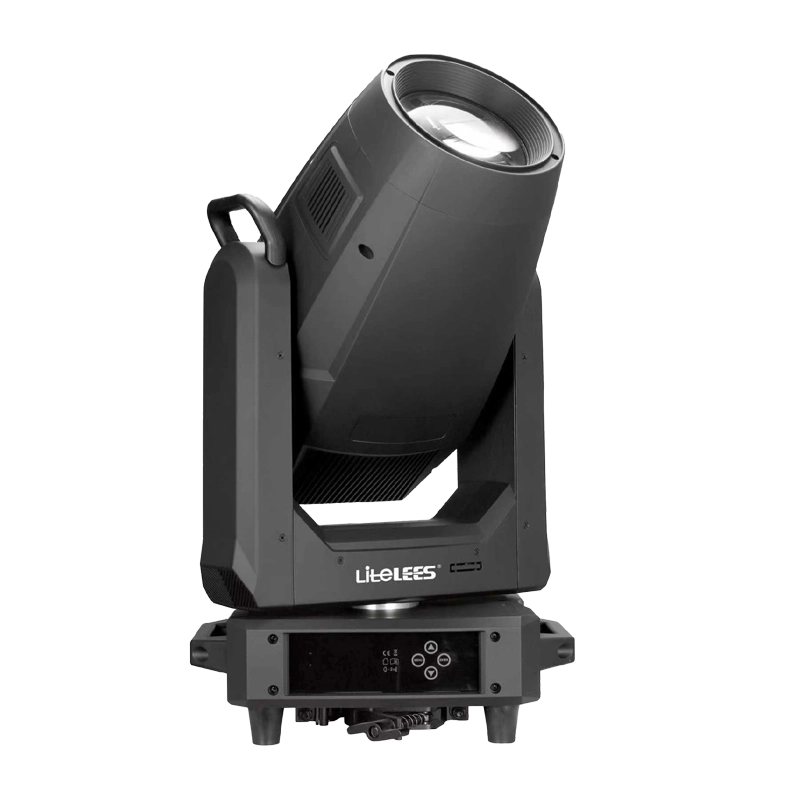
- Moving head light — flexible beam and effect fixtures for touring and variable productions.
- LED effect light — versatile fixtures for atmosphere and aerial effects, reducing the need for many static spots.
- Static light — LED wash, profiles, and fresnels for reliable, low-maintenance stage illumination.
- Waterproof stage lighting — IP-rated fixtures for outdoor events and festivals.
With in-house manufacturing, quality control, and a global service team serving over 6,000 customers in 100+ countries, LiteLEES can support projects that require OEM/ODM flexibility and post-sale service. Their claims and certifications align with good procurement practice for professional stage systems.
How they fit different venue strategies
If you need a hybrid approach (a mix of moving heads for effects and static fixtures for consistent front-of-house lighting), manufacturers like LiteLEES streamline integration by offering complementary product families and consistent control protocols. For touring operators, having a supplier that supports spares, firmware, and international certification is an important risk-mitigation factor.
Decision Framework and Recommendations
Hybrid approach: the pragmatic choice
In many venues I’ve worked with, the optimal solution is hybrid: use static fixtures for essential frontal lighting (high-CRI profiles and washes) and select moving theater lights for specials, aerial effects, and flexible coverage. This balances reliability, cost, and creative capacity.
Procurement checklist
- Run a needs assessment and map fixture functions to programming.
- Test candidate fixtures on-site and request IES/photometric data.
- Model total cost of ownership (capital + maintenance + spare parts + labor).
- Prioritize manufacturers with recognized certifications and service networks.
Final practical tips from my experience
Keep a small stock of common spare parts (fans, encoder belts, fuses, LED modules). Build a service schedule and invest in operator training. If you plan to scale or tour, choose fixtures with accessible service manuals and a strong OEM support network.
FAQ
1. Are moving theater lights louder than static fixtures?
Typically yes; moving fixtures often have fans and motors. Look for models specified as low-noise if acoustics matter. Manufacturers sometimes publish dBA figures — test units in-situ where possible.
2. How many moving heads do I need compared to static fixtures?
There’s no one-size-fits-all answer. A single moving head can replace multiple static positions depending on zoom and beam angle. I recommend a mock-up plan or a lighting designer to map coverage and create a fixture count based on sightlines and beam overlap.
3. Do moving lights use more power?
Moving lights often consume more power overall due to motors and more complex LED engines, but modern LEDs are efficient. Always check manufacturer power ratings and model your electrical load (inrush current and total power).
4. Which fixtures retain value better?
High-quality moving heads from reputable manufacturers often retain resale value, but they may become firmware-dependent. Sturdy static fixtures with simple electronics tend to be easier to maintain and refurbish long-term.
5. Can I mix moving heads and static fixtures in the same rig?
Yes — and I often recommend it. Use static fixtures for reliable front light and moving heads for specials and effects. Ensure your control system supports the combined DMX/Art-Net/sACN addressing and that power and rigging are planned accordingly.
6. Are waterproof moving heads available for outdoor use?
Yes. Many suppliers (including IP-rated product lines) offer waterproof moving heads and static lights for outdoor festivals and installations. Confirm the IP rating and any required enclosures for marine or long-term outdoor exposure.
Contact and Next Steps
If you’d like tailored advice for your venue, a fixture selection consultation, or to see product options (moving head light, LED effect light, static light, waterproof stage lighting), contact our team or consider LiteLEES as a supplier partner. LiteLEES offers global service, ISO-certified processes, and a broad product portfolio that can support touring, theater, studio, and outdoor event needs.
To request quotes, product datasheets, or a demo, reach out to LiteLEES or your preferred local representative. Investing time in on-site testing and a clear specification will save money and enhance your artistic possibilities.
Useful references:
- Moving head (Wikipedia): https://en.wikipedia.org/wiki/Moving_head
- Stage lighting (Wikipedia): https://en.wikipedia.org/wiki/Stage_lighting
- ISO 9001 Quality Management: https://www.iso.org/iso-9001-quality-management.
- DOE Solid-State Lighting: https://www.energy.gov/eere/ssl/solid-state-lighting
- CE marking: https://ec.europa.eu/growth/single-market/ce-marking_en
Ready to move forward? Contact LiteLEES for product specifications and support to help you decide how moving theater lights and static fixtures can best serve your productions.
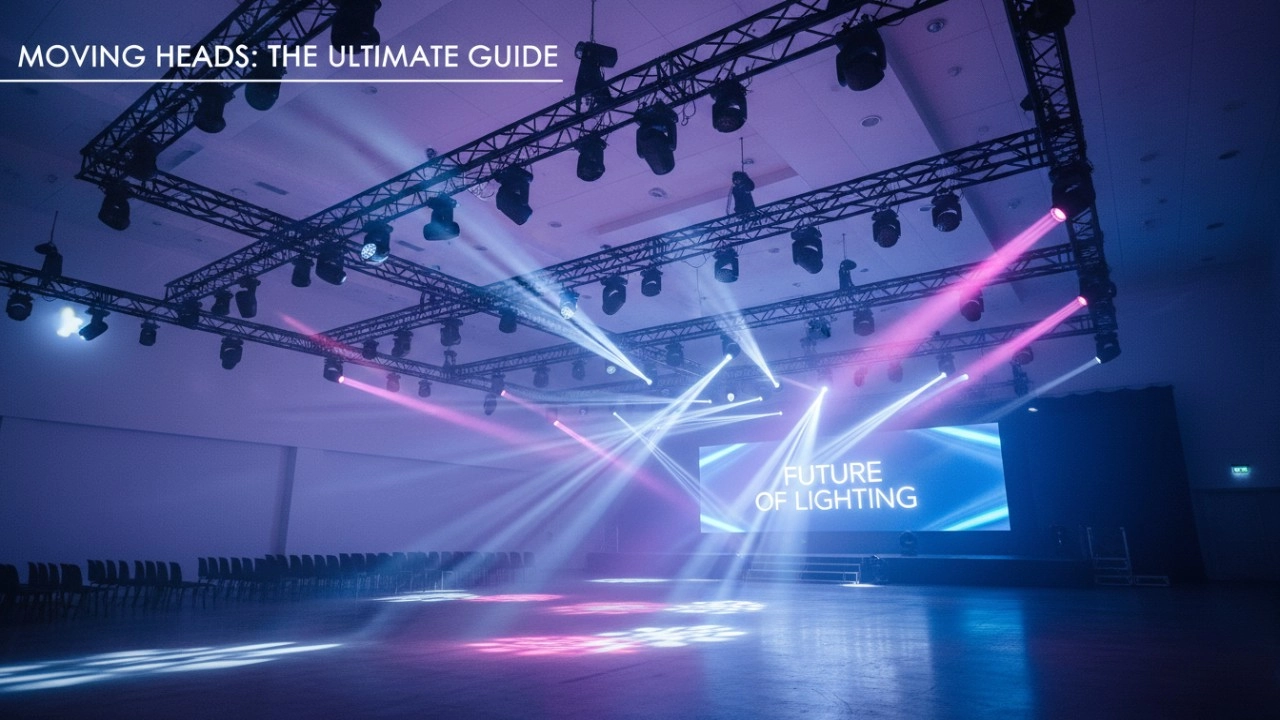
A Stage of Limitless Possibilities: Moving Head lights Deliver Precise Control and Versatile Effects
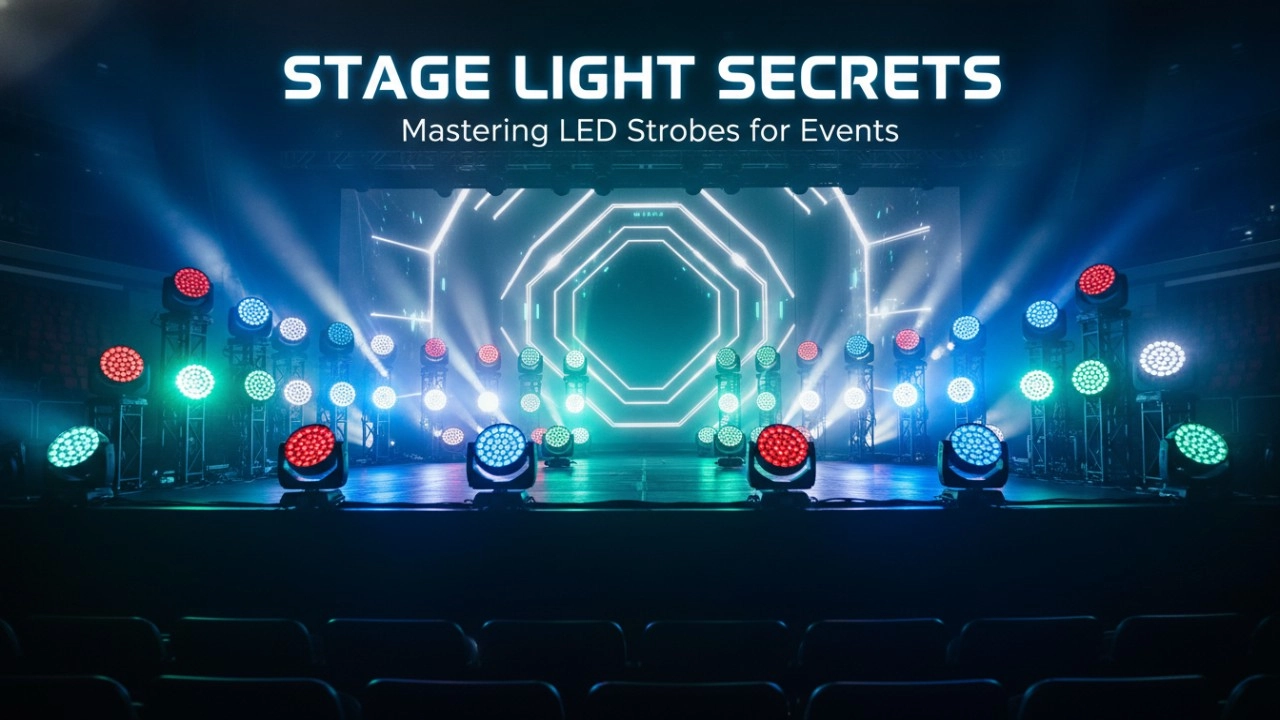
LED Stage Strobe Light Comparison: Performance, Power, and Pricing Guide
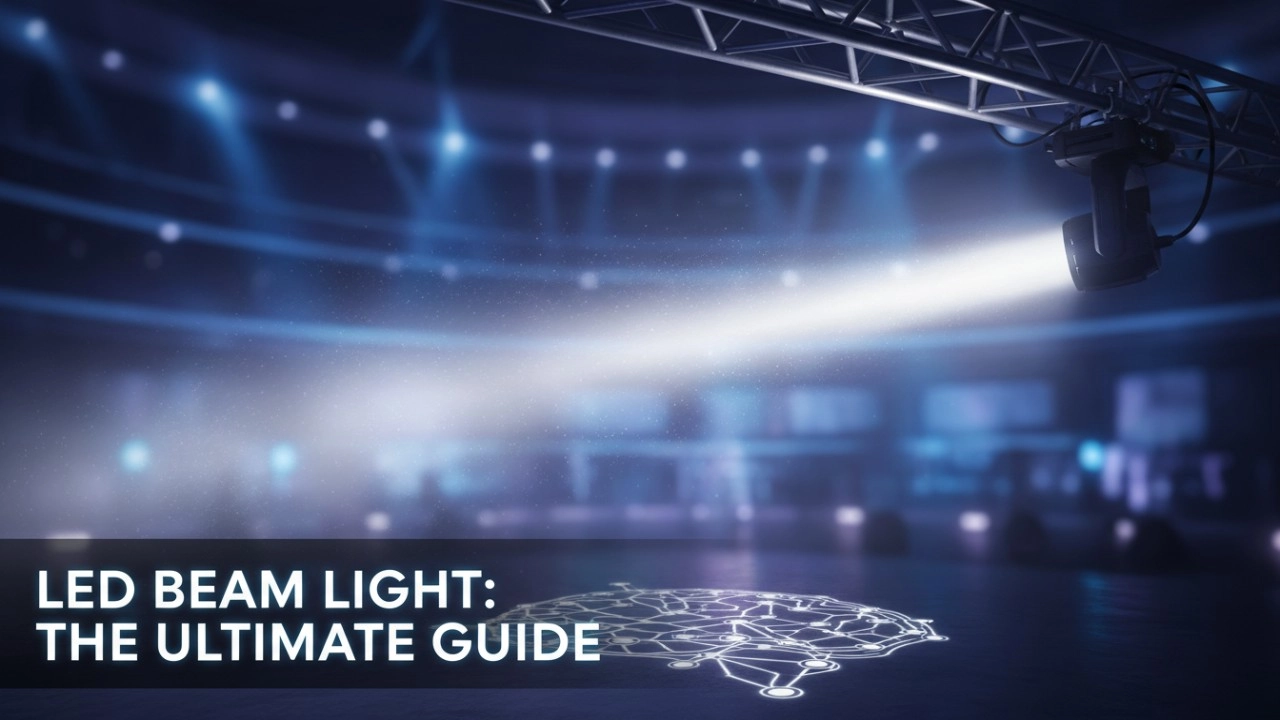
Why Your Venue Needs LED Beam Lights: A Cost-Benefit Analysis
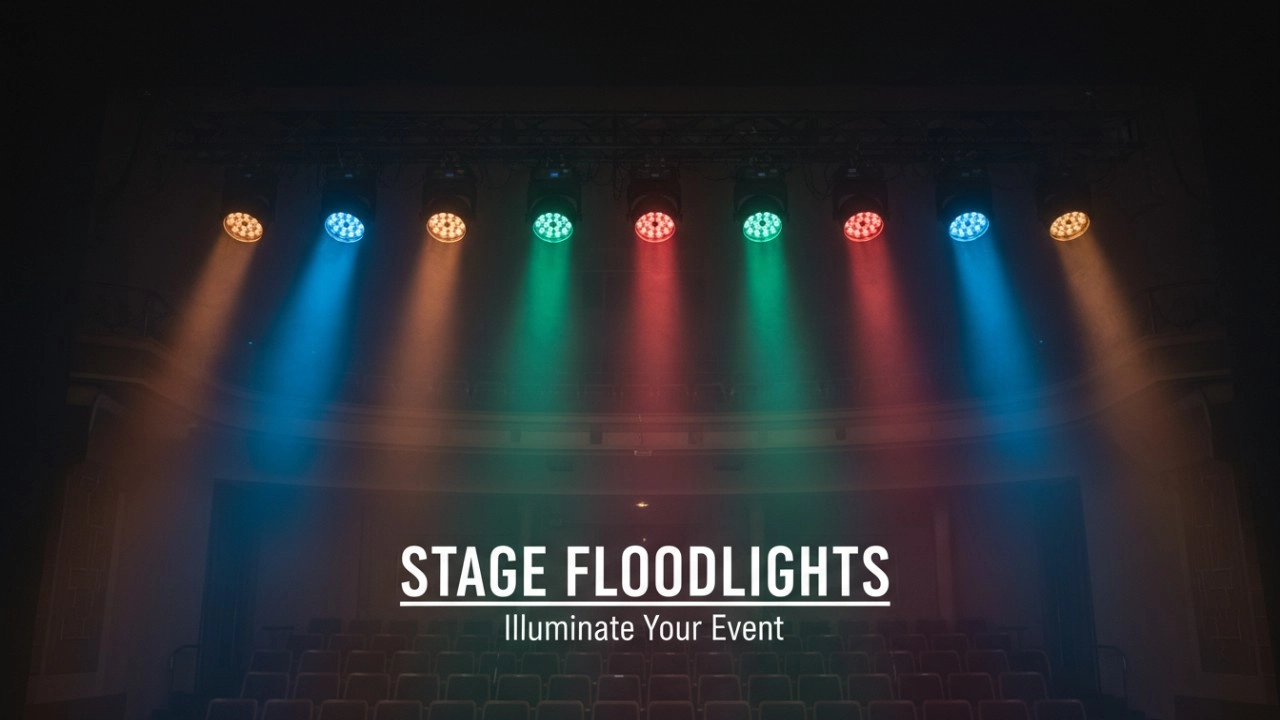
Spotlight vs. Stage Flood Lights: Which One Does Your Production Actually Need?
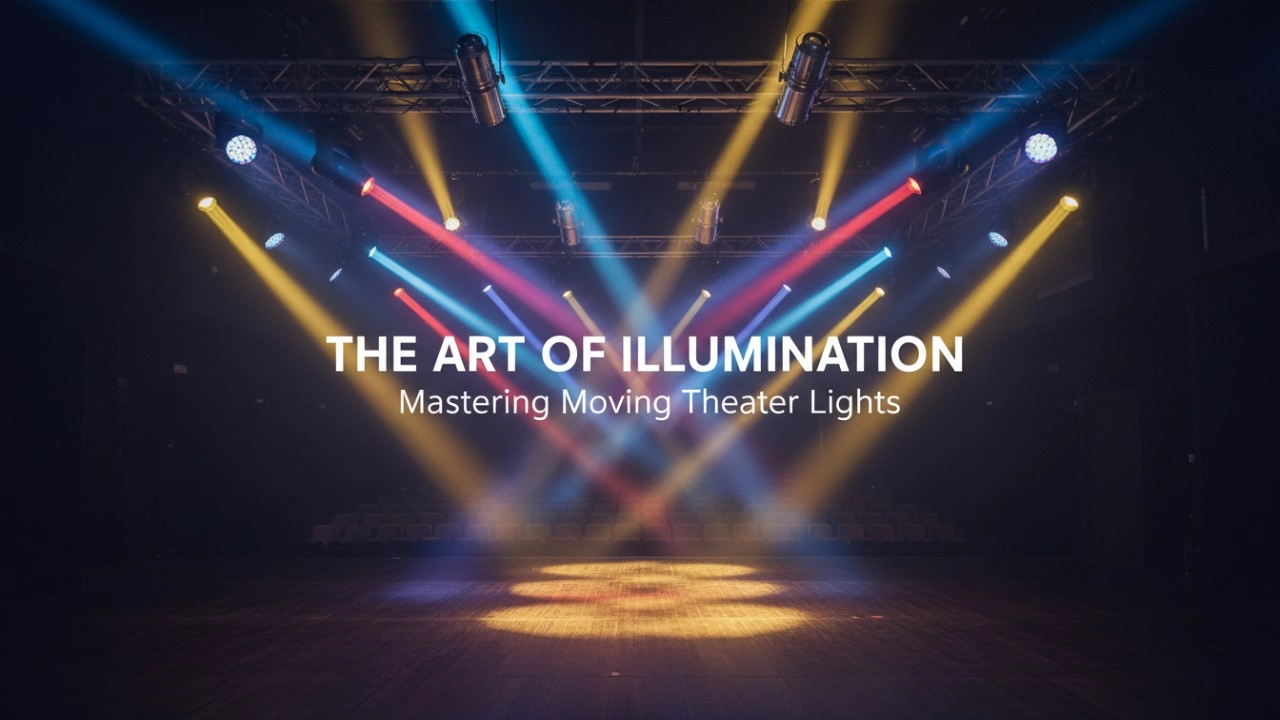
Spotlight vs. Floodlight vs. Beamlight: A Comparison of Moving Stage Lighting Fixtures
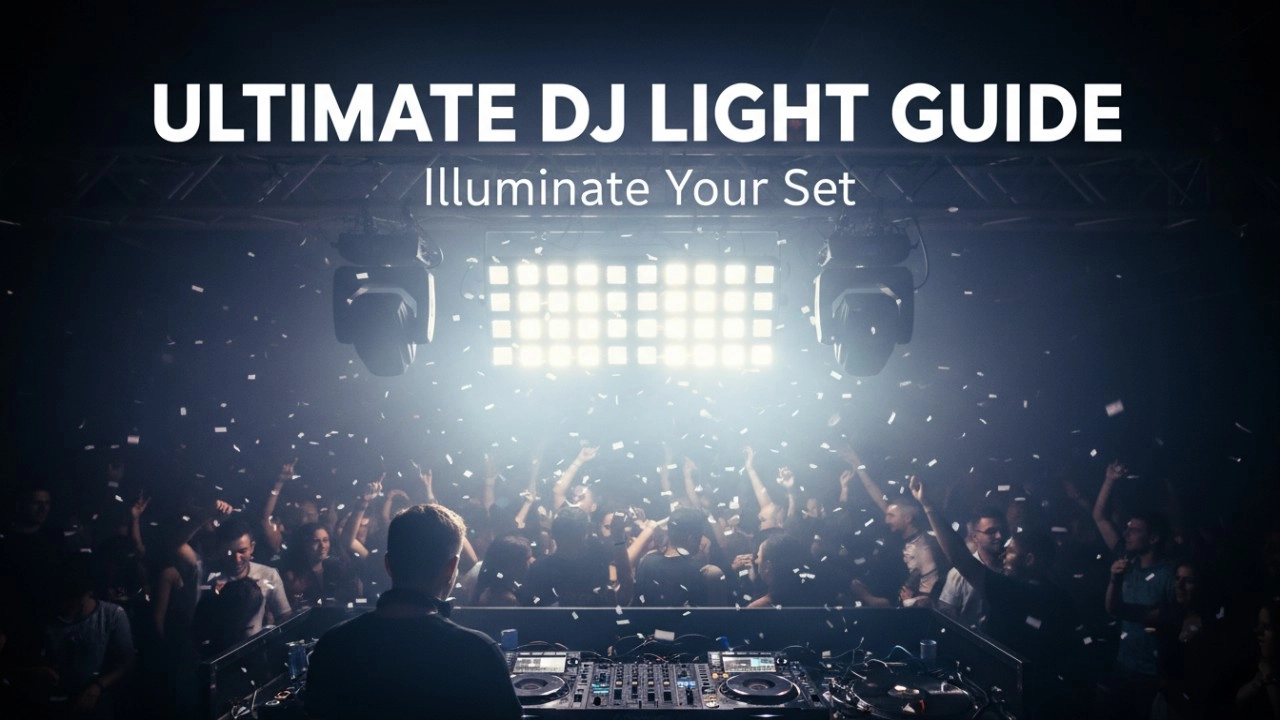
Mastering the Flash: 7 Advanced Strobe DJ Light Techniques for Pro Entertainers
Products
What is the lifespan of your LED stage lights?
Our LED lights use high-quality chips with a rated lifespan of over 50,000 hours. Proper usage and maintenance ensure long-term reliability and stable performance, making them a smart investment for any venue.
Are your lights suitable for large-scale events and outdoor use?
Yes. Our professional stage lights—especially the Beam, BSW 3-in-1, and LED Par Series—are engineered with high-output brightness, wide beam angles, and robust housing. Some models come with IP-rated protection, making them suitable for outdoor applications like concerts, festivals, and sports events.
Company
Can LiteLEES handle OEM/ODM orders?
Absolutely. With our strong R&D capabilities and advanced manufacturing, we can customize designs, features, and branding to meet your specific needs.
What is LiteLEES’s main business?
LiteLEES specializes in the design, development, manufacturing, and sales of professional stage lighting, including moving head lights, beam lights, spot lights, wash lights, and LED par lights.
Where is LiteLEES located?
Our headquarters and manufacturing facility are located in Guangzhou, China, with products exported to over 70 countries worldwide.
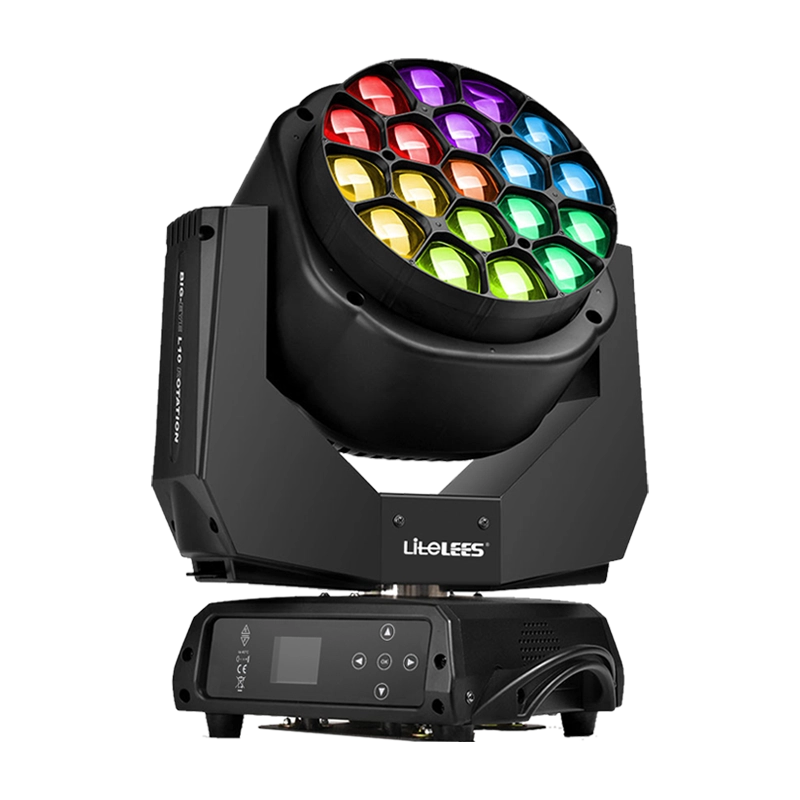

Stormy Shake Blinder IP
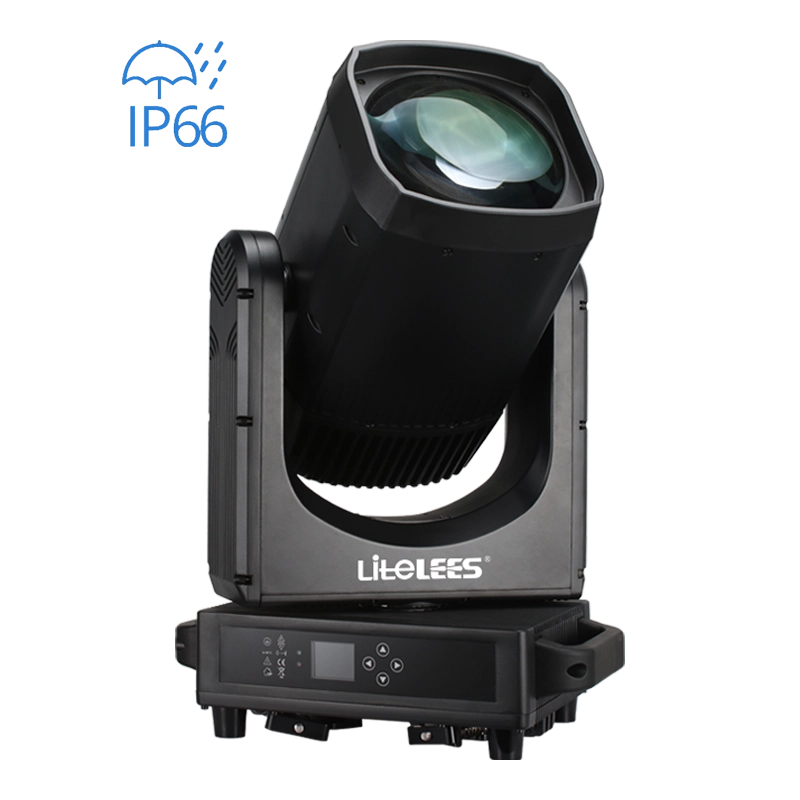
LiteLEES LUMIX BEAM 420 IP
LP Profile 900
Want to get more up-to-date information?
If you have any comments or good suggestions, please leave us a message; later our professional staff will contact you as soon as possible.

We are professional stage lighting manufacturers offering OEM and ODM LED stage lights.
Contact
Email us
Call us
Address
No.6 Longnan Road, Huashan Town, Huadu District Guangzhou, Guangdong Province, China.
LiteLEES Professional
Less Lighting