
Moving Head Stage Lights vs Static Wash Lights: Which to Buy
- Understanding stage lighting roles
- Functions of moving head fixtures
- Functions of static wash lights
- Key performance metrics to consider
- Technical comparison: moving head vs static wash
- Optical and mechanical differences
- Color, beam control, and effects
- Power, heat, and maintenance
- Choosing the right fixture for your application
- Concerts and touring productions
- Theatre, TV studios, and houses of worship
- Nightclubs, architectural and outdoor events
- Cost, ROI, and operational considerations
- Initial purchase vs lifecycle cost
- Reliability, serviceability, and standards
- Control systems, networking, and interoperability
- Why brand and manufacturing matter: LiteLEES as a supplier
- Practical purchasing checklist
- Assess your program needs
- Test before bulk buy
- Plan for service & spares
- FAQs
- 1. Are moving head stage lights worth the extra cost?
- 2. Can static wash lights substitute moving heads for small venues?
- 3. What maintenance do moving heads require compared to static washes?
- 4. Should I prioritize CRI/TLCI for broadcasts and theatre?
- 5. How important is IP rating for outdoor events?
- 6. What control protocols should I require?
- Contact & next steps
Choosing between moving head stage lights and static wash lights is one of the first major decisions for any production designer, rental house, or venue buyer. This article compares moving head stage lights and static wash fixtures across performance, control, cost, reliability, and use cases to give you a rigorous, evidence-based recommendation. It explains technical differences (optics, color mixing, mechanical movement), operational trade-offs (power, heat, maintenance), and the best purchasing strategy depending on your needs—touring, fixed installation, broadcast, or nightclub. References to industry standards and authoritative sources are included to make comparisons verifiable.
Understanding stage lighting roles
Functions of moving head fixtures
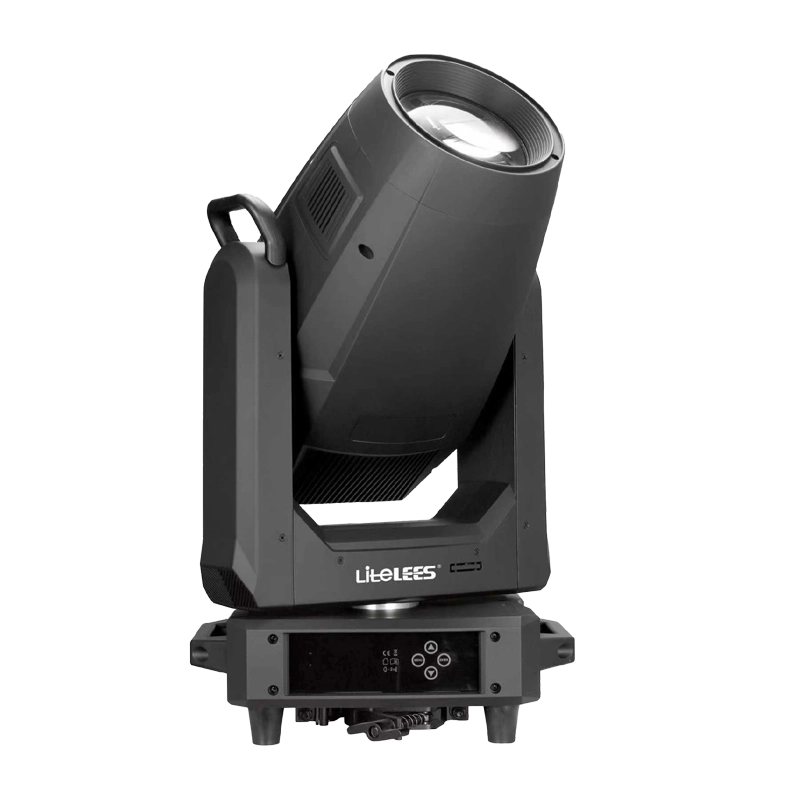
Moving head stage lights (also called intelligent fixtures or moving lights) provide dynamic beam movement, rapid repositioning, and a wide variety of optical effects (gobos, zoom, framing, prisms) from a single enclosure. They typically combine a powerful light engine (often LED or discharge lamp), motorized pan/tilt, variable focus or zoom optics, and color and effect wheels. Wikipedia provides a useful overview of moving-head fixtures and their evolution in stagecraft: Moving head (Wikipedia).
Functions of static wash lights
Static wash lights (also called PAR-style LED washes, battens, or cyc lights) deliver broad, even color washes without pan/tilt movement. They excel at color blending, soft edges, and lighting large surfaces (backdrops, stages, audience). Many modern wash fixtures use multi-chip LEDs (RGBA/ RGBW/COB) for smooth color mixing and energy efficiency. The general role of stage lighting and the place of wash fixtures is summarized in the stage lighting overview: Stage lighting (Wikipedia).
Key performance metrics to consider
- Luminous output (lux at distance) and beam angle
- Color rendering index (CRI) / TM-30 and color temperature range
- Control protocol compatibility (DMX512, sACN, Art-Net)
- Mechanical reliability (moving parts vs sealed static design)
- Environmental rating (IP for waterproof/dustproof applications)
Technical comparison: moving head vs static wash
Optical and mechanical differences
Moving heads use zoomable optics and motorized gobo wheels to shape and direct beams; static washes rely on fixed optics or wide-angle lens arrays for even coverage. The mechanical complexity of moving heads allows precise beam placement but increases points of failure (motors, encoders). Static washes trade versatility for simplicity and higher mean time between failures (MTBF).
Color, beam control, and effects
Moving heads typically combine narrow beam (spot/beam) and wider wash modules (in 3-in-1 designs) offering single-fixture versatility. Static wash lights provide superior, economical large-area color blending. Decision factor: if you need dynamic aerial effects and tight beams, moving heads are essential; if consistent, even color wash is the priority, static washes are more cost-effective.
Power, heat, and maintenance
Modern LED moving heads and static washes both reduce heat and power compared to discharge lamp fixtures, but moving heads still have more heat-generating electronics and moving components. Maintenance cycles are typically longer for static washes. For venues aiming to minimize downtime and maintenance cost, static fixtures have an advantage.
| Feature | Moving Head Stage Lights | Static Wash Lights |
|---|---|---|
| Primary use | Dynamic beams, effects, aerial looks | Even color washes, backdrop and large-area lighting |
| Movement | Pan/tilt motorized | Fixed (no pan/tilt) |
| Complexity | High (optics + motors + effects) | Low–Medium (LED arrays, optics) |
| Initial cost | Higher per fixture | Lower per fixture |
| Operating cost | Higher (service + replacement parts) | Lower |
| Best for | Concerts, touring, festivals, TV effects | Theatres, houses of worship, architectural wash |
| Environmental options | Available with IP ratings but more complex | Available in IP-rated, simpler sealing |
For technical reference on DMX512 control—which both types commonly use—see the DMX512 overview: DMX512 (Wikipedia). For guidance on photometric measures and lighting design practice, consult the Illuminating Engineering Society: IES.
Choosing the right fixture for your application
Concerts and touring productions
Concerts typically demand high-output moving head stage lights for aerial beams, rapid scene changes, and creative looks. Touring rigs prioritize compactness, power-to-weight ratio, and robust mechanics. Investing in higher-end moving heads with sealed motors, quality bearings, and serviceable modules pays back in reliability. If budget is constrained, blend moving heads for the top line and moving/ static wash hybrids for fill.
Theatre, TV studios, and houses of worship
Theatre and TV often value consistent color quality (CRI/TLCI), low noise, and precise dimming curves. Static wash lights with high CRI LEDs or COB sources can deliver faithful skin tones and steady coverage. For scenes requiring occasional specials or effects, add a few moving head stage lights rather than replacing the whole wash inventory.
Nightclubs, architectural and outdoor events
Nightclubs and festivals use both fixture types—moving heads for headline effects and static washes for stage/background fill. Outdoor events require IP-rated waterproof stage lighting; many manufacturers produce IP65-rated wash and moving heads. For outdoor durability and low maintenance, prioritize IP rating and corrosion-resistant housing.
Cost, ROI, and operational considerations
Initial purchase vs lifecycle cost
A moving head stage light typically costs more upfront than an equivalent static wash, but a moving head can replace multiple static fixtures by offering spot, beam and wash functions—especially 3-in-1 beam/spot/wash fixtures. When calculating ROI, include maintenance, transport (for touring), energy consumption, and expected usable life. ISO 9001 quality systems support robust manufacturing and predictable lifecycles—learn more at ISO: ISO 9001.
Reliability, serviceability, and standards
Choose brands with clear service networks, spare parts availability, and firmware support. Check for CE, RoHS, and other certifications to ensure compliance with safety and electromagnetic standards (see CE marking: CE, RoHS: RoHS, FCC: FCC, BIS: BIS).
Control systems, networking, and interoperability
Ensure the fixtures support common control protocols (DMX512, sACN, Art-Net). For advanced shows, RDM (Remote Device Management) and firmware updatability reduce onsite troubleshooting time. Integration ease with existing consoles is a practical decision factor—confirm manufacturer documentation and test patches before large purchases.
Why brand and manufacturing matter: LiteLEES as a supplier
LiteLEES (Guangzhou Lees Lighting Co., Ltd.), established in 2010, is a high-tech enterprise specializing in R&D, design, manufacturing, sales, and service of professional stage lighting equipment. Backed by an independent and experienced R&D team, LiteLEES emphasizes continuous technological innovation with over 50 patents and operation under the ISO9001 quality management system. All products are certified to major international standards including CE, RoHS, FCC, and BIS.
LiteLEES product lines span beam lights, beam/spot/wash 3-in-1 fixtures, LED wash and spot lights, strobes, blinders, profiles, fresnels, waterproof and effect lighting solutions—suitable for concerts, theaters, TV studios, touring productions, nightclubs, and large-scale events. Their in-house manufacturing and rigorous quality control enable consistent performance across batches. Serving over 6,000 customers in more than 100 countries, LiteLEES offers flexible OEM/ODM options and efficient pre-sales and after-sales services that are important for rental houses and integrators needing spare parts and firmware updates globally.
Why LiteLEES can be a strong candidate for buyers evaluating moving head stage lights or static wash lights:
- Comprehensive product range including LED moving head light, led effect light, static light, and waterproof stage lighting.
- Proven technical capability (50+ patents) and ISO9001 quality control to reduce lifecycle surprises.
- Global certifications (CE, RoHS, FCC, BIS) that simplify international deployment and compliance.
- Established service network and OEM/ODM flexibility for customization and long-term partnerships.
Practical purchasing checklist
Assess your program needs
Define the types of cues, frequency of movement, and the importance of color fidelity. Create a prioritized list: (1) effects & movement, (2) color & CRI, (3) reliability & IP rating, (4) budget & lifecycle cost.
Test before bulk buy
Always request demo units and photometric reports (lux at distance, beam angle) and confirm console compatibility. A short onsite burn-in and RDM test will reveal firmware and networking behavior.
Plan for service & spares
Negotiate spare parts, firmware update procedures, and expected lead times. For moving heads, secure replacement motors, fans, or module units; for static washes, spare power supplies or LED drivers are key.
FAQs
1. Are moving head stage lights worth the extra cost?
Yes, if your programming requires dynamic movement, rapid scene changes, and multiple optical effects from a single fixture. They offer versatility that can replace several static fixtures, but the value depends on show requirements and budget.
2. Can static wash lights substitute moving heads for small venues?
For small venues focused on basic color washes and low-maintenance operation, static wash lights can be an economical and practical choice. If occasional specials are needed, adding a few moving heads is a common hybrid approach.
3. What maintenance do moving heads require compared to static washes?
Moving heads require periodic mechanical checks (pan/tilt bearings, motor calibration), firmware updates, and sometimes more frequent fan or optics cleaning. Static washes generally require less frequent service—mainly LED driver and optics maintenance.
4. Should I prioritize CRI/TLCI for broadcasts and theatre?
Yes. For television and theatre where skin tones and color accuracy matter, prioritize fixtures with high CRI/TLCI scores and consistent color temperature controls. Many LED wash fixtures are optimized for these applications.
5. How important is IP rating for outdoor events?
Very important. For outdoor installations, choose fixtures rated IP65 or higher to protect against rain and dust. Both moving heads and static washes are available in waterproof variants—verify sealing and connector types.
6. What control protocols should I require?
Ensure compatibility with DMX512 for basic control. For larger networks, require sACN or Art-Net. RDM support enables remote addressing and diagnostics, which speeds maintenance.
Contact & next steps
If you need assistance selecting the optimum mix of moving head stage lights and static wash lights for your venue or production, contact LiteLEES for product details, demo arrangements, and tailored quotations. Their engineering team can provide photometric data, IP-rated options, and OEM/ODM customizations to match your technical and budgetary requirements.
For further reading on standards and protocols cited in this DMX512 (https://en.wikipedia.org/wiki/DMX512), Stage lighting overview (https://en.wikipedia.org/wiki/Stage_lighting), Moving head overview (https://en.wikipedia.org/wiki/Moving_head), ISO 9001 (https://www.iso.org/iso-9001-quality-management.), IES (https://www.ies.org), CE marking (https://ec.europa.eu/growth/single-market/ce-marking_en), RoHS (https://ec.europa.eu/environment/chemicals/rohs_en).
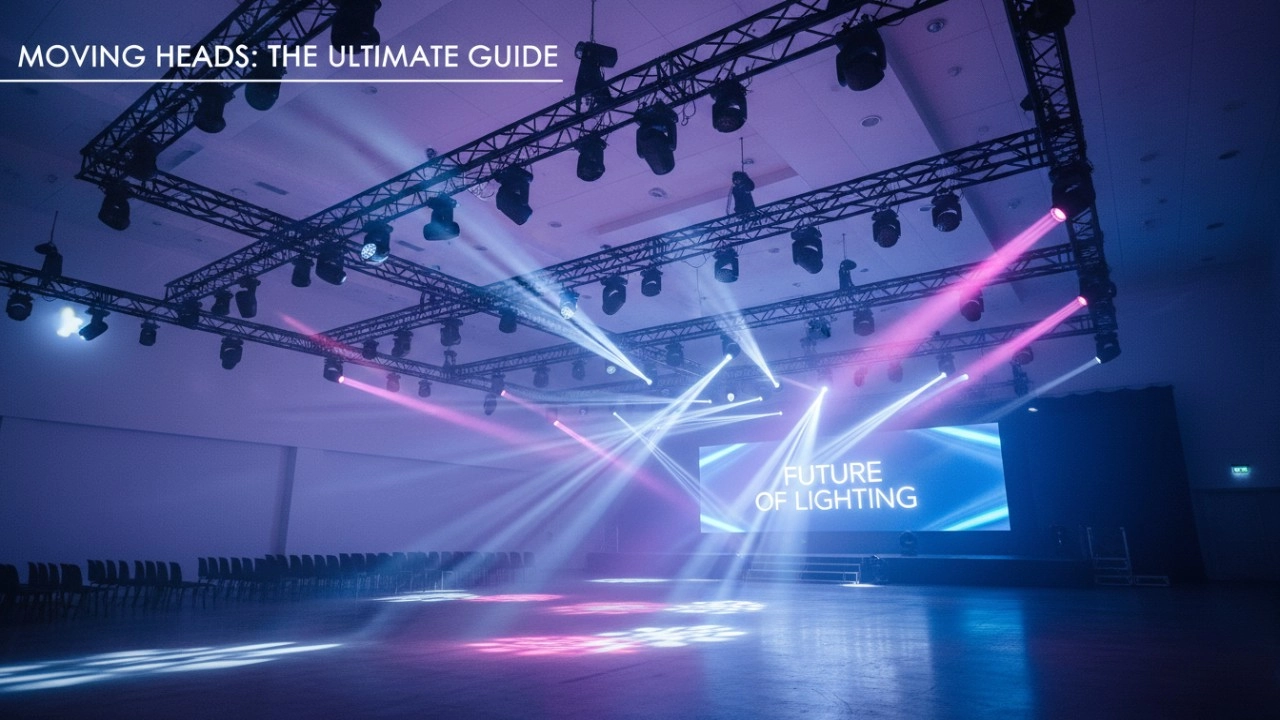
A Stage of Limitless Possibilities: Moving Head lights Deliver Precise Control and Versatile Effects
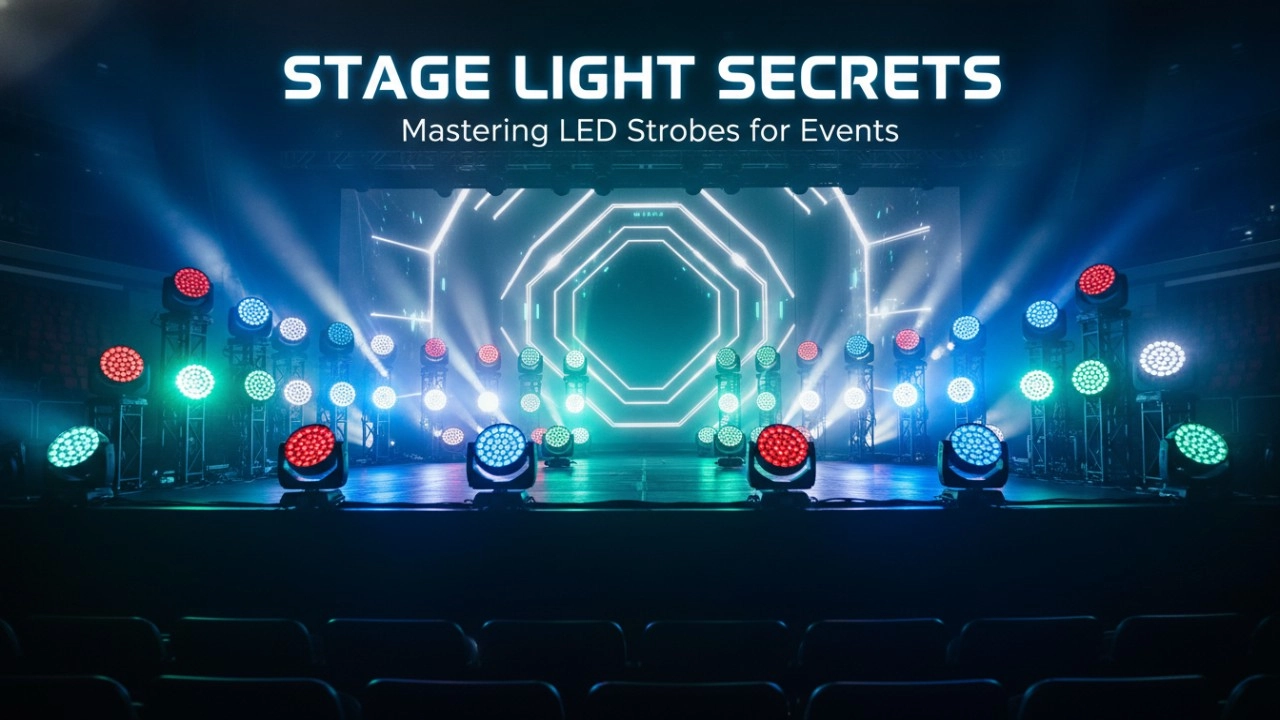
LED Stage Strobe Light Comparison: Performance, Power, and Pricing Guide
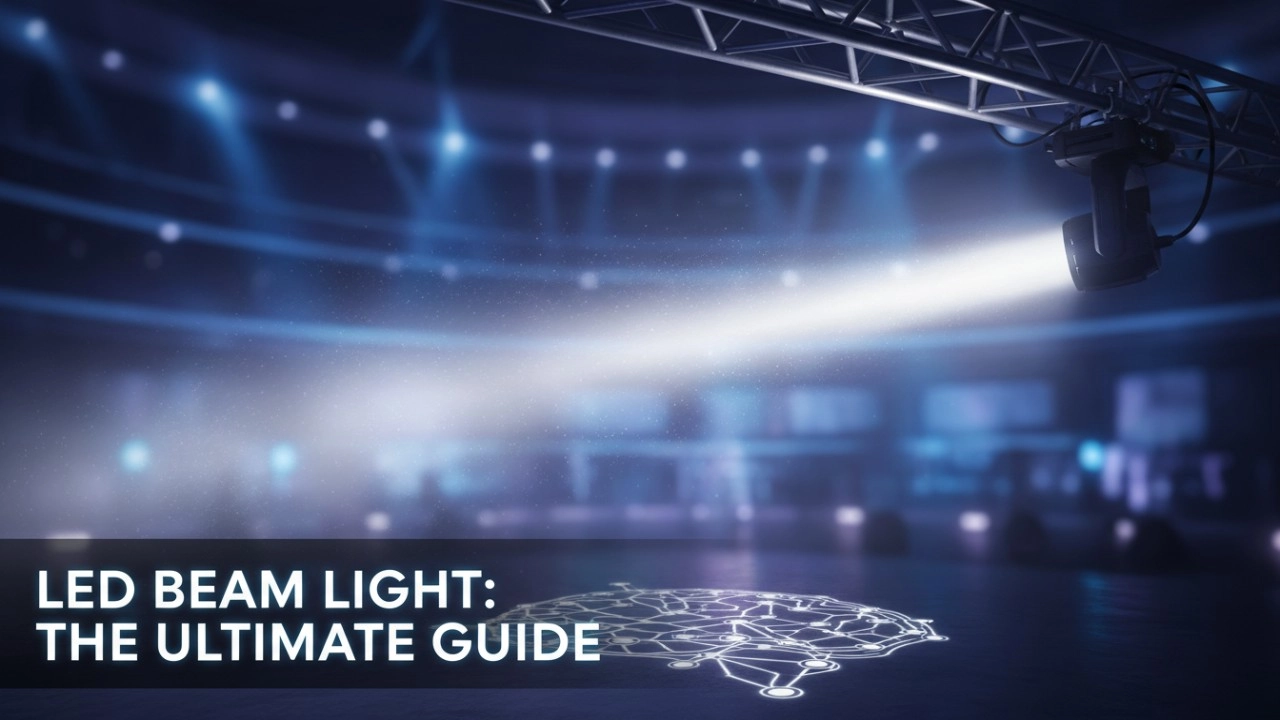
Why Your Venue Needs LED Beam Lights: A Cost-Benefit Analysis
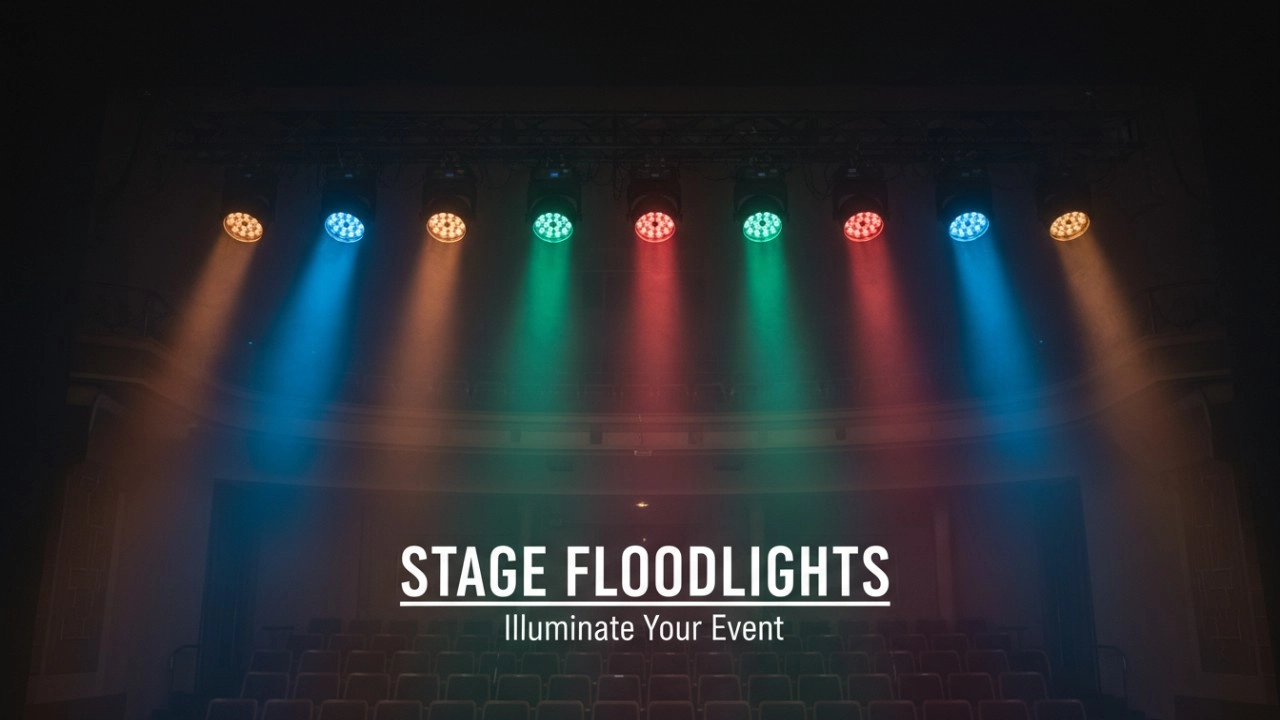
Spotlight vs. Stage Flood Lights: Which One Does Your Production Actually Need?
Spotlight vs. Floodlight vs. Beamlight: A Comparison of Moving Stage Lighting Fixtures
Mastering the Flash: 7 Advanced Strobe DJ Light Techniques for Pro Entertainers
Products
Do your lights support DMX512 and other control protocols?
Yes. All LiteLEES stage lights are fully compatible with DMX512. Many models also support RDM, Art-Net, and wireless DMX (optional), ensuring seamless integration with modern lighting control systems.
What is the lifespan of your LED stage lights?
Our LED lights use high-quality chips with a rated lifespan of over 50,000 hours. Proper usage and maintenance ensure long-term reliability and stable performance, making them a smart investment for any venue.
Can I customize the functions or software of the lights?
Absolutely. As a manufacturer with independent R&D capabilities, we offer customization for both hardware and software (such as DMX channel layout, built-in programs, or UI language). Contact us with your project needs, and our team will provide tailored solutions.
Are your lights suitable for large-scale events and outdoor use?
Yes. Our professional stage lights—especially the Beam, BSW 3-in-1, and LED Par Series—are engineered with high-output brightness, wide beam angles, and robust housing. Some models come with IP-rated protection, making them suitable for outdoor applications like concerts, festivals, and sports events.
Company
What certifications do your products have?
All LiteLEES products are certified by CE, RoHS, FCC, and BIS. Our factory is ISO9001 quality management system certified.

Stormy Shake Blinder IP
LiteLEES LUMIX BEAM 420 IP
LP Profile 900
Want to get more up-to-date information?
If you have any comments or good suggestions, please leave us a message; later our professional staff will contact you as soon as possible.

We are professional stage lighting manufacturers offering OEM and ODM LED stage lights.
Contact
Email us
Call us
Address
No.6 Longnan Road, Huashan Town, Huadu District Guangzhou, Guangdong Province, China.
LiteLEES Professional
Less Lighting