
Mastering Atmosphere: How to Use Warm White LED Stage Lights for High-Impact Visuals in 2026
- What is a Warm White LED Stage Light?
- Key Takeaways: Quick Summary of Warm White Lighting
- The Psychology of Atmosphere: Why Warm White Matters
- Technical Specs to Master: CRI, CCT, and COB Technology
- How to Match Warm White Lights for Video and Live Streaming
- Using Gels: Warming Up Clinical LED Fixtures
- Expert Tips and Common Mistakes to Avoid
- Future Trends in Warm White LED Lighting (2026 and Beyond)
- Conclusion
- FAQ
- What is the ideal color temperature for warm white stage lights?
- Can I use CTO gels to make cool LED lights warm white?
- Why is CRI important for warm white stage lighting?
- What is the difference between COB and standard LED warm white lights?
- How do warm white lights affect skin tones on camera?
- Are warm white LED stage lights suitable for outdoor events?
- How do I mix warm white and cool white lights on stage?
- Can dimming a warm white LED stage light change its color temperature?
Creating the perfect atmosphere requires precise control over your visual environment. In 2026, upgrading to a premium COB warm white stage light is the foundational step for any professional venue aiming to deliver high-impact, emotionally resonant visuals. Whether you are illuminating a dramatic theatrical play, fostering community in a house of worship, or broadcasting a high-definition live stream to a global audience, understanding the nuances of lighting technology is critical for success. This comprehensive guide explores the technical specifications, psychological impacts, and practical applications of warm white illumination, ensuring you have the actionable insights needed to master your stage lighting design.
What is a Warm White LED Stage Light?
A warm white LED stage light is a luminaire designed to emit light in the 2700K to 3500K color temperature range. It replicates the classic, inviting glow of traditional halogen or tungsten lamps without generating excessive heat.
Understanding how and why these fixtures operate is foundational to modern lighting design. Here is why they are essential:
- Replicating Tradition: They faithfully recreate the soft, amber tones of incandescent bulbs, providing a nostalgic aesthetic that audiences inherently trust and respond to positively.
- Rendering Natural Skin Tones: Warm white LEDs are essential for accurately illuminating human skin, ensuring performers look healthy, vibrant, and natural rather than pale or washed out.
- Creating Emotional Intimacy: The warm spectrum naturally draws the audience's focus, making large, cavernous arenas feel like intimate acoustic venues.
- Anchoring Productions: They serve as a vital neutral anchor for vibrant stage productions, theatrical plays, and broadcast environments, providing a baseline against which highly saturated colors can pop.
Key Takeaways: Quick Summary of Warm White Lighting
The key takeaways of warm white lighting center on its 2700K to 3500K Kelvin range, its psychological impact on audience comfort, and the technological shift toward modern COB LEDs that guarantee shadow-free, camera-ready illumination.
Here is a quick snapshot of why these systems dominate the 2026 stage production landscape:
- Kelvin Range Constraints: True warm white falls strictly between 2700K and 3500K on the Kelvin color temperature scale.
- Psychological Impact: Warm light elicits profound feelings of comfort, nostalgia, and emotional depth, mirroring the natural phenomena of sunsets and firelight.
- Technology Shift to COB: Modern COB (Chip-on-Board) LEDs provide a smooth, shadow-free warm white light. This is vastly superior to older, pixelated LED arrays that caused multi-colored, fragmented shadows on stage.
- Video Consistency: High Color Rendering Index (CRI) warm white lights are absolutely critical for preventing washed-out, ghostly skin tones on digital cameras and broadcast sensors.
The Psychology of Atmosphere: Why Warm White Matters
Warm white matters because it triggers a biological response mirroring the golden hour, establishing narrative intimacy, comfort, and nostalgia that clinical cool white lighting simply cannot achieve in a theatrical setting.
When evaluating the warm white vs cool white stage dynamics, you must consider the profound subconscious effects light has on your audience's emotional state.
- Biological Responses: Human beings are evolutionarily wired to relax under warm light, as it mimics the soothing spectrum of a setting sun or a comforting campfire.
- Narrative Intimacy: Lighting at 3200K establishes an immediate sense of closeness. It is the go-to choice for acoustic musical performances, intense dramatic monologues, and emotionally heavy theatrical scenes.
- Contrasting Emotions: While cool white (5600K and above) communicates clinical modernity, sterility, or daytime alertness, warm white delivers the "emotional heart" of a production.
- Cultural Associations: In spaces like houses of worship or intimate jazz clubs, warm light plays a crucial role in welcoming audiences and fostering a shared sense of community and reverence.
Technical Specs to Master: CRI, CCT, and COB Technology
Mastering color temperature stage lighting requires understanding CCT for measuring warmth, CRI for color accuracy, COB technology for smooth output, and Spectral Power Distribution for optimizing red and orange wavelengths.
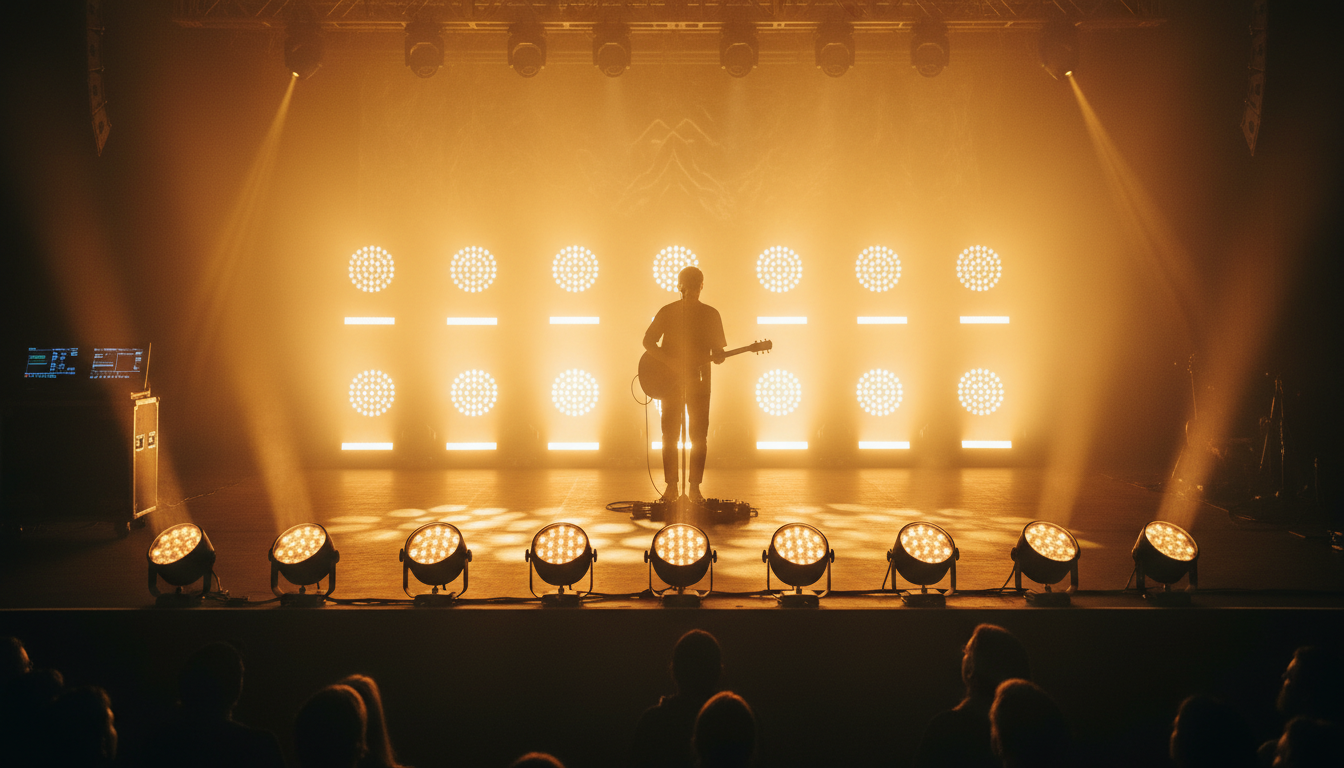
Consider this your ultimate CRI lighting technical guide for 2026:
- CCT (Correlated Color Temperature): This metric defines the exact warmth or coolness of your lighting fixtures, measured in Kelvin. A 3200K CCT is the standard for matching legacy tungsten theatre lamps.
- CRI (Color Rendering Index): A high CRI (90+) is non-negotiable for professional setups. As detailed by Wikipedia [1], a Color Rendering Index (CRI) is a quantitative measure of the ability of a light source to reveal the colors of various objects faithfully in comparison with a natural or standard light source.
- COB vs. Traditional LEDs: Chip-on-Board (COB) technology packages multiple LED chips into a single dense module. This eliminates the "micro-shadow" effect of older multi-diode fixtures and produces a singular, homogenous beam that perfectly mimics a traditional halogen wash.
- Spectral Power Distribution (SPD): High-quality warm white LEDs are engineered to have an SPD that peaks in the red and orange wavelengths, which is critical for bringing out the natural flush in human skin tones.
How to Match Warm White Lights for Video and Live Streaming
Matching warm white lights for video requires aligning camera white balance sensors to your stage lighting, balancing 3200K fixtures with tunable blinders, and utilizing high-refresh-rate LEDs to prevent on-camera flicker.
In the era of hybrid events, ensuring your stage looks as good on a digital screen as it does in person is paramount. Here is how to achieve that synergy:
- The Color Temperature Dilemma: Mixing a 3200K spotlight with a 5600K room wash will confuse camera sensors, resulting in footage that looks either aggressively blue or overly orange. Consistency is key.
- Balancing Fixtures: When using 3200K warm white PARs, pair them with tunable COB blinders that can be dialed in to the exact same Kelvin value, ensuring a uniform wash across the set.
- Camera White Balance: Always manually lock your broadcast camera's white balance setting to match the primary front wash of your stage (e.g., set the camera to 3200K if your key lights are 3200K).
- Overcoming LED Flicker: Standard dimming curves can cause horizontal banding or flickering on camera. Ensure you invest in fixtures with high PWM (Pulse Width Modulation) frequencies (typically 1200Hz, 4000Hz, or higher) for flicker-free broadcast performance.
Using Gels: Warming Up Clinical LED Fixtures
You can warm up clinical 6500K LED fixtures by applying Color Temperature Orange (CTO) or Color Temperature Straw (CTS) gels, physically filtering the cool light to achieve a warmer 2700K aesthetic.
While natively warm LEDs are ideal, legacy setups often require modification. By utilizing CTO lighting gels, you can rescue sterile environments and improve visual warmth.
- The Clinical LED Problem: Standard 6500K LEDs often look harsh and unflattering in intimate settings, casting a blue, sterile hue that washes out performers and creates a cold, uninviting atmosphere.
- Introduction to CTO and CTS: Color Temperature Orange (CTO) gels shift blue light toward amber, while Color Temperature Straw (CTS) adds a slightly more yellow/green hue, which can be preferable for certain complexions.
- Step-by-Step Gel Installation:
- Measure the front aperture of your LED fixture.
- Cut the CTO gel to size, ensuring a small gap for proper airflow.
- Secure the gel using a specialized frame to prevent the material from sitting directly on the lens, avoiding potential thermal damage even on low-heat LEDs.
- Understanding Lumen Loss: Filtering light inherently reduces output. Applying a full CTO gel to a 6500K fixture can result in up to a 30% loss in total lumens, requiring you to run the fixture at a higher intensity to achieve the desired brightness.
Expert Tips and Common Mistakes to Avoid
The most critical expert tip is to always use a warm white front wash to secure natural skin tones, while the most common mistake is mixing different brands of 3200K lights, causing green or magenta color shifts.
To elevate your production quality, adhere to these professional guidelines:
- Expert Tip 1: Always use warm white as your primary front wash. Establish natural, flattering skin tones first, and only then add saturated, colorful backlights or side lights for dramatic depth and separation.
- Expert Tip 2: Prioritize tunable white fixtures for multi-purpose venues. The ability to shift from a cozy 2700K for an acoustic set to a crisp 5000K for a corporate keynote on the same rig is an invaluable asset.
- Common Mistake 1: Mixing different brands of "3200K" lights. Not all 3200K diodes are binned the same; mixing them often results in nasty green or magenta color shifts along the tint axis, making balancing a nightmare.
- Common Mistake 2: Ignoring CRI in favor of raw brightness. A blindingly bright 70-CRI light will render costumes, set pieces, and faces flat, gray, and lifeless, effectively ruining the visual impact of the staging.
Future Trends in Warm White LED Lighting (2026 and Beyond)
The future of warm white LED lighting in 2026 features AI-driven automated color temperature matching, ultra-high CRI (98+) fixtures replicating tungsten decay, and global energy mandates phasing out halogen lamps entirely.
As we move deeper into the decade, technological advancements continue to redefine what is possible in theatrical environments.
- AI-Driven Automation: Smart lighting consoles are now utilizing AI to automatically read and match color temperatures across massive, multi-brand stage rigs in real-time, eliminating hours of manual calibration.
- Ultra-High CRI Advancements: New LED engines are achieving CRI scores of 98+, coupled with advanced dimming curves that perfectly replicate the amber "tungsten decay" (getting warmer as it dims) of classic theatre lamps.
- Energy Efficiency Mandates: As highlighted by the Department of Energy [2], the transition to theatrical LED systems yields massive sustainability benefits, often reducing power consumption by 50% to 90% compared to legacy halogen systems, driving the final phase-out of traditional bulbs.
- Budgeting and ROI: The return on investment (ROI) for premium tunable warm white fixtures is higher than ever. By reducing HVAC loads, slashing electricity bills, and eliminating bulb replacements, the upfront cost pays for itself within just a few production seasons.
Conclusion
Mastering warm white LED stage lights is essential for any lighting designer looking to evoke emotion and maintain visual consistency across theatrical, broadcast, and live event productions.
From understanding the intricate 2700K to 3500K Kelvin scale to deploying high-CRI COB technology, your technical choices directly dictate the atmosphere of the room. Whether you are upgrading the rig in a house of worship, revamping a classic theater, or building out a state-of-the-art live streaming studio, prioritizing high-quality warm white light is a future-proof investment that guarantees your performers and sets will always look their absolute best. By avoiding common pitfalls like mismatched color temperatures and embracing future trends like AI automation, you position your venue at the forefront of the industry.
Contact us today to optimize your stage lighting strategy.
FAQ
What is the ideal color temperature for warm white stage lights?
The ideal color temperature for warm white stage lighting ranges from 2700K to 3500K. 3200K is the industry standard for replicating traditional tungsten or halogen theatrical lights.
Can I use CTO gels to make cool LED lights warm white?
Yes, you can use Color Temperature Orange (CTO) gels to shift cool white LEDs to a warmer color temperature. However, applying gels to LEDs will result in a drop in overall light output and may require physical thermal management.
Why is CRI important for warm white stage lighting?
CRI (Color Rendering Index) measures how accurately a light source reveals the true colors of objects and skin tones. A high CRI (90 or above) is crucial in warm white lighting to prevent performers from looking pale or sickly.
What is the difference between COB and standard LED warm white lights?
Standard LEDs use multiple visible diodes, which can cause multi-colored shadows and pixelated beams. COB (Chip-on-Board) packages multiple LED chips into a single module, creating a smooth, homogenous, and shadow-free warm white wash.
How do warm white lights affect skin tones on camera?
Warm white lights bring out the natural reds and oranges in human skin, making performers look healthy and vibrant. They are essential for live streaming and video recording, provided the camera's white balance is matched to the lighting.
Are warm white LED stage lights suitable for outdoor events?
Yes, but they must have an appropriate IP rating (like IP65) to withstand weather conditions. Warm white is often used outdoors to create an inviting, campfire-like ambiance for evening festivals and acoustic sets.
How do I mix warm white and cool white lights on stage?
Use warm white for front lighting to illuminate faces naturally, and cool white for backlighting or side-lighting to create contrast and depth. This technique separates the performer from the background and adds a three-dimensional look to the stage.
Can dimming a warm white LED stage light change its color temperature?
Standard LEDs maintain their color temperature when dimmed, unlike traditional halogens which get warmer (redder) as they dim. However, premium 'dim-to-warm' LED fixtures are engineered specifically to mimic the warming curve of traditional tungsten bulbs.
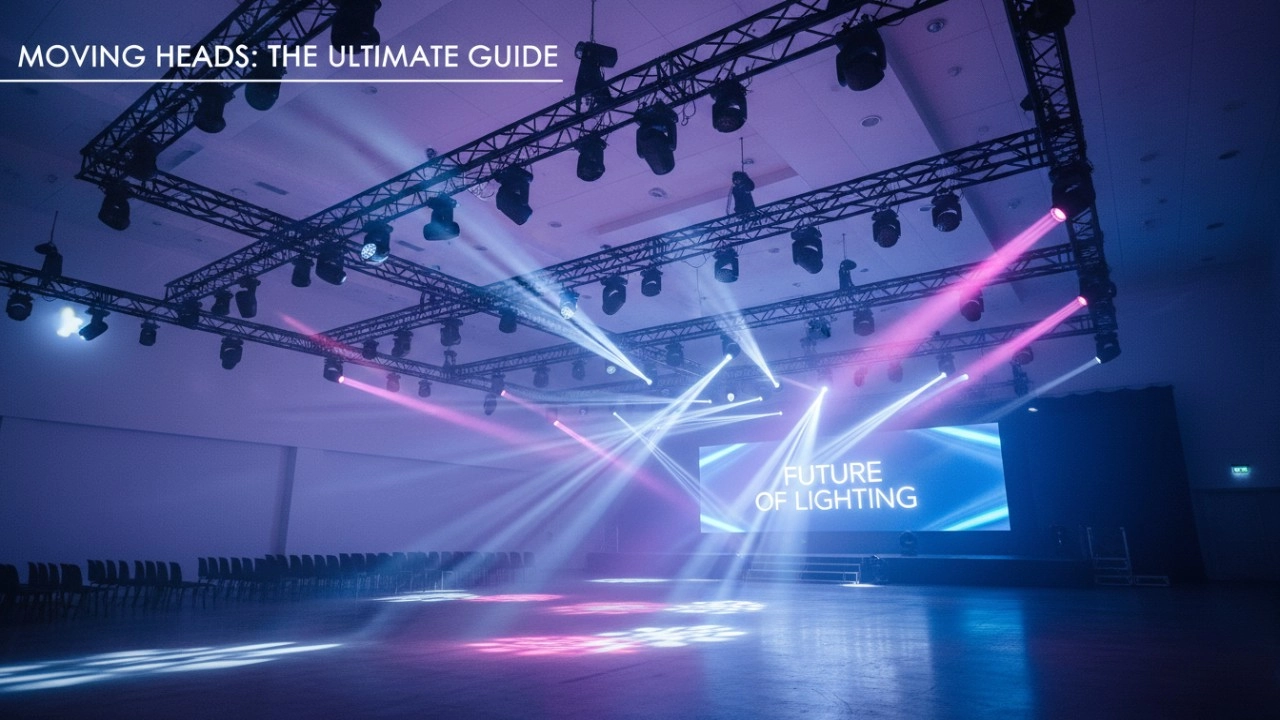
A Stage of Limitless Possibilities: Moving Head lights Deliver Precise Control and Versatile Effects
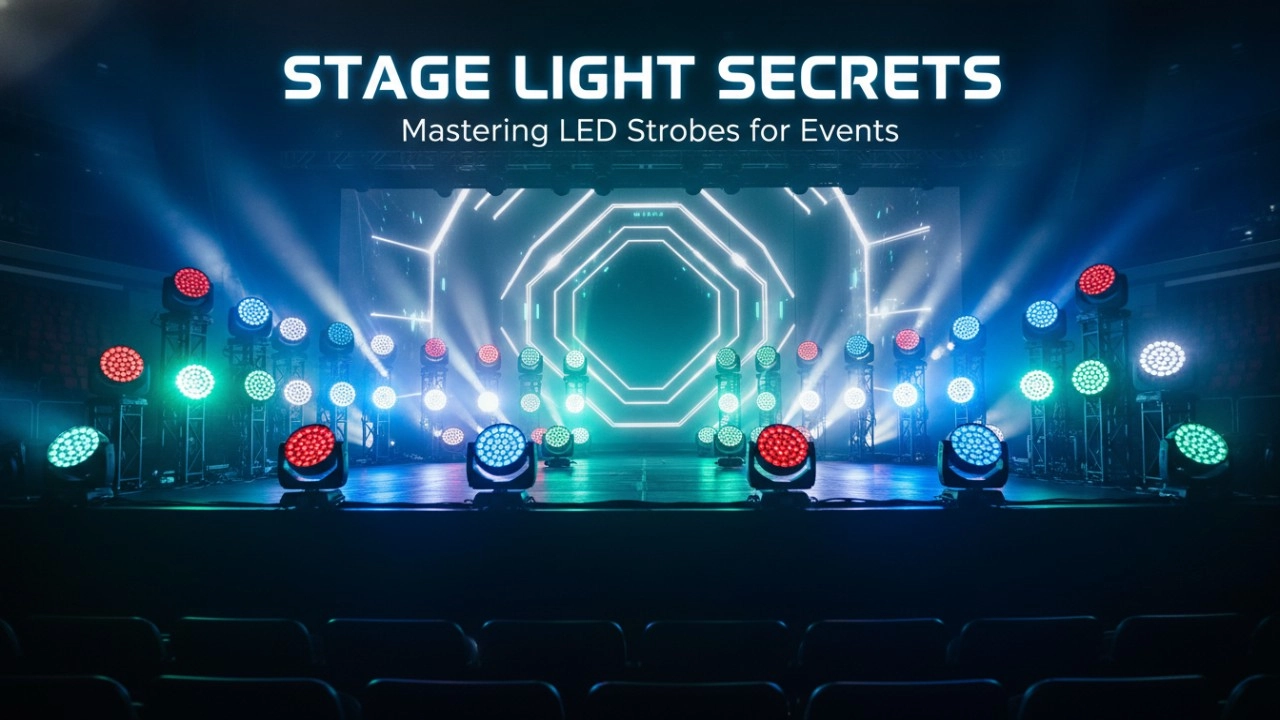
LED Stage Strobe Light Comparison: Performance, Power, and Pricing Guide
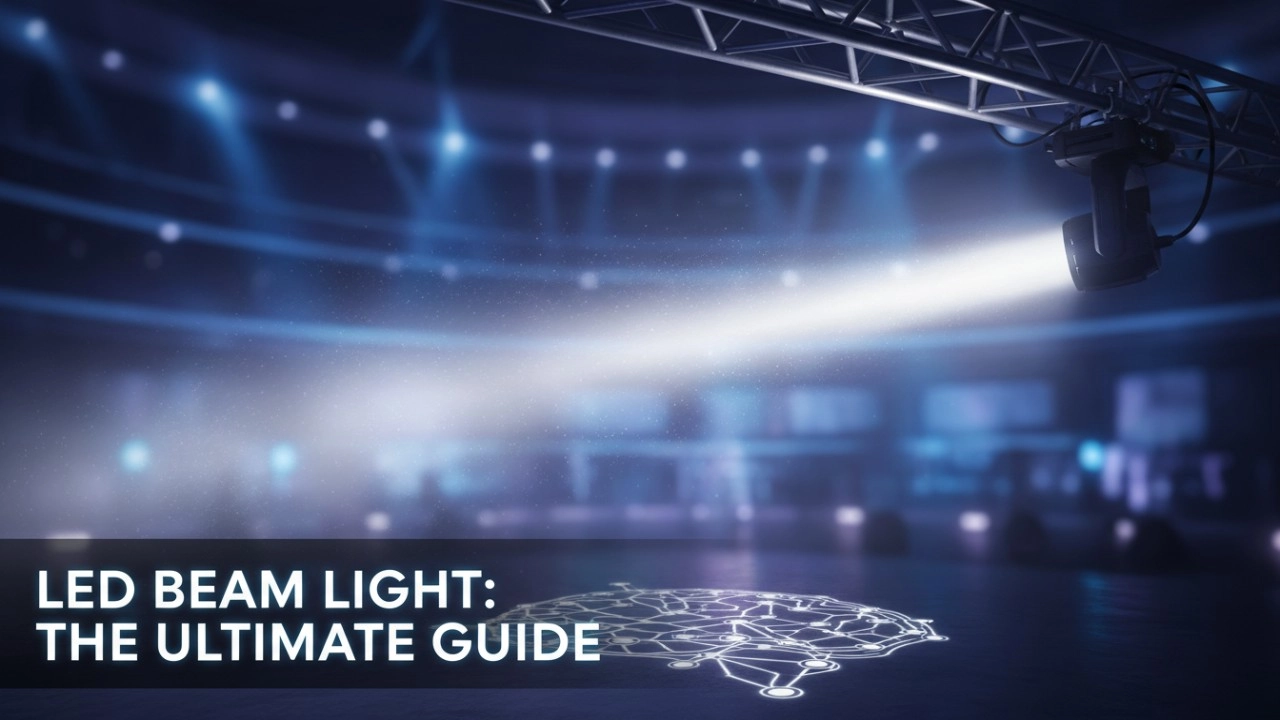
Why Your Venue Needs LED Beam Lights: A Cost-Benefit Analysis
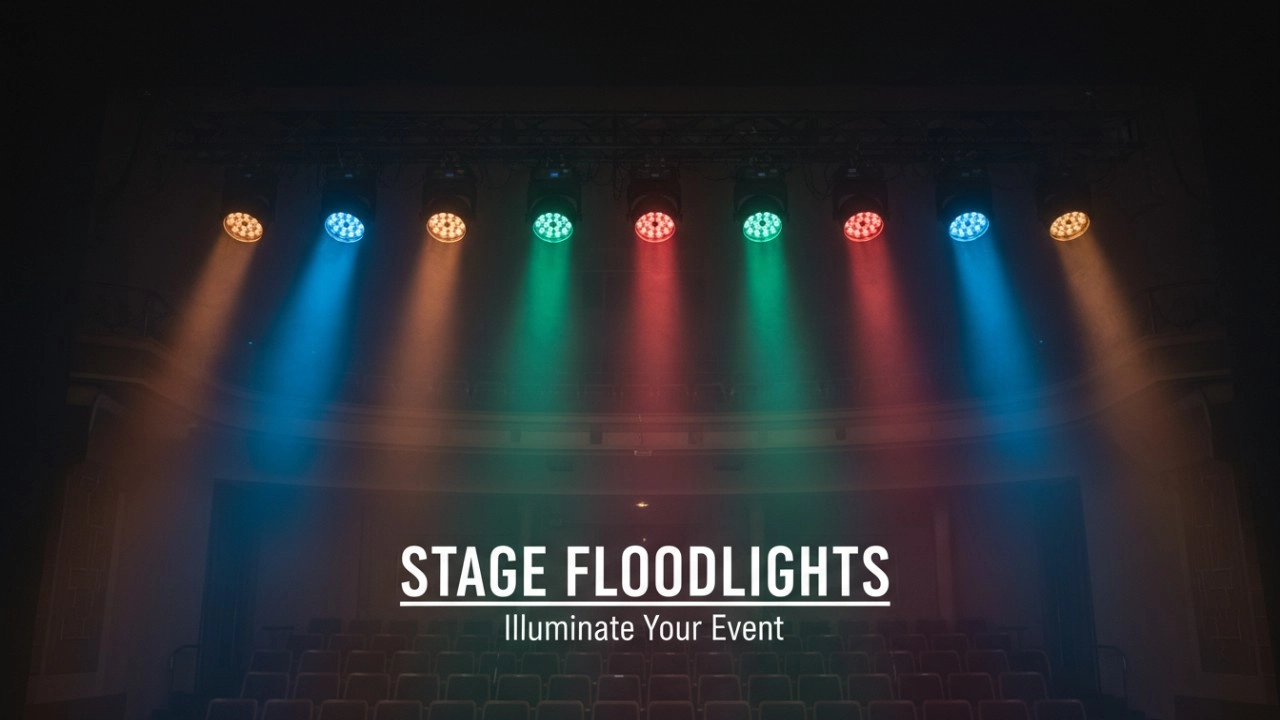
Spotlight vs. Stage Flood Lights: Which One Does Your Production Actually Need?
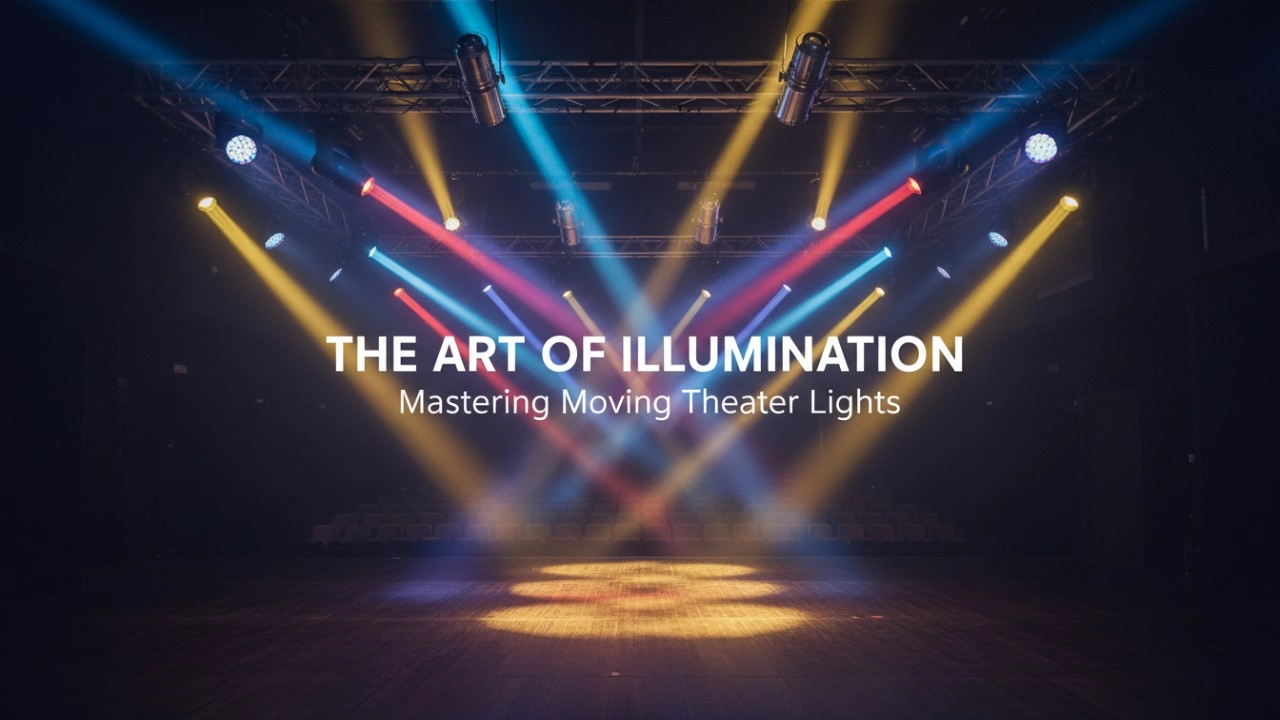
Spotlight vs. Floodlight vs. Beamlight: A Comparison of Moving Stage Lighting Fixtures
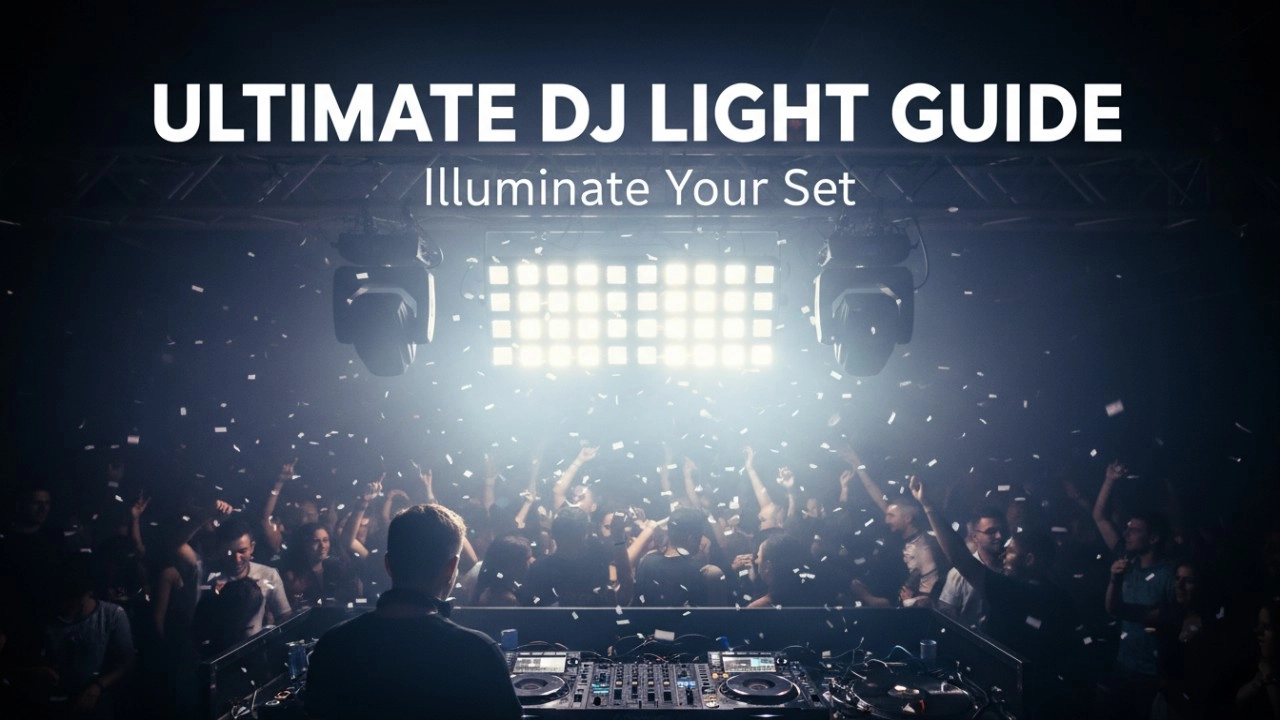
Mastering the Flash: 7 Advanced Strobe DJ Light Techniques for Pro Entertainers
Company
Can LiteLEES handle OEM/ODM orders?
Absolutely. With our strong R&D capabilities and advanced manufacturing, we can customize designs, features, and branding to meet your specific needs.
What is LiteLEES’s main business?
LiteLEES specializes in the design, development, manufacturing, and sales of professional stage lighting, including moving head lights, beam lights, spot lights, wash lights, and LED par lights.
Where is LiteLEES located?
Our headquarters and manufacturing facility are located in Guangzhou, China, with products exported to over 70 countries worldwide.
Products
Are your lights suitable for large-scale events and outdoor use?
Yes. Our professional stage lights—especially the Beam, BSW 3-in-1, and LED Par Series—are engineered with high-output brightness, wide beam angles, and robust housing. Some models come with IP-rated protection, making them suitable for outdoor applications like concerts, festivals, and sports events.
Do your lights support DMX512 and other control protocols?
Yes. All LiteLEES stage lights are fully compatible with DMX512. Many models also support RDM, Art-Net, and wireless DMX (optional), ensuring seamless integration with modern lighting control systems.
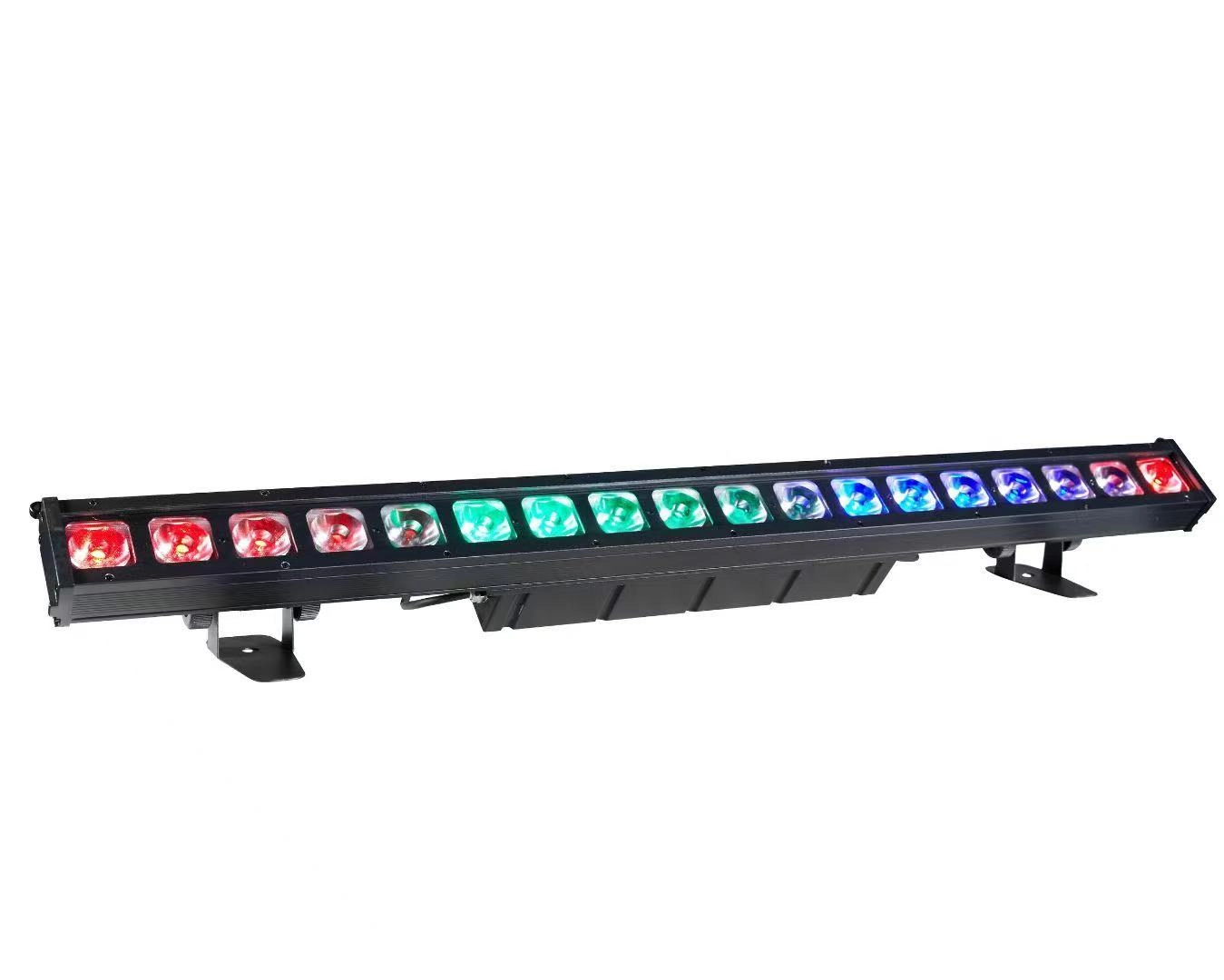
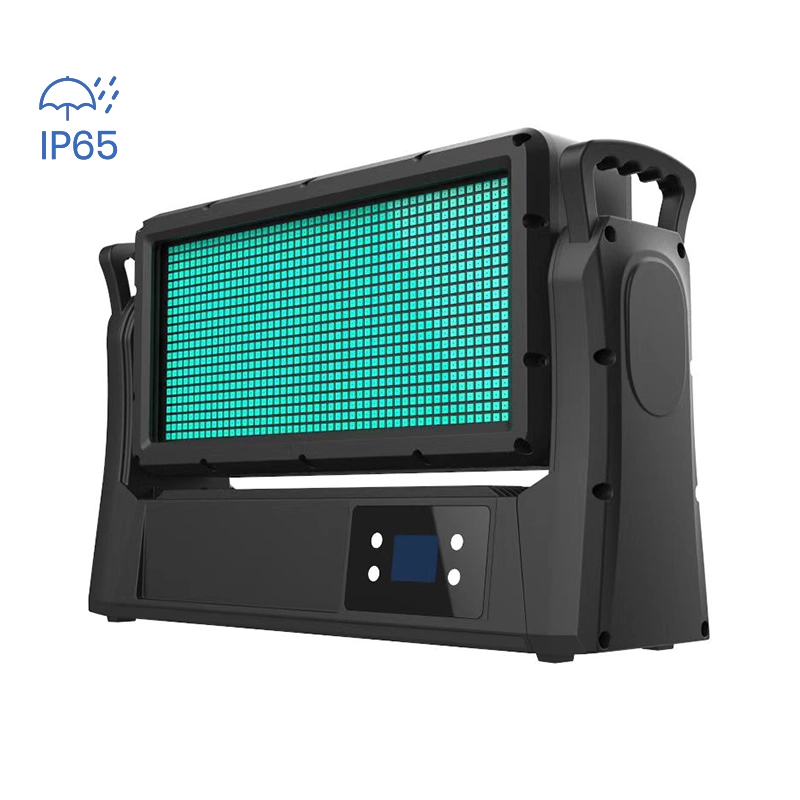
Stormy Supreme 600 IP
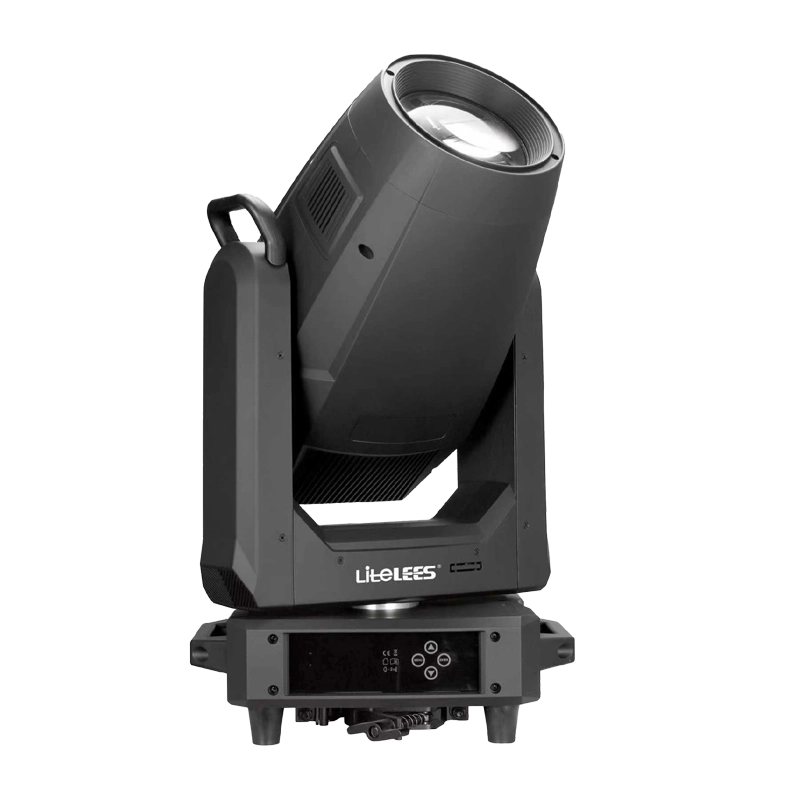
LP Profile 900
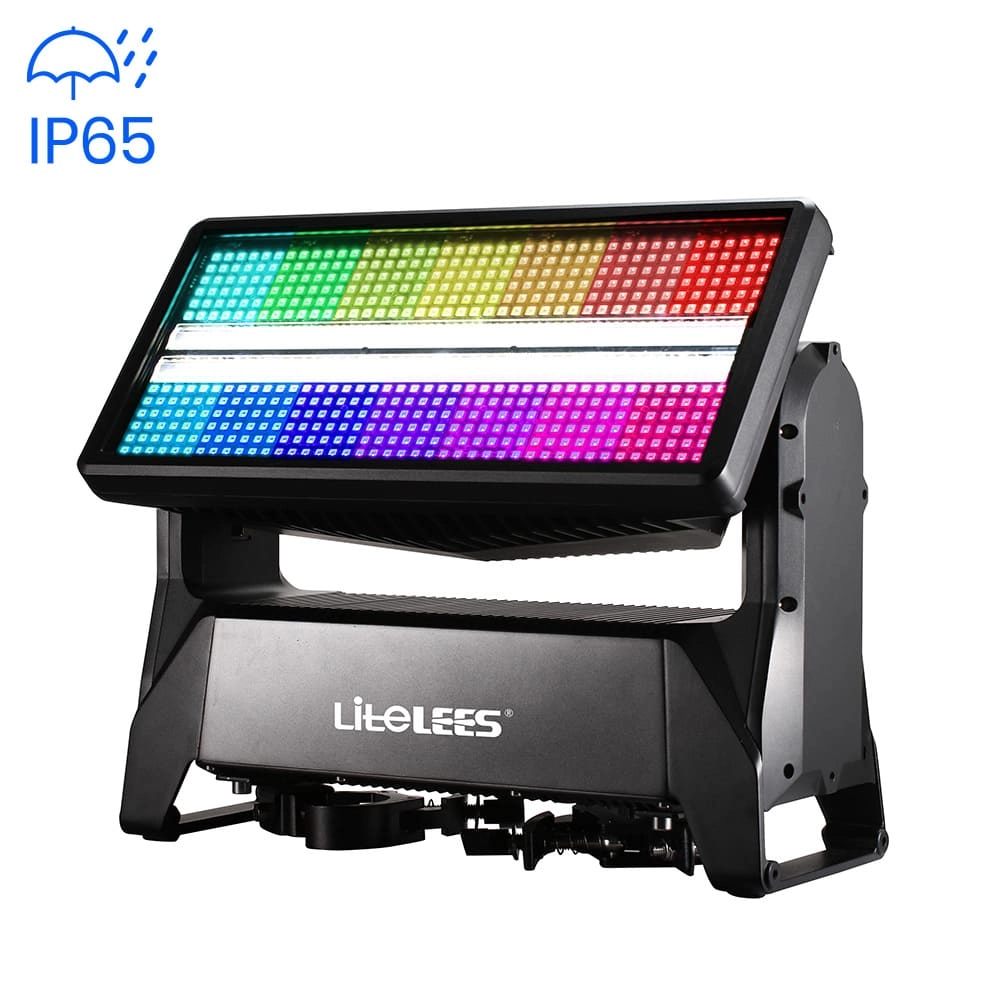
Stormy STRIKE M IP
Want to get more up-to-date information?
If you have any comments or good suggestions, please leave us a message; later our professional staff will contact you as soon as possible.

We are professional stage lighting manufacturers offering OEM and ODM LED stage lights.
Contact
Email us
Call us
Address
No.6 Longnan Road, Huashan Town, Huadu District Guangzhou, Guangdong Province, China.
LiteLEES Professional
Less Lighting