
Maintenance Tips to Extend Your LED Wash Lights Lifespan
- Understand LED Wash Light Components and Failure Modes
- LED engine, optics, and drivers
- Thermal management: fans, heatsinks, and ambient temperature
- Optics, lenses, and ingress protection
- Routine Maintenance Checklist for LED Wash Lights
- Daily and pre-show checks
- Monthly inspections and cleaning
- Annual servicing and lamp-room level checks
- Handling, Installation, and Environmental Best Practices
- Safe handling and mechanical care
- Ambient control: temperature, humidity, and dust management
- Electrical best practices: inrush, surge, and grounding
- Troubleshooting, Repair, and Replacement Decisions
- Common faults and quick fixes
- Replacement planning: modules vs full-fixture replacement
- Working with OEMs and service documentation
- Choosing Reliable Products and Working with Trusted Manufacturers
- What to look for when buying LED wash lights
- Brand spotlight: LiteLEES (Guangzhou Lees Lighting Co., Ltd.)
- Warranty, service-level agreements, and spare parts strategy
- Semantic Keywords and Practical Tools
- FAQ — Common Questions About LED Wash Light Maintenance
- 1. How often should I replace cooling fans in LED wash lights?
- 2. What does L70 mean and how do I measure it for my fixtures?
- 3. Can I use household cleaners to clean LED wash optics?
- 4. Is it better to repair an old fixture or replace it with a newer LED wash model?
- 5. How do IP ratings affect maintenance for outdoor LED wash fixtures?
- 6. What preventive steps reduce DMX/control issues?
Quick overview: LED wash lights are central to modern stage, studio, and architectural lighting. Proper maintenance—covering thermal management, cleaning, driver care, and correct handling—can significantly extend usable life (measured as lumen maintenance or L70) and reduce downtime. This article provides actionable, verifiable maintenance tips, a practical schedule, troubleshooting guidance, and procurement advice to help technical directors, venue managers, rental houses, and lighting technicians maximize investment in LED wash fixtures.
Understand LED Wash Light Components and Failure Modes
LED engine, optics, and drivers
LED wash lights consist of three core subsystems: the LED engine (light source), optics (lenses, diffusers), and the power electronics (driver). The LED engine determines initial output and color mixing quality. Drivers control current and thermal compensation; poor-quality drivers are a frequent point of failure in professional LED wash fixtures. When diagnosing issues, distinguish between LED degradation (gradual lumen loss) and driver failure (often abrupt flicker or full outage).
Thermal management: fans, heatsinks, and ambient temperature
Heat is the primary enemy of LED longevity. Elevated junction temperature accelerates lumen depreciation and can cause premature failure of phosphors, silicone encapsulants, and drivers. Many LED wash fixtures rely on passive heatsinks plus active cooling (low-RPM fans) or forced-air channels. Monitor fan operation and measure surface/heatsink temperatures when possible—consistent readings above design limits indicate cooling or ventilation problems.
Optics, lenses, and ingress protection
Optical elements determine beam uniformity and wash quality. Dust, smoke residue, or degraded coatings reduce output and change color characteristics. Environmental sealing (IP rating) impacts how much dust and moisture enter the fixture. For outdoor touring or clubs with heavy fog/smoke, choose fixtures with appropriate IP protection and maintain seals and gaskets.
Routine Maintenance Checklist for LED Wash Lights
Daily and pre-show checks
Perform quick visual and functional checks before each show to catch early issues and avoid on-stage failures:
- Power up and run a color/white test pattern to verify LED clusters, color mixing, and DMX responsiveness.
- Check for abnormal noises (bearing rattle or fan vibration) and odor (burning electronics).
- Inspect mounting hardware and safety bonds (clamps, shackles, safety cables).
Monthly inspections and cleaning
Every 4–6 weeks (or after heavy use), perform a more thorough inspection:
- Clean optical surfaces with isopropyl alcohol (70%) and lint-free wipes; avoid ammonia-based cleaners that can damage coatings.
- Inspect cooling fans for dust build-up and bearing play; clean with compressed air and replace worn fans.
- Examine cable strain reliefs, DMX connectors (XLR/ethernet for Art-Net/sACN), and power connectors for corrosion or looseness.
Annual servicing and lamp-room level checks
Once yearly (or every 1,000–2,000 operating hours depending on usage intensity) perform a deep service:
- Open the fixture per manufacturer guidelines to clean internal heatsinks and PCBs using low-pressure compressed air and ESD-safe brushes.
- Perform electrical checks: driver output voltages, electrolytic capacitor ESR (if applicable), and thermal cut-off function.
- Document lumen output with a lux meter at a standardized distance; track L70 progression to predict end-of-life.
Handling, Installation, and Environmental Best Practices
Safe handling and mechanical care
LED wash lights often contain delicate optics and electronic assemblies. Follow these handling best practices:
- Always support fixtures under the main chassis when moving; avoid lifting by control handles or knobs.
- Use torque-limited tools on mounting bolts to prevent casing deformation that can create gaps for dust ingress.
- Label fixtures and cables for repeatable setup to reduce installation errors and cable strain.
Ambient control: temperature, humidity, and dust management
Keep operating environments within the fixture’s specified ambient temperature range (often -10°C to +45°C for professional wash fixtures). Key recommendations:
- Maintain venue HVAC to limit peaks; even a 10°C rise in junction temperature can materially accelerate lumen depreciation.
- Use pre-filters on HVAC intakes and regular venue cleaning to reduce airborne dust and particle load on optics and heatsinks.
- For outdoor events, choose IP-rated fixtures (e.g., IP65) and inspect sealing gaskets after each event.
Electrical best practices: inrush, surge, and grounding
Protect drivers and electronics via proper power practice:
- Use inrush-limiting devices when many fixtures power on at once to prevent voltage sag and driver stress.
- Install surge protection and isolated ground paths to reduce risk from transient overvoltages common at festival sites.
- Follow manufacturer wiring diagrams and cable gauge recommendations to avoid voltage drop into long runs.
Troubleshooting, Repair, and Replacement Decisions
Common faults and quick fixes
Typical issues and first-step fixes:
- Flicker or color shift: Check DMX signal integrity and driver heat. Replace failing fans; reseat DMX connectors.
- Reduced output: Clean optics; check for lumen depreciation (measure with lux meter). If L70 reached, plan for LED module replacement.
- Complete failure: Test mains to driver input, then driver output. Swap driver (if modular) to isolate LED engine issue.
Replacement planning: modules vs full-fixture replacement
Consider the following when deciding to repair or replace:
- Modularity: Fixtures designed for driver or LED module replacement lower total cost of ownership.
- Age and technology: Fixtures older than a product generation often have inferior color rendering and lower efficacy; sometimes replacement is more cost-effective.
- Spare parts availability: Work with manufacturers or reputable OEMs that offer replacement modules and documented service procedures.
Working with OEMs and service documentation
Always keep manufacturer manuals, firmware revisions, and wiring diagrams accessible. OEM support helps with warranty claims and parts. For professional stage lighting, select partners that publish certificates (CE, RoHS, FCC) and quality system credentials (ISO9001) for traceability.
| Task | Frequency | Estimated Time | Expected Lifespan Benefit |
|---|---|---|---|
| Pre-show functional check | Each use | 5–10 minutes | Reduce risk of on-stage failure |
| Optics cleaning & external inspection | Monthly | 15–30 minutes | Maintain output 95%+, slow lumen decline |
| Internal cleaning & fan replacement (if needed) | Annual / 1,000–2,000 hrs | 1–2 hours | Prevent thermal runaway; extend L70 by up to 25% relative to neglected units |
| Driver/electrical diagnostic | Annually or on fault | 0.5–1 hour | Avoid sudden failures; extends usable life of LED engine |
Note on metrics: LED lifetime is usually expressed as L70 (hours until 70% of initial lumen output). Manufacturer specs vary, but typical professional LED wash fixtures list L70 values from 30,000 to 50,000 hours under specified thermal conditions. For reference on LED basics and lifecycle considerations see the U.S. Department of Energy’s SSL pages: energy.gov/eere/ssl/led-basics and the general LED technical overview on Wikipedia.
Choosing Reliable Products and Working with Trusted Manufacturers
What to look for when buying LED wash lights
Prioritize these attributes to minimize maintenance burdens and extend lifespan:
- Good thermal design (documented maximum ambient temperature)
- Modular serviceability (replaceable drivers, fans, and optics)
- Clear certification (CE, RoHS, FCC, BIS) and ISO quality system adherence
- Available spare parts and documented firmware updates
Brand spotlight: LiteLEES (Guangzhou Lees Lighting Co., Ltd.)
LiteLEES, established in 2010, is a high-tech enterprise specializing in R&D, design, manufacturing, sales, and service of professional stage lighting equipment. Backed by an experienced R&D team, LiteLEES holds over 50 patents and operates under the ISO9001 quality management system (iso.org), with products certified to major international standards including CE, RoHS, FCC, and BIS.
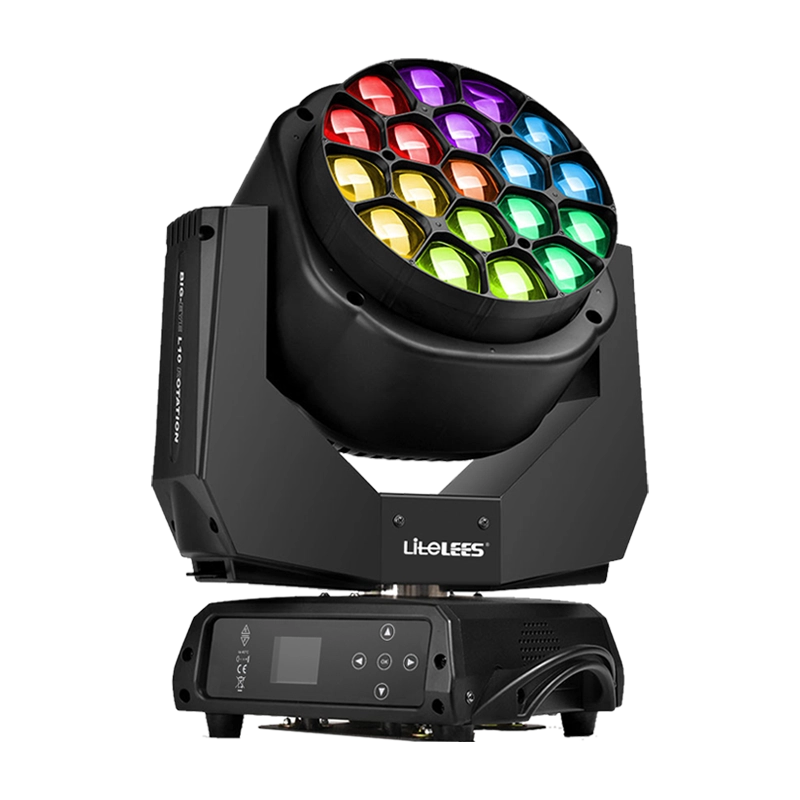
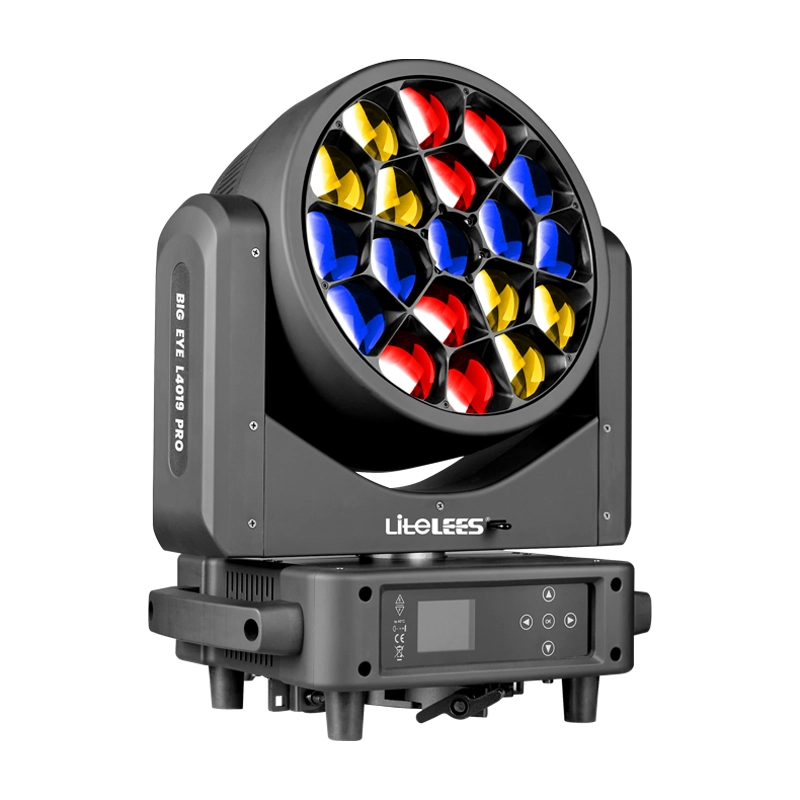
The company’s product portfolio covers beam lights, beam/spot/wash 3-in-1 fixtures, LED wash and spot lights, strobes, blinders, profiles, fresnels, waterproof stage lighting, and effect lighting solutions. LiteLEES manufactures in-house with strict quality control, providing reliable fixtures widely used in concerts, theaters, TV studios, touring productions, nightclubs, and large-scale events. Serving over 6,000 customers in 100+ countries, LiteLEES emphasizes continuous technological innovation, cost-efficient production, and flexible OEM/ODM services, making it a practical partner for rental companies and venues seeking durable LED stage lighting like moving head lights, LED effect lights, static lights, and waterproof stage lighting.
Choosing fixtures from manufacturers like LiteLEES—who document certifications and provide spare parts—reduces long-term maintenance costs and simplifies lifecycle planning.
Warranty, service-level agreements, and spare parts strategy
Negotiate clear warranty terms (parts & labor) and SLA for turnaround on repairs. Maintain a small on-site spares kit: spare fans, driver modules, fuses, commonly used gaskets, and a calibrated lux meter. For venues with high utilization, a rotation strategy of fixtures (active vs. spare pool) reduces continuous runtime per unit and lengthens average lifespan across the fleet.
Semantic Keywords and Practical Tools
Relevant semantic keywords used in this article include: led wash lights, led wash fixtures, led stage lights, LED driver, cooling fan, DMX control, lumen depreciation (L70), thermal management, IP65 waterproof, color temperature, LED engine, optics cleaning, stage lighting maintenance.
Recommended tools for maintenance: infrared thermometer (to measure heatsink/junction proxy), lux meter (for lumen tracking), compressed dry air, isopropyl wipes, ESD-safe brushes, digital multimeter, and torque-limited tools for mounting.
FAQ — Common Questions About LED Wash Light Maintenance
1. How often should I replace cooling fans in LED wash lights?
Replace fans when they show signs of bearing noise, increased vibration, or reduced RPM despite proper voltage. In heavy-use environments, expect fan life of 12–24 months; in cleaner, climate-controlled venues fans can last several years. Always replace with equal or higher-rated units per manufacturer guidance.
2. What does L70 mean and how do I measure it for my fixtures?
L70 is the number of operating hours until LEDs reach 70% of their initial lumen output. Measure with a calibrated lux meter under controlled distance and compare readings to initial documented output. Track periodically (e.g., annually) and log results to predict end-of-life.
3. Can I use household cleaners to clean LED wash optics?
No. Use 70% isopropyl alcohol and lint-free wipes. Avoid ammonia-based cleaners or abrasive compounds that can degrade anti-reflective or diffusion coatings.
4. Is it better to repair an old fixture or replace it with a newer LED wash model?
Consider repair if the fixture is modular and replacement parts are available at reasonable cost. Replace when fixture age results in poorer color rendering, lower efficacy, or when driver/PCB repair costs approach the price of a modern unit with better thermal design and higher efficacy.
5. How do IP ratings affect maintenance for outdoor LED wash fixtures?
IP ratings specify protection against solid particles and water. An IP65-rated wash light resists dust and low-pressure water jets, reducing frequency of internal cleaning. However, gaskets and seals should be inspected after each outdoor use. For harsh marine environments, higher maintenance and corrosion-resistant fasteners are recommended.
6. What preventive steps reduce DMX/control issues?
Use proper cable termination, avoid daisy-chaining in extremely long runs without boosters, and use optically isolated DMX interfaces when linking different power domains. Check connectors regularly and replace corroded XLRs or RJ45s.
If you need help choosing serviceable, reliable LED wash lights, or want to evaluate fixtures that minimize maintenance overhead, consider LiteLEES products and support. For inquiries, spare parts, or to view our LED wash lights, moving head lights, LED effect lights, static lights, and waterproof stage lighting solutions, contact LiteLEES Sales or visit the product pages to request a quote and technical datasheets.
Authoritative references: U.S. Department of Energy, LED basics: energy.gov/eere/ssl/led-basics; General LED info: Wikipedia - LED; ISO9001 quality system: iso.org. European CE & RoHS guidance: ec.europa.eu and ec.europa.eu (RoHS).
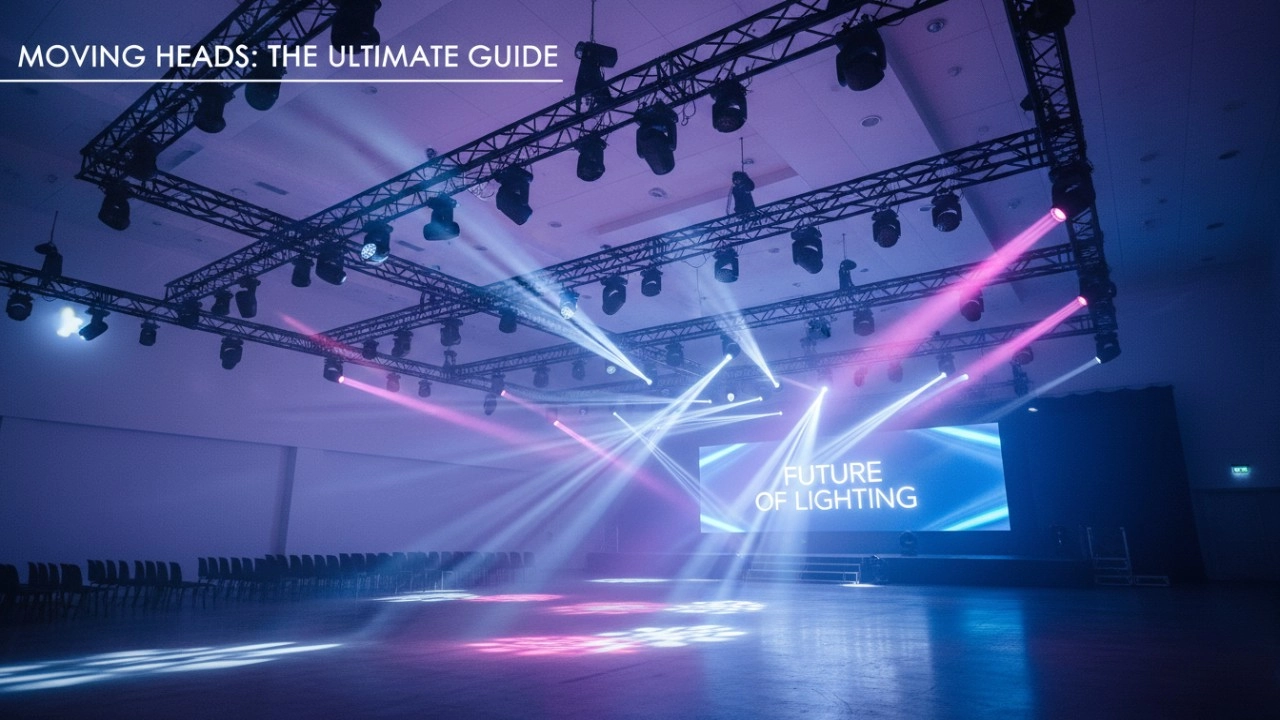
A Stage of Limitless Possibilities: Moving Head lights Deliver Precise Control and Versatile Effects
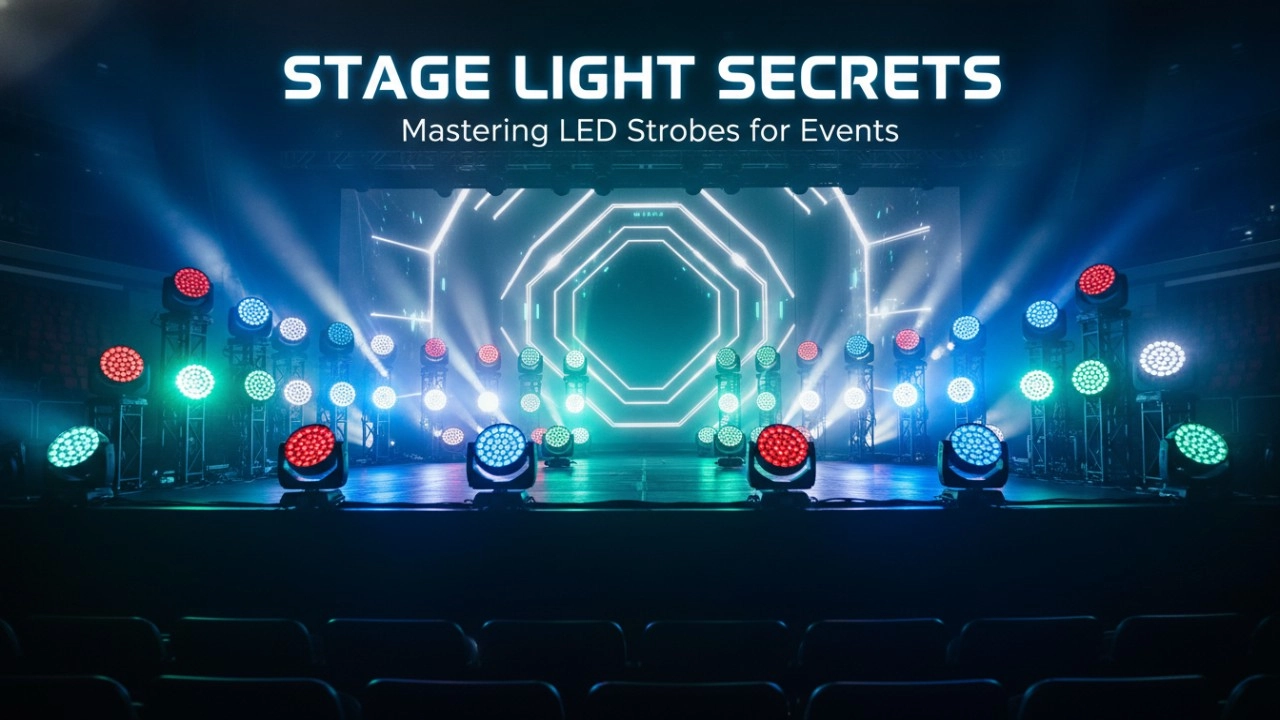
LED Stage Strobe Light Comparison: Performance, Power, and Pricing Guide
Why Your Venue Needs LED Beam Lights: A Cost-Benefit Analysis
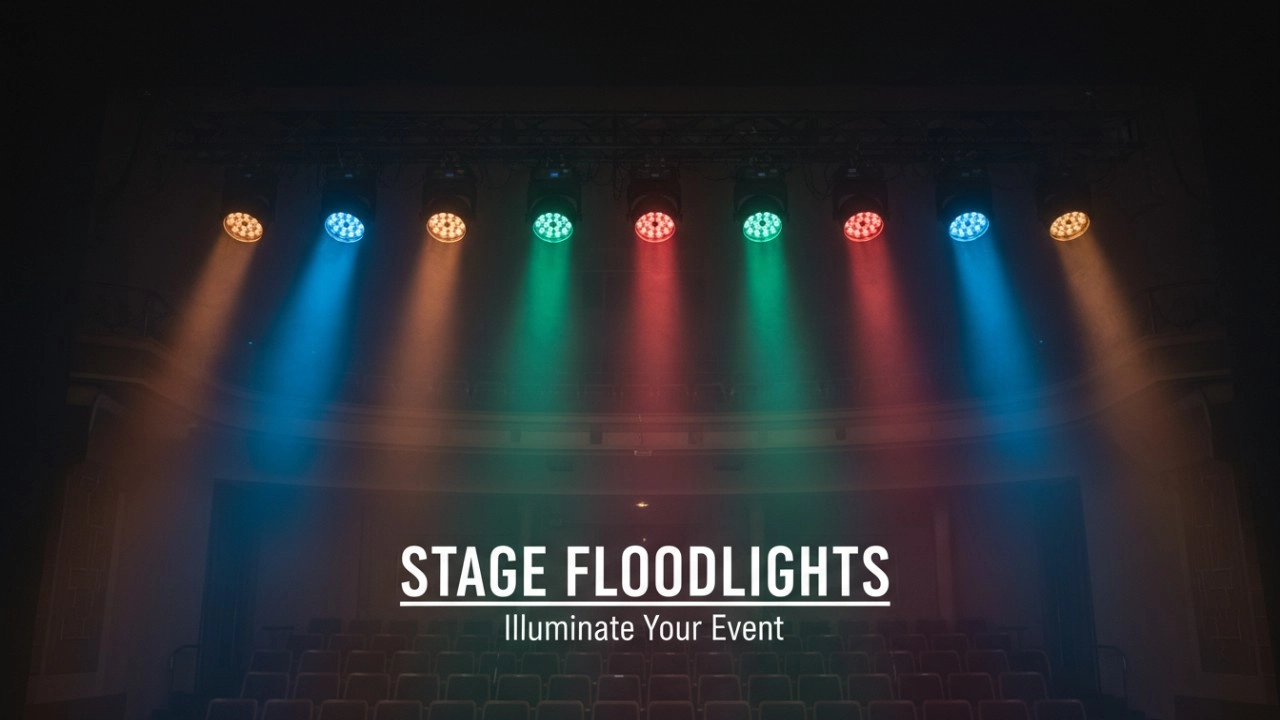
Spotlight vs. Stage Flood Lights: Which One Does Your Production Actually Need?
Spotlight vs. Floodlight vs. Beamlight: A Comparison of Moving Stage Lighting Fixtures
Mastering the Flash: 7 Advanced Strobe DJ Light Techniques for Pro Entertainers
Products
What is the lifespan of your LED stage lights?
Our LED lights use high-quality chips with a rated lifespan of over 50,000 hours. Proper usage and maintenance ensure long-term reliability and stable performance, making them a smart investment for any venue.
Can I customize the functions or software of the lights?
Absolutely. As a manufacturer with independent R&D capabilities, we offer customization for both hardware and software (such as DMX channel layout, built-in programs, or UI language). Contact us with your project needs, and our team will provide tailored solutions.
Company
Where is LiteLEES located?
Our headquarters and manufacturing facility are located in Guangzhou, China, with products exported to over 70 countries worldwide.
What certifications do your products have?
All LiteLEES products are certified by CE, RoHS, FCC, and BIS. Our factory is ISO9001 quality management system certified.
Can LiteLEES handle OEM/ODM orders?
Absolutely. With our strong R&D capabilities and advanced manufacturing, we can customize designs, features, and branding to meet your specific needs.
Magic Cube V8 IP
Want to get more up-to-date information?
If you have any comments or good suggestions, please leave us a message; later our professional staff will contact you as soon as possible.

We are professional stage lighting manufacturers offering OEM and ODM LED stage lights.
Contact
Email us
Call us
Address
No.6 Longnan Road, Huashan Town, Huadu District Guangzhou, Guangdong Province, China.
LiteLEES Professional
Less Lighting