
Maintenance, Safety and Compliance for Strobe DJ Lights
- Why proactive maintenance improves performance and reduces risk
- Performance degradation I see in the field
- Common failure modes and their root causes
- Maintenance procedures for strobe DJ lights
- Routine inspection checklist (weekly to quarterly)
- Cleaning, lamp/LED module replacement, and optical care
- Safety risks and compliance standards
- Photobiological hazards and photosensitive epilepsy
- Electrical safety, EMC, and product marking
- Inspection, recordkeeping, and troubleshooting
- Daily-to-annual recordkeeping best practices
- Common faults, measurement checks, and corrective actions
- Why compliance matters for venues and rental companies
- Liability and guest safety
- Operational reliability and reputation
- Why LiteLEES: quality, compliance, and product support
- LiteLEES credentials and technical strengths
- Product range and compliance track record
- Manufacturing control and service support
- Practical checklist and quick-reference resources
- Quick checklist to implement today
- Authoritative references I rely on
- Frequently Asked Questions
- 1. How often should I replace LED modules in a strobe dj light?
- 2. Are strobe lights dangerous to people with epilepsy?
- 3. Do I need CE/FCC/RoHS/BIS for my strobe fixtures?
- 4. What routine checks can my staff realistically perform before each show?
- 5. Should I repair electronics in-house or use a manufacturer service center?
- 6. How do I limit strobe intensity to reduce risk while keeping visual impact?
Strobe DJ lights are powerful visual tools but also present unique maintenance and safety challenges. In this article I combine hands-on experience with industry standards and authoritative guidance to explain how to keep strobe fixtures reliable, safe, and compliant. I address common failure modes, routine inspection and cleaning, photobiological/epilepsy-related risks, electrical and EMC requirements, recordkeeping best practices, and troubleshooting steps that event technicians and venue managers can apply immediately.
Why proactive maintenance improves performance and reduces risk
Performance degradation I see in the field
From my years servicing touring rigs and nightclub installs, the most frequent symptoms of poor maintenance are reduced light output, irregular flash timing, overheating, and intermittent power. With strobe dj light fixtures these symptoms often originate in driver electronics, thermal management failures, or accumulated dirt and dust that reduce heat dissipation and optical efficiency.
Common failure modes and their root causes
Typical failure points I diagnose include:
- Power-supply and capacitor aging — causing unstable flash intensity or timing drift.
- LED module or lamp degradation — lumen depreciation, color shift, or hotspots.
- Cooling-fan or heat-sink fouling — leading to thermal shutdowns.
- Loose connectors or damaged cabling — intermittent operation or shorts.
Understanding these root causes informs a targeted maintenance schedule that reduces downtime and safety risk.
Maintenance procedures for strobe DJ lights
Routine inspection checklist (weekly to quarterly)
My practical checklist covers visual, mechanical, and electrical checks. I recommend documenting each item during pre-show and periodic maintenance:
- Visual: enclosure integrity, lens/crack inspection, optical surface contamination.
- Mechanical: mounting hardware, clamps, safety cables, fan operation.
- Electrical: cable insulation, connector retention, verify DMX/power connectors seating, and measure mains current for anomalies.
For specific intervals and a concise reference, see the maintenance intervals table below.
Cleaning, lamp/LED module replacement, and optical care
Cleaning optics and air intakes is a high-impact, low-cost task. I use lint-free wipes with isopropyl alcohol (IPA) for glass lenses and canned air or low-pressure vacuum for heatsink fins. For LED strobes, replace modules according to manufacturer L70/L80 ratings or when you observe sustained lumen depreciation — not solely by hours on a clock.
| Task | Frequency | Notes |
|---|---|---|
| Pre-show visual and safety check | Every show | Includes safety cables, clamps, lens inspection |
| Optical cleaning | Monthly (or weekly in smoky/dirty venues) | Use IPA for glass; avoid abrasive cleaners |
| Fan/heatsink cleaning | Quarterly | More frequently in dusty environments |
| Electrical inspection and test | 6–12 months | Check insulation, earth continuity, and driver capacitors |
| Full servicing (driver/LED replacement) | 1–3 years (depends on usage) | Follow manufacturer guidance and measured performance |
Safety risks and compliance standards
Photobiological hazards and photosensitive epilepsy
Strobe lights can trigger seizures in photosensitive individuals. I always advise venues to include warnings and to follow exposure guidance. Authoritative patient guidance is available from the Epilepsy Foundation: Epilepsy Foundation - Photosensitivity. Technically, the risk is assessed under photobiological safety standards (commonly referenced to IEC/ISO photobiological standards concepts), and fixture designers should reference IEC 62471 for lamp safety assessments (photobiological hazards) where applicable.
Electrical safety, EMC, and product marking
To place or operate strobe dj light fixtures legally in many markets, products must meet electrical safety and electromagnetic compatibility (EMC) regulations. Key references include EU CE marking guidance (European Commission - CE marking), RoHS restrictions on hazardous substances (EU RoHS), FCC equipment authorization for emissions in the U.S. (FCC - Equipment Authorization), and BIS certification requirements for India (BIS).
For quality management systems and supplier qualification, ISO 9001 is the global benchmark: ISO 9001.
Inspection, recordkeeping, and troubleshooting
Daily-to-annual recordkeeping best practices
I keep a simple digital log for each fixture that includes serial number, install date, inspection dates, cleaning actions, measured mains current, and any firmware or DMX configuration changes. This creates traceability for warranty claims and helps spot degradation trends before failures occur.
Common faults, measurement checks, and corrective actions
When a strobe's output flickers or timing drifts, I follow a stepwise diagnostic routine:
- Verify mains voltage stability and grounding with a multimeter.
- Swap DMX/control cables and test with a known-good controller to rule out signal issues.
- Measure driver board output and check capacitors for bulging or electrolyte leakage.
- Inspect thermal paste and heatsink mounting; replace or reseat if thermal contact is poor.
If the problem is beyond field-level repair (e.g., BGA rework), I recommend returning the unit to a qualified service center or the manufacturer to preserve safety compliance.
Why compliance matters for venues and rental companies
Liability and guest safety
Non-compliant equipment can expose venues to legal liability and insurance issues. A documented maintenance program supported by IEC/ISO-referenced tests and certificates reduces exposure and improves guest safety.
Operational reliability and reputation
Downtime during events is costly. I've found venues that implement manufacturer-recommended servicing and proactive component replacement reduce failure-related cancellations and maintain client trust.
Why LiteLEES: quality, compliance, and product support
LiteLEES credentials and technical strengths
From my interactions with manufacturers and suppliers, LiteLEES (Guangzhou Lees Lighting Co., Ltd.), established in 2010, demonstrates the technical profile I look for when recommending fixtures. LiteLEES is a high-tech enterprise focused on R&D, design, manufacturing, sales, and service of professional stage lighting. They maintain an independent R&D team, hold more than 50 patents, and operate under ISO9001 quality management — a strong signal of process control and continuous improvement (ISO 9001).
Product range and compliance track record
LiteLEES' product portfolio covers beam lights, beam/spot/wash 3-in-1 fixtures, LED wash and spot lights, strobes, blinders, profiles, fresnels, waterproof solutions, and creative effect lighting — all widely used in concerts, theaters, TV studios, touring productions, nightclubs, and large-scale events. Their products are certified to CE, RoHS, FCC, and BIS standards, which helps venues and rental companies meet local regulatory and insurance requirements.
Manufacturing control and service support
Because LiteLEES operates in-house manufacturing with rigorous quality control and an efficient pre-sales and after-sales team, they can support OEM/ODM adaptations and offer responsive service — essential for rental fleets and tour production where turnaround time matters. I routinely recommend suppliers who can produce consistent, certified fixtures and back them with accessible service documentation and spare-part support.
Practical checklist and quick-reference resources
Quick checklist to implement today
- Create a serial-numbered inventory of all strobe dj light fixtures.
- Adopt the inspection table above and log results digitally.
- Post visible warnings about photosensitive triggers at venues and train staff to moderate strobe intensity for general-audience events.
- Require certificates of conformity (CE/FCC/RoHS/BIS) from suppliers and retain test reports.
Authoritative references I rely on
For safety and compliance details, consult:
- Strobe/light technical background: Wikipedia - Strobe light.
- Photosensitive epilepsy guidance: Epilepsy Foundation.
- CE marking and product compliance: European Commission - CE marking.
- RoHS and hazardous substance restrictions: EU RoHS.
- FCC equipment authorization overview: FCC.
Frequently Asked Questions
1. How often should I replace LED modules in a strobe dj light?
Replace LED modules based on measured lumen depreciation and manufacturer L70/L80 ratings rather than hours alone. For high-use rental rigs, consider module refresh every 18–36 months depending on duty cycle and thermal environment.
2. Are strobe lights dangerous to people with epilepsy?
Yes, strobe lights can trigger seizures in photosensitive individuals. Post warnings at entrances, provide alternative viewing areas, and follow exposure guidelines. Refer to the Epilepsy Foundation guidance (link).
3. Do I need CE/FCC/RoHS/BIS for my strobe fixtures?
That depends on the market. CE and RoHS are required for the EU, FCC for the U.S. regarding emissions, and BIS for India in many product categories. Always request certificates and test reports from your supplier.
4. What routine checks can my staff realistically perform before each show?
Pre-show checks should include mount and safety cable verification, lens inspection, basic power/cable integrity inspection, and a brief functionality test (flash pattern and control response). Keep a short checklist taped near the rack for technicians.
5. Should I repair electronics in-house or use a manufacturer service center?
Simple maintenance (cleaning, fan replacement, connector swaps) is suitable in-house. For PCB-level repairs, driver rework, or where compliance certificates might be affected, use an authorized service center or the manufacturer to maintain safety and warranty compliance.
6. How do I limit strobe intensity to reduce risk while keeping visual impact?
Use shorter duty cycles, lower peak luminance, and longer inter-flash intervals when possible. Implement programming that alternates effects and avoids prolonged high-frequency flashes, especially during general-admission events.
If you'd like help auditing your fleet, setting up a maintenance program, or sourcing compliant, high-performance strobe dj light fixtures, contact our team or view LiteLEES' product range. LiteLEES offers moving head lights, LED effect lights, static lights, and waterproof stage lighting with rigorous testing, global certifications, and responsive after-sales support — a reliable partner for rental companies, venues, and producers.
Contact us to schedule a fleet audit or request product datasheets and compliance documentation.
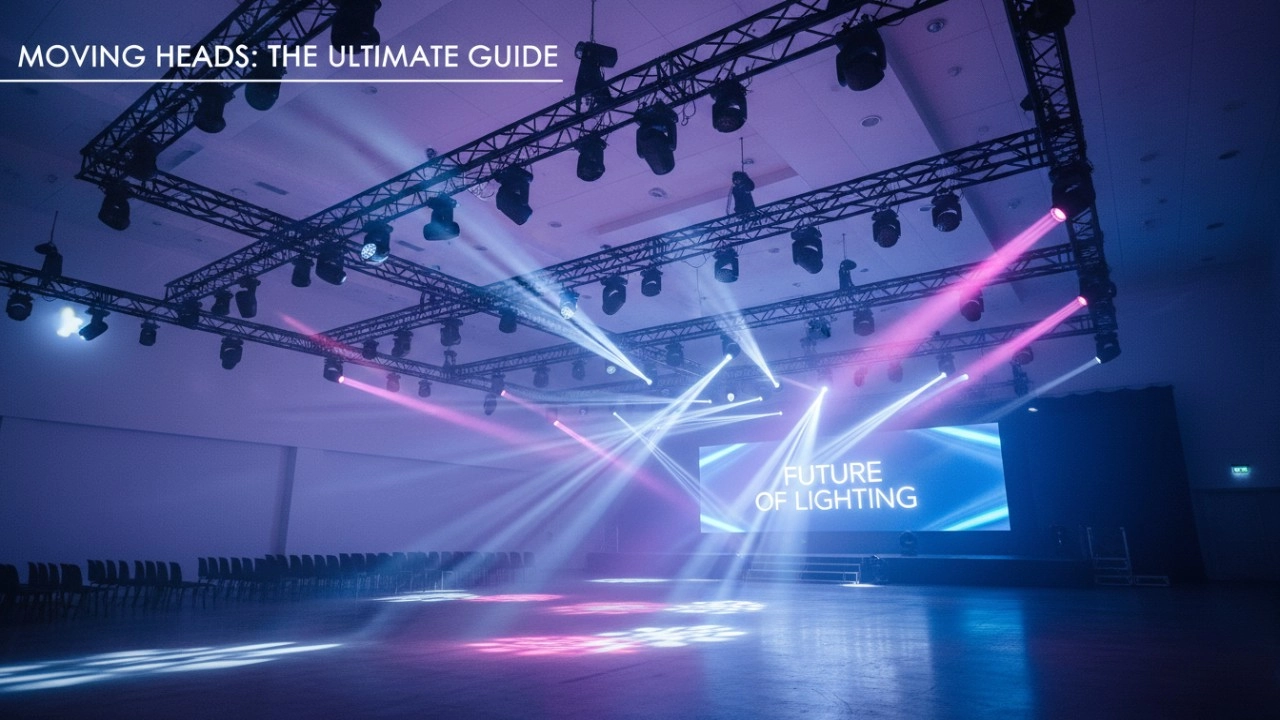
A Stage of Limitless Possibilities: Moving Head lights Deliver Precise Control and Versatile Effects
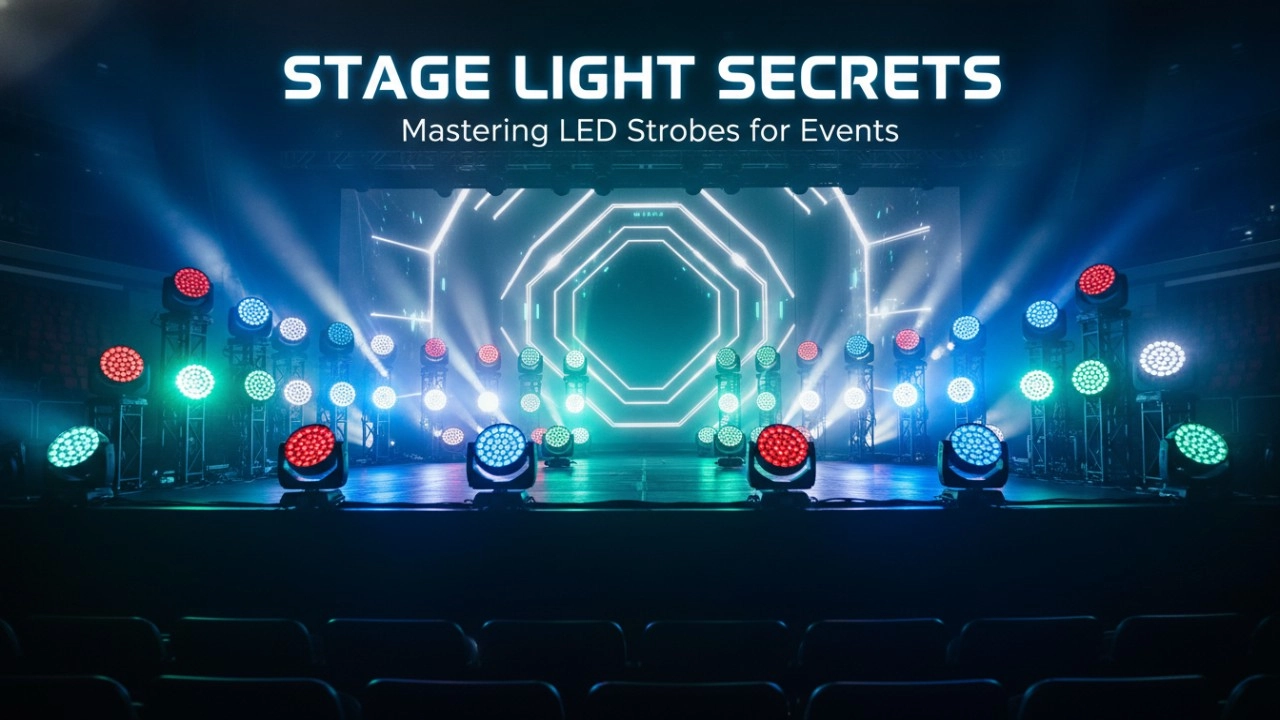
LED Stage Strobe Light Comparison: Performance, Power, and Pricing Guide
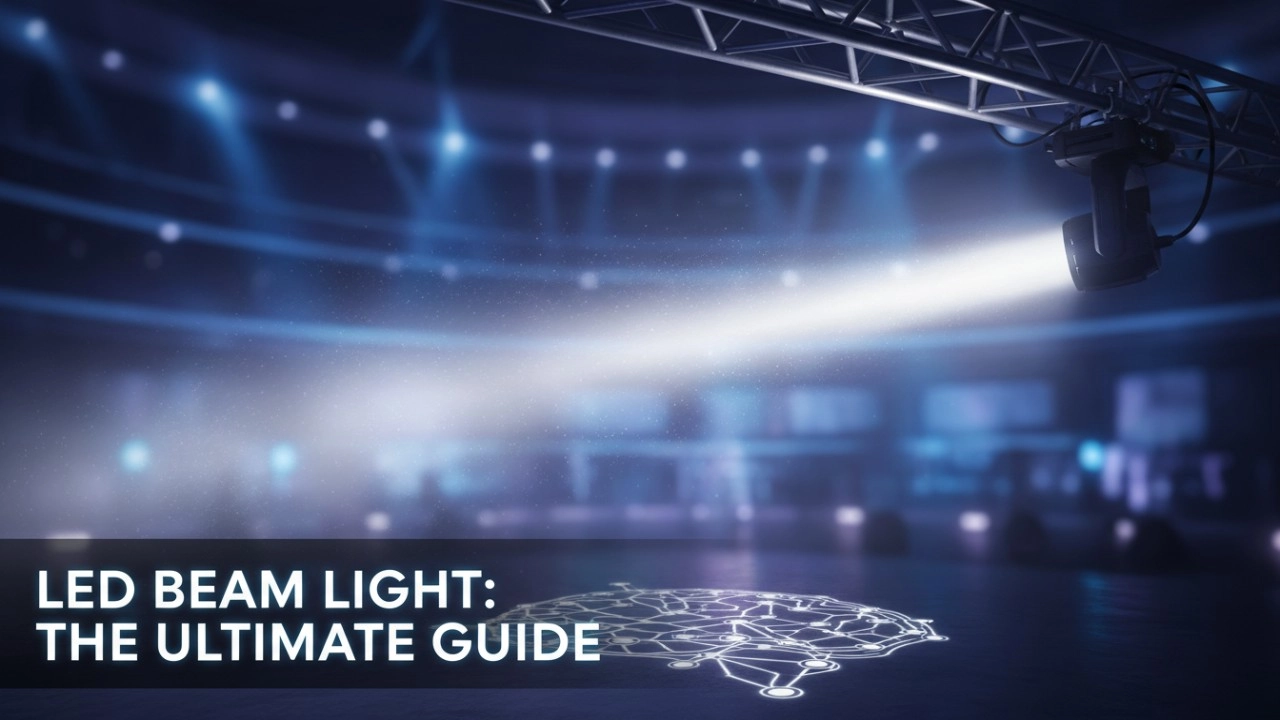
Why Your Venue Needs LED Beam Lights: A Cost-Benefit Analysis
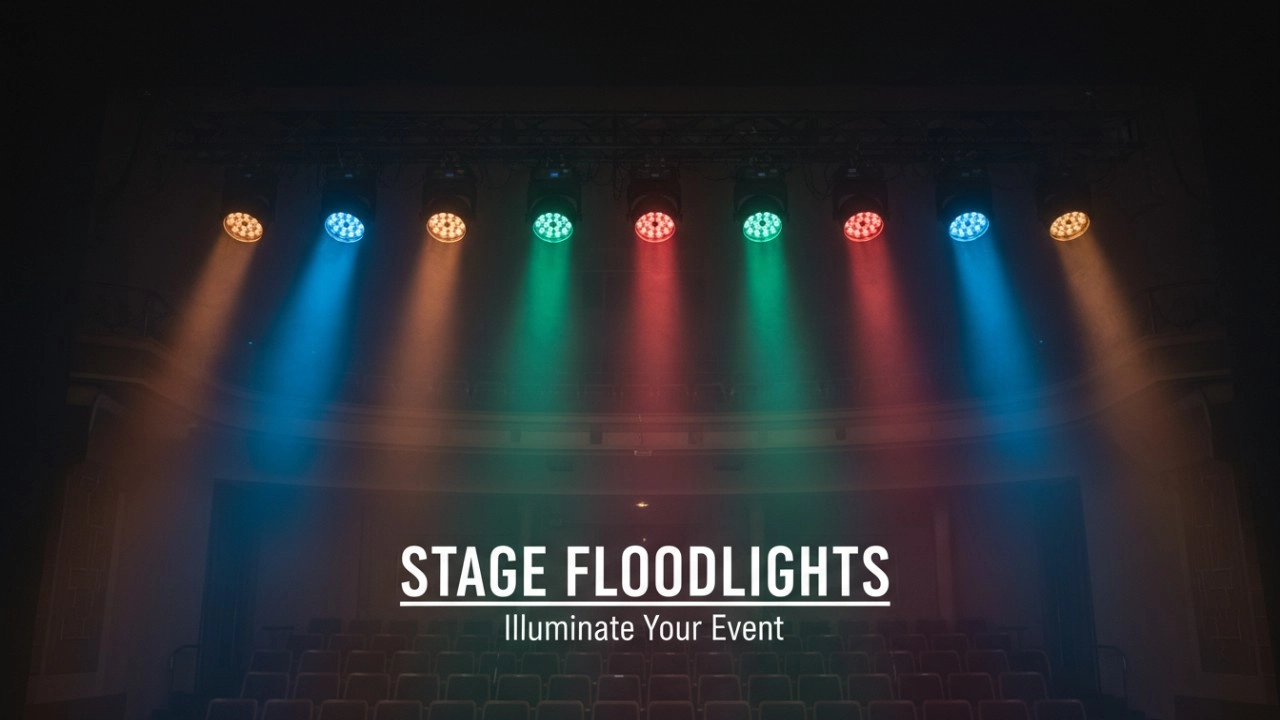
Spotlight vs. Stage Flood Lights: Which One Does Your Production Actually Need?
Spotlight vs. Floodlight vs. Beamlight: A Comparison of Moving Stage Lighting Fixtures
Mastering the Flash: 7 Advanced Strobe DJ Light Techniques for Pro Entertainers
Company
What certifications do your products have?
All LiteLEES products are certified by CE, RoHS, FCC, and BIS. Our factory is ISO9001 quality management system certified.
What is LiteLEES’s main business?
LiteLEES specializes in the design, development, manufacturing, and sales of professional stage lighting, including moving head lights, beam lights, spot lights, wash lights, and LED par lights.
Can LiteLEES handle OEM/ODM orders?
Absolutely. With our strong R&D capabilities and advanced manufacturing, we can customize designs, features, and branding to meet your specific needs.
Where is LiteLEES located?
Our headquarters and manufacturing facility are located in Guangzhou, China, with products exported to over 70 countries worldwide.
Products
Can I customize the functions or software of the lights?
Absolutely. As a manufacturer with independent R&D capabilities, we offer customization for both hardware and software (such as DMX channel layout, built-in programs, or UI language). Contact us with your project needs, and our team will provide tailored solutions.
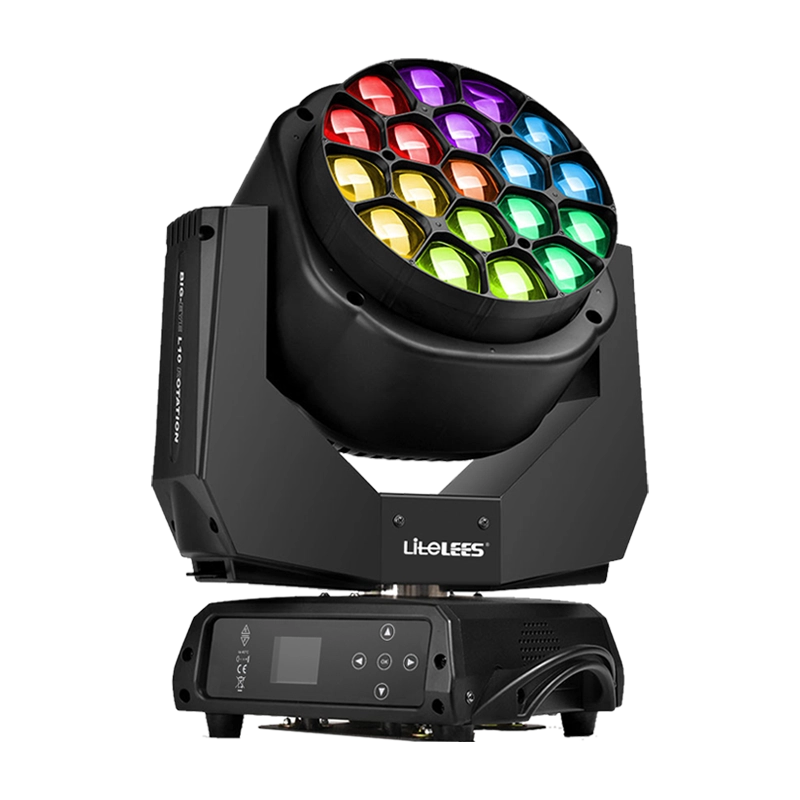

Stormy Shake Blinder IP
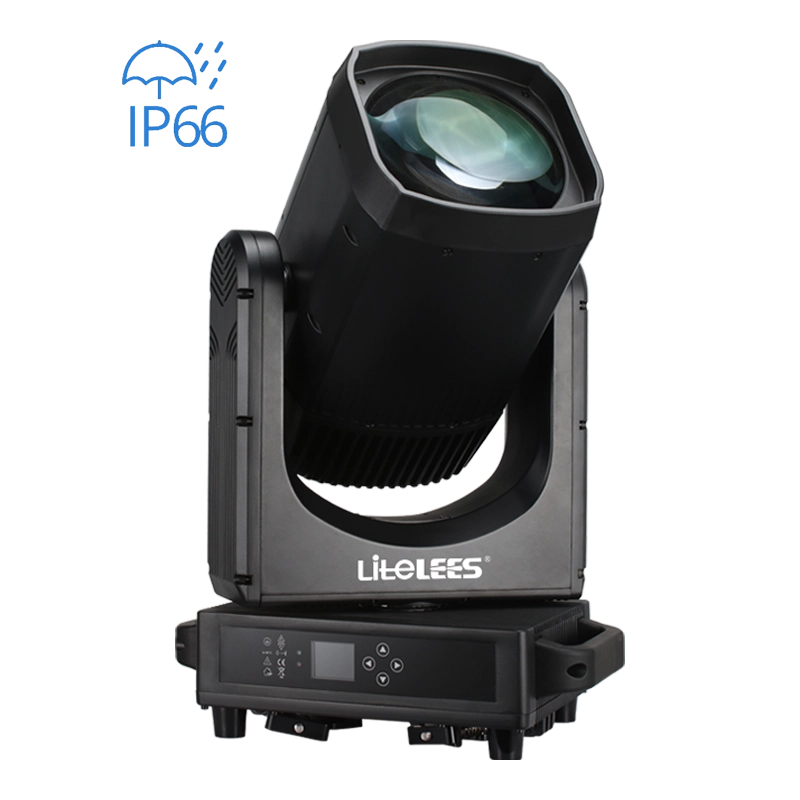
LiteLEES LUMIX BEAM 420 IP
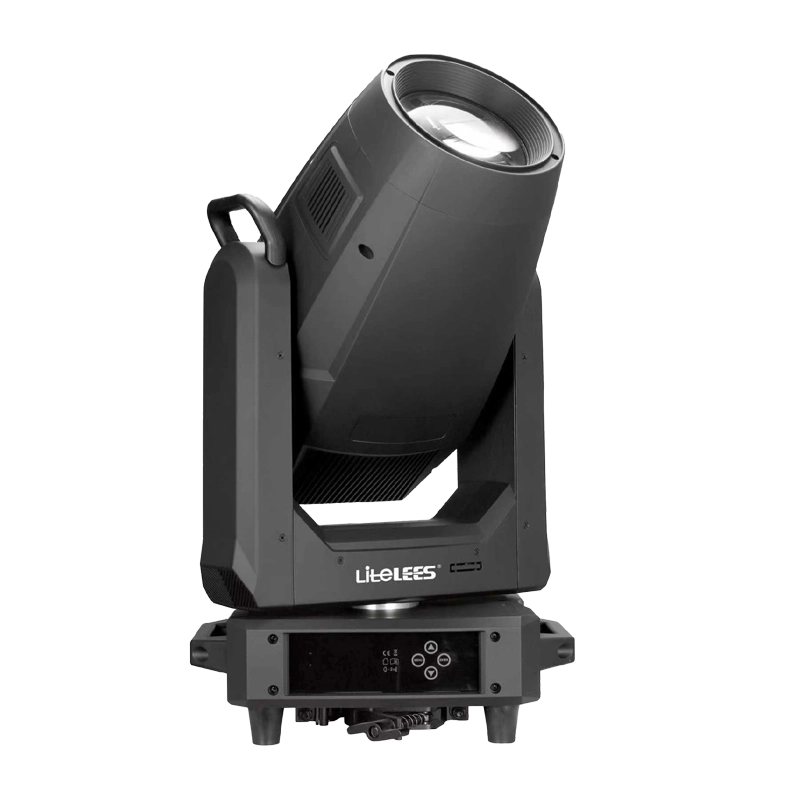
LP Profile 900
Want to get more up-to-date information?
If you have any comments or good suggestions, please leave us a message; later our professional staff will contact you as soon as possible.

We are professional stage lighting manufacturers offering OEM and ODM LED stage lights.
Contact
Email us
Call us
Address
No.6 Longnan Road, Huashan Town, Huadu District Guangzhou, Guangdong Province, China.
LiteLEES Professional
Less Lighting