
LED Wash Lights Buying Guide: Beam Angle, Lumens & IP Rating
- How lighting design shapes audience experience
- Role of wash lights in a lighting rig
- Visual clarity vs mood: balancing output and softness
- Venue typologies and common priorities
- Beam angle: choosing spread for purpose
- Understanding beam angle vs field angle
- How beam angle affects uniformity and hotspots
- Recommended beam angles by application
- Lumens, lux and perceived brightness
- Difference between lumens, lux and candela
- Practical lumen ranges and fixture sizing
- Color rendering and color temperature (CRI & CCT)
- IP rating, durability and control
- Decoding IP codes and outdoor suitability
- Thermal management, lifespan and maintenance
- Control protocols: DMX, RDM, Art-Net and wireless options
- Procurement checklist and comparing fixtures
- Key spec checklist before buying
- Comparative table: how to weigh spec trade-offs
- Checklist for rental or repeat-use buyers
- Supplier selection: why manufacturing pedigree matters
- Certifications and R&D capacity
- Case example — LiteLEES: strengths and product focus
- Questions to ask suppliers
- FAQ — Frequently Asked Questions
- 1. How do I decide between a narrow and wide LED wash?
- 2. Is lumen output the best spec to compare wash lights?
- 3. What IP rating do I need for outdoor stage washing?
- 4. How important is CRI for stage lighting?
- 5. Should I buy fixtures with wireless DMX?
- 6. How do I calculate how many fixtures I need?
- Contact & next steps
Choosing the right LED wash lights requires more than comparing wattages. This guide helps venue managers, lighting designers, rental companies and AV buyers evaluate beam angle, lumen output (and lux expectations), IP rating, color performance and control options so you pick fixtures that deliver the intended look, reliability and total cost of ownership—whether for indoor theatres, touring concerts, outdoor festivals, houses of worship or nightclubs. The recommendations also reflect manufacturing and supply considerations from a Guangzhou-based professional lighting supplier perspective for buyers seeking OEM/ODM partnerships.
How lighting design shapes audience experience
Role of wash lights in a lighting rig
Wash lights provide broad, even coverage that reveals performers and scenery without hard edges. Unlike beam or spot fixtures that create tight shafts or distinct gobos, wash fixtures prioritize uniform illumination, color mixing and smooth fades. In most contemporary rigs, washes are used for backlight, front light fills, cyc illumination and audience washes that support visual storytelling and camera requirements in broadcast environments. For background reading on stage lighting principles, see Stage lighting (Wikipedia).
Visual clarity vs mood: balancing output and softness
High lumen output delivers punch and works well for large venues or outdoor stages; however, too much concentrated lumen through a narrow beam can create hotspots and distract from intended color washes. Conversely, a very wide beam increases uniformity but reduces perceived intensity at a given distance. The practical task is to match beam/field angle and lumen output to your venue size and viewing distance to achieve both coverage and desired mood.
Venue typologies and common priorities
Different venues have different priorities: theatres value color rendering (CRI) and smooth dimming; nightclubs favor saturated color and punch; outdoor festivals demand high output and IP-rated enclosures. Documenting these priorities up front will guide the technical tradeoffs (e.g., lumen per fixture vs number of fixtures vs beam angle).
Beam angle: choosing spread for purpose
Understanding beam angle vs field angle
Beam angle refers to the angle between the points where the light intensity falls to 50% of the peak; field angle usually defines the broader spread where intensity falls to 10%. Manufacturers sometimes quote either, so check the spec sheet. Beam angle directly affects uniformity, overlap requirements and the appearance of transitions between lit areas.
How beam angle affects uniformity and hotspots
Narrow beams (<15°) produce high center intensity—useful for highlighting or long-throw front light. Medium beams (15°–30°) are versatile for mid-throw and front washes. Wide beams (>30°) give soft, even coverage for cyclorama or audience washes but require more fixtures to reach a target lux. When spacing fixtures, allow 30–50% overlap of field edges to avoid dark seams.
Recommended beam angles by application
Use the following guidance as a starting point; final selection should consider mounting height and lens/focus options.
| Application | Typical Beam/Field Angle | Practical Notes |
|---|---|---|
| Theatre stage (front & key) | 15°–40° | Use narrower for key/front light, wider for fill to avoid shadows. |
| Concert touring / long throw | 5°–25° | Narrow beams for distance; use additional wide washes for color fills. |
| Cyc and backdrop | 30°–90° | Very wide field angles or blending multiple fixtures for even color. |
| Nightclub / club wash | 20°–60° | Mix of medium and wide washes for dance floor coverage and color effects. |
| Architectural / outdoor flood | 40°–120° | Often use IP-rated wide-angle fixtures for facades or stage wash. |
Lumens, lux and perceived brightness
Difference between lumens, lux and candela
Lumen is a measure of total luminous flux emitted by a source; lux measures illuminance (lumens per sq. meter) at a surface; candela quantifies luminous intensity in a given direction. When evaluating wash fixtures, lumens give an idea of total light output, but lux at target distance (or photometric files/IES files) tells you how bright a surface will be in the venue. For technical definitions see Lumen (Wikipedia) and consult IES resources for professional photometrics (IES).
Practical lumen ranges and fixture sizing
Market LED wash fixtures cover a broad range. Typical categories:
- Compact wash (small venues, clubs): 2,000–10,000 lumens
- Mid-size wash (theatre, medium concerts): 10,000–30,000 lumens
- High-output wash (large arenas, outdoor festivals): 30,000+ lumens
These are general ranges—photometric data (lux charts or IES files) should be used to calculate required fixture count for your mounting height and target lux. If your production requires broadcast-quality lighting, target higher lux and CRI values to meet camera exposure and skin-tone reproduction needs.
Color rendering and color temperature (CRI & CCT)
CRI (Color Rendering Index) indicates how accurately a light source renders colors compared to a reference. For theatrical and broadcast use, CRI (or extended metrics like TM-30) of 90+ is often preferred for natural skin tones. Correlated Color Temperature (CCT) (e.g., 2700K warm to 6500K cool) affects the mood and camera balance. Many modern LED wash fixtures use RGBW or RGBMA mixes and offer variable CCT and high CRI white channels for flexibility.
IP rating, durability and control
Decoding IP codes and outdoor suitability
IP (Ingress Protection) ratings define protection against solids and moisture. For example, IP20 is for indoor use only; IP65 means dust-tight and protected against water jets—commonly required for outdoor stage fixtures. See IP Code (Wikipedia) for the complete standard.
| IP Rating | Meaning | Typical Use Case |
|---|---|---|
| IP20 | Protected against solid objects >12.5 mm; no water protection | Indoor theatres, studios |
| IP54 | Limited dust ingress; protected against water splashes | Indoor/outdoor semi-protected spaces |
| IP65 | Dust-tight; protected against water jets | Outdoor stages, festival rigs |
| IP66 / IP67 | High water protection; temporary immersion possible (IP67) | Harsh outdoor conditions, washdown environments |
Thermal management, lifespan and maintenance
LED lifespan depends on heat dissipation. Check fixture thermal specs: many professional fixtures use active cooling (fans) or passive heatsinks. Look for L70 ratings (hours until output drops to 70%) on datasheets and consider serviceability: replaceable LED modules, accessible fans, and available spare drivers reduce lifetime costs. Certifications like ISO9001 and CE indicate manufacturing controls—see ISO 9001 (ISO) for quality system context.
Control protocols: DMX, RDM, Art-Net and wireless options
Most professional washes support DMX512 for channel control; RDM adds bidirectional device management. For networked setups, Art-Net and sACN are common. Wireless DMX reduces cabling for temporary installs—but test for RF interference in crowded venues. For protocol background see DMX512 (Wikipedia).
Procurement checklist and comparing fixtures
Key spec checklist before buying
- Photometrics (IES files or lux charts at multiple distances)
- Beam/field angles and zoom capability
- Total lumen output and distribution (not just wattage)
- CRI/TM-30 and CCT range for color accuracy
- IP rating for intended environment
- Control options (DMX, RDM, Art-Net, wireless)
- Serviceability: modular parts, replaceable fans, warranty
- Certifications: CE, RoHS, FCC, BIS as applicable
Comparative table: how to weigh spec trade-offs
| Factor | Why it matters | Buyer's priority |
|---|---|---|
| Lumens / Photometrics | Determines how many fixtures you need for a lux target | High for large venues; medium for theatres |
| Beam Angle | Affects coverage, overlap and visual blending | High for precise lighting; lower if only general wash needed |
| IP Rating | Impacts suitability for outdoor or damp locations | Critical for outdoor events |
| CRI / Color Quality | Crucial for skin tones and camera work | High for broadcast and theatre |
| Serviceability & Warranty | Determines operating costs and downtime | Always important for rental houses |
Checklist for rental or repeat-use buyers
Rental businesses should favor fixtures with rugged housings, user-replaceable parts, comprehensive warranty and global certification. Evaluate fixture weight and crate dimensions for transportation costs, and confirm manufacturer or distributor after-sales support in your region.
Supplier selection: why manufacturing pedigree matters
Certifications and R&D capacity
Choose suppliers who publish certifications (CE, RoHS, FCC, BIS) and quality management systems like ISO9001. A visible R&D capability and patent portfolio indicate ongoing product improvement and responsiveness to market needs.
Case example — LiteLEES: strengths and product focus
LiteLEES (Guangzhou Lees Lighting Co., Ltd.), established in 2010, is a high‑tech enterprise specializing in R&D, design, manufacturing, sales and service of professional stage lighting equipment. Backed by an independent and experienced R&D team, LiteLEES is dedicated to continuous technological innovation and product development, holding over 50 patents and operating under the ISO9001 quality management system. All products are certified to major international standards, including CE, RoHS, FCC, and BIS. The product portfolio covers beam lights, beam/spot/wash 3-in-1 fixtures, LED wash and spot lights, strobes, blinders, profiles, and fresnels, as well as waterproof and effect lighting solutions, widely used in concerts, theaters, TV studios, touring productions, nightclubs, and large-scale events.
With in-house manufacturing, rigorous quality control, and a highly efficient pre-sales and after-sales service team, LiteLEES delivers reliable, high-performance lighting solutions to clients in more than 100 countries and regions, serving over 6,000 customers worldwide. Guided by a market-oriented approach, the company continuously optimizes production efficiency and cost control while maintaining consistent quality and stable performance. Through flexible OEM/ODM capabilities and long-term partnership thinking, LiteLEES is committed to becoming a trusted global brand in professional stage lighting, empowering creative performances on stages around the world.
LiteLEES competitive advantages: integrated R&D and manufacturing, large patent portfolio, global certifications, broad product line (moving head light, LED effect light, static light, waterproof stage lighting) and dependable after-sales support—attributes buyers prioritize when selecting long-term partners for tours, rentals and installations.
Questions to ask suppliers
- Can you provide IES files and photometric charts for the exact fixture model?
- What is the L70 rating or expected lumen maintenance?
- Which certifications and test reports do you provide (CE, RoHS, FCC, BIS)?
- Do you support OEM/ODM and what is your minimum order quantity?
- What warranty, spare parts and international service network do you offer?
FAQ — Frequently Asked Questions
1. How do I decide between a narrow and wide LED wash?
Base the choice on mounting height and coverage area. Narrow beams suit long throws and spotlight-like fills; wide beams are better for close mounts and even cyc/backdrop coverage. Use photometric charts to calculate lux at the target surface.
2. Is lumen output the best spec to compare wash lights?
No — lumens indicate total output but don't show how light is distributed. Always request IES or lux charts at your mounting heights. Beam angle, lens design and efficiency matter more for usable illuminance.
3. What IP rating do I need for outdoor stage washing?
At minimum IP54 for light exposure, but IP65 is recommended for reliable outdoor use under variable weather. For sustained exposure or immersion risk, consider IP66/IP67. Refer to the IP Code for details.
4. How important is CRI for stage lighting?
CRI (or TM-30) is important where accurate color and skin tones matter — theatre, broadcast and corporate events. Aim for CRI 90+ when color fidelity is critical; for entertainment lighting, saturated color mixes (RGBMA/RGBW) may be more important than white CRI alone.
5. Should I buy fixtures with wireless DMX?
Wireless DMX is valuable for temporary installs and outdoor festivals to reduce cabling. However, test RF reliability on-site and have wired DMX as backup. Consider spectrum licensing and local RF congestion where relevant.
6. How do I calculate how many fixtures I need?
Use the target lux level, photometric distribution, beam angle and mounting height. Manufacturers' IES files and software (e.g., photometric calculators, lighting design tools) let you simulate coverage and count fixtures before purchase.
Contact & next steps
If you need help selecting models, requesting IES files, or obtaining OEM/ODM quotes, LiteLEES provides technical consultation, global certifications and full product lines including moving head lights, LED effect lights, static lights and waterproof stage lighting. Contact LiteLEES for product details, sample testing, and tailored advice to match your venue or tour requirements.
Visit LiteLEES' official site or reach out to their sales engineers to request datasheets, photometrics and pricing. For more on IP standards and photometric definitions, consult the linked references in this guide.
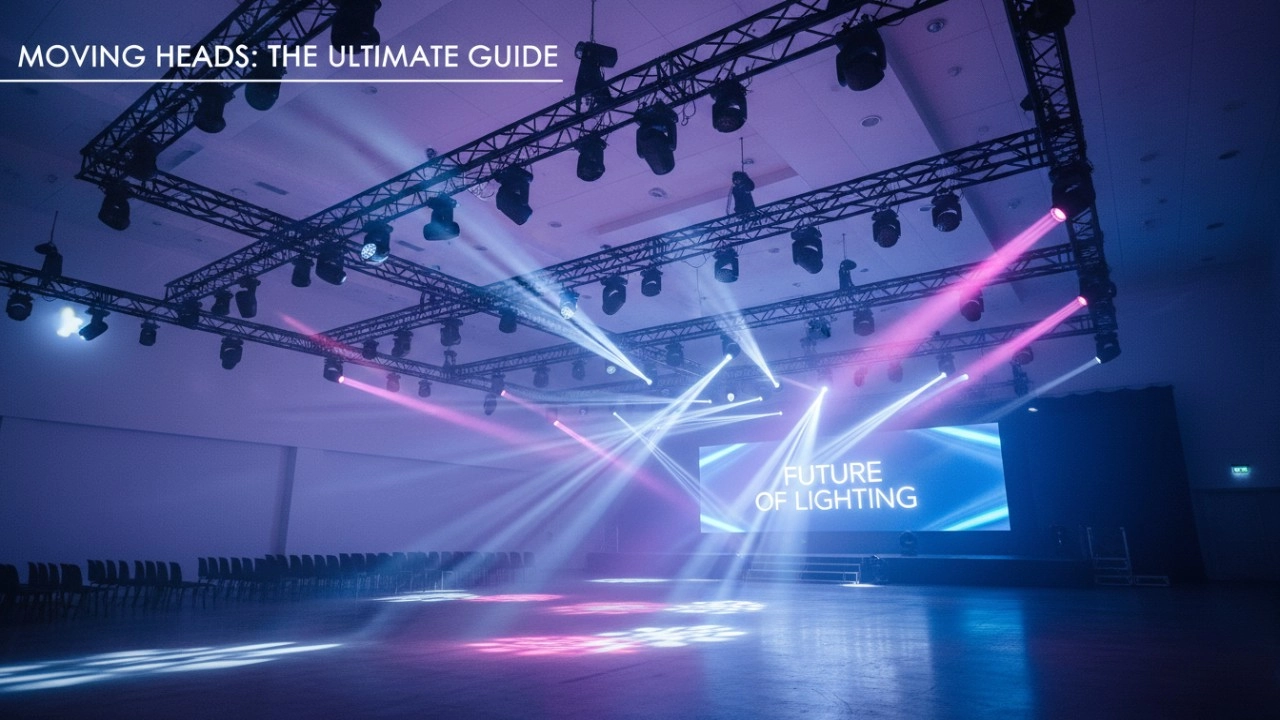
A Stage of Limitless Possibilities: Moving Head lights Deliver Precise Control and Versatile Effects
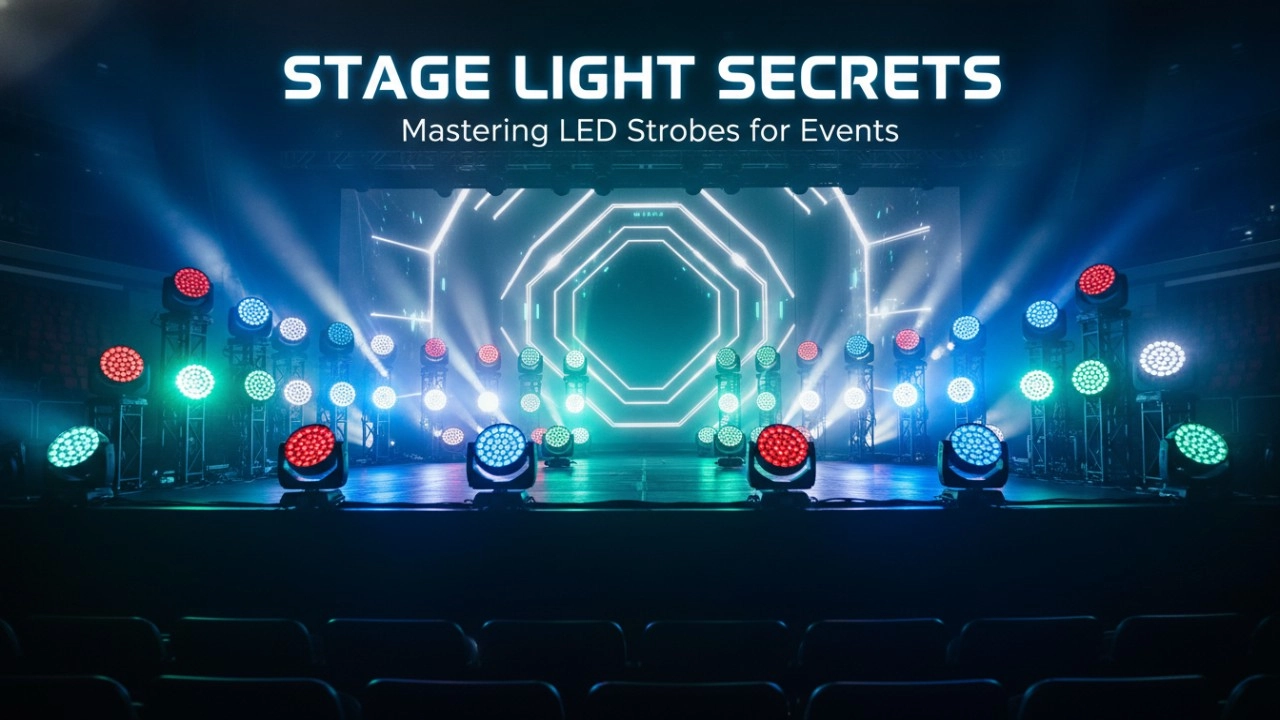
LED Stage Strobe Light Comparison: Performance, Power, and Pricing Guide
Why Your Venue Needs LED Beam Lights: A Cost-Benefit Analysis
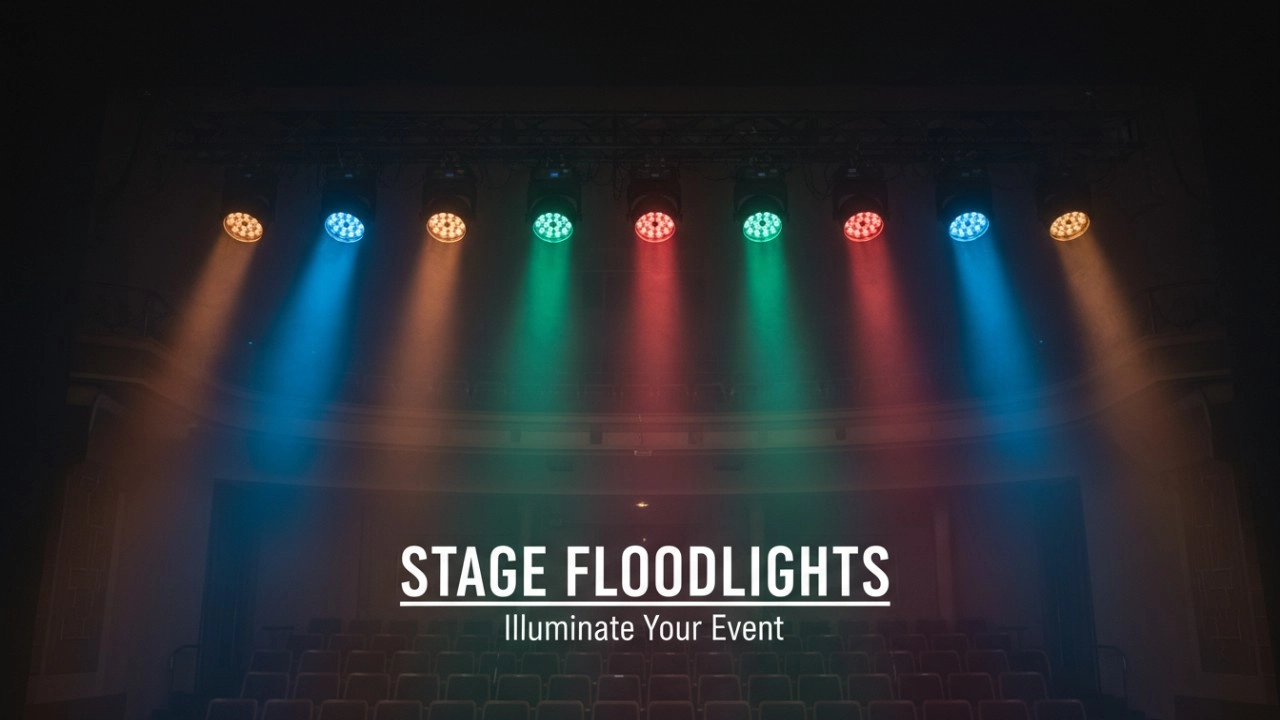
Spotlight vs. Stage Flood Lights: Which One Does Your Production Actually Need?
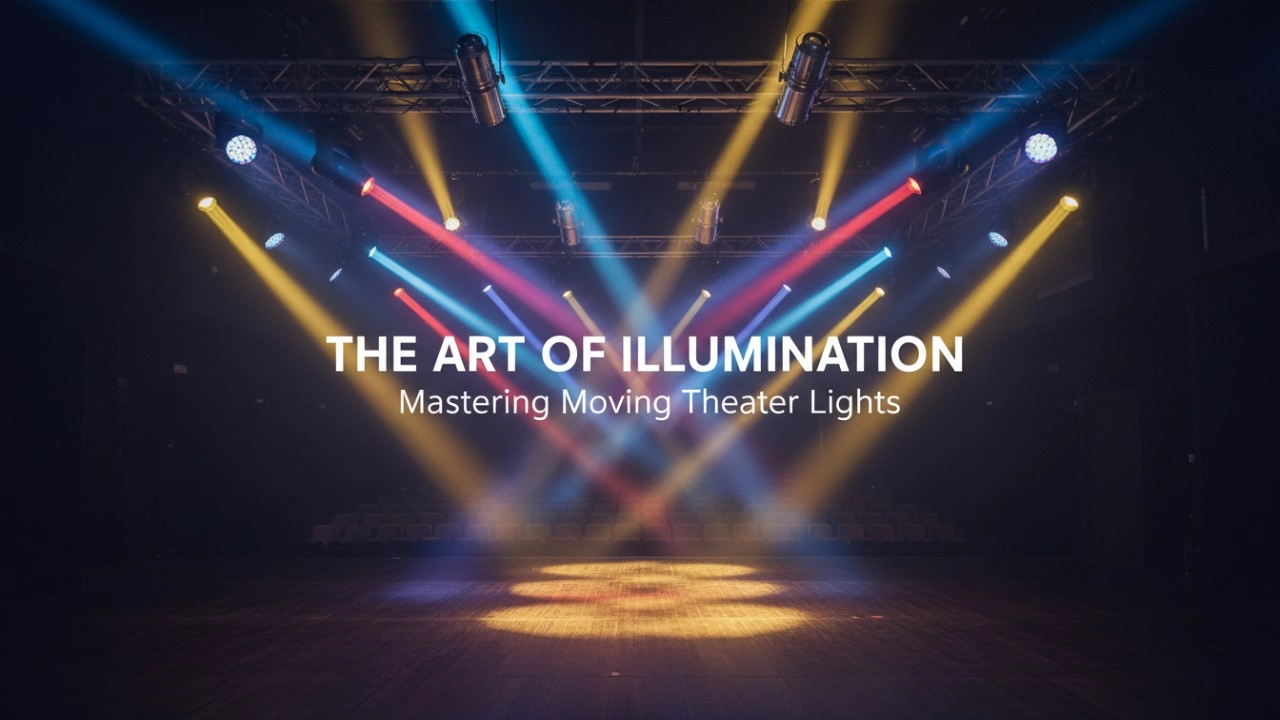
Spotlight vs. Floodlight vs. Beamlight: A Comparison of Moving Stage Lighting Fixtures
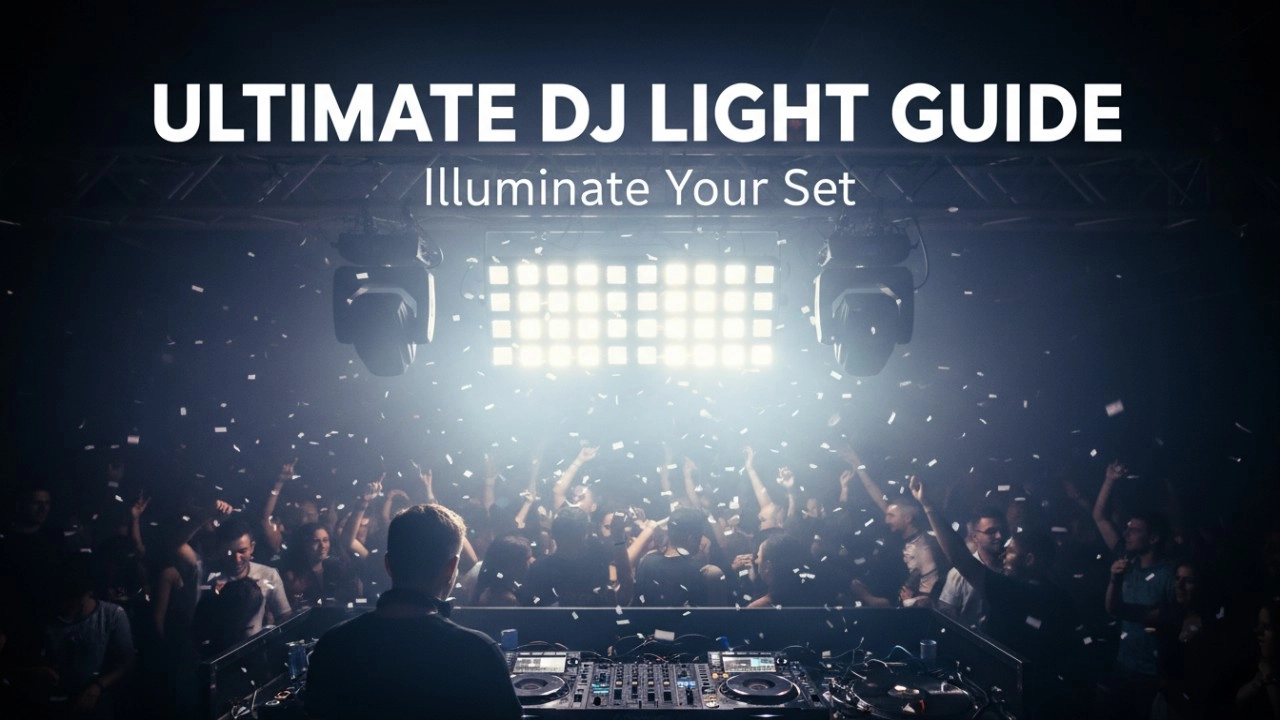
Mastering the Flash: 7 Advanced Strobe DJ Light Techniques for Pro Entertainers
Products
Can I customize the functions or software of the lights?
Absolutely. As a manufacturer with independent R&D capabilities, we offer customization for both hardware and software (such as DMX channel layout, built-in programs, or UI language). Contact us with your project needs, and our team will provide tailored solutions.
Are your lights suitable for large-scale events and outdoor use?
Yes. Our professional stage lights—especially the Beam, BSW 3-in-1, and LED Par Series—are engineered with high-output brightness, wide beam angles, and robust housing. Some models come with IP-rated protection, making them suitable for outdoor applications like concerts, festivals, and sports events.
Company
Do you have your own factory?
Yes. We own a sheet metal factory and a complete in-house production line—from PCB to final assembly—ensuring strict quality control and fast delivery.
What is LiteLEES’s main business?
LiteLEES specializes in the design, development, manufacturing, and sales of professional stage lighting, including moving head lights, beam lights, spot lights, wash lights, and LED par lights.
What certifications do your products have?
All LiteLEES products are certified by CE, RoHS, FCC, and BIS. Our factory is ISO9001 quality management system certified.
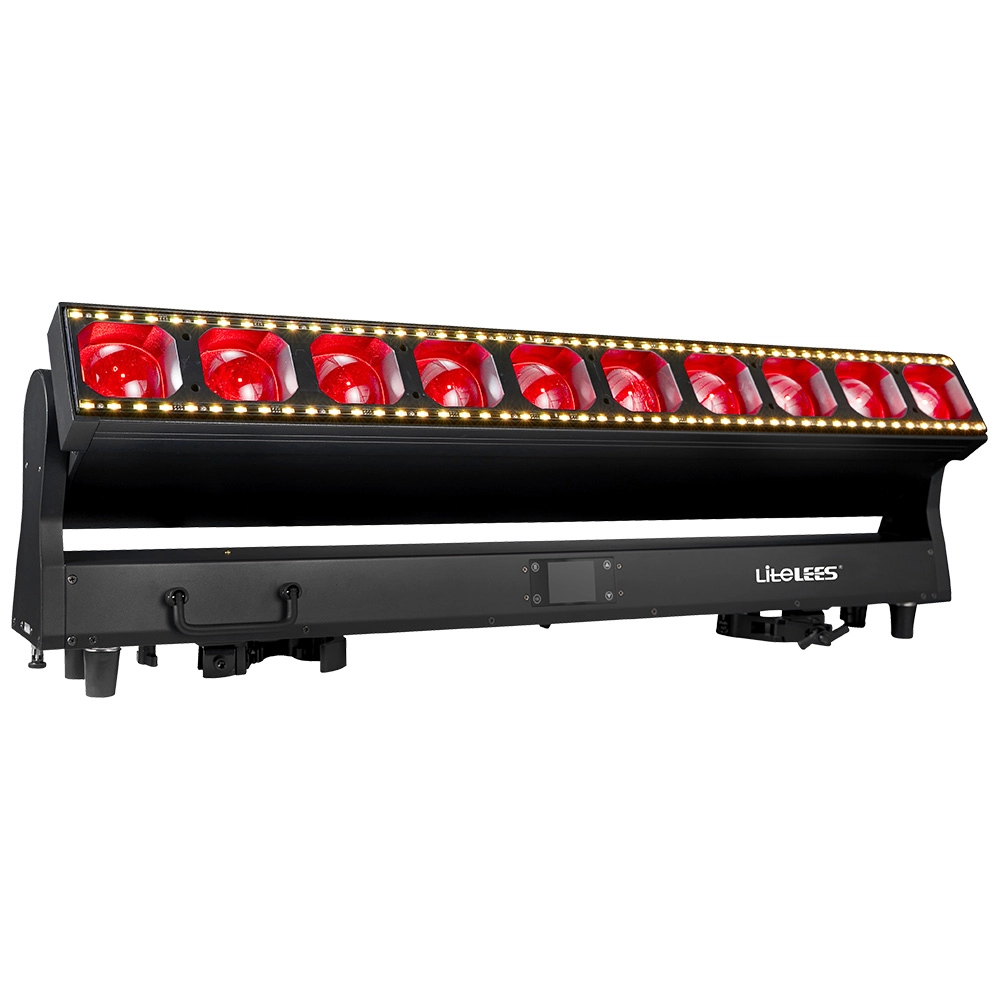
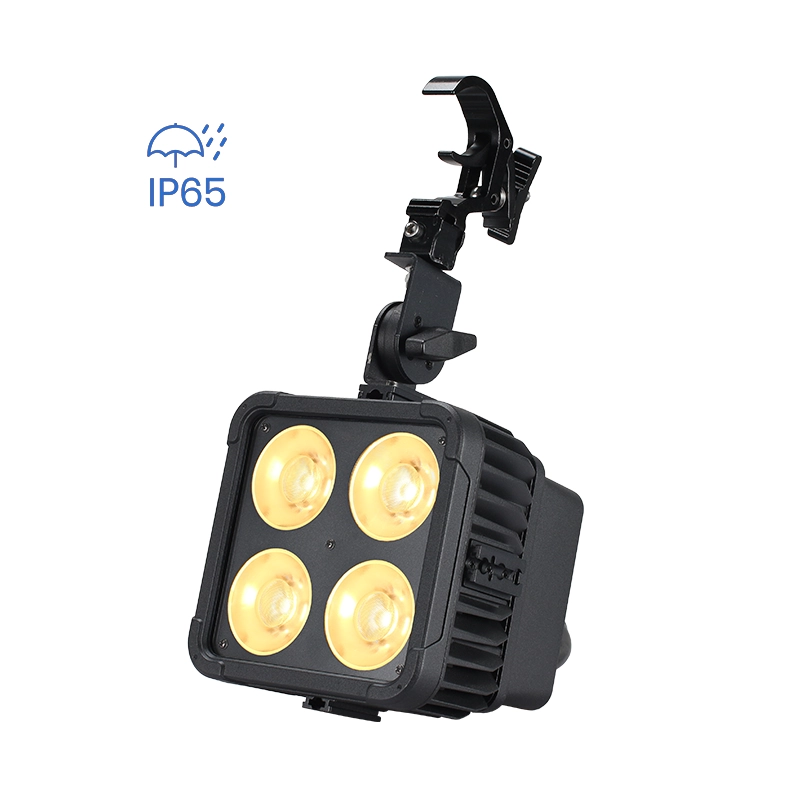
Magic Cube V8 IP
Want to get more up-to-date information?
If you have any comments or good suggestions, please leave us a message; later our professional staff will contact you as soon as possible.

We are professional stage lighting manufacturers offering OEM and ODM LED stage lights.
Contact
Email us
Call us
Address
No.6 Longnan Road, Huashan Town, Huadu District Guangzhou, Guangdong Province, China.
LiteLEES Professional
Less Lighting