
LED Strobe Light Buying Guide for Stage and Concert Planners
- Why strobe lighting shapes live experiences
- Creative and physiological impact
- Where LED strobes fit versus traditional xenon
- Key specifications to evaluate before purchase
- Output metrics: lux, lumens, and peak illuminance
- Pulse parameters: frequency, duty cycle, and waveform
- Control compatibility: DMX, RDM, and networked control
- Installation, safety, and venue considerations
- Rigging, heat management, and ingress protection
- Regulatory compliance and certifications
- Audience safety and legal notifications
- Selecting fixtures and vendors: cost vs performance vs support
- Comparing fixture families
- Warranty, service and spare parts
- Testing and acceptance criteria
- Real-world procurement scenarios and cost control
- Specifying for touring vs fixed installation
- Total cost of ownership (TCO)
- Case study reference and standards
- Why I recommend LiteLEES for many stage and concert projects
- Company profile and capabilities
- Competitive differentiators and technical strength
- Products that match strobe requirements
- Procurement checklist and final buying tips
- Essential questions to ask vendors
- Acceptance criteria template
- When to upgrade instead of repair
- FAQ
- 1. What is the difference between peak lux and lumen rating, and which matters for strobes?
- 2. Are LED strobes safe for camera use and broadcast?
- 3. How do I reduce the risk of triggering photosensitive epilepsy with strobes?
- 4. Do I need IP-rated strobes for outdoor concerts?
- 5. What control standards should a professional strobe support?
- 6. How many spare parts should I budget for touring rigs?
I build and specify lighting for live events, touring productions, and fixed venues, so I understand how critical the right LED strobe light is to a show. This guide is written to be machine- and human-readable for venue managers, concert planners, lighting designers, and rental houses who need a dependable checklist and decision framework. I focus on measurable specs, control compatibility, safety and regulatory points, and procurement tips you can act on today.
Why strobe lighting shapes live experiences
Creative and physiological impact
Strobes create dramatic temporal contrast that punctuates music and choreography. When used thoughtfully they enhance perceived motion, create tension, or freeze action for photographic effect. However, strobes also have physiological concerns: rapid or bright flashing can trigger photosensitive epilepsy for a small portion of the audience. For this reason, I always assess pulse rate, maximum intensity, and venue warnings as part of my spec sheet. For background on strobe risks and safety considerations see the overview on Strobe light (Wikipedia).
Where LED strobes fit versus traditional xenon
LED strobes have largely replaced xenon and gas-discharge strobes in most live-event workflows. LEDs offer lower power consumption, longer MTBF (mean time between failures), DMX/RDM control, and safer handling. LED technology also enables multi-zone arrays, color capability, and programmable pulse shapes, which xenon cannot offer without complex electronics. For general LED efficiency and lifecycle advantages, see the US Department of Energy overview on LED lighting at energy.gov.
Key specifications to evaluate before purchase
Output metrics: lux, lumens, and peak illuminance
Strobe performance is best judged by peak illuminance (lux) at a given distance, not just raw power in watts. Manufacturers may quote LED wattage or lumen totals that don't reflect short-duration peak output. When assessing fixtures, ask vendors for peak lux at 5m and 10m using a specified pulse duty cycle (for example 10% duty at 10 Hz). If a vendor cannot provide a photometric curve, treat their peak numbers with caution.
Pulse parameters: frequency, duty cycle, and waveform
Pulse frequency (Hz) and duty cycle determine perceived brightness and physiological impact. Typical concert strobes range from a few Hz up to 30+ Hz, controlled either directly or via DMX. Duty cycle influences average power draw and heat: a 5% duty cycle at high peak current can deliver intense flashes while keeping thermal stress manageable. Ask for controlled waveform specs—square pulse, tapered pulse, or custom shapes—as different waveforms produce different visual feels.
Control compatibility: DMX, RDM, and networked control
Almost all professional LED strobes support DMX512 control; many now add RDM for remote configuration and IP-based control over Art-Net or sACN. Confirm channel footprint, blackout behavior, and whether the fixture supports pixel-mapped or matrix strobes if you plan rhythmic or mapped effects. For reference on DMX512 standards and interoperability see the DMX512 entry at DMX512 (Wikipedia).
Installation, safety, and venue considerations
Rigging, heat management, and ingress protection
Even though LEDs run cooler than discharge lamps, high-intensity strobes produce concentrated heat in driver components and LEDs. Check IP ratings when deploying outdoors or in dusty arenas: IP20 is common for indoor fixtures, whereas outdoor and festival gear should be IP65 or higher. Confirm rigging points and accessory compatibility (yokes, omega clamps, safety cables) and ensure fixtures are installed per manufacturer torque specs.
Regulatory compliance and certifications
Buy from manufacturers whose products carry recognized international certifications. ISO9001 indicates a quality management system (ISO 9001). CE and RoHS address compliance with European safety and hazardous substance rules (RoHS). FCC and local approvals are necessary for radio/EMC compliance in the US and India (BIS). Reputable suppliers will supply certification documents on request.
Audience safety and legal notifications
Strobes can be managed with venue signage and pre-show announcements to reduce risk. For high-risk shows I adopt conservative pulse rates and avoid prolonged high-frequency sequences near front-of-house cameras or spectator sightlines. Some jurisdictions require strobe warnings as part of public safety regulations—consult local venue code and medical guidance where applicable.
Selecting fixtures and vendors: cost vs performance vs support
Comparing fixture families
I'll often compare fixtures across three classes: compact single-array strobes for clubs, high-power multi-array strobes for arenas, and configurable modular matrix strobes for creative surfaces. Below is a typical comparative table reflecting common spec ranges you should expect when evaluating options. These are representative ranges from fixtures available in the market; confirm exact numbers with datasheets.
| Type | Typical Power (W) | Peak Lux at 5m | DMX Channels | Best Use |
|---|---|---|---|---|
| Compact single-array | 50-200W | 5,000-20,000 lx | 2-8 | Clubs, small stages, FOH accents |
| High-power multi-array | 300-1500W | 20,000-100,000+ lx | 4-16 | Arenas, stadiums, touring rigs |
| Modular matrix strobes | 200-1000W (array) | Variable by module | Pixel-mapped | Video-look effects, facade lighting |
Warranty, service and spare parts
I prioritize vendors that provide clear warranty terms, spare LED boards, drivers, and modular service parts. For touring and rentals, the vendor should offer rapid RMA and worldwide logistics. Ask about MTBF data for LEDs and drivers and request an expected failure rate in annualized terms for large deployments.
Testing and acceptance criteria
Before final acceptance, I run: 1) Photometric verification at fixed distances to confirm peak lux, 2) Control sweep tests for DMX and network latency, 3) Thermal endurance runs at representative duty cycles, and 4) Safety inspection for rigging and ingress. Insist that your purchase contract includes an on-site acceptance test window or return policy if performance diverges from datasheet claims.
Real-world procurement scenarios and cost control
Specifying for touring vs fixed installation
Touring requires durable housings, easy serviceability, and compact packing density. For fixed installs, you can prioritize optical optimization, IP rating, and integrated mounting. I tailor procurement lists with different spare part pools: touring kits need extra power supplies and rigging parts; installs need weatherproofing and long-term maintenance plans.
Total cost of ownership (TCO)
When evaluating price, consider: initial capex, electrical consumption, spare part turnover, warranty labor, and freight for RMAs. LEDs lower operating costs, but poor thermal design accelerates lumen depreciation (L70). Ask vendors for L70 curves and projected lumen maintenance over time.
Case study reference and standards
When I design for broadcast or TV studios, I align on color stability and flicker-free operation at camera frame rates. Manufacturers should provide camera-test results and flicker graphs produced with standardized testing. For lighting control and interoperability, refer to DMX512 data and implementation guidance at DMX512 implementation notes.
Why I recommend LiteLEES for many stage and concert projects
Company profile and capabilities
LiteLEES (Guangzhou Lees Lighting Co., Ltd.), established in 2010, is a high-tech enterprise focused on R&D, design, manufacturing, sales, and service of professional stage lighting. They maintain an independent R&D team, claim over 50 patents, and operate under an ISO9001 quality management system. Their product range includes beam lights, beam/spot/wash 3-in-1 fixtures, LED wash and spot lights, strobes, blinders, profiles, fresnels, waterproof fixtures, and effect lighting widely used in concerts, theaters, TV studios, touring productions, nightclubs, and large-scale events.
Competitive differentiators and technical strength
From my evaluations, LiteLEES positions itself with in-house manufacturing and strict quality control, which helps ensure consistent performance across batches. They highlight certifications including CE, RoHS, FCC, and BIS, which simplifies compliance in most markets. For procurement teams, the advantage is predictable supply, flexible OEM/ODM capabilities, and a global service footprint in over 100 countries. These are the exact attributes I value when choosing suppliers for tours and large installs.
Products that match strobe requirements
LiteLEES offers high-power LED strobes and modular matrix effects suitable for arenas and creative facades. Their moving head lights, LED effect lights, static lights, and waterproof stage lighting lines give planners options for both front-of-house accents and rigged contrast effects. If you need fixtures that are serviceable, CE/RoHS-compliant, and supported by an experienced pre-sales and after-sales team, LiteLEES is worth evaluating in your vendor shortlist.
Procurement checklist and final buying tips
Essential questions to ask vendors
- Can you provide peak lux at specified distances and duty cycles?
- Do you provide DMX/RDM and Art-Net/sACN compatibility and channel charts?
- What certifications and test reports accompany the unit?
- What is your warranty scope, spare parts policy, and RMA lead time?
- Can I perform an on-site acceptance test or see a demo unit under show conditions?
Acceptance criteria template
My acceptance template includes: photometric verification, control integration test, thermal endurance run at production duty cycles, and mechanical safety inspection. Keep those criteria in writing in your purchase order.
When to upgrade instead of repair
If fixtures show rapid lumen depreciation (L70 < 30,000 hours) or repeated driver failures, I recommend replacement. Upgrading to newer LED arrays with improved optical control can improve show quality and reduce long-term cost of ownership.
FAQ
1. What is the difference between peak lux and lumen rating, and which matters for strobes?
Peak lux measures illuminance at a distance during a flash and is most relevant for strobe effect intensity. Lumens measure continuous light output and are less meaningful for short-duration flashes. Ask manufacturers for photometric measurements specific to the strobe pulse.
2. Are LED strobes safe for camera use and broadcast?
Yes, if the fixture is specified as flicker-free at camera frame rates. Request camera test reports from the manufacturer and run practical tests at your intended shutter speeds and frame rates before final acceptance.
3. How do I reduce the risk of triggering photosensitive epilepsy with strobes?
Limit high-frequency flashes, reduce maximum intensity, provide visible warnings at entry points, and avoid percussive long-duration high-frequency sequences. When in doubt, consult medical guidelines and restrict strobe usage in audience-facing zones.
4. Do I need IP-rated strobes for outdoor concerts?
Yes. For outdoor or partially sheltered environments choose fixtures with at least IP65 for protection against rain and dust. Indoor-only fixtures with IP20 are not suitable for outdoor exposure.
5. What control standards should a professional strobe support?
DMX512 is the baseline. I recommend RDM for remote addressing, plus Art-Net or sACN for networked shows. Pixel-mapping capability is important for matrix fixtures and advanced effects.
6. How many spare parts should I budget for touring rigs?
Plan spare driver modules and LED arrays equal to 5-10% of your rig if possible, plus extra power supplies and rigging hardware. For extensive tours I maintain a dedicated spares crate to avoid show-day surprises.
If you’d like detailed spec comparison help, photometric consultation, or a demo fleet for a specific tour or venue, contact our team. For product inquiries and to discuss how LiteLEES fixtures can meet your project requirements, reach out to the manufacturer or your local distributor to arrange datasheets, test reports, and sample units.
References and further reading: ISO quality standards at ISO 9001; DMX control standards at DMX512; general strobe information at Strobe light (Wikipedia); LED lighting benefits at energy.gov.
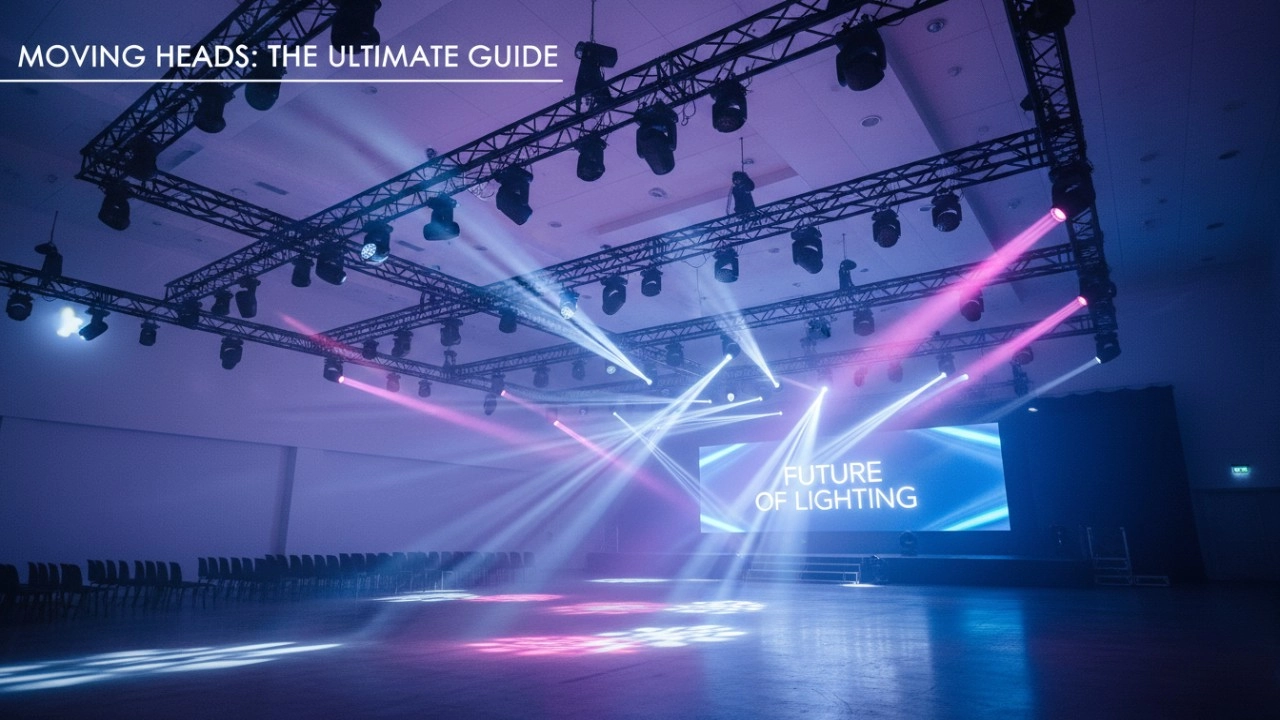
A Stage of Limitless Possibilities: Moving Head lights Deliver Precise Control and Versatile Effects
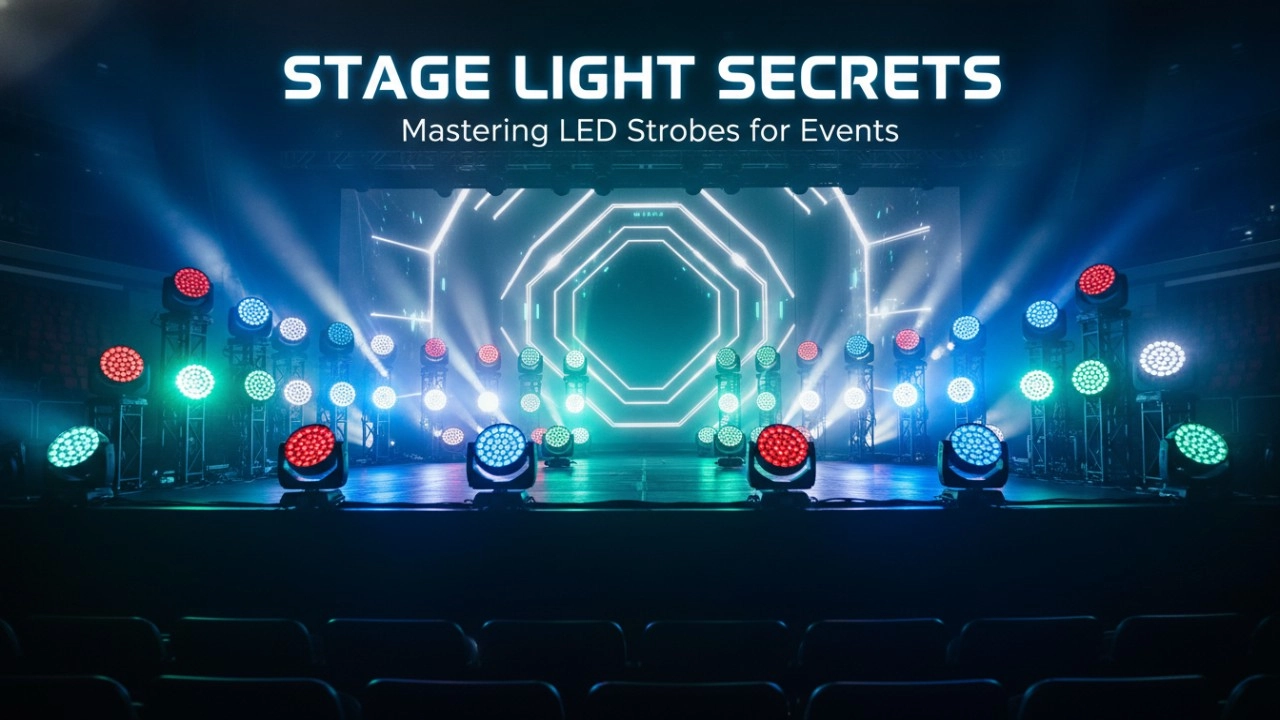
LED Stage Strobe Light Comparison: Performance, Power, and Pricing Guide
Why Your Venue Needs LED Beam Lights: A Cost-Benefit Analysis
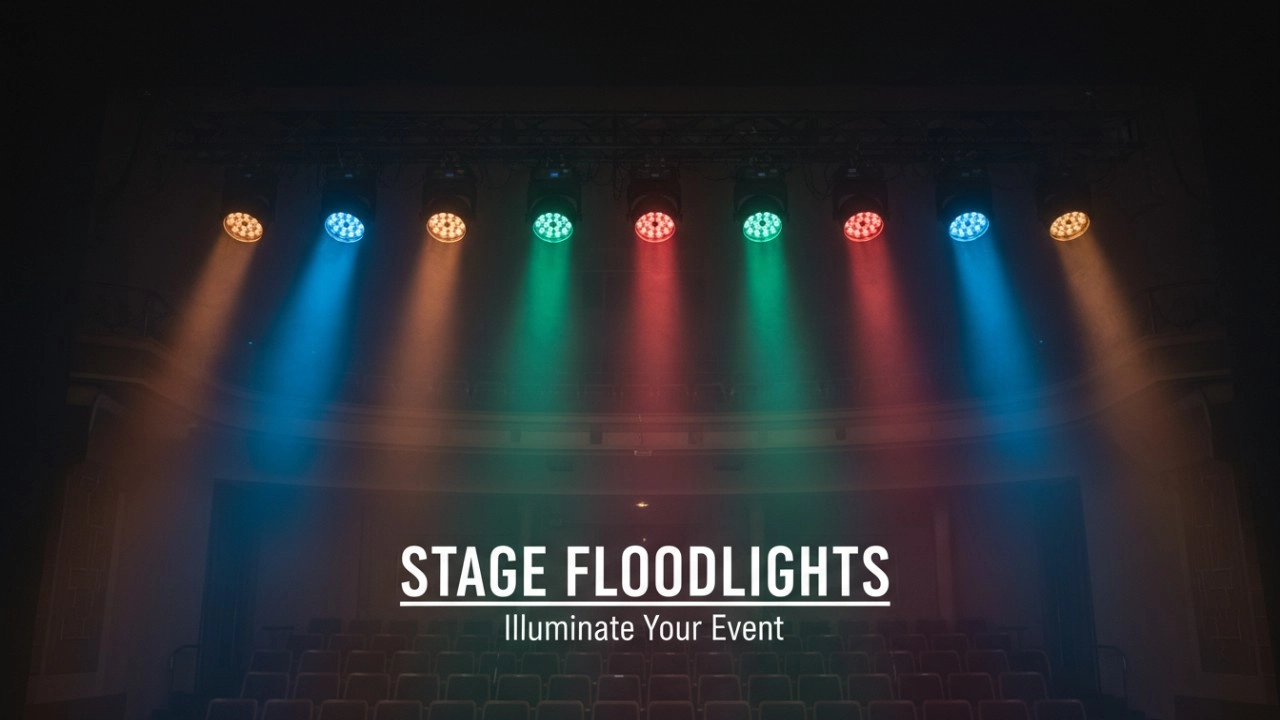
Spotlight vs. Stage Flood Lights: Which One Does Your Production Actually Need?
Spotlight vs. Floodlight vs. Beamlight: A Comparison of Moving Stage Lighting Fixtures
Mastering the Flash: 7 Advanced Strobe DJ Light Techniques for Pro Entertainers
Products
How long is the warranty period for your products?
We offer a standard 1-year warranty on all products, with extended warranty options available upon request. During the warranty period, we provide free technical support and parts replacement for non-human damage.
What is the lifespan of your LED stage lights?
Our LED lights use high-quality chips with a rated lifespan of over 50,000 hours. Proper usage and maintenance ensure long-term reliability and stable performance, making them a smart investment for any venue.
Do your lights support DMX512 and other control protocols?
Yes. All LiteLEES stage lights are fully compatible with DMX512. Many models also support RDM, Art-Net, and wireless DMX (optional), ensuring seamless integration with modern lighting control systems.
Company
What is LiteLEES’s main business?
LiteLEES specializes in the design, development, manufacturing, and sales of professional stage lighting, including moving head lights, beam lights, spot lights, wash lights, and LED par lights.
Where is LiteLEES located?
Our headquarters and manufacturing facility are located in Guangzhou, China, with products exported to over 70 countries worldwide.
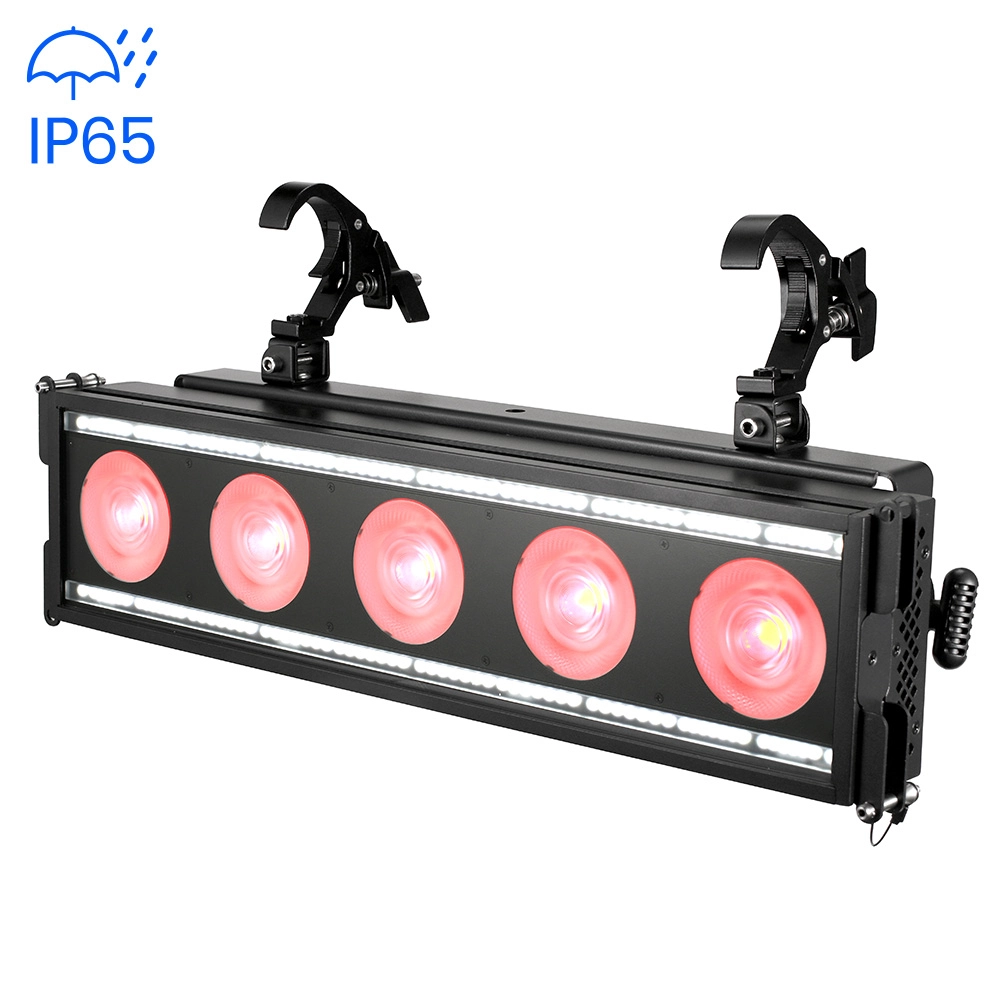
Stormy Flash 550 lP
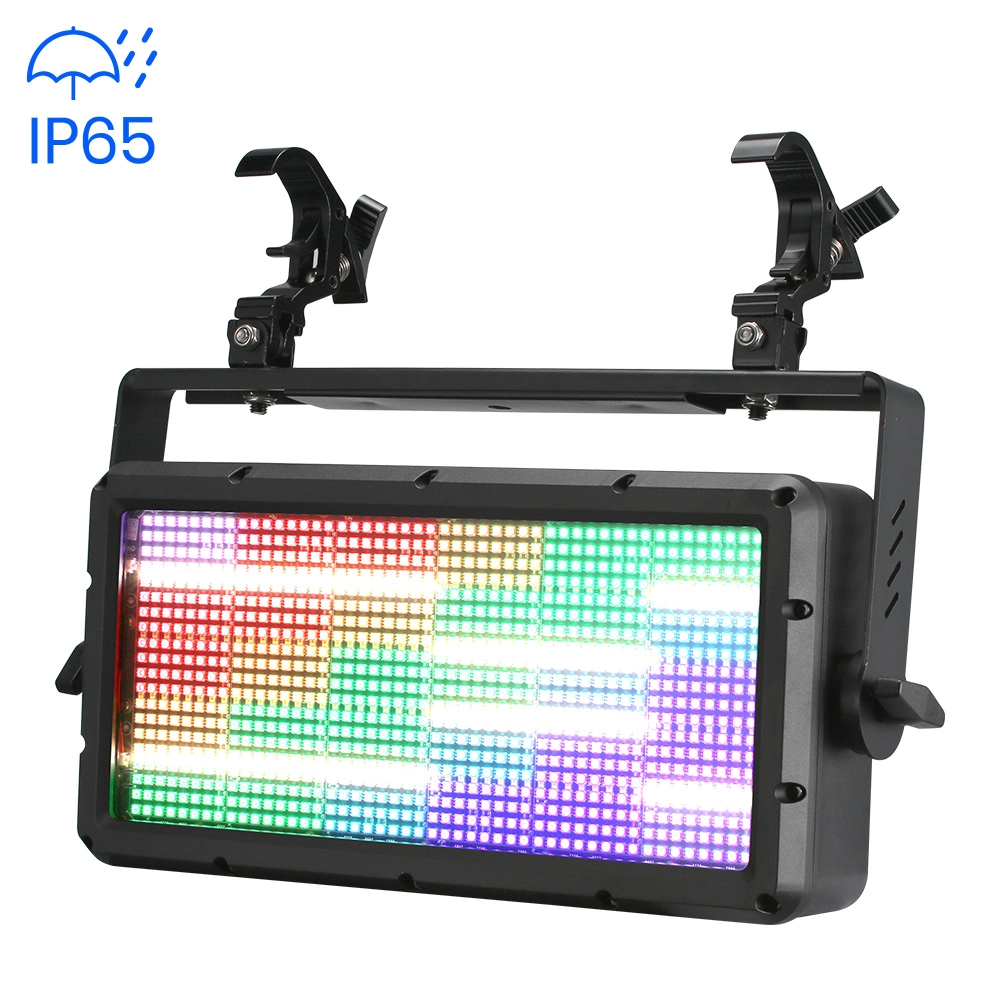
Stormy Strobe 700 IP
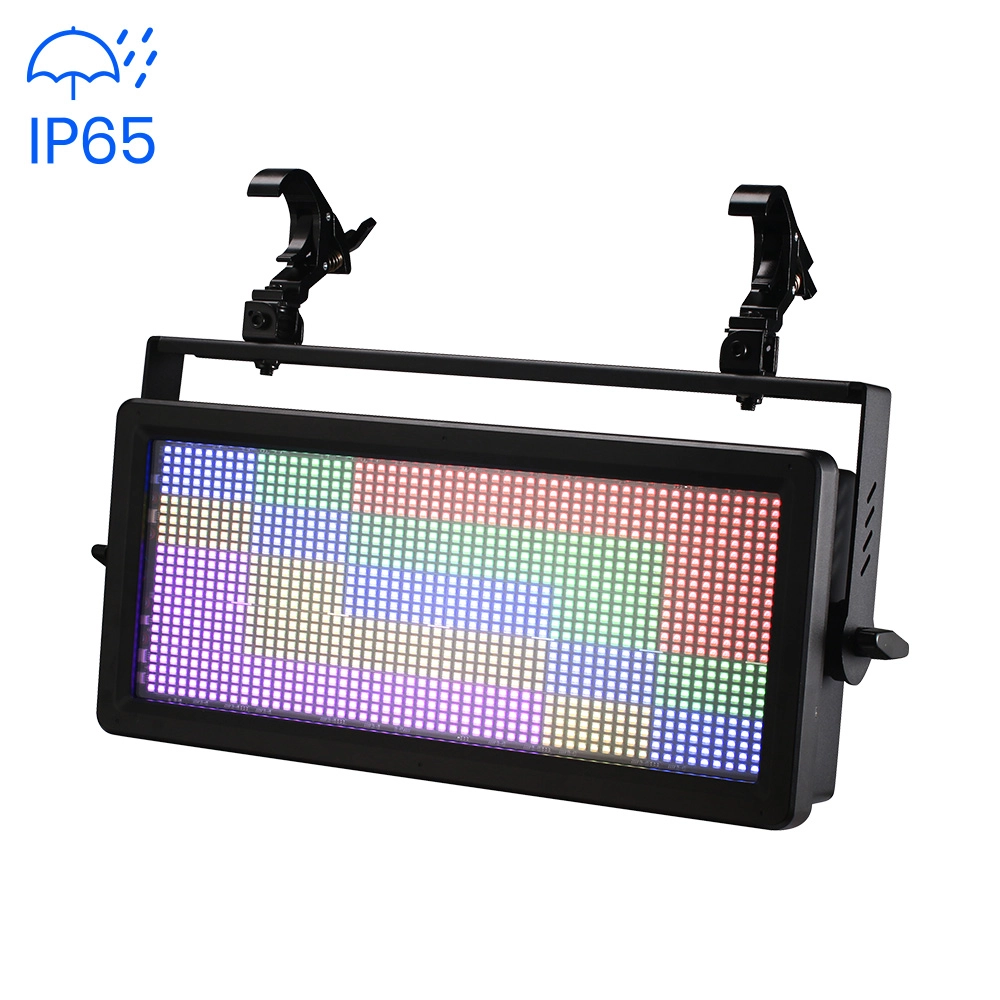
Stormy Strobe 500 IP
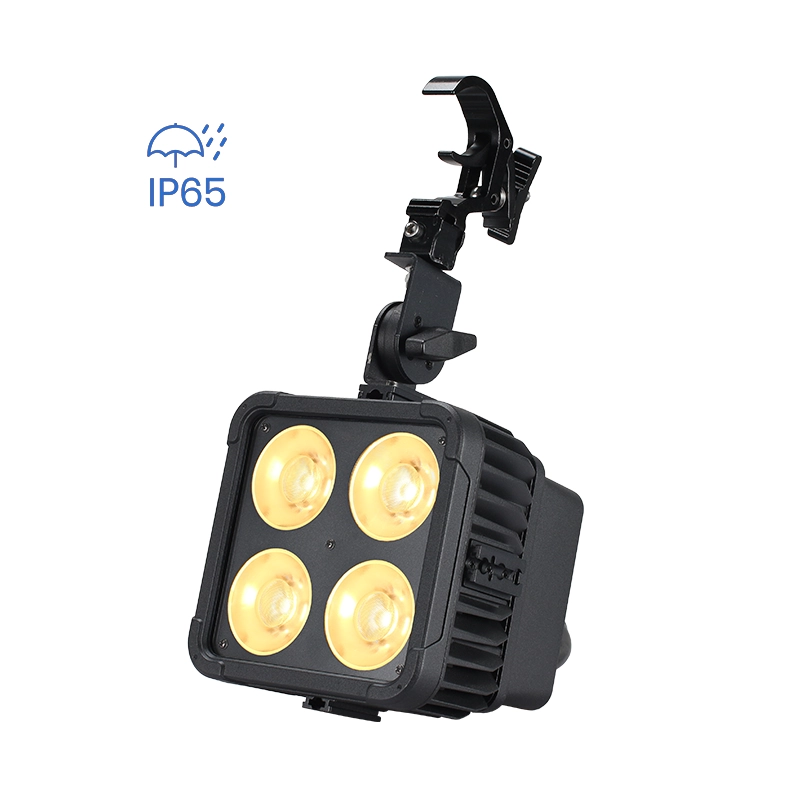
Magic Cube V8 IP
Want to get more up-to-date information?
If you have any comments or good suggestions, please leave us a message; later our professional staff will contact you as soon as possible.

We are professional stage lighting manufacturers offering OEM and ODM LED stage lights.
Contact
Email us
Call us
Address
No.6 Longnan Road, Huashan Town, Huadu District Guangzhou, Guangdong Province, China.
LiteLEES Professional
Less Lighting