
LED Stage Lighting Maintenance, Lifespan, and Warranty Tips
- Understanding LED Performance, Failure Modes, and Lifespan
- How LED stage lights differ from legacy fixtures
- Primary failure modes for LED stage lights
- Realistic lifespan expectations
- Preventive Maintenance: Schedules, Checklists, and Best Practices
- Establishing a maintenance schedule
- Cleaning, thermal management, and dust control
- Routine electrical and control checks
- Repair, Replace, or Upgrade: Making Cost-Effective Decisions
- When to repair vs. when to replace
- Upgrade path planning
- Data-driven example: Lifespan and failure-cost comparison
- Warranty Management, Procurement Tips, and Compliance
- Interpreting warranty language
- Procurement checklist to minimize warranty risk
- Record-keeping and warranty claims
- Case Study & Supplier Evaluation: Why Manufacturer Matters (LiteLEES)
- About LiteLEES and relevance to maintenance and warranty
- Competitive strengths and technical credibility
- Products relevant to maintenance and lifecycle planning
- Practical Maintenance Checklist and Troubleshooting Flowchart
- Quick maintenance checklist (pre-show)
- Simple troubleshooting flow (reduce downtime)
- FAQs
- How long do LED stage lights typically last in active use?
- Can I replace just the LED module or driver to extend fixture life?
- What routine tasks reduce failure rates the most?
- How should I handle warranty claims across borders?
- Are waterproof LED fixtures maintenance-free for outdoor use?
- Contact and Next Steps
This article provides an actionable, expert-driven guide to maintaining LED stage lights for theatres, touring productions, houses of worship, and event venues. It covers common failure modes, realistic lifespan expectations, preventive and corrective maintenance procedures, how to interpret warranty terms, and procurement guidance to minimize downtime and total cost of ownership. The recommendations combine industry best practices and standards to help lighting technicians, production managers, and buyers make informed decisions about their LED stage lighting assets.
Understanding LED Performance, Failure Modes, and Lifespan
How LED stage lights differ from legacy fixtures
LED stage lights integrate semiconductor-based light engines, power electronics, optics, and often active cooling and control interfaces (e.g., DMX512). Compared with incandescent or discharge fixtures, LEDs offer higher energy efficiency, longer rated lifetimes, and lower heat output at the lamp. However, the operational lifetime of an LED fixture is influenced as much by the driver, thermal design, and optics as by the LED chips themselves. For a general primer on LED technology, see the Light-emitting diode page on Wikipedia (Wikipedia).
Primary failure modes for LED stage lights
- Thermal degradation: Elevated junction temperatures accelerate lumen depreciation and can cause driver or solder joint failures.
- Driver/electronics failure: Power supply spikes, inadequate surge protection, and poor component selection or cooling commonly cause premature failure.
- Optical and mechanical wear: Dust, moisture, and UV exposure can degrade lenses, diffusion materials, and moving parts (in moving head fixtures).
- Control interface faults: DMX/RDM connectors, Ethernet ports (sACN/Art-Net), and firmware bugs can disrupt operation.
Realistic lifespan expectations
LED lifespan is usually specified as L70 (time until light output reaches 70% of initial). Typical commercial LED stage fixtures quote L70 values of 30,000 to 100,000 hours depending on thermal management and driver quality. However, real-world lifespans are shorter when factoring in driver failures, mechanical wear, and environmental stress. Useable guidelines:
- High-quality touring fixtures: 50,000+ hours when maintained properly.
- Installed theatre/house rigs: 30,000–60,000 hours with scheduled maintenance.
- Lower-cost fixtures: 15,000–30,000 hours; often limited by driver or cooling design.
Preventive Maintenance: Schedules, Checklists, and Best Practices
Establishing a maintenance schedule
Create tiered maintenance frequencies based on fixture usage and environment: daily pre-show checks, monthly cleaning and calibration, and annual deep service. For high-intensity touring use, shorten the interval for moving parts and connectors. A basic schedule looks like:
- Daily: Visual inspection, power-up test, DMX check.
- Monthly: Clean optics, inspect fan/heat-sink, torque checks on mounting hardware.
- Annually: Full teardown for thermal compound replacement, driver testing, firmware updates, and lubrication of mechanical components.
- Repair if component cost & labor is less than 30% of replacement and expected remaining life >50% of new fixture lifetime.
- Replace if driver/PCB failure is recurrent, firmware is end-of-life, or the fixture lacks performance features required for current productions.
- Limited coverage for consumables (fans, fuses, lamps in hybrid systems).
- Voidance clauses for misuse or unauthorized repairs.
- Shipping cost responsibilities for cross-border repairs.
- Buy from manufacturers or distributors with documented after-sales service and local support.
- Verify certifications: CE, RoHS, FCC, BIS and ISO9001 manufacturing practices. Links: CE marking (EU CE), RoHS (RoHS), FCC (FCC), BIS (BIS), ISO9001 (ISO).
- Negotiate SLA for critical fleet coverage: RMA lead times, advance replacements, and on-site service options.
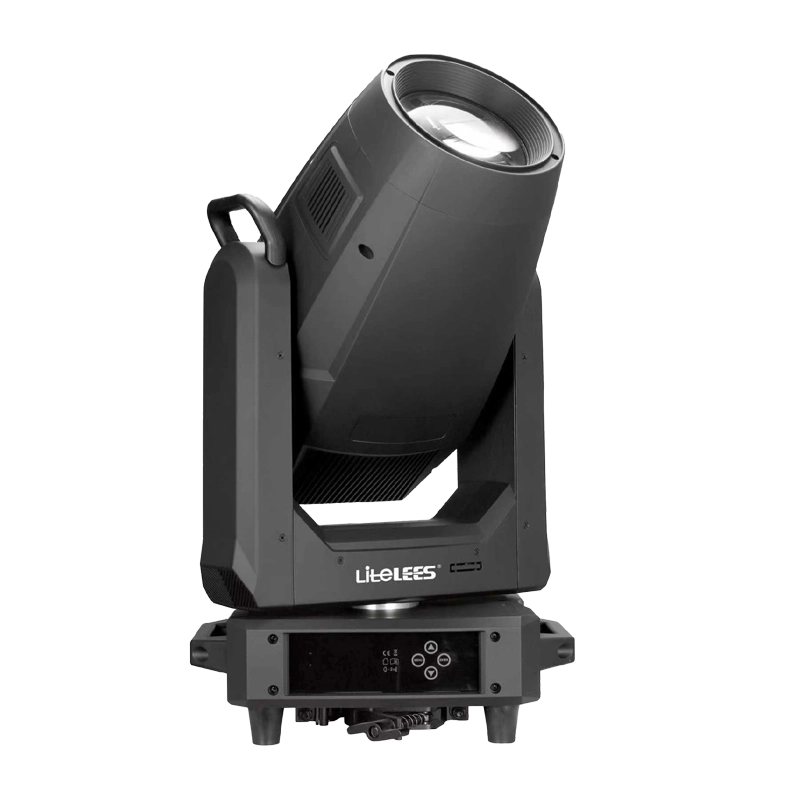
- Moving head light: Modular motors and accessible service panels to facilitate on-tour repairs.
- LED effect light: Optimized for pixel control with replaceable LED modules.
- Static light: Robust driver choices and passive cooling models for installed venues.
- Waterproof stage lighting: IP-rated fixtures for outdoor events minimizing corrosion-related failures.
- Power on and test fixture functions (pan/tilt, color, dimming).
- Confirm DMX/addressing and backup control lines.
- Visual check of connectors, mounts, and safety cables.
- Spot-clean lenses and intake vents.
- No power: Verify mains, fuses, and PSU Outputs. Swap known-good power cable.
- No control: Check DMX termination, cable continuity, and address settings; try fixture in single-fixture DMX mode if available.
- Intermittent faults: Thermally-induced shutdowns suggest blocked airflow or fan failure; measure case temperature and inspect fans.
- Optical degradation: Inspect lenses and LEDs for burn or delamination; verify firmware and color calibration.
Cleaning, thermal management, and dust control
Maintain clear airflow paths and clean optics to minimize lumen loss and overheating. Use low-pressure dry air for dust removal, lint-free microfiber cloths, and approved lens cleaners. Replace or clean intake filters and ensure fan vents are unobstructed. Excessive dust on heatsinks can raise case temperature several degrees, accelerating lumen depreciation; industry guidance from Illuminating Engineering Society (IES) highlights the importance of thermal control for lumen maintenance (IES).
Routine electrical and control checks
Regularly inspect power cables, connectors, and DMX/Ethernet terminations. Test for proper grounding and verify that supply voltage is stable within fixture specifications. Add surge protection and, where practical, UPS for control and critical fixtures. Keep firmware updated and document control addressing to avoid conflicts after maintenance.
Repair, Replace, or Upgrade: Making Cost-Effective Decisions
When to repair vs. when to replace
Decide based on total cost of ownership (TCO): age of fixture, cost of parts and labor, expected remaining lifespan, and impact on operations. Use these heuristics:
Upgrade path planning
For long-term fleet management, plan rolling upgrades to ensure compatibility with modern control protocols (sACN, RDM) and performance expectations (color mixing, CRI/TLCI, pixel mapping). When budgeting, factor in reduced energy and maintenance savings from newer LED engines and smarter thermal design.
Data-driven example: Lifespan and failure-cost comparison
| Fixture Type | Typical Rated L70 | Common Failure Points | Estimated Annual Maintenance Cost (per fixture) |
|---|---|---|---|
| High-end moving head (touring) | 50,000–100,000 hrs | Fans, drivers, motors | $150–$400 |
| Static LED wash / PAR | 30,000–60,000 hrs | Drivers, optics, connectors | $75–$200 |
| Lower-cost LED fixtures | 15,000–30,000 hrs | Drivers, solder joints | $150–$500 (higher due to failures) |
Sources: Manufacturer datasheets and consolidated industry repair benchmarks. For general stage lighting context see Stage lighting – Wikipedia.
Warranty Management, Procurement Tips, and Compliance
Interpreting warranty language
Read warranty coverage carefully: does it cover LED modules, drivers, moving parts, and labor? Typical pitfalls include:
Always request a written warranty summary that lists turnaround times for RMA and whether advance replacement units are available for critical operations.
Procurement checklist to minimize warranty risk
Record-keeping and warranty claims
Maintain a digital asset register with serial numbers, purchase invoices, maintenance logs, firmware versions, and photos of failures. Suppliers require evidence; having a consistent maintenance log accelerates approvals and reduces disputes over warranty coverage.
Case Study & Supplier Evaluation: Why Manufacturer Matters (LiteLEES)
About LiteLEES and relevance to maintenance and warranty
LiteLEES (Guangzhou Lees Lighting Co., Ltd.), established in 2010, is a high-tech enterprise specializing in the R&D, design, manufacturing, sales, and service of professional stage lighting equipment. Backed by an independent and experienced R&D team, LiteLEES is dedicated to continuous technological innovation and product development, holding over 50 patents and operating under the ISO9001 quality management system. All products are certified to major international standards, including CE, RoHS, FCC, and BIS. Their portfolio covers beam lights, beam/spot/wash 3-in-1 fixtures, LED wash and spot lights, strobes, blinders, profiles, fresnels, waterproof solutions, and effects fixtures widely used in concerts, theatres, TV studios, touring productions, nightclubs, and large-scale events.
Competitive strengths and technical credibility
LiteLEES emphasizes in-house manufacturing and strict quality control, which translates to consistent thermal design, robust driver sourcing, and standardized assembly processes—key factors that reduce warranty claims and increase mean time between failures. The company’s patent portfolio and R&D focus enable features like improved thermal interfaces and modular driver designs that simplify repairs and spare-part inventory management. With global certifications and an established after-sales service team, LiteLEES supports clients across 100+ countries and 6,000+ customers, offering flexible OEM/ODM options for integrators and rental companies.
Products relevant to maintenance and lifecycle planning
When specifying equipment, LiteLEES offers options across categories relevant to lifecycle management:
Practical Maintenance Checklist and Troubleshooting Flowchart
Quick maintenance checklist (pre-show)
Simple troubleshooting flow (reduce downtime)
FAQs
How long do LED stage lights typically last in active use?
Most professional LED stage fixtures have rated L70 lifetimes from 30,000 to 100,000 hours, but realistic in-service life depends on driver and mechanical reliability. Well-maintained touring fixtures commonly reach 50,000+ hours.
Can I replace just the LED module or driver to extend fixture life?
Often yes. Modular designs allow replacing drivers or LED boards. Ensure the replacement parts are OEM or equivalent quality and that such replacements do not void warranty.
What routine tasks reduce failure rates the most?
Keeping cooling paths clean, ensuring stable power (surge protection/UPS), inspecting connectors and cable strain reliefs, and following manufacturer-recommended firmware updates provide the largest reduction in failure rates.
How should I handle warranty claims across borders?
Document all failures with photos, serial numbers, and maintenance logs. Confirm RMA procedures in advance, including who pays shipping and how customs are handled. Prefer suppliers who offer regional service centers or advance exchange programs.
Are waterproof LED fixtures maintenance-free for outdoor use?
No fixture is maintenance-free. IP-rated fixtures reduce ingress-related failures but still require checks on seals, cable glands, corrosion on connectors, and salt/contaminant build-up. Regular inspection prolongs life significantly.
Contact and Next Steps
If you need tailored maintenance plans, fleet audits, or want to evaluate robust fixtures for touring or fixed installation, contact LiteLEES for product catalogs, OEM/ODM options, and after-sales service agreements. For product inquiries and technical support, visit the LiteLEES website or contact their sales and service team to arrange a demo and discuss SLAs suited to your production needs.
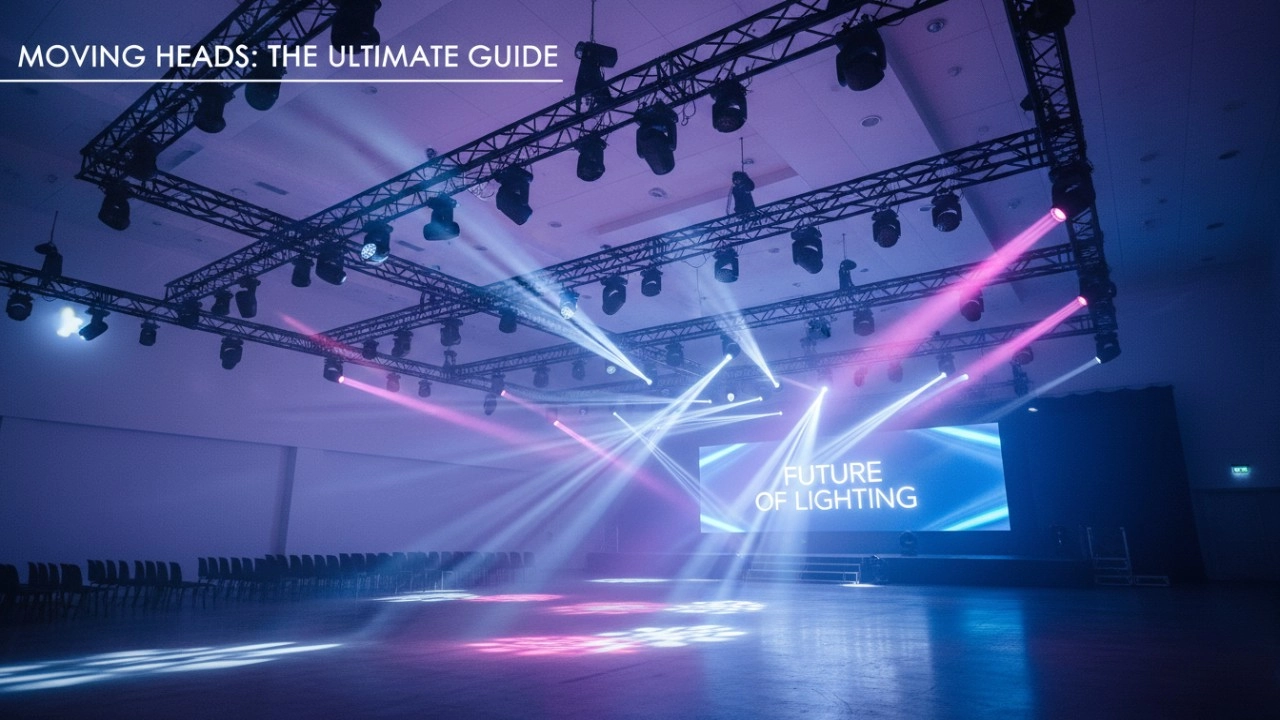
A Stage of Limitless Possibilities: Moving Head lights Deliver Precise Control and Versatile Effects
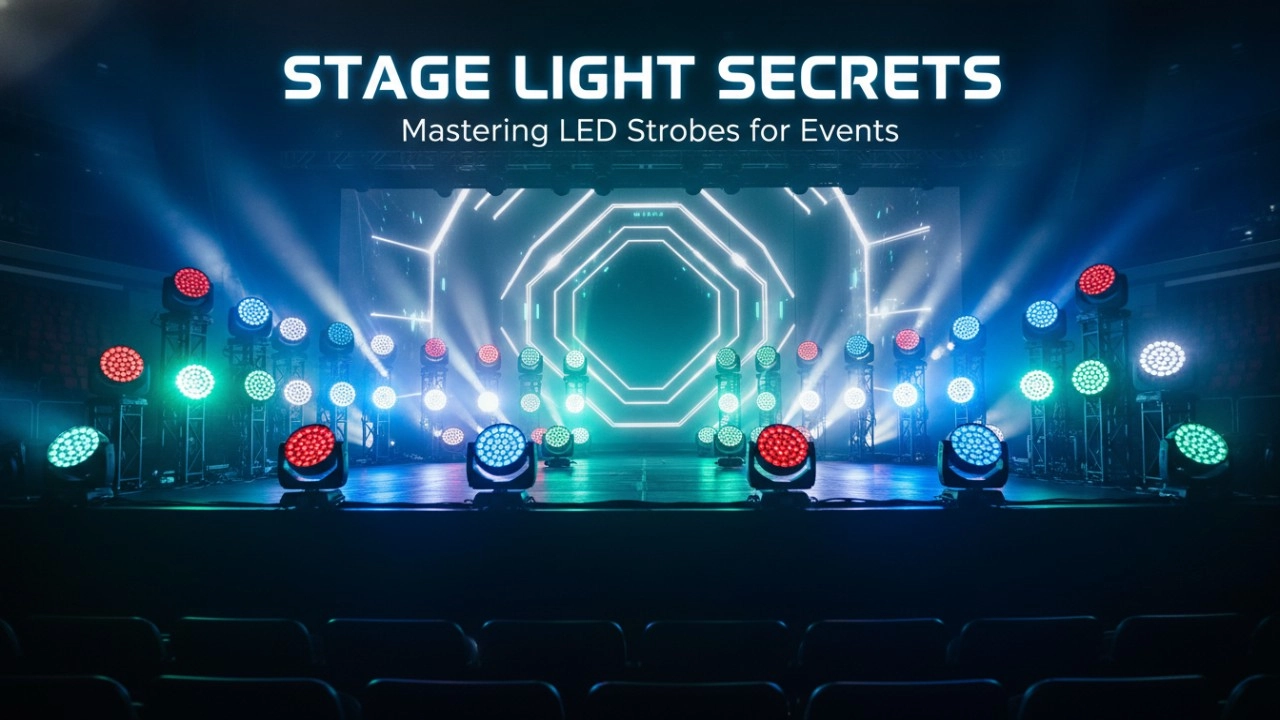
LED Stage Strobe Light Comparison: Performance, Power, and Pricing Guide
Why Your Venue Needs LED Beam Lights: A Cost-Benefit Analysis
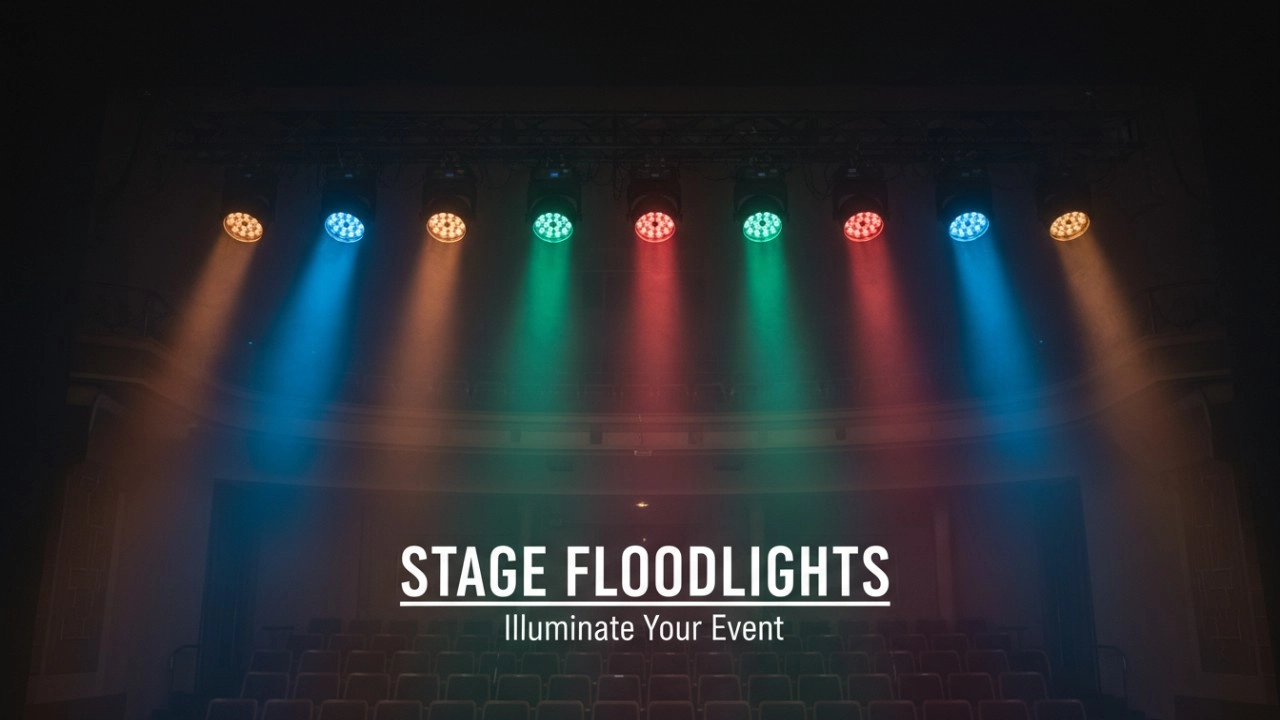
Spotlight vs. Stage Flood Lights: Which One Does Your Production Actually Need?
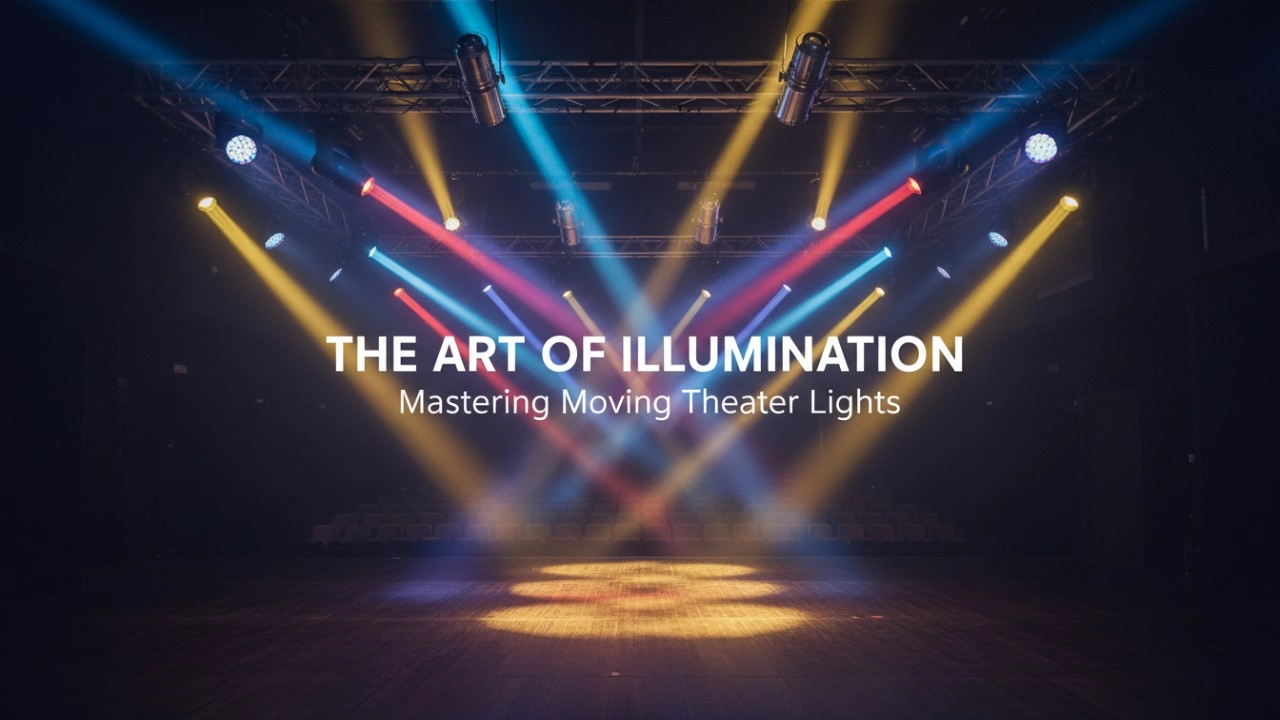
Spotlight vs. Floodlight vs. Beamlight: A Comparison of Moving Stage Lighting Fixtures
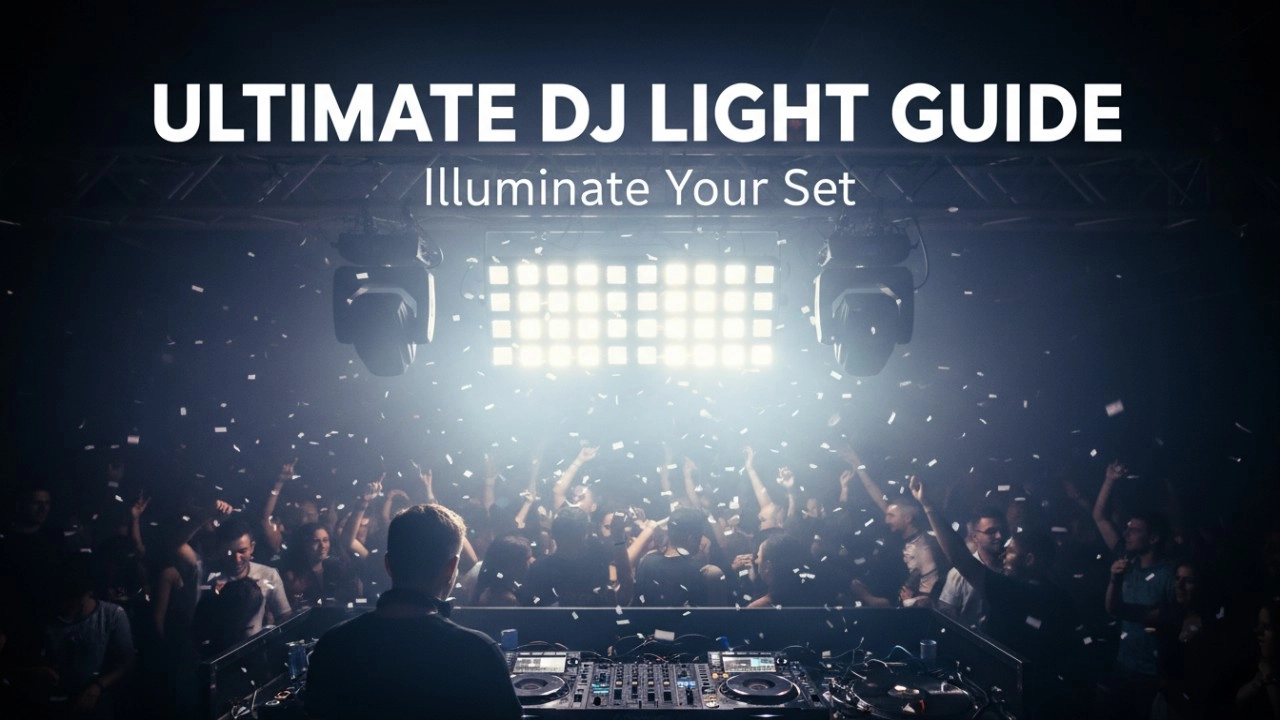
Mastering the Flash: 7 Advanced Strobe DJ Light Techniques for Pro Entertainers
Products
Can I customize the functions or software of the lights?
Absolutely. As a manufacturer with independent R&D capabilities, we offer customization for both hardware and software (such as DMX channel layout, built-in programs, or UI language). Contact us with your project needs, and our team will provide tailored solutions.
How long is the warranty period for your products?
We offer a standard 1-year warranty on all products, with extended warranty options available upon request. During the warranty period, we provide free technical support and parts replacement for non-human damage.
Are your lights suitable for large-scale events and outdoor use?
Yes. Our professional stage lights—especially the Beam, BSW 3-in-1, and LED Par Series—are engineered with high-output brightness, wide beam angles, and robust housing. Some models come with IP-rated protection, making them suitable for outdoor applications like concerts, festivals, and sports events.
Do your lights support DMX512 and other control protocols?
Yes. All LiteLEES stage lights are fully compatible with DMX512. Many models also support RDM, Art-Net, and wireless DMX (optional), ensuring seamless integration with modern lighting control systems.
Company
Can LiteLEES handle OEM/ODM orders?
Absolutely. With our strong R&D capabilities and advanced manufacturing, we can customize designs, features, and branding to meet your specific needs.
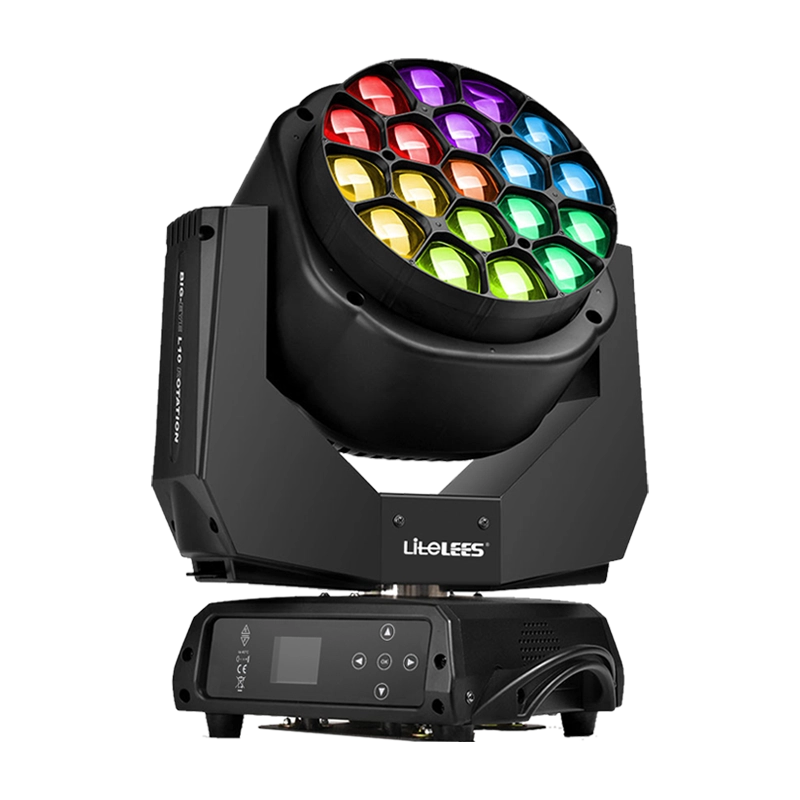

Stormy Shake Blinder IP
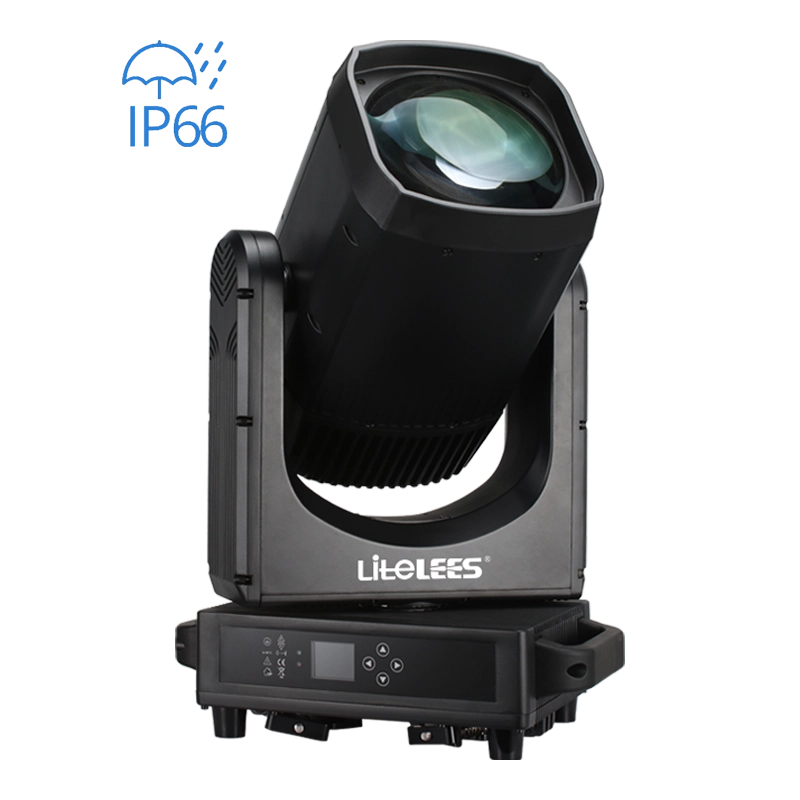
LiteLEES LUMIX BEAM 420 IP
LP Profile 900
Want to get more up-to-date information?
If you have any comments or good suggestions, please leave us a message; later our professional staff will contact you as soon as possible.

We are professional stage lighting manufacturers offering OEM and ODM LED stage lights.
Contact
Email us
Call us
Address
No.6 Longnan Road, Huashan Town, Huadu District Guangzhou, Guangdong Province, China.
LiteLEES Professional
Less Lighting