
How LED Stage Lights Improve Production Value and ROI
- Making the Financial Case: Energy, Maintenance, and Lifecycle Costs
- Energy savings and verifiable efficiency
- Maintenance, lamp replacement and labor costs
- Head-to-head comparison (typical values)
- Creative and Technical Advantages: Enhancing Production Value
- Color, control and consistency
- Reduced stage heat and performer comfort
- Flexibility: from wash to profile to effects
- Operational Efficiency, Sustainability, and Risk Reduction
- Lower cooling and venue overheads
- Safety, durability and outdoor readiness
- Environmental benefits and compliance
- Selecting and Implementing LED Stage Lights for Maximum ROI
- Assessing needs: performance vs. cost
- Sample ROI calculation (realistic scenario)
- Procurement: what to require from suppliers
- Industry Example and Product Match — LiteLEES Capabilities
- LiteLEES: manufacturing, R&D and global reach
- Relevant product types for ROI and production value
- Competitive differentiation
- Implementation Best Practices and Common Pitfalls
- Integration with control systems
- Photometrics and pre-visualization
- Common mistakes to avoid
- Frequently Asked Questions (FAQ)
- 1. How much energy can I realistically save by switching to LED stage lights?
- 2. Will LED stage lights look as good as traditional lights on camera?
- 3. How long do LED stage lights last compared to traditional lamps?
- 4. Are LED fixtures more expensive to buy? When will I see payback?
- 5. Do I need special rigging or power distribution for LED fixtures?
- 6. How do I choose between moving head light, static LED wash, or LED effect fixtures?
- Next Steps and Contact / Product CTA
Summary: LED stage lights are changing the economics and artistry of live production. By delivering higher luminous efficiency, longer lifetimes, lower heat output, and advanced control features, modern LED fixtures raise perceived production value while reducing operating and maintenance costs. This article examines measurable ways LEDs improve ROI and creative outcomes, compares LED vs legacy fixtures with verifiable data, outlines implementation best practices, and highlights professional solutions from LiteLEES to help production managers and technical directors make decisions with confidence.
Making the Financial Case: Energy, Maintenance, and Lifecycle Costs
Energy savings and verifiable efficiency
One of the clearest ROI drivers for LED stage lights is energy efficiency. According to the U.S. Department of Energy, LEDs can use at least 75% less energy than incandescent lighting and have substantially longer rated lifetimes (Energy.gov — LED Lighting). That translates directly into lower electricity bills and reduced cooling loads in venues where HVAC must offset fixture heat.
Maintenance, lamp replacement and labor costs
Traditional discharge and halogen fixtures require frequent lamp changes, re-lamping labor, and spare inventory. LED fixtures have rated lifetimes commonly between 25,000 and 50,000 hours for high-quality products (Wikipedia — Light-emitting diode). Fewer lamp changes reduce downtime, technician hours, and spare-part inventories—factors that are especially important for touring productions and broadcast operations where labor and logistics are high-cost.
Head-to-head comparison (typical values)
| Metric | Legacy (incandescent/discharge) | LED Stage Lights | Source |
|---|---|---|---|
| Power consumption (example fixture) | 1000 W | 300 W | Industry product specs; Energy.gov |
| Rated lifetime | 1,000–6,000 hours | 25,000–50,000 hours | Wikipedia |
| Operational heat output | High — increases HVAC demand | Low — reduces cooling load | Energy.gov |
| Typical CRI / color control | Variable; gels needed | High CRI options; built-in color mixing and effects | Manufacturer data |
Creative and Technical Advantages: Enhancing Production Value
Color, control and consistency
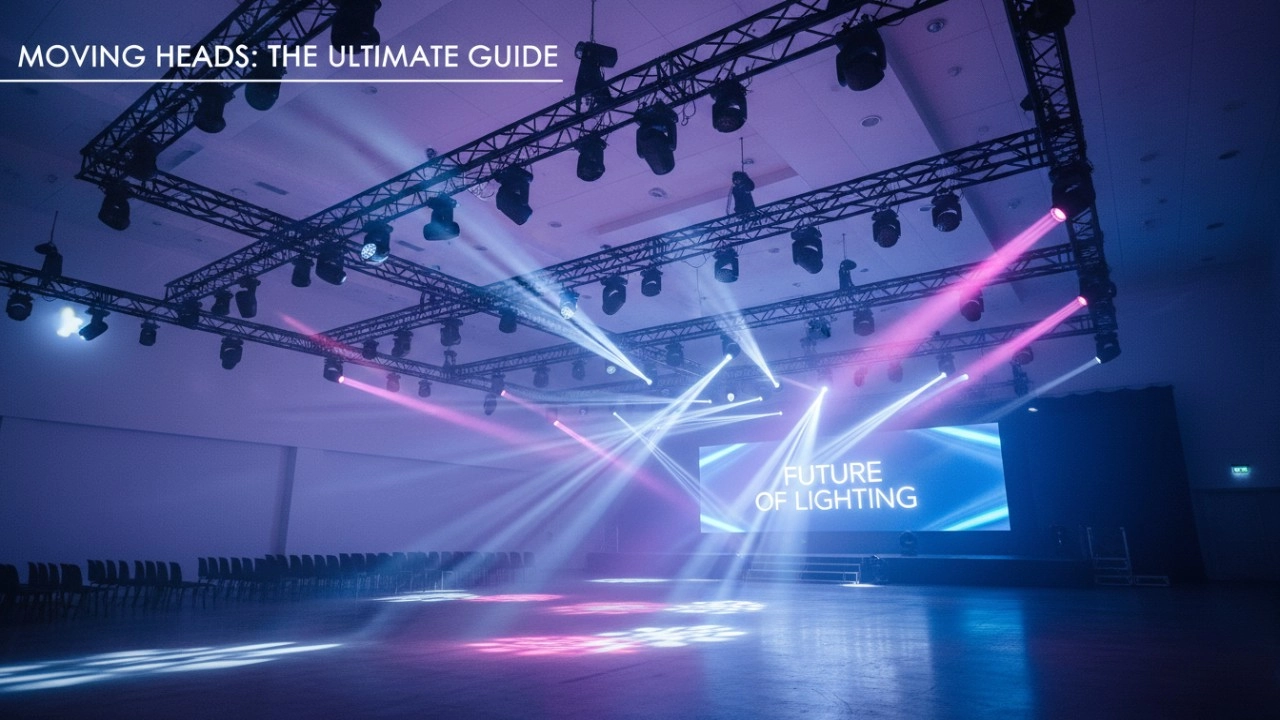
LED stage lights offer on-board RGB/CMY mixing, pixel-mapping, and precise DMX/RDM or networked control. This enables richer palettes, instantaneous color changes without gels, and repeatable cues—critical for broadcast, touring, and theatrical productions. Modern moving head lights and LED effect light fixtures provide tight beams, gobos, and fast movement with precise pan/tilt control, improving the visual impact of every cue.
Reduced stage heat and performer comfort
Lower heat output from LEDs improves performer comfort and reduces makeup breakdown on long runs. Reduced radiant heat can also protect sensitive props, instruments, and set finishes. For TV studios and indoor venues, this improves audience comfort and allows closer fixture placement without overheating.
Flexibility: from wash to profile to effects
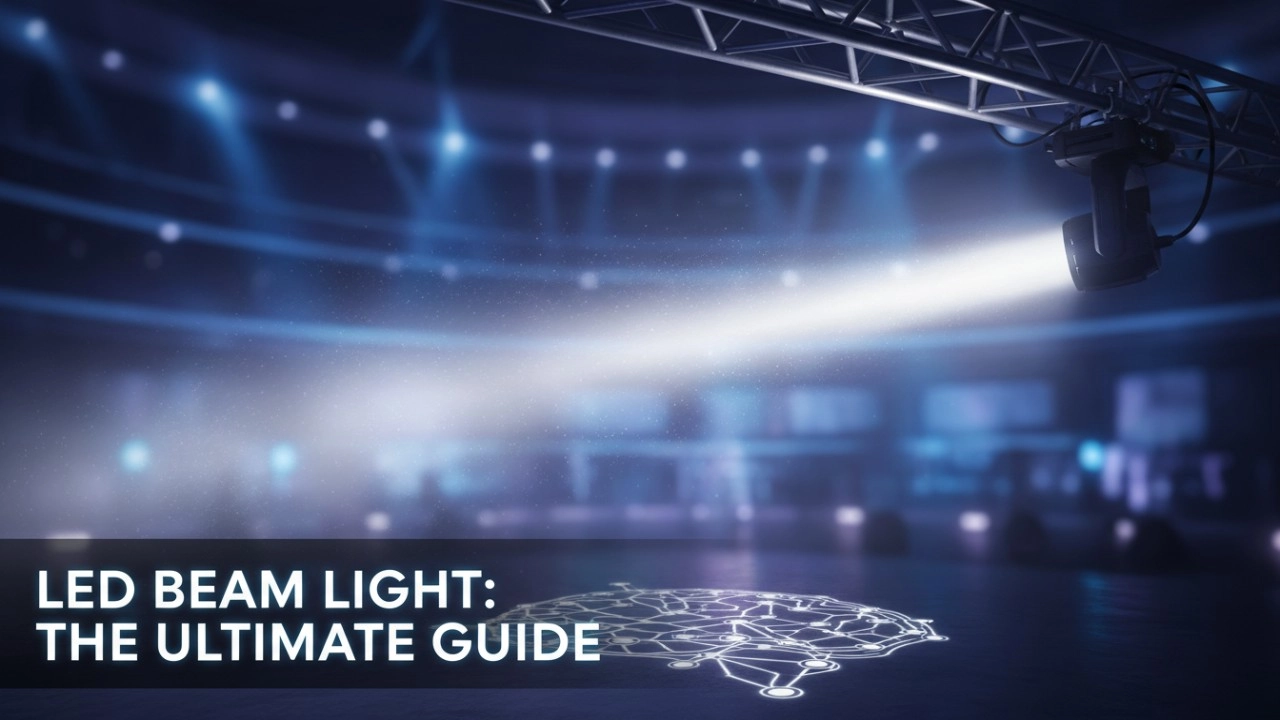
LED technology now spans applications: LED wash and spot lights for general illumination and color, beam/spot/wash 3-in-1 fixtures for flexible use, and dedicated beam lights and strobes for high-impact effects. Having a consistent LED ecosystem (moving head light, static light, led effect light) simplifies patching, reduces the variety of spare parts needed, and elevates overall look consistency across a production.
Operational Efficiency, Sustainability, and Risk Reduction
Lower cooling and venue overheads
Because LEDs emit less waste heat, HVAC energy use can be lower during events. Lower cooling demand is a measurable operational saving for fixed venues and can be critical for outdoor temporary structures with limited ventilation.
Safety, durability and outdoor readiness
LED fixtures typically run at lower hanging temperatures and use solid-state components, reducing fire risk and increasing mechanical reliability. For outdoor touring and festival use, waterproof stage lighting models (IP-rated) maintain performance under rain or high-humidity conditions, minimizing weather-related cancellations or downtime.
Environmental benefits and compliance
Switching to LEDs reduces energy consumption and associated carbon emissions. Manufacturers certified to international standards (CE, RoHS, FCC, BIS) provide assurance on safety and environmental compliance—important for venues operating under strict procurement policies (ISO 9001, CE marking, RoHS).
Selecting and Implementing LED Stage Lights for Maximum ROI
Assessing needs: performance vs. cost
Begin with a needs assessment: stage size, show length, number of cues, touring vs. fixed installation, and budget. For example, a theater may prioritize high-CRI profile fixtures and soft washes, while a concert tour may favor robust moving head light fixtures and intense beam lights. Factor in expected operating hours—the higher the utilization, the faster the payback on energy and maintenance savings.
Sample ROI calculation (realistic scenario)
Assumptions: 10 legacy fixtures at 1000 W replaced by 10 LED fixtures at 300 W. Each fixture runs 4 hours per show, 100 shows per year. Electricity cost: $0.15/kWh (U.S. average; see U.S. EIA).
| Item | Legacy (10 fixtures) | LED (10 fixtures) | Difference / Savings |
|---|---|---|---|
| Power per fixture | 1,000 W | 300 W | 700 W less per fixture |
| Total power (10 fixtures) | 10,000 W (10 kW) | 3,000 W (3 kW) | 7 kW |
| Energy per show (4 h) | 40 kWh | 12 kWh | 28 kWh saved |
| Annual energy (100 shows) | 4,000 kWh | 1,200 kWh | 2,800 kWh saved |
| Annual energy cost (@ $0.15/kWh) | $600 | $180 | $420 saved |
If LED fixtures cost an additional $2,000 each (extra $20,000 total) compared with legacy fixtures, energy savings alone would not fully pay back that High Quality in the first year. However, when you add reduced lamp replacement costs, lower maintenance labor, fewer spare bulbs, lower HVAC costs and longer lifetimes, total cost of ownership (TCO) often becomes favorable within 3–7 years for heavily used venues. Use local electricity rates, labor costs, and fixture utilization to refine payback calculations—U.S. energy data can be checked at the EIA and LED efficiency data at Energy.gov.
Procurement: what to require from suppliers
When evaluating vendors, request: photometric data (IES files), lumen maintenance (L70) hours, CRI/TLCI numbers, DMX/RDM and network control compatibility, IP rating for outdoor use, and third-party certifications (CE, RoHS, FCC, BIS). Insist on warranties, documented MTBF, and clear after-sales support. For touring companies, ask about service exchange programs and worldwide spare parts availability.
Industry Example and Product Match — LiteLEES Capabilities
LiteLEES: manufacturing, R&D and global reach
LiteLEES (Guangzhou Lees Lighting Co., Ltd.), established in 2010, is a high-tech enterprise specializing in R&D, design, manufacturing, sales, and service of professional stage lighting equipment. Backed by an experienced in-house R&D team, LiteLEES holds over 50 patents and operates under ISO9001 quality management. Products are certified to major international standards, including CE, RoHS, FCC, and BIS. With in-house manufacturing and strict quality control, LiteLEES serves more than 6,000 customers in 100+ countries, supporting both fixed-install and touring markets with reliable supply chains and OEM/ODM flexibility.
Relevant product types for ROI and production value
LiteLEES’ portfolio aligns with the ROI drivers discussed earlier. Key categories include:
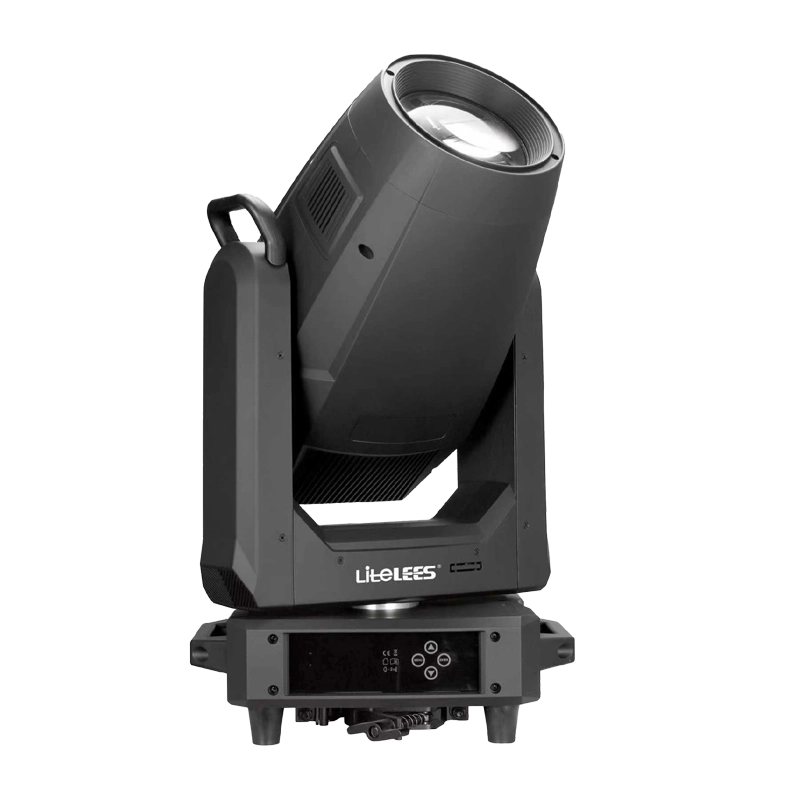
- Moving head light — precise beam control and fast motion for concerts and tours
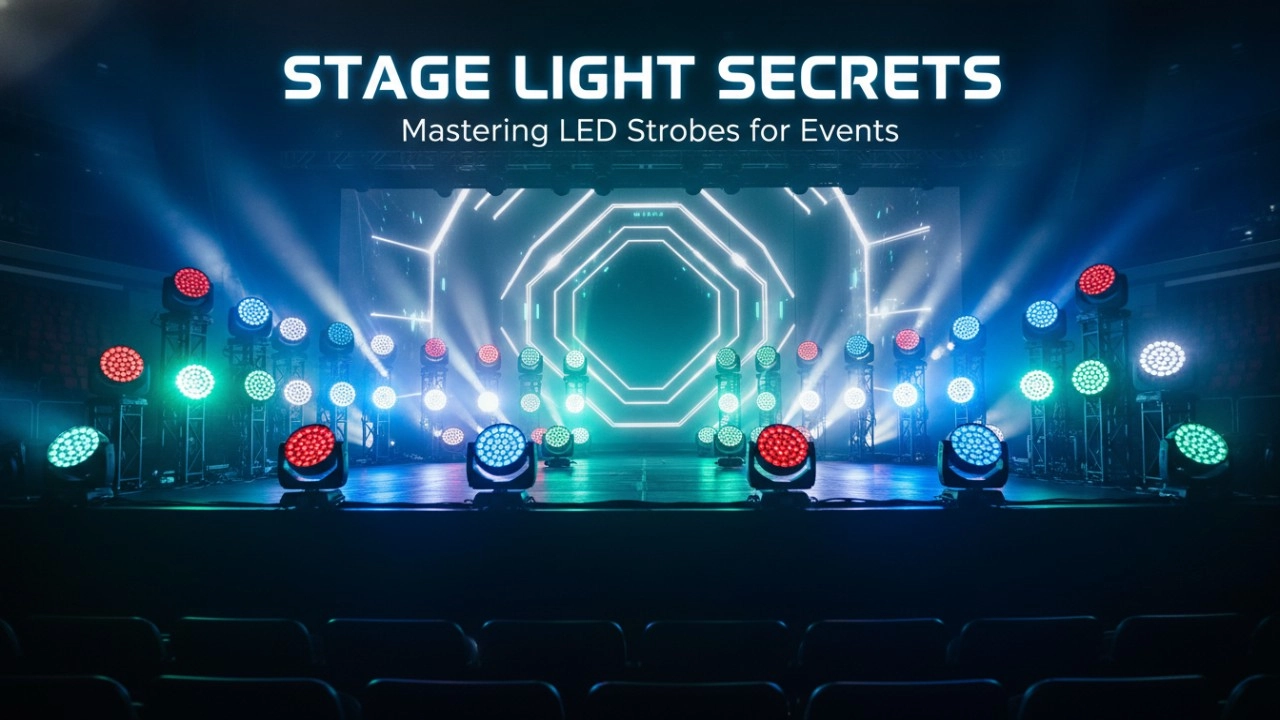
- LED effect light — strobes, blinders, and pixel-mapped effects to raise impact
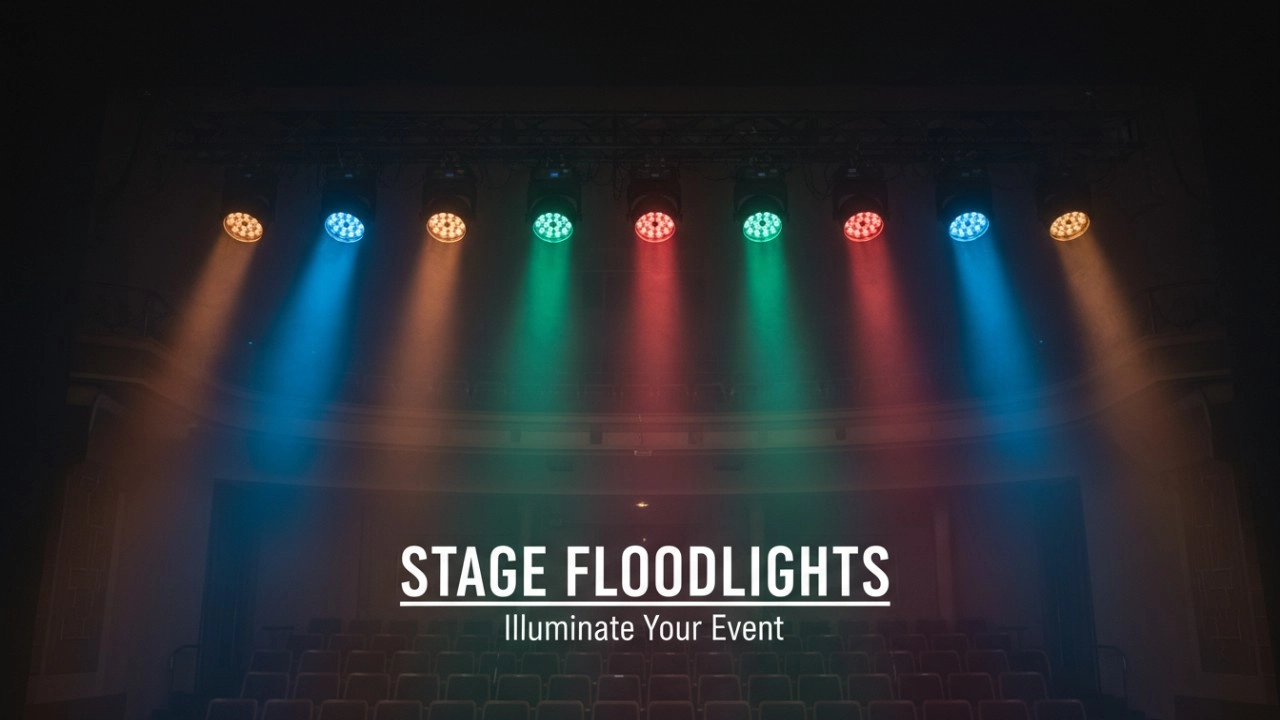
- Static light — LED washes and spots for theaters and TV studios
- Waterproof stage lighting — IP-rated fixtures for outdoor festivals and events
By offering beam lights, beam/spot/wash 3-in-1 fixtures, LED wash and spot lights, strobes, blinders, profiles, fresnels, and waterproof solutions, LiteLEES enables integrators to standardize on LED technology across diverse production needs—reducing spare inventories and simplifying training, which directly supports lower TCO and faster ROI.
Competitive differentiation
LiteLEES emphasizes continuous technological innovation, flexible OEM/ODM cooperation, and comprehensive pre-sales and after-sales services. The company’s combination of patented designs, ISO management, international certifications, and scalable manufacturing offers venues and rental companies a partner capable of delivering consistent product performance and global support—factors that de-risk long-term investments in LED stage lighting.
Implementation Best Practices and Common Pitfalls
Integration with control systems
Ensure fixtures support required control protocols (DMX512, sACN, Art-Net, RDM). For complex shows, pixel-mapping and networked control reduce cueing complexity and enable synchronized media and lighting effects. Confirm firmware update procedures and spare parts availability before purchase.
Photometrics and pre-visualization
Use manufacturer photometric files (IES/LDT) in pre-visualization tools to predict on-site results. This avoids overbuying and ensures coverage. Production value is often boosted more by intelligent fixture placement and programming than sheer wattage.
Common mistakes to avoid
- Choosing fixtures solely on upfront price without considering TCO.
- Failing to verify CRI/TLCI for broadcast or theatrical applications.
- Ignoring IP rating for outdoor shows, leading to weather-related failures.
Frequently Asked Questions (FAQ)
1. How much energy can I realistically save by switching to LED stage lights?
Savings vary by fixture type and usage, but industry guidance and government sources indicate LEDs can use 50–75% less energy than incandescent and many discharge fixtures. Use measured power ratings to calculate site-specific savings (Energy.gov).
2. Will LED stage lights look as good as traditional lights on camera?
Yes—modern LED fixtures offer high CRI and TLCI options tailored for broadcast. Verify TLCI/CRI data from manufacturers and request test footage or IES files when possible. Proper white-balance and color management ensure camera-friendly results.
3. How long do LED stage lights last compared to traditional lamps?
High-quality LED fixtures are rated for tens of thousands of hours (commonly 25,000–50,000), while incandescent lamps typically last around 1,000 hours and many discharge lamps 2,000–15,000 hours. Check manufacturer L70/L90 lumen maintenance ratings for long-term output expectations (Wikipedia).
4. Are LED fixtures more expensive to buy? When will I see payback?
Upfront cost for high-performance LED fixtures is often higher than legacy fixtures, but payback comes from lower energy bills, reduced lamp replacement, less maintenance labor, and often lower freight/handling for tours due to lighter or more capable fixtures. Typical payback for busy venues can be 3–7 years; calculate using local energy prices and utilization rates (EIA).
5. Do I need special rigging or power distribution for LED fixtures?
Most LED fixtures draw less current than legacy fixtures, simplifying power distribution, but they may require PowerCON, IP-rated connectors, or specific circuit protection. Verify rigging and weight specs for moving heads and truss loading for touring equipment.
6. How do I choose between moving head light, static LED wash, or LED effect fixtures?
Match fixture type to creative and operational needs: moving head lights for dynamic shows, static LED washes for theatrical continuity and high-CRI requirements, and LED effect lights for strobes, blinders and pixel effects. An integrated ecosystem from a single vendor simplifies compatibility and support.
Next Steps and Contact / Product CTA
If you’re planning an LED upgrade or evaluating fixtures for a new production, start with a site assessment including fixture utilization, control requirements, and budget constraints. For professional-grade options that balance performance, certifications, and global support, consider LiteLEES’ range of moving head light, led effect light, static light, and waterproof stage lighting products. LiteLEES offers technical consultation, photometric data, and OEM/ODM flexibility to tailor solutions for theaters, tours, TV studios, and large events.
Contact LiteLEES or request product information and demo photometrics to build a data-driven ROI analysis for your venue or production team.
A Stage of Limitless Possibilities: Moving Head lights Deliver Precise Control and Versatile Effects
LED Stage Strobe Light Comparison: Performance, Power, and Pricing Guide
Why Your Venue Needs LED Beam Lights: A Cost-Benefit Analysis
Spotlight vs. Stage Flood Lights: Which One Does Your Production Actually Need?
Spotlight vs. Floodlight vs. Beamlight: A Comparison of Moving Stage Lighting Fixtures
Mastering the Flash: 7 Advanced Strobe DJ Light Techniques for Pro Entertainers
Products
Do your lights support DMX512 and other control protocols?
Yes. All LiteLEES stage lights are fully compatible with DMX512. Many models also support RDM, Art-Net, and wireless DMX (optional), ensuring seamless integration with modern lighting control systems.
How long is the warranty period for your products?
We offer a standard 1-year warranty on all products, with extended warranty options available upon request. During the warranty period, we provide free technical support and parts replacement for non-human damage.
Company
Do you have your own factory?
Yes. We own a sheet metal factory and a complete in-house production line—from PCB to final assembly—ensuring strict quality control and fast delivery.
What certifications do your products have?
All LiteLEES products are certified by CE, RoHS, FCC, and BIS. Our factory is ISO9001 quality management system certified.
Where is LiteLEES located?
Our headquarters and manufacturing facility are located in Guangzhou, China, with products exported to over 70 countries worldwide.
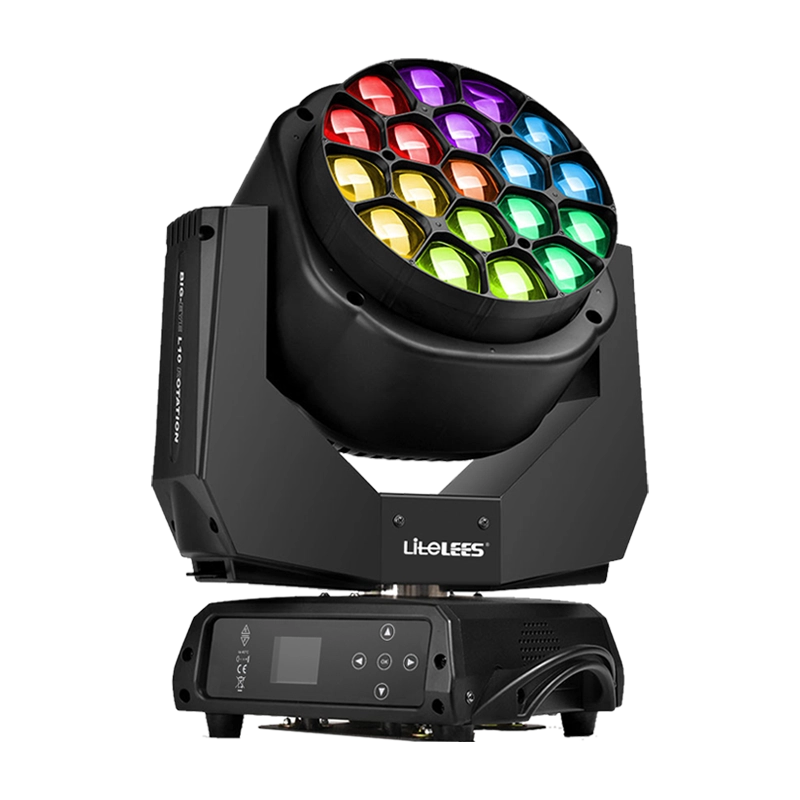

Stormy Shake Blinder IP
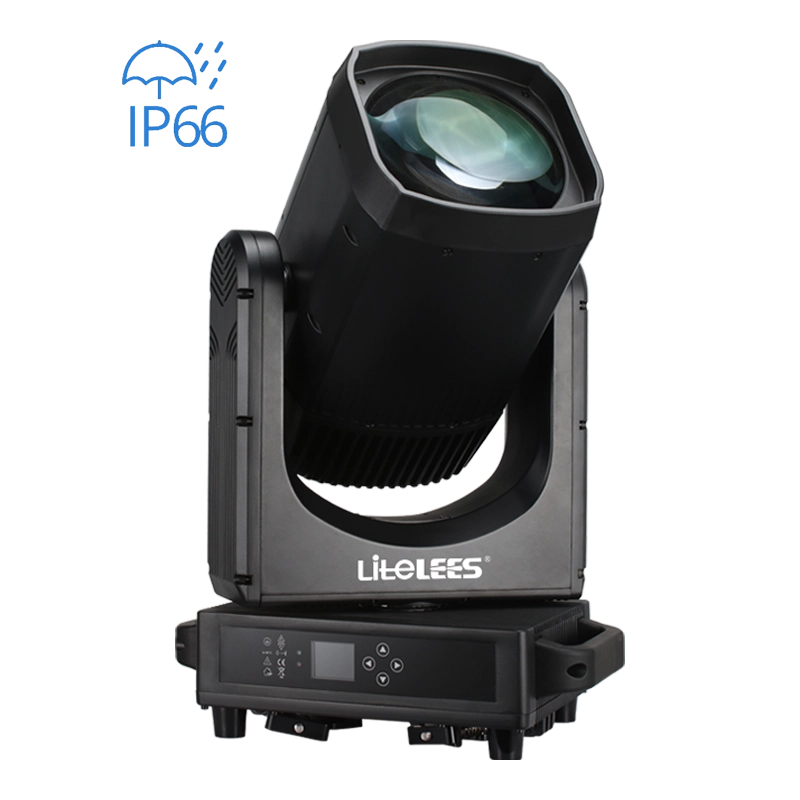
LiteLEES LUMIX BEAM 420 IP
LP Profile 900
Want to get more up-to-date information?
If you have any comments or good suggestions, please leave us a message; later our professional staff will contact you as soon as possible.

We are professional stage lighting manufacturers offering OEM and ODM LED stage lights.
Contact
Email us
Call us
Address
No.6 Longnan Road, Huashan Town, Huadu District Guangzhou, Guangdong Province, China.
LiteLEES Professional
Less Lighting