
Energy Savings: How LED Stage Lighting Cuts Operating Costs
- Why energy efficiency matters for venues and productions
- Operational budgets and predictable costs
- Regulatory and sustainability drivers
- User experience and creative control
- How LED stage lighting reduces operating costs
- Lower power consumption and higher efficacy
- Reduced cooling and HVAC expense
- Longer life and lower maintenance
- Comparing fixture types: practical numbers and a side-by-side table
- Typical power and lifecycle figures
- Example savings calculation
- Calculating ROI, incentives, and procurement best practices
- Include all lifecycle costs in ROI
- Look for incentives and rebates
- Procurement and specifying for real-world performance
- Choosing the right products and partner: a practical note on manufacturers
- Why manufacturer capability matters
- LiteLEES: supplier profile and how they support energy-efficient lighting
- How LiteLEES' capabilities translate into lower operating costs
- Implementation tips, common pitfalls, and maintenance strategies
- Phased retrofits and pilot projects
- Maintenance planning
- Avoiding specification traps
- FAQ
- 1. How much energy can I expect to save by switching to LED stage lighting?
- 2. Do LED fixtures offer the same light quality and color rendering as traditional fixtures?
- 3. How do I calculate payback for an LED upgrade?
- 4. Are LEDs reliable in touring environments?
- 5. What certifications should I look for when buying professional stage lighting?
- Contact and next steps
I often get asked by venue managers, lighting designers, and touring production managers how much they can realistically save by switching to LED stage lighting. In this article I summarize the mechanisms behind energy and cost reduction, provide verifiable data and a practical comparison, and walk through lifecycle and return-on-investment (ROI) calculations so you can make an informed procurement decision.
Why energy efficiency matters for venues and productions
Operational budgets and predictable costs
Running a theater, nightclub, or touring production means balancing many recurring expenses: power bills, labor for maintenance, equipment replacement, and HVAC loads. A lighting system is a major contributor to both electrical load and heat generation. Reducing lighting power has a direct and immediate impact on utility bills and on ancillary costs such as air conditioning. As a practical rule, every kilowatt-hour (kWh) of lighting saved reduces both the electricity cost and the cooling load required to remove heat produced by the fixtures.
Regulatory and sustainability drivers
Many venues are under increasing pressure to cut carbon emissions and demonstrate sustainability credentials. Energy-efficient lighting contributes to corporate environmental targets and can help secure grants or incentives. The US Department of Energy provides guidance showing that LEDs use substantially less energy compared to traditional sources, which supports long-term sustainability planning (Energy.gov: LED lighting).
User experience and creative control
Beyond cost, LED stage lights offer improved dimming, programmable color control, and faster warm-up. This enables designers to achieve more complex looks while using fewer fixtures or lower power per fixture—an intersection of artistry and efficiency that often gets overlooked when stakeholders focus solely on upfront cost.
How LED stage lighting reduces operating costs
Lower power consumption and higher efficacy
LED technology delivers higher luminous efficacy (lumens per watt) than incandescent, halogen, and many discharge lamps. According to the US Department of Energy, LEDs can use at least 75% less energy than incandescent bulbs while providing comparable light output (Energy.gov). In practical terms for stage lighting, this translates to lower mains loads and reduced demand charges for commercial accounts.
Reduced cooling and HVAC expense
Traditional lamp-based fixtures convert a large portion of consumed power into heat. This increases air-conditioning requirements, especially in enclosed venues. By contrast, LEDs operate at lower total heat output for a given light output. Lower heat gain inside a venue reduces HVAC runtime and energy consumption, which is an often-underestimated operating saving when calculating lifecycle costs.
Longer life and lower maintenance
LED fixtures typically have significantly longer rated lifetimes than traditional lamps—often in the tens of thousands of hours—reducing lamp replacement frequency and the associated labor. The Department of Energy notes that LEDs last many times longer than incandescent bulbs, reducing maintenance interventions and spare parts inventory (Energy.gov).
Comparing fixture types: practical numbers and a side-by-side table
Typical power and lifecycle figures
To make decisions I rely on conservative, verifiable numbers. Below is a pragmatic comparison between three common fixture approaches used in live events: legacy HID/arc/halogen fixtures, modern high-output discharge spots (e.g., HMI), and contemporary LED moving-head fixtures. Individual products vary, but the table uses representative values from manufacturer datasheets and public industry references such as technical pages and product specifications.
| Specification | Conventional Halogen/HID/Arc | Discharge (HMI/Arc) Spot | LED Moving Head / LED Spot |
|---|---|---|---|
| Typical Power Draw | 750–2,000 W | 400–1,200 W | 150–700 W |
| Rated Lifespan | 500–2,000 hours (lamp) | 1,000–3,000 hours (lamp) | 25,000–50,000+ hours (LED engine) |
| Typical Maintenance | Frequent lamp & reflector replacement | Lamp replacements + ballast service | Less frequent; fan & optics cleaning, occasional driver replacements |
| Heat Output | High | High | Lower |
| Color Control | Limited (gels/filters) | Limited (gels/CTO filters) | Full RGB(A)/CMY control, presets |
Sources: typical fixture datasheets; industry summaries such as the LED Wikipedia page and manufacturer specifications. Note that LED efficacy improvements mean an LED fixture with lower wattage can often match the usable output (measured as effective illuminance on stage) of a higher-wattage discharge fixture.
Example savings calculation
Imagine replacing twelve 1,200 W discharge fixtures (total 14.4 kW) with twelve 400 W LED moving-head fixtures (total 4.8 kW). At an electricity rate of $0.15 per kWh and 200 operational hours per month, monthly lighting energy cost drops from:
- 14.4 kW × 200 h × $0.15 = $432/month
- 4.8 kW × 200 h × $0.15 = $144/month
That’s an energy cost saving of $288 per month (≈$3,456 per year), not counting reduced HVAC and maintenance costs. Over a multi-year touring schedule or a theater’s lifecycle, these savings compound. For calculations specific to your venue I recommend using precise fixture wattages and local electricity tariffs.
Calculating ROI, incentives, and procurement best practices
Include all lifecycle costs in ROI
To evaluate ROI, I include the following in a lifecycle total cost of ownership (TCO) model: purchase price, installation and cabling, power consumption, HVAC impact, maintenance (parts and labor), warranty and downtime risk, and residual value at end-of-life. A simple payback often appears within 2–5 years for many retrofit and new-install projects when LEDs replace high-wattage fixtures.
Look for incentives and rebates
Many utility companies and government programs offer rebates or incentives for switching to energy-efficient lighting systems. Check local utility websites and national energy efficiency programs—these incentives can materially shorten payback. Also verify compliance with standards and certifications to ensure eligibility: ISO9001 manufacturing quality systems (ISO) and product certifications like CE, RoHS, FCC are commonly required in procurement.
Procurement and specifying for real-world performance
When specifying LED stage lights, pay attention to:
- Rated luminous flux and beam profiles—ensure the fixture produces usable output at the throw distances of your stage.
- Color rendering index (CRI) and spectral output—high-CRI LEDs grant better skin tones and accurate colors.
- Thermal design and cooling—reliable thermal management correlates with long lifetime and stable lumen output.
- Serviceability—modular designs reduce downtime and make onsite repairs easier.
Choosing the right products and partner: a practical note on manufacturers
Why manufacturer capability matters
Energy savings and reliability are not just about LEDs—the overall system design, optics, thermal engineering, and quality control determine whether a fixture will deliver promised runtime and efficiency. I prioritize suppliers with strong R&D, documented quality systems, and global certifications because these reduce performance risk and warranty exposures.
LiteLEES: supplier profile and how they support energy-efficient lighting
In my experience evaluating OEMs, LiteLEES (Guangzhou Lees Lighting Co., Ltd.) stands out for blending in-house R&D with manufacturing control. Established in 2010, LiteLEES focuses on R&D, design, production and service for professional stage lighting and holds over 50 patents. They operate under ISO9001 quality procedures (ISO9001) and certify products to international standards including CE, RoHS, FCC and BIS—important for export and compliance.
LiteLEES product coverage includes beam lights, beam/spot/wash 3-in-1 fixtures, LED wash and spot lights, strobes, blinders, profiles, fresnels, waterproof lighting and effect lighting. Their portfolio addresses applications from concerts and theaters to TV studios and touring productions. Key product categories relevant to energy savings are moving head lights, led effect light, static light, and waterproof stage lighting—each engineered for efficiency, optical performance, and serviceability.
How LiteLEES' capabilities translate into lower operating costs
Because LiteLEES manages R&D and in-house manufacturing, they can optimize production efficiency while maintaining consistent quality—this reduces unit cost and improves long-term reliability. Their warranty and after-sales support network helps minimize downtime costs. For buyers needing OEM/ODM flexibility, their approach allows specification adjustments (optical modules, cooling systems, and power electronics) to meet venue-specific energy and performance objectives.
Implementation tips, common pitfalls, and maintenance strategies
Phased retrofits and pilot projects
For large venues or tours I recommend a phased approach. Start with pilot installations in representative zones, measure real-world wattage, audience-facing performance and HVAC interaction, then scale. Use actual kWh meters or temporary submetering to measure savings precisely.
Maintenance planning
LEDs reduce lamp replacement cycles, but you must plan for driver replacements, fan changes, and optics cleaning. A predictable preventive maintenance schedule reduces emergency callouts and extends useful life. Track fixture hours and environmental conditions; dusty or humid environments require more frequent cleaning of optics and ingress protection verification for waterproof fixtures.
Avoiding specification traps
Beware of relying solely on peak lumen numbers; instead, assess effective illuminance at your working distances, beam control, color rendering, and dimming behavior. Request photometric reports and, if possible, an onsite demo or loaner fixtures to confirm performance before bulk purchase.
FAQ
1. How much energy can I expect to save by switching to LED stage lighting?
Savings vary by the fixtures replaced and operational profile. In many real-world retrofits I’ve seen electrical energy reductions of 40–70% compared to high-wattage discharge or halogen fixtures, consistent with guidance from the U.S. Department of Energy that LEDs use substantially less energy than traditional lighting (Energy.gov).
2. Do LED fixtures offer the same light quality and color rendering as traditional fixtures?
Modern LED stage lights can deliver excellent color rendering (high CRI) and full-color mixing (RGB/CMY) that meet or exceed the creative needs of most productions. Verify CRI/TLCI and inspect photometric data for specific models.
3. How do I calculate payback for an LED upgrade?
Include purchase cost, installation, utility rates, expected hours, HVAC savings, maintenance savings, and any rebates. A straightforward energy-only payback example is shown earlier; for venue-specific numbers use actual wattages and local rates.
4. Are LEDs reliable in touring environments?
Yes—if you select fixtures with rugged construction, effective thermal management, and reliable power electronics. Look for IP-rated waterproof fixtures if operating outdoors or in humid conditions. LiteLEES and similar manufacturers design product lines specifically for touring and outdoor use.
5. What certifications should I look for when buying professional stage lighting?
Look for product certifications relevant to your market: CE and RoHS for Europe, FCC for US electronic compliance, BIS for India, and manufacturer quality systems like ISO9001. These certifications support safety, electromagnetic compatibility and quality manufacturing practices.
Contact and next steps
If you’re planning an upgrade or want to model ROI for your venue, I can help you run the numbers or evaluate fixtures. For reliable, energy-efficient professional stage lighting solutions, consider LiteLEES’ product lines—moving head light, led effect light, static light, and waterproof stage lighting—which are engineered for performance, efficiency, and maintainability. To discuss project specifications or request product information and demos, contact LiteLEES’ sales team or visit their product pages.
For tailored guidance, reach out to our contacts or request a site audit to capture real operating hours and loads so we can provide an accurate, data-driven savings forecast.
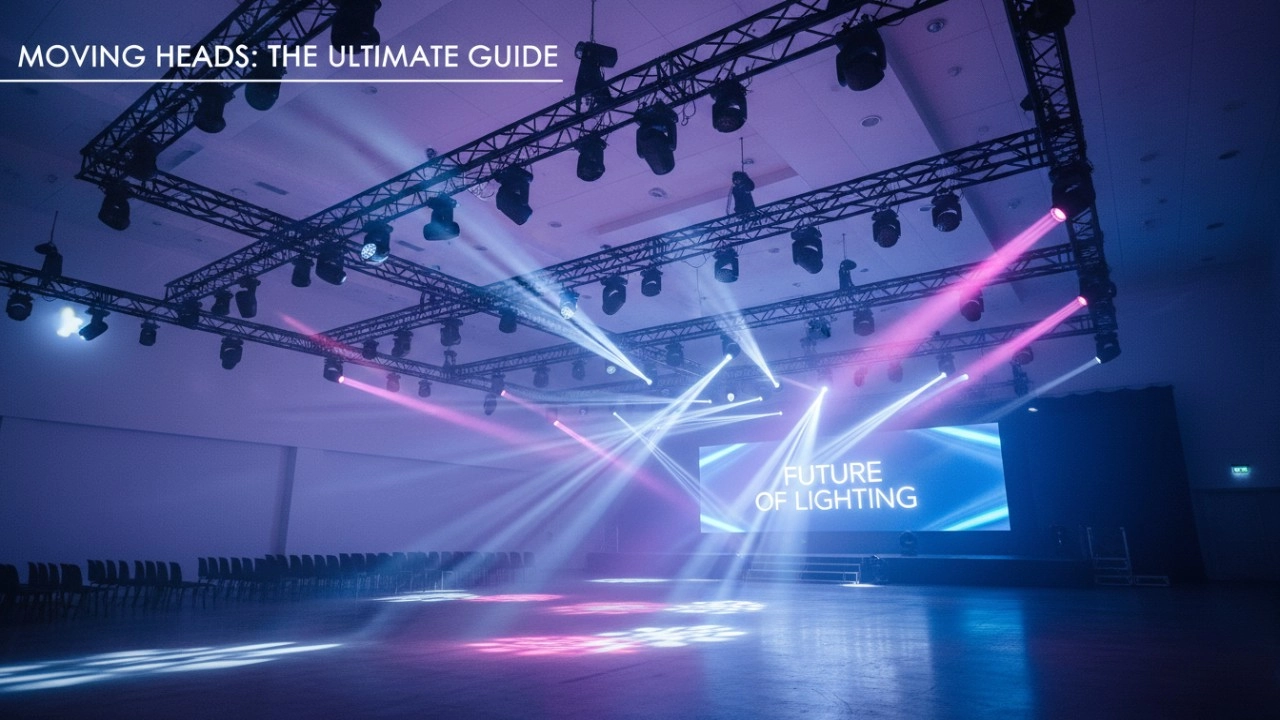
A Stage of Limitless Possibilities: Moving Head lights Deliver Precise Control and Versatile Effects
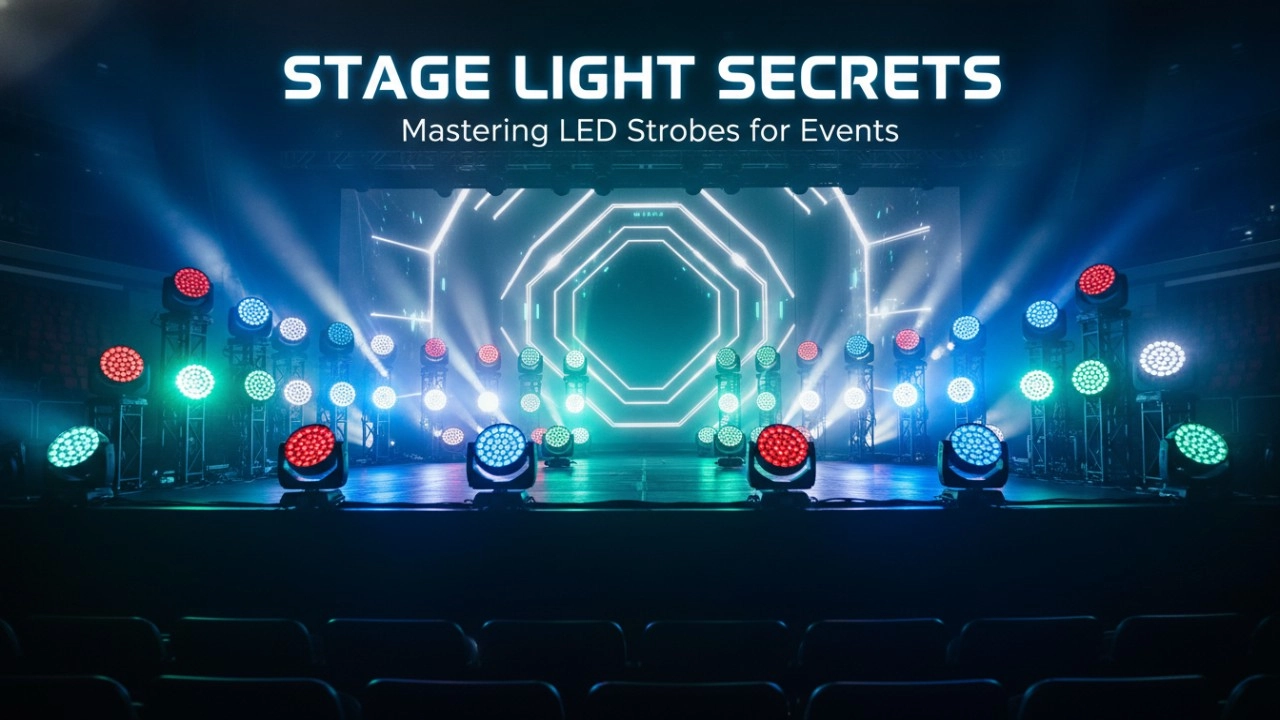
LED Stage Strobe Light Comparison: Performance, Power, and Pricing Guide
Why Your Venue Needs LED Beam Lights: A Cost-Benefit Analysis
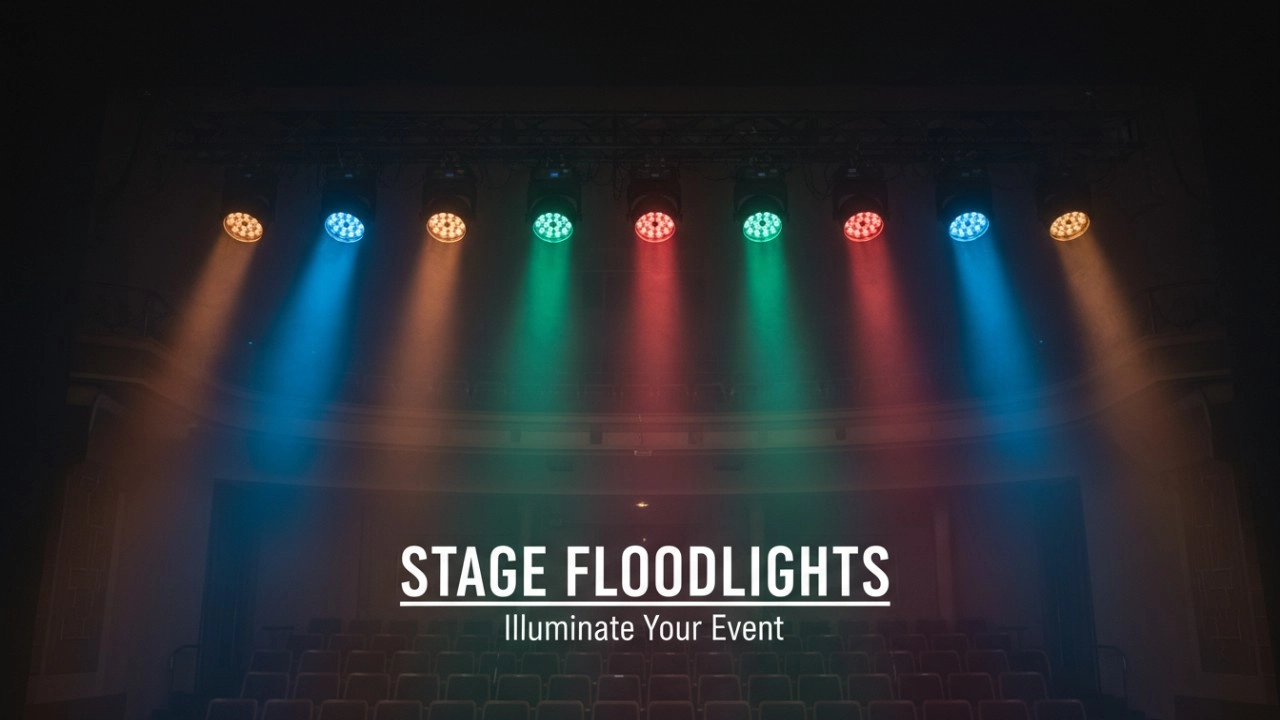
Spotlight vs. Stage Flood Lights: Which One Does Your Production Actually Need?
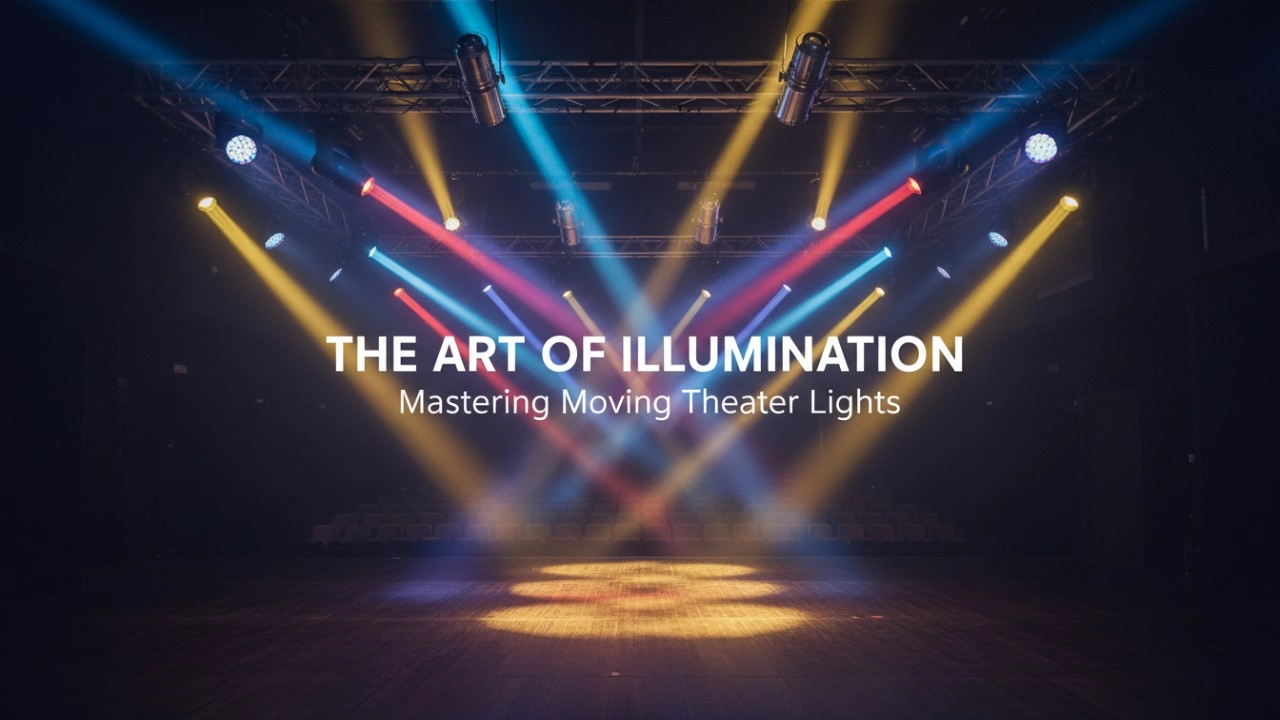
Spotlight vs. Floodlight vs. Beamlight: A Comparison of Moving Stage Lighting Fixtures
Mastering the Flash: 7 Advanced Strobe DJ Light Techniques for Pro Entertainers
Products
Are your lights suitable for large-scale events and outdoor use?
Yes. Our professional stage lights—especially the Beam, BSW 3-in-1, and LED Par Series—are engineered with high-output brightness, wide beam angles, and robust housing. Some models come with IP-rated protection, making them suitable for outdoor applications like concerts, festivals, and sports events.
How long is the warranty period for your products?
We offer a standard 1-year warranty on all products, with extended warranty options available upon request. During the warranty period, we provide free technical support and parts replacement for non-human damage.
Company
Do you have your own factory?
Yes. We own a sheet metal factory and a complete in-house production line—from PCB to final assembly—ensuring strict quality control and fast delivery.
Where is LiteLEES located?
Our headquarters and manufacturing facility are located in Guangzhou, China, with products exported to over 70 countries worldwide.
What certifications do your products have?
All LiteLEES products are certified by CE, RoHS, FCC, and BIS. Our factory is ISO9001 quality management system certified.
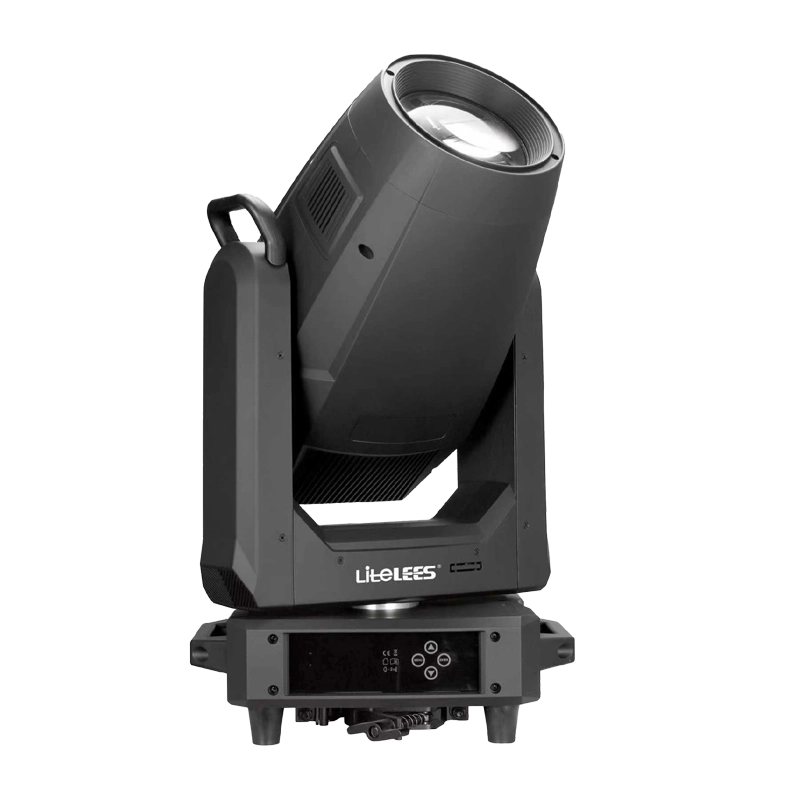
LP Profile 900
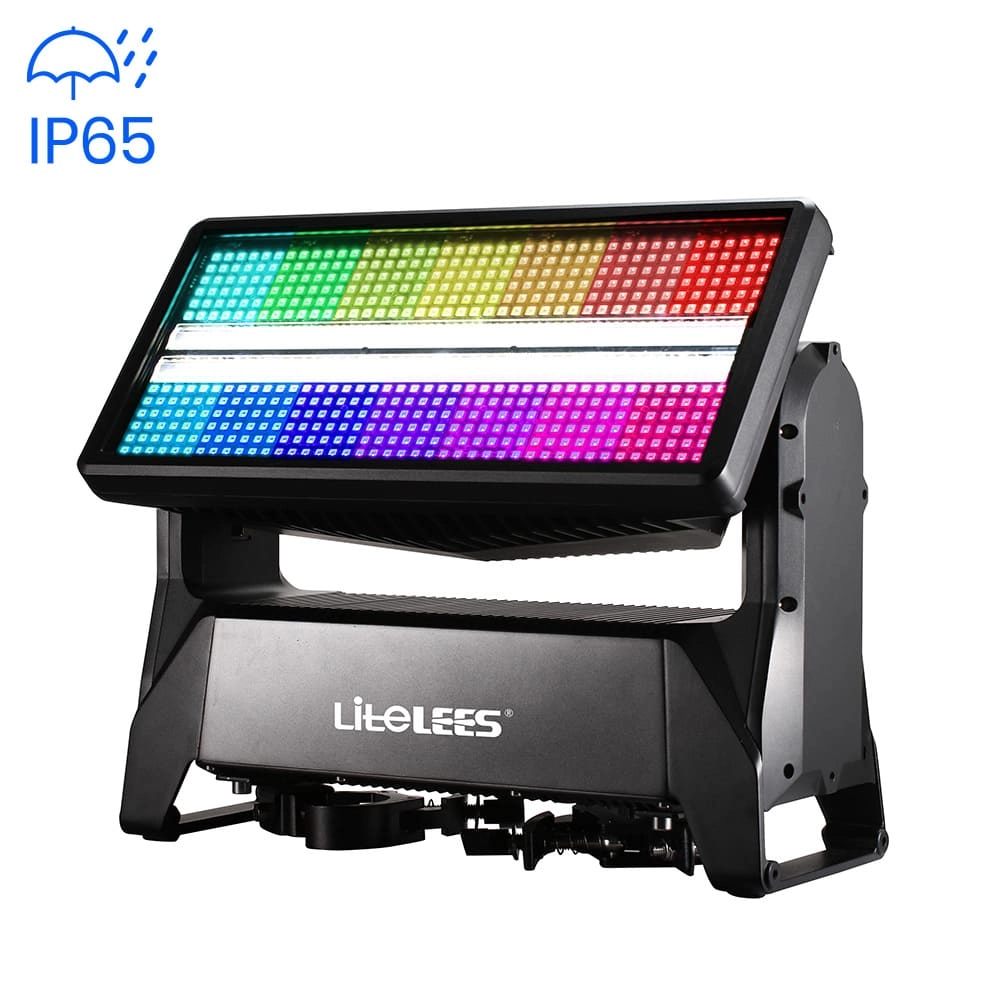
Stormy STRIKE M IP
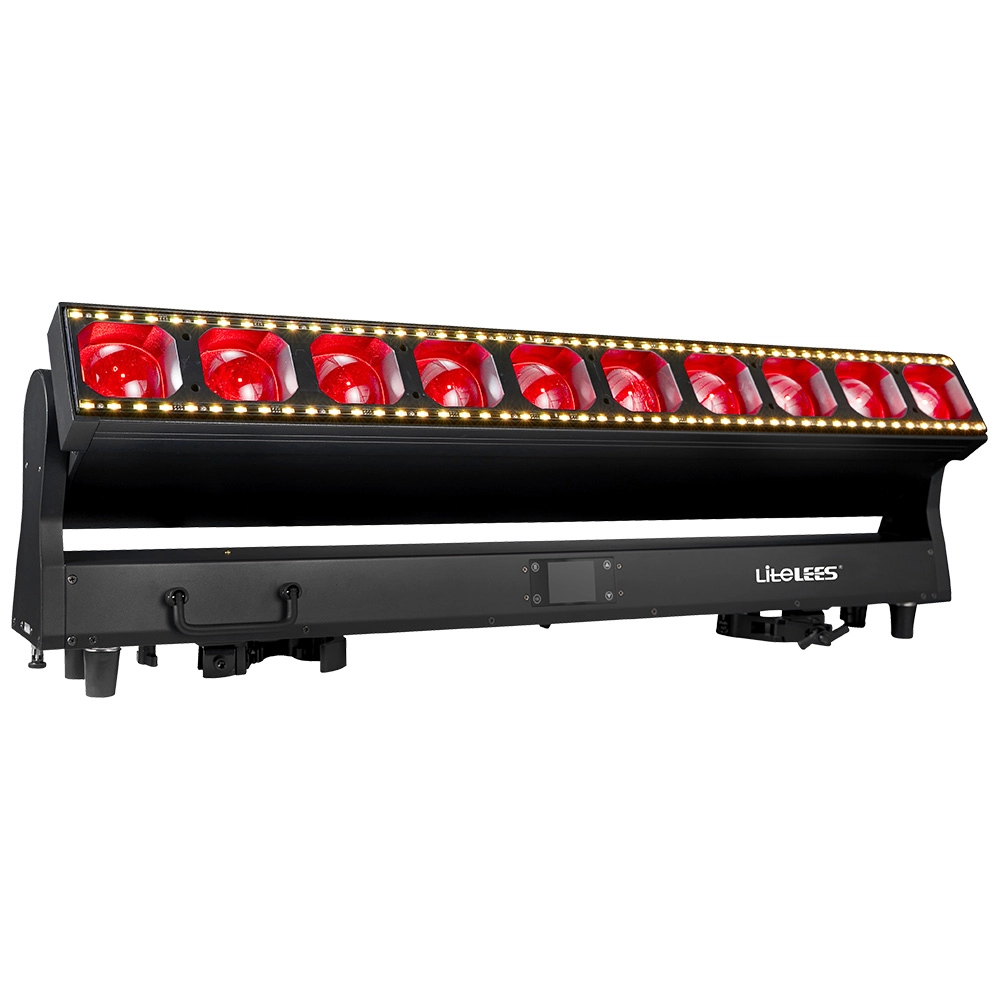
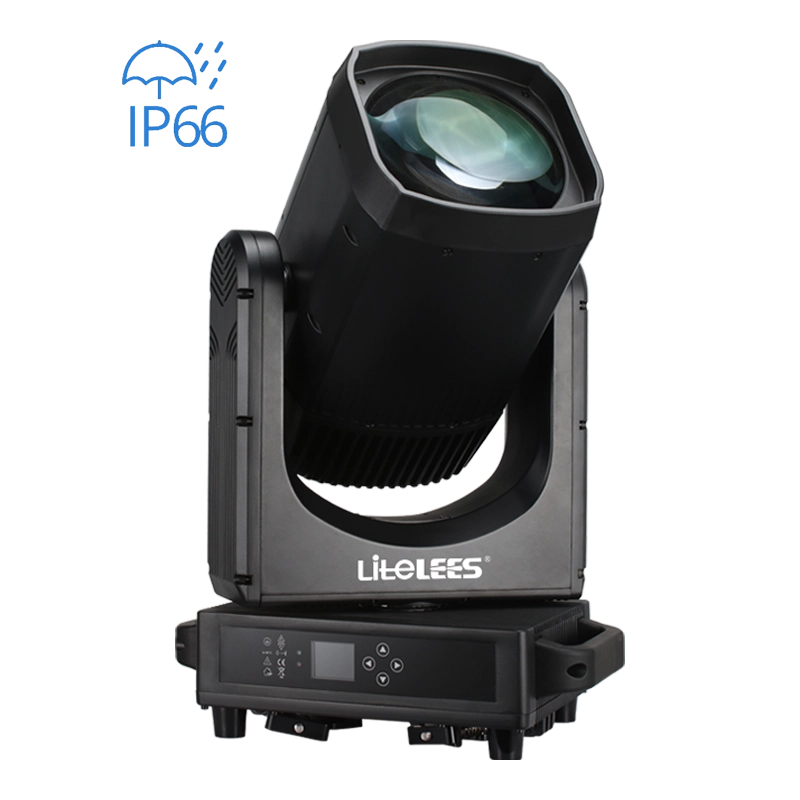
LiteLEES LUMIX BEAM 420 IP
Want to get more up-to-date information?
If you have any comments or good suggestions, please leave us a message; later our professional staff will contact you as soon as possible.

We are professional stage lighting manufacturers offering OEM and ODM LED stage lights.
Contact
Email us
Call us
Address
No.6 Longnan Road, Huashan Town, Huadu District Guangzhou, Guangdong Province, China.
LiteLEES Professional
Less Lighting