
LED Spotlights vs Traditional Stage Lights: Cost & Benefits
- Understanding the technologies and why they matter
- What is an LED spotlight and how it differs technically
- Overview of traditional stage lights
- Why choice matters for modern productions
- Cost comparison: upfront, operating, and lifecycle
- Upfront purchase and installation costs
- Energy consumption and utility costs
- Maintenance, lamp replacement, and downtime
- Comparison table: typical lifecycle metrics
- Performance trade-offs and creative considerations
- Light quality: color rendering and beam control
- Beam shaping, zoom and optical flexibility
- Dimming, strobe, flicker and broadcast compatibility
- Choosing the right solution for different use cases
- Concert tours and rental houses
- Theatres and fixed installations
- TV studios, houses of worship, and events
- Return on investment (ROI) and decision framework
- Estimating payback period
- Non-financial ROI factors
- Practical buying checklist
- LiteLEES: a partner perspective for professional stage lighting
- Company overview and technical strengths
- Product range relevant to stage lighting spotlights
- Why consider LiteLEES for your next spec
- Summary and practical recommendations
- Key takeaways
- How to decide for your situation
- Next steps
- FAQ
- 1. Are LED spotlights always cheaper over their lifecycle than traditional lights?
- 2. Do LEDs work with existing dimming systems?
- 3. Can LED spotlights match the color quality of traditional lamps?
- 4. Are LED spotlights suitable for outdoor events?
- 5. How do I avoid flicker with LED lights on camera?
- 6. What about resale and obsolescence?
This article provides an evidence-based, practitioner-oriented comparison of modern LED spotlights and traditional stage lighting technologies to help lighting designers, production managers, rental houses, and venue operators choose the most cost-effective and performance-appropriate stage lighting spotlights. It synthesizes performance metrics, lifecycle costs, operational considerations, and real-world deployment scenarios, drawing on industry sources and standards to support recommendations.
Understanding the technologies and why they matter
What is an LED spotlight and how it differs technically
LED (light-emitting diode) spotlights use semiconductor diodes to produce light. They offer directional output, high luminous efficacy, and instant on/off operation. LEDs typically achieve significantly higher lumens-per-watt than incandescent or halogen sources, and their color and beam control are driven by electronics rather than filament physics. See a technical overview on LEDs at Wikipedia and U.S. Department of Energy summaries at energy.gov.
Overview of traditional stage lights
Traditional stage fixtures include incandescent/halogen profiles, Fresnels, and high-intensity discharge (HID) instruments such as metal-halide spotlights. These rely on thermal or arc discharge sources, generate substantial heat, and have lower luminous efficacy. Details on stage lighting concepts are summarized at Wikipedia: Stage lighting and on technology categories such as HID lamps.
Why choice matters for modern productions
Decisions about stage lighting spotlights affect capital expenditure (CapEx), operating expenditure (OpEx), rigging and HVAC requirements, creative flexibility (color, gobo, zoom), and health & safety. Energy efficiency reduces venue HVAC loads and running costs; lower maintenance reduces downtime and labor; improved color control and effects increase creative options for designers and directors.
Cost comparison: upfront, operating, and lifecycle
Upfront purchase and installation costs
LED spotlights typically carry a higher purchase price than basic halogen/incandescent units of similar beam intensity, especially when comparing budget-class fixtures. However, mid- to high-end LED moving-heads, spot/beam hybrid fixtures, and profiles increasingly match or undercut costs when factoring in integrated electronics and longer warranties. Initial rigging and infrastructure costs can differ: LEDs often reduce auxiliary cooling requirements.
Energy consumption and utility costs
Energy use is where LEDs most reliably deliver OpEx savings. Typical comparative numbers (industry averages): incandescent/halogen profiles: 300–1000 W per fixture; HID spot/beam fixtures: 400–2400 W; LED spotlights: 50–600 W depending on class and output. These values are corroborated by fixture datasheets and technology summaries such as Wikipedia and DOE resources.
Maintenance, lamp replacement, and downtime
Traditional lamps (incandescent, halogen, HID) require regular lamp replacement (hundreds to a few thousand hours for HID; a few hundred hours for halogen/incandescent) and frequent optical cleaning. LEDs have rated lifespans commonly between 30,000 and 100,000 hours, drastically lowering lamp replacement and labor costs. Reduced maintenance also yields higher booking availability for rental firms and touring productions.
Comparison table: typical lifecycle metrics
| Metric | LED Spotlights (typical) | Traditional (Halogen / HID) | Source / Notes |
|---|---|---|---|
| Initial fixture cost | Moderate–High (US$400–6000) | Low–Moderate (US$200–3000) | Market pricing varies by feature set; manufacturer datasheets |
| Power draw | 50–600 W | 300–2400 W | Fixture specs; HID/halogen typical ranges |
| Luminous efficacy | 60–140 lm/W | 10–80 lm/W | Technology averages, see DOE |
| Lamp/diode life | 30,000–100,000 hours | 200–20,000 hours (varies by lamp type) | Manufacturer rated life; HID varies by lamp chemistry |
| Maintenance frequency | Low | High | Lamp changes, cooling, replacements |
| Heat generation | Lower (electronic heat sink) | High (fixture and venue cooling impact) | HVAC implications |
Performance trade-offs and creative considerations
Light quality: color rendering and beam control
Historically, traditional tungsten sources had excellent spectral continuity and high CRI, favored for skin tones and natural color rendering. Modern LED spotlights now achieve high CRI values (90+ in High Quality fixtures) with tunable color temperature and RGB/CMY mixing. For critical broadcast or theatre applications requiring precise color matching, verify manufacturer CRI/TLCI data on datasheets and conduct on-site tests.
Beam shaping, zoom and optical flexibility
Profile spotlights and ellipsoidal instruments historically provided sharp shutters, framing, and gobo projection with exceptional optical quality. Today's LED profiles and hybrid moving heads combine motorized zooms, interchangeable gobos, and high-precision optics to match or exceed earlier mechanical profiles. However, certain designers still prefer traditional optics for specific projection characteristics; a side-by-side test is recommended.
Dimming, strobe, flicker and broadcast compatibility
LEDs rely on electronic drivers and PWM (pulse-width modulation) which can introduce flicker at specific frame rates if poorly implemented. Leading manufacturers provide high-frequency drivers and broadcast-grade modes to eliminate visible flicker at camera frame rates. For broadcast or high-frame-rate video, insist on fixtures with documented flicker-free performance (TLCI, flicker specs) and test them under the intended camera settings.
Choosing the right solution for different use cases
Concert tours and rental houses
Touring productions prioritize weight, energy use, setup speed, and reliability. LED spotlights reduce dim weight, power distribution needs, and on-site maintenance — all translating to lower truck space, crew time, and utility fees at venues. Many touring systems now center around LED moving-heads and LED beam/spot/wash 3-in-1 fixtures for versatility.
Theatres and fixed installations
Fixed venues can justify a higher CapEx for High Quality LED spotlights because energy savings and lower HVAC impact yield fast payback. Moreover, consistent color output and reduced heat improve audience comfort and reduce curtain and set material degradation. For heritage theatres concerned with light quality, phased retrofit strategies can balance preservation and efficiency.
TV studios, houses of worship, and events
Broadcast and live-streamed events must validate color consistency and flicker performance. Houses of worship benefit from lower ongoing costs, cooler stages, and quieter operation (no noisy ballast or fans in many LED designs). Event production companies appreciate the creative flexibility of LED color mixing, effects, and rapid scene recall.
Return on investment (ROI) and decision framework
Estimating payback period
To estimate ROI, consider: fixture price difference, average run hours per year, local electricity cost, lamp replacement and labor costs, HVAC savings, and resale/rental value. Example: replacing a 1000 W traditional fixture with a 300 W LED equivalent at 8 hours/day, 200 days/year, and electricity cost of US$0.15/kWh gives annual energy savings of:
Savings = (1000-300) W * 8h * 200d / 1000 * US$0.15 = US$168 per fixture per year in energy. Add lamp and labor savings to shorten payback.
Non-financial ROI factors
Creative capability, reliability, reduced downtime risk, venue environmental targets, and audience/artist comfort are critical. Many venues report intangible value from upgraded systems that attract higher-profile productions and retain clients.
Practical buying checklist
- Verify photometric data (lux at distance, beam angle, lumens) from manufacturer datasheets.
- Confirm CRI/TLCI and broadcast/flicker specs for video work.
- Check power factor, inrush current, and dimming protocol compatibility with existing desks and dimmers.
- Ask about IP rating if fixtures will be used outdoors or in humid environments.
- Evaluate warranty, spare parts availability, and service turnaround times.
LiteLEES: a partner perspective for professional stage lighting
Company overview and technical strengths
LiteLEES (Guangzhou Lees Lighting Co., Ltd.), established in 2010, is a high-tech enterprise specializing in R&D, design, manufacturing, sales, and service of professional stage lighting equipment. Backed by an independent and experienced R&D team, LiteLEES holds over 50 patents and operates under the ISO9001 quality management system. Their products meet major international standards including CE, RoHS, FCC, and BIS, supporting reliable global deployment across more than 100 countries and 6,000 customers.
Product range relevant to stage lighting spotlights
LiteLEES offers a broad portfolio including beam lights, beam/spot/wash 3-in-1 fixtures, LED wash and spot lights, strobes, blinders, profiles, fresnels, waterproof solutions, and effect lights. Key competitive products for productions include moving head lights, LED effect lights, static lights, and waterproof stage lighting, all designed for touring, concerts, theatres, TV studios, and large-scale events.
Why consider LiteLEES for your next spec
With in-house manufacturing and rigorous quality control, LiteLEES emphasizes cost-effective production, consistent performance, and flexible OEM/ODM capabilities. Their combination of ISO-certified processes, extensive R&D, and global certifications makes them a viable choice for rental houses and fixed venues seeking reliable stage lighting spotlights with strong post-sales support.
Summary and practical recommendations
Key takeaways
LED spotlights generally offer superior energy efficiency, lower maintenance, and enhanced creative flexibility compared to traditional incandescent/HID stage lights. Traditional fixtures may still be chosen for specific optical qualities or lower upfront cost in budget-limited situations. When calculating total cost of ownership, include energy, lamp replacement, labor, HVAC, and potential revenue uplift from improved production capabilities.
How to decide for your situation
If you operate a touring rig, rental house, or venue with high annual hours, prioritize LED spotlights for rapid OpEx savings and reduced logistics overhead. For broadcast work, insist on fixtures with certified flicker-free operation. For historic venues, consider hybrid strategies and pilot installations. Always test fixtures on-site and request photometric reports before large-scale replacement.
Next steps
Contact manufacturers for sample units, request detailed photometric and electrical datasheets, and run side-by-side tests with your lighting desk and cameras. For production-scale procurement, involve facilities, technical directors, and financial stakeholders to model ROI over a 3–7 year horizon.
FAQ
1. Are LED spotlights always cheaper over their lifecycle than traditional lights?
Not always in terms of purchase price, but in most professional contexts LEDs deliver lower total lifecycle costs due to energy savings, reduced lamp replacements, and lower maintenance. Calculate based on your annual run hours, electricity rates, and labor costs.
2. Do LEDs work with existing dimming systems?
LED fixtures use electronic drivers and may require compatible dimming protocols (DMX, RDM, 0-10V, or specific LED dimming curves). Some older mains dimmers are incompatible; verify compatibility or use LED-specific dimmers/controllers. Check manufacturer guidance and test with your desk.
3. Can LED spotlights match the color quality of traditional lamps?
High-quality LEDs now achieve CRI values above 90 and provide stable color temperature and tunable color mixing. For critical applications, verify TLCI/CRI values on datasheets and conduct camera capture tests.
4. Are LED spotlights suitable for outdoor events?
Yes, provided you select fixtures with appropriate IP ratings and thermal management for the environment. LiteLEES and other suppliers offer waterproof and outdoor-rated stage lighting options.
5. How do I avoid flicker with LED lights on camera?
Choose fixtures advertised as flicker-free or broadcast-grade, check PWM frequencies, and test with your cameras at intended shutter speeds and frame rates. Manufacturers often publish flicker test data; request it before purchase.
6. What about resale and obsolescence?
LED technology evolves, but fixtures from reputable manufacturers with firmware update paths, modular spare parts, and strong service networks retain higher resale value and longer practical service life.
If you want tailored recommendations, fixture comparisons, or to see LiteLEES products for evaluation, contact a LiteLEES representative or authorized distributor to request datasheets, photometric files, and sample units. Explore LiteLEES product lines including moving head light, led effect light, static light, and waterproof stage lighting to match your production needs.
Contact / Request a Quote: Visit the LiteLEES website or contact their sales team for product catalogs, certifications, and OEM/ODM options. Let an expert help specify the optimal stage lighting spotlights for your venue or tour.
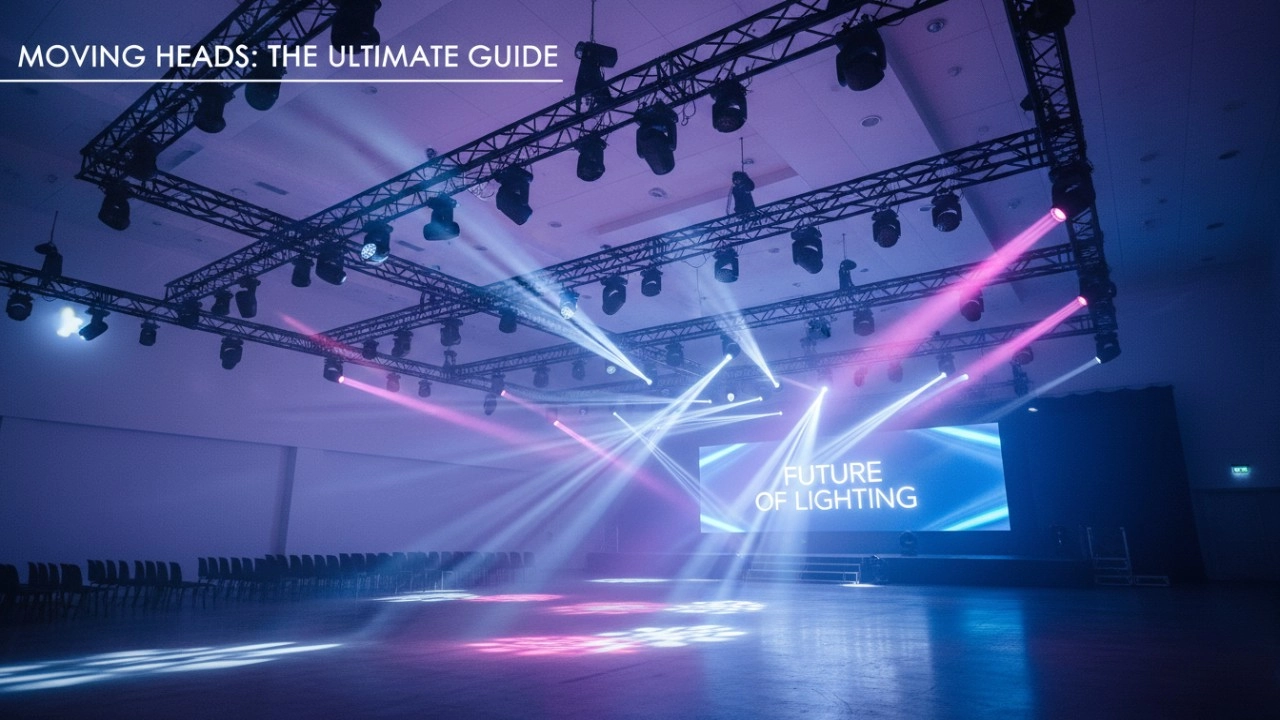
A Stage of Limitless Possibilities: Moving Head lights Deliver Precise Control and Versatile Effects
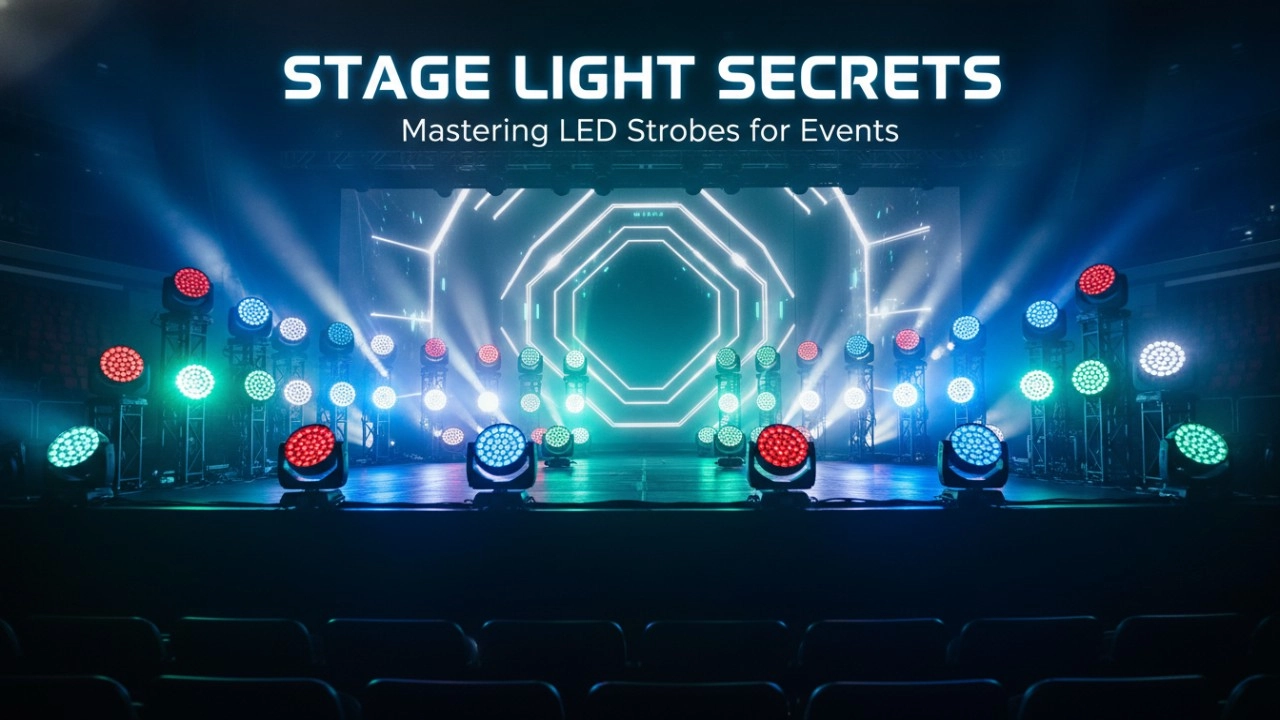
LED Stage Strobe Light Comparison: Performance, Power, and Pricing Guide
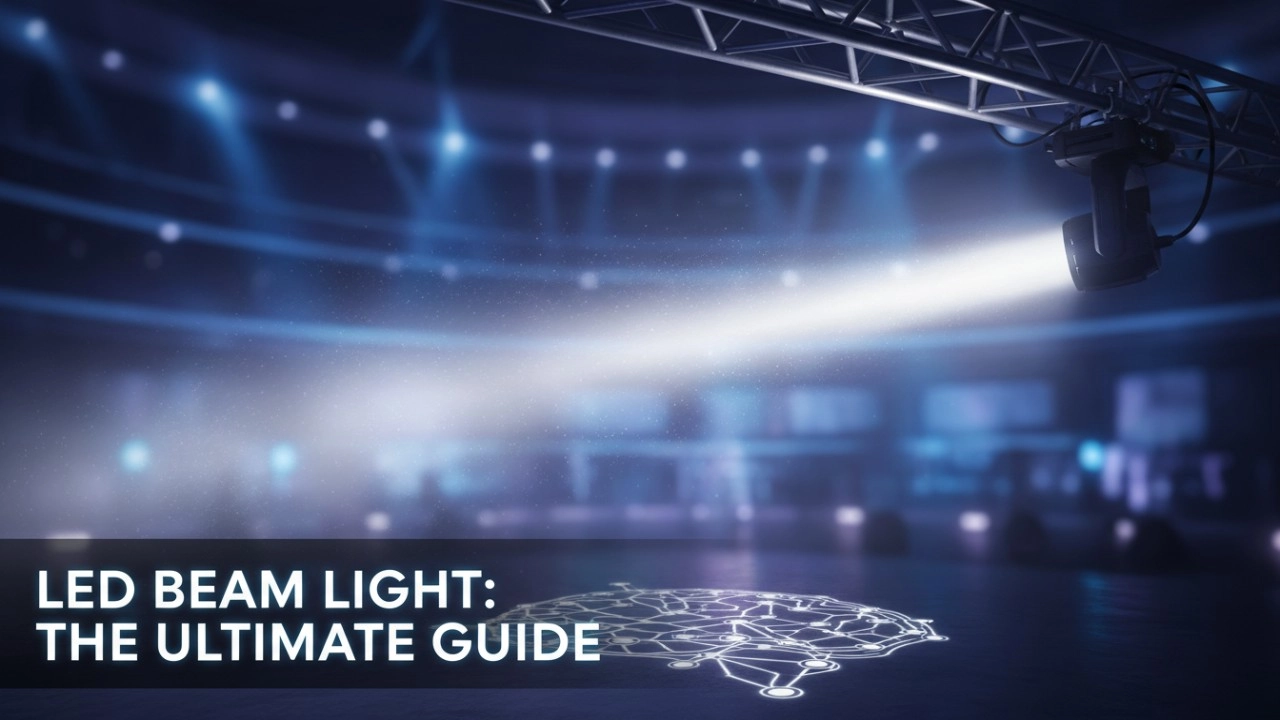
Why Your Venue Needs LED Beam Lights: A Cost-Benefit Analysis
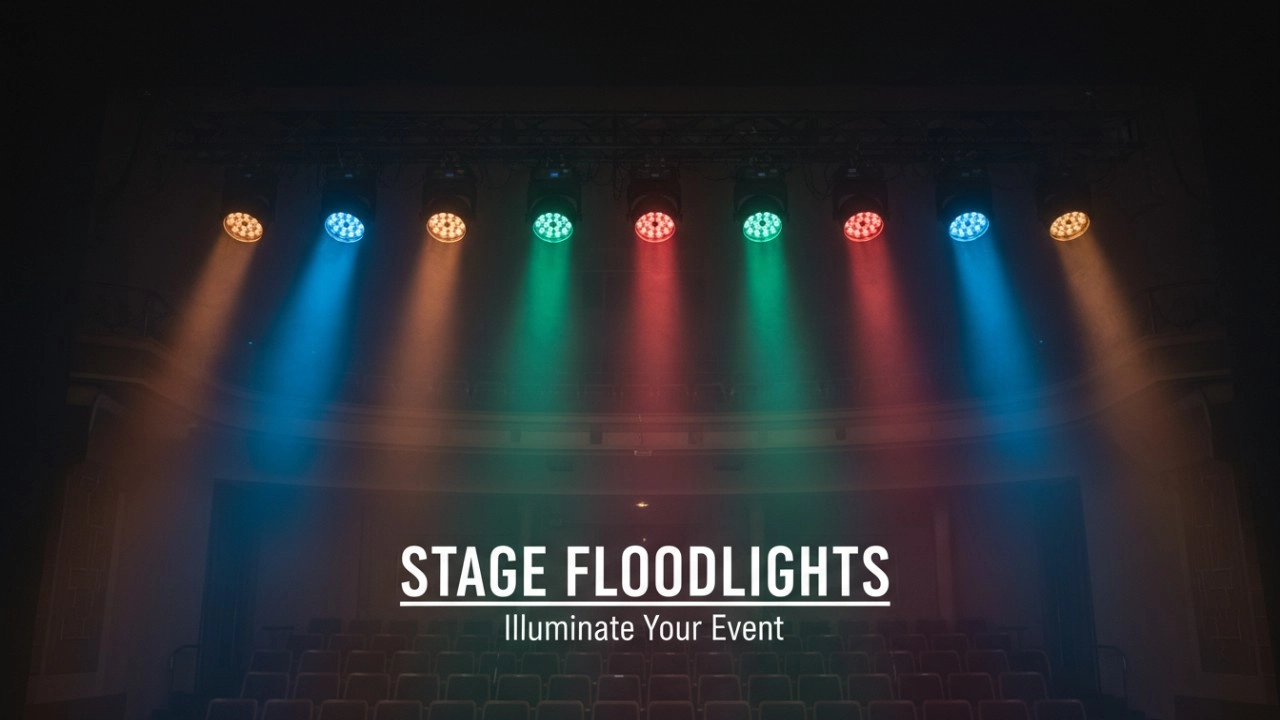
Spotlight vs. Stage Flood Lights: Which One Does Your Production Actually Need?
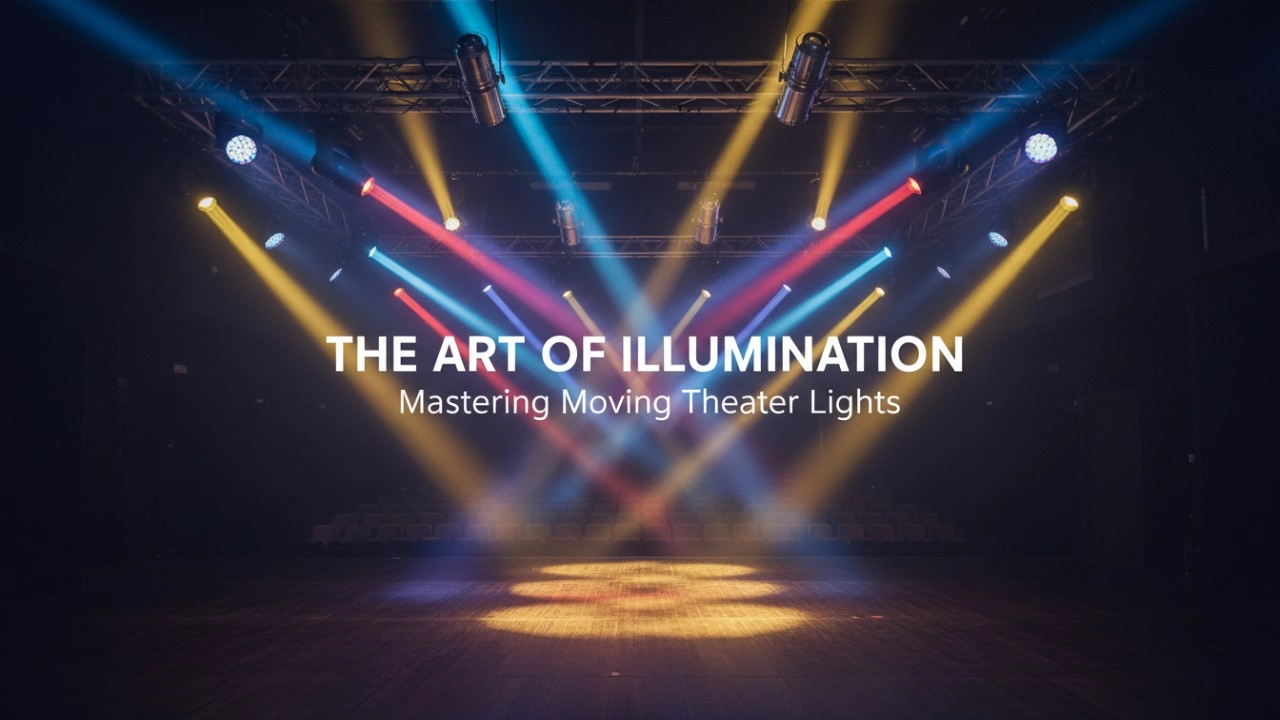
Spotlight vs. Floodlight vs. Beamlight: A Comparison of Moving Stage Lighting Fixtures
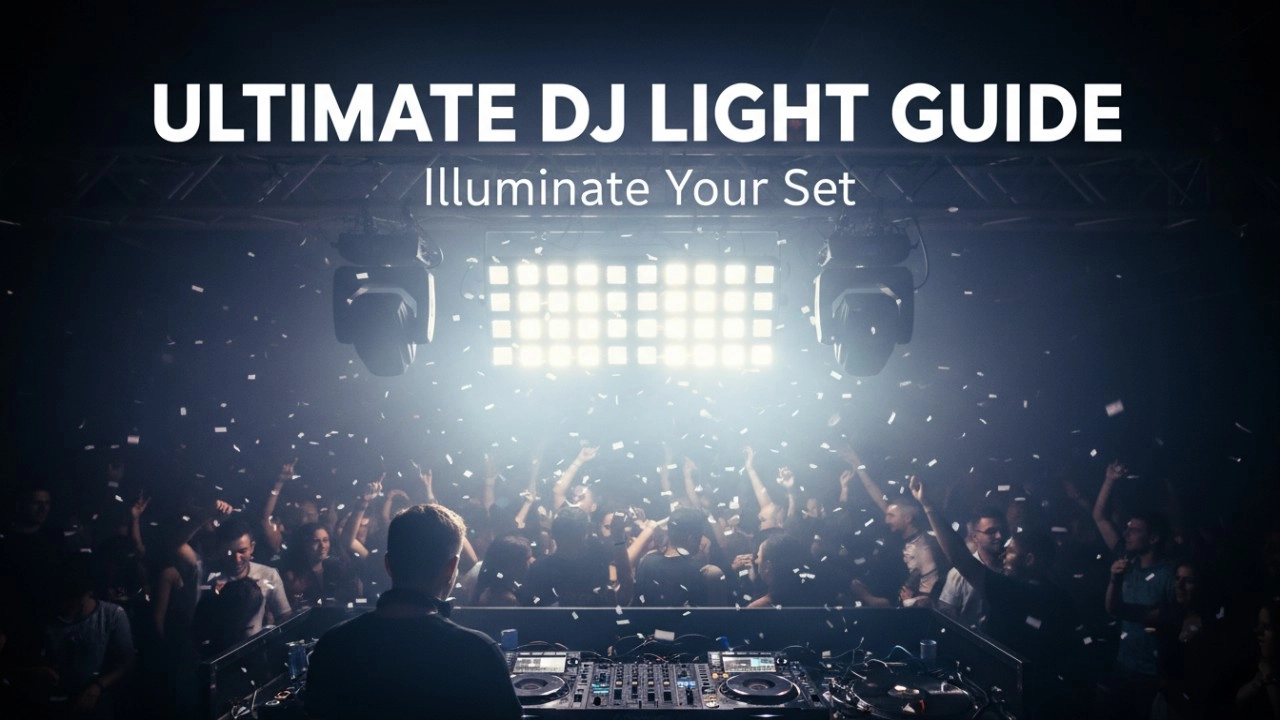
Mastering the Flash: 7 Advanced Strobe DJ Light Techniques for Pro Entertainers
Products
Do your lights support DMX512 and other control protocols?
Yes. All LiteLEES stage lights are fully compatible with DMX512. Many models also support RDM, Art-Net, and wireless DMX (optional), ensuring seamless integration with modern lighting control systems.
Are your lights suitable for large-scale events and outdoor use?
Yes. Our professional stage lights—especially the Beam, BSW 3-in-1, and LED Par Series—are engineered with high-output brightness, wide beam angles, and robust housing. Some models come with IP-rated protection, making them suitable for outdoor applications like concerts, festivals, and sports events.
What is the lifespan of your LED stage lights?
Our LED lights use high-quality chips with a rated lifespan of over 50,000 hours. Proper usage and maintenance ensure long-term reliability and stable performance, making them a smart investment for any venue.
Company
Do you have your own factory?
Yes. We own a sheet metal factory and a complete in-house production line—from PCB to final assembly—ensuring strict quality control and fast delivery.
What is LiteLEES’s main business?
LiteLEES specializes in the design, development, manufacturing, and sales of professional stage lighting, including moving head lights, beam lights, spot lights, wash lights, and LED par lights.
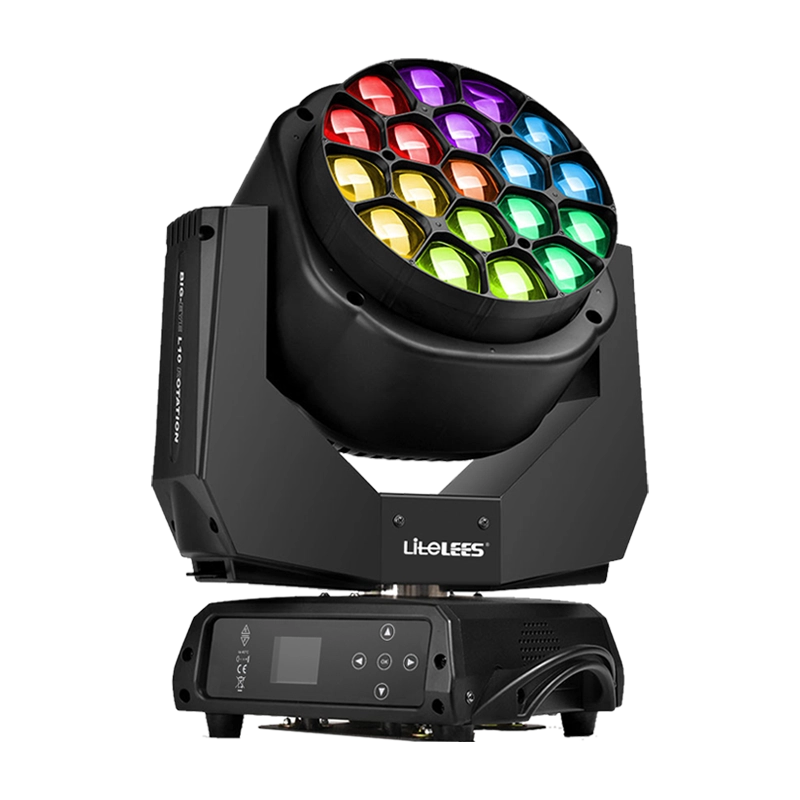

Stormy Shake Blinder IP
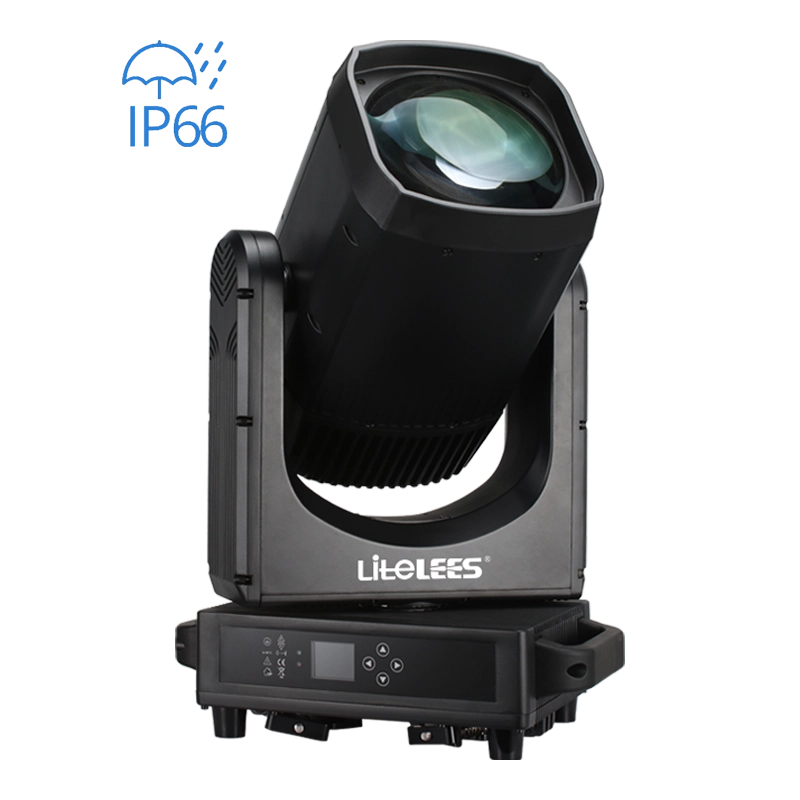
LiteLEES LUMIX BEAM 420 IP
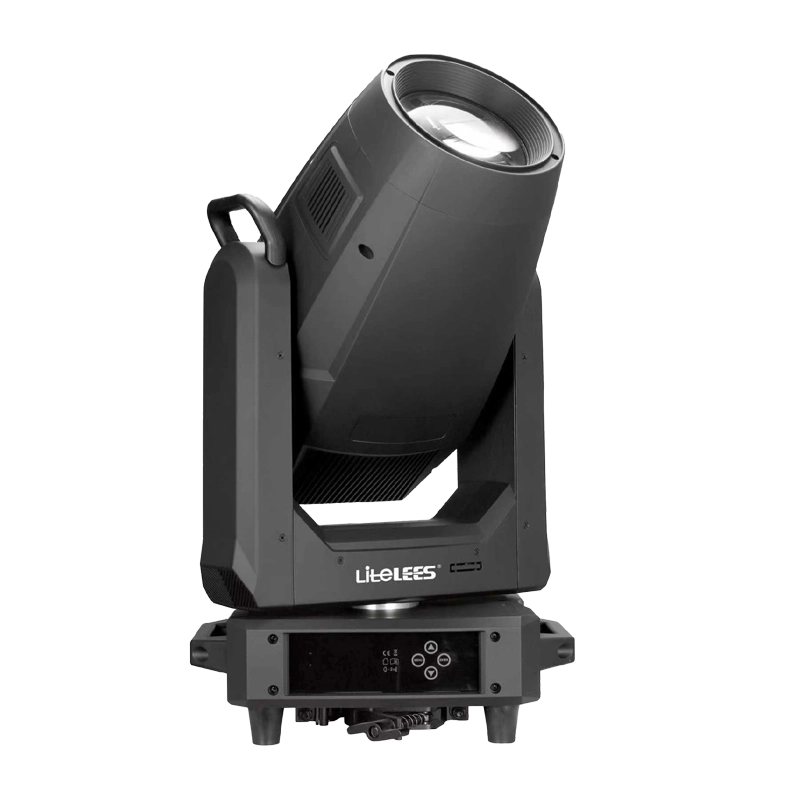
LP Profile 900
Want to get more up-to-date information?
If you have any comments or good suggestions, please leave us a message; later our professional staff will contact you as soon as possible.

We are professional stage lighting manufacturers offering OEM and ODM LED stage lights.
Contact
Email us
Call us
Address
No.6 Longnan Road, Huashan Town, Huadu District Guangzhou, Guangdong Province, China.
LiteLEES Professional
Less Lighting