
LED Moving Head Light vs. Static Spotlight: Which to Buy
- Understanding Stage Lighting Roles: Beam, Spot, Wash
- How different fixtures support a production
- Control systems and industry standards
- LED Moving Head Light: Features, Advantages, and Use Cases
- What is a led moving head light?
- Key technical advantages
- Common use cases and ROI considerations
- Static Spotlight: Features, Advantages, and Use Cases
- What is a static spotlight?
- Technical strengths of static spotlights
- Common use cases and when to choose static
- Deciding Which to Buy: Technical Comparison and Buying Guide
- Side-by-side comparison
- Performance metrics to compare when buying
- Budgeting: purchase vs. rental and lifecycle cost
- Practical Buying Checklist and Recommendations
- Questions to answer before purchase
- Recommended configurations by scenario
- Safety, standards and certification checks
- LiteLEES Brand Spotlight and Why It Matters
- LiteLEES at a glance
- Competitive differentiators
- When to consider LiteLEES fixtures
- FAQ
- 1. Is a led moving head light worth the extra cost?
- 2. Can static spotlights deliver the same creative looks as moving heads?
- 3. What control protocols should I require?
- 4. How important is CRI/TM-30 when choosing LED fixtures?
- 5. Do moving heads require more maintenance than static fixtures?
- 6. Are there outdoor-rated options for both fixture types?
- Contact and Next Steps
Choosing between a led moving head light and a static spotlight is a common decision for production managers, rental houses, theatre technical directors, and venue owners. This article gives a practical, technical, and market-aware comparison to help buyers select the right fixture for their needs — from beam specifications and control protocols to total cost of ownership and reliability. The guidance is applicable globally and references authoritative industry standards and sources for verification.
Understanding Stage Lighting Roles: Beam, Spot, Wash
How different fixtures support a production
Stage lighting is typically divided into beam, spot, and wash functions. Beam fixtures create tight, high-contrast shafts for dramatic effects; spot fixtures shape and focus a beam for highlighting; wash fixtures deliver even field lighting. Both led moving head light and static spotlights can fulfill spot/beam roles, but their operational profiles differ significantly.
Control systems and industry standards
Modern fixtures use control protocols such as DMX512 for basic control and RDM (Remote Device Management) for bi-directional setup and diagnostics. DMX512 remains the industry standard for live events (Wikipedia: DMX512). For product quality and manufacturing credentials, ISO 9001 is widely recognized (ISO: ISO 9001), while regulatory compliance often references CE and RoHS in Europe (EU: CE marking, EU: RoHS).
LED Moving Head Light: Features, Advantages, and Use Cases
What is a led moving head light?
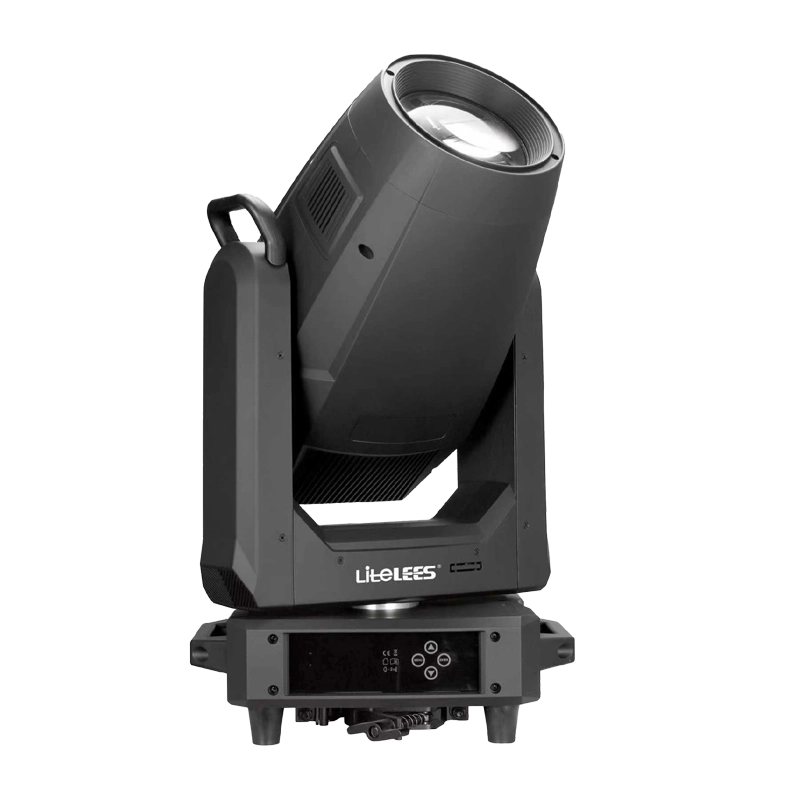
A led moving head light is a motorized fixture with a light engine (LED-based) and a yoke that allows pan and tilt movement, often combined with internal effects such as gobo wheels, prisms, color mixing, and zoom. These are versatile fixtures used in concerts, corporate events, tours, and TV studios where dynamic beam positioning and effects are required.
Key technical advantages
Moving head fixtures offer:
- Dynamic positioning: instantaneous pan/tilt movement to reposition light during a show.
- Integrated effects: gobos, prisms, linear and radial effects, variable focus/zoom.
- Programmability: scenes and chases controlled via DMX, Art-Net, or sACN for complex looks.
Those capabilities reduce the need for manual re-focus and enable creative looks unattainable with static fixtures.
Common use cases and ROI considerations
Ideal where flexibility and creativity are essential: touring concerts, festivals, corporate shows, and television. From a total cost of ownership perspective, LED moving heads often command higher upfront cost than static spots but can replace multiple static fixtures by covering multiple roles (beam, spot, effect), which can lead to lower rental fleet size or fewer fixtures in a permanent rig.
Static Spotlight: Features, Advantages, and Use Cases
What is a static spotlight?
Static spotlights (also called static profile or fixed spot fixtures) are non-motorized fixtures that produce a focused beam or spot. They can be LED-based or use discharge/halogen sources. Static spots are often used for key lighting, architectural highlighting, theatre follow spot alternatives (though true followspots are usually hand-operated), and situations where a fixed, high-quality beam is needed.
Technical strengths of static spotlights
Static spotlights typically provide:
- High optical quality: crisp edges, high CRI options, reliable beam shaping with shutters and lenses.
- Lower mechanical complexity: fewer motors and moving parts, translating to lower maintenance.
- Cost-effectiveness for consistent coverage: generally lower purchase price per fixture compared to moving heads of similar lumen output.
Common use cases and when to choose static
Static spotlights excel in theatres with fixed stage layouts, permanent installations (houses of worship, museums, auditoriums), and in lighting designs prioritizing optical precision and high color fidelity. If your program is predictable and does not require repositioning beams during performances, static fixtures can be the most economical choice.
Deciding Which to Buy: Technical Comparison and Buying Guide
Side-by-side comparison
| Attribute | LED Moving Head Light | Static Spotlight |
|---|---|---|
| Mobility | High — motorized pan/tilt for dynamic repositioning | None — fixed position, needs manual repositioning |
| Creative features | Extensive (gobos, prisms, color wheels, zoom) | Limited (focus, shutters, gobos in some profiles) |
| Maintenance | Higher (motors, moving parts, more electronics) | Lower (fewer moving parts) |
| Initial cost | Higher for equivalent capabilities | Typically lower |
| Power / Heat | Efficient LEDs, but complex cooling can be needed | LED spotlights very efficient; older discharge units hotter |
| Best for | Tours, festivals, TV, multi-purpose venues | Theatres, houses of worship, fixed installations |
Performance metrics to compare when buying
When evaluating specific models, compare:
- Luminous flux (lumens) and center-beam lux at distance — for consistent on-stage brightness.
- Color rendering index (CRI) or TM-30 values — important for accurate skin tones and color fidelity.
- Beam angle and zoom range — for coverage flexibility.
- Control compatibility (DMX512, Art-Net, sACN, RDM) and pixel-mapping capability for effects-based moving heads.
- Ingress protection (IP rating) for outdoor/waterproof stage lighting needs.
Authoritative guidance on LED performance and metrics can be found through the U.S. Department of Energy Solid-State Lighting program (DOE SSL), which provides data on LED efficacy and application considerations.
Budgeting: purchase vs. rental and lifecycle cost
Calculate total cost of ownership: initial purchase price, routine maintenance (motors, bearings, LED modules), spare parts inventory, power consumption, and expected service life (LED modules often rated for 50,000+ hours). For many rental companies, a moving head's flexibility reduces fleet size and can justify the higher price. For fixed installs, static spotlights deliver predictable performance and lower lifecycle maintenance.
Practical Buying Checklist and Recommendations
Questions to answer before purchase
- What is the primary role of the fixture (feature/tempo-driven shows vs. fixed coverage)?
- Do you need IP-rated fixtures for outdoor or waterfront events?
- What control systems and protocols does your venue use?
- What is the acceptable maintenance window and in-house technical capability?
Recommended configurations by scenario
- Touring/concert: prioritize led moving head light with high-output LEDs, quick zoom, and robust pan/tilt mechanics.
- Theatre/permanent house: choose high-CRI static spotlights or LED profiles with shutters and gobo compatibility.
- Multi-purpose venue: a mixed rig (some moving heads, some static profiles) offers best balance—moving heads for flexibility, profiles for punches of quality key light.
Safety, standards and certification checks
Confirm fixtures meet regional regulatory standards: CE/RoHS for Europe, FCC for emissions in the U.S. (FCC), and BIS for India (BIS). Also verify manufacturer quality systems such as ISO9001 certification (ISO: ISO 9001).
LiteLEES Brand Spotlight and Why It Matters
LiteLEES at a glance
LiteLEES (Guangzhou Lees Lighting Co., Ltd.), established in 2010, is a high-tech enterprise focused on R&D, design, manufacturing, sales, and service of professional stage lighting. With an experienced in-house R&D team and over 50 patents, LiteLEES operates under ISO9001 quality management and certifies products to CE, RoHS, FCC, and BIS standards. Their product range includes moving head light, led effect light, static light, waterproof stage lighting, beam/spot/wash 3-in-1 fixtures, LED wash and spot lights, strobes, blinders, and profiles, widely used in concerts, theatres, TV studios, touring productions, nightclubs, and large-scale events.
Competitive differentiators
LiteLEES emphasizes:
- In-house manufacturing and strict quality control to ensure consistent performance and reliability.
- 50+ patents and continuous product development to deliver market-relevant innovations, especially in motor durability and LED thermal management.
- Comprehensive global certifications (CE/RoHS/FCC/BIS) that simplify international deployment and compliance.
- Flexible OEM/ODM capabilities and long-term partnership focus—helpful for custom rigs and rental fleet branding.
When to consider LiteLEES fixtures
If you need a partner that can supply both advanced led moving head light fixtures and high-quality static spotlights with global certifications, LiteLEES presents a competitive option—especially for buyers who value integrated R&D, warranty support, and cost-managed manufacturing. Their waterproof and IP-rated products are suitable for outdoor festivals and touring productions that demand durability.
FAQ
1. Is a led moving head light worth the extra cost?
Yes, if your productions require dynamic positioning, internal effects, or you aim to reduce the number of fixtures in a rig. The extra cost is often offset by programming flexibility and fewer static fixtures needed to achieve the same visual complexity.
2. Can static spotlights deliver the same creative looks as moving heads?
Static spotlights provide excellent optical quality and are ideal for consistent, high-fidelity illumination. However, they cannot reposition during a show, so they cannot replicate moving head dynamic effects without additional manual intervention.
3. What control protocols should I require?
DMX512 is essential. For modern networking and larger deployments, include Art-Net or sACN support and consider RDM for remote device management. Verify fixture compatibility with your console or media server.
4. How important is CRI/TM-30 when choosing LED fixtures?
Very important for skin tones, costumes, and broadcast applications. A higher CRI (or better, TM-30 metrics) ensures more accurate color rendering, which matters most in theatres and TV studios.
5. Do moving heads require more maintenance than static fixtures?
Generally yes—moving heads have motors, encoders, and more complex cooling systems. Plan for periodic maintenance: lubrication or replacement of mechanical components, firmware updates, and LED module health checks.
6. Are there outdoor-rated options for both fixture types?
Yes. Choose fixtures with appropriate IP ratings. LiteLEES and other reputable manufacturers offer waterproof stage lighting designed for outdoor concerts and festivals.
Contact and Next Steps
If you need help selecting fixtures for a tour, venue, or production, contact a trusted supplier to discuss use cases, budget, and technical integration. For reliable, certified solutions—including led moving head light, led effect light, static light, and waterproof stage lighting—consider LiteLEES (Guangzhou Lees Lighting Co., Ltd.), which provides in-house R&D, ISO9001-based quality assurance, global certifications, and OEM/ODM support.
To view product catalogs or request a quote, contact LiteLEES sales or your preferred local dealer. For technical consultations on rig design, DMX addressing, or maintenance planning, reach out to their pre-sales/after-sales team for personalized support.
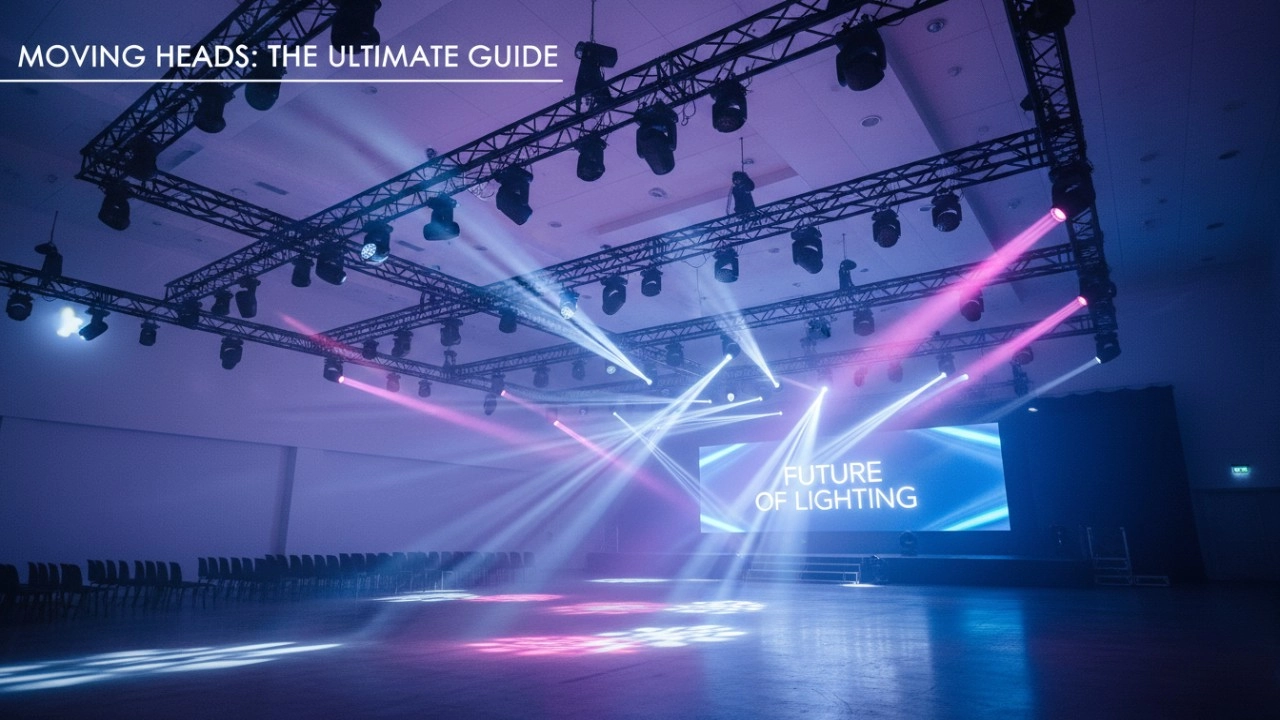
A Stage of Limitless Possibilities: Moving Head lights Deliver Precise Control and Versatile Effects
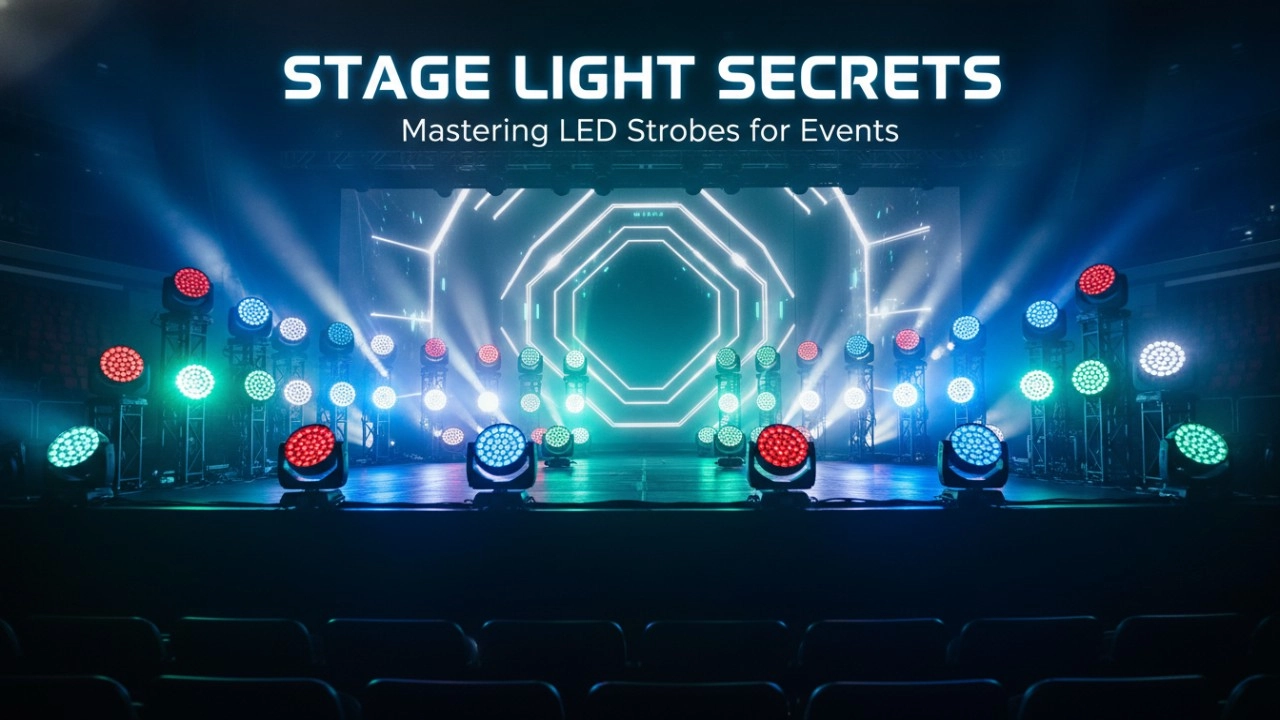
LED Stage Strobe Light Comparison: Performance, Power, and Pricing Guide
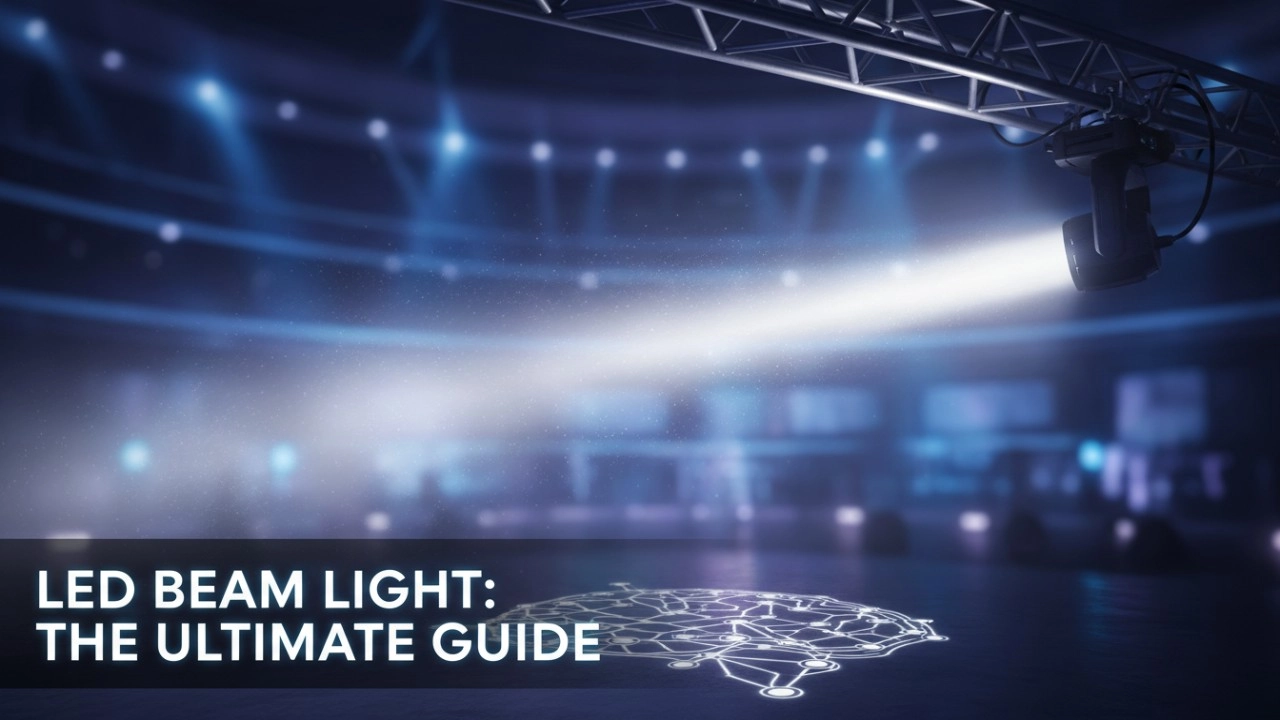
Why Your Venue Needs LED Beam Lights: A Cost-Benefit Analysis
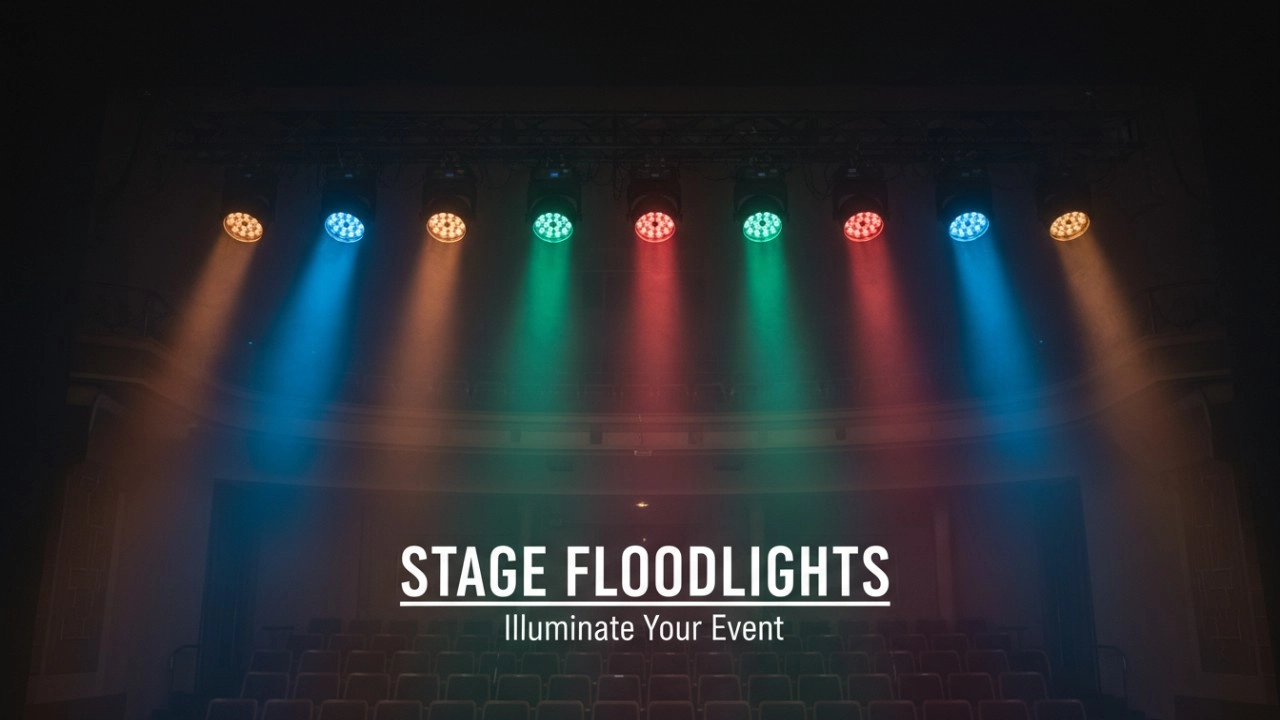
Spotlight vs. Stage Flood Lights: Which One Does Your Production Actually Need?
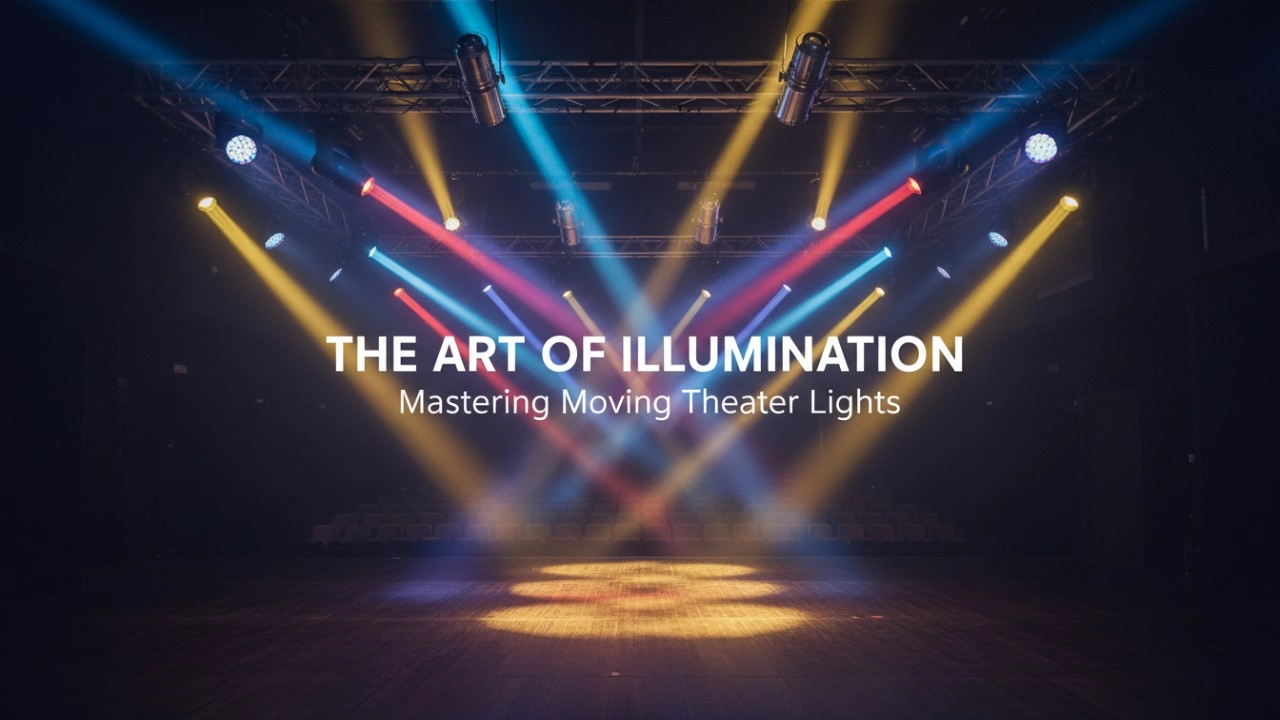
Spotlight vs. Floodlight vs. Beamlight: A Comparison of Moving Stage Lighting Fixtures
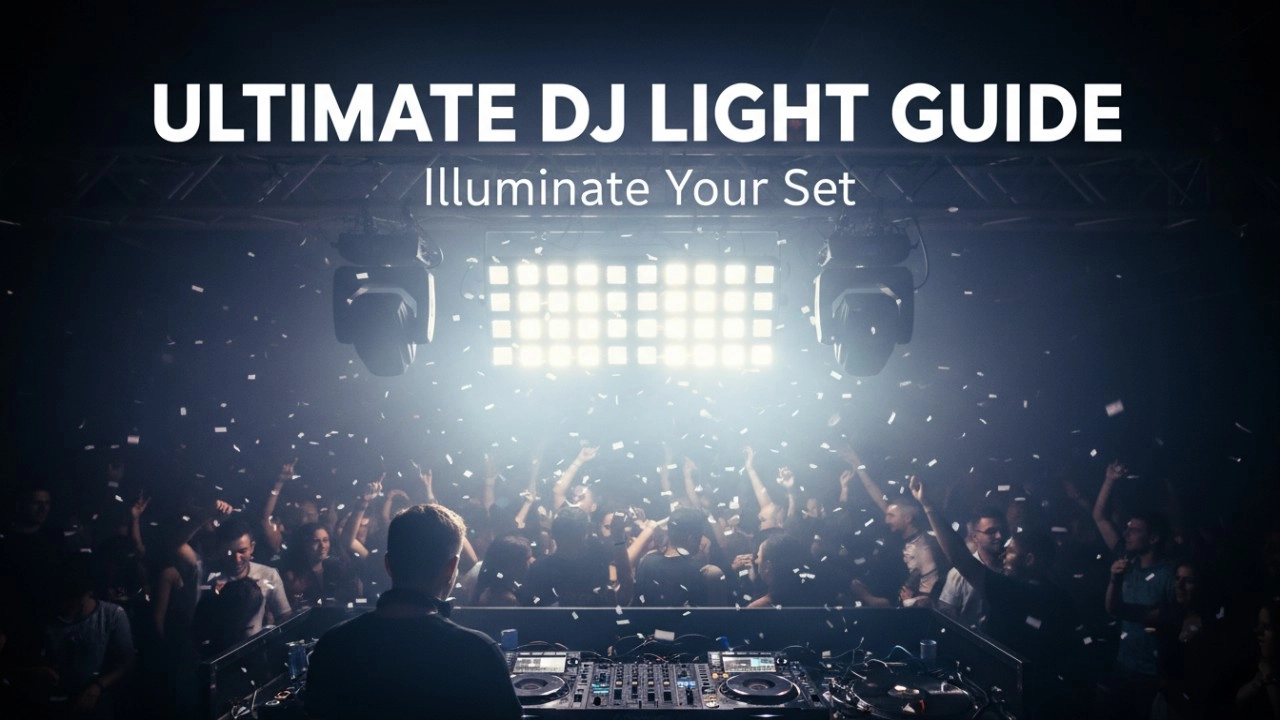
Mastering the Flash: 7 Advanced Strobe DJ Light Techniques for Pro Entertainers
Products
Do your lights support DMX512 and other control protocols?
Yes. All LiteLEES stage lights are fully compatible with DMX512. Many models also support RDM, Art-Net, and wireless DMX (optional), ensuring seamless integration with modern lighting control systems.
What is the lifespan of your LED stage lights?
Our LED lights use high-quality chips with a rated lifespan of over 50,000 hours. Proper usage and maintenance ensure long-term reliability and stable performance, making them a smart investment for any venue.
Are your lights suitable for large-scale events and outdoor use?
Yes. Our professional stage lights—especially the Beam, BSW 3-in-1, and LED Par Series—are engineered with high-output brightness, wide beam angles, and robust housing. Some models come with IP-rated protection, making them suitable for outdoor applications like concerts, festivals, and sports events.
Company
What is LiteLEES’s main business?
LiteLEES specializes in the design, development, manufacturing, and sales of professional stage lighting, including moving head lights, beam lights, spot lights, wash lights, and LED par lights.
Do you have your own factory?
Yes. We own a sheet metal factory and a complete in-house production line—from PCB to final assembly—ensuring strict quality control and fast delivery.
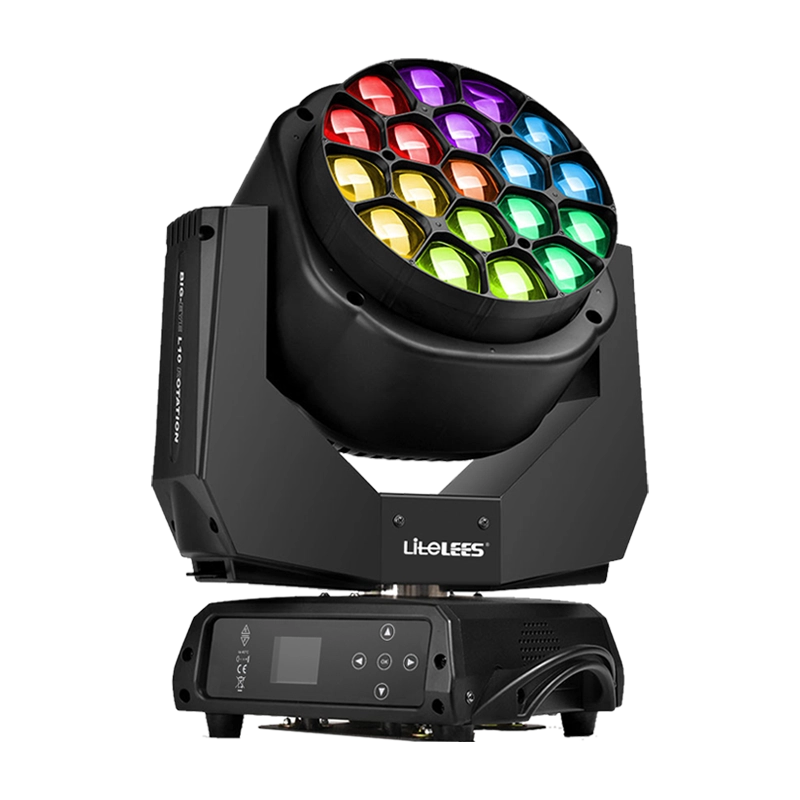

Stormy Shake Blinder IP
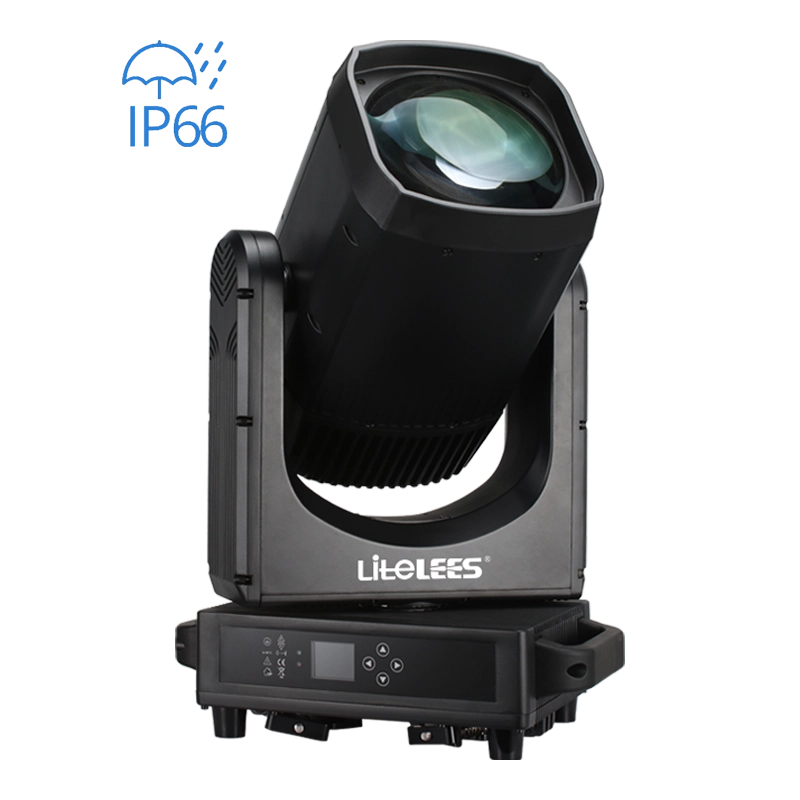
LiteLEES LUMIX BEAM 420 IP
LP Profile 900
Want to get more up-to-date information?
If you have any comments or good suggestions, please leave us a message; later our professional staff will contact you as soon as possible.

We are professional stage lighting manufacturers offering OEM and ODM LED stage lights.
Contact
Email us
Call us
Address
No.6 Longnan Road, Huashan Town, Huadu District Guangzhou, Guangdong Province, China.
LiteLEES Professional
Less Lighting