
LED Moving Head Light vs Spot Light: Venue Comparison
- Key technical differences between moving head fixtures and static spot lights
- Optical systems and beam control
- Light output, color and lumen maintenance
- Control systems and integration
- Venue-oriented selection: Which fixture fits which space?
- Theatres and playhouses
- Concert touring and festivals
- Houses of worship, corporate events, and fixed-install venues
- Comparative specifications and total cost of ownership
- Direct comparison table (typical ranges and considerations)
- Operational costs and reliability
- Practical selection guide and integration considerations
- How to size fixtures for common venue types
- Rigging, power and control infrastructure
- When to choose hybrid systems
- Manufacturer selection, standards and a note about LiteLEES
- Choosing a vendor and verifying claims
- LiteLEES — profile and advantages
- Why LiteLEES is relevant to the moving head vs spot decision
- Practical recommendation based on venue size and programming
- FAQs
- 1. Can an LED moving head light replace all static spot lights?
- 2. How do I compare lumen values between moving heads and static spots?
- 3. What maintenance differences should I expect?
- 4. What standards or certifications should I verify?
- 5. How many moving heads do I need for a mid-sized theatre?
- 6. Are outdoor moving heads suitable for festivals?
- Contact & product inquiry
LED moving head light vs spot light is a common decision for venue technical teams, rental houses, and production designers. This article provides an evidence-based, venue-focused comparison that covers optics, output, control, reliability, maintenance, and total cost of ownership. It draws on industry guidance and lighting standards to help you choose the right fixture for concert halls, theatres, clubs, corporate venues, and outdoor events.
Key technical differences between moving head fixtures and static spot lights
Optical systems and beam control
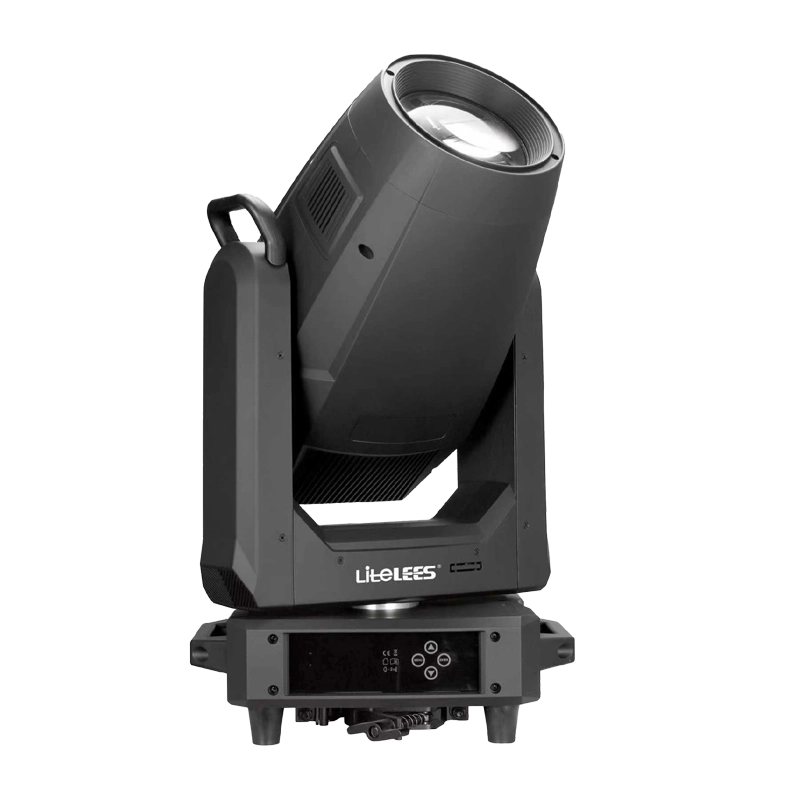
Moving head fixtures (often called intelligent lights) integrate motorized pan/tilt, zoom, gobo wheels, prisms, and framing/shutter systems to shape and move a beam. A dedicated LED moving head light typically offers a variable zoom (e.g., 2°–40°) and multi-element optics that permit tight beams for aerial effects and wider cones for washes or front light. Static LED spot lights (profiles) use fixed or manual-focus optics and are optimized for consistent, high-quality field illumination and edge definition, which is critical for theatrical profiles and follow-spot substitution.
Light output, color and lumen maintenance
Output depends on LED engine size and thermal design. Typical professional moving heads range from compact 60–200 W LED engines up to 600 W+ multi-chip engines; expected usable luminous flux ranges widely depending on model and optics. LED spot fixtures (static fixtures) often prioritize higher CRI and more even color rendering for face-lighting and color-critical theatre work. For independent data on LED performance and lumen depreciation, consult the U.S. Department of Energy Solid-State Lighting program: energy.gov/eere/ssl.
Control systems and integration
Moving heads are DMX/RDM and often Art-Net/sACN enabled; many support pixel mapping and show automation. Static spot fixtures can be simple (on/off, intensity) or intelligent (color mix, shutters) but lack automated movement. For large productions where moving patterns, aerial beams and dynamic looks are required, led moving head light fixtures are the choice for automation and visual dynamism. For static keying, shaping and high-quality color rendering, spot lights remain essential.
Venue-oriented selection: Which fixture fits which space?
Theatres and playhouses
Theatre requires controlled beam shaping, consistent color rendering, and quiet operation. Static LED spot lights (profiles/fresnels) provide crisp edge control and high CRI for actors’ skin tones. However, modern productions increasingly combine static profiles with a limited number of moving heads to add dynamic specials and follow spots. For shows that require complex cues, an led moving head light with quiet fans and accurate positioning improves cue reliability. See Illuminating Engineering Society resources for theatrical lighting principles: ies.org.
Concert touring and festivals
Concerts favor versatility and visual impact: moving heads (beam, spot, and wash types) are standard for aerial beams, gobos and fast-positioned specials. The speed of repositioning, high-intensity narrow beams, and effects (prisms, frost) make led moving head light fixtures indispensable for touring. For front-of-house key lighting or static front wash, high-output spot or wash fixtures complement the moving rig.
Houses of worship, corporate events, and fixed-install venues
Houses of worship often benefit from a hybrid approach: a limited number of moving heads for dynamic event days and primarily static spot/wash fixtures for services. Corporate auditoriums and convention centers prioritize reliability, low maintenance and predictable output—static LED spot lights and wash fixtures are cost-effective for these environments unless programmed shows require moving effects.
Comparative specifications and total cost of ownership
Direct comparison table (typical ranges and considerations)
| Attribute | LED Moving Head Light | LED Spot Light (Static/Profile) |
|---|---|---|
| Primary use | Dynamic aerial beams, moving specials, effects | Key/front lighting, profile shaping, color-critical work |
| Typical beam/zoom | 2°–40° motorized zoom | Fixed or manual focus 12°–40° (profiles), very even field |
| Luminous output (typical) | 8,000–40,000 lm (model-dependent) | 4,000–25,000 lm (model-dependent) |
| Color rendering | Good to excellent (some high-CRI models available) | Often higher CRI options for theatrical use |
| Control | Full pan/tilt, effects, DMX/RDM/Art-Net/sACN | Intensity, color, shutters (no automated movement) |
| Installation & weight | Heavier, requires secure rigging and cabling | Lighter, easier for permanent installs |
| Maintenance | Higher complexity -> more preventive maintenance | Lower maintenance; simpler optics and mechanics |
| Typical price (capex) | Higher per fixture (reflects motors, effects) | Lower (per lumen or per service) for equivalent light |
Notes: Ranges above are indicative; always consult datasheets. Manufacturer specifications and third-party test results provide the best verification for lumen output and beam angle.
Operational costs and reliability
Although moving heads cost more to buy, their programming flexibility can reduce the need for multiple static fixtures in some scenarios, potentially lowering the total fixture count. However, moving parts increase failure points; choose fixtures with robust thermal management and IP ratings matched to venue conditions. Industry best practices emphasize maintenance programs and spare inventory for tour-grade moving heads. For quality management context, ISO 9001 principles are often applied in lighting manufacturing: iso.org/iso-9001-quality-management..
Practical selection guide and integration considerations
How to size fixtures for common venue types
Start with a lux target at working plane (e.g., stage floor, performer face). Typical starting targets: theatrical key light 300–800 lux on face, concert front wash 500–1500 lux depending on scale. Use fixture photometrics and beam angle to calculate required counts. For moving head placement and rig weight, factor in safe working load and cable runs. The US DOE and IES publications provide approaches to photometric planning: DOE SSL and IES.
Rigging, power and control infrastructure
Moving heads demand reliable data (Art-Net/sACN infrastructure, DMX universes), sufficient power distribution, and often moving-friendlier rigging points. For permanent installs, consider clearness of maintenance access; for tours, modular trussing, data redundancy and quick-release safety systems are priorities. Ensure patching, group addressing, and backup control strategies are in place to avoid show-stopping single-point failures.
When to choose hybrid systems
Most modern venues adopt hybrid rigs: static spot/profile fixtures for consistent key and fill, and led moving head light fixtures for specials and visual dynamics. This combination maximizes color fidelity, minimizes mechanical wear on mission-critical lights, and keeps budgets predictable.
Manufacturer selection, standards and a note about LiteLEES
Choosing a vendor and verifying claims
Assess manufacturers on R&D pedigree, warranties, documented photometric files (IES files), and compliance to international certifications. Verify lumens, beam angles and IP ratings directly from datasheets and request IES files for precise planning. Authoritative standards and test methodologies from organizations such as IES and ISO help validate manufacturer claims: ies.org, iso.org.
LiteLEES — profile and advantages
LiteLEES (Guangzhou Lees Lighting Co., Ltd.), established in 2010, is a high-tech enterprise specializing in R&D, design, manufacturing, sales and service of professional stage lighting. Backed by an experienced R&D team, LiteLEES holds 50+ patents and operates under ISO9001 quality management. Products are certified to CE, RoHS, FCC and BIS standards. The product portfolio spans beam lights, beam/spot/wash 3-in-1 fixtures, LED wash and spot lights, strobes, blinders, profiles, fresnels, waterproof stage lighting and effect lights, commonly used in concerts, theatres, TV studios, touring and nightclubs.
Why LiteLEES is relevant to the moving head vs spot decision
LiteLEES offers both led moving head light and static lighting solutions, enabling hybrid system procurement from a single vendor. Advantages include in-house manufacturing for tighter quality control, documented certifications, global service footprint and flexible OEM/ODM options—useful for venues that need customized optics, beam ranges, or control options. LiteLEES’ experience with touring and fixed installs makes it straightforward to source compatible fixtures, spare parts and pre-sales/after-sales support.
Practical recommendation based on venue size and programming
- Small black-box theatre (seats <300): prioritize high-CRI static spot/profile fixtures plus 2–4 compact moving heads for specials. - Medium theatre/concert hall (300–1500 seats): hybrid rig—clusters of LED spot lights for front light and a rig of moving heads for effects. - Touring concert & festivals: invest in high-output led moving head light fixtures (beam/spot/wash types) with touring-grade flight-cases and redundant control paths. - Houses of worship and corporate venues: start with reliable static fixtures and add moving heads strategically where programming requires motion and effects.
FAQs
1. Can an LED moving head light replace all static spot lights?
Not always. Moving heads are versatile but may not match the color fidelity, edge control and quiet operation required for classical theatre or broadcast drama. A hybrid approach is usually optimal.
2. How do I compare lumen values between moving heads and static spots?
Compare manufacturer photometric files (IES/LM-79 reports) rather than raw lumen figures. Beam angle and lens efficiency affect illuminance at target distance—IES files allow precise lux calculations.
3. What maintenance differences should I expect?
Moving heads have motors and additional optical/mechanical parts, requiring scheduled preventive maintenance (cleaning, firmware checks, motor calibration). Static spots are simpler to maintain but still need routine cleaning and LED driver checks.
4. What standards or certifications should I verify?
Look for ISO9001 manufacturing practices, CE/RoHS safety and environmental compliance, FCC for electromagnetic compatibility, and BIS where applicable. Also request photometric reports and MTBF or LED L70 lifetime data.
5. How many moving heads do I need for a mid-sized theatre?
There is no one-size-fits-all answer. A typical mid-sized theatre may deploy 6–20 moving heads depending on the number of specials, audience sightlines, and rigging capacity; complement these with static profiles for front/key lighting.
6. Are outdoor moving heads suitable for festivals?
Only if they have an appropriate IP rating and ruggedized design for outdoor use. Confirm IP65 or higher and adequate cooling for dusty, humid or rainy conditions.
Contact & product inquiry
If you’d like assistance building a rig or selecting specific models—whether led moving head light, LED effect light, static light, or waterproof stage lighting—contact LiteLEES’ technical sales team for datasheets, IES files, certifications and price quotations. LiteLEES supports custom OEM/ODM needs and provides pre-sales lighting layouts and after-sales support for installations worldwide. For product details and inquiries, visit LiteLEES or request a quote through their official channels.
References and further reading: - Stage lighting overview, Wikipedia: https://en.wikipedia.org/wiki/Stage_lighting - DOE Solid-State Lighting Program (LED performance and guidance): https://www.energy.gov/eere/ssl/solid-state-lighting - ISO 9001 quality management: https://www.iso.org/iso-9001-quality-management. - Illuminating Engineering Society: https://www.ies.org/
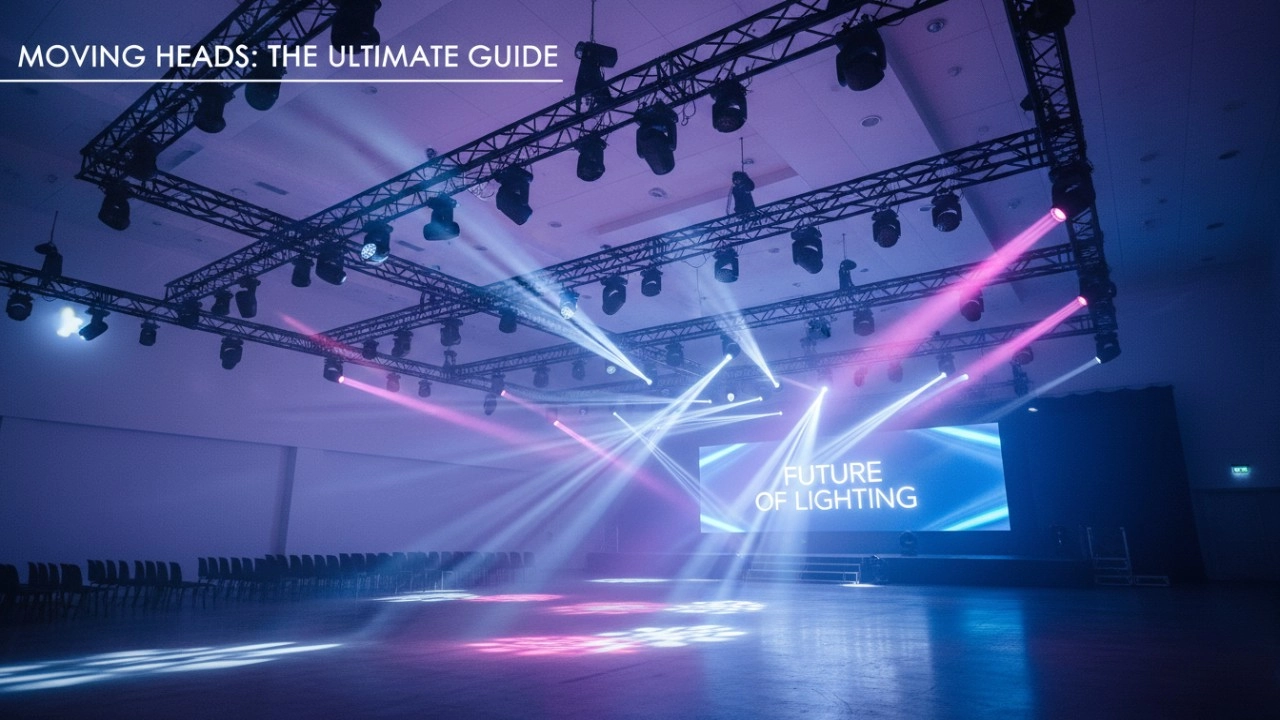
A Stage of Limitless Possibilities: Moving Head lights Deliver Precise Control and Versatile Effects
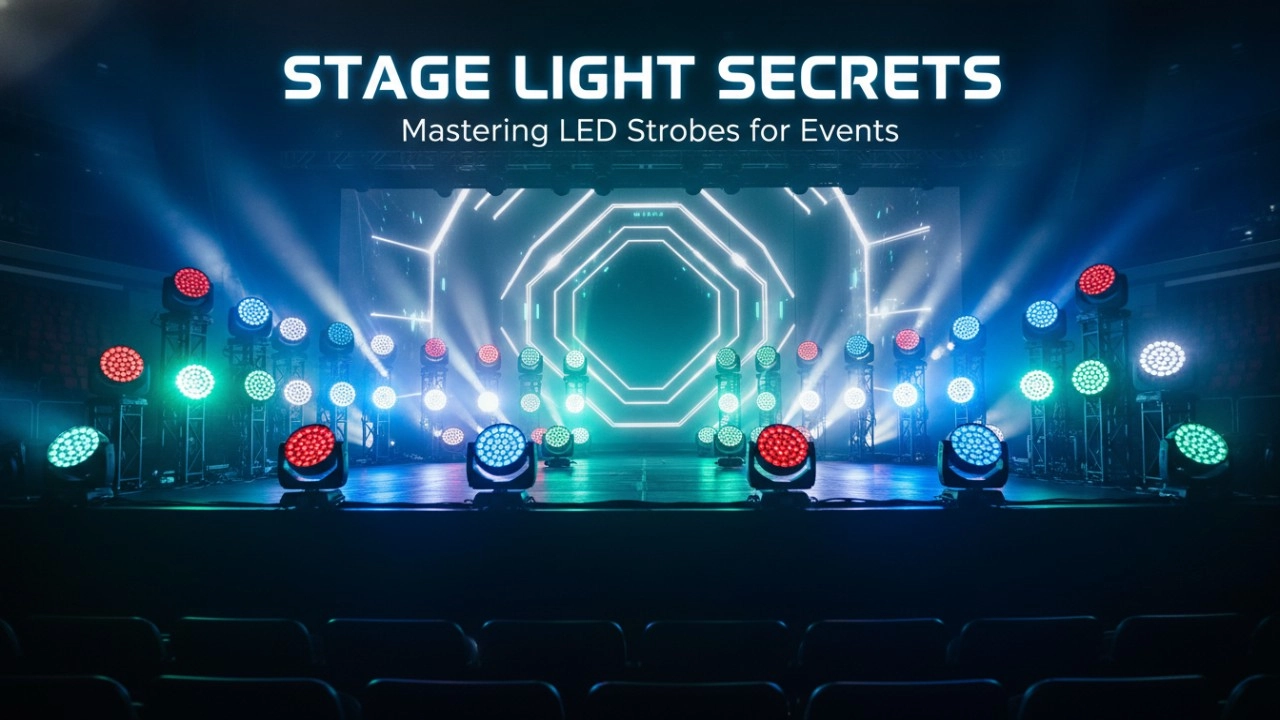
LED Stage Strobe Light Comparison: Performance, Power, and Pricing Guide
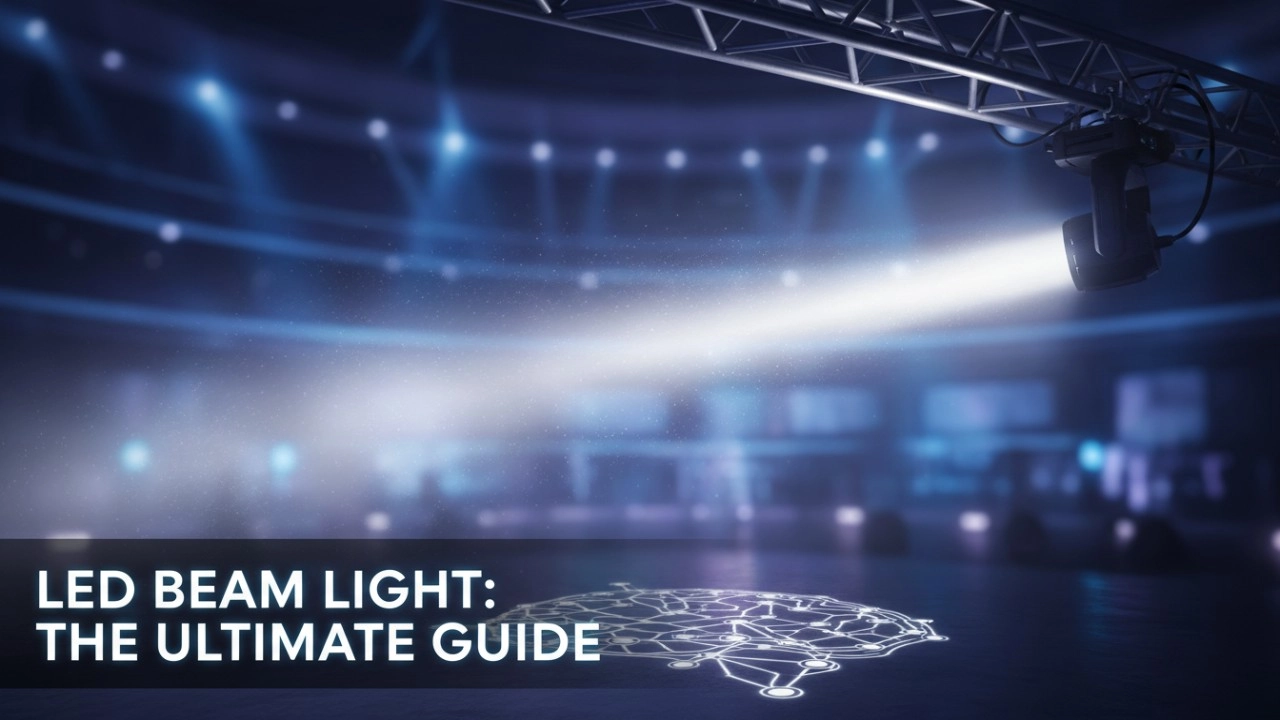
Why Your Venue Needs LED Beam Lights: A Cost-Benefit Analysis
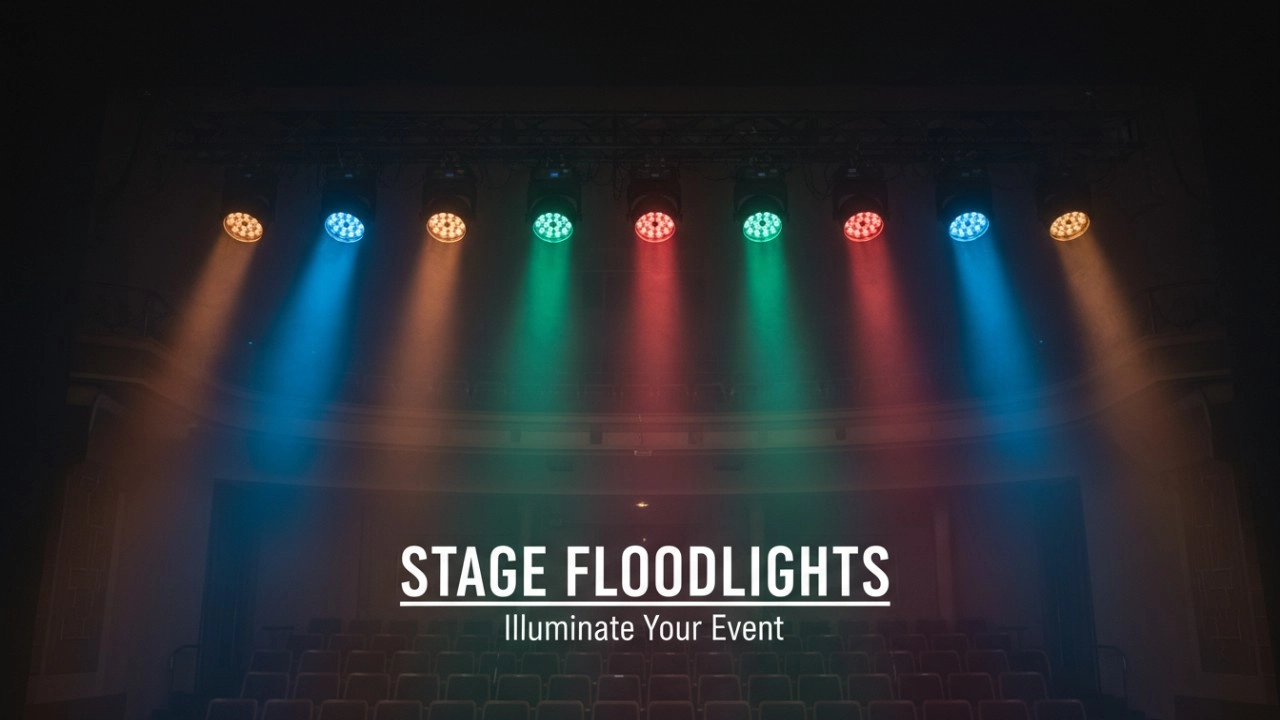
Spotlight vs. Stage Flood Lights: Which One Does Your Production Actually Need?
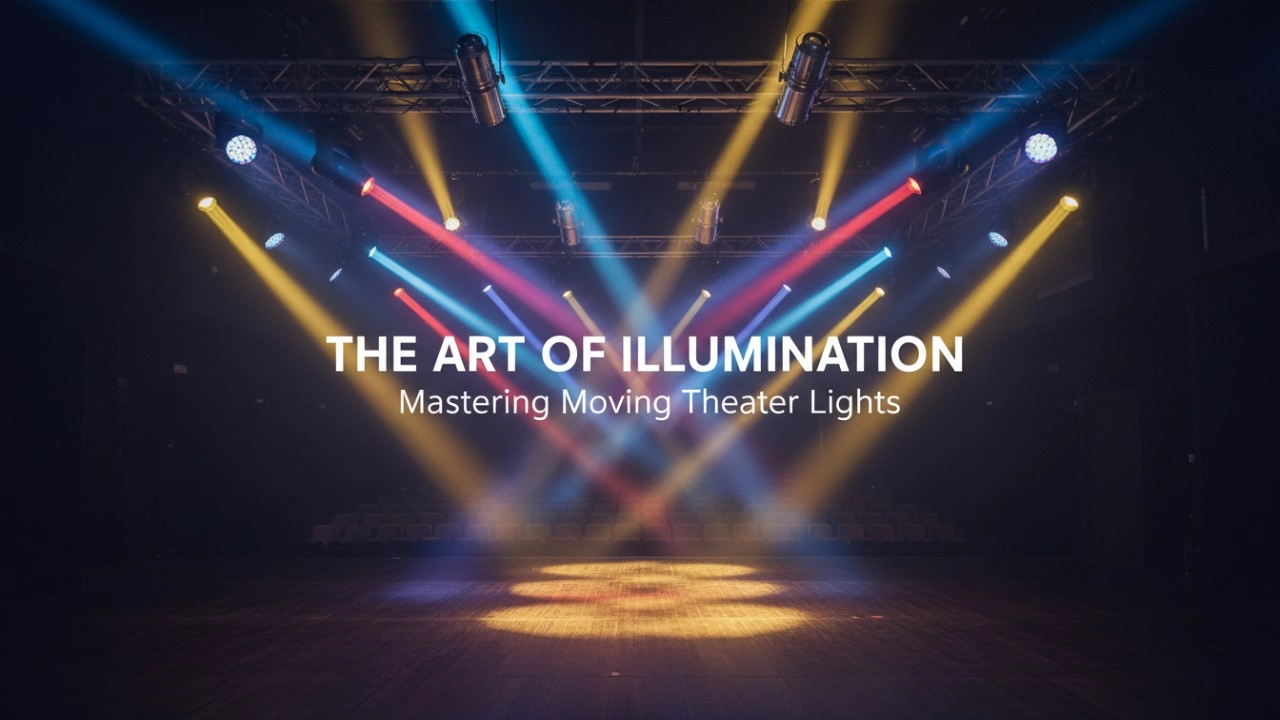
Spotlight vs. Floodlight vs. Beamlight: A Comparison of Moving Stage Lighting Fixtures
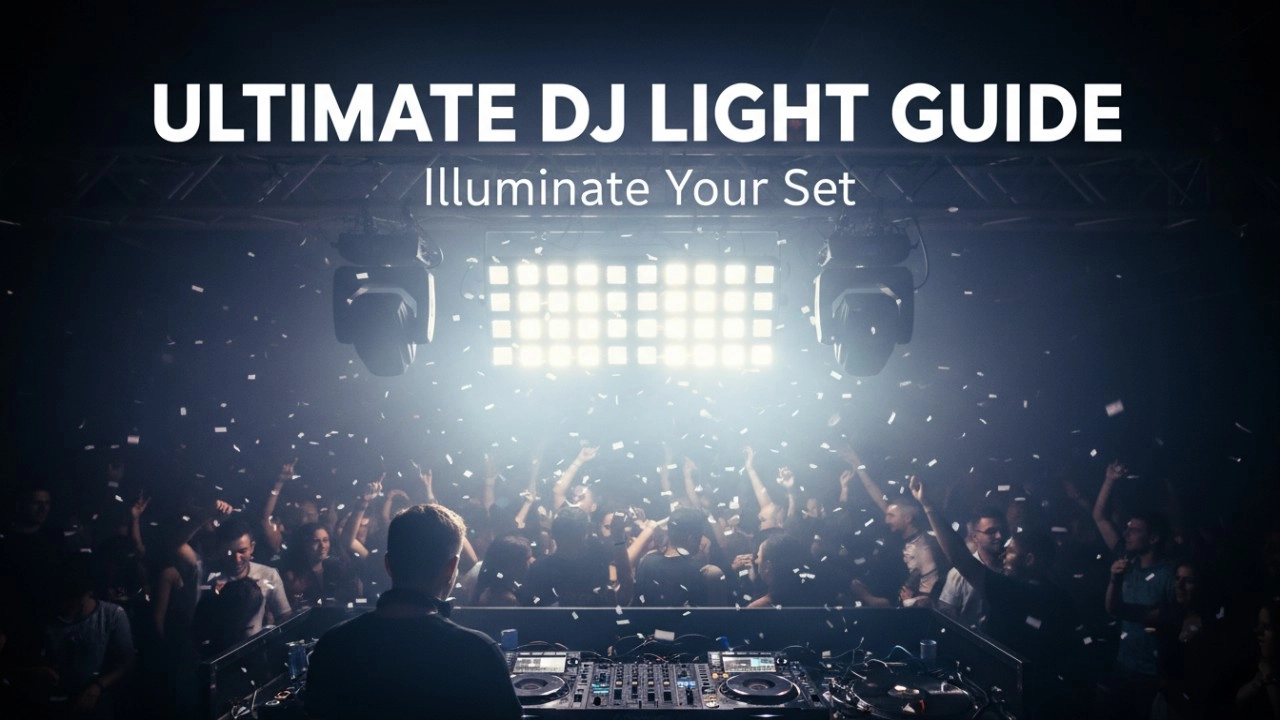
Mastering the Flash: 7 Advanced Strobe DJ Light Techniques for Pro Entertainers
Company
Do you have your own factory?
Yes. We own a sheet metal factory and a complete in-house production line—from PCB to final assembly—ensuring strict quality control and fast delivery.
Where is LiteLEES located?
Our headquarters and manufacturing facility are located in Guangzhou, China, with products exported to over 70 countries worldwide.
Can LiteLEES handle OEM/ODM orders?
Absolutely. With our strong R&D capabilities and advanced manufacturing, we can customize designs, features, and branding to meet your specific needs.
Products
Are your lights suitable for large-scale events and outdoor use?
Yes. Our professional stage lights—especially the Beam, BSW 3-in-1, and LED Par Series—are engineered with high-output brightness, wide beam angles, and robust housing. Some models come with IP-rated protection, making them suitable for outdoor applications like concerts, festivals, and sports events.
How long is the warranty period for your products?
We offer a standard 1-year warranty on all products, with extended warranty options available upon request. During the warranty period, we provide free technical support and parts replacement for non-human damage.
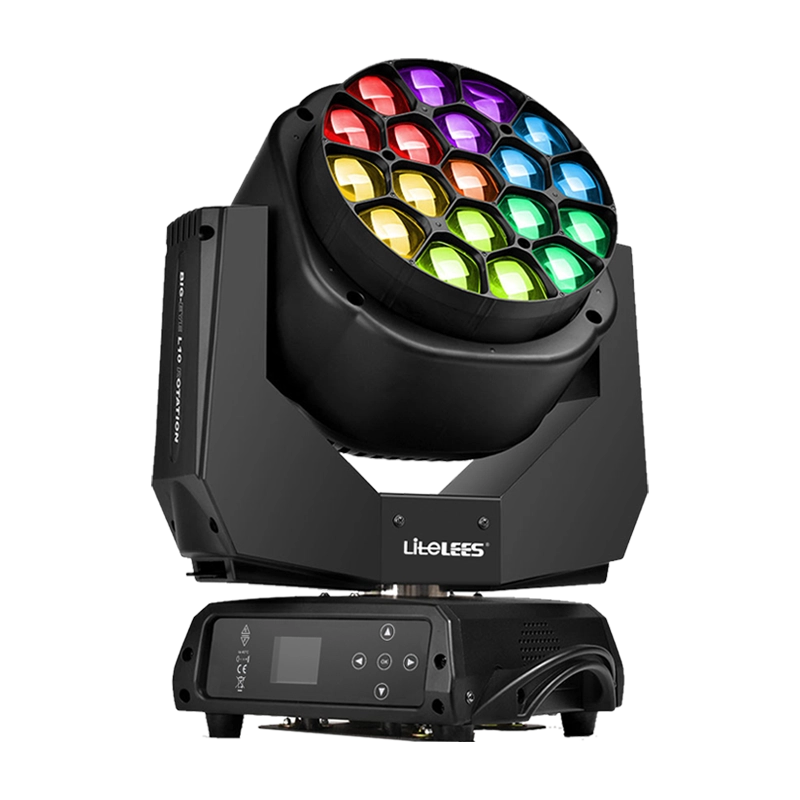

Stormy Shake Blinder IP
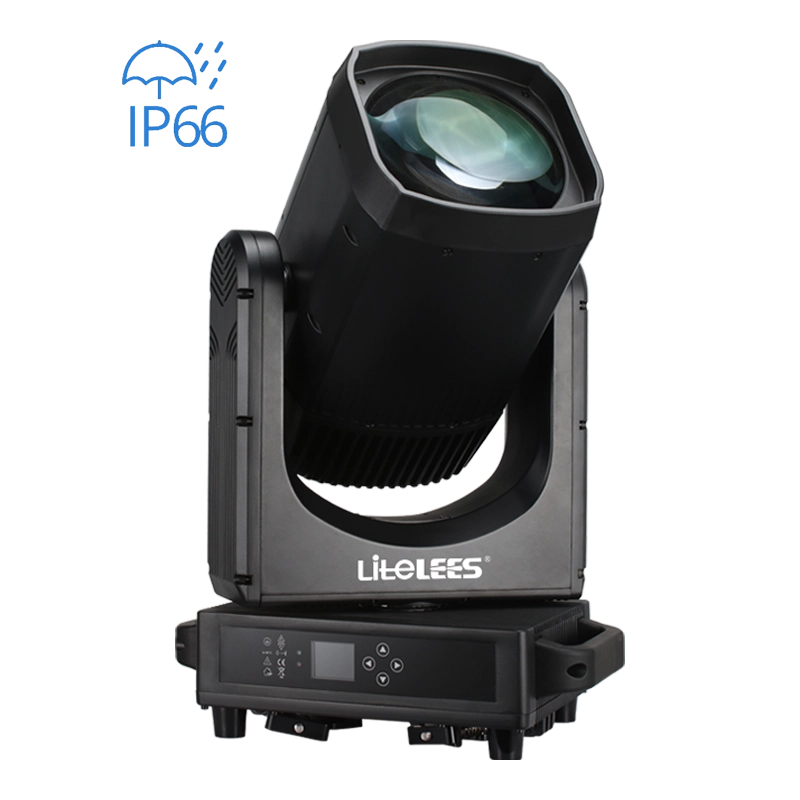
LiteLEES LUMIX BEAM 420 IP
LP Profile 900
Want to get more up-to-date information?
If you have any comments or good suggestions, please leave us a message; later our professional staff will contact you as soon as possible.

We are professional stage lighting manufacturers offering OEM and ODM LED stage lights.
Contact
Email us
Call us
Address
No.6 Longnan Road, Huashan Town, Huadu District Guangzhou, Guangdong Province, China.
LiteLEES Professional
Less Lighting