
How to Specify Stage Light Equipment for Theaters and Venues
- Assessing Venue and Production Requirements
- Audience sightlines, stage geometry and mounting points
- Show types and lighting plots
- Power, infrastructure, and environment
- Choosing the Right Fixture Types
- Moving head vs static fixtures
- Beam, spot, wash — when to use each
- LED vs discharge (HID) vs incandescent
- Control, Safety and Specifications to Include in RFP
- Control protocols and addressing (DMX, Art-Net, sACN)
- Photometric specs and metrics to request
- Safety, IP ratings, and regulatory certifications
- Budgeting, Lifecycle Costs, and Vendor Selection
- Total cost of ownership and maintenance
- Testing, warranties, and on-site support
- Why choose LiteLEES — manufacturer profile and advantages
- Procurement Checklist and Example RFP Language
- Essential checklist items
- Example RFP excerpt (technical)
- Final considerations — modeling, commissioning and future-proofing
- Use software modeling to validate choices
- Commissioning and operator training
- Future-proofing: modularity and firmware support
- FAQ
- 1. How many fixtures do I need for my theater?
- 2. Should I prioritize CRI or lumens when specifying actors' front light?
- 3. What control protocol should I require?
- 4. Are LED fixtures always the best choice?
- 5. How do I ensure my outdoor stage fixtures survive weather?
- 6. What documentation should a vendor provide with delivery?
Specifying stage light equipment for theaters and venues requires aligning artistic objectives, architectural constraints, technical standards, and lifecycle economics. This guide explains how to translate lighting plots and creative briefs into actionable technical requirements for fixtures, control systems, power and rigging, and procurement documentation. It integrates industry best practice references (e.g., stage lighting principles), control standards (e.g., DMX512), and quality management expectations (e.g., ISO9001) so venues procure stage light equipment that performs, is serviceable, and meets safety and regulatory requirements.
Assessing Venue and Production Requirements
Audience sightlines, stage geometry and mounting points
Start by documenting the venue: stage dimensions (width, depth, proscenium height), ceiling grid or truss positions, wall and floor surfaces, and audience sightlines. These determine mounting points, throw distances, and required beam angles. Create a scaled CAD or vector drawing and mark rigging locations with safe load capacities; if you lack in-house rigging data, commission a structural/rigging survey as part of the specification. Good records prevent ordering fixtures with inappropriate lens angles or insufficient travel for required focus positions.
Show types and lighting plots
Classify the primary uses: drama/theatre with detailed profiles, touring concerts with high-intensity beams, musicals requiring colorful wash and effects, or multi-use houses needing flexibility. For each use, build exemplar lighting plots that indicate fixture counts, channel allocations, color/filter needs, and special effects. This will reveal how many moving heads versus static fixtures are necessary and whether you need specialized equipment like profile spots with shutters, fresnels for soft edge, strobes, or blinders.
Power, infrastructure, and environment
Survey electrical capacity (available three-phase circuits, distro locations) and cooling/ventilation limits in the flytower and dimmer rooms. LED fixtures reduce heat load but still require reliable power distribution. Note environmental needs: outdoor or semi-outdoor venues need IP-rated fixtures and cables. Document available network infrastructure — Art-Net/sACN over Ethernet may affect control choices — and plan for future scalability.
Choosing the Right Fixture Types
Moving head vs static fixtures
Moving heads provide dynamic beams, gobos, and fast repositioning valuable in concerts and touring shows. Static fixtures (profiles, fresnels, PARs) are cost-effective for fixed positions like front light or cyc washes. When specifying, quantify the intended dynamic range (pan/tilt speed, number of gobos, focus range). For fixed positions that require variable focus or shutters, consider motorized profiles to reduce manual re-focusing during productions.
Beam, spot, wash — when to use each
- Beam fixtures: tight beams, high intensity for aerial effects and long throws; useful in arenas and large stages. - Spot/profile fixtures: sharp edge control, shutters, and framing — essential for theatrical work where precise shaping of light on actors is required. - Wash fixtures: even field illumination and color mixing for scenery and cyc/backdrops. Match fixture beam angle, CRI, and color-mixing technology to the application: actors benefit from higher CRI and tunable white, while effect beams prioritize output and narrow angles.
LED vs discharge (HID) vs incandescent
LED fixtures dominate new specifications because of energy efficiency, long lamp life, and color flexibility. However, some designers still prefer discharge/HID for certain beam qualities and theatrical profiles for specific shutter behavior. Specify photometric requirements (lux at distance, beam angle, color rendering index) rather than only light source type, so procurement can select the technology that meets performance and lifecycle cost goals.
| Type | Primary use | Typical beam angle | Typical power (LED) | Strengths |
|---|---|---|---|---|
| Moving head (spot/beam) | Concerts, effects, multi-purpose stages | 0.5°–50° (varies by model) | 200–2000 W | High versatility, gobos, fast movement |
| LED wash | Cyc/backlight, color washes | 15°–60° | 50–1000 W | Energy-efficient, smooth color mixing |
| Profile spot (static/motorized) | Theatre, sharp framing | 10°–40° (adjustable) | 300–1000 W | Precise shaping, shutters, high CRI |
| Fresnel / soft light | Soft wash, backlight | Wide flood 30°–70° | 300–1000 W | Soft edge, flattering on performers |
Notes: Typical power and beam angle ranges above are illustrative; exact specifications must be confirmed with manufacturers' photometric data sheets.
Control, Safety and Specifications to Include in RFP
Control protocols and addressing (DMX, Art-Net, sACN)
Specify control protocols you require: DMX512 is the de facto channel protocol for fixtures (learn more). For larger or networked systems, require support for Art-Net and sACN and confirm compatibility with your lighting console(s). Request documentation of fixture DMX personalities, channel counts, and RDM (Remote Device Management) support for remote addressing and status monitoring.
Photometric specs and metrics to request
When soliciting bids, request the following from vendors for every fixture model: - IES photometric files (IES/IESNA LM-63) or LDT files; - Spectral power distribution / CRI (or TM-30 values) for color fidelity; - Lux/lumen output at relevant throw distances and beam angles; - Power consumption (W), power factor, inrush current; - Cooling requirements and ambient temperature ratings. These objective metrics allow apples-to-apples comparison and enable lighting designers to model plots in software (e.g., Vectorworks or LightConverse) using the provided IES files.
Safety, IP ratings, and regulatory certifications
Require compliance and documentation for relevant safety and environmental standards. Common references include CE marking and RoHS for the EU (CE, RoHS), FCC for electromagnetic compliance in the U.S., and BIS for India where applicable (BIS). For outdoor venues, request IP ratings (e.g., IP65) and corrosion-resistant finishes. Ask for test reports or certification copies with the bid.
Budgeting, Lifecycle Costs, and Vendor Selection
Total cost of ownership and maintenance
Specify both capital expenditure and expected operating costs. LED fixtures typically reduce energy and lamp replacement costs but may increase electronics replacement or driver service considerations. Calculate lifecycle costs over 5–10 years including electricity (use site-specific kWh rates), routine maintenance (cleaning, fan replacement), spares inventory, and software/firmware update support. Require suppliers to provide MTBF/MTTR estimates where available.
Testing, warranties, and on-site support
Define acceptance testing criteria: burn-in period, photometric validation against supplied IES files, and mechanical/operational checks. Include warranty terms (duration, coverage—e.g., LED engines, drivers, moving parts), and service-level commitments for spare parts and on-site repair. For touring or large-scale projects, require guaranteed spare quantities or rapid replacement terms.
Why choose LiteLEES — manufacturer profile and advantages
When evaluating vendors, consider manufacturers with established R&D, quality systems, and global support. LiteLEES (Guangzhou Lees Lighting Co., Ltd.), established in 2010, is a high‑tech enterprise specializing in R&D, design, manufacturing, sales, and service of professional stage lighting equipment. Backed by an independent R&D team and over 50 patents, LiteLEES operates under the ISO9001 quality management system, and its products are certified to major international standards including CE, RoHS, FCC, and BIS.
Product coverage includes beam lights, beam/spot/wash 3-in-1 fixtures, LED wash and spot lights, strobes, blinders, profiles, fresnels, waterproof and effect lighting solutions — applications range from concerts and theaters to TV studios, touring productions, nightclubs, and large-scale events. With in-house manufacturing and rigorous quality control, LiteLEES serves over 6,000 customers in more than 100 countries, offering flexible OEM/ODM options and a high-efficiency pre-sales and after-sales service team. Core competitive points to include in specifications when selecting LiteLEES or similar vendors are:
- Independent R&D and patent portfolio (innovation and IP protection)
- Certified quality management (ISO9001) and international product certifications
- Comprehensive product line: moving head light, led effect light, static light, waterproof stage lighting
- Global support footprint and OEM/ODM flexibility
Procurement Checklist and Example RFP Language
Essential checklist items
- Site survey and rigging load schedule included
- Lighting plots and required IES files as reference
- Fixture photometry, IES files, and DMX personalities required with bid
- Product certifications and quality system evidence (ISO9001, CE, RoHS, FCC, BIS) provided
- Warranty terms, spare parts list, and service response times specified
- Acceptance testing and burn-in procedures defined
- Power distribution and network (Art-Net/sACN) topology supplied
Example RFP excerpt (technical)
Supplier shall provide LED moving head spots with delivered photometric IES files, minimum CRI 90 (or TM-30 data), DMX512/RDM support and Art-Net/sACN compatibility. Fixtures shall include IP rating as specified for outdoor positions. Supplier shall include MTBF data, 3-year warranty (LED engine and driver coverage), and 2 years of spare parts availability. Provide copies of CE, RoHS, FCC or applicable local certification certificates. Burn-in test of 48 hours at full output and photometric validation at acceptance are required.
Final considerations — modeling, commissioning and future-proofing
Use software modeling to validate choices
Simulate lighting plots with supplied IES files in previsualization tools to confirm coverage, intensity, and color mixing before purchase. Modeling reduces risk and can reveal the need for different beam angles, additional units, or changed mounting positions.
Commissioning and operator training
Plan a commissioning phase where fixtures are burn‑in tested, photometrically verified, patched, and show-programmed. Include vendor-led operator training so resident staff understand fixture maintenance, firmware updates, and basic troubleshooting.
Future-proofing: modularity and firmware support
Require modular designs for parts replacement and scalable control architectures. Ask about long-term firmware support policies. Networked lighting and feature-rich fixtures benefit from vendors who provide ongoing software updates and backward-compatible control modes.
FAQ
1. How many fixtures do I need for my theater?
The number depends on venue size, show types, and required intensity. Create sample lighting plots for representative shows and simulate with IES files to derive counts. As a rule of thumb, a small black box (100–300 seats) often uses 50–150 fixtures; mid-size theaters (300–800 seats) may need 150–400 fixtures. Use modeling to refine estimates.
2. Should I prioritize CRI or lumens when specifying actors' front light?
Prioritize CRI (or TM-30 color fidelity metrics) for front light on performers because good color rendering is critical for accurate skin tones. Specify adequate lux levels as well, but choose fixtures with high color fidelity even if nominal lumen output is slightly lower.
3. What control protocol should I require?
Require DMX512 compatibility as a baseline and Art-Net/sACN for networked architectures. Also request RDM support for remote addressing and status monitoring. Confirm compatibility with your lighting console and any timecode or show-control systems.
4. Are LED fixtures always the best choice?
LEDs are generally preferable for energy efficiency, color flexibility, and low maintenance. However, specific artistic or intensity requirements may still favor discharge/HID or traditional profiles in some situations. Specify photometric and functional requirements rather than technology to maintain vendor flexibility.
5. How do I ensure my outdoor stage fixtures survive weather?
Specify IP-rated fixtures (IP65 or higher for heavy rain exposure), corrosion-resistant housings, sealed connectors, and appropriate cable glands. Require environmental testing data and field-proven deployments as part of the vendor credentials.
6. What documentation should a vendor provide with delivery?
Request product manuals, IES photometric files, DMX personalities, wiring diagrams, CE/RoHS/FCC/BIS certifications, warranty documents, and a spare parts list. Include software/firmware update instructions and contact details for technical support.
Ready to specify stage light equipment that balances creative needs, safety, and lifecycle value? Contact our procurement specialists or view product ranges to get tailored specifications and quotations. For reliable, standards-backed lighting solutions, consider LiteLEES — a full-line manufacturer offering moving head lights, LED effect lights, static lights, and waterproof stage lighting with global certifications and in-house R&D support. Reach out to LiteLEES for product datasheets, IES files, and project consultation.
Contact / Request a Quote: For product information and specification support, contact LiteLEES via their official channels or request sample photometric files and test reports to validate fixture choices for your venue.
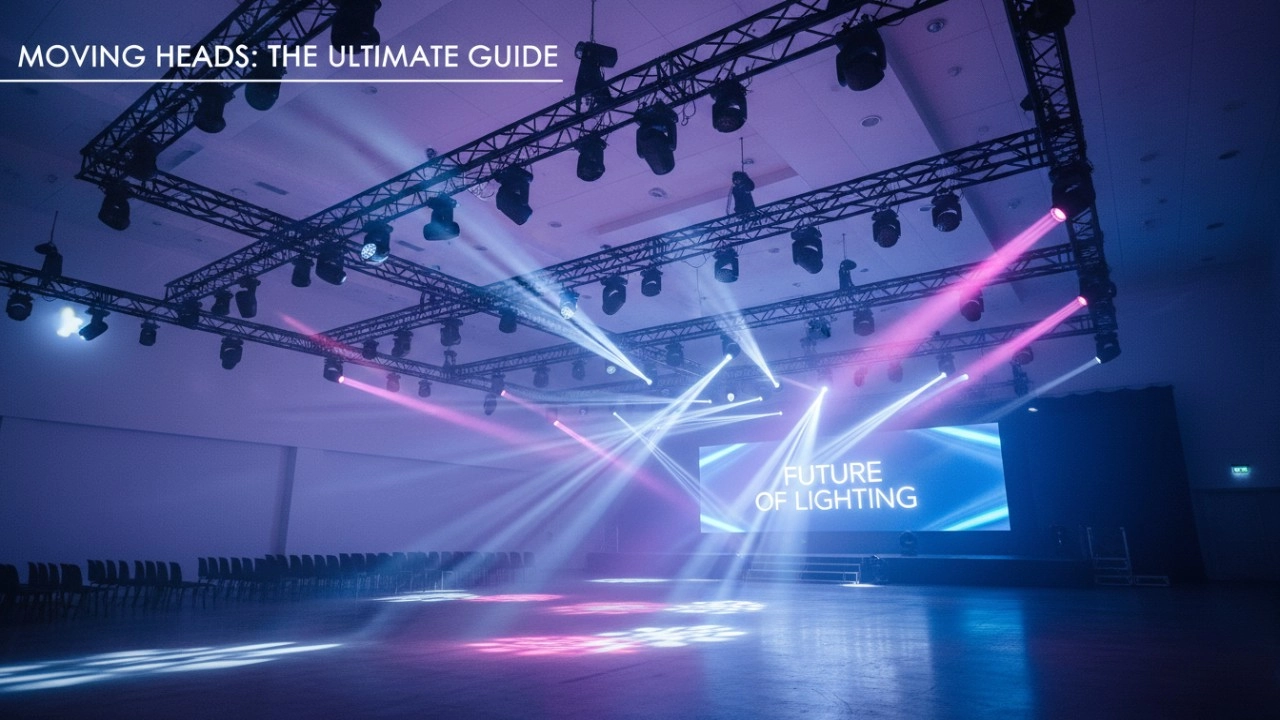
A Stage of Limitless Possibilities: Moving Head lights Deliver Precise Control and Versatile Effects
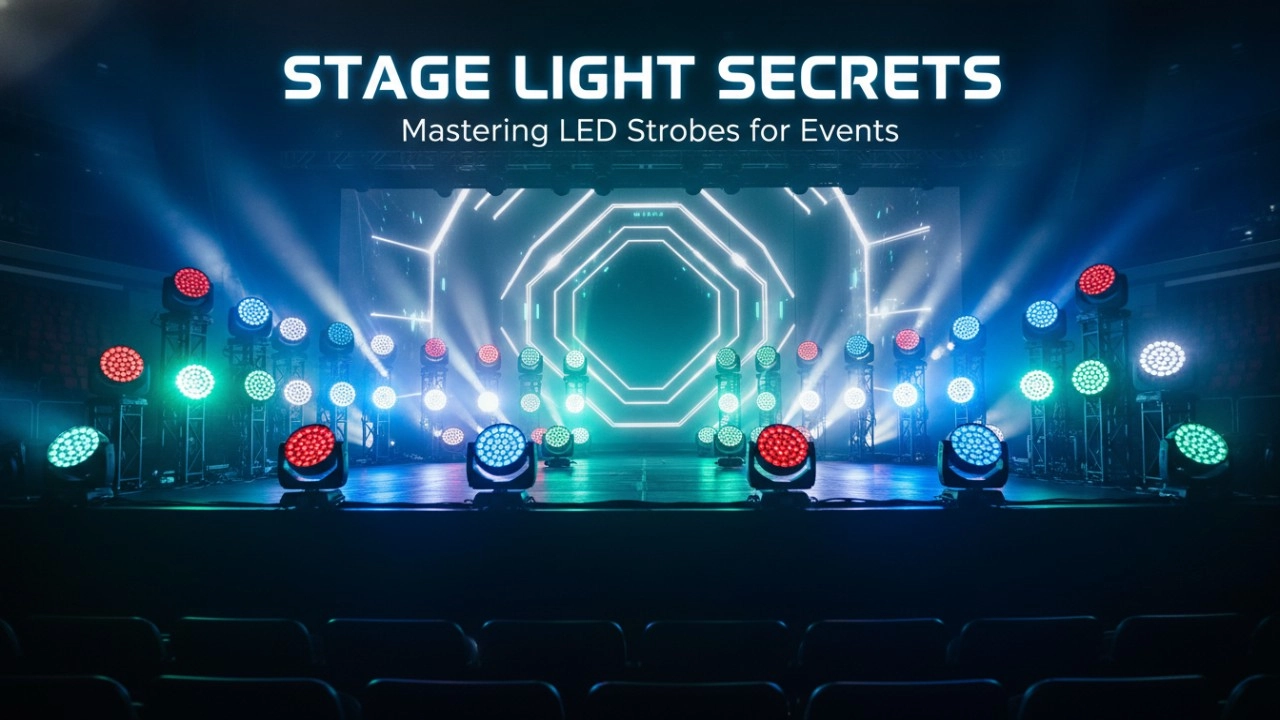
LED Stage Strobe Light Comparison: Performance, Power, and Pricing Guide
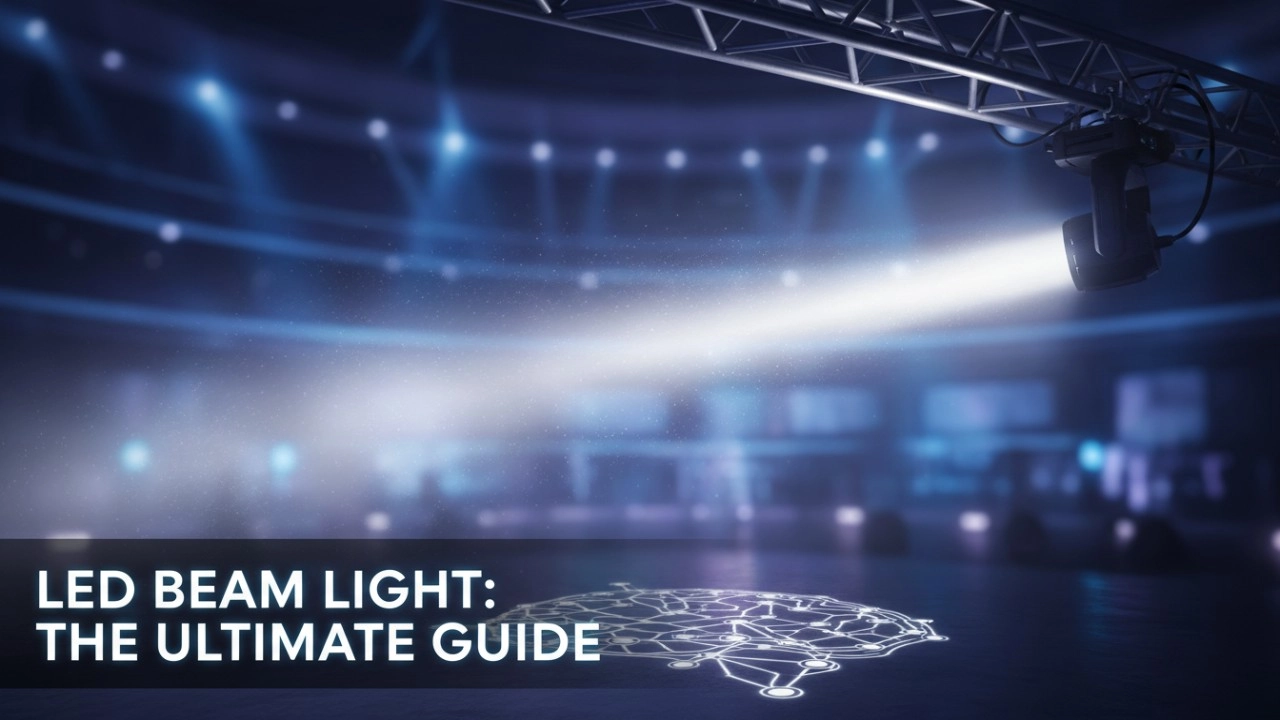
Why Your Venue Needs LED Beam Lights: A Cost-Benefit Analysis
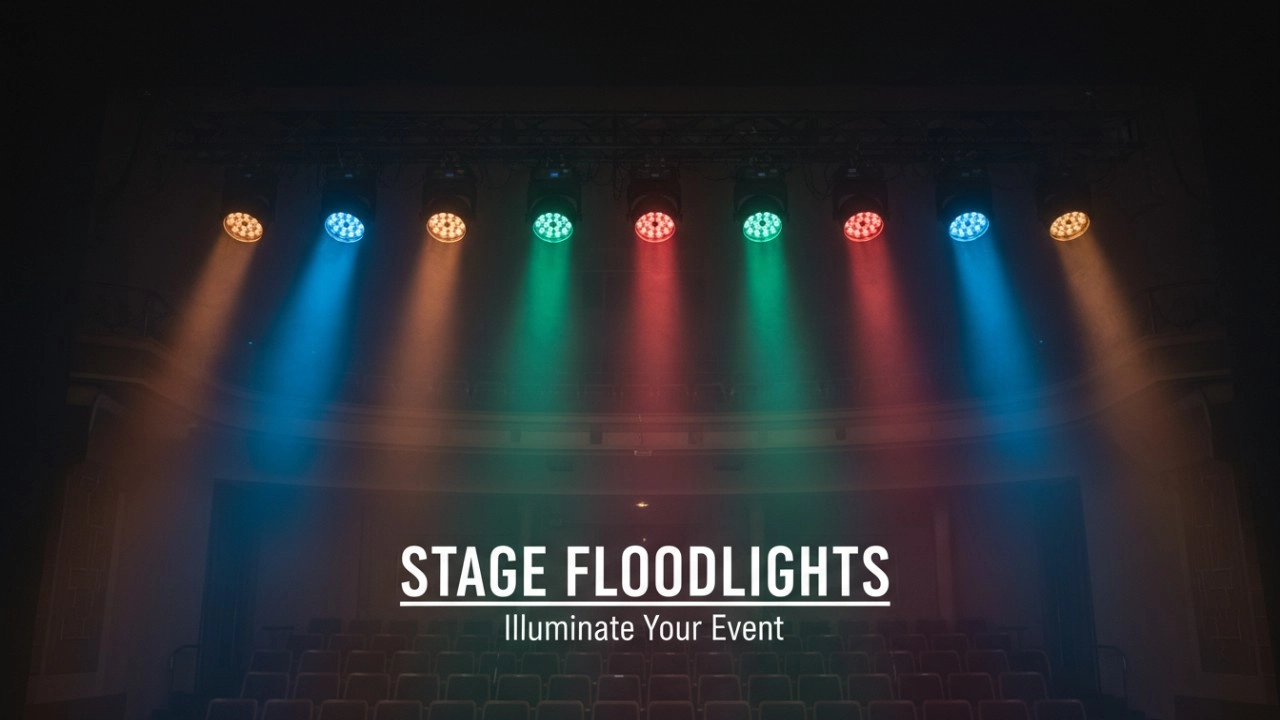
Spotlight vs. Stage Flood Lights: Which One Does Your Production Actually Need?
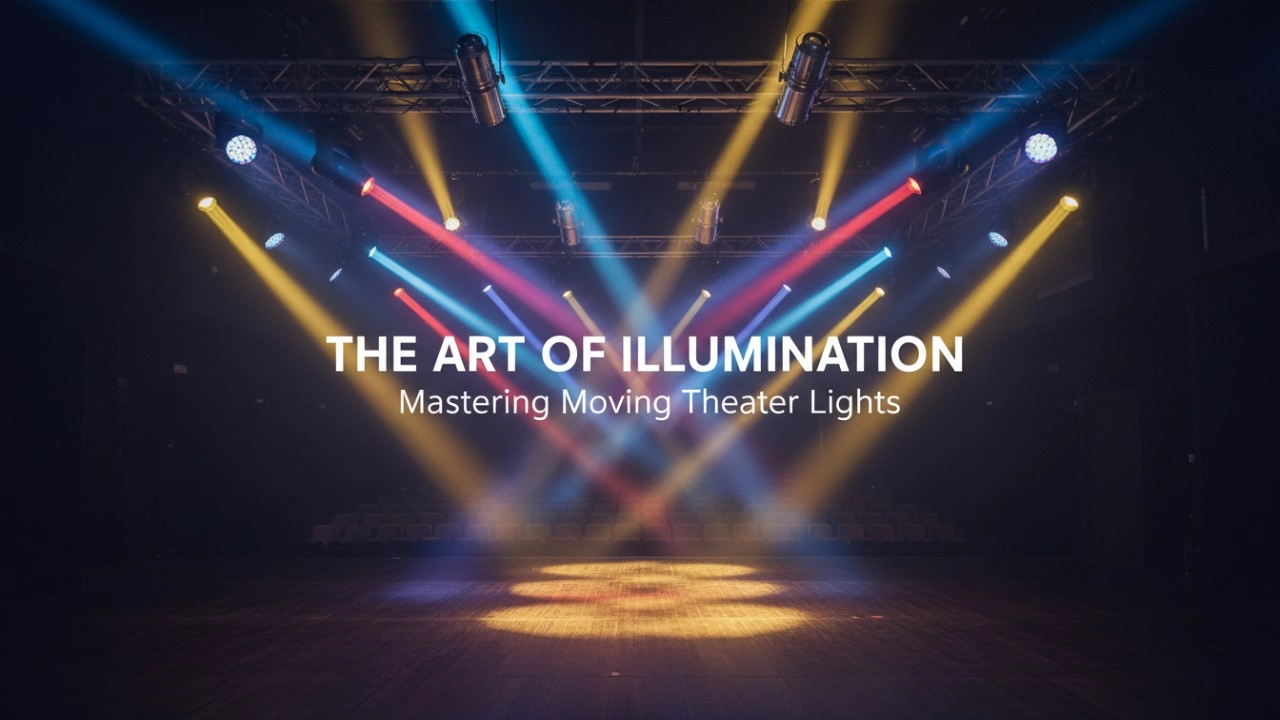
Spotlight vs. Floodlight vs. Beamlight: A Comparison of Moving Stage Lighting Fixtures
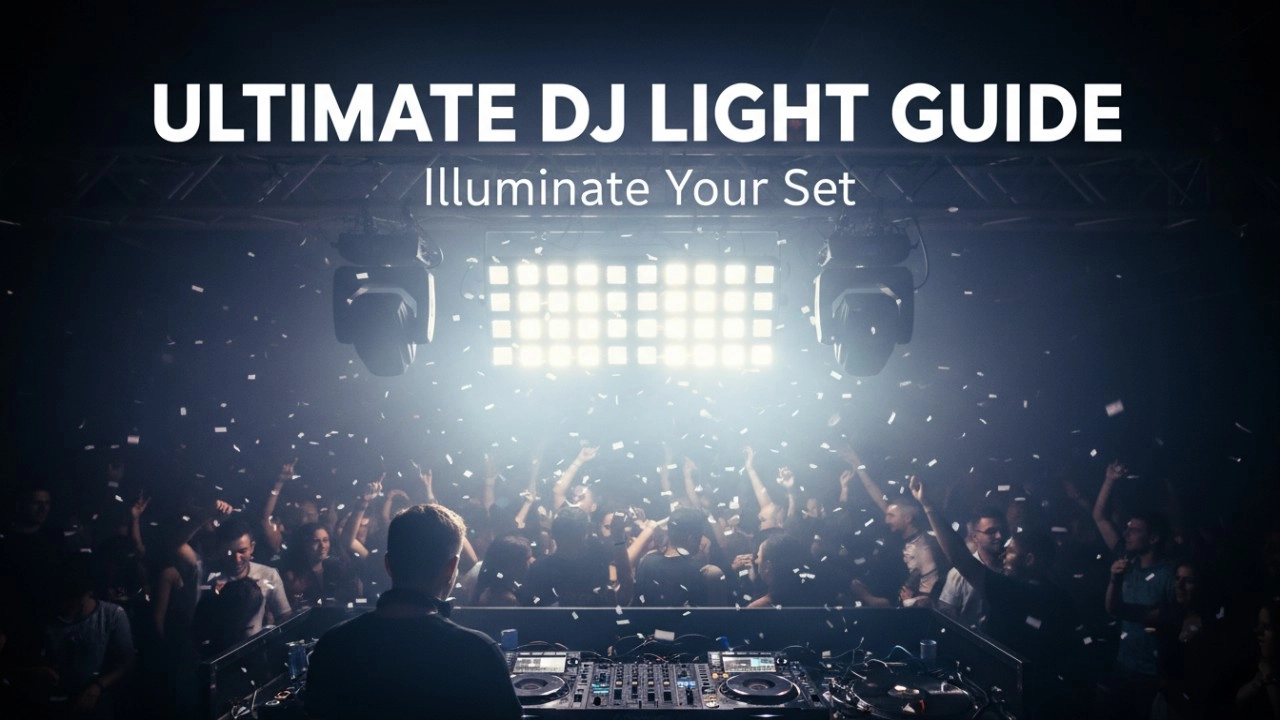
Mastering the Flash: 7 Advanced Strobe DJ Light Techniques for Pro Entertainers
Company
Do you have your own factory?
Yes. We own a sheet metal factory and a complete in-house production line—from PCB to final assembly—ensuring strict quality control and fast delivery.
Where is LiteLEES located?
Our headquarters and manufacturing facility are located in Guangzhou, China, with products exported to over 70 countries worldwide.
What is LiteLEES’s main business?
LiteLEES specializes in the design, development, manufacturing, and sales of professional stage lighting, including moving head lights, beam lights, spot lights, wash lights, and LED par lights.
Products
How long is the warranty period for your products?
We offer a standard 1-year warranty on all products, with extended warranty options available upon request. During the warranty period, we provide free technical support and parts replacement for non-human damage.
Are your lights suitable for large-scale events and outdoor use?
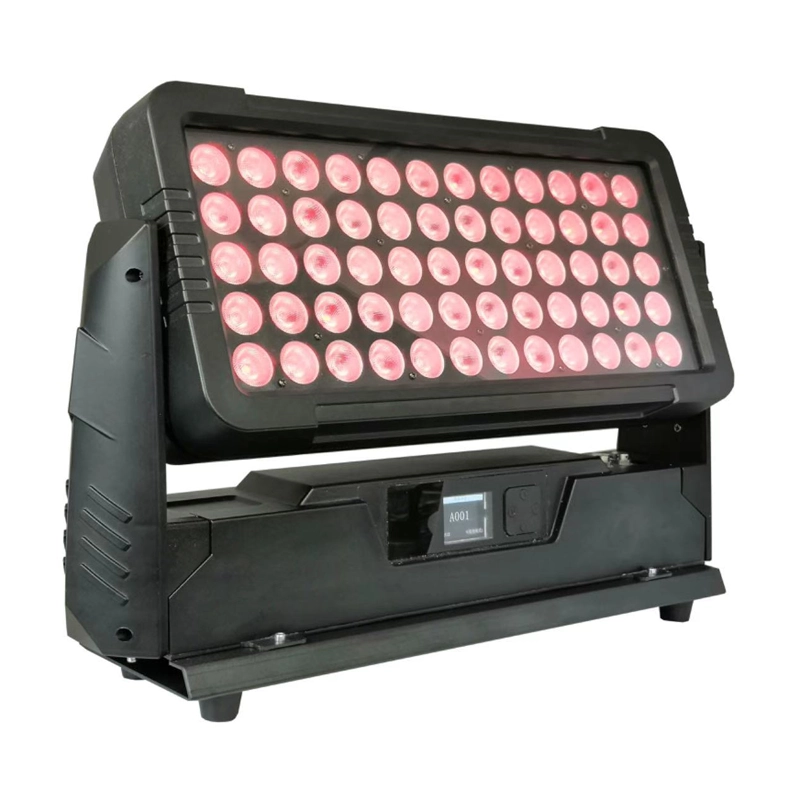
Yes. Our professional stage lights—especially the Beam, BSW 3-in-1, and LED Par Series—are engineered with high-output brightness, wide beam angles, and robust housing. Some models come with IP-rated protection, making them suitable for outdoor applications like concerts, festivals, and sports events.
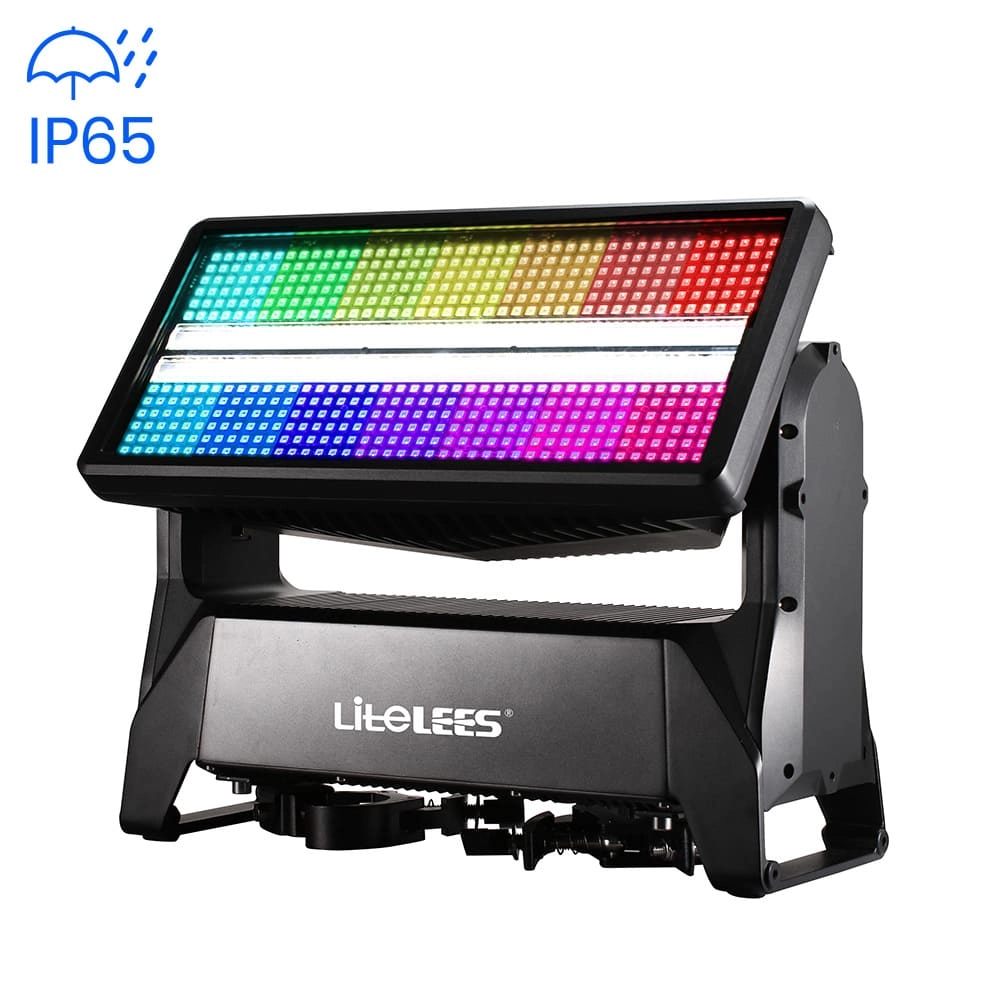
Stormy STRIKE M IP
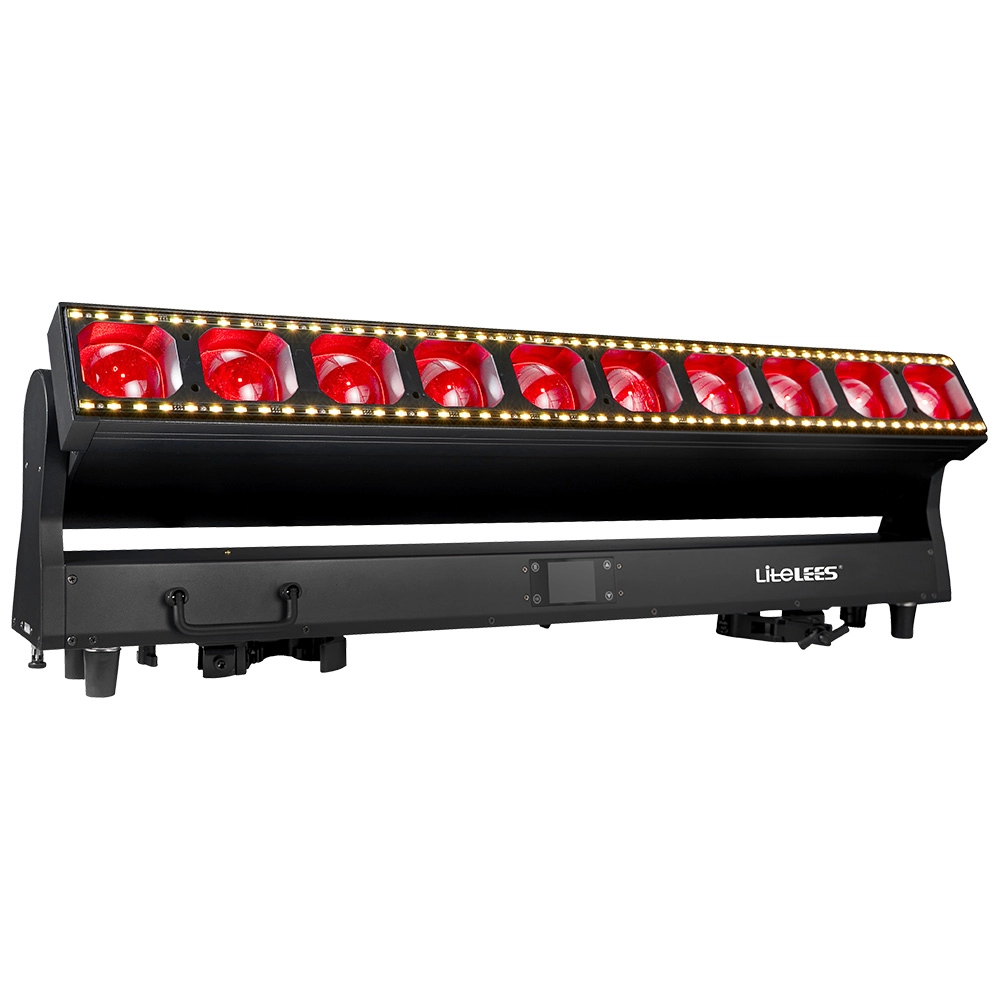
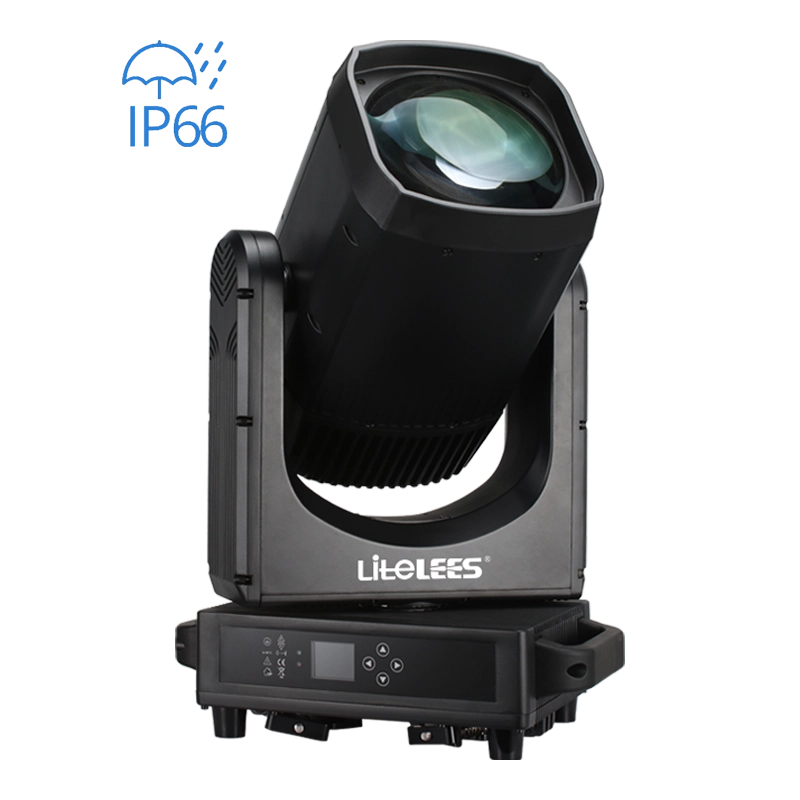
LiteLEES LUMIX BEAM 420 IP
Want to get more up-to-date information?
If you have any comments or good suggestions, please leave us a message; later our professional staff will contact you as soon as possible.

We are professional stage lighting manufacturers offering OEM and ODM LED stage lights.
Contact
Email us
Call us
Address
No.6 Longnan Road, Huashan Town, Huadu District Guangzhou, Guangdong Province, China.
LiteLEES Professional
Less Lighting