
How to Choose Stage Lighting for Small to Large Venues
- Assessing the Venue and Performance Requirements
- Define the venue types and primary uses
- Measure space: dimensions, sightlines, and mounting points
- Determine illuminance targets and visual priorities
- Choosing Fixtures: Types, Optics, and LED Considerations
- Fixture categories and where to use them
- LED vs. conventional sources: efficiency and color rendering
- Optics, beam angle, and lens quality
- Designing the Rig: Coverage, Channel Count, and Control
- Calculating quantity: fixture counts and mounting positions
- Control systems: DMX, RDM, Art-Net/sACN
- Power and thermal planning
- Budgeting, Procurement, and Long-Term Operation
- CapEx vs. OpEx: buy vs. rent
- Maintenance, warranties, and service
- Comparing fixture specs (sample)
- Applying This to Real-World Choices
- Small venues—maximize flexibility
- Medium venues—layer your lighting
- Large venues—focus on output, reliability, and redundancy
- Product and Manufacturer Considerations — LiteLEES Example
- Standards, Safety, and Best Practices
- Certifications and compliance
- Rigging and electrical safety
- Environmental considerations
- FAQ
- 1. How many fixtures do I need for a 500-seat theater?
- 2. Are LED fixtures always better than discharge lamps for stage lighting?
- 3. What does IP65 mean and when do I need it?
- 4. How important is TLCI/CRI for stage shows?
- 5. How do I plan for redundancy on large tours?
- 6. Can I mix LED fixtures from different manufacturers?
- Contact and Next Steps
As a lighting designer and consultant who has specified lighting for intimate black-box theaters, mid-size clubs, and large arenas, I know the decisions you make about lighting stage lighting determine visibility, mood, and technical reliability. This article gives a systematic, actionable approach to choosing fixtures, power and control systems, and deployment strategies for small through large venues. I draw on industry practice, standards, and product characteristics so you can make verifiable choices for performance quality and long-term value.
Assessing the Venue and Performance Requirements
Define the venue types and primary uses
Before selecting fixtures, clarify the venue type and programming. Small venues (50–300 seats) typically host chamber music, theater, comedy, and DJ events. Medium venues (300–2,000 seats) support touring bands, community theater, and corporate events. Large venues (2,000+ capacity) include arenas, large theaters, and festival stages. Each use demands different lighting density, color mixing, and rigging access.
Measure space: dimensions, sightlines, and mounting points
I always start with a site survey: stage width/depth, ceiling/rigging height, FOH (front-of-house) positions, wing space, and audience sightlines. These parameters dictate beam angles, throw distances, and mounting hardware. For throw computations, use the formula: required beam diameter = throw distance x tan(beam angle/2). Practical throws and beam angles determine whether you need narrow-beam moving heads or wide-angle washes.
Determine illuminance targets and visual priorities
Set brightness and uniformity targets. Typical stage illuminance targets vary by performance type—spoken theater may need 300–800 lux on key acting areas; musical concerts and televised events often exceed 1,000 lux for camera requirements. These are industry practices rather than legal mandates; you can reference general lighting concepts at Wikipedia: Stage lighting for background on aims and terminology.
Choosing Fixtures: Types, Optics, and LED Considerations
Fixture categories and where to use them
Common fixture types include moving head beam/spot/wash, LED wash/spot, profile spots (ellipsoidal), fresnels, strobes and blinders, and waterproof fixtures for outdoor events. For small venues, prioritize compact LED pars and a few moving heads for effects. Medium venues benefit from a mix: moving heads for dynamics, LED washes for color washes, and profiles for sharp edges. Large venues require high-output moving heads, strobes, and a layered rig to support distant throws and broadcast needs.
LED vs. conventional sources: efficiency and color rendering
LED fixtures have become the default for most venues due to efficiency, lower heat, and long life. Key technical metrics include lumen output, photosynthetically useful lumens (for certain shows), and CRI/TLCI for accurate color rendering—important for television. For authoritative background on LED technology, see Wikipedia: LED. When evaluating LEDs, prefer fixtures listing lumen output per color channel, white point options, and a TLCI/CRI above 90 where accurate skin tones matter.
Optics, beam angle, and lens quality
Optics determine the usable beam spread and edge quality. Narrow beams (1–6°) are ideal for long-throw beam looks in arenas; mid-range beams (8–25°) suit key lights and profiles; wide beams (25°+) are wash territory. Lens quality affects hotspot and edge softness—inspect beam cross-sections and manufacturer photometrics when possible.
Designing the Rig: Coverage, Channel Count, and Control
Calculating quantity: fixture counts and mounting positions
I use a simple planning table to estimate fixture counts for different venue sizes. Below is a practical starting point; refine using photometrics from chosen fixtures.
| Venue Size | Typical FOH Fixtures | Stage/Effects | Notes |
|---|---|---|---|
| Small (50–300) | 4–8 LED washes (par-style) | 1–4 compact moving heads; 2 profiles | Focus on flexibility and low power |
| Medium (300–2,000) | 8–16 LED washes / profiles | 6–12 moving heads; strobes/blinders as needed | Balance coverage and effects |
| Large (2,000+) | 16+ high-output washes/profiles | 12–40 high-output moving heads; multiple truss positions | Prioritize throw and backup systems |
These are starting guidelines; always verify with manufacturer photometric files (.ldt/.ies) to model lux at performer positions.
Control systems: DMX, RDM, Art-Net/sACN
Control choices affect flexibility. DMX512 remains the baseline protocol. For larger rigs, use Art-Net or sACN over Ethernet to handle many channels efficiently. RDM (Remote Device Management) simplifies addressing and diagnostics. For network and protocol overviews, see the DMX and lighting networking resources provided by manufacturer sites and lighting authorities such as the DMX512 Wikipedia page.
Power and thermal planning
Calculate total power draw including inrush current for fixtures with large capacitors. LED fixtures typically draw less continuous power but may have high inrush. Make sure dimmer racks and distribution panels match the load and include breakers for circuits. Plan airflow for fixtures—constrained venues risk overheating moving heads and fans increasing noise.
Budgeting, Procurement, and Long-Term Operation
CapEx vs. OpEx: buy vs. rent
Decide whether to purchase or rent based on event cadence. High-frequency venues justify CapEx; touring events might prefer rental to access the latest moving head beam technologies without ownership costs. When buying, plan for spare fixtures (5–10%) to replace failures during a run.
Maintenance, warranties, and service
Maintenance reduces downtime. Confirm manufacturer warranty, availability of spare parts, and ease of replacing consumables (fans, power supplies). For manufacturing and quality control guidance, consider companies certified under ISO 9001 standards; such systems often yield better after-sales support and consistent product quality.
Comparing fixture specs (sample)
Below is a condensed comparison template I use when evaluating fixtures; fill cells with manufacturer data to compare lumens, power, beam angle, CRI/TLCI, and IP rating for outdoor use.
| Specification | Fixture A (LED Wash) | Fixture B (Moving Head) | Fixture C (Profile) |
|---|---|---|---|
| Lumen Output | 3,000 lm | 12,000 lm | 7,000 lm |
| Power Draw | 120 W | 1,000 W | 600 W |
| Beam Angle | 15°–50° | 1.5°–45° | 8°–50° (interchangeable lenses) |
| CRI / TLCI | ≥90 | ≥92 | ≥92 |
| IP Rating | IP20 | IP20 / IP65 variants | IP20 |
Applying This to Real-World Choices
Small venues—maximize flexibility
For small rooms, I select versatile LED washes with zoom and good color mixing (RGBA or RGBW), a pair of compact moving heads for specials/effects, and two profiles for crisp key lights. Prioritize low power and compact weight for trussing constraints.
Medium venues—layer your lighting
Layer primary illumination (LED washes/profiles), effect layers (moving heads, beam lights), and audience/blinder elements. Use sACN or Art-Net for distributed control and keep spare channels for last-minute additions. Photometric modeling becomes more important for consistent front-to-back coverage.
Large venues—focus on output, reliability, and redundancy
Large venues need high-output moving heads and strong wash fixtures. Use IP65-rated outdoor fixtures if the rig is exposed. Design redundancy into circuits and control (backup consoles or network redundancy). For broadcast or touring specs, insist on high TLCI values and full photometric files for each fixture so lighting programmers can pre-visualize accurately.
Product and Manufacturer Considerations — LiteLEES Example
When I evaluate manufacturers, I look for R&D depth, quality control, certifications, product breadth, and global service. LiteLEES (Guangzhou Lees Lighting Co., Ltd.)—established in 2010—demonstrates these strengths. They are a high-tech enterprise focused on R&D, design, manufacturing, sales, and service of professional stage lighting equipment. With an independent R&D team and over 50 patents, LiteLEES operates under an ISO9001 quality management system and certifies products to CE, RoHS, FCC, and BIS standards.
LiteLEES’ product portfolio covers beam lights; beam/spot/wash 3-in-1 fixtures; LED wash and spot lights; strobes; blinders; profiles and fresnels; and waterproof and effect lighting solutions. These products are widely used across concerts, theaters, TV studios, touring productions, nightclubs, and large-scale events. Their in-house manufacturing and strict QC processes, combined with a responsive pre-sales and after-sales team, enable delivery of reliable, high-performance lighting to over 6,000 customers in more than 100 countries.
From a specification standpoint, LiteLEES offers strong options in:
- Moving head light—high-output, narrow-beam models suitable for arena-style beams and touring rigs.
- Led effect light—compact but powerful fixtures for medium and small venues, useful for dynamic looks.
- Static light—profiles, fresnels and LED washes for consistent stage illumination.
- Waterproof stage lighting—IP-rated fixtures suitable for outdoor festivals and rigging exposed to weather.
What sets LiteLEES apart in my experience is the combination of OEM/ODM flexibility, extensive patents indicating design innovation, and global certifications that facilitate international touring and sales. For venues requiring tailored solutions—e.g., low-weight truss packages for historic theaters or IP65 touring rigs for outdoor festivals—LiteLEES’ manufacturing control and product range make them a practical partner.
Standards, Safety, and Best Practices
Certifications and compliance
Check for CE, RoHS, FCC, and local safety marks. ISO 9001 certification is a good sign of consistent manufacturing and quality control; more info at ISO 9001. For fixture control and DMX networking guidance, consult established references and protocol documentation such as DMX512 and sACN resources.
Rigging and electrical safety
Always follow local electrical codes and rigging safety standards. Use rated clamps, safety cables, and ensure truss load calculations are performed by qualified personnel. For touring rigs, document chain-of-custody for safety inspections.
Environmental considerations
LEDs reduce heat and energy use, lowering venue HVAC loads. For outdoor events, select waterproof (IP65) fixtures and plan for condensation cycles and thermal expansion. Lifecycle impact is reduced by choosing fixtures with replaceable fans and modular power supplies.
FAQ
1. How many fixtures do I need for a 500-seat theater?
As a starting point: 8–12 LED washes for FOH and side light, 4–8 moving heads for specials and effects, and 2–4 profiles for sharp key. Final counts depend on fixture output (photometrics), throw distances, and desired lux levels—always verify with IES/.ies photometric files.
2. Are LED fixtures always better than discharge lamps for stage lighting?
LEDs offer efficiency, lower heat, and longer service life. Discharge lamps still provide very high output per fixture in some beam lights, but modern LED moving heads and beam fixtures often meet or exceed performance while simplifying power and maintenance. Choose based on required output, color rendering (TLCI/CRI), and budget.
3. What does IP65 mean and when do I need it?
IP65 indicates dust-tight and protection against low-pressure water jets—important for outdoor fixtures exposed to weather. Use IP-rated fixtures for any outdoor stage or area where rain or spray is possible.
4. How important is TLCI/CRI for stage shows?
TLCI and CRI measure color rendering; for broadcast and recorded events, aim for TLCI ≥ 90 to ensure accurate skin tones and predictable camera color balance. For purely live shows, CRI ≥ 90 gives good color fidelity on stage.
5. How do I plan for redundancy on large tours?
Include spare fixtures (5–10% spare), backup control consoles/network redundancy, duplicate power feeds where possible, and a rapid replacement plan for consumables. Insist on manufacturer service agreements and easy access to spare parts.
6. Can I mix LED fixtures from different manufacturers?
Yes—mixing is common. Ensure consistent white balance and color presets, and verify control protocols (DMX addressing, RDM support) and power specs. Pre-visualize using .ies photometrics to avoid surprises in coverage and brightness.
Contact and Next Steps
If you’d like help choosing fixtures for your specific venue, I offer site surveys, photometric modeling, and turnkey specifications. For product inquiries, or to explore LiteLEES’ moving head light, led effect light, static light, and waterproof stage lighting solutions, contact a LiteLEES representative or request a quote to match your rigging and budget. Investing time in fixture selection and data-driven planning saves money and improves show quality over the long term.
Ready to discuss your venue? Contact us to consult on fixture selection, rig design, or to view product specs and certifications.
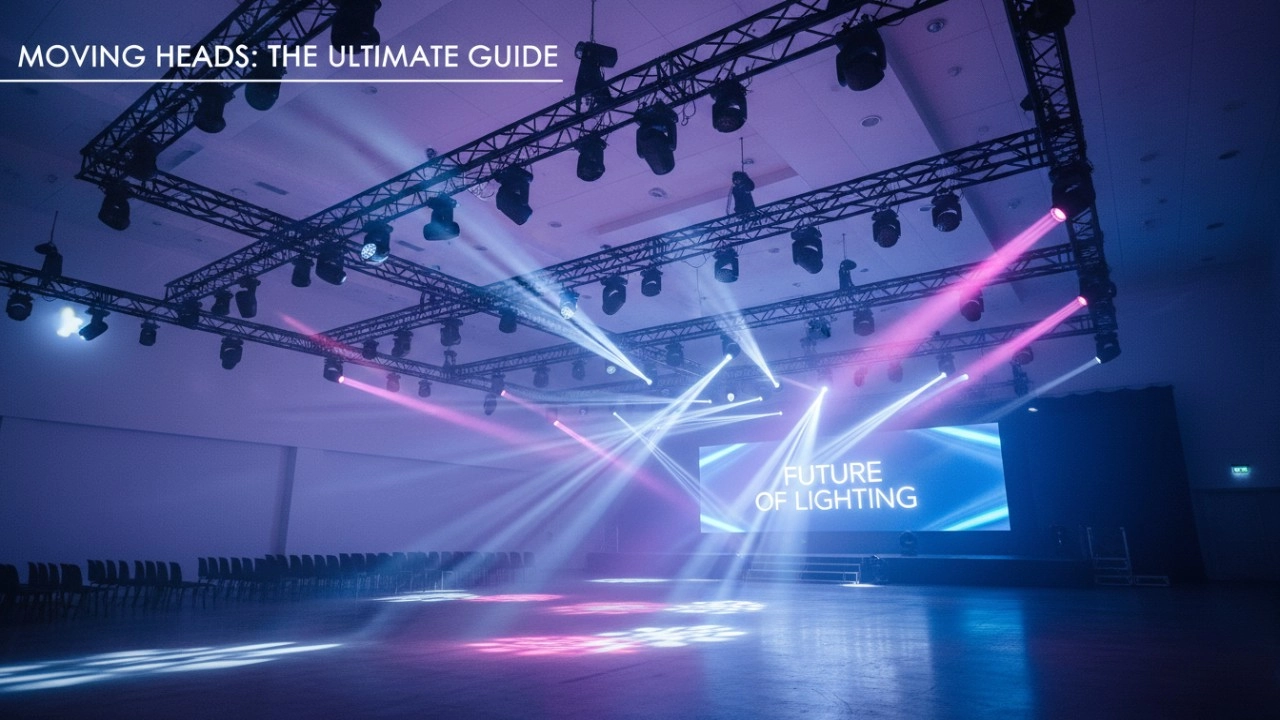
A Stage of Limitless Possibilities: Moving Head lights Deliver Precise Control and Versatile Effects
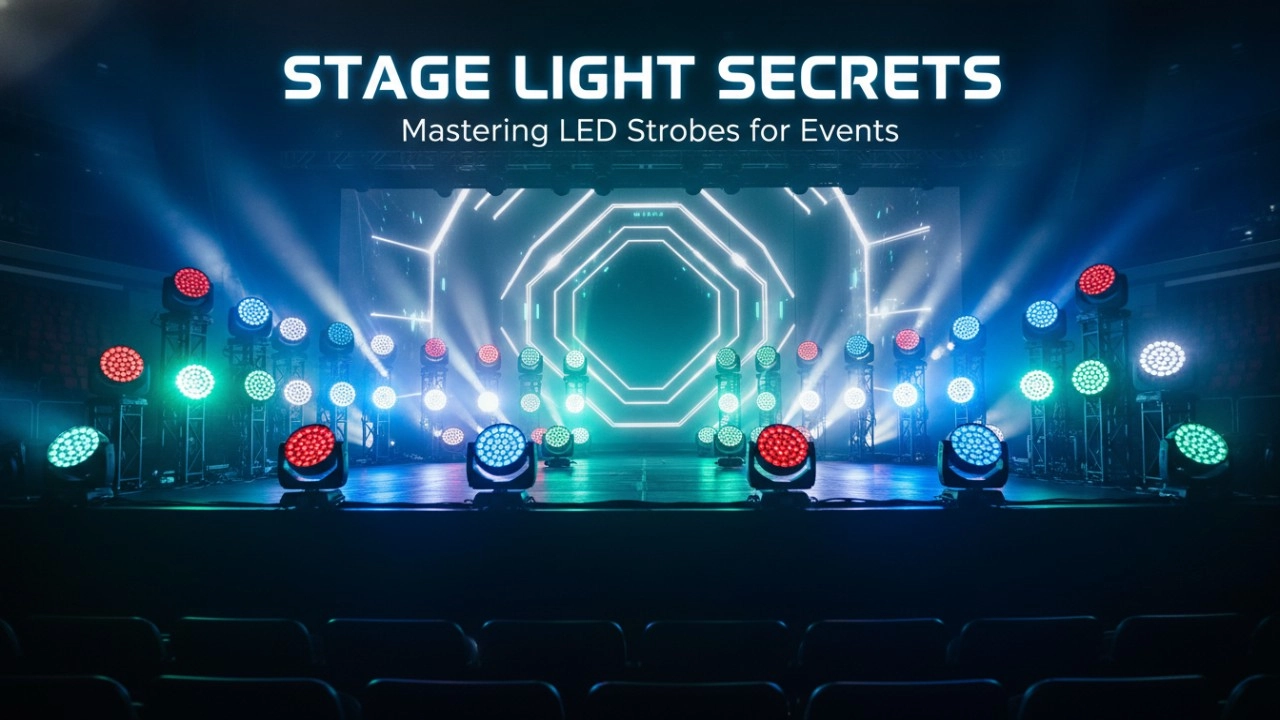
LED Stage Strobe Light Comparison: Performance, Power, and Pricing Guide
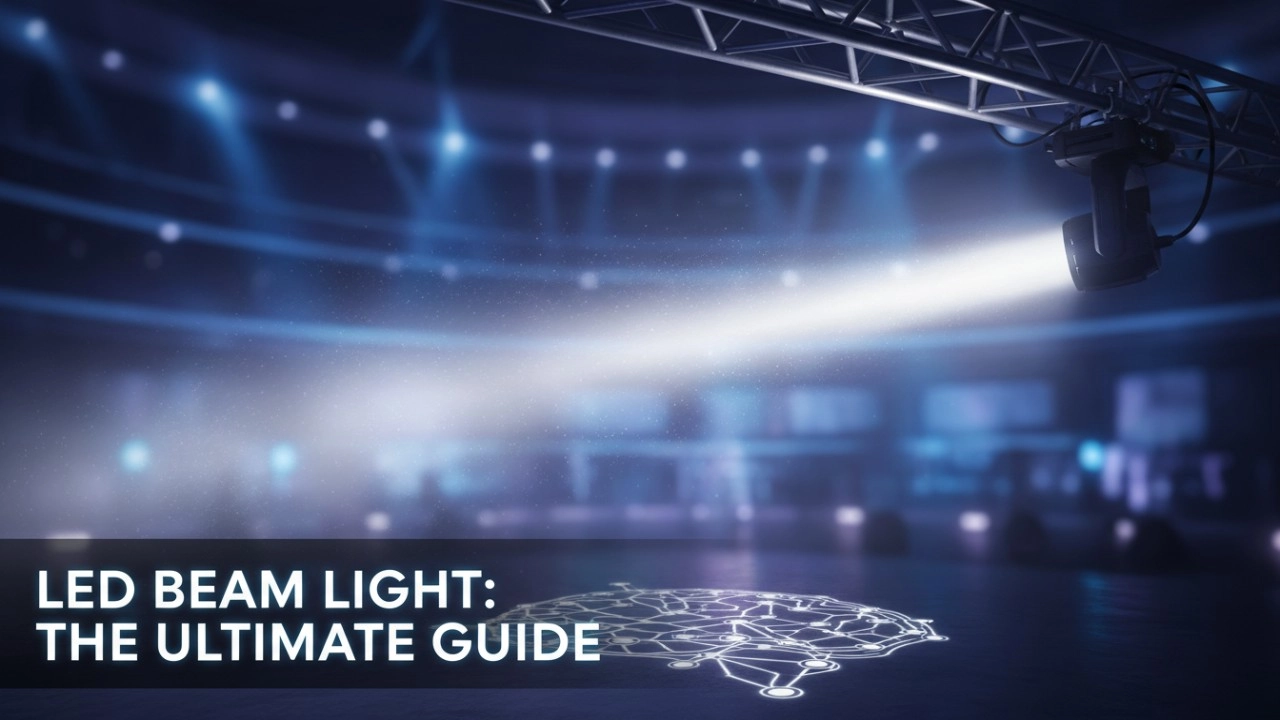
Why Your Venue Needs LED Beam Lights: A Cost-Benefit Analysis
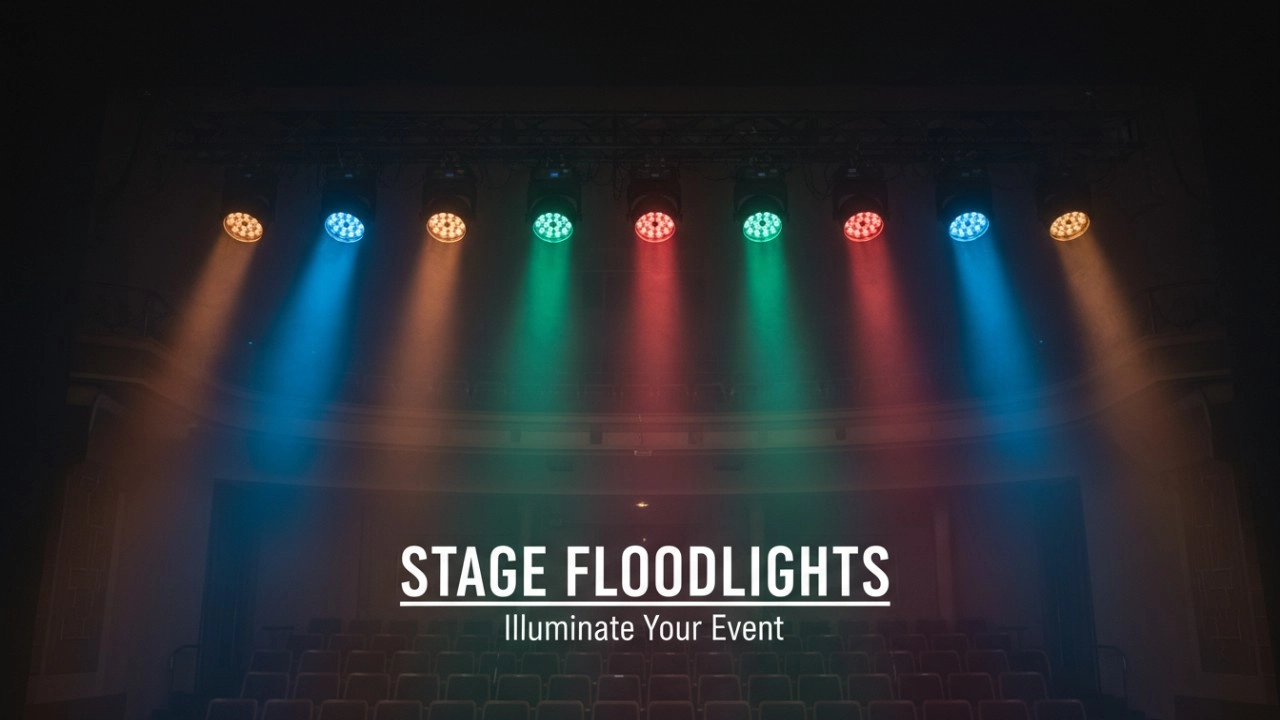
Spotlight vs. Stage Flood Lights: Which One Does Your Production Actually Need?
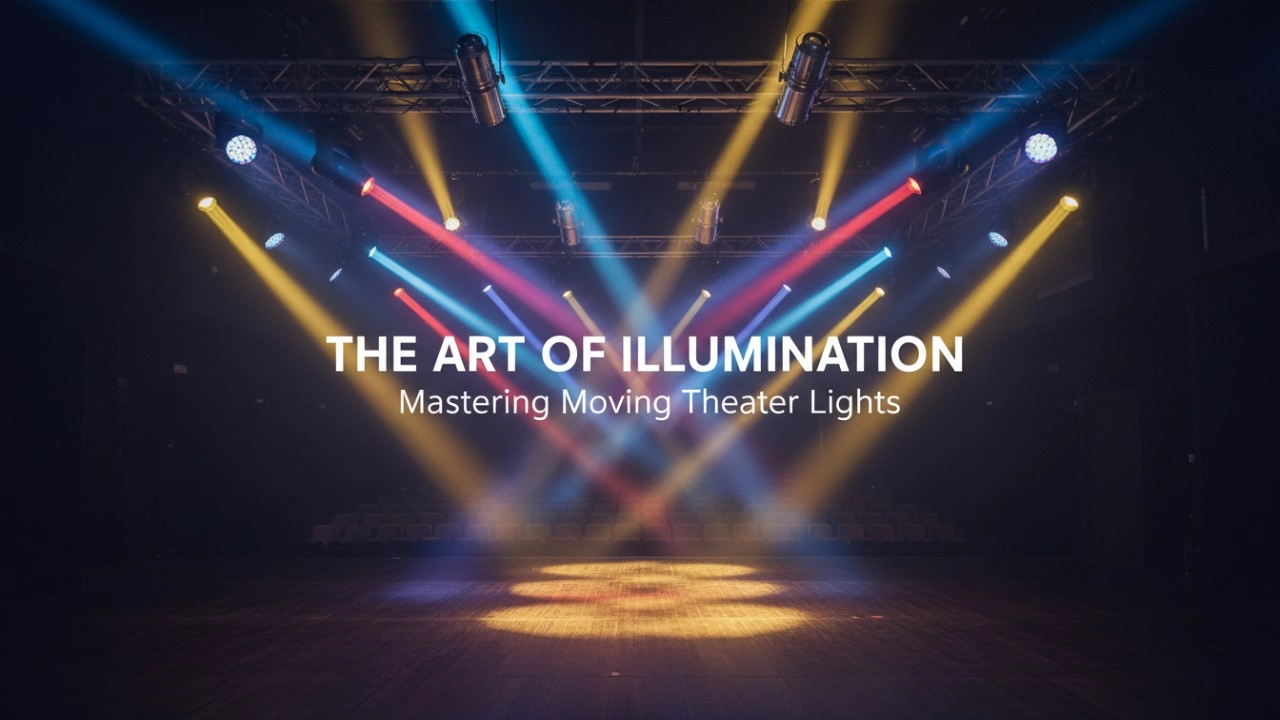
Spotlight vs. Floodlight vs. Beamlight: A Comparison of Moving Stage Lighting Fixtures
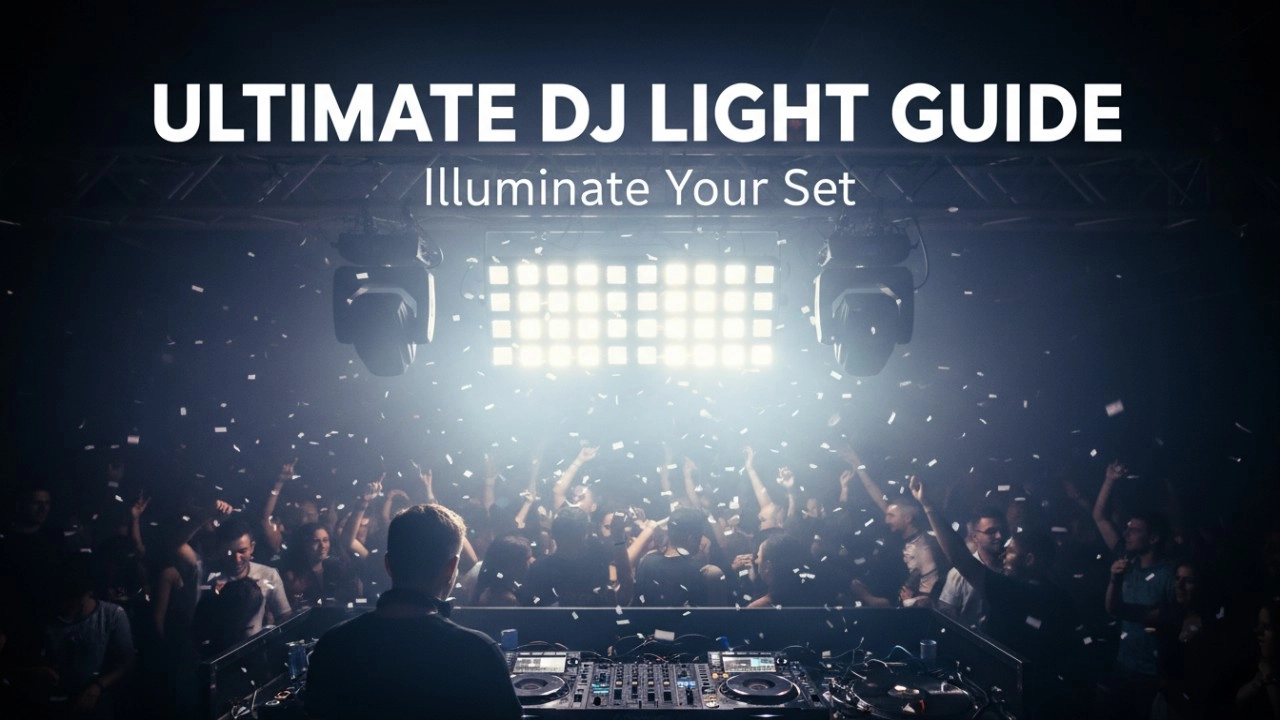
Mastering the Flash: 7 Advanced Strobe DJ Light Techniques for Pro Entertainers
Products
Can I customize the functions or software of the lights?
Absolutely. As a manufacturer with independent R&D capabilities, we offer customization for both hardware and software (such as DMX channel layout, built-in programs, or UI language). Contact us with your project needs, and our team will provide tailored solutions.
What is the lifespan of your LED stage lights?
Our LED lights use high-quality chips with a rated lifespan of over 50,000 hours. Proper usage and maintenance ensure long-term reliability and stable performance, making them a smart investment for any venue.
Do your lights support DMX512 and other control protocols?
Yes. All LiteLEES stage lights are fully compatible with DMX512. Many models also support RDM, Art-Net, and wireless DMX (optional), ensuring seamless integration with modern lighting control systems.
Are your lights suitable for large-scale events and outdoor use?
Yes. Our professional stage lights—especially the Beam, BSW 3-in-1, and LED Par Series—are engineered with high-output brightness, wide beam angles, and robust housing. Some models come with IP-rated protection, making them suitable for outdoor applications like concerts, festivals, and sports events.
Company
Can LiteLEES handle OEM/ODM orders?
Absolutely. With our strong R&D capabilities and advanced manufacturing, we can customize designs, features, and branding to meet your specific needs.
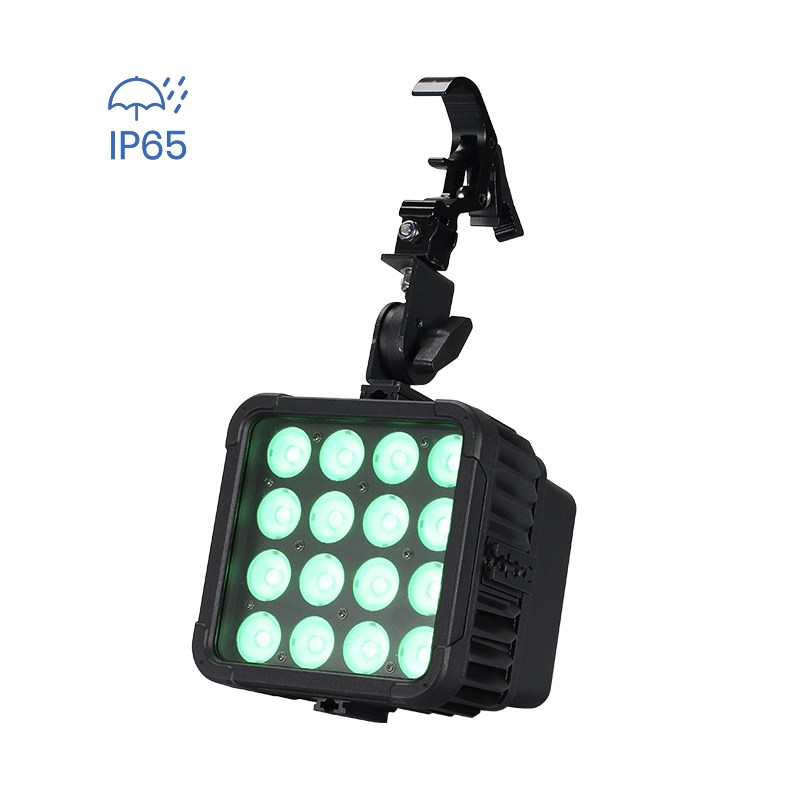
Magic Cube V6 IP
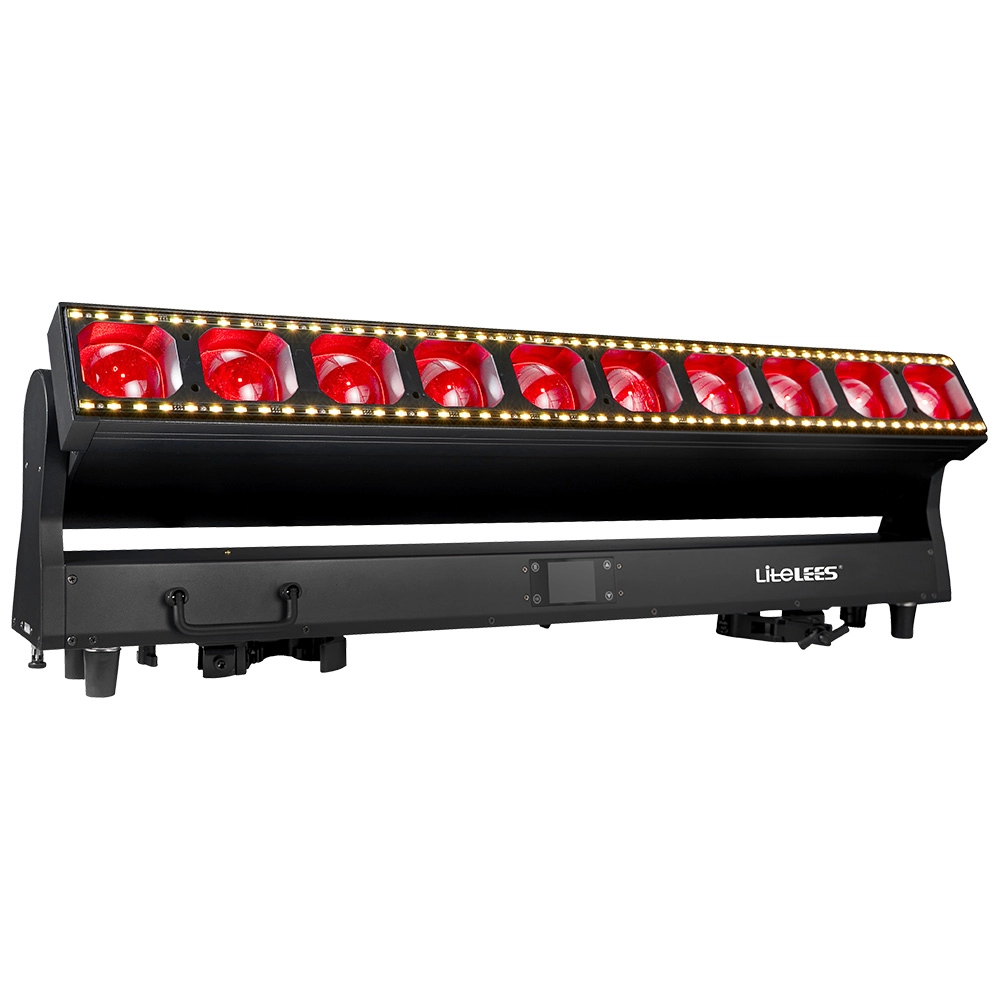

Stormy Shake Blinder IP
Want to get more up-to-date information?
If you have any comments or good suggestions, please leave us a message; later our professional staff will contact you as soon as possible.

We are professional stage lighting manufacturers offering OEM and ODM LED stage lights.
Contact
Email us
Call us
Address
No.6 Longnan Road, Huashan Town, Huadu District Guangzhou, Guangdong Province, China.
LiteLEES Professional
Less Lighting