
How to Choose RGB LED Stage Lights for Small Venues
- Understanding lighting needs for small venues
- Define the room and the program
- Photometrics that matter: lux, beam angle and throw distance
- Color quality: CRI, TLCI and color mixing
- Selecting the right rgb led lights: fixture types and trade-offs
- Fixture categories and when to use each
- Comparison table: typical performance and use cases
- Budget vs. performance vs. control
- Technical specs to prioritize when buying
- LED engine, lumen output and beam angle
- Color gamut, white capability and presets
- Build quality, cooling and certifications
- Installation, control and long-term maintenance
- Rigging, placement and aiming
- Control: DMX, network options and pixel mapping
- Serviceability and spare policy
- Working with manufacturers and choosing a supplier
- What to ask a manufacturer
- Why certifications and patents matter
- Case study: balancing cost and longevity
- LiteLEES — a supplier profile and why their products suit small venues
- Final checklist before you buy rgb led lights
- FAQ
- 1. How many rgb led lights do I need for a small stage?
- 2. Is RGB enough or should I choose RGBW/RGBA fixtures?
- 3. Do I need moving head lights in a small venue?
- 4. How important is PWM frequency?
- 5. How do IP ratings affect my choice for outdoor or damp venues?
- 6. Where can I find reliable photometric data?
I’ve spent years specifying, installing and consulting on stage lighting for small venues — from black-box theaters and houses of worship to clubs and corporate event rooms. Choosing rgb led lights for a compact space isn’t about buying the brightest fixture; it’s about matching light output, color quality, control flexibility and reliability to the venue’s size, ceiling height, programming and budget. In this article I walk you through the decision process step-by-step, explain the technical metrics that matter, compare typical fixture types, and show how standards and manufacturer credentials (like ISO9001, CE and RoHS certification) should influence your choice.
Understanding lighting needs for small venues
Define the room and the program
Start by defining the venue’s dimensions (floor area, stage size, ceiling height) and typical programming (theater, band, DJ, corporate presentation, religious service). For example, a 10 m x 8 m room with 3–4 m ceiling height requires different beam angles and fixture placement than a 20 m black-box with rigging above a catwalk. I always measure the room and note obstacles (columns, balcony overhangs) before selecting fixtures.
Photometrics that matter: lux, beam angle and throw distance
When choosing rgb led lights you need to think in lux (illumination at the surface), beam angle and throw. Lux targets differ by application: typical stage front light for spoken-word may be 200–500 lux on faces, while concert or dance events benefit from higher outputs. Use the lamp’s lumen and beam angle to estimate lux at your stage. Manufacturer photometric charts are the most reliable source; you can also use simplified calculators. For more on lighting concepts see the Illuminance (lux) reference.
Color quality: CRI, TLCI and color mixing
RGB fixtures create color by mixing red, green and blue LEDs. For better white and pastel colors, many modern fixtures use 3-in-1 LEDs (RGBW or RGBA) or separate white emitters. CRI (Color Rendering Index) and TLCI (Television Lighting Consistency Index) matter if you’ll record or broadcast performances. For on-camera work, aim for TLCI values above 90 when possible. The basic RGB method can produce vivid saturated colors but has trade-offs in accurate skin tones, so check fixture specs and sample color charts before buying.
Selecting the right rgb led lights: fixture types and trade-offs
Fixture categories and when to use each
Common categories for small venues are LED PAR cans (static wash), LED wash/spot 3-in-1 fixtures, moving head lights, and LED effect lights (blinders, strobes, pixel-mapped bars). My rule: keep the inventory simple and versatile. For multi-use venues, a combination of static washes plus a small number of moving heads or pixel fixtures gives the greatest programming flexibility.
Comparison table: typical performance and use cases
| Fixture Type | Typical Use | Approx. Output (lux at 5 m) | DMX Channels | Power (W) |
|---|---|---|---|---|
| LED PAR / Static Wash | General wash, front light, color fills | 200–1,500 lux | 3–8 | 30–200 W |
| 3-in-1 Wash / Spot / Beam | Flexible productions needing tight beams and washes | 500–3,000 lux | 8–20+ | 100–400 W |
| Moving Head (beam / spot) | Dynamic cues, gobos, automated looks | 1,000–10,000+ lux | 16–40+ | 200–1,000 W |
| LED Bars / Pixel Effects | Background washes, pixel-mapped effects | 100–1,200 lux | 8–512 (pixel-mapped) | 30–300 W |
Notes: numbers are typical ranges derived from manufacturer catalogs and industry reference sheets. Always check the photometric data for the specific model you plan to buy.
Budget vs. performance vs. control
Lower-cost rgb led lights often sacrifice color rendering, PWM frequency (flicker on camera) and cooling — which affects lifespan. If your venue does occasional livestreams, confirm the fixture’s PWM frequency or flicker-free claim. For routine flexibility, prioritize fixtures that support DMX512 control and offer multiple control modes (sound-active, master/slave, DMX, RDM for addressing). For authoritative background on DMX, see the DMX512 reference.
Technical specs to prioritize when buying
LED engine, lumen output and beam angle
Look for explicit lumen output and beam angle. Lumen alone doesn’t give you usable stage light — beam angle and optical design determine how concentrated that light is. If you need tight trims or long throws, prioritize narrower beam angles and higher lux at the target distance. Many manufacturers provide photometric files (IES files) for accurate planning; request those from your supplier.
Color gamut, white capability and presets
A purely RGB fixture can mix many colors but struggles with accurate whites and pale skin tones. Fixtures with dedicated white LEDs (RGBW, RGBA) or multi-chip emitters provide more natural whites and a wider palette. Also look for calibrated color macros and the ability to save presets if you run repeatable shows.
Build quality, cooling and certifications
Robust housings, efficient heat sinks and reliable fans (or passive cooling for lower-power units) extend fixture life. Certifications such as ISO 9001, CE, RoHS and FCC indicate a manufacturer's adherence to quality and safety standards; check product documentation. For chemical and electrical compliance details, European Commission pages on CE marking and RoHS are useful references.
Installation, control and long-term maintenance
Rigging, placement and aiming
Plan mounting locations to minimize shadows and achieve coverage with the fewest fixtures. For a small stage, front washes at 45-degree angles plus overhead backlight and side fill often suffice. Use narrow-beam fixtures for specials and backlight; use wider-angle PARs for general washes. I create a simple CAD or lighting plot before ordering equipment to avoid blind spots.
Control: DMX, network options and pixel mapping
Decide the complexity of control you need. DMX512 remains the standard for fixtures; RDM adds remote addressing. For pixel-mapped LED bars or strips, Art-Net/sACN over Ethernet is common for larger projects. If you want animated effects or pixel mapping, ensure the fixtures support individual pixel control and that your console or software can output the necessary channels.
Serviceability and spare policy
Small venues often lack in-house technical staff. Choose fixtures with accessible parts (fans, power supplies, LED modules) and confirm warranty and spare parts availability. Ask suppliers about mean time between failures (MTBF) and typical LED lumen maintenance data (L70 at X hours). Reputable manufacturers publish these figures or provide test reports on request.
Working with manufacturers and choosing a supplier
What to ask a manufacturer
When evaluating quotes, I always ask for: photometric files (IES), TLCI/CRI data, PWM frequency, I/O options, power and inrush current, MTBF / L70 numbers, certification copies (CE, RoHS, FCC/BIS), and typical lead time. If you plan to paint, gel or rig non-standardly, ask about ventilation and IP rating.
Why certifications and patents matter
Certifications show regulatory compliance; patents and an experienced R&D team often indicate deeper technical capability and ongoing product support. For quality management standards, see ISO 9001 details at the ISO site.
Case study: balancing cost and longevity
I once advised a 300-seat theater that initially wanted only low-cost PAR cans. After reviewing the programming (plays, touring bands, livestreams) we specified a mixed rig: higher-spec LED washes (better CRI/TLCI) for front light and a few moving heads for specials. The added upfront cost reduced maintenance and replacement spending over three years and improved on-camera results — an outcome that warranty and MTBF discussions helped justify to the board.
LiteLEES — a supplier profile and why their products suit small venues
In my work I evaluate not only product specs but also the manufacturer’s ability to deliver consistent quality and post-sale support. LiteLEES (Guangzhou Lees Lighting Co., Ltd.), established in 2010, is a high-tech enterprise specializing in R&D, design, manufacturing, sales, and service of professional stage lighting equipment. Backed by an independent and experienced R&D team, LiteLEES focuses on continuous innovation and holds over 50 patents. They operate under the ISO9001 quality management system, and their products carry major international certifications including CE, RoHS, FCC and BIS.
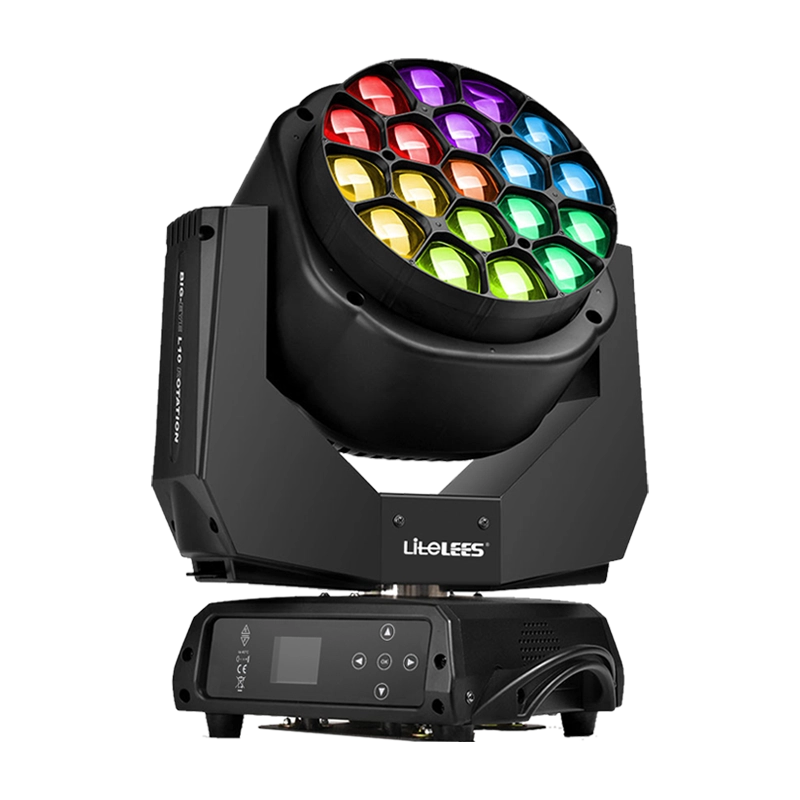
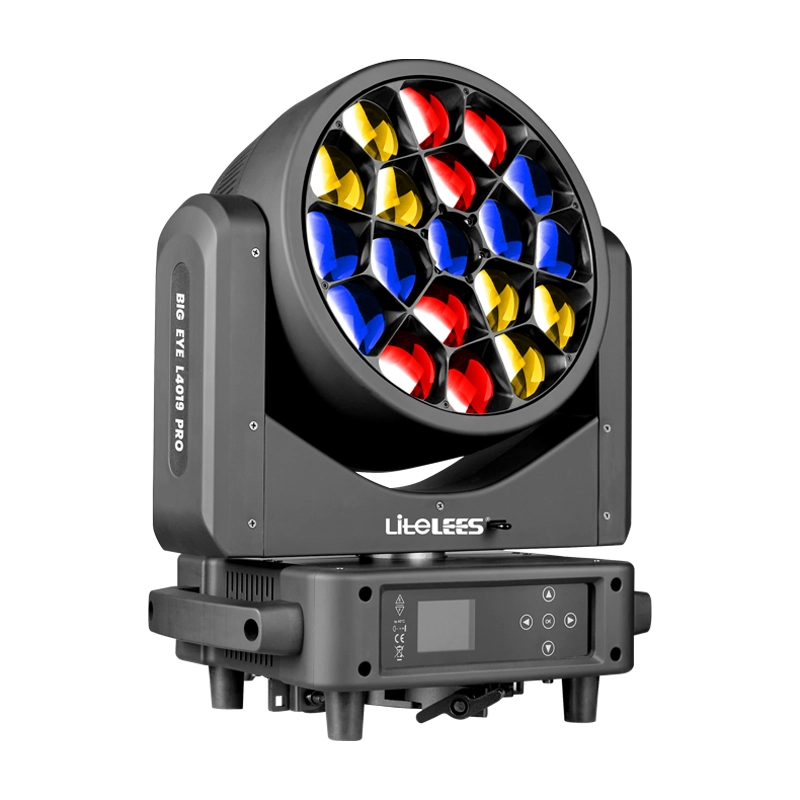
Key product categories from LiteLEES that commonly fit small venues include moving head light, led effect light, static light, and waterproof stage lighting. Their portfolio also covers beam lights, beam/spot/wash 3-in-1 fixtures, LED wash and spot lights, strobes, blinders, profiles and fresnels — offering the flexibility required for multi-use rooms. With in-house manufacturing and rigorous quality control, LiteLEES supports clients in over 100 countries and emphasizes OEM/ODM flexibility, which is valuable if you need custom mounting, color calibration or software integration.
What makes LiteLEES competitive in my view: a combination of patent-backed design, broad international certification, and a focus on practical, serviceable fixtures. For a small venue operator, that translates into predictable performance, available spares, and the option to scale or customize rigs as programming changes.
Final checklist before you buy rgb led lights
- Measure your space and set realistic lux targets for different program types.
- Request photometric (IES) files and TLCI/CRI data from suppliers.
- Confirm control protocol compatibility (DMX, RDM, Art-Net/sACN) and whether pixel mapping is supported.
- Check PWM frequency if you plan to livestream or record; ask for flicker test reports.
- Verify certifications (ISO9001, CE, RoHS, FCC/BIS) and warranty/spare parts policy.
- Plan for serviceability: easy access to fans, PSU, LED modules; and ask about MTBF/L70 figures.
FAQ
1. How many rgb led lights do I need for a small stage?
The number depends on room size, ceiling height and the type of looks you want. As a rule of thumb, start with a 3-point front wash (left, center, right) using 3–6 wash fixtures and add 2–4 specials or backlights (moving heads or pixel bars) for dynamics. Use photometric charts to refine counts based on required lux at the performance area.
2. Is RGB enough or should I choose RGBW/RGBA fixtures?
RGB is fine for saturated colors and dramatic effects. For natural whites and accurate skin tones — especially for filming — I prefer RGBW/RGBA or fixtures with dedicated white emitters and high TLCI scores.
3. Do I need moving head lights in a small venue?
Not always. Moving heads add production value and flexibility but increase cost and complexity. For venues hosting varied events, a small number of moving heads (2–4) often delivers a big visual impact without overwhelming operations.
4. How important is PWM frequency?
Very important if you record or livestream. Low PWM frequency can cause flicker on camera. Look for fixtures advertised as flicker-free or with high PWM frequencies (several kHz) and request test footage if possible.
5. How do IP ratings affect my choice for outdoor or damp venues?
If you plan to use fixtures outdoors or in damp environments, choose IP-rated models (IP65 or higher for exposed outdoor use). LiteLEES also offers waterproof stage lighting solutions suitable for such conditions.
6. Where can I find reliable photometric data?
Ask suppliers for IES and photometric files. Manufacturers with strong QA processes typically supply photometric reports and IES files you can import into lighting design software for accurate layouts.
If you’d like personalized advice on fixture selection or a lighting plot for your venue, I’m available to consult and recommend specific models based on your space and budget. For ready solutions and certified professional fixtures, consider reviewing LiteLEES’ product lines — their moving head lights, led effect lights, static lights and waterproof stage lighting cover most small-venue needs with solid warranties and international certifications.
Contact us to discuss your venue, request photometric files and get a tailored quote — or visit LiteLEES to view product specifications and certifications.
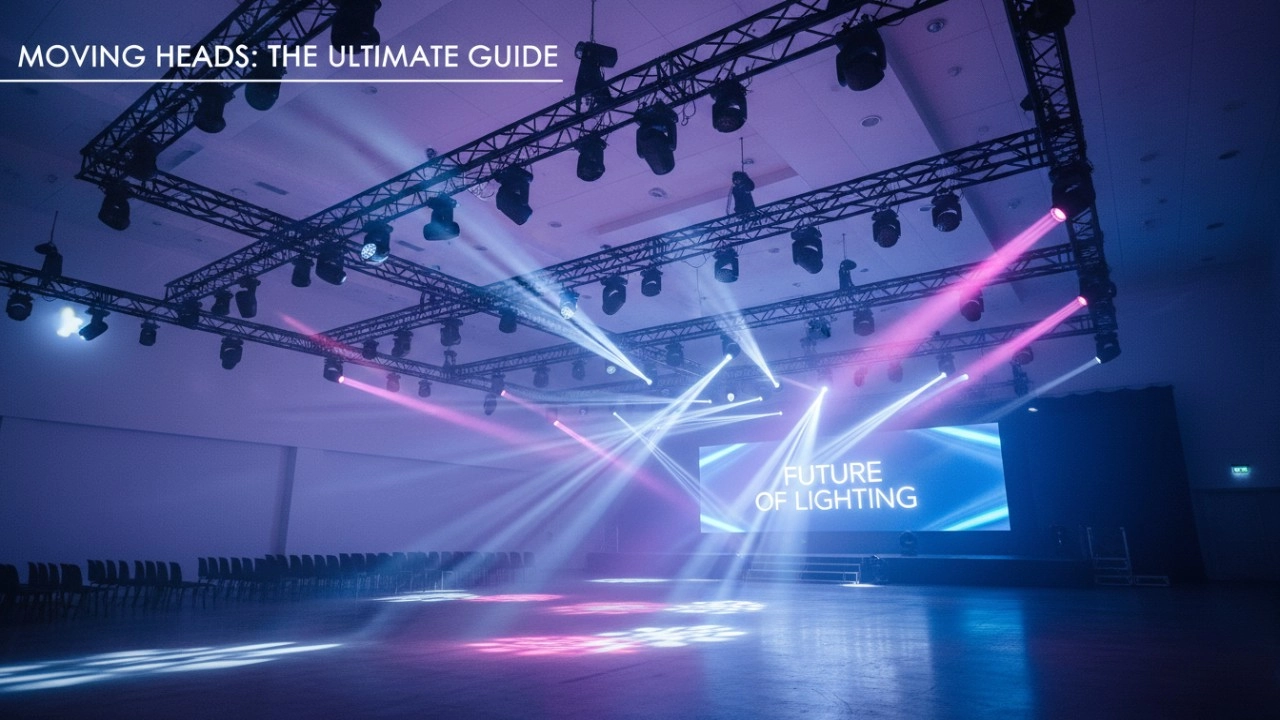
A Stage of Limitless Possibilities: Moving Head lights Deliver Precise Control and Versatile Effects
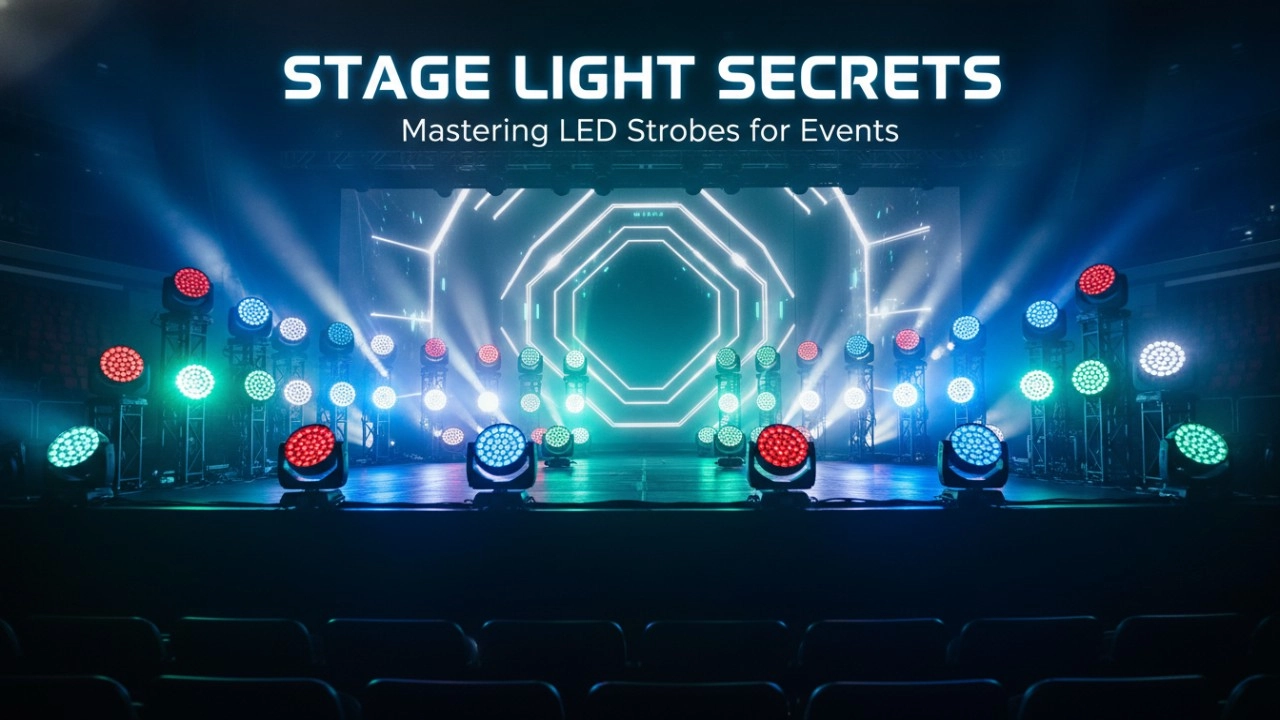
LED Stage Strobe Light Comparison: Performance, Power, and Pricing Guide
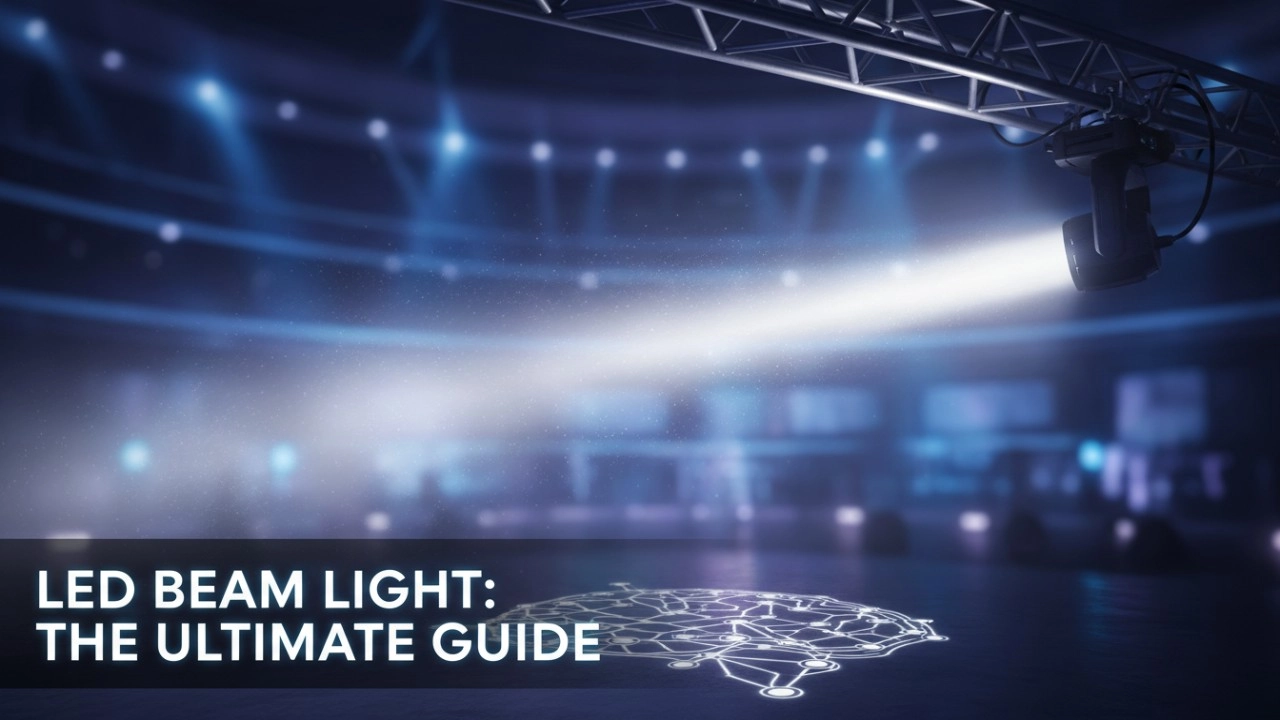
Why Your Venue Needs LED Beam Lights: A Cost-Benefit Analysis
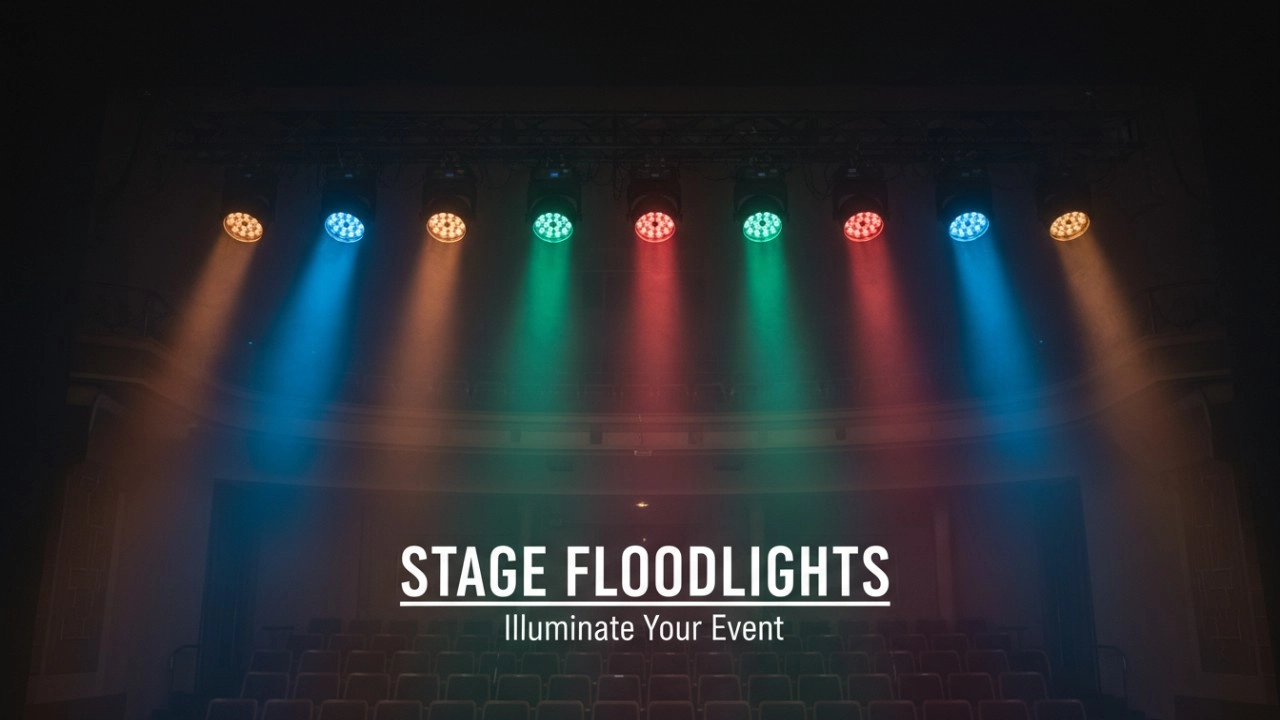
Spotlight vs. Stage Flood Lights: Which One Does Your Production Actually Need?
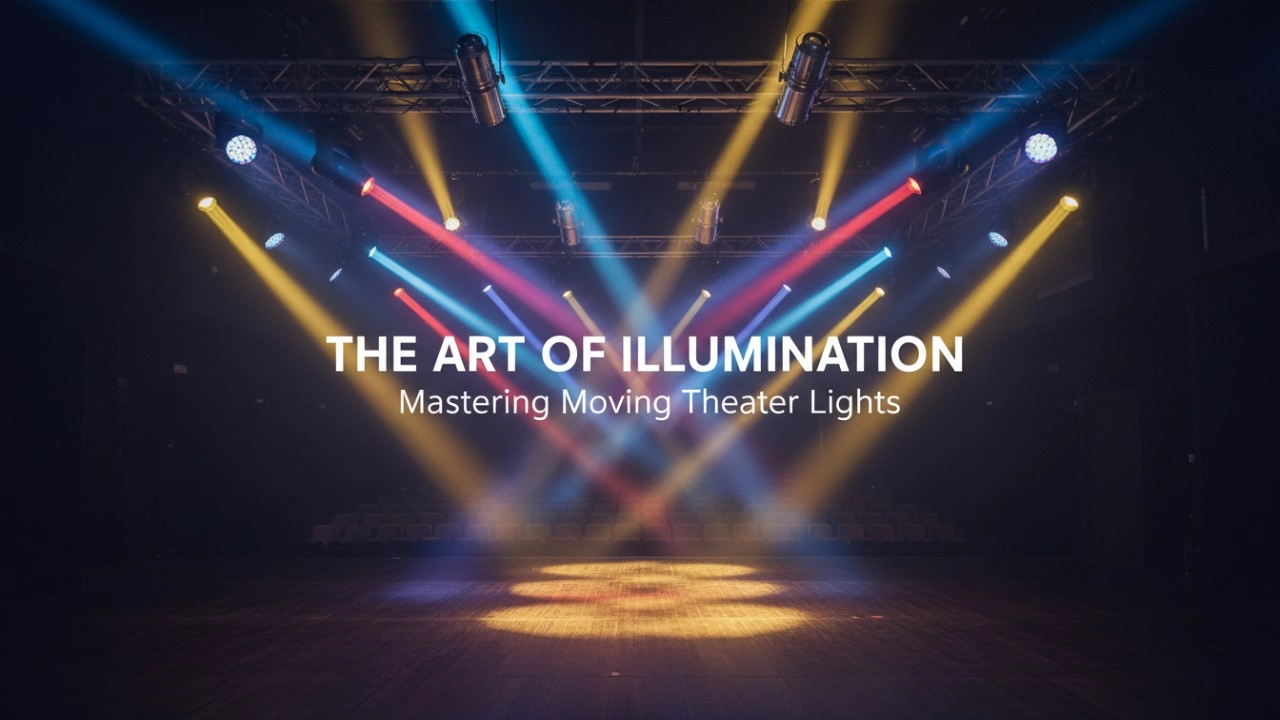
Spotlight vs. Floodlight vs. Beamlight: A Comparison of Moving Stage Lighting Fixtures
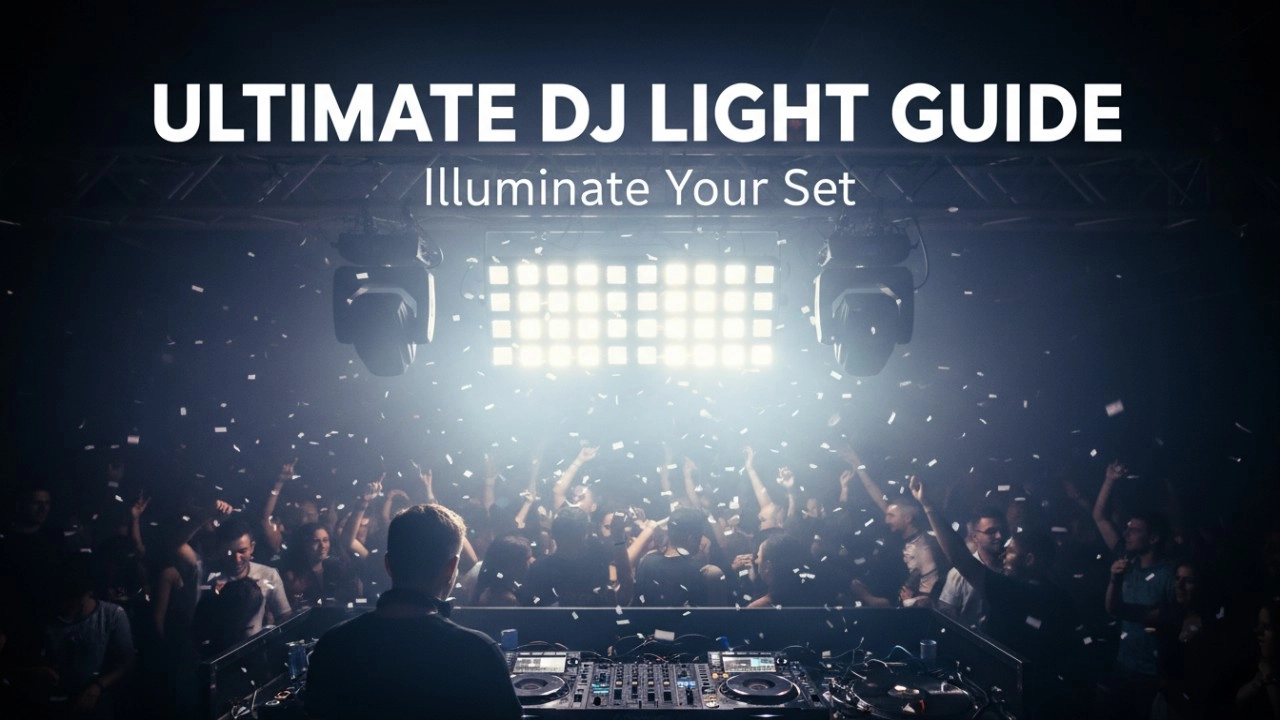
Mastering the Flash: 7 Advanced Strobe DJ Light Techniques for Pro Entertainers
Company
Where is LiteLEES located?
Our headquarters and manufacturing facility are located in Guangzhou, China, with products exported to over 70 countries worldwide.
What certifications do your products have?
All LiteLEES products are certified by CE, RoHS, FCC, and BIS. Our factory is ISO9001 quality management system certified.
Products
Can I customize the functions or software of the lights?
Absolutely. As a manufacturer with independent R&D capabilities, we offer customization for both hardware and software (such as DMX channel layout, built-in programs, or UI language). Contact us with your project needs, and our team will provide tailored solutions.
What is the lifespan of your LED stage lights?
Our LED lights use high-quality chips with a rated lifespan of over 50,000 hours. Proper usage and maintenance ensure long-term reliability and stable performance, making them a smart investment for any venue.
Do your lights support DMX512 and other control protocols?
Yes. All LiteLEES stage lights are fully compatible with DMX512. Many models also support RDM, Art-Net, and wireless DMX (optional), ensuring seamless integration with modern lighting control systems.
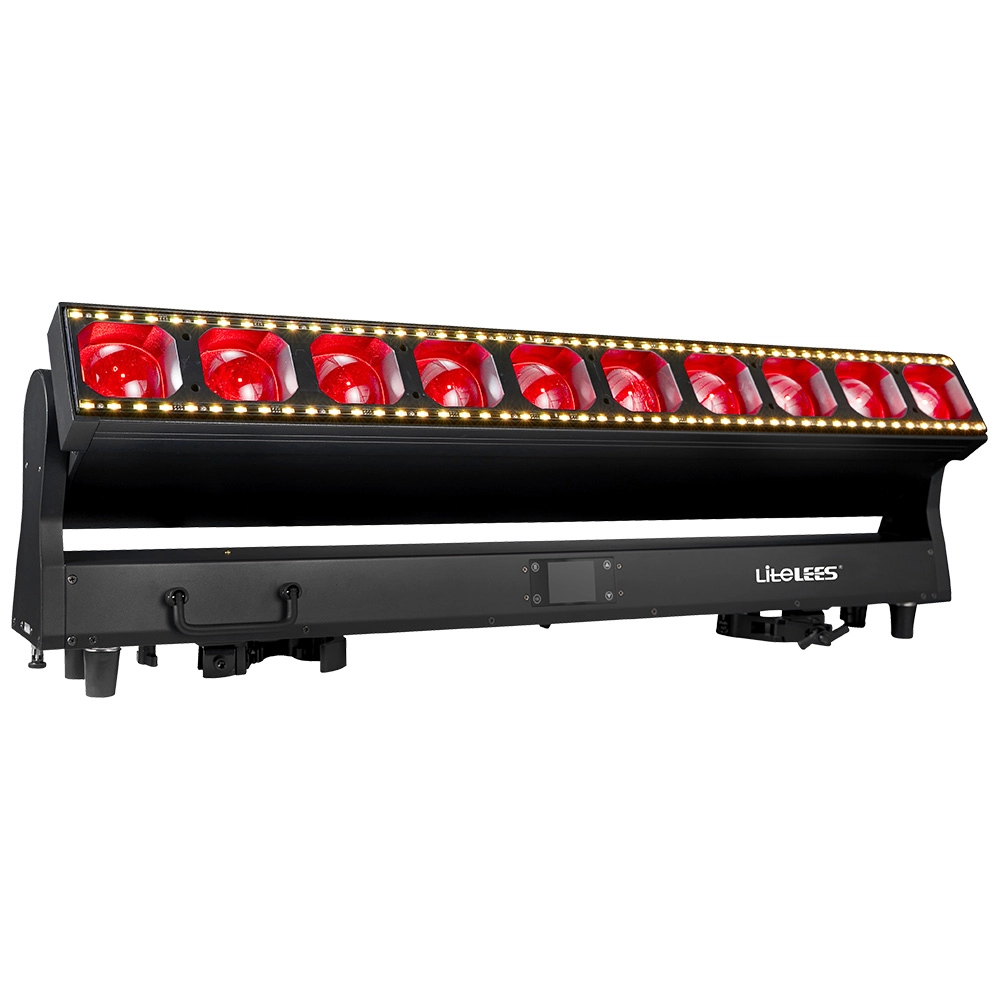
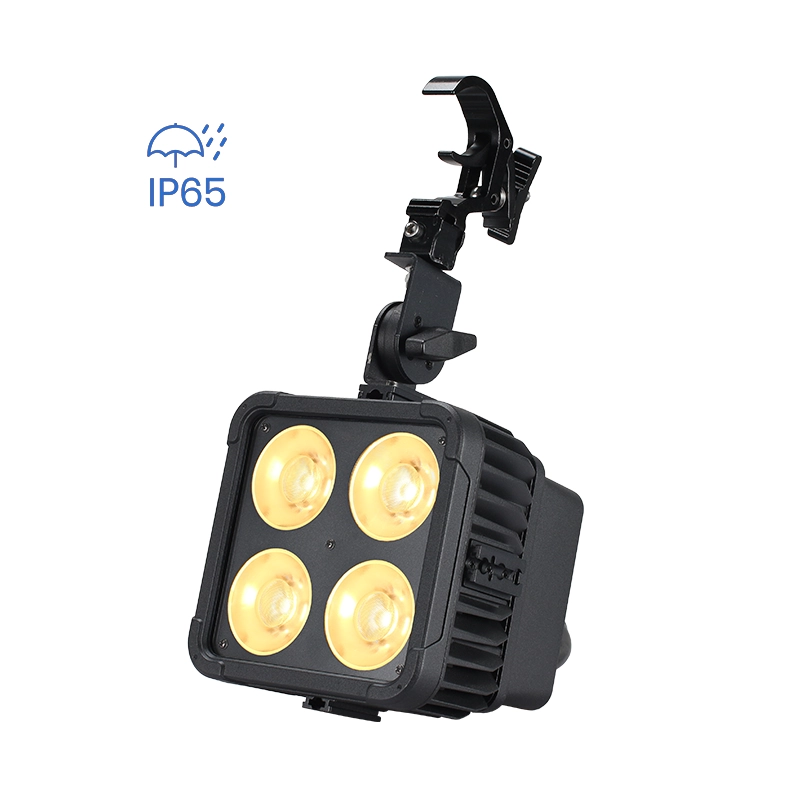
Magic Cube V8 IP
Want to get more up-to-date information?
If you have any comments or good suggestions, please leave us a message; later our professional staff will contact you as soon as possible.

We are professional stage lighting manufacturers offering OEM and ODM LED stage lights.
Contact
Email us
Call us
Address
No.6 Longnan Road, Huashan Town, Huadu District Guangzhou, Guangdong Province, China.
LiteLEES Professional
Less Lighting