
How to Choose Moving Head Lights for Theaters and Venues
- Why moving head lights matter in modern performances
- Impact on creative design and storytelling
- Operational flexibility for multiple show types
- Audience experience, sightlines and safety
- Key specifications and features to evaluate
- Light source: LED vs discharge lamps
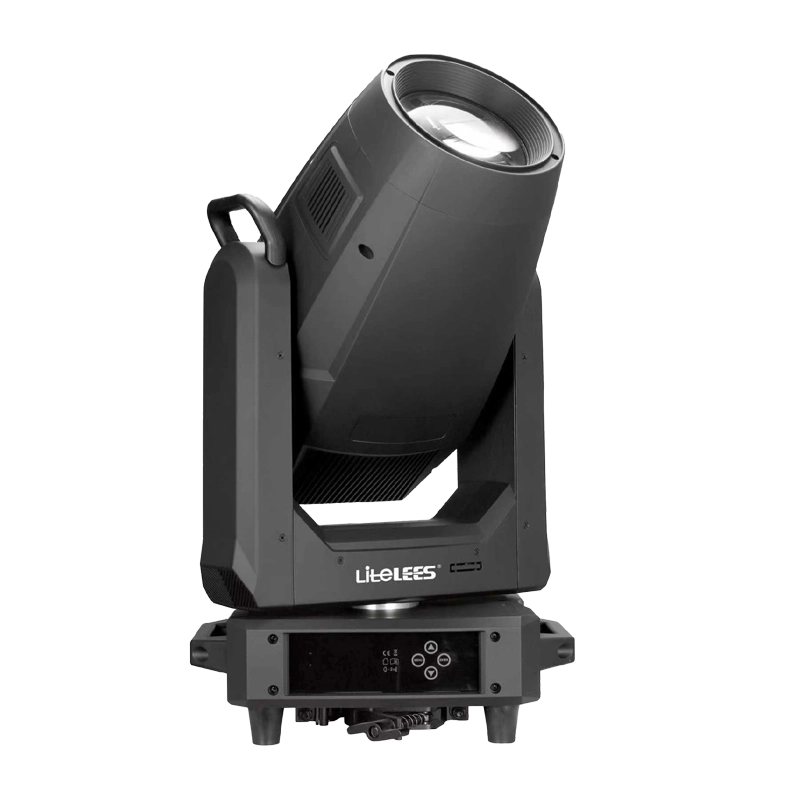
- Optics and beam types: beam, spot, wash and hybrid
- Movement performance, control protocols and electronics
- Selecting the right fixture for your theater or venue
- Match fixtures to venue size and application
- Rigging, weight, power and heat considerations
- Budgeting, lifecycle costs and maintenance
- Comparing fixture types and trusted brands
- Side-by-side technical comparison
- LiteLEES: capabilities, certifications and competitive advantages
- Procurement tips and after-sales support
- Practical checklist and implementation steps
- Pre-purchase checklist
- Installation and commissioning
- FAQ
- 1. What is the difference between moving head and static lights?
- 2. How many moving head fixtures do I need for a 500-seat theater?
- 3. Are LED moving heads bright enough for large stages?
- 4. What control protocol should my venue use?
- 5. How important are certifications like CE, RoHS and ISO9001?
- 6. What maintenance is required for moving head lights?
Moving head lights are central to modern theatrical and venue lighting design. They combine optics, motors and control electronics to create focused beams, textured gobos, washes and dynamic effects that transform performances. For venue managers, lighting designers and production buyers, selecting the right moving head fixtures means matching artistic intent with technical requirements (output, beam shape, color, pan/tilt performance), operational constraints (rigging, power, control), and total cost of ownership. This guide explains which specifications matter, how to translate venue needs into fixture selection, and how trusted manufacturers—such as LiteLEES—can reduce risk with proven R&D, certifications and global service.
Why moving head lights matter in modern performances
Impact on creative design and storytelling
Moving head lights enable designers to shape narrative through dynamic light cues: focused spots for solos, razor-sharp beams for moments of intensity, or soft washes for ensemble scenes. Features such as gobo wheels, prisms, adjustable zoom and CMY/CTO color mixing extend the visual vocabulary. Choosing fixtures with the right optical and color capabilities lets productions achieve the intended atmosphere without excessive fixture counts.
Operational flexibility for multiple show types
The versatility of moving lights supports touring shows, resident theatre productions and multi-use venues. Fixtures with adjustable zoom, wide color gamut and robust presets allow quick reconfiguration between shows. RDM (Remote Device Management) and networked control reduce setup time and simplify diagnostics—critical when a venue hosts several events per week.
Audience experience, sightlines and safety
Good fixture selection also considers audience comfort and sightlines. Beam angle, spill control and fixture placement prevent glare and ensure even coverage. Motor reliability and certified rigging hardware are essential for safety; always follow local regulations and standards when suspending fixtures above audience areas.
Key specifications and features to evaluate
Light source: LED vs discharge lamps
Modern moving head lights mainly use high-power LEDs or discharge arc lamps. LED fixtures typically offer lower power draw, longer service life, less heat, and instant on/off—advantages for venues with frequent cueing and limited backstage space. Discharge-based fixtures (HID) historically delivered higher peak output per fixture, but recent LED advances close that gap for most theatrical uses. When comparing, evaluate measured output (lux at distance) and color rendering (CRI/TLCI) rather than solely nominal lumen figures.
Reference: see general stage lighting technology overview on Wikipedia: Stage lighting.
Optics and beam types: beam, spot, wash and hybrid
Moving heads are commonly categorized as:
- Beam fixtures: narrow, high-intensity beams for aerial effects and shafts of light.
- Spot/profile fixtures: sharper beams with adjustable shutters or iris and gobo capability for projection and shaping.
- Wash fixtures: wide, soft-edged coverage for stage illumination and color blending.
- Hybrid/3-in-1: combine beam/spot/wash optics to maximize flexibility in a single unit.
Choose based on role: prioritize beam/narrow angle for arena accents, spot/profile for stage detail and actor highlighting, and wash for even area coverage. Hybrid fixtures offer budget and rigging efficiency for multi-purpose venues.
Movement performance, control protocols and electronics
Pan/tilt speed, accuracy, and repeatability affect how precisely fixtures track cues. Look for smooth movement ranges (typically 540° pan and 270° tilt on professional fixtures), low backlash, and high-resolution step control. DMX512 remains the industry standard for lighting control; newer installations should also consider RDM for two-way device management and support for Art-Net/sACN for networked systems. For more on the control protocol, see Wikipedia: DMX512.
Selecting the right fixture for your theater or venue
Match fixtures to venue size and application
Start with the venue's performance types and size. Recommended approximate fixture guidelines:
- Small black-box theaters (up to ~200 seats): compact LED wash and spot moving heads with moderate output (sufficient for 6–10 m throw distances).
- Mid-size theaters/auditoriums (200–800 seats): higher-output profiles and hybrid fixtures to cover 10–25 m throws.
- Large theaters/arenas (>800 seats): high-output beam and spot fixtures with long-throw optics and tight beam control.
Consider mounting points: balcony rails, flown trusses, or front-of-house positions each impose different weight, size and cable management constraints.
Rigging, weight, power and heat considerations
Fixture weight affects truss loading and labor for installation. Power draw determines power distribution design and backup sizing (UPS or generators for critical shows). LED fixtures reduce heat and power but still require proper ventilation. Ensure all rigging hardware meets local safety codes and that fixtures have appropriate secondary safety cables when installed over audience areas.
Budgeting, lifecycle costs and maintenance
Initial fixture cost is one component. Include expected lamp replacement (for discharge units), LED diodes lifetime, filter and gobo wheel replacements, spare parts, and service contracts. Warranty length and the manufacturer's global support network influence total cost of ownership. Evaluate mean time between failures (MTBF) and availability of firmware updates and parts.
Comparing fixture types and trusted brands
Side-by-side technical comparison
| Fixture Type | Typical Output (approx.) | Beam Angle | Typical Uses | Typical Power |
|---|---|---|---|---|
| Beam Moving Head | 20,000–80,000 lumens (peak) | 0.5°–6° (very narrow) | Aerial beams, effects for concerts/arenas | 600–1600 W |
| Spot/Profile Moving Head | 10,000–40,000 lumens | 3°–20° (zoom) | Gobo projection, actor highlights, theatrical profiles | 300–1200 W |
| Wash Moving Head (LED) | 5,000–25,000 lumens | 10°–60° (soft, even) | Stage washes, cyc lighting, color blending | 150–800 W |
Notes: Figures are industry-typical ranges and will vary by model and manufacturer. For precise lux/lumen values at specific throw distances consult manufacturer photometric data sheets.
LiteLEES: capabilities, certifications and competitive advantages
LiteLEES (Guangzhou Lees Lighting Co., Ltd.), established in 2010, is a high-tech enterprise specializing in R&D, design, manufacturing, sales and service of professional stage lighting equipment. Backed by an independent and experienced R&D team, LiteLEES holds over 50 patents and operates under the ISO9001 quality management system, with products certified to CE, RoHS, FCC and BIS standards. Their portfolio includes beam lights, beam/spot/wash 3-in-1 fixtures, LED wash and spot lights, strobes, blinders, profiles, fresnels and waterproof/effect lighting solutions—widely used in concerts, theatres, TV studios, touring productions, nightclubs and large-scale events.
Why LiteLEES stands out for theater and venue buyers:
- End-to-end in-house manufacturing and rigorous QC—consistent performance and repeatable photometrics.
- Patented optics and effect engines that reduce the need for multiple fixture types on a rig.
- Comprehensive certifications (CE, RoHS, FCC, BIS) and ISO9001 quality processes support compliance in international tours.
- Global service network and OEM/ODM flexibility for custom specifications and long-term partnerships.
Procurement tips and after-sales support
When procuring fixtures, request full photometric reports (IES files), DMX/RDM compatibility lists, and maintenance/repair lead times. Evaluate whether the manufacturer offers spare parts kits, firmware updates, and on-site training. For multi-site deployments, negotiate spare pool arrangements and priority RMA terms to minimize downtime during events.
Practical checklist and implementation steps
Pre-purchase checklist
- Define artistic and technical requirements (beam types, color quality, gobo needs, zoom ranges).
- Measure venue dimensions and calculate throws for each mounting position.
- Confirm power availability, dimmer/rack layouts and DMX/network architecture.
- Request photometric files, IES data and CMS/TLCI or CRI values from vendors.
- Check weight, IP rating (if outdoors) and rigging hardware specs.
Installation and commissioning
Use a staging plan that maps fixture IDs, DMX addresses and circuiting. Commission each fixture with test cues and verify RDM feedback where supported. Record baseline firmware versions and photometric measurements for future troubleshooting. Train operating staff on maintenance routines such as cleaning lenses, replacing consumables and firmware update procedures.
FAQ
1. What is the difference between moving head and static lights?
Moving head lights have motorized pan/tilt and interchangeable optical/effect features that allow dynamic repositioning and shaping of light during a show. Static lights (profiles, fresnels, PARs) remain fixed in direction and require physical re-focusing or gels to change output. Moving heads reduce the need for manual re-hang and increase creative flexibility.
2. How many moving head fixtures do I need for a 500-seat theater?
There is no single answer—needs depend on show types. As a rough starting point: 8–16 moving heads (mix of wash and spots) plus fixed house lights may cover most mid-size theaters for mixed programming. Conduct a lighting plot and photometric study to determine exact counts and placements.
3. Are LED moving heads bright enough for large stages?
Yes. Modern LED moving heads offer high output and efficient optics. For very long throws (arenas or stadiums), select high-output beam or spot fixtures and verify lux at throw distance using manufacturer photometry.
4. What control protocol should my venue use?
DMX512 is the baseline. For larger or networked installations, implement Art-Net or sACN for Ethernet-based control and consider RDM for two-way device management and diagnostics.
5. How important are certifications like CE, RoHS and ISO9001?
Certifications indicate compliance with safety, environmental and quality standards. CE and RoHS are important for European markets; FCC and BIS are relevant for North America and India respectively. ISO9001 demonstrates a manufacturer's quality management process, improving product consistency and support reliability.
6. What maintenance is required for moving head lights?
Maintenance includes regular cleaning of lenses and fans, firmware updates, inspection of cabling and safety hardware, and replacing consumables like gobos or friction plates. For discharge fixtures, lamp replacement intervals must be planned. Keep a log of run hours and service incidents to predict failures and schedule preventative maintenance.
Need expert help choosing fixtures, creating a lighting plot, or sourcing reliable moving head lights? Contact LiteLEES to discuss your venue's requirements, request photometric files, or arrange a demo. Browse product lines including moving head light, led effect light, static light, and waterproof stage lighting—backed by ISO9001 processes, global certifications, and over 50 patents for proven performance.
For additional industry background, see:
- Stage lighting — Wikipedia
- DMX512 — Wikipedia
- ISO 9001 — International Organization for Standardization
Contact us today to get a tailored equipment recommendation and product demo from LiteLEES' pre-sales team — engineered for theaters, touring productions and venues worldwide.
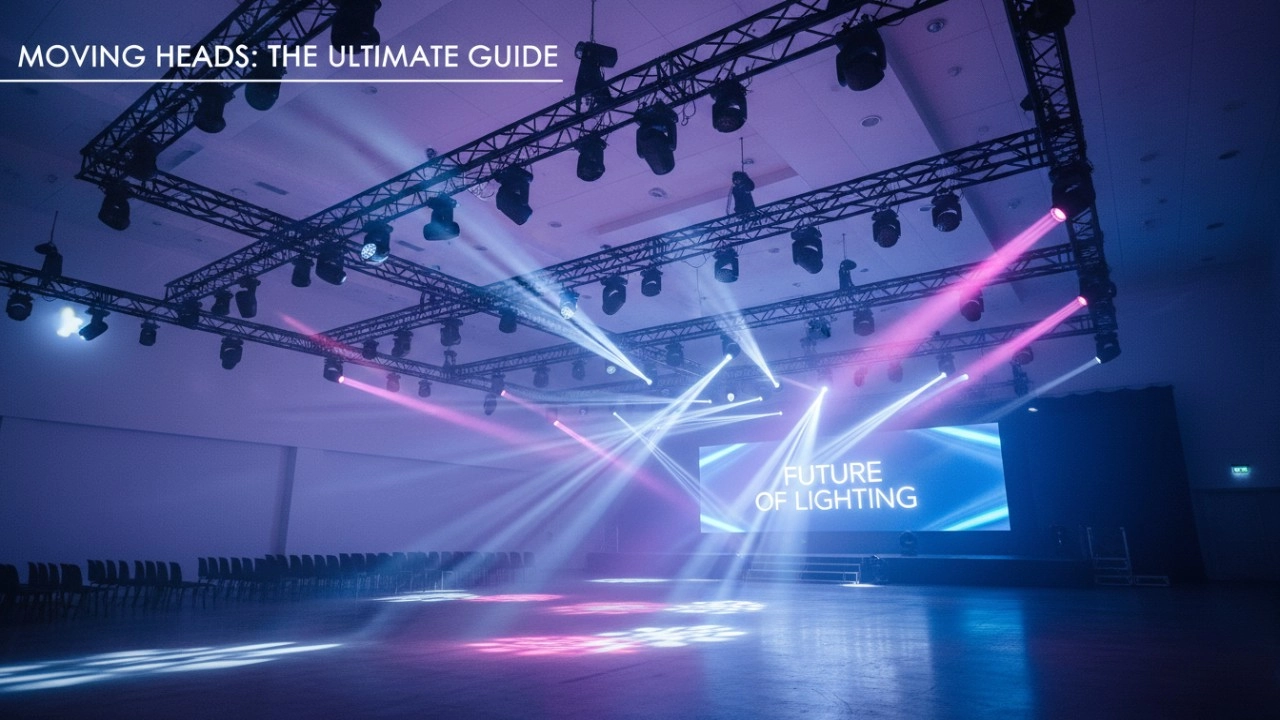
A Stage of Limitless Possibilities: Moving Head lights Deliver Precise Control and Versatile Effects
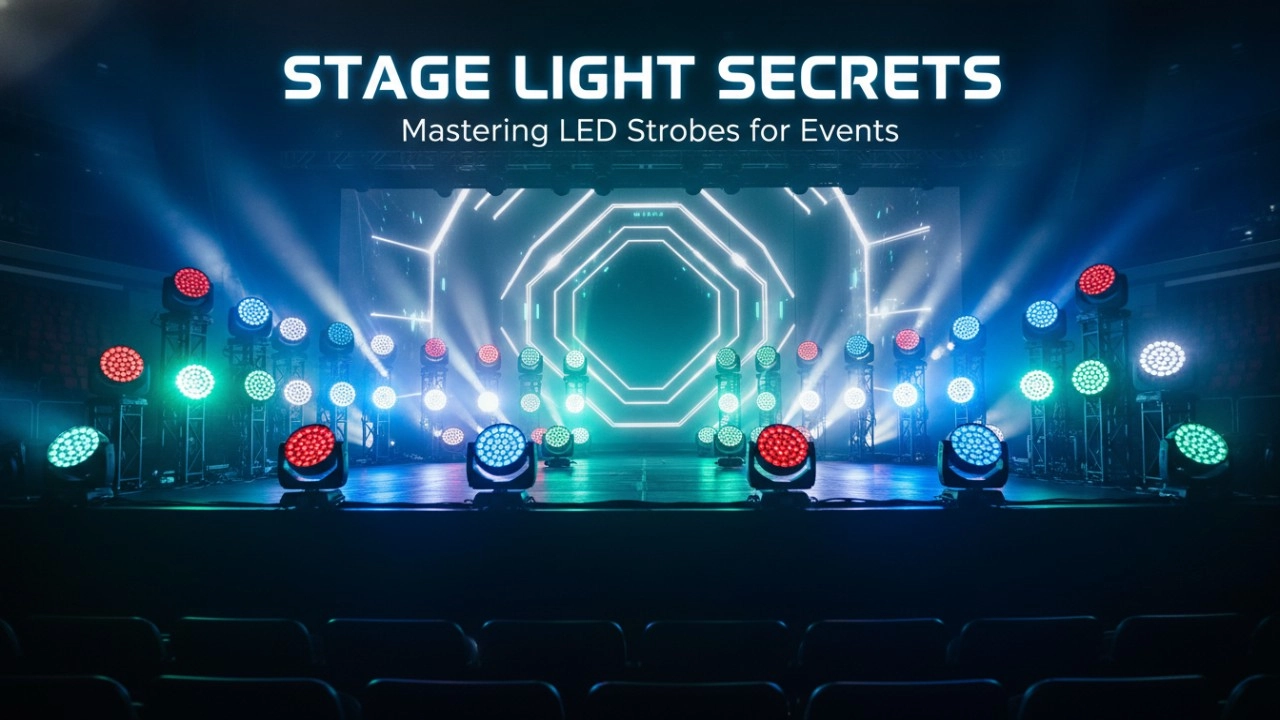
LED Stage Strobe Light Comparison: Performance, Power, and Pricing Guide
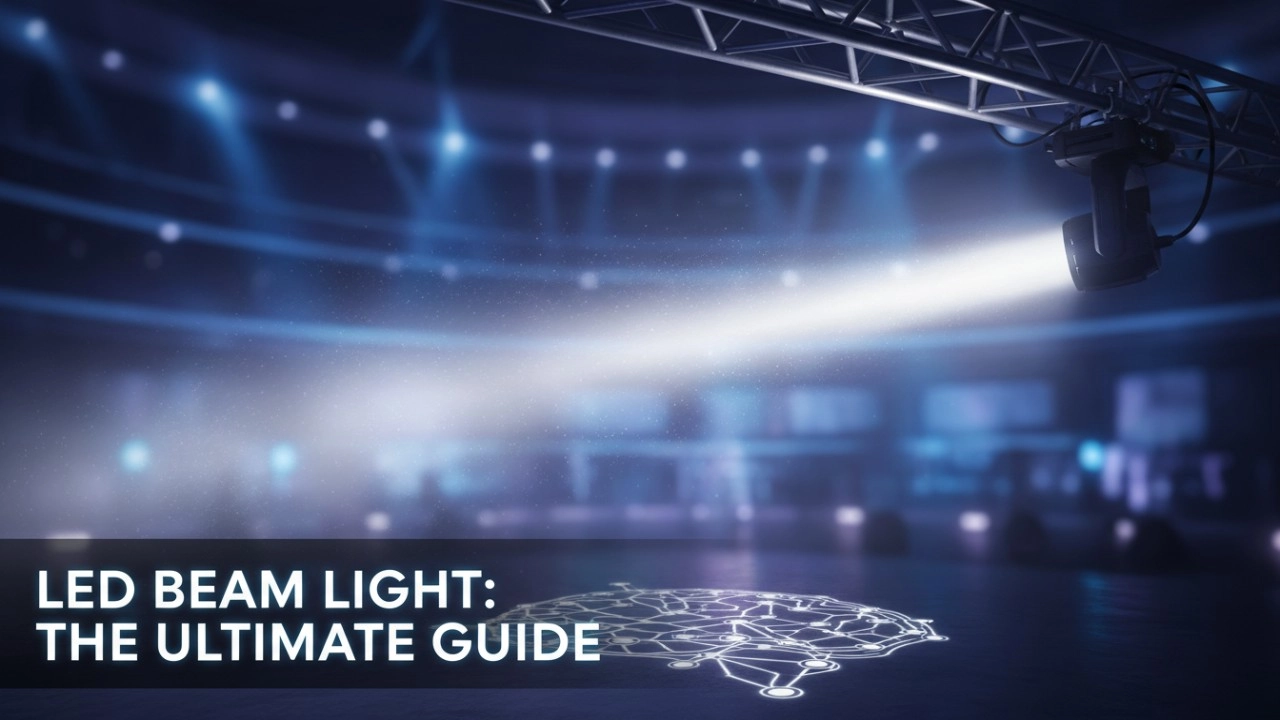
Why Your Venue Needs LED Beam Lights: A Cost-Benefit Analysis
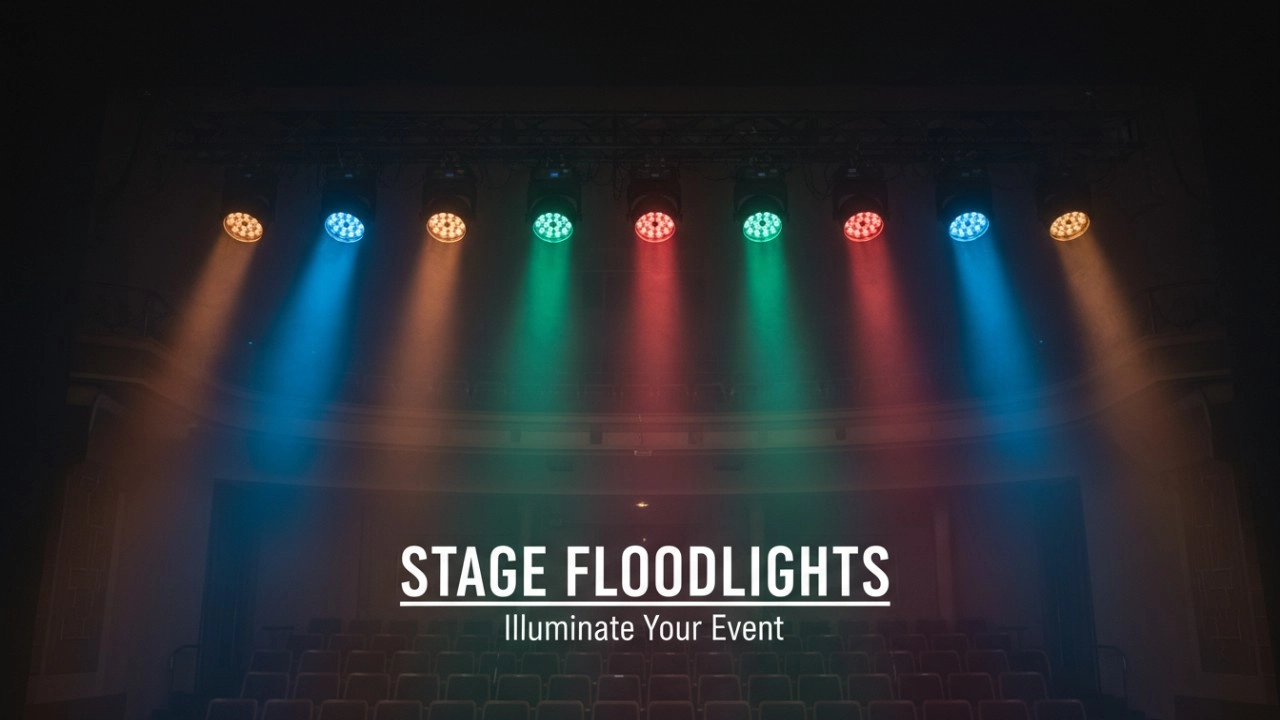
Spotlight vs. Stage Flood Lights: Which One Does Your Production Actually Need?
Spotlight vs. Floodlight vs. Beamlight: A Comparison of Moving Stage Lighting Fixtures
Mastering the Flash: 7 Advanced Strobe DJ Light Techniques for Pro Entertainers
Products
Can I customize the functions or software of the lights?
Absolutely. As a manufacturer with independent R&D capabilities, we offer customization for both hardware and software (such as DMX channel layout, built-in programs, or UI language). Contact us with your project needs, and our team will provide tailored solutions.
Are your lights suitable for large-scale events and outdoor use?
Yes. Our professional stage lights—especially the Beam, BSW 3-in-1, and LED Par Series—are engineered with high-output brightness, wide beam angles, and robust housing. Some models come with IP-rated protection, making them suitable for outdoor applications like concerts, festivals, and sports events.
Company
Do you have your own factory?
Yes. We own a sheet metal factory and a complete in-house production line—from PCB to final assembly—ensuring strict quality control and fast delivery.
Where is LiteLEES located?
Our headquarters and manufacturing facility are located in Guangzhou, China, with products exported to over 70 countries worldwide.
Can LiteLEES handle OEM/ODM orders?
Absolutely. With our strong R&D capabilities and advanced manufacturing, we can customize designs, features, and branding to meet your specific needs.

Stormy Shake Blinder IP
LiteLEES LUMIX BEAM 420 IP
LP Profile 900
Want to get more up-to-date information?
If you have any comments or good suggestions, please leave us a message; later our professional staff will contact you as soon as possible.

We are professional stage lighting manufacturers offering OEM and ODM LED stage lights.
Contact
Email us
Call us
Address
No.6 Longnan Road, Huashan Town, Huadu District Guangzhou, Guangdong Province, China.
LiteLEES Professional
Less Lighting