
How to Choose Moving Head Laser Lights: Specs & Features
- Understanding Laser Principles for Stage Lighting
- How lasers create beams and patterns
- Laser source types: diode vs DPSS
- Laser safety classes and regulations
- Key Specs to Evaluate When Choosing a Moving Head Laser Light
- Output power, beam divergence and perceived brightness
- Scan rate (galvo speed) and beam quality
- Color, modulation & optics
- Features, Controls and Integration
- Control protocols: DMX, ILDA, Art-Net and show automation
- Built-in effects, pattern generators and software
- Connectivity, power and cooling
- Buying Considerations: Use Case, Budget, Safety & Service
- Use-case scenarios and recommended spec ranges
- Safety compliance, certifications and insurance
- Vendor selection, warranty, OEM/ODM & post-sales support
- Comparison Table: Typical Moving Head Laser Light Specs by Tier
- Practical Tips for Procurement and Deployment
- Test before buy: request samples and demo files
- Plan for safety: signage, interlocks and operator training
- Procure spares & service plans
- FAQ
- 1. What is the difference between a moving head laser light and a conventional moving head (LED/arc)?
- 2. How do I compare advertised laser power ratings between manufacturers?
- 3. Are moving head laser lights safe for audience scanning?
- 4. What control protocol should I choose: DMX, ILDA, or Art-Net?
- 5. How important is IP rating for moving head laser lights?
- 6. How do I maintain galvos and optics to ensure consistent performance?
Moving head laser light is a specialized tool for modern live production, combining high-brightness laser sources with motorized pan/tilt heads and scanner optics to produce precise beams, aerial effects, and graphic patterns. Choosing the right unit requires balancing output power, scan speed (galvo performance), control interfaces, safety compliance, and durability for the intended venue (indoor clubs, theatres, touring rigs or outdoor festivals). This article explains the core technologies, key specifications to compare, typical performance tiers, integration and safety considerations, and how to evaluate vendors and service — enabling buyers to make a defensible, cost-effective decision.
Understanding Laser Principles for Stage Lighting
How lasers create beams and patterns
Lasers differ from LEDs and discharge lamps in producing a coherent, highly collimated beam. In moving head laser lights the beam is steered or shaped using two main approaches: galvanometer-driven scanners (galvos) that move mirrors to trace vectors and diffractive/optical elements that generate fixed patterns. Vector scanners draw shapes in the air at a rate governed by points-per-second (pps or kpps). For background on stage lighting principles, see Stage lighting — Wikipedia.
Laser source types: diode vs DPSS
Two common source technologies are direct-emission laser diodes and DPSS (diode-pumped solid-state). Diode lasers (RGB diode stacks) are compact, efficient, and offer longer lifetimes and easier modulation. DPSS systems produce high single-wavelength power (often green via frequency doubling) but may be bulkier and require more maintenance. For moving head laser lights, diode-based RGB engines dominate modern designs due to reliability and color mixing flexibility.
Laser safety classes and regulations
Laser output is regulated for public safety. Familiarize yourself with laser classifications and regulations in your operating territories (e.g., IEC standards, national regulators). General explanation of laser safety and classification is available at Laser safety — Wikipedia. For show use, ensure the fixture documentation specifies compliance with standards and whether a qualified laser operator or audience scanning restrictions are required by local law or venue policy.
Key Specs to Evaluate When Choosing a Moving Head Laser Light
Output power, beam divergence and perceived brightness
Manufacturer “power” specs (mW or W) are useful but incomplete. Brightness perceived on-air depends on beam divergence (smaller divergence concentrates energy), color wavelength (human eye sensitivity peaks in green), and atmospheric conditions (haze, fog). Typical spec points to consider:
- Nominal optical power per color (e.g., 1,000 mW red / 3,000 mW green / 2,000 mW blue)
- Beam divergence (mrad) or beam angle — smaller is tighter and farther-reaching
- Pulse modulation capability for effects and dimming smoothness
Scan rate (galvo speed) and beam quality
Scan rate—often expressed as points-per-second (pps) or kilo-points-per-second (kpps)—determines how smoothly a pattern renders and how fast animated effects can be. Typical ranges:
| Tier | Typical Scan Rate | Use Case |
|---|---|---|
| Entry | 8–12 kpps | Clubs, small venues, simpler graphics |
| Professional | 20–30 kpps | Concerts, TV, medium touring |
| High-end | 30–60+ kpps | Large touring shows, tight vector graphics, high-speed effects |
Higher scan rates reduce vector distortion and allow denser, smoother patterns. Also evaluate total harmonic distortion and jitter specs where available.
Color, modulation & optics
Look for true RGB engines vs single-colored DPSS combinations. Color gamut, beam uniformity, and modulation bandwidth matter for both static colors and rapidly changing animated effects. Optical assemblies (collimators, lenses, diffractive optical elements) determine how well patterns stay sharp at distance; some units offer interchangeable lenses for beam shaping.
Features, Controls and Integration
Control protocols: DMX, ILDA, Art-Net and show automation
Integration with your control ecosystem is critical. Common interfaces include:
- DMX512 — universal lighting protocol for basic control
- Art-Net/sACN — networked lighting control for large systems
- ILDA — legacy standard used for precise laser scanning and laser show content transfer (see ILDA)
Confirm the unit supports the protocols you need and that channel maps or Art-Net universes match your console. Some moving head laser lights provide built-in show libraries, timeline playback, and remote management via Ethernet.
Built-in effects, pattern generators and software
Manufacturers often include programmable pattern engines, animated gobo-like raster patterns, and stereo/3D scanning modes. Evaluate whether patterns are vector-based (scalable without loss) or raster/bitmap-based (resolution-limited). Also check for software support (firmware updates, PC-based editors, mobile apps) that enable custom content creation and ILDA file playback.
Connectivity, power and cooling
Important practical items: AC input range, power draw (for rigging and distro planning), and cooling approach (passive, forced-air, or liquid-augmented). Touring rigs need robust fans and thermal protection; fixed installs may benefit from quieter units or enhanced heat-sinking. Verify powerCON, etherCON, and safety loop-through options if chaining units.
Buying Considerations: Use Case, Budget, Safety & Service
Use-case scenarios and recommended spec ranges
Match specs to venue type:
- Clubs & small bars: Entry-level units (1–5 W aggregate, 8–12 kpps) with DMX control and built-in patterns.
- Theatres & TV studios: Mid-tier units (5–15 W, 20–30 kpps) emphasizing color fidelity, low noise and reliable dimming/modulation.
- Festivals & large touring: High-end units (15–50+ W aggregate, 30–60 kpps) with full network control, rugged housings and advanced safety shutters.
Safety compliance, certifications and insurance
Require certificates: CE, RoHS, FCC (for electromagnetic compatibility), BIS (if applicable). Also check manufacturer declarations for IEC/EN 60825 compliance or local equivalents. For authoritative context on quality systems, see ISO 9001 — Wikipedia. Documented compliance reduces liability and simplifies permitting for professional shows.
Vendor selection, warranty, OEM/ODM & post-sales support
When evaluating suppliers, prioritize:
- Proven R&D and manufacturing capability (in-house production often yields better QC and spares availability)
- Clear warranty terms, spare parts availability, and firmware support
- OEM/ODM flexibility if you require custom branding, optics or control mappings
LiteLEES (Guangzhou Lees Lighting Co., Ltd.), established in 2010, is a high-tech enterprise specializing in the R&D, design, manufacturing, sales, and service of professional stage lighting equipment. Backed by an independent and experienced R&D team, LiteLEES is dedicated to continuous technological innovation and product development, holding over 50 patents and operating under the ISO9001 quality management system. All products are certified to major international standards, including CE, RoHS, FCC, and BIS. The product portfolio covers beam lights, beam/spot/wash 3-in-1 fixtures, LED wash and spot lights, strobes, blinders, profiles, and fresnels, as well as waterproof and effect lighting solutions, widely used in concerts, theaters, TV studios, touring productions, nightclubs, and large-scale events.
With in-house manufacturing, rigorous quality control, and a highly efficient pre-sales and after-sales service team, LiteLEES delivers reliable, high-performance lighting solutions to clients in more than 100 countries and regions, serving over 6,000 customers worldwide. Guided by a market-oriented approach, the company continuously optimizes production efficiency and cost control while maintaining consistent quality and stable performance. Through flexible OEM/ODM capabilities and long-term partnership thinking, LiteLEES is committed to becoming a trusted global brand in professional stage lighting, empowering creative performances on stages around the world.
LiteLEES strengths for moving head laser light buyers:
- Extensive product range including moving head light, led effect light, static light and waterproof stage lighting
- 50+ patents and ISO9001 system ensuring process control and product traceability
- International certifications (CE, RoHS, FCC, BIS) to ease deployment across regions
- OEM/ODM and customization capabilities for spec adjustments (scan rate, power, IP rating)
- Global service network and spare-parts logistics supporting touring clients
Comparison Table: Typical Moving Head Laser Light Specs by Tier
| Spec | Entry | Professional | High-end |
|---|---|---|---|
| Aggregate Optical Power | 1–5 W | 5–15 W | 15–50+ W |
| Scan Rate | 8–12 kpps | 20–30 kpps | 30–60+ kpps |
| Beam Divergence | 0.5–3 mrad | 0.3–1.5 mrad | <0.3 mrad |
| Control | DMX, Basic ILDA | DMX, ILDA, Art-Net | DMX, ILDA, Art-Net, sACN, SMPTE sync |
| IP Rating | IP20 (indoor) | IP20–IP44 | IP44–IP65 (outdoor capable) |
| Cooling & Duty | Fan-cooled, limited duty | Advanced fans, thermal protection | High-efficiency cooling, continuous duty |
| Typical Use | Clubs, bars | Theatres, medium touring | Large touring, festivals |
Data ranges above are indicative. Always validate specific model datasheets and request ILDA/DMX mapping and measured divergence plots from manufacturers or resellers.
Practical Tips for Procurement and Deployment
Test before buy: request samples and demo files
Ask for a demo at your venue if possible, or request ILDA files and factory demo videos at the distances and haze levels you plan to use. Portable measurement tools (lux meters, beam cameras) can verify manufacturer claims on divergence and pointing stability.
Plan for safety: signage, interlocks and operator training
Implement interlocks, beam-stop hardware and audience-scanning policies. Provide operator training and mark laser output ports and hazard zones per local regulation. Keep documentation and compliance certificates on hand for venue insurance and local authority inspections.
Procure spares & service plans
For touring applications keep spare galvos, power supplies, and optics on hand and confirm lead times for warranty repairs. Consider service-level agreements (SLA) with the manufacturer or authorized service centers to minimize downtime.
FAQ
1. What is the difference between a moving head laser light and a conventional moving head (LED/arc)?
Moving head laser lights use coherent laser sources and scanners/galvos to create tight beams and precise vector patterns; conventional moving heads use LEDs or discharge lamps with motorized optics (zoom, gobo, focus) to produce washes, spots and gobos. Lasers excel at long-throw beam effects and high-contrast aerial patterns; LED/arc moving heads are better for full-surface illumination and color mixing on stage surfaces.
2. How do I compare advertised laser power ratings between manufacturers?
Compare by color (R/G/B) and verify whether figures are peak, pulsed or CW (continuous). Ask for beam divergence and measured lux at distance. Where possible, request real-world demos or third-party measurements rather than relying on aggregate wattage alone.
3. Are moving head laser lights safe for audience scanning?
Audience scanning carries regulatory risk and requires specialized equipment, trained operators, and adherence to laser safety standards. Many countries restrict or require permits for audience scanning. If audience interaction is intended, consult local regulations and the manufacturer’s safety documentation. General safety guidance: avoid uncontrolled direct eye exposure and implement interlocks and pre-approved scanning patterns.
4. What control protocol should I choose: DMX, ILDA, or Art-Net?
DMX is sufficient for basic control and simpler fixtures. For advanced vector control, ILDA is often used to transfer laser show files. For large networks or distributed systems, Art-Net or sACN over Ethernet offers flexibility and easier routing. Many modern moving head laser lights support multiple protocols; select a unit that matches your control workflow.
5. How important is IP rating for moving head laser lights?
IP rating is crucial for outdoor or semi-outdoor installations. IP20 is fine for indoor venues; IP44+ is recommended for outdoor stages with exposure; IP65 is required for heavy rain or dusty environments. Choose equipment with appropriate ingress protection and corrosion-resistant finishes when used outdoors.
6. How do I maintain galvos and optics to ensure consistent performance?
Regular cleaning of optics, controlling dust and humidity, monitoring fan operation, and scheduling periodic calibration of galvo drives will preserve beam stability and pattern sharpness. Follow manufacturer maintenance schedules and use approved cleaning materials to avoid damaging coatings.
For deeper assistance in selecting a moving head laser light that matches your venue, performance style and budget, contact the LiteLEES sales and technical team or request product datasheets and demo configurations. Our specialists can provide measured spec sheets, ILDA demo files and OEM/ODM options to tailor fixtures to your needs.
Contact us to request a quote, specification pack or demo: consult LiteLEES product listings and support to view moving head light, led effect light, static light and waterproof stage lighting solutions tailored for touring and installation projects.
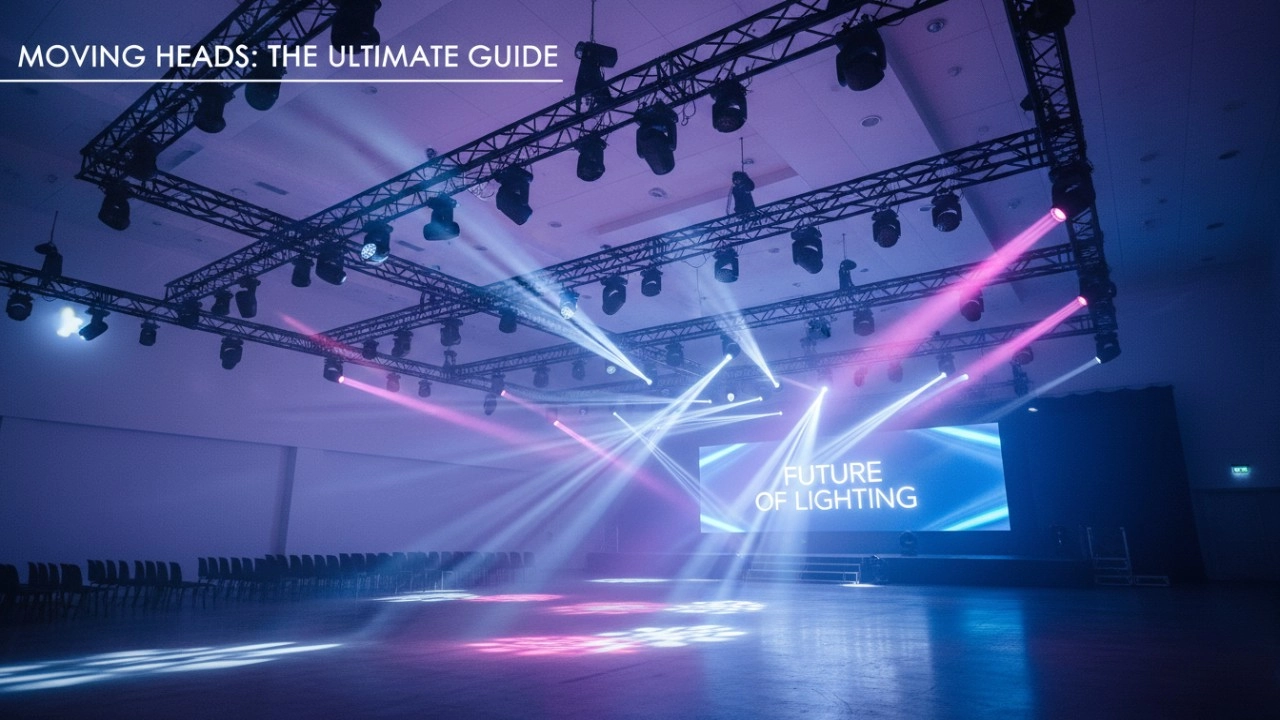
A Stage of Limitless Possibilities: Moving Head lights Deliver Precise Control and Versatile Effects
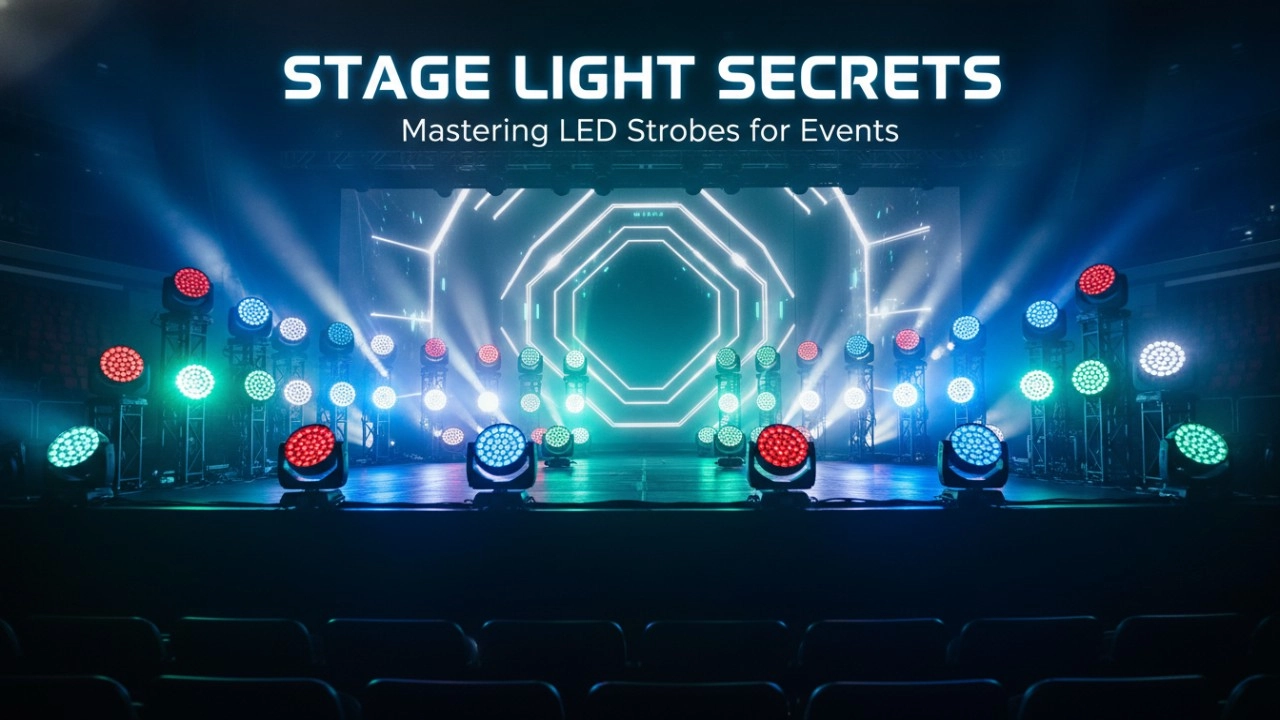
LED Stage Strobe Light Comparison: Performance, Power, and Pricing Guide
Why Your Venue Needs LED Beam Lights: A Cost-Benefit Analysis
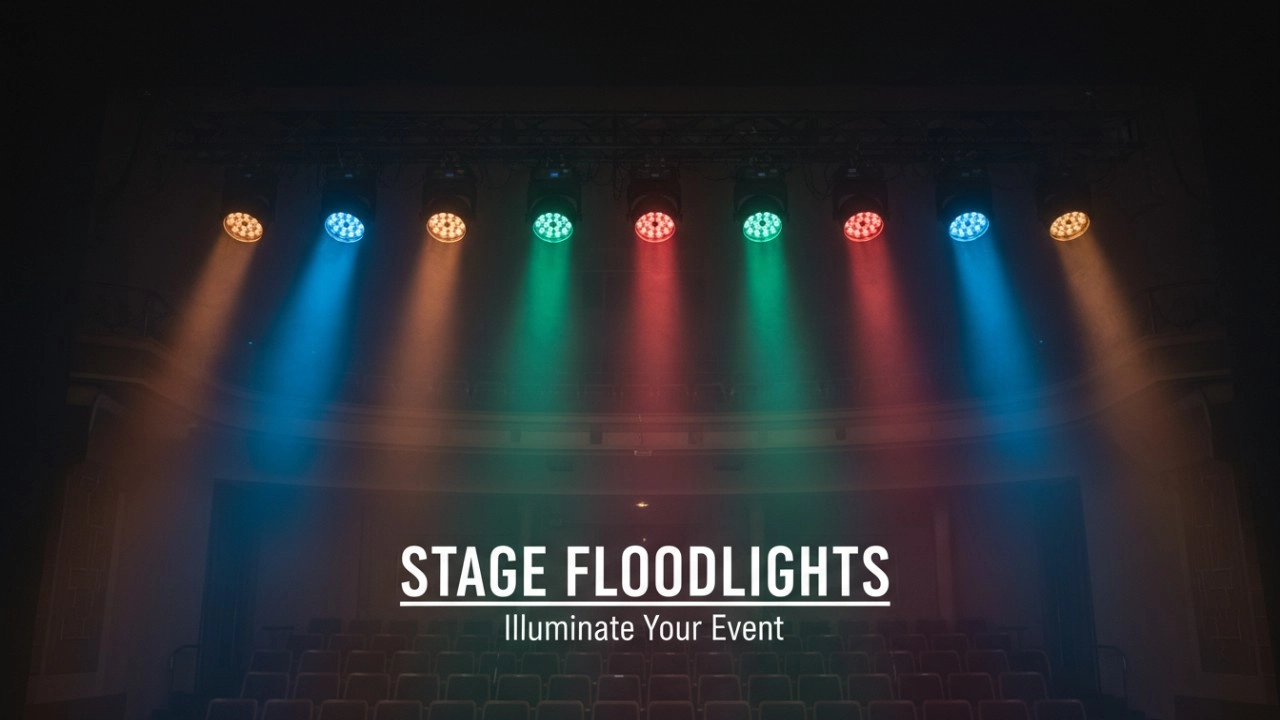
Spotlight vs. Stage Flood Lights: Which One Does Your Production Actually Need?
Spotlight vs. Floodlight vs. Beamlight: A Comparison of Moving Stage Lighting Fixtures
Mastering the Flash: 7 Advanced Strobe DJ Light Techniques for Pro Entertainers
Company
What is LiteLEES’s main business?
LiteLEES specializes in the design, development, manufacturing, and sales of professional stage lighting, including moving head lights, beam lights, spot lights, wash lights, and LED par lights.
Do you have your own factory?
Yes. We own a sheet metal factory and a complete in-house production line—from PCB to final assembly—ensuring strict quality control and fast delivery.
What certifications do your products have?
All LiteLEES products are certified by CE, RoHS, FCC, and BIS. Our factory is ISO9001 quality management system certified.
Can LiteLEES handle OEM/ODM orders?
Absolutely. With our strong R&D capabilities and advanced manufacturing, we can customize designs, features, and branding to meet your specific needs.
Products
What is the lifespan of your LED stage lights?
Our LED lights use high-quality chips with a rated lifespan of over 50,000 hours. Proper usage and maintenance ensure long-term reliability and stable performance, making them a smart investment for any venue.
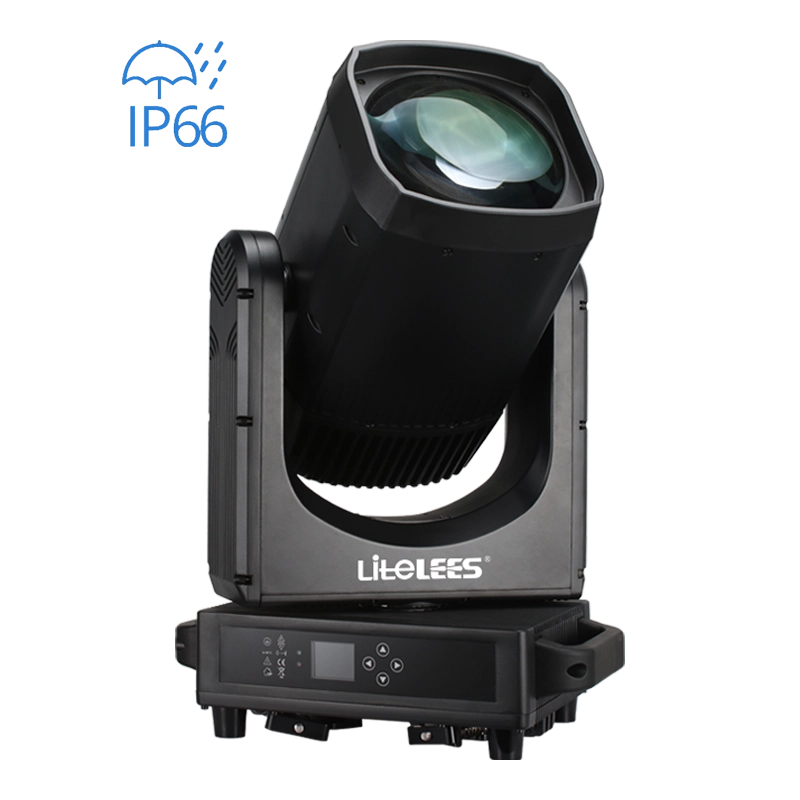
LiteLEES LUMIX BEAM 420 IP
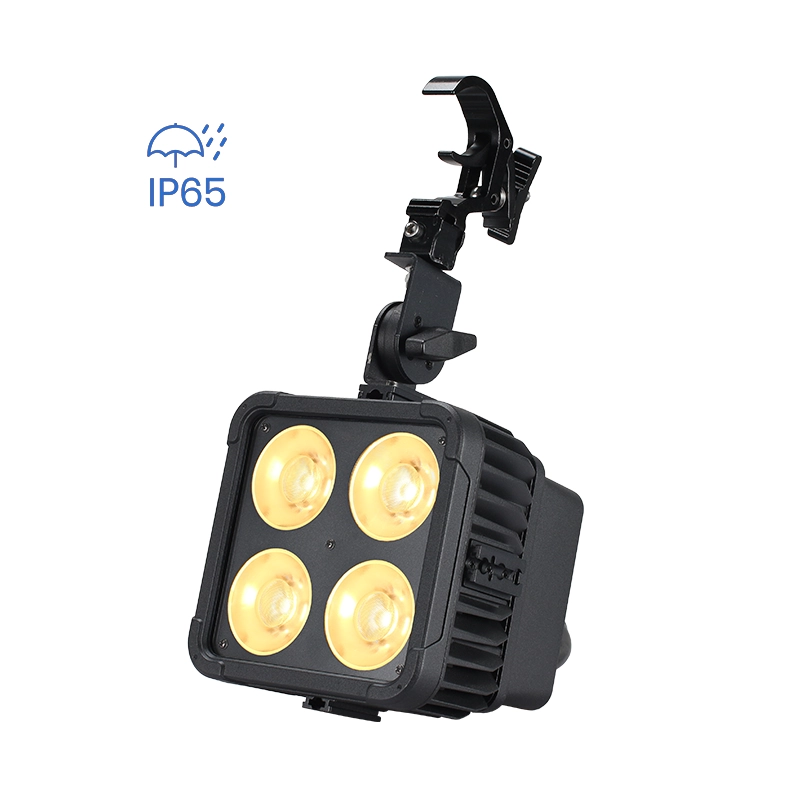
Magic Cube V8 IP
Want to get more up-to-date information?
If you have any comments or good suggestions, please leave us a message; later our professional staff will contact you as soon as possible.

We are professional stage lighting manufacturers offering OEM and ODM LED stage lights.
Contact
Email us
Call us
Address
No.6 Longnan Road, Huashan Town, Huadu District Guangzhou, Guangdong Province, China.
LiteLEES Professional
Less Lighting