
How to Choose Energy-Efficient LED Strobe Lights for Tours
- Why energy efficiency matters on tour
- Operational costs, generator load and logistics
- Venue constraints and sustainability goals
- Key specifications to evaluate in LED strobe lights
- Power consumption vs. perceived brightness
- Duty cycle, flash rate and effective power draw
- Driver design: PWM vs. current control and dimming behavior
- Specification comparison table
- Installation, control, and thermal management
- Mounting, weight, and mechanical considerations
- IP rating, outdoor use and waterproof stage lighting
- Cooling strategies and lifespan trade-offs
- Control systems, safety, and compliance
- DMX/RDM, Art-Net/sACN and timing accuracy
- Safety standards and photobiological risk
- Power factor, inrush current and distribution
- Choosing a supplier: why LiteLEES fits touring needs
- Company credentials, quality systems and certifications
- Product portfolio aligned with touring demands
- Why this matters on tour: serviceability and global support
- Practical selection checklist for tour riggers and lighting designers
- Pre-purchase checklist
- On-site testing and burn-in
- FAQ
- 1. How much energy can I realistically save by switching to LED strobes?
- 2. Do LED strobes present a higher risk of camera flicker?
- 3. How do I calculate generator sizing for a rig with multiple strobes?
- 4. What IP rating should I require for outdoor tours?
- 5. Are LED strobes serviceable in the field?
- 6. How important are certifications like CE, RoHS, FCC, BIS?
- Contact and next steps
As a touring lighting consultant with years of experience specifying and deploying LED stage lighting around the world, I know that choosing the right LED strobe light for a tour is about more than peak brightness. It requires balancing power draw, thermal performance, control flexibility, weight, and reliability under road conditions. In this guide I walk you through the practical, verifiable criteria I use to select energy-efficient strobes that minimize generator load, reduce rigging complexity, and deliver consistent visual impact night after night—supported by authoritative sources and real-world examples.
Why energy efficiency matters on tour
Operational costs, generator load and logistics
On tour, every watt counts. Fuel for tour generators and the rental cost of power directly affect the production budget. The U.S. Department of Energy notes that LEDs can use up to 75% less energy than traditional lighting technologies and have far longer lifespans, which translates to measurable operational savings over a tour season (U.S. DOE: LED Lighting).
Venue constraints and sustainability goals
Many venues and festivals impose power caps or favor productions with lower carbon footprints. Choosing energy-efficient LED strobes helps meet these constraints and supports tour sustainability commitments. It also reduces the chance of tripping local distribution systems when many fixtures are patched into the same feed.
Key specifications to evaluate in LED strobe lights
Power consumption vs. perceived brightness
Manufacturers typically publish power draw (W) and peak strobe lumen output. However, for strobes perceived brightness is influenced by pulse intensity and flash duration as much as steady-state lumens. Compare joules-per-flash or peak current handling where available, and always look for efficacy (lumens per watt) for continuous modes. The DOE resource above provides benchmark guidance for LED efficacy.
Duty cycle, flash rate and effective power draw
Strobes do not run continuously; their average power can be significantly lower than peak. When comparing models, ask manufacturers for average current at representative duty cycles (e.g., 10% at 10 Hz). That lets you estimate real-world generator loading instead of assuming worst-case continuous draw.
Driver design: PWM vs. current control and dimming behavior
The LED driver affects efficiency, flicker, and reliability. High-quality constant-current drivers with effective thermal management and soft-start reduce stress on LEDs and power systems. PWM dimming is common, but the modulation frequency and implementation determine visible artifacts on ultra-high-speed cameras; if camera capture is required, request photometric and flicker data.
Specification comparison table
Below is an illustrative comparison of three representative LED strobe configurations. Values are typical ranges and should be validated against specific product datasheets.
| Model Type | Peak Power (W) | Avg. Power @10% Duty (W) | Peak Intensity (cd) | Typical Efficiency (lm/W) | Notes |
|---|---|---|---|---|---|
| Compact LED Strobe | 400 | 40 | 200,000 | 80-100 | Low weight, good for small rigs |
| High-Output Tour Strobe | 1200 | 120 | 650,000 | 90-110 | Optimized thermal path, serviceable LEDs |
| Modular LED Array Strobe | 800 | 80 | 350,000 | 100-120 | Scalable, individual module replacement |
Sources for typical LED efficacy and efficiency benchmarks are available from the U.S. DOE (energy.gov) and lighting industry summaries. Always request manufacturer photometric files (.ldt/.ies) and measured power traces for the flash modes you plan to use.
Installation, control, and thermal management
Mounting, weight, and mechanical considerations
Tour rigs prioritize quick hang and reliability. Consider fixture weight and center of gravity—heavier strobes require additional truss hardware and longer rigging times. Look for fixtures with standard yokes and multiple rigging points to speed installation and provide redundant safety attachments.
IP rating, outdoor use and waterproof stage lighting
Outdoor touring often needs weather-resistant fixtures. IP ratings describe ingress protection; for outdoor use on tour you typically want at least IP65 for rain resistance. See the IP Code overview for further details (IP Code - Wikipedia).
Cooling strategies and lifespan trade-offs
Thermal design directly affects LED lifetime and consistent output. Active cooled housings with well-designed airflow preserve output at high duty cycles, while passive cooling reduces moving parts but may require derating in confined positions. Manufacturers should supply L70 lifetime estimates at defined ambient temperatures—compare those numbers, and prefer fixtures with in-field serviceability.
Control systems, safety, and compliance
DMX/RDM, Art-Net/sACN and timing accuracy
Modern tours use networked control. Ensure strobes support the protocols you use—DMX/RDM for direct control, Art-Net or sACN for distributed systems. For synchronized multi-fixture effects, ask for timing jitter specs and test synchronization under your chosen network topology.
Safety standards and photobiological risk
High-intensity strobes have photobiological considerations. Relevant standards include IEC/EN 62471 for photobiological safety of lamps and lamp systems; review manufacturer compliance statements and photobiological risk group classifications. For broader conformity, check product certifications like CE and RoHS for European markets and FCC for North America.
Power factor, inrush current and distribution
Power factor correction reduces apparent power draw on distribution systems. Inrush current at power-up can trip breakers; ask for measured inrush figures and consider staggered power-up or soft-start capability when designing distro layouts.
Choosing a supplier: why LiteLEES fits touring needs
Company credentials, quality systems and certifications
When I evaluate suppliers for tour-grade equipment I prioritize proven R&D, manufacturing control, and international certifications that demonstrate consistent product quality. LiteLEES (Guangzhou Lees Lighting Co., Ltd.), established in 2010, is a high-tech enterprise specializing in the R&D, design, manufacturing, sales, and service of professional stage lighting equipment. Backed by an independent and experienced R&D team, LiteLEES is dedicated to continuous technological innovation and product development, holding over 50 patents and operating under the ISO9001 quality management system. For information about ISO9001 and what it guarantees in terms of quality management, see the ISO page (ISO: ISO 9001).
Product portfolio aligned with touring demands
LiteLEES offers a broad portfolio—beam lights, beam/spot/wash 3-in-1 fixtures, LED wash and spot lights, strobes, blinders, profiles, and fresnels—as well as waterproof and effect lighting solutions. Their range covers moving head lights, LED effect lights, static lights, and waterproof stage lighting suitable for outdoor festivals and multi-venue tours. Products are certified to major international standards including CE, RoHS, FCC, and BIS, which helps streamline international touring logistics and compliance (EU CE info: EC: CE marking).
Why this matters on tour: serviceability and global support
I favor partners with in-house manufacturing and active after-sales teams because rapid turnaround on repairs or spare parts reduces tour risk. LiteLEES operates under ISO9001, holds multiple patents, and serves clients in 100+ countries, which indicates scale and service capability. Their flexible OEM/ODM options also allow tour productions to specify custom control mappings, beam characteristics, or ruggedized housings, which is a practical advantage when a show has unique visual or logistic requirements.
Practical selection checklist for tour riggers and lighting designers
Pre-purchase checklist
- Request measured power traces at representative duty cycles.
- Obtain photometric files (.ies/.ldt) and photobiological classification.
- Verify IP rating if outdoor use is planned.
- Confirm control protocols and timing jitter specs for synchronization.
- Check inrush current and recommended distro layout.
On-site testing and burn-in
Perform a burn-in period at the supplier or in a local shop to verify thermal behavior and check for flicker under camera. I always recommend field-testing strobes under the same modes and duty cycles expected on the tour to discover any surprises early.
FAQ
1. How much energy can I realistically save by switching to LED strobes?
Savings depend on your existing fixtures and usage patterns. Compared to xenon or discharge strobes, LED strobes often reduce continuous power draw and maintenance significantly. The U.S. DOE cites LED systems using roughly 75% less energy in comparable illumination tasks (DOE), but for strobes you should base calculations on measured average power at your planned duty cycles.
2. Do LED strobes present a higher risk of camera flicker?
Not necessarily. Flicker depends on driver design and PWM frequency. High-quality fixtures designed for broadcast or film will provide flicker data and often use higher modulation frequencies or alternative dimming methods to minimize camera artifacts. Always request test footage or perform an on-site camera test.
3. How do I calculate generator sizing for a rig with multiple strobes?
Calculate using average power at your chosen duty cycle plus peak loads for other fixtures. Include 25-30% headroom for inrush and future expansion. If you don’t have averaged data, request it from the manufacturer; measured average power is the best input for accurate generator sizing.
4. What IP rating should I require for outdoor tours?
For reliable weather resistance, IP65 is a common minimum for outdoor touring fixtures (dust tight and protected against water jets). For fixtures that will be submerged or exposed to heavy spray, higher ratings may be necessary. The IP Code provides definitions (IP Code - Wikipedia).
5. Are LED strobes serviceable in the field?
Many tour-grade LED strobes are designed for field service with replaceable modules, user-replaceable fans, and accessible control boards. Prioritize models with clear parts availability and local service partners to minimize downtime.
6. How important are certifications like CE, RoHS, FCC, BIS?
Certifications demonstrate compliance with regional safety, EMC, and hazardous substances regulations and simplify customs and venue approvals. For international tours, having CE/RoHS and FCC certifications reduces administrative hurdles and legal risk.
Contact and next steps
If you’re planning a tour and want a tailored recommendation, I can help audit your current rig and produce a spec sheet that optimizes for energy efficiency, weight, and control compatibility. LiteLEES offers a wide range of tour-grade strobes and related fixtures—moving head lights, LED effect lights, static lights, and waterproof stage lighting—with ISO9001-backed manufacturing and global certification coverage. To request product datasheets, measured power traces, or a quote for a tour package, contact LiteLEES or your local distributor to schedule a technical consultation and on-site demo.
Contact CTA: For product details and custom touring solutions, visit LiteLEES or request a quote through their sales team. I also welcome inquiries if you’d like help specifying fixtures for your next tour—reach out with your show requirements and I’ll provide a practical, verifiable lighting spec.
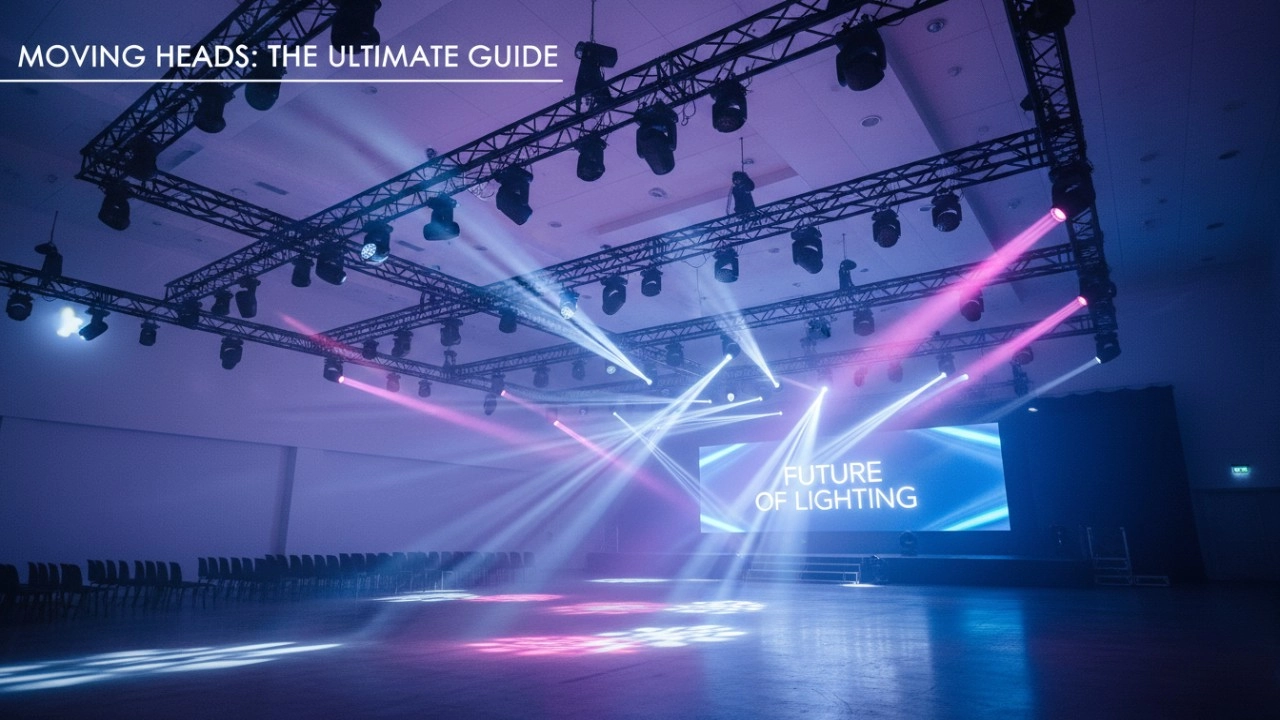
A Stage of Limitless Possibilities: Moving Head lights Deliver Precise Control and Versatile Effects
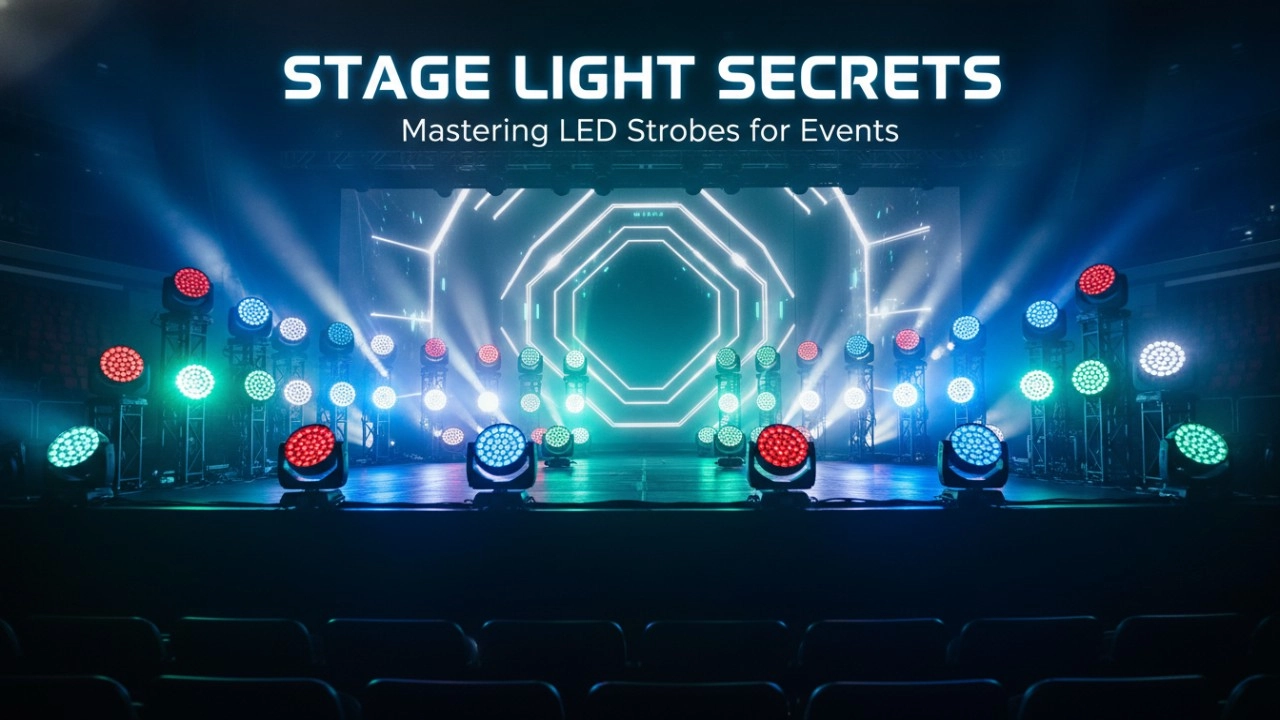
LED Stage Strobe Light Comparison: Performance, Power, and Pricing Guide
Why Your Venue Needs LED Beam Lights: A Cost-Benefit Analysis
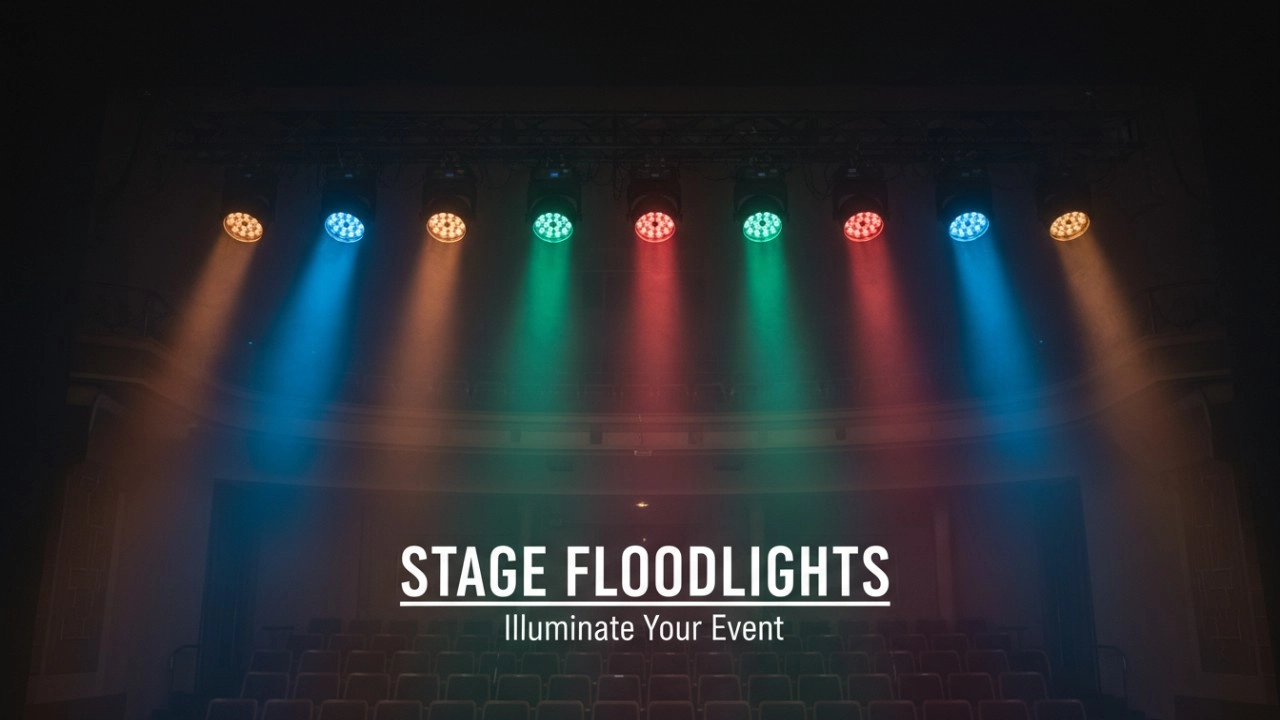
Spotlight vs. Stage Flood Lights: Which One Does Your Production Actually Need?
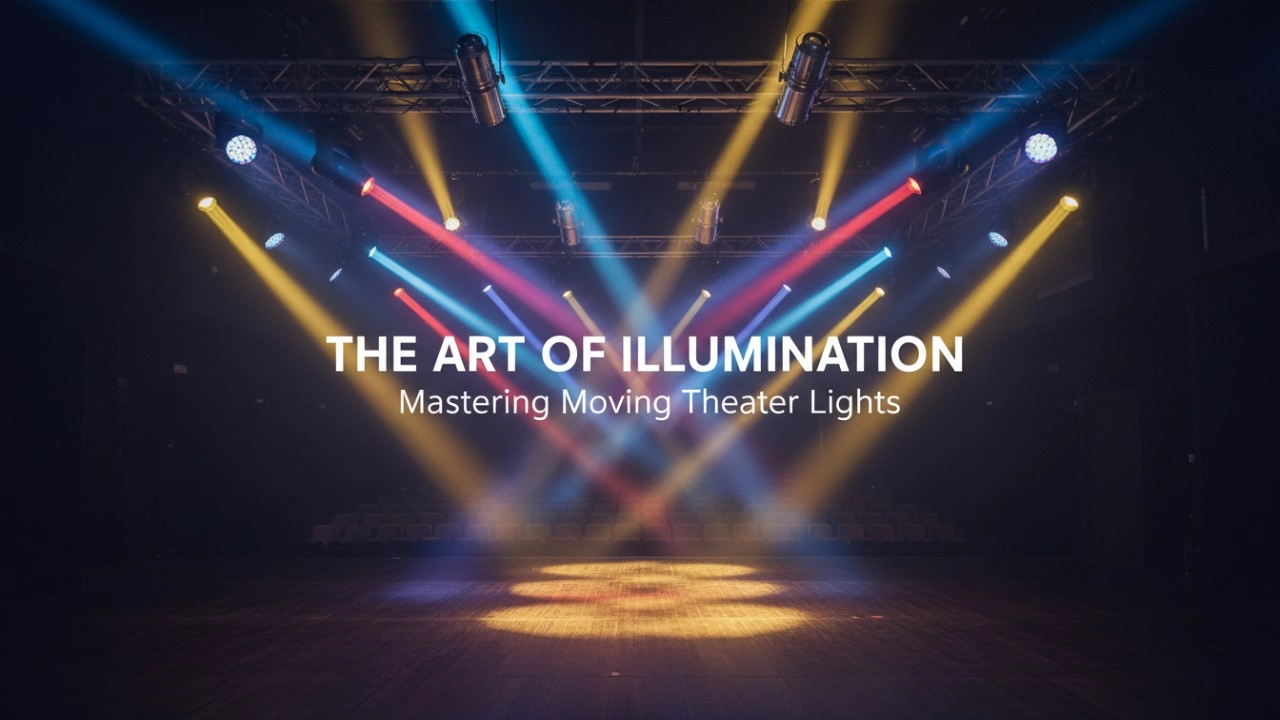
Spotlight vs. Floodlight vs. Beamlight: A Comparison of Moving Stage Lighting Fixtures
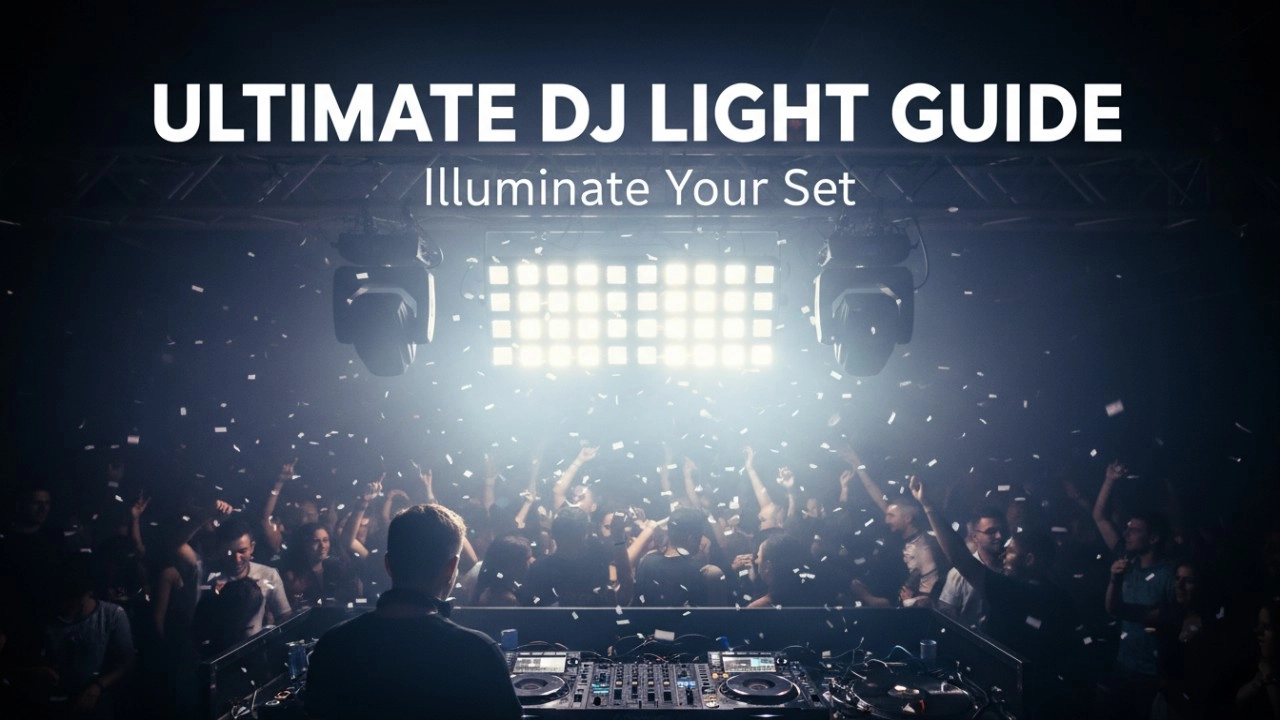
Mastering the Flash: 7 Advanced Strobe DJ Light Techniques for Pro Entertainers
Company
Do you have your own factory?
Yes. We own a sheet metal factory and a complete in-house production line—from PCB to final assembly—ensuring strict quality control and fast delivery.
Can LiteLEES handle OEM/ODM orders?
Absolutely. With our strong R&D capabilities and advanced manufacturing, we can customize designs, features, and branding to meet your specific needs.
Products
Can I customize the functions or software of the lights?
Absolutely. As a manufacturer with independent R&D capabilities, we offer customization for both hardware and software (such as DMX channel layout, built-in programs, or UI language). Contact us with your project needs, and our team will provide tailored solutions.
Do your lights support DMX512 and other control protocols?
Yes. All LiteLEES stage lights are fully compatible with DMX512. Many models also support RDM, Art-Net, and wireless DMX (optional), ensuring seamless integration with modern lighting control systems.
Are your lights suitable for large-scale events and outdoor use?
Yes. Our professional stage lights—especially the Beam, BSW 3-in-1, and LED Par Series—are engineered with high-output brightness, wide beam angles, and robust housing. Some models come with IP-rated protection, making them suitable for outdoor applications like concerts, festivals, and sports events.
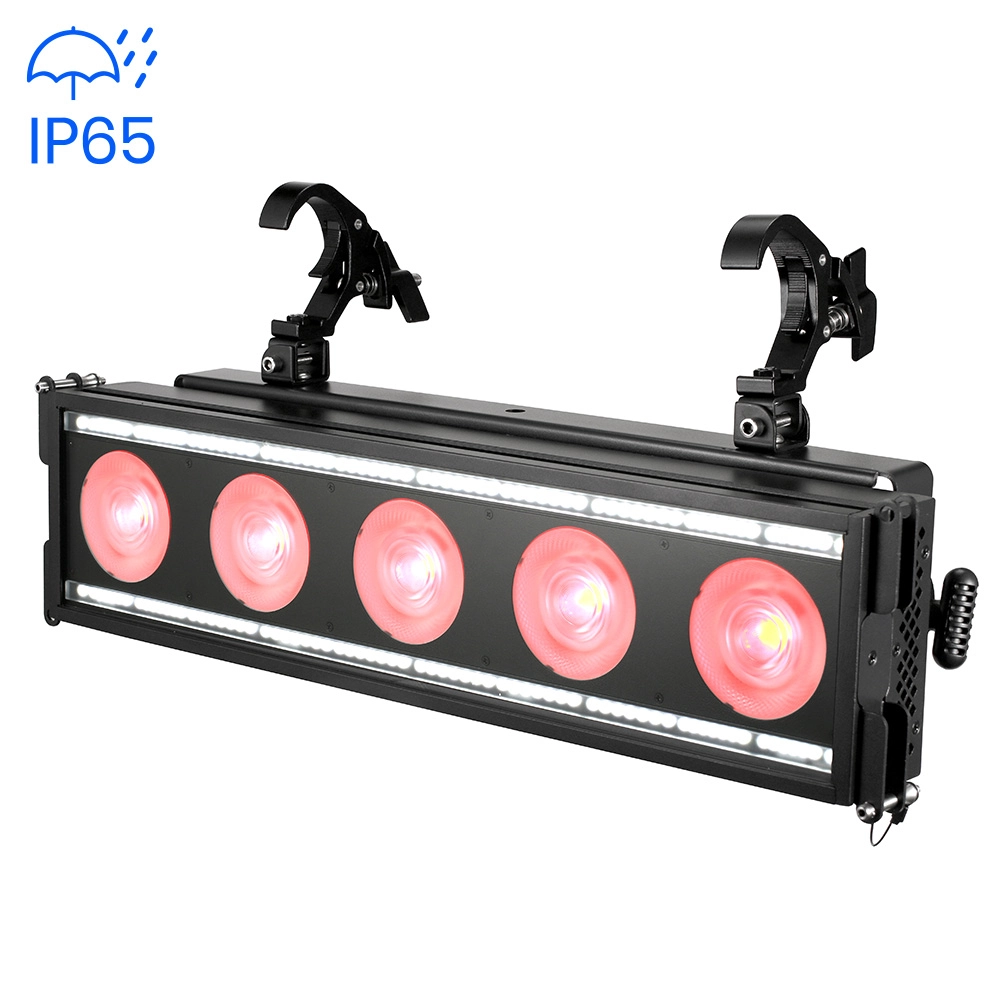
Stormy Flash 550 lP
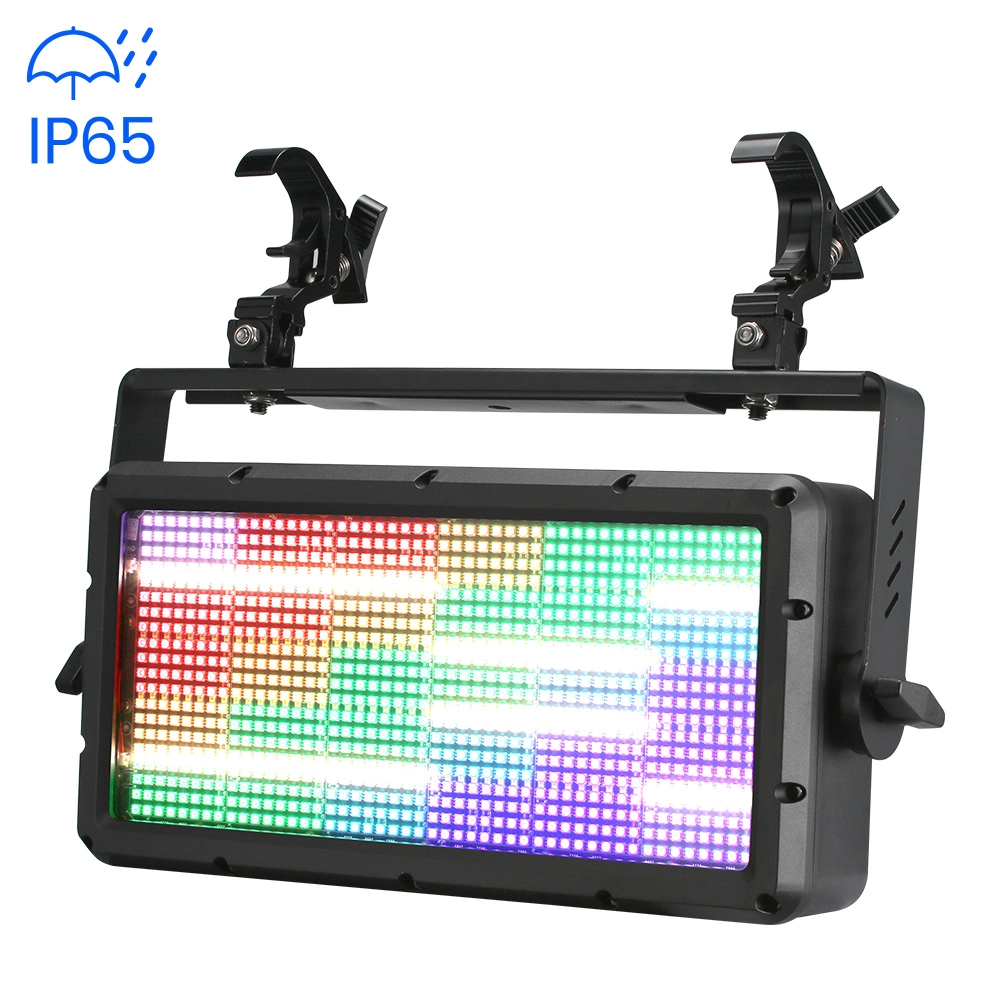
Stormy Strobe 700 IP
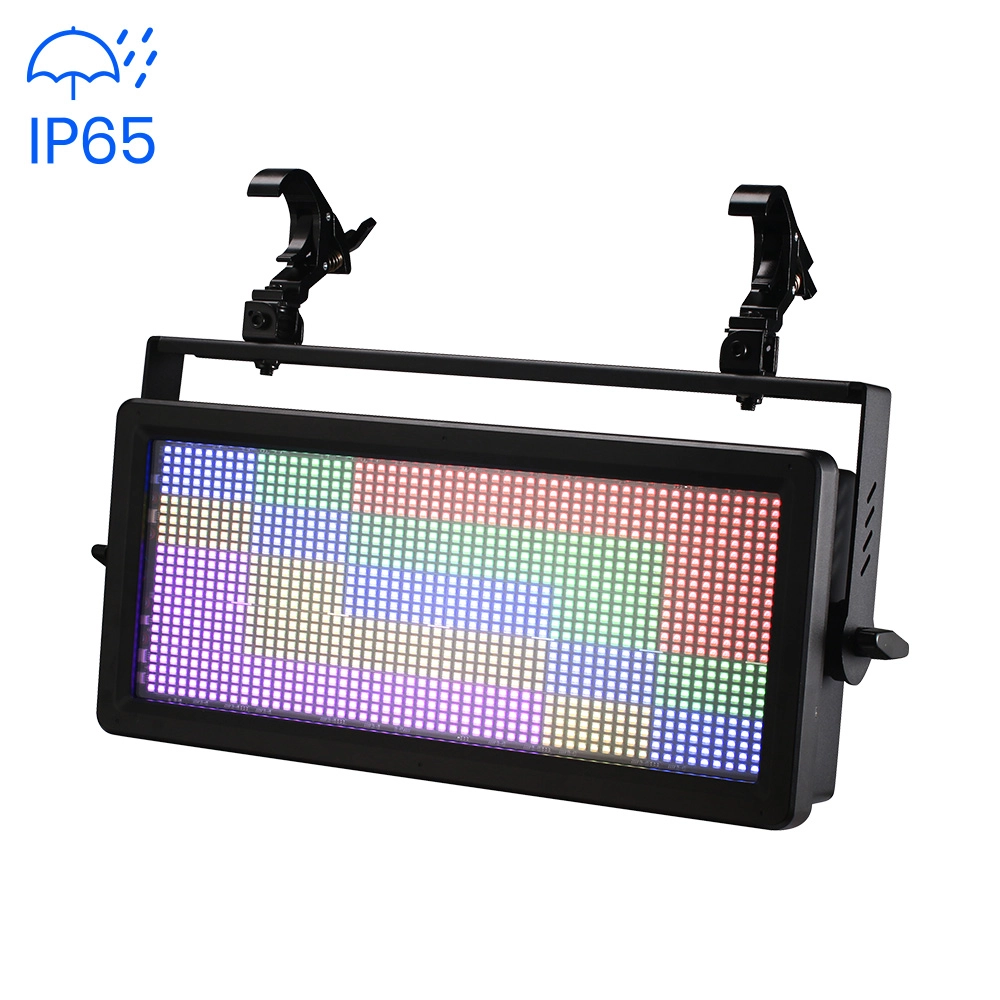
Stormy Strobe 500 IP
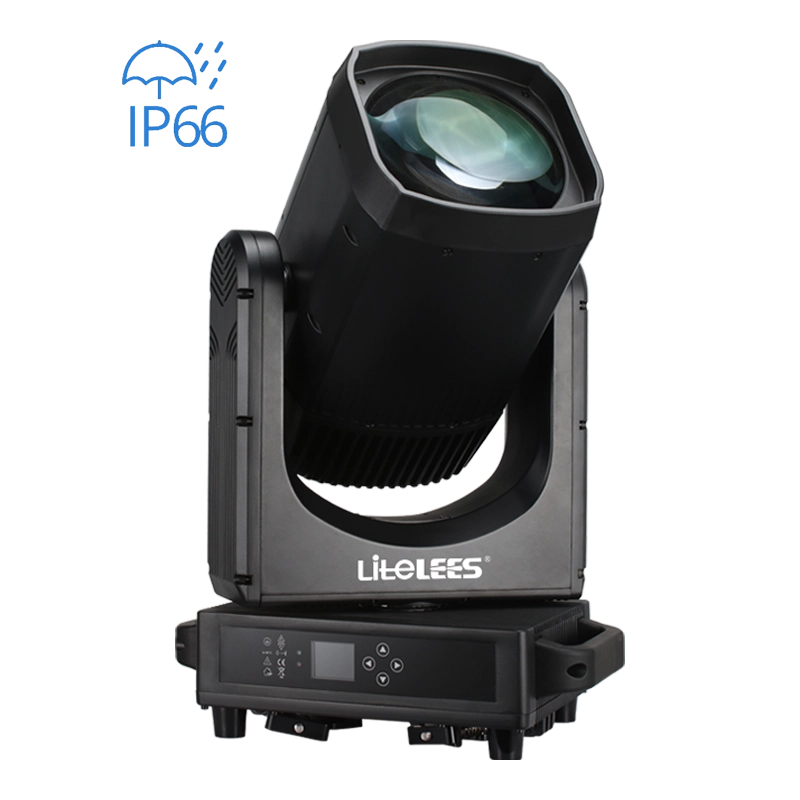
LiteLEES LUMIX BEAM 420 IP
Want to get more up-to-date information?
If you have any comments or good suggestions, please leave us a message; later our professional staff will contact you as soon as possible.

We are professional stage lighting manufacturers offering OEM and ODM LED stage lights.
Contact
Email us
Call us
Address
No.6 Longnan Road, Huashan Town, Huadu District Guangzhou, Guangdong Province, China.
LiteLEES Professional
Less Lighting