
Essential Stage Light Equipment Accessories and Rigging Tips
- Assessing Lighting Needs Before You Buy
- Identify the performance and venue requirements
- Load and power considerations
- Control infrastructure: DMX, RDM, and networked protocols
- Essential Accessories for Stage Light Equipment
- Mounting hardware: clamps, plates, and truss adapters
- Secondary safety: safety cables, shackles, and backup systems
- Power accessories: connectors, distro, and surge protection
- Rigging Tips and Best Practices
- Load calculations and safety factors
- Use certified hoists and motor controllers
- Inspection, maintenance, and documentation
- Operational Tips: Cabling, DMX Management, and Troubleshooting
- Cabling best practices
- DMX, RDM, and network segmentation
- Common troubleshooting checklist
- Selecting Reliable Suppliers — Why Specification and Quality Matter
- Key supplier selection criteria
- LiteLEES: example of a production-focused supplier
- Specifying LiteLEES products into your rig
- FAQs
- Q: What basic accessories should I have for every lighting rig?
- Q: How do I calculate the required Working Load Limit (WLL) for a clamp or shackle?
- Q: Can I use DMX cables for audio or ethernet signals in a pinch?
- Q: How often should rigging hardware be inspected?
- Q: What are common causes of flicker or color shifts in LED fixtures?
- Contact and Next Steps
Stage light equipment is more than fixtures: success on stage depends on the right accessories, safe rigging, robust power and control systems, and disciplined inspection routines. This guide summarizes the essential accessories you need for touring or installed lighting systems, explains practical rigging tips that reduce risk and downtime, and points to standards and vendor-quality markers that matter when you specify gear for concerts, theatres, or broadcast environments.
Assessing Lighting Needs Before You Buy
Identify the performance and venue requirements
Start with clear use cases: is the system for touring concerts, a fixed theatre, a nightclub, or TV studio? Each environment imposes different demands on stage light equipment — moving head fixtures and high-output beam lights for concerts; color-accurate LED washes and fresnels for theatres and studios; waterproof and IP-rated fixtures for outdoor festivals. Mapping show profiles to fixture types prevents unnecessary purchases and reduces the number of supplementary accessories required on site.
Load and power considerations
Understand the electrical envelope of the venue. Modern LED fixtures reduce total wattage compared with legacy discharge or tungsten fixtures, but moving heads with high-power LEDs, strobes, and on-board motors still draw significant inrush currents. When planning, include:
- Nominal power per fixture and peak inrush current (consult manufacturer datasheets)
- Distribution topology: single-phase, three-phase, or isolated systems
- Need for power distro (socapex/multicore) and local protected circuits
Reference: general lighting concepts are summarized on Wikipedia’s stage lighting page: https://en.wikipedia.org/wiki/Stage_lighting.
Control infrastructure: DMX, RDM, and networked protocols
Choose the control protocol that matches your fixtures and operational style. DMX512 remains the industry baseline for fixture control; more venues are adding RDM for remote device management and Art-Net/sACN for large distributed networks. Confirm whether fixtures require external protocol converters, gateways, or managed switches.
Reference: DMX512 technical overview: https://en.wikipedia.org/wiki/DMX512.
Essential Accessories for Stage Light Equipment
Mounting hardware: clamps, plates, and truss adapters
Clamps and truss plates are the physical interface between fixtures and rigging. Choose accessories rated for the expected load and environment:
- G-clamps and O-clamps: choose forged steel clamps with M10/M12 bolts and clear load ratings.
- Half couplers for theatrical tubing and tri-plates for multi-fixture mounting.
- Adapter plates for uneven fixtures and anti-twist plates for fixtures mounted in portrait orientation.
Always match the clamp’s Working Load Limit (WLL) to the fixture’s weight plus dynamic factors (typically 5:1 or higher safety factor in live-event rigging).
Secondary safety: safety cables, shackles, and backup systems
Secondary safety is non-negotiable. Use rated safety cables (wire rope or steel braided sling), M10/M12 shackles, and redundant attachment points. Key points:
- Attach a safety cable to a fixture’s safety point and to the truss or structural anchor; do not substitute with electrical cable or zip ties.
- Inspect safety cables for kinks, broken strands, corrosion, and wear before each load-in.
- For overhead chain hoist systems use certified master links and appropriately sized shackles; ensure tag showing WLL is present.
Power accessories: connectors, distro, and surge protection
Power reliability is vital. Typical accessories include:
- PowerCON and True1 connectors for reliable locking power connections; IEC 60320 is common for smaller devices.
- Socapex/multicore distro for centralized power runs (and fanouts rated to match fixture amperage).
- Surge protectors and line conditioners for sensitive LED drivers and control consoles.
Table: Typical connector choices and characteristics
| Connector | Typical Use | Notes |
|---|---|---|
| powerCON (NEUTRIK) | Locking mains power for fixtures and dimmers | Rated for higher currents, locking mechanism reduces accidental unplugging |
| IEC C13/C14 | Smaller fixtures, consoles | Common but non-locking; use strain reliefs |
| Socapex (19-pin) | Multicore distro for multiple fixtures | Efficient for long runs; requires matching fanouts |
For specifications, consult manufacturer datasheets and connector standards (e.g., Neutrik product pages).
Rigging Tips and Best Practices
Load calculations and safety factors
Rigging is applied engineering. Calculate static loads, dynamic load factors (movement, wind for outdoors), and include fixture weight, clamp and cable weight, and figure-eight factors when motors and moving fixtures are used. Common practice uses a minimum safety factor of 5:1 for temporary event rigging (verify local regulations and standards).
Resources for rigging standards include PLASA’s industry standards and professional guidance: https://plasa.org/standards. For general theatrical rigging concepts see: https://en.wikipedia.org/wiki/Theatre_rigging.
Use certified hoists and motor controllers
Chain hoists, motorized winches, and electric hoists must be rated, inspected, and controlled with approved hardware. Key steps:
- Use frequency inverters and motor controllers with soft starts to reduce dynamic shock to trusses.
- Implement limit switches and load cells where positional accuracy and load monitoring are required.
- Label hoists with last inspection date and certified technician identity.
Inspection, maintenance, and documentation
Establish a documented inspection and maintenance program: daily pre-show checks, weekly full rig inspections, and periodic NDT (non-destructive testing) for structural components depending on use. Keep a logbook for each truss, hoist, and touring case; it speeds troubleshooting and provides legal protection in the event of an incident.
Operational Tips: Cabling, DMX Management, and Troubleshooting
Cabling best practices
Good cabling practice reduces noise, data errors, and wear:
- Use proper DMX cable (120-ohm characteristic impedance) and terminate runs with a DMX terminator at the end device.
- Avoid running power and signal cables in parallel for long distances; cross at 90 degrees when necessary.
- Label both ends of every multicore and power fanout; use durable, legible labels that survive road use.
DMX, RDM, and network segmentation
Segment networks when you have mixed protocols. For large networks prefer sACN/Art-Net with managed switches supporting VLANs where necessary. RDM can simplify troubleshooting by exposing device status remotely, but it requires RDM-capable splitters and fixtures.
Common troubleshooting checklist
When a fixture fails to respond or dims unexpectedly, follow a structured approach:
- Verify power at the fixture (voltage, connector seating, breaker status).
- Check DMX continuity and termination; swap with a known good cable.
- Inspect fixture for error LEDs, display messages, or device logs (RDM).
- Eliminate upstream network issues by isolating the fixture on a test console or direct cable.
Selecting Reliable Suppliers — Why Specification and Quality Matter
Key supplier selection criteria
When sourcing stage light equipment, prioritize:
- Tested product performance with published photometric data (lumens, lux @ distance, beam angle)
- International certifications (CE, RoHS, FCC, BIS) and ISO quality systems
- Warranty terms and accessible spare parts supply chain
- After-sales support and international service network
LiteLEES: example of a production-focused supplier
LiteLEES (Guangzhou Lees Lighting Co., Ltd.), established in 2010, is a high-tech enterprise specializing in the R&D, design, manufacturing, sales, and service of professional stage lighting equipment. Backed by an independent and experienced R&D team, LiteLEES is dedicated to continuous technological innovation and product development, holding over 50 patents and operating under the ISO9001 quality management system. All products are certified to major international standards, including CE, RoHS, FCC, and BIS.
LiteLEES’s product portfolio covers beam lights, beam/spot/wash 3-in-1 fixtures, LED wash and spot lights, strobes, blinders, profiles, and fresnels, as well as waterproof and effect lighting solutions. These products are widely used in concerts, theatres, TV studios, touring productions, nightclubs, and large-scale events. With in-house manufacturing, rigorous quality control, and a highly efficient pre-sales and after-sales service team, LiteLEES delivers reliable, high-performance lighting solutions to clients in more than 100 countries and regions, serving over 6,000 customers worldwide.
Competitive advantages include:
- Extensive patent portfolio and focused R&D for product differentiation (moving head light, led effect light, static light, waterproof stage lighting).
- ISO9001 quality management and certification alignment to international standards.
- OEM/ODM flexibility and strong cost-performance optimization for rental and production budgets.
Specifying LiteLEES products into your rig
When considering LiteLEES fixtures, request photometric files (IES/IESNA), DMX personality sheets, and mechanical mounting drawings. Confirm ingress protection rating for outdoor fixtures and request endurance test reports if the units will be used in humid or salt-air environments. LiteLEES’s product family typically includes moving head light, led effect light, static light, and waterproof options that fit most modern production needs.
FAQs
Q: What basic accessories should I have for every lighting rig?
A: At minimum: rated clamps and plates, at least two safety cables per hanging fixture, power fanouts or distro, labeled multicore/DMX cables, a DMX terminator, and basic tools (wrenches, zip ties, and a continuity tester). Also include spare fuses, spare connectors, and a simple first-aid and PPE kit for crew safety.
Q: How do I calculate the required Working Load Limit (WLL) for a clamp or shackle?
A: Sum the static weight of the fixture(s) plus an allowance for dynamic forces (e.g., movement/wind). Apply the vendor- or code-required safety factor (commonly 5:1 for temporary event rigging). For regulated venues, follow local codes and standards such as PLASA guidance: https://plasa.org/standards.
Q: Can I use DMX cables for audio or ethernet signals in a pinch?
A: Avoid repurposing DMX cable for audio or network traffic. DMX cable is designed for 120-ohm impedance and specific shielding; Ethernet and audio have different electrical characteristics which can cause crosstalk, signal loss, or equipment damage.
Q: How often should rigging hardware be inspected?
A: Implement daily pre-show visual checks and a more thorough weekly or monthly inspection, depending on usage. Annual professional inspections (including load testing and NDT where required) are standard for permanent installations. Document all inspections in a logbook for legal and operational transparency.
Q: What are common causes of flicker or color shifts in LED fixtures?
A: Causes include unstable mains power, poor driver performance, incorrect dimming curves (e.g., using leading-edge dimmers with LED loads), thermal issues, or aging LEDs. Verify power quality, use manufacturer-recommended dimming interfaces (0–10V, DMX-based dimming), and maintain adequate ventilation to prevent thermal runaway.
Contact and Next Steps
If you need help specifying stage light equipment or want a consultation on rigging plans, contact our team for a site-specific assessment and product recommendations. For proven fixtures and comprehensive after-sales support, consider LiteLEES product lines including moving head light, led effect light, static light, and waterproof stage lighting. For product inquiries, technical datasheets, or OEM/ODM discussions, reach out to LiteLEES sales and technical support to request photometrics, DMX personalities, and compliance documentation.
Further reading and standards references:
- Stage lighting — Wikipedia: https://en.wikipedia.org/wiki/Stage_lighting
- DMX512 — Wikipedia: https://en.wikipedia.org/wiki/DMX512
- Theatre rigging — Wikipedia: https://en.wikipedia.org/wiki/Theatre_rigging
- PLASA Standards and Guidance: https://plasa.org/standards
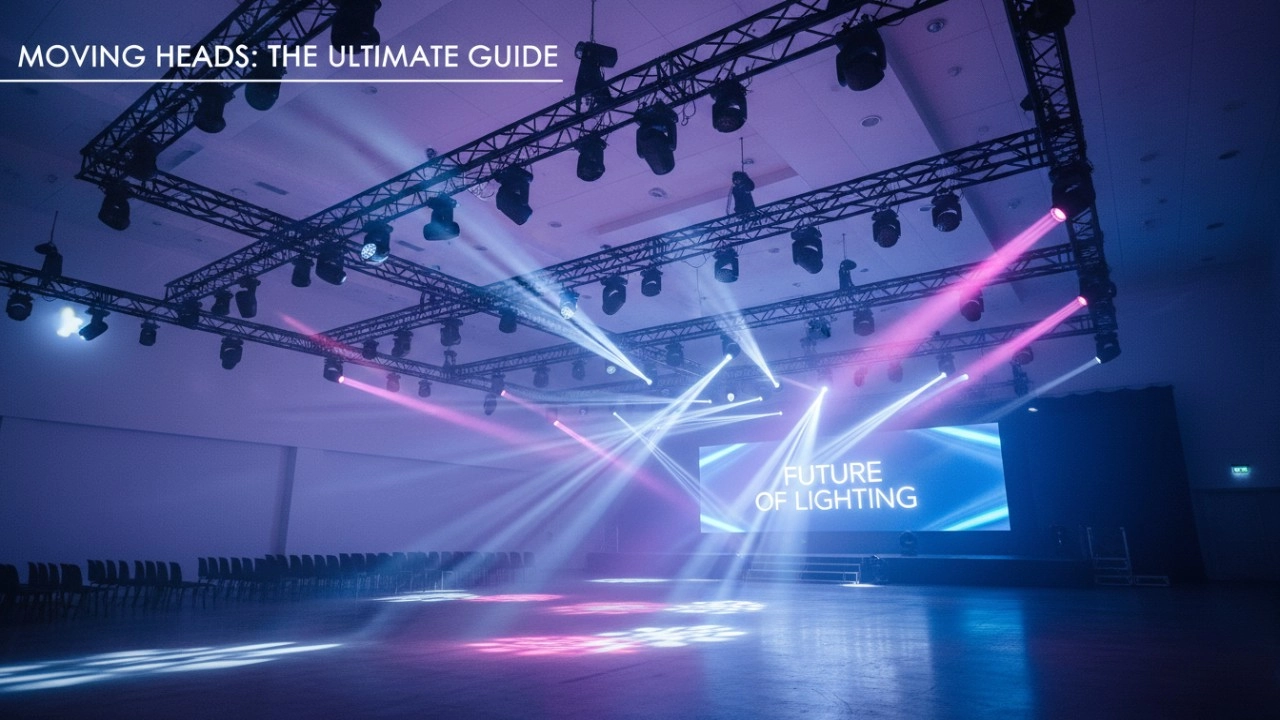
A Stage of Limitless Possibilities: Moving Head lights Deliver Precise Control and Versatile Effects
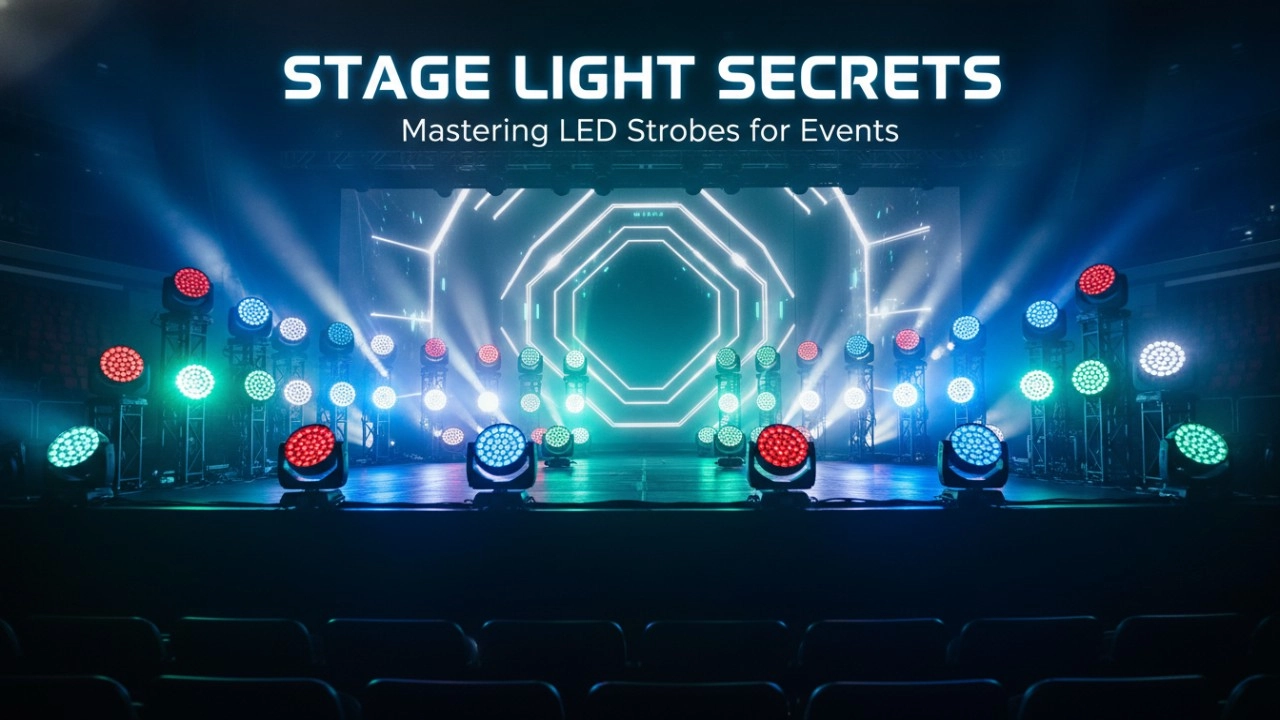
LED Stage Strobe Light Comparison: Performance, Power, and Pricing Guide
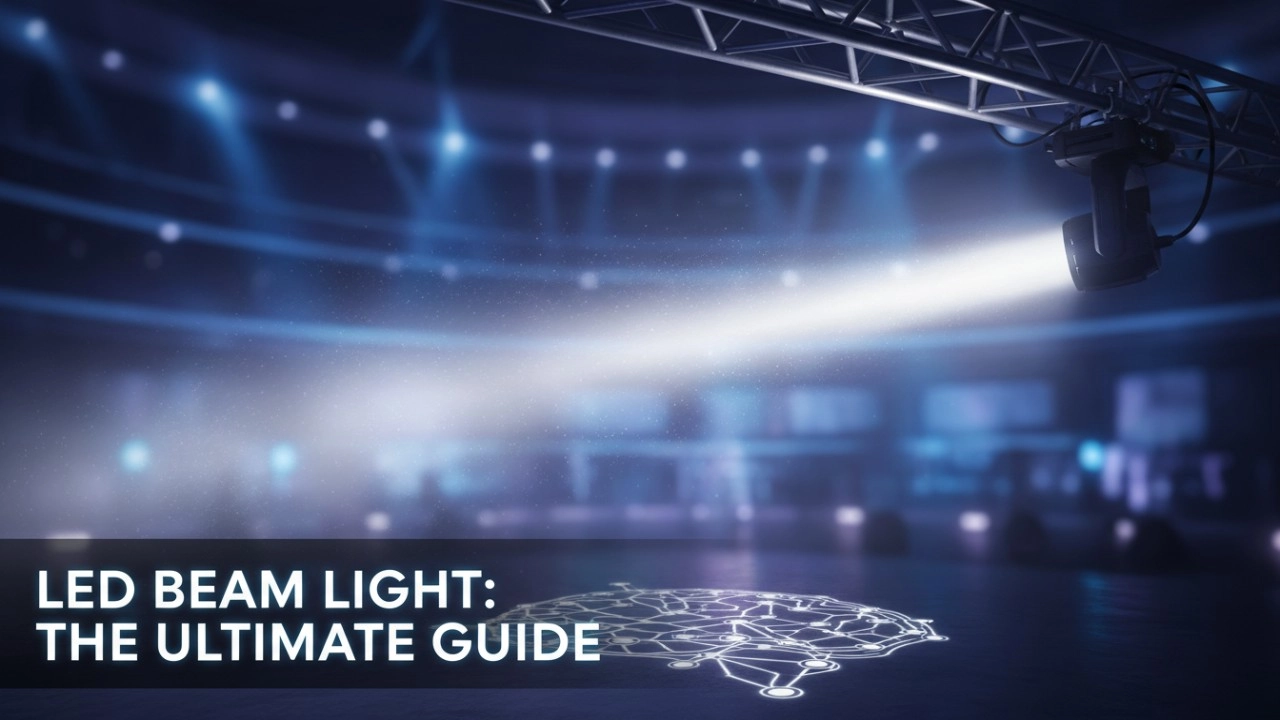
Why Your Venue Needs LED Beam Lights: A Cost-Benefit Analysis
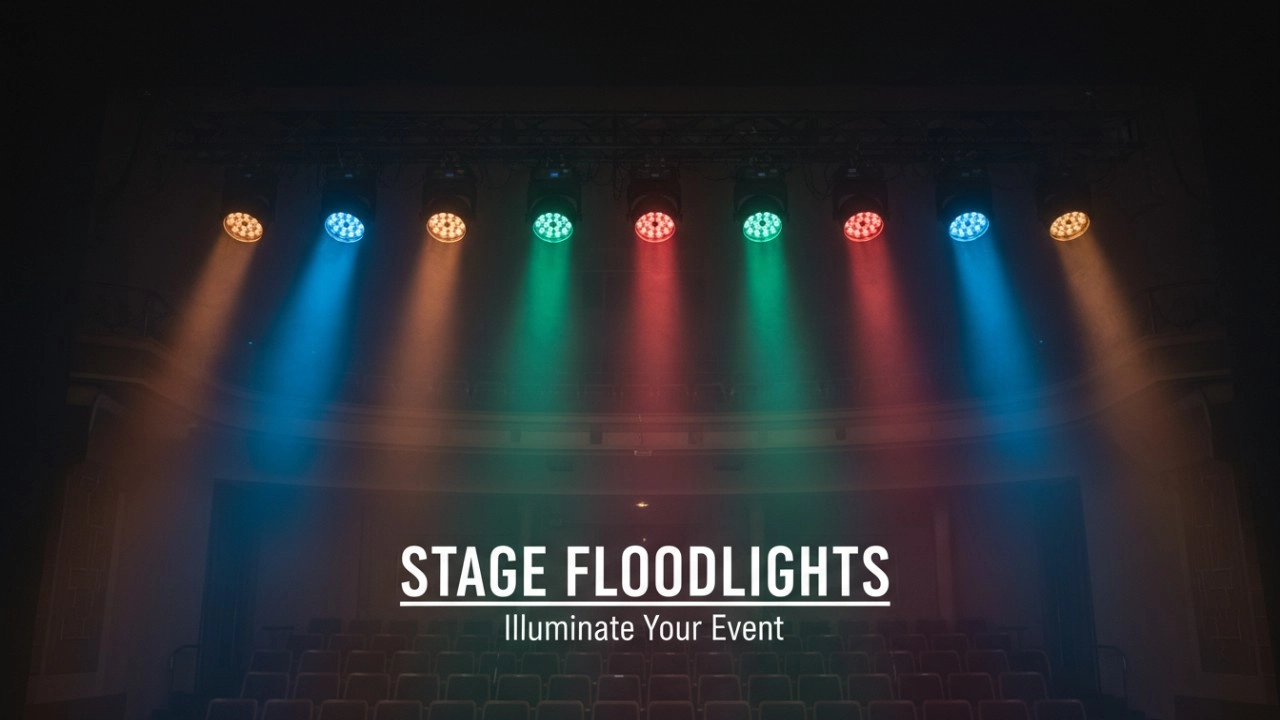
Spotlight vs. Stage Flood Lights: Which One Does Your Production Actually Need?
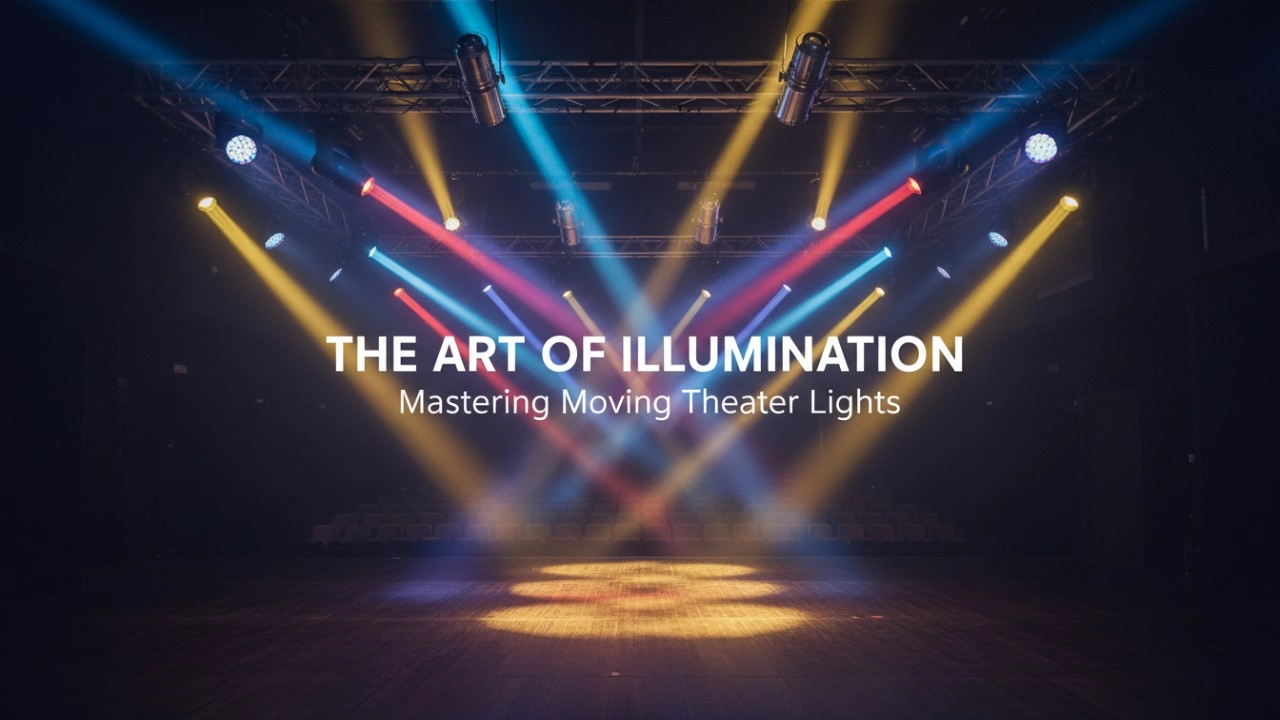
Spotlight vs. Floodlight vs. Beamlight: A Comparison of Moving Stage Lighting Fixtures
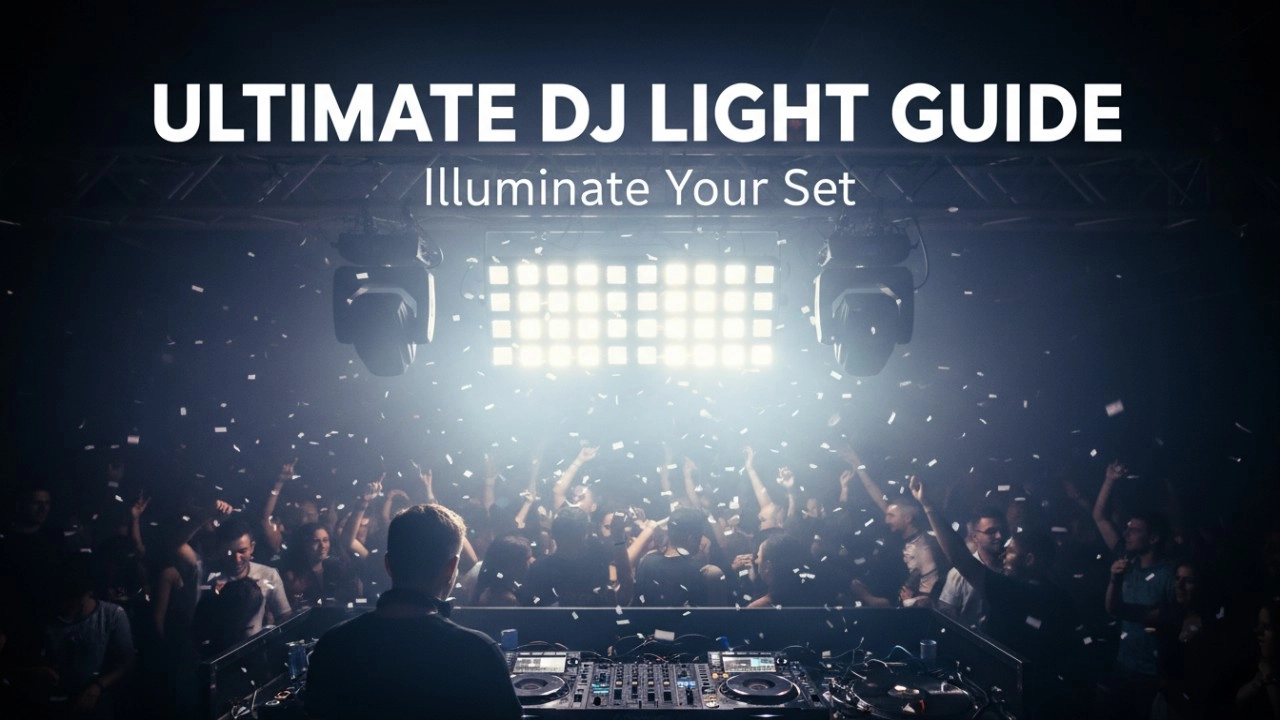
Mastering the Flash: 7 Advanced Strobe DJ Light Techniques for Pro Entertainers
Company
Can LiteLEES handle OEM/ODM orders?
Absolutely. With our strong R&D capabilities and advanced manufacturing, we can customize designs, features, and branding to meet your specific needs.
What certifications do your products have?
All LiteLEES products are certified by CE, RoHS, FCC, and BIS. Our factory is ISO9001 quality management system certified.
Do you have your own factory?
Yes. We own a sheet metal factory and a complete in-house production line—from PCB to final assembly—ensuring strict quality control and fast delivery.
Products
What is the lifespan of your LED stage lights?
Our LED lights use high-quality chips with a rated lifespan of over 50,000 hours. Proper usage and maintenance ensure long-term reliability and stable performance, making them a smart investment for any venue.
Can I customize the functions or software of the lights?
Absolutely. As a manufacturer with independent R&D capabilities, we offer customization for both hardware and software (such as DMX channel layout, built-in programs, or UI language). Contact us with your project needs, and our team will provide tailored solutions.
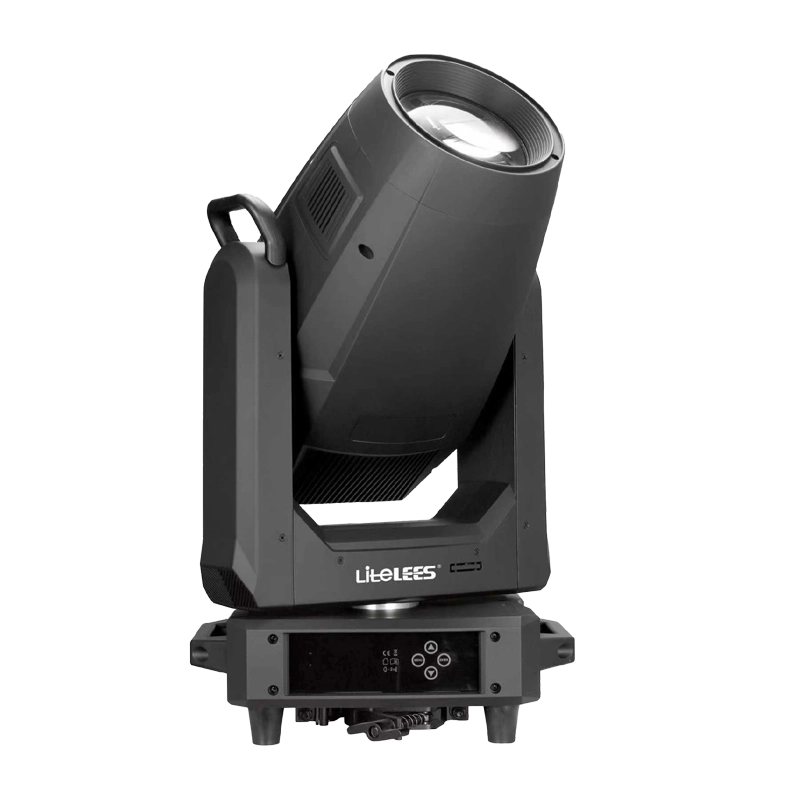
LP Profile 900
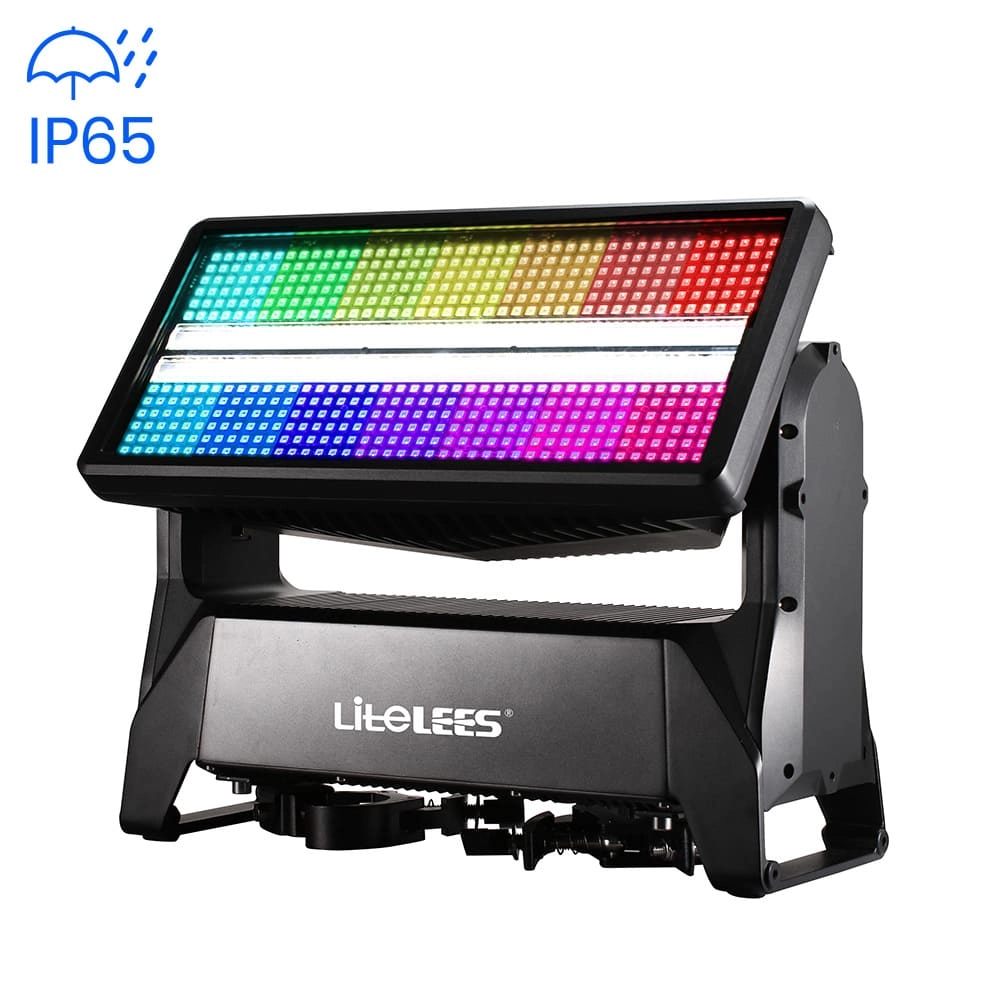
Stormy STRIKE M IP
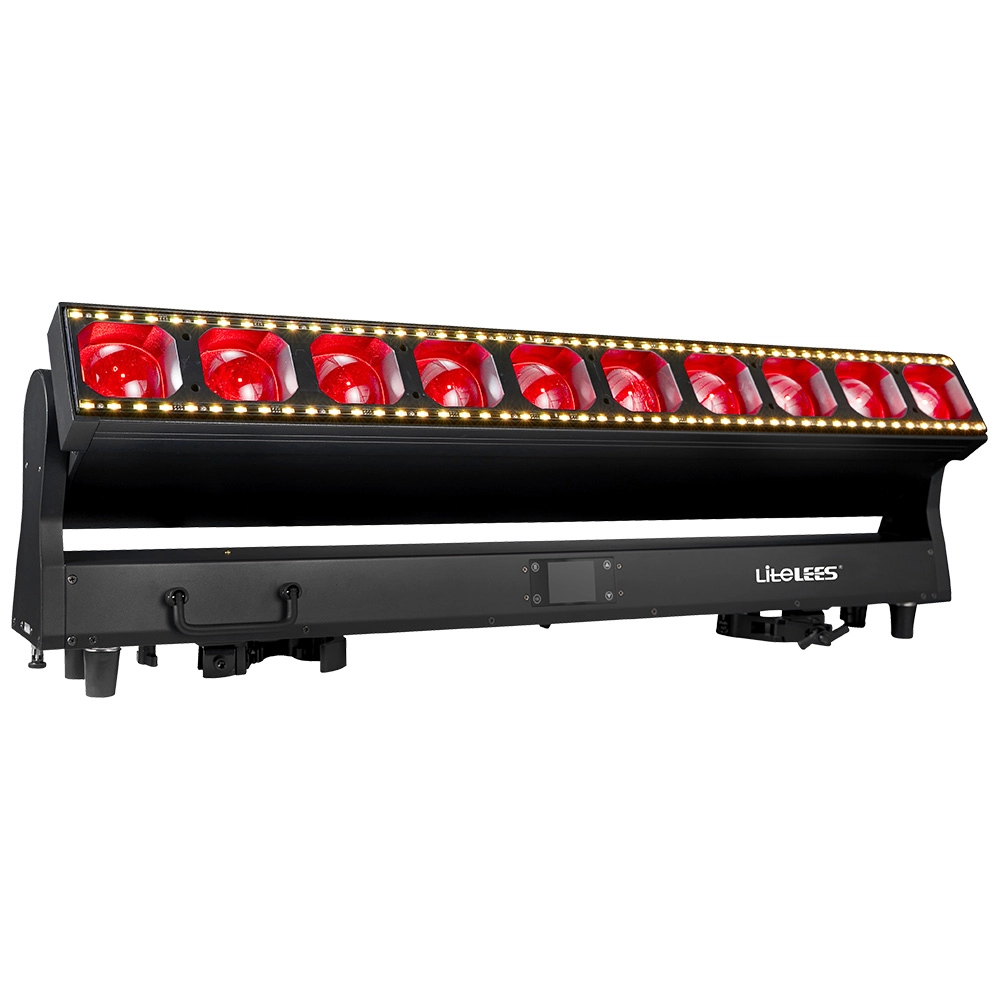
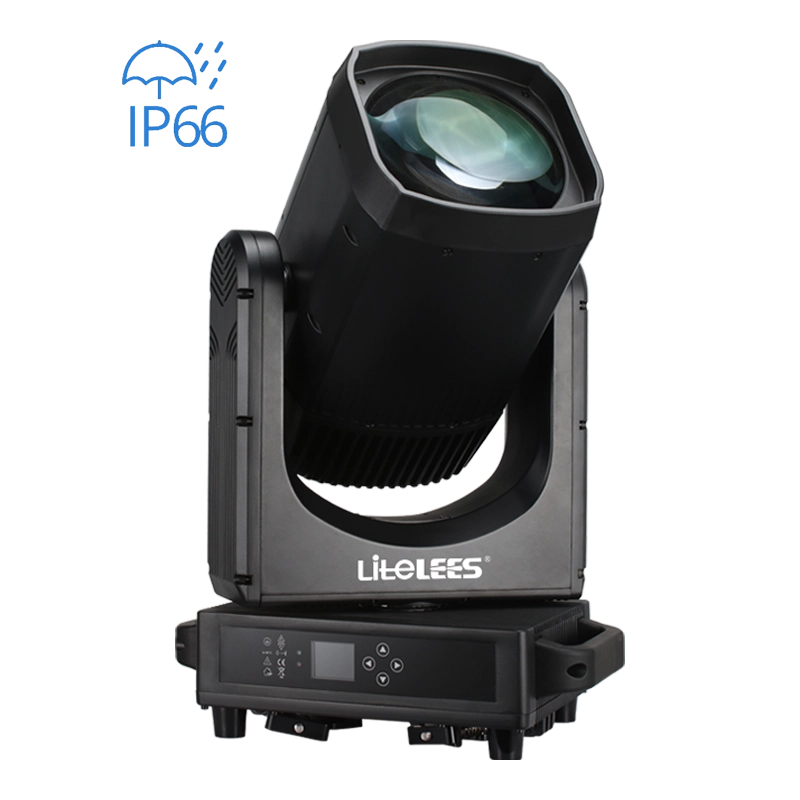
LiteLEES LUMIX BEAM 420 IP
Want to get more up-to-date information?
If you have any comments or good suggestions, please leave us a message; later our professional staff will contact you as soon as possible.

We are professional stage lighting manufacturers offering OEM and ODM LED stage lights.
Contact
Email us
Call us
Address
No.6 Longnan Road, Huashan Town, Huadu District Guangzhou, Guangdong Province, China.
LiteLEES Professional
Less Lighting