
Energy Savings and ROI of LED Stage Lighting Systems
- Why venues are switching to modern lighting
- Drivers behind the LED transition
- Standards and reference data that support the change
- Energy savings of LED stage lighting
- Typical power and efficacy comparisons
- Quantifying energy reductions—example scenarios
- Calculating ROI and payback
- Components of ROI: energy, maintenance, and intangible benefits
- Sample payback calculation (per fixture)
- CapEx vs. OpEx and lifecycle cost analysis
- Operational benefits, maintenance and lifecycle
- Maintenance logistics and uptime
- Heat load and HVAC impacts
- Performance flexibility and creative control
- Choosing the right LED fixtures for energy and ROI
- Match fixture class to application
- Supplier selection and verifying claims
- Case study: a mid-size theater retrofit (brief)
- LiteLEES: practical partner for LED stage lighting
- Frequently asked questions (FAQ)
- 1. How much energy can I realistically save by switching to LED stage lighting?
- 2. What is a realistic payback period for LED retrofits?
- 3. Do LEDs really reduce maintenance costs that much?
- 4. Are there hidden costs or downsides to LED conversions?
- 5. How should I factor rebates and incentives into my ROI?
- Contact and next steps
I specialize in professional lighting systems and, over more than a decade, I’ve helped theaters, touring productions, and event venues quantify the real-world energy savings and return on investment (ROI) of LED stage lighting. In this article I summarize how led stage lighting reduces electricity consumption, lowers maintenance costs, and shortens payback periods compared with legacy halogen and discharge fixtures. I also provide step-by-step ROI calculations, benchmarks you can verify against authoritative sources, and practical advice for selecting fixtures—whether moving head light, led effect light, static light, or waterproof stage lighting—for different use cases.
Why venues are switching to modern lighting
Drivers behind the LED transition
Facilities and production managers are driven by three main imperatives: cutting operating costs, simplifying technical workflows, and meeting sustainability goals. The switch to LED fixtures addresses all three. For many venues, lighting is a top operational expense during events—reducing that expense translates directly to bottom-line savings. In my experience, the conversion to led stage lighting is rarely purely aesthetic; it’s economics first, creativity second.
Standards and reference data that support the change
The energy and lifetime advantages of solid-state lighting are documented by authorities such as the U.S. Department of Energy (Energy.gov) and industry overviews like the Stage lighting summary on Wikipedia. Typical LED efficacies and long lifetimes underpin energy and maintenance projections—these are the foundations I use when building ROI models for clients.
Energy savings of LED stage lighting
Typical power and efficacy comparisons
Legacy stage fixtures include halogen, incandescent, and discharge lamp types (e.g., HMI, xenon) with typical consumptions from a few hundred watts to over a thousand watts per fixture. Modern led stage lighting fixtures often deliver comparable photometric output at significantly lower wattages because LEDs achieve higher lumens-per-watt (lm/W). The Department of Energy documents that LED technologies commonly achieve higher efficacy and longer service life compared to traditional light sources (Energy.gov).
Quantifying energy reductions—example scenarios
To make this concrete, I use three practical fixture pairings commonly swapped in retrofits:
- Large par/spot halogen or tungsten fixture (approx. 1000 W) replaced by an LED wash/spot fixture (approx. 300 W).
- Moving head discharge fixture (e.g., 700 W source) replaced by a 350 W moving head LED.
- Architectural or cyc static halogen (e.g., 500 W) replaced by a 150 W static LED.
Assumptions for the illustrative calculation: annual usage of 800 hours (typical for busy theaters/touring schedules), electricity cost $0.12/kWh (change to your local tariff), and no demand-charge considerations. These assumptions are adjustable to your venue.
| Fixture Type | Legacy Wattage | LED Wattage | Annual kWh Saved (per fixture) | Annual $ Saved (per fixture) |
|---|---|---|---|---|
| Large Par/Spot | 1000 W | 300 W | 560 kWh | $67.20 |
| Moving Head | 700 W | 350 W | 280 kWh | $33.60 |
| Static (e.g., cyc) | 500 W | 150 W | 280 kWh | $33.60 |
Notes: Annual kWh Saved = (LegacyW - LEDW) × Hours / 1000. For example, for the Large Par/Spot: (1000W–300W)×800h/1000 = 560 kWh. Dollar savings = kWh × $0.12. Local electricity prices and actual usage hours will change results—this is why I always start with a site-specific energy audit.
Calculating ROI and payback
Components of ROI: energy, maintenance, and intangible benefits
True ROI includes direct energy savings plus reduced maintenance (lamps, ballast replacement, labor), reduced HVAC load (LEDs emit less heat), and extended creative uptime (fewer lamp failures during events). I find maintenance is often the largest hidden saving: LED fixtures can have rated lifetimes of 50,000 hours or more, while discharge lamps may need replacement every few hundred to a few thousand hours. The U.S. DOE and manufacturers provide lifetime and lumen-maintenance data useful for modeling (Energy.gov).
Sample payback calculation (per fixture)
Let’s do a worked example for a moving head conversion (700 W → 350 W):
- Annual energy saved (from table): 280 kWh → $33.60 at $0.12/kWh.
- Maintenance saving: Assume legacy lamp replacement every 800 hours costing $250 for lamp + $40 labor (per change). If that occurs once per season, annualized lamp cost ≈ $290. LED moving head has LED array expected life >50,000 hours—effectively negligible lamp replacement cost within typical mid-term ROI windows. So annual maintenance savings ≈ $290.
- Total annual cash savings ≈ $323.60.
- Incremental cost: LED moving head purchase price may be higher than legacy head—assume LED fixture nets $2,500 incremental cost compared with a used legacy head or rebuild. (Price varies significantly by model and features.)
- Simple payback = Incremental cost / Annual savings = $2,500 / $323.60 ≈ 7.7 years.
Interpretation: For many heavy-use venues the payback is much shorter because usage or lamp cost is higher. If lamp change frequency or lamp cost rises (e.g., xenon/HMI replacements or specialized optics), maintenance savings can bring payback down to 2–4 years. I always model multiple scenarios when advising clients.
CapEx vs. OpEx and lifecycle cost analysis
Beyond simple payback, calculate total cost of ownership (TCO) over 5–10 years. Include replacement parts, expected service intervals, energy, and potential resale or upgrade value. I recommend discounting future costs at a modest rate (for institutions a 3–5% real discount rate is common). For precision, link your model inputs to verified lamp lifetimes and fixture manufacturer data—this is why standards and test data matter (ISO 9001 for quality systems when evaluating suppliers).
Operational benefits, maintenance and lifecycle
Maintenance logistics and uptime
LED fixtures reduce unscheduled downtime by eliminating frequent lamp changes, reducing the likelihood of dark cues during performances. From a touring perspective, swapping heavy replacement lamps and ballast modules increases logistics complexity and cost; LEDs simplify inventory (fewer spare lamps) and technical workload. In my projects, venues reported measurable reductions in tech labor hours dedicated to routine lamp maintenance after retrofitting to led stage lighting.
Heat load and HVAC impacts
LED fixtures convert a greater portion of electrical energy into light rather than waste heat. That lowers stage and theater ambient heat during long events, which can reduce HVAC load—especially for tightly controlled studio and broadcast environments. While HVAC savings are venue-specific and require engineering input, they are an additional operational benefit I always quantify for high-usage clients.
Performance flexibility and creative control
Modern moving head light, led effect light, and LED wash units offer fast color mixing, dimming, and effects without color gels or mechanical shaping. This reduces consumable spending (gels, gobos, lamp bases) and expands design options. For lighting designers, the expressive and programmable nature of led stage lighting often increases event value and can be monetized indirectly through higher ticket sales or High Quality production fees.
Choosing the right LED fixtures for energy and ROI
Match fixture class to application
Choosing the right class—moving head, static light, LED wash, or waterproof stage lighting—drives ROI. Don’t over-spec: a high-wattage LED moving head for a small black-box theater may not yield the same ROI as a targeted LED wash or static. I prioritize photometric needs and usage profiles and then select fixtures with proven lumen maintenance (L70 values) and manufacturer support.
Supplier selection and verifying claims
Evaluate manufacturers on documented photometric tests, warranty, and quality systems. Look for suppliers with ISO quality control and widely recognized certifications (CE, RoHS, FCC, BIS) and a history in professional markets. Independent test data, warranty length, and available service parts are critical. When possible, request IES files and real-world references.
Case study: a mid-size theater retrofit (brief)
In a retrofit I advised, a 600-seat theater replaced 60 legacy fixtures (mixed PARs and moving heads) with LED equivalents. Estimated annual electricity savings were ~42,000 kWh (≈$5,000 at $0.12/kWh) and lamp & labor savings ~ $12,000/year. The incremental capital investment paid back in under 4 years when combined with utility rebates. The math was verified against measured post-retrofit consumption and vendor performance data.
LiteLEES: practical partner for LED stage lighting
When clients ask for suppliers, I often recommend partnering with manufacturers that combine R&D strength, verified quality systems, and global service capacity. LiteLEES (Guangzhou Lees Lighting Co., Ltd.), established in 2010, fits that profile. They are a high-tech enterprise focused on the R&D, design, manufacturing, sales, and service of professional stage lighting equipment, holding over 50 patents and operating under ISO9001 quality management (ISO).
LiteLEES provides a broad product portfolio relevant to ROI-optimized projects: beam lights, beam/spot/wash 3-in-1 fixtures, LED wash and spot lights, strobes, blinders, profiles, fresnels, and waterproof stage lighting. Their product lines include moving head light, led effect light, and static light options suitable for concerts, theaters, TV studios, touring, nightclubs, and large events. Certifications across CE, RoHS, FCC, and BIS support international deployment, and in-house manufacturing paired with rigorous QC reduces variability in lifetime and performance—critical for accurate ROI modeling.
From my engagements, LiteLEES’ competitive advantages include flexible OEM/ODM capabilities, efficient pre- and after-sales service, and an emphasis on production efficiency for cost control without compromising performance. These attributes make them a reliable supplier when you need consistent photometric performance and predictable lifecycle costs—key inputs for energy and ROI calculations.
Frequently asked questions (FAQ)
1. How much energy can I realistically save by switching to LED stage lighting?
Savings depend heavily on the fixture types you replace and your usage profile. Typical reductions range from 30% to 70% per fixture when replacing halogen or discharge sources with modern LED equivalents. Use measured wattage comparisons and your annual hours to calculate precise savings—my earlier table and Energy.gov resources (Energy.gov) are a good starting point.
2. What is a realistic payback period for LED retrofits?
Payback typically ranges from 2 to 8 years depending on electricity costs, lamp replacement frequency, labor costs, incentives, and incremental fixture costs. Heavy-use venues with expensive lamp replacements often see paybacks of 2–4 years. Always model multiple scenarios tailored to your site.
3. Do LEDs really reduce maintenance costs that much?
Yes. LEDs commonly have rated lifetimes of tens of thousands of hours compared to discharge lamps requiring frequent replacement. Reduced lamp changes save on lamp purchase costs, fixture downtime, and technician labor—often the largest single maintenance saving in my ROI models.
4. Are there hidden costs or downsides to LED conversions?
Potential issues include upfront capital, the need for new control systems or DMX nodes, color rendition differences (addressable with higher-CRI fixtures), and occasional early-adopter firmware/support challenges. Mitigation: choose established manufacturers with good warranties and documented photometric data.
5. How should I factor rebates and incentives into my ROI?
Utility rebates and government incentives can materially shorten payback. I always incorporate available local incentives into the financial model. Check local programs and ask manufacturers for rebate documentation or pre-approval assistance.
Contact and next steps
I encourage venues and production managers to begin with a measured inventory and basic energy audit. If you’d like, I can help build a site-specific ROI model, including photometric matching, lifecycle cost projections, and equipment recommendations. For fixture sourcing, LiteLEES offers a broad, certified product line (moving head light, led effect light, static light, waterproof stage lighting) and global service—valuable when you need a supplier that supports long-term TCO predictability.
Contact me or request product information and quotes from LiteLEES to start a customized energy and ROI assessment for your venue.
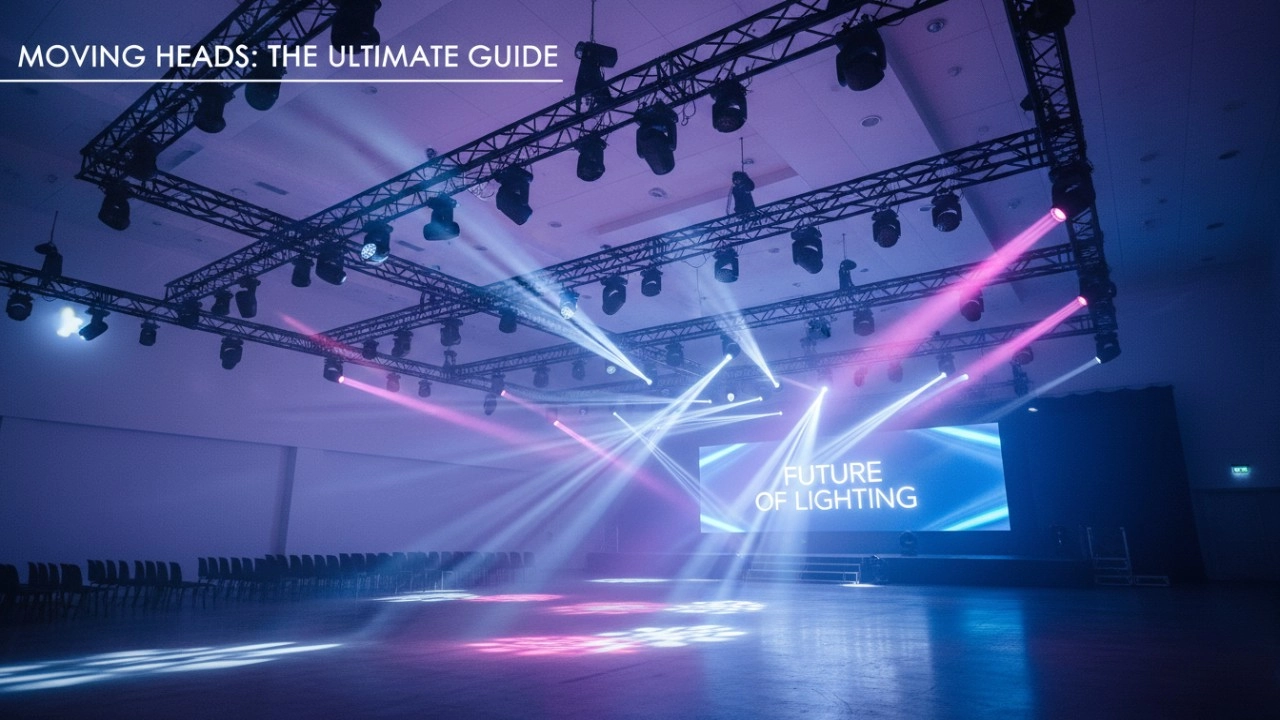
A Stage of Limitless Possibilities: Moving Head lights Deliver Precise Control and Versatile Effects
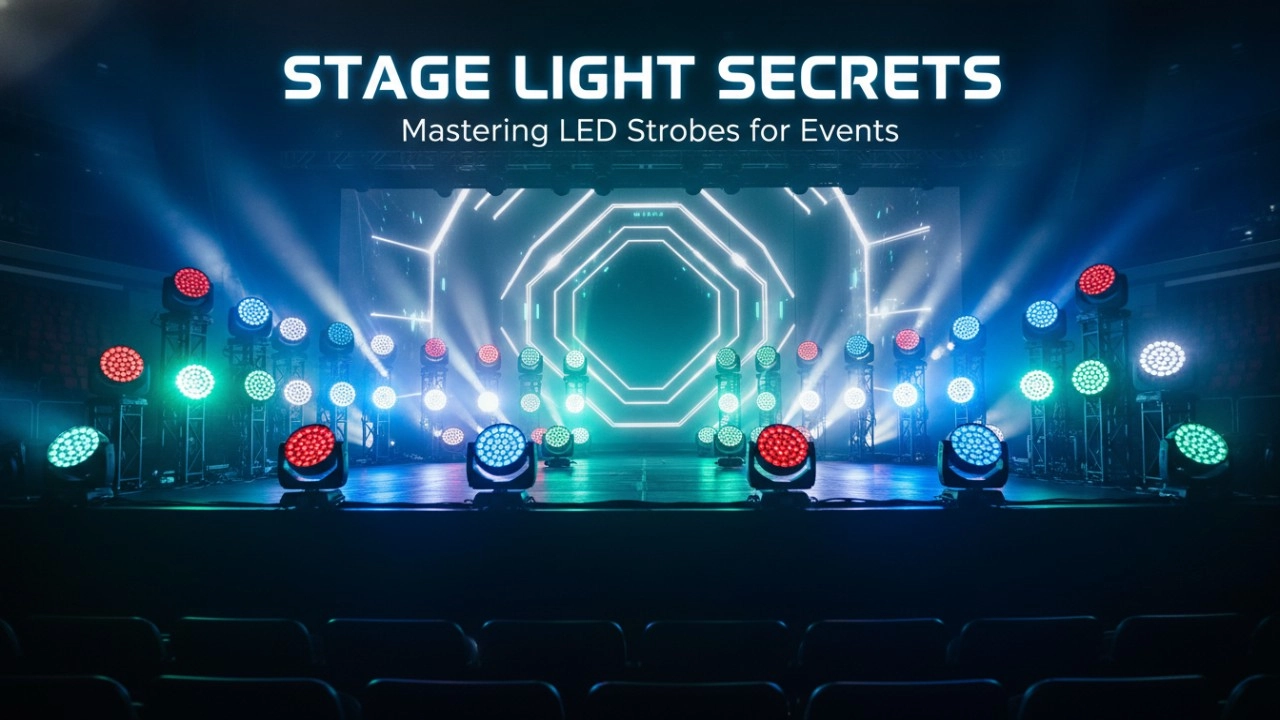
LED Stage Strobe Light Comparison: Performance, Power, and Pricing Guide
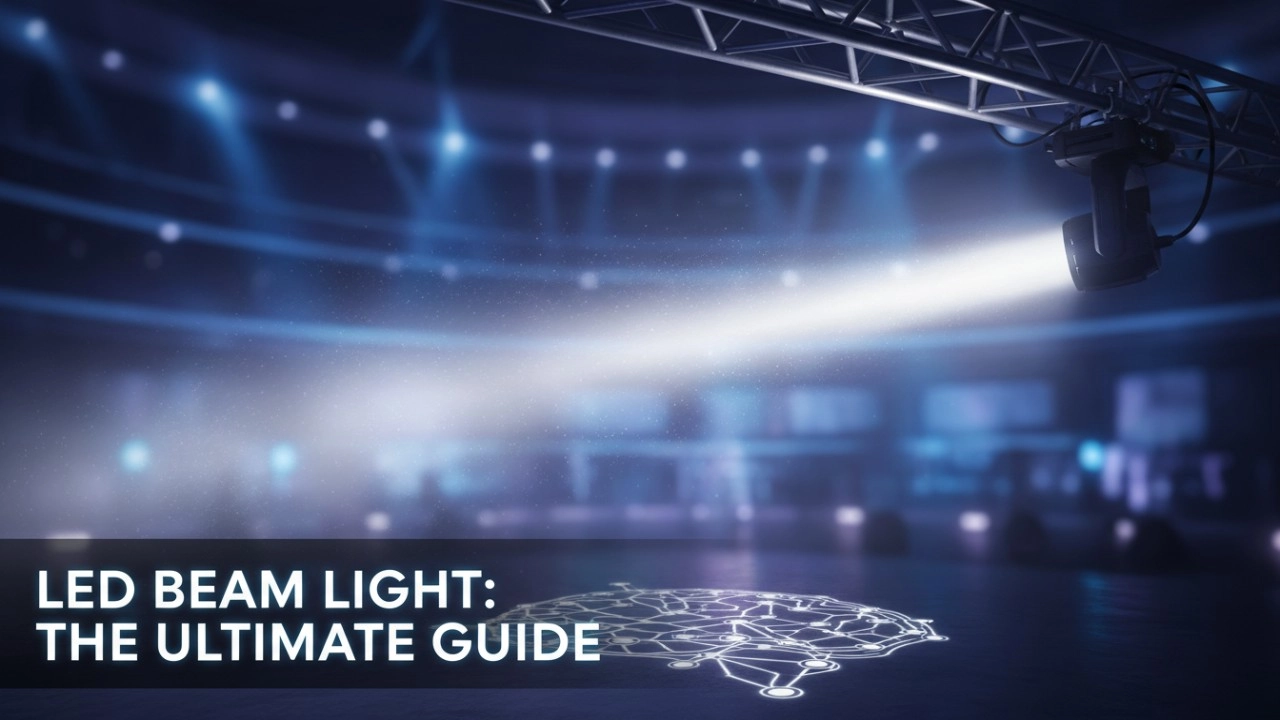
Why Your Venue Needs LED Beam Lights: A Cost-Benefit Analysis
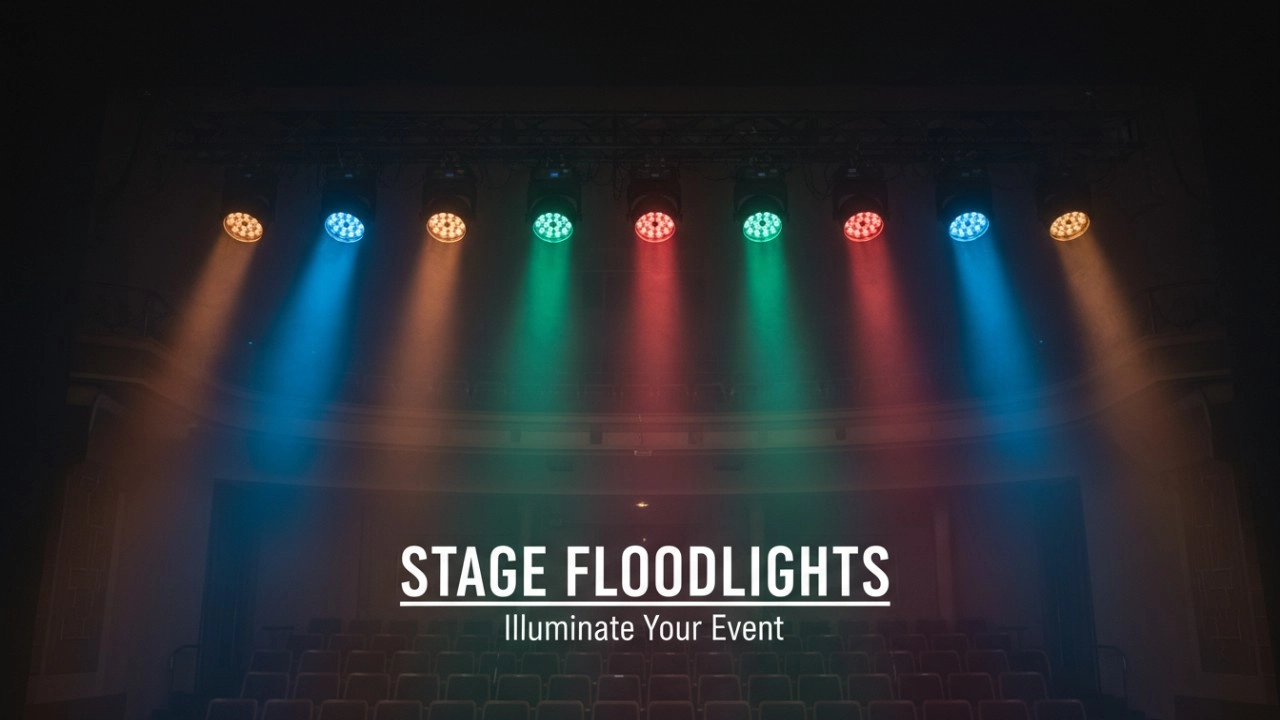
Spotlight vs. Stage Flood Lights: Which One Does Your Production Actually Need?
Spotlight vs. Floodlight vs. Beamlight: A Comparison of Moving Stage Lighting Fixtures
Mastering the Flash: 7 Advanced Strobe DJ Light Techniques for Pro Entertainers
Products
Can I customize the functions or software of the lights?
Absolutely. As a manufacturer with independent R&D capabilities, we offer customization for both hardware and software (such as DMX channel layout, built-in programs, or UI language). Contact us with your project needs, and our team will provide tailored solutions.
What is the lifespan of your LED stage lights?
Our LED lights use high-quality chips with a rated lifespan of over 50,000 hours. Proper usage and maintenance ensure long-term reliability and stable performance, making them a smart investment for any venue.
Are your lights suitable for large-scale events and outdoor use?
Yes. Our professional stage lights—especially the Beam, BSW 3-in-1, and LED Par Series—are engineered with high-output brightness, wide beam angles, and robust housing. Some models come with IP-rated protection, making them suitable for outdoor applications like concerts, festivals, and sports events.
Company
Can LiteLEES handle OEM/ODM orders?
Absolutely. With our strong R&D capabilities and advanced manufacturing, we can customize designs, features, and branding to meet your specific needs.
Do you have your own factory?
Yes. We own a sheet metal factory and a complete in-house production line—from PCB to final assembly—ensuring strict quality control and fast delivery.
Stormy Supreme 600 IP
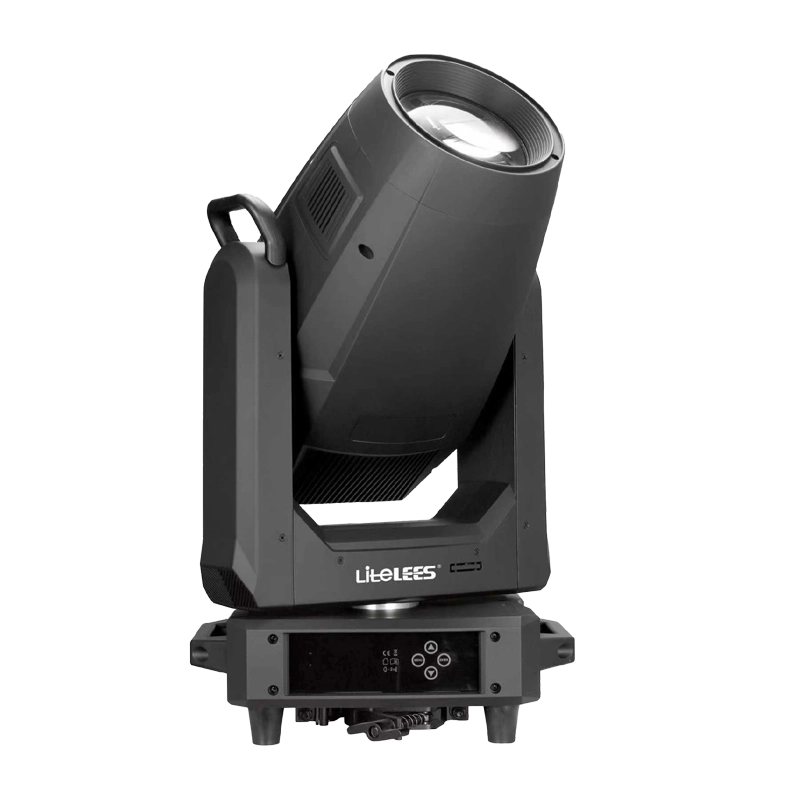
LP Profile 900
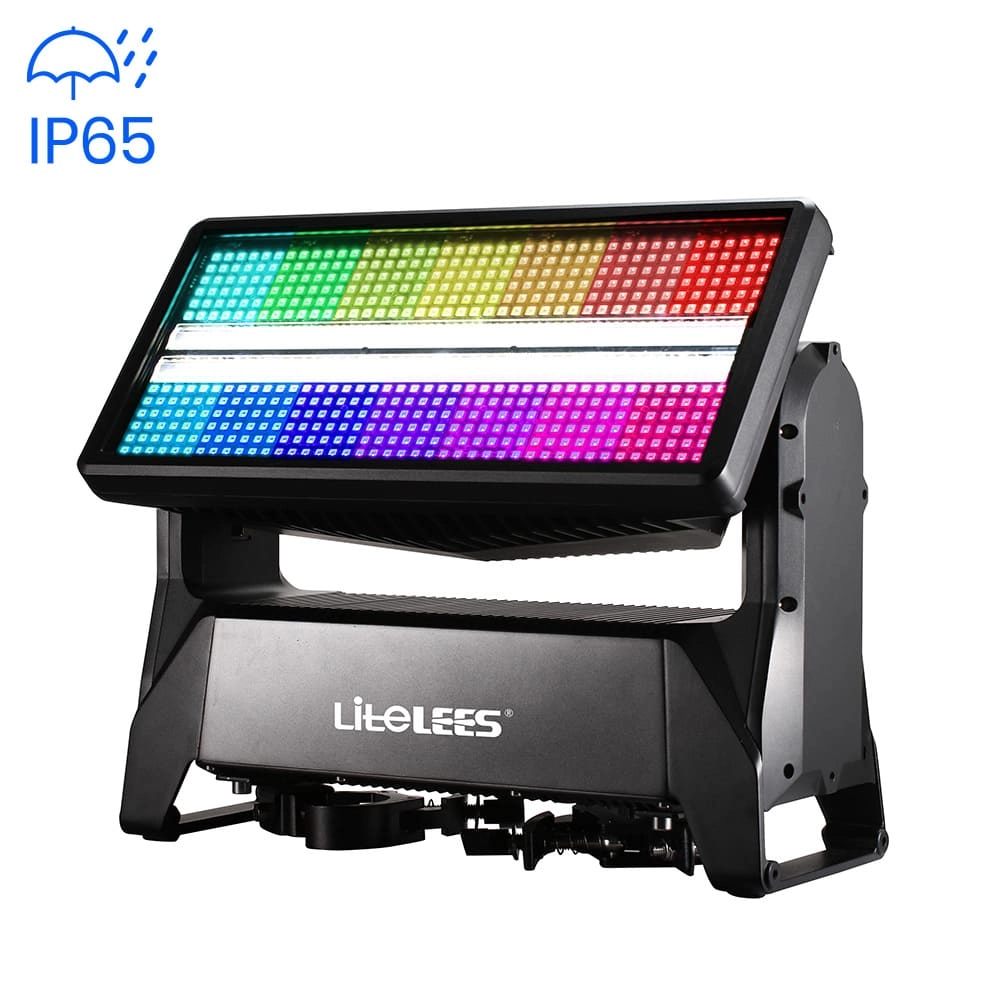
Stormy STRIKE M IP
Want to get more up-to-date information?
If you have any comments or good suggestions, please leave us a message; later our professional staff will contact you as soon as possible.

We are professional stage lighting manufacturers offering OEM and ODM LED stage lights.
Contact
Email us
Call us
Address
No.6 Longnan Road, Huashan Town, Huadu District Guangzhou, Guangdong Province, China.
LiteLEES Professional
Less Lighting