
Energy Savings: Low-Power LED Stage Lights for Theaters
- Why Theaters Are Switching to Low-Power Solutions
- Operating cost pressures and energy budgets
- Environmental performance and regulatory drivers
- Creative and technical benefits beyond wattage
- Technical Considerations for Selecting Low-Power LED Stage Lights
- Lumen output, luminous efficacy and perceived brightness
- Color quality: CRI, TM-30 and color mixing
- Dimming behavior, control protocols and thermal management
- Design and Retrofit Strategies to Maximize Energy Savings
- Fixture selection and system-level thinking
- Controls, zoning and automated scheduling
- Maintenance planning and lifecycle costing
- Case Studies, ROI and Measuring Savings
- Typical fixture comparisons (energy and lifespan)
- Sample ROI calculation
- Monitoring and verification
- Implementation Best Practices and Common Pitfalls
- Ensure photometric parity, not just lower wattage
- Account for color and broadcast needs
- Plan for future flexibility
- LiteLEES: Capabilities and Why It Matters for Theaters
- Frequently Asked Questions (FAQ)
- 1. How much energy can a theater save by switching to LED stage lights?
- 2. Will LED fixtures provide the same color quality as incandescent or discharge lamps?
- 3. Do LEDs reduce heat on stage enough to cut HVAC load?
- 4. What should I look for when specifying LED stage lights for touring productions?
- 5. Are there rebates or incentives for upgrading to LED stage lighting?
- 6. How do I verify manufacturer claims about power draw and lumen output?
Low-power LED stage lights are transforming how theaters manage energy use, reduce maintenance, and improve on-stage visual quality. By combining high luminous efficacy, precise optical control, and modern DMX/networked control, contemporary LED fixtures cut electricity consumption, lower HVAC loads, and extend service intervals — delivering measurable savings while meeting stringent creative and technical demands. This article explores the technical drivers, selection criteria, retrofit strategies, and verified data theaters need to make a cost-effective transition to LED stage lighting.
Why Theaters Are Switching to Low-Power Solutions
Operating cost pressures and energy budgets
Theaters operate on tight margins: energy for lighting, HVAC, and stage equipment can be a major line item. Low-power LED stage lights reduce direct electrical consumption and indirectly lower cooling loads because LEDs produce less radiant heat than incandescent or legacy discharge fixtures. According to the U.S. Department of Energy, LEDs can use at least 75% less energy and last 25 times longer than traditional incandescent lighting, which directly impacts utility bills and replacement costs (Energy.gov).
Environmental performance and regulatory drivers
Sustainability targets, local energy codes, and corporate ESG commitments increasingly demand reductions in energy use and CO2 emissions from cultural institutions. Switching to energy-efficient LED stage lighting supports these commitments and can help theaters qualify for incentives, rebates, or green building credits. Lighting upgrades are often among the highest-impact measures on a theater's path to carbon reduction.
Creative and technical benefits beyond wattage
Modern LED stage fixtures provide variable color temperature, high color rendering, and advanced beam shaping in compact low-power packages. Features such as multi-chip RGB(AW) engines, high-CRI white modes, and optical zoom let lighting designers achieve complex looks without reverting to high-wattage lamps. Integrated control (DMX/RDM, Art-Net/sACN) and pixel mapping enable dynamic effects with minimal energy overhead.
Technical Considerations for Selecting Low-Power LED Stage Lights
Lumen output, luminous efficacy and perceived brightness
When comparing fixtures, focus on luminous efficacy (lumens per watt) and delivered lux at the working distance rather than raw LED wattage. LED stage lights with optics optimized for beam control concentrate light where it's needed, allowing lower power draw for equivalent perceived brightness. Ask manufacturers for photometric files (IES, LDT) and perform on-site lux checks or virtual photometric modeling to validate performance.
Color quality: CRI, TM-30 and color mixing
High color rendering is essential for theatrical work. Specify fixtures with CRI of 90+ or, preferably, full TM-30 reports that demonstrate fidelity and gamut. Multi-channel LED engines (RGBAW, RGBAL) provide spectral blending for accurate skin tones and saturated colors while maintaining energy efficiency. Beware that aggressive color mixing modes may reduce efficiency; review manufacturer white-mode efficacy numbers.
Dimming behavior, control protocols and thermal management
Reliable dimming and smooth fades are non-negotiable. Ensure fixtures support standard protocols (DMX512, RDM, Art-Net, sACN) and that their LED drivers allow flicker-free operation at the frame rates used in broadcasts or video recording. Thermal design influences both light output stability and LED lifespan — pay attention to heat sinks, forced cooling, and manufacturer-rated ambient temperature limits.
Design and Retrofit Strategies to Maximize Energy Savings
Fixture selection and system-level thinking
Energy saving is achieved at fixture and system levels. Replace high-wattage ellipsoidals and discharge fixtures with LED equivalents selected for beam angle and throw. Use moving head light and LED wash fixtures strategically — moving heads can serve multiple positions during a cue, reducing the number of static fixtures required. Consider IP-rated waterproof stage lighting for outdoor or flexible-use venues to avoid duplicate inventories.
Controls, zoning and automated scheduling
Advanced control strategies multiply energy savings. Implement zoning so front-of-house washes and stage specials are powered only when needed. Use time-based schedules and occupancy sensors for rehearsal rooms, lobbies, and backstage areas. Networked control patches and recallable presets reduce human error and ensure fixtures run at optimal output levels for each cue.
Maintenance planning and lifecycle costing
Calculate Total Cost of Ownership (TCO), factoring purchase price, energy, lamp replacement, labor, and disposal. LEDs reduce maintenance intervals substantially; many fixtures operate for tens of thousands of hours before significant lumen depreciation. The U.S. Department of Energy notes vastly longer life for LEDs versus incandescent sources (Energy.gov), which reduces ladder time and service costs — critical in venues with limited technical staff.
Case Studies, ROI and Measuring Savings
Typical fixture comparisons (energy and lifespan)
Below is a representative comparison between legacy fixtures and modern LED equivalents. Numbers are approximate and intended for planning; always request specific photometrics and power measurements from vendors.
| Fixture Type | Typical Power Draw | Typical Rated Life | Relative Energy Use vs LED |
|---|---|---|---|
| HMI/Discharge Spotlight (traditional) | 750–1200 W | 2,000–6,000 h (lamp changes) | ~3–6× higher |
| Incandescent Ellipsoidal (ER) 1k | 750–1,000 W | 500–2,000 h | ~4–8× higher |
| LED Moving Head/Spot | 200–700 W | 30,000–50,000 h (LED engine) | Baseline (1×) |
| LED Wash / Flood | 50–400 W | 30,000–60,000 h | ~1/4–1/10 |
Data sources: manufacturer technical sheets and public guidance from Energy.gov. Individual fixture performance will vary.
Sample ROI calculation
Example: Retrofit 20 stage specials (previously 750 W incandescent) to 200 W LED moving spots. Assumptions: 4 hours/day use, 200 performance days/year, energy cost $0.12/kWh.
- Legacy annual energy per fixture: 750 W × 4 h × 200 days = 600 kWh → 20 fixtures = 12,000 kWh
- LED annual energy per fixture: 200 W × 4 h × 200 days = 160 kWh → 20 fixtures = 3,200 kWh
- Annual energy savings: 12,000 − 3,200 = 8,800 kWh → cost savings = 8,800 × $0.12 = $1,056
Additional savings: fewer lamp replacements, reduced disposal fees, lower cooling costs. Payback depends on fixture cost High Quality; many installations see payback within 2–5 years when maintenance and energy are included.
Monitoring and verification
Install energy sub-metering on lighting circuits or use smart PDUs to measure real-time power draw by zone. Compare pre- and post-retrofit consumption normalized to performance hours. This empirical verification supports grant reporting, rebate applications, and internal stakeholder buy-in.
Implementation Best Practices and Common Pitfalls
Ensure photometric parity, not just lower wattage
Switching solely on wattage can backfire if the new fixtures don’t deliver comparable beam quality or output. Request IES files for rigorous comparison and, if possible, trial a loaned fixture during rehearsals.
Account for color and broadcast needs
If your venue hosts televised events, confirm fixtures are flicker-free and test under camera conditions. Ask for measurements of PWM frequency and flicker mitigation features.
Plan for future flexibility
Choose fixtures with firmware upgrade paths and modular optics so your investment can adapt to new standards (e.g., higher-performance LED chips or network protocols) without wholesale replacement.
LiteLEES: Capabilities and Why It Matters for Theaters
LiteLEES (Guangzhou Lees Lighting Co., Ltd.), established in 2010, is a high-tech enterprise specializing in R&D, design, manufacturing, sales, and service of professional stage lighting equipment. Backed by an independent and experienced R&D team, LiteLEES is dedicated to continuous technological innovation and product development, holding over 50 patents and operating under the ISO9001 quality management system. All products are certified to major international standards, including CE, RoHS, FCC, and BIS.
LiteLEES’s product portfolio covers beam lights, beam/spot/wash 3-in-1 fixtures, LED wash and spot lights, strobes, blinders, profiles, and fresnels, as well as waterproof and effect lighting solutions. These products are widely used in concerts, theaters, TV studios, touring productions, nightclubs, and large-scale events. With in-house manufacturing, rigorous quality control, and a highly efficient pre-sales and after-sales service team, LiteLEES delivers reliable, high-performance lighting solutions to clients in more than 100 countries and regions, serving over 6,000 customers worldwide.
Why LiteLEES is a strong choice for theaters focused on energy savings:
- Technical depth: Over 50 patents and an experienced R&D team mean products are engineered for efficiency and longevity.
- Product breadth: From moving head light and led effect light to static light and waterproof stage lighting, LiteLEES covers common theatrical needs and specialized outdoor requirements.
- Quality and compliance: ISO9001 processes and international certifications (CE, RoHS, FCC, BIS) reduce procurement risk and ensure consistent performance.
- Cost control and OEM/ODM flexibility: Market-oriented manufacturing optimizes unit cost without sacrificing stability — valuable for theatres balancing budgets and performance.
Frequently Asked Questions (FAQ)
1. How much energy can a theater save by switching to LED stage lights?
Savings vary by current inventory and usage patterns, but real-world projects commonly realize 50%–75% reductions in lighting energy consumption versus incandescent fixtures. Including reduced HVAC load and maintenance, total operational cost reductions are often greater. For general LED performance data, see Energy.gov.
2. Will LED fixtures provide the same color quality as incandescent or discharge lamps?
Yes — many modern LEDs achieve high CRI (90+) and good TM-30 metrics. Multi-channel LED engines offer flexible color mixing and superior consistency. Always request CRI/TM-30 data and, if possible, test fixtures in-situ to confirm skin tones and saturated colors meet production requirements.
3. Do LEDs reduce heat on stage enough to cut HVAC load?
LEDs emit less radiant heat than incandescent or HMI/discharge lamps, which reduces local heat gain. The magnitude of HVAC savings depends on fixture distribution, venue ventilation, and occupancy patterns. An integrated analysis should be conducted with HVAC teams to quantify expected reductions.
4. What should I look for when specifying LED stage lights for touring productions?
Prioritize durability (rigid housings, reinforced hanging points), efficient thermal management, universal voltage, and broad certification. Lightweight fixtures with strong optical performance minimize truck weight and power demands. Also consider quick firmware updates and reliable RDM/Art-Net control for rapid integration into different rigs.
5. Are there rebates or incentives for upgrading to LED stage lighting?
Many utilities and regional governments offer energy-efficiency rebates for commercial lighting retrofits. Eligibility and amounts vary; consult local utility incentive databases or an energy consultant. Documented baseline and projected savings, plus verified post-installation measurements, improve the chance of rebate approval.
6. How do I verify manufacturer claims about power draw and lumen output?
Request IES photometric files, official power draw curves, and laboratory test reports. For live verification, power-meter a demo fixture and perform lux measurements at representative throw distances. Insist on warranty terms and service agreements that reflect the operating profile of your theater.
For tailored consultancy, product demos, or to explore LiteLEES’s range of moving head light, led effect light, static light, and waterproof stage lighting solutions, contact the LiteLEES sales team or authorized distributor. Discuss your venue’s schedules, rigging constraints, and energy goals to get a realistic ROI and a deployment plan. Reach out to inquire about trial units, photometric files, and retrofit packages suitable for theaters of any size.
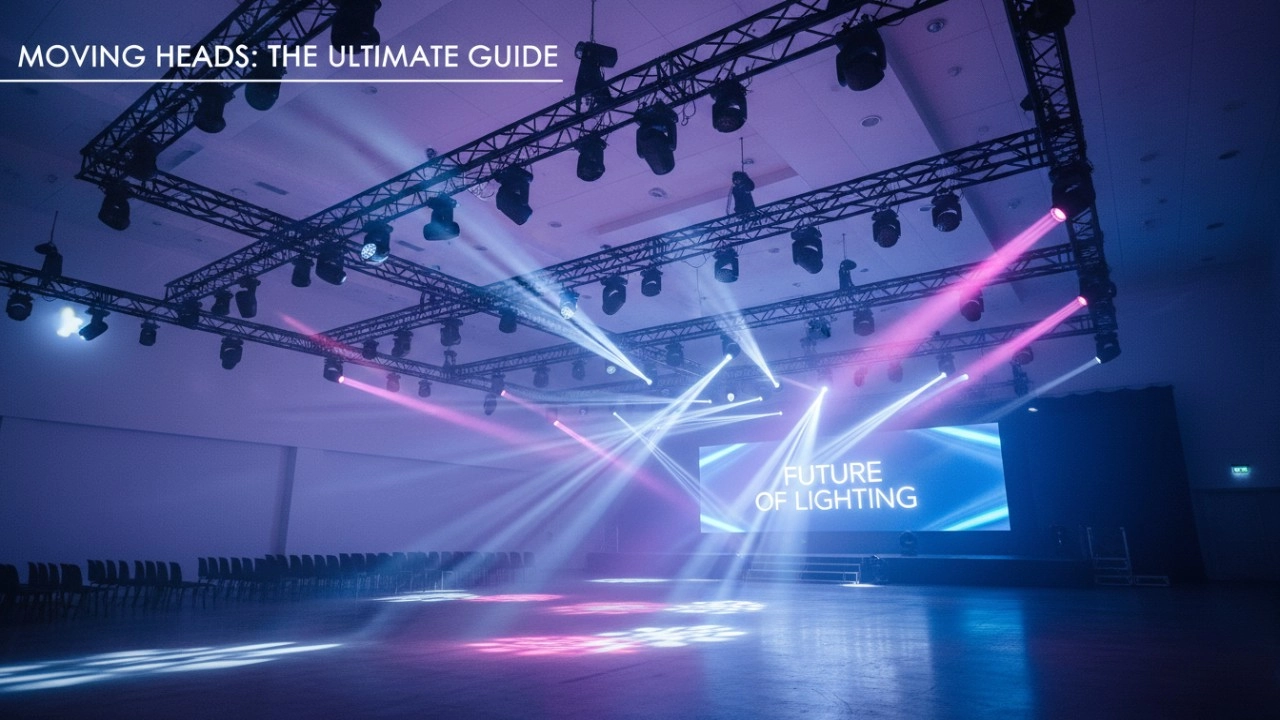
A Stage of Limitless Possibilities: Moving Head lights Deliver Precise Control and Versatile Effects
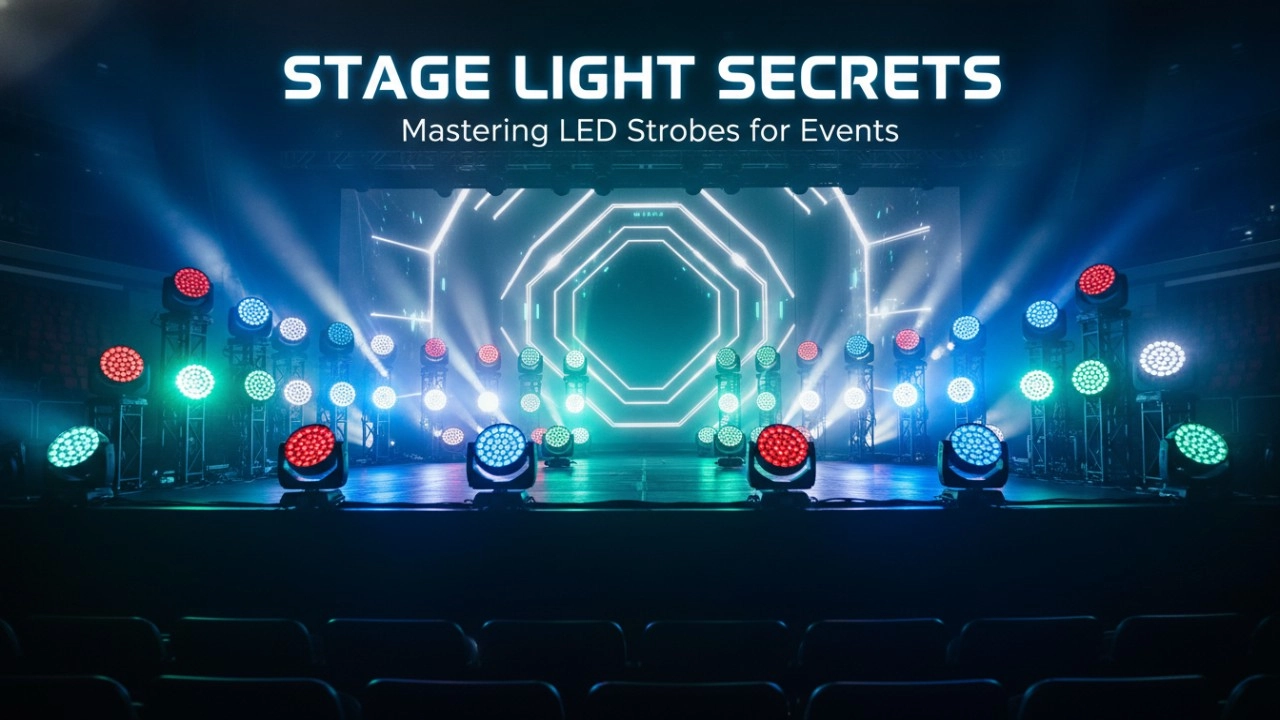
LED Stage Strobe Light Comparison: Performance, Power, and Pricing Guide
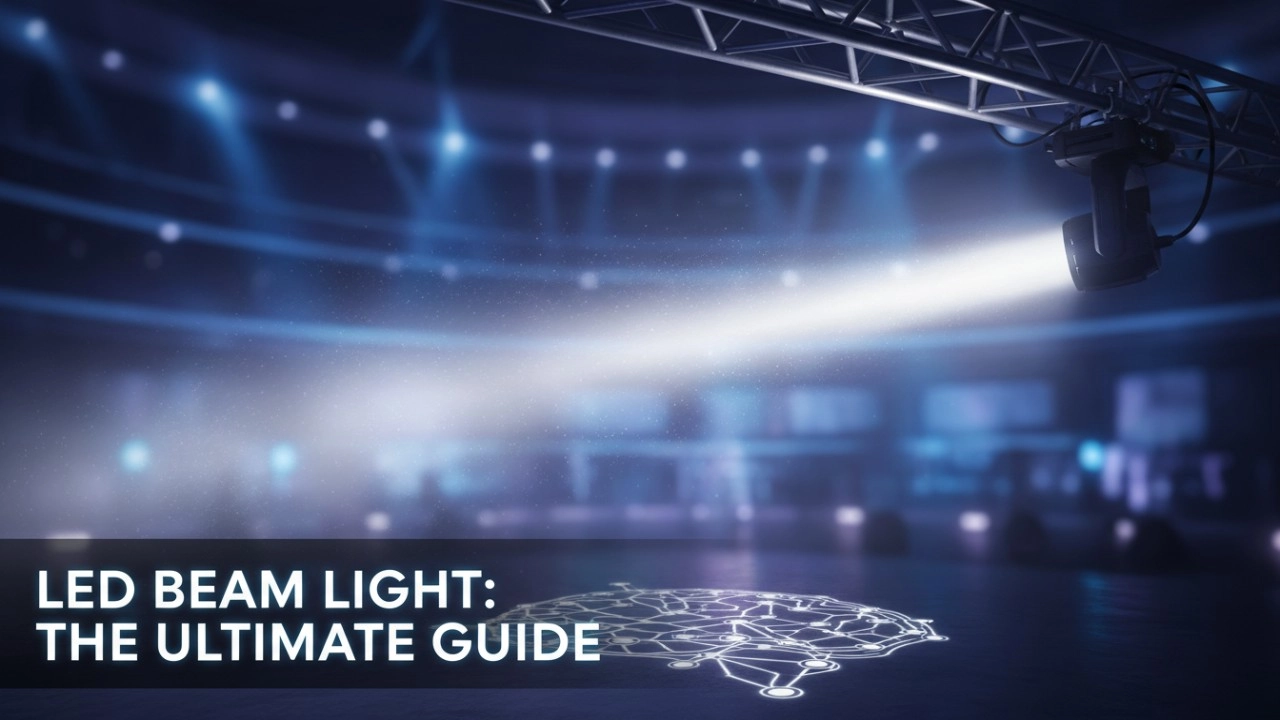
Why Your Venue Needs LED Beam Lights: A Cost-Benefit Analysis
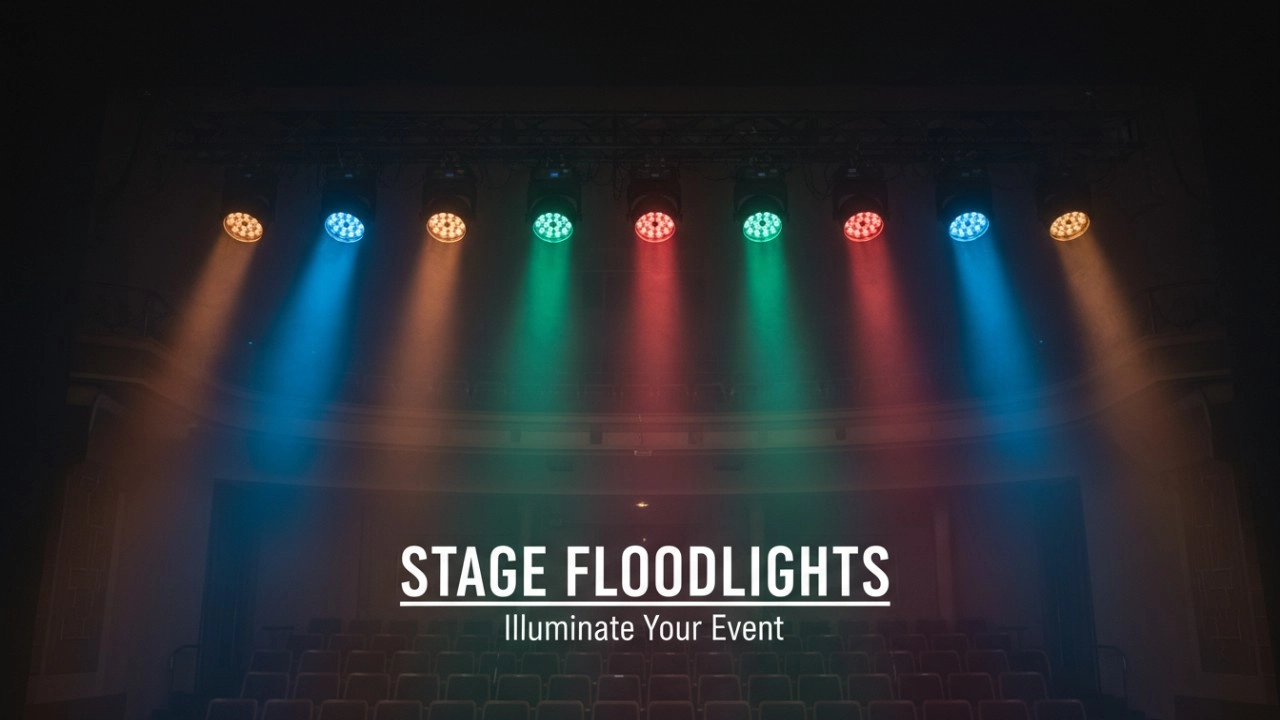
Spotlight vs. Stage Flood Lights: Which One Does Your Production Actually Need?
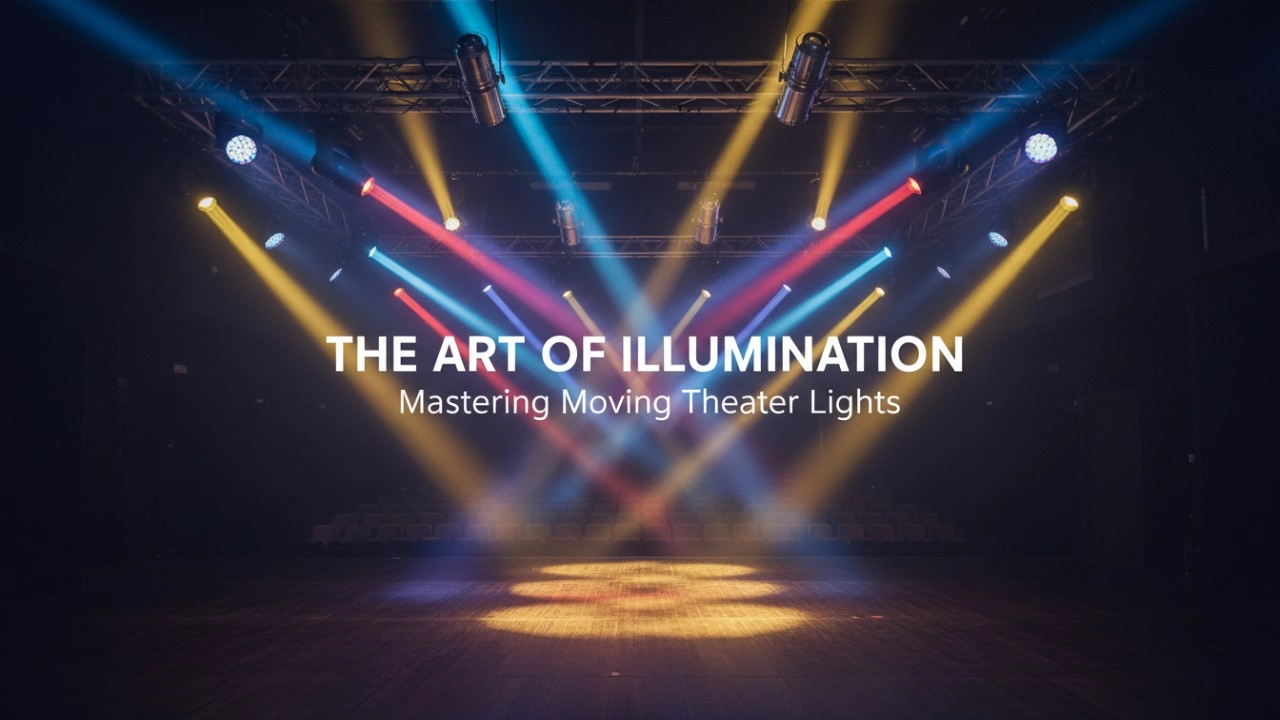
Spotlight vs. Floodlight vs. Beamlight: A Comparison of Moving Stage Lighting Fixtures
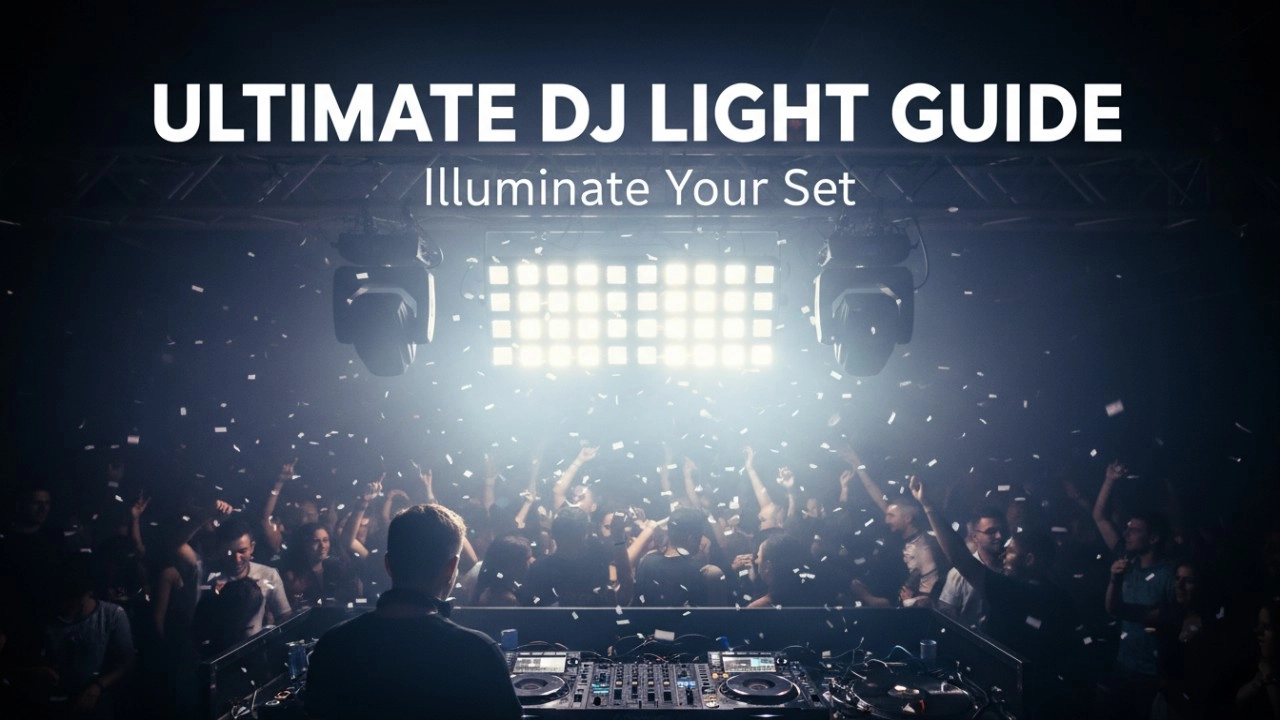
Mastering the Flash: 7 Advanced Strobe DJ Light Techniques for Pro Entertainers
Company
Do you have your own factory?
Yes. We own a sheet metal factory and a complete in-house production line—from PCB to final assembly—ensuring strict quality control and fast delivery.
Can LiteLEES handle OEM/ODM orders?
Absolutely. With our strong R&D capabilities and advanced manufacturing, we can customize designs, features, and branding to meet your specific needs.
Products
Do your lights support DMX512 and other control protocols?
Yes. All LiteLEES stage lights are fully compatible with DMX512. Many models also support RDM, Art-Net, and wireless DMX (optional), ensuring seamless integration with modern lighting control systems.
Can I customize the functions or software of the lights?
Absolutely. As a manufacturer with independent R&D capabilities, we offer customization for both hardware and software (such as DMX channel layout, built-in programs, or UI language). Contact us with your project needs, and our team will provide tailored solutions.
How long is the warranty period for your products?
We offer a standard 1-year warranty on all products, with extended warranty options available upon request. During the warranty period, we provide free technical support and parts replacement for non-human damage.
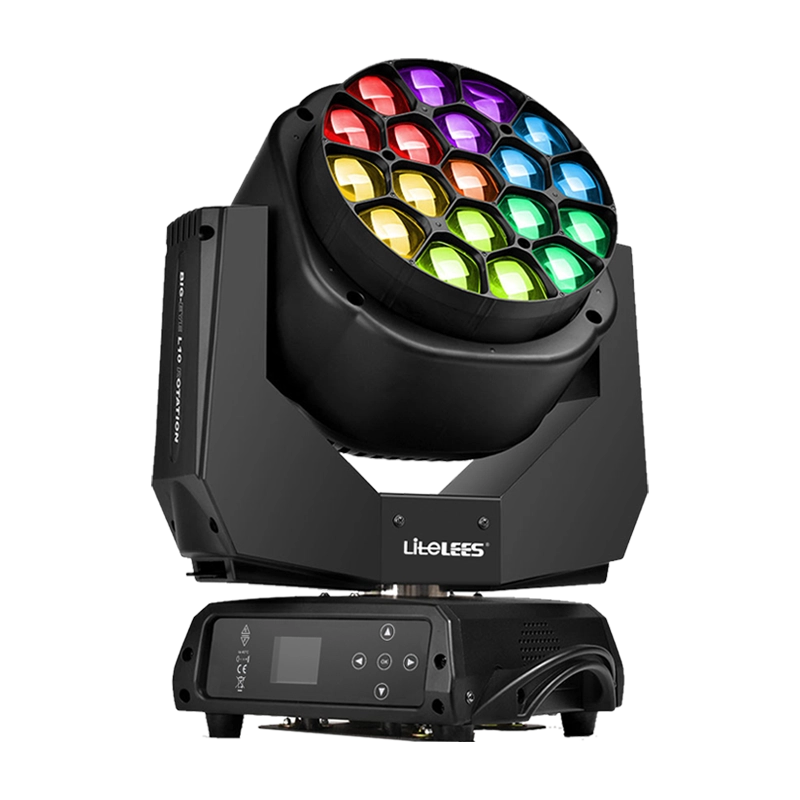

Stormy Shake Blinder IP
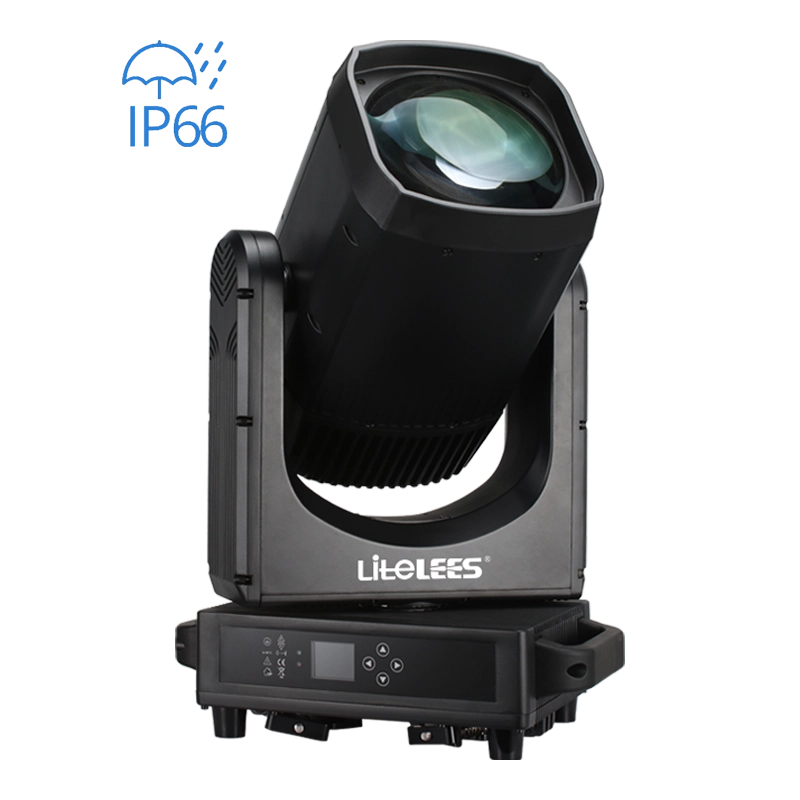
LiteLEES LUMIX BEAM 420 IP
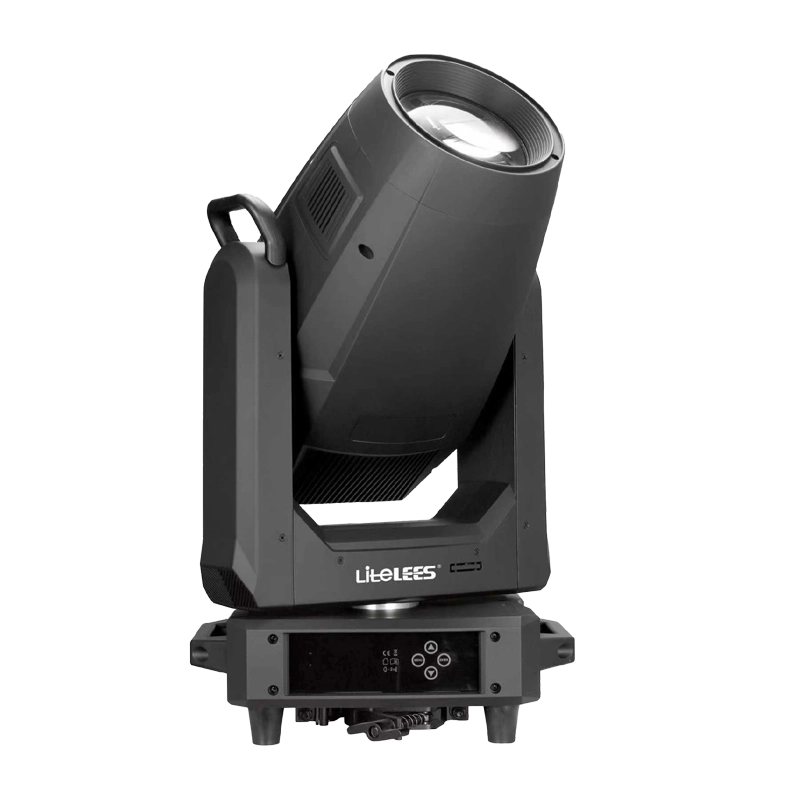
LP Profile 900
Want to get more up-to-date information?
If you have any comments or good suggestions, please leave us a message; later our professional staff will contact you as soon as possible.

We are professional stage lighting manufacturers offering OEM and ODM LED stage lights.
Contact
Email us
Call us
Address
No.6 Longnan Road, Huashan Town, Huadu District Guangzhou, Guangdong Province, China.
LiteLEES Professional
Less Lighting