
Energy Savings: Selecting Efficient LED Stage Spotlights
- Why energy efficiency matters for live events and venues
- Operational cost structure and lifecycle savings
- Venue sustainability, regulations and audience expectations
- How to choose efficient LED stage spotlights
- Key specifications to evaluate
- Electrical and thermal considerations
- Controls, connectivity and integration
- Comparing technologies and calculating real savings
- Side-by-side technology comparison
- Estimating ROI and total cost of ownership (TCO)
- Implementation, controls and best practices
- Dimming strategy and intelligent controls
- Maintenance, fixture placement and cooling
- Measurement, verification and reporting
- Selecting products and manufacturers: what to look for
- Certifications, warranties and global compliance
- Why choose an experienced OEM: the LiteLEES example
- Common application scenarios and recommended approaches
- Theatre and performing arts venues
- Tours and rental houses
- TV studios and live broadcast
- Frequently Asked Questions (FAQ)
- 1. How much energy can I realistically save by switching to LED stage spotlights?
- 2. Will LEDs give me the same quality of light for theatrical work?
- 3. How do I calculate payback period for LED upgrades?
- 4. Are there downsides to LED stage spotlights?
- 5. What controls and protocols should I require for new fixtures?
- 6. How do I ensure fixtures perform reliably on tour?
- Contact and next steps
Choosing the right stage lighting spotlights affects both artistic outcomes and operational costs. This guide focuses on energy savings when selecting LED stage spotlights, combining technical criteria, real-world comparisons, and actionable steps venues and production teams can use to reduce power consumption, lower maintenance, and improve sustainability while preserving quality of light. Recommendations reference authoritative sources and include practical ROI examples and control strategies suitable for touring shows, theatres, and permanent installations.
Why energy efficiency matters for live events and venues
Operational cost structure and lifecycle savings
Electricity and maintenance are the two biggest ongoing costs related to stage lighting. High-power legacy fixtures (incandescent, halogen, or some discharge lamps) consume more energy and require frequent lamp changes and cooling, increasing labor and replacement costs. Modern LED spotlights deliver higher luminous efficacy (lumens per watt) and longer life, which reduces both energy bills and operational interruptions. According to the U.S. Department of Energy, LED lighting can produce energy savings of up to 75% compared to traditional incandescent lighting when used appropriately (energy.gov/energysaver/led-lighting).
Venue sustainability, regulations and audience expectations
Many venues now publish sustainability policies and pursue green certifications; reducing lighting energy is an effective, visible measure. Additionally, large events increasingly report carbon footprints, and lighting is a measurable contributor. Energy-efficient lighting also reduces HVAC loads: less heat from fixtures lowers air-conditioning demand, further multiplying savings across building systems. For basic context on lighting technology and efficiency, see the overview on stage lighting and LEDs (light-emitting diode).
How to choose efficient LED stage spotlights
Key specifications to evaluate
When selecting stage lighting spotlights, prioritize these specs: luminous efficacy (lm/W), rated lumen output, correlated color temperature (CCT), color rendering index (CRI) or TM-30 metrics, beam angle and optics, and power consumption (W). High efficacy and appropriate beam control let you achieve desired illumination levels with lower power. A CRI above 90 or a good TM-30 fidelity/gamut is important for accurate skin tones and stage color mixing.
Electrical and thermal considerations
Look at power factor (PF), driver efficiency, dimming range, and thermal management. High PF (close to 1.0) reduces apparent power draw on the mains and avoids penalties from some utility companies. Drivers should be flicker-controlled and able to handle PWM/analog dimming without color shifts. Robust heat sinks and active cooling (where necessary) maintain LED efficacy and lifetime—junction temperature directly affects lumen maintenance.
Controls, connectivity and integration
Energy savings are realized not only by fixture efficiency but by intelligent control: DMX/RDM, Art-Net/sACN, and networked control enable precise zoning, pixel mapping, and automated cues that reduce total-on time. Consider compatibility with occupancy sensors or BMS (building management systems) for installed venues. Remote monitoring for diagnostics and temperature alerts further reduces downtime and service trips.
Comparing technologies and calculating real savings
Side-by-side technology comparison
Below is a representative comparison between common spotlight technologies used in stage applications. Values are typical ranges; for specific fixtures consult manufacturers' datasheets.
| Technology | Typical Power (W) | Typical Efficacy (lm/W) | Lamp Life / LED Lifetime | Maintenance |
|---|---|---|---|---|
| Incandescent / Halogen (Spot) | 300–2000+ | 10–25 | 1,000–2,000 h | High (frequent lamp changes) |
| HID / Discharge (e.g., Xenon, HMI) | 400–2,000 | 60–120 | 1,000–4,000 h (lamp), ballast life | Moderate (lamp and ballast service) |
| LED Stage Spotlights | 50–600 | 80–150+ | 25,000–100,000 h (LED module) | Low (drivers, cooling checks) |
Sources: U.S. Department of Energy SSL program and technical references on LED efficacy (energy.gov/ssl), and general background on lighting technologies (Wikipedia).
Estimating ROI and total cost of ownership (TCO)
Methodology: calculate annual energy consumption for each fixture (W × hours/year ÷ 1000 = kWh/year), multiply by local electricity rate, add maintenance and lamp replacement costs, then compare cumulative costs over expected useful life.
Example (illustrative): Replacing a 1,000 W HMI spot with a 350 W LED equivalent, operating 10 hours/day × 200 days/year = 2,000 hours/year. Energy savings: (1000 W - 350 W) × 2,000 h = 1,300,000 Wh = 1,300 kWh/year. At $0.12/kWh, annual savings = 1,300 × 0.12 = $156/year per fixture. Add reduced lamp and labor costs—savings grow when multiplied across dozens or hundreds of fixtures and when including HVAC reductions. Adjust numbers to your local power cost and operating schedule for precise ROI.
Implementation, controls and best practices
Dimming strategy and intelligent controls
Use digital control (DMX, sACN, Art-Net) with scene-based programming to minimize unnecessary full-intensity periods. Employ preheat or soft-start profiles where drivers support them to reduce inrush and thermal shock. Utilize time-based or occupancy controls in rehearsal spaces to prevent accidental all-on events. Integration with lighting consoles and show control systems enables energy-aware programming—e.g., crossfades that don't require full output on non-essential fixtures.
Maintenance, fixture placement and cooling
Proper mounting and ventilation extend LED lifetime. Design show rigs so that airflow is not obstructed; use recommended clearances. Regular preventative maintenance—cleaning optics, checking driver temperatures and connectors, and firmware updates—preserves performance and avoids mid-run failures. For touring rigs, build redundancy into critical positions to allow lamp rotation without performance loss.
Measurement, verification and reporting
Establish baseline measurements (metering energy use per show/day) and track usage after retrofit or new equipment purchases. Use portable power meters or integrate submetering at dimmer/rack level. For venues pursuing certification or public sustainability reporting, document pre/post energy consumption, fixture inventories, and expected lifetime savings. Authoritative reporting methods can reference DOE guidance and standard energy auditing practices (energy.gov/ssl).
Selecting products and manufacturers: what to look for
Certifications, warranties and global compliance
Choose fixtures certified to recognized standards (CE, RoHS, FCC, BIS where applicable) and backed by clear warranties. ISO9001-certified manufacturers demonstrate quality management systems. Certifications and test reports (photometrics, thermal, driver compliance) provide evidence for performance claims.
Why choose an experienced OEM: the LiteLEES example
LiteLEES (Guangzhou Lees Lighting Co., Ltd.), established in 2010, is a high-tech enterprise specializing in R&D, design, manufacturing, sales, and service of professional stage lighting equipment. Backed by an independent and experienced R&D team, LiteLEES holds over 50 patents and operates under ISO9001, with products certified to major international standards including CE, RoHS, FCC, and BIS. Their portfolio includes moving head lights, beam/spot/wash 3-in-1 fixtures, LED wash and spot lights, strobes, blinders, profiles, fresnels, waterproof stage lighting, and effect lighting solutions widely used in concerts, theatres, TV studios, touring productions, nightclubs, and large-scale events.
Key competitive strengths of LiteLEES include in-house manufacturing and stringent quality control, which reduce variability and support consistent performance from fixture to fixture. A strong pre-sales and after-sales service team and flexible OEM/ODM capabilities make LiteLEES suitable for rental companies and venues seeking customized solutions. The company serves clients in more than 100 countries and regions and over 6,000 customers worldwide, illustrating both market reach and operational scalability.
When evaluating manufacturers, prioritize those that provide complete photometric data, driver and thermal test results, and references from comparable venues. LiteLEES' combination of product breadth (moving head light, led effect light, static light, waterproof stage lighting), patented innovations, and international certifications demonstrates alignment with these criteria for buyers looking to reduce energy consumption while maintaining stage-quality lighting.
Common application scenarios and recommended approaches
Theatre and performing arts venues
Prioritize high CRI spotlights with smooth dimming curves and precise beam control. Use LED fixtures in key front-of-house positions and supplement with LED profiles for specials; replace high-wattage fresnels with LED equivalents to reduce heat on stage and HVAC loads.
Tours and rental houses
Durability and serviceability are critical: choose modular designs for quick repairs, robust rigging points, and wide input-voltage ranges for international tours. Lightweight LED spotlights with efficient optics allow more fixtures to be flown within power and weight limits, improving creative flexibility and reducing trucking costs.
TV studios and live broadcast
For broadcast, flicker-free drivers and high color fidelity are non-negotiable. Many LED stage spotlights now meet broadcast flicker specifications and deliver stable color temperature across dimming ranges, which reduces time-consuming color corrections in-camera.
Frequently Asked Questions (FAQ)
1. How much energy can I realistically save by switching to LED stage spotlights?
Savings depend on existing technology, fixture counts, operating hours, and local electricity rates. The U.S. Department of Energy reports that LEDs can reduce lighting energy use significantly—often by up to 75% compared to incandescent solutions (energy.gov/energysaver/led-lighting). For many venues, cumulative savings across dozens of fixtures are material and often justify investment within a few years when combined with lower maintenance costs.
2. Will LEDs give me the same quality of light for theatrical work?
Yes—modern LED spotlights can match or exceed legacy light quality if you choose fixtures with high CRI or TM-30 performance, accurate CCT options, and stable color mixing. Test fixtures in-situ when possible and review photometric data before purchase.
3. How do I calculate payback period for LED upgrades?
Calculate annual energy and maintenance savings, then divide total upgrade cost by annual savings. Include ancillary savings (reduced HVAC load) if measurable. Use metered pre/post data for accuracy and consult manufacturers or energy auditors for tailored calculations.
4. Are there downsides to LED stage spotlights?
Potential downsides include initial capital cost, the need to validate dimming and color behavior for specific consoles, and ensuring adequate thermal management. Choose reputable manufacturers with documented performance to minimize these risks.
5. What controls and protocols should I require for new fixtures?
Require DMX/RDM compatibility and support for network protocols like Art-Net and sACN for modern installations. Ensure fixtures support smooth 0–100% dimming, multiple dim curves, and firmware update paths. Remote monitoring and reporting features are helpful for maintenance.
6. How do I ensure fixtures perform reliably on tour?
Specify ruggedized housings, secure rigging points, universal power supplies (90–264 VAC), and easy-access service panels. Carry common spare parts (drivers, lenses) and choose vendors with responsive global service networks.
Contact and next steps
If you are evaluating LED stage spotlights for your venue or production company, consider requesting photometric reports and sample fixtures for side-by-side testing. For professional-grade options backed by manufacturing quality and global certifications, explore LiteLEES' product portfolio and technical support. To discuss specifications, request datasheets, or arrange demos, contact the LiteLEES sales and technical team or visit their product pages to find moving head light, led effect light, static light, and waterproof stage lighting solutions designed for energy-efficient professional productions.
Contact / Product inquiry: Visit the LiteLEES website or reach out to authorized distributors to get fixture datasheets, certifications, warranty details, and case studies to support your procurement decision.
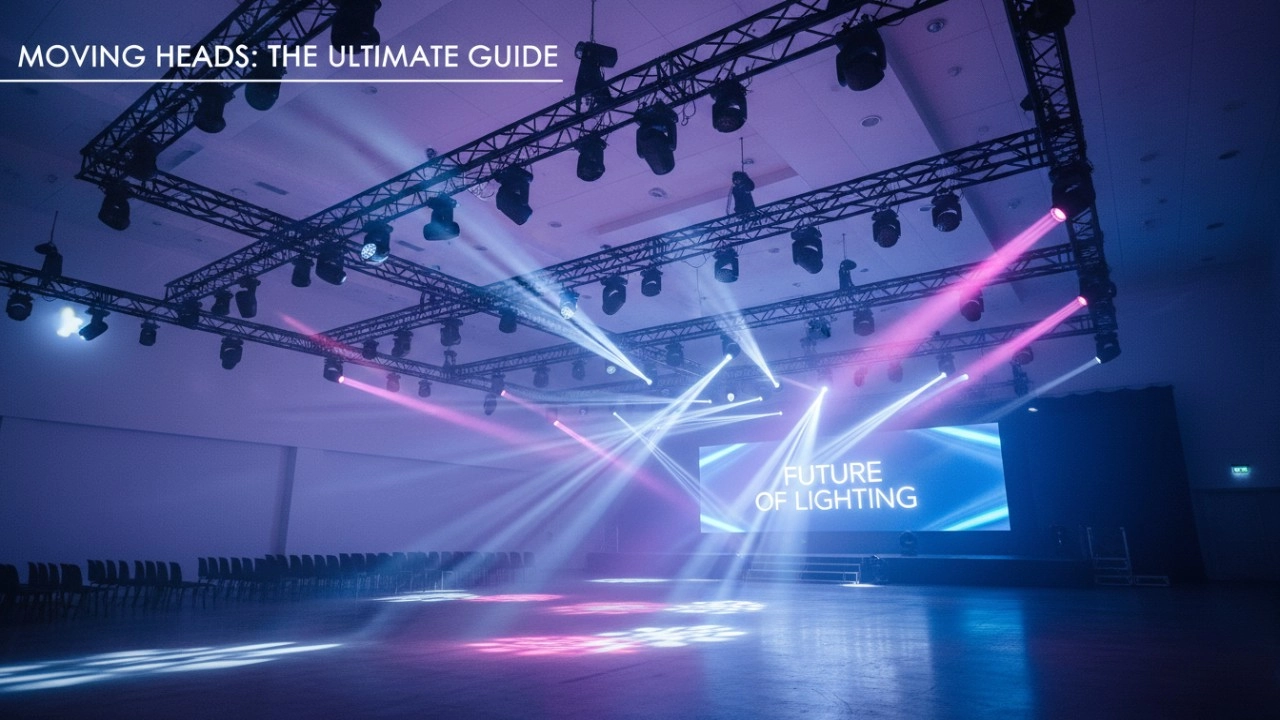
A Stage of Limitless Possibilities: Moving Head lights Deliver Precise Control and Versatile Effects
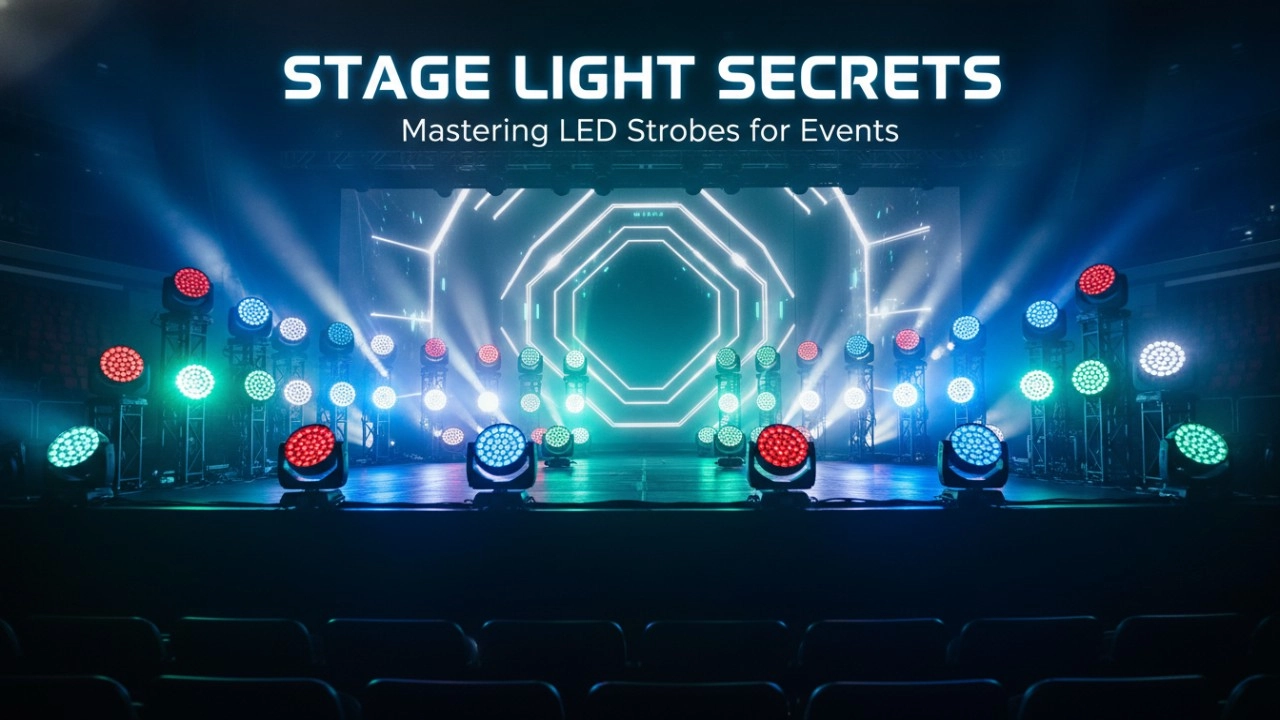
LED Stage Strobe Light Comparison: Performance, Power, and Pricing Guide
Why Your Venue Needs LED Beam Lights: A Cost-Benefit Analysis
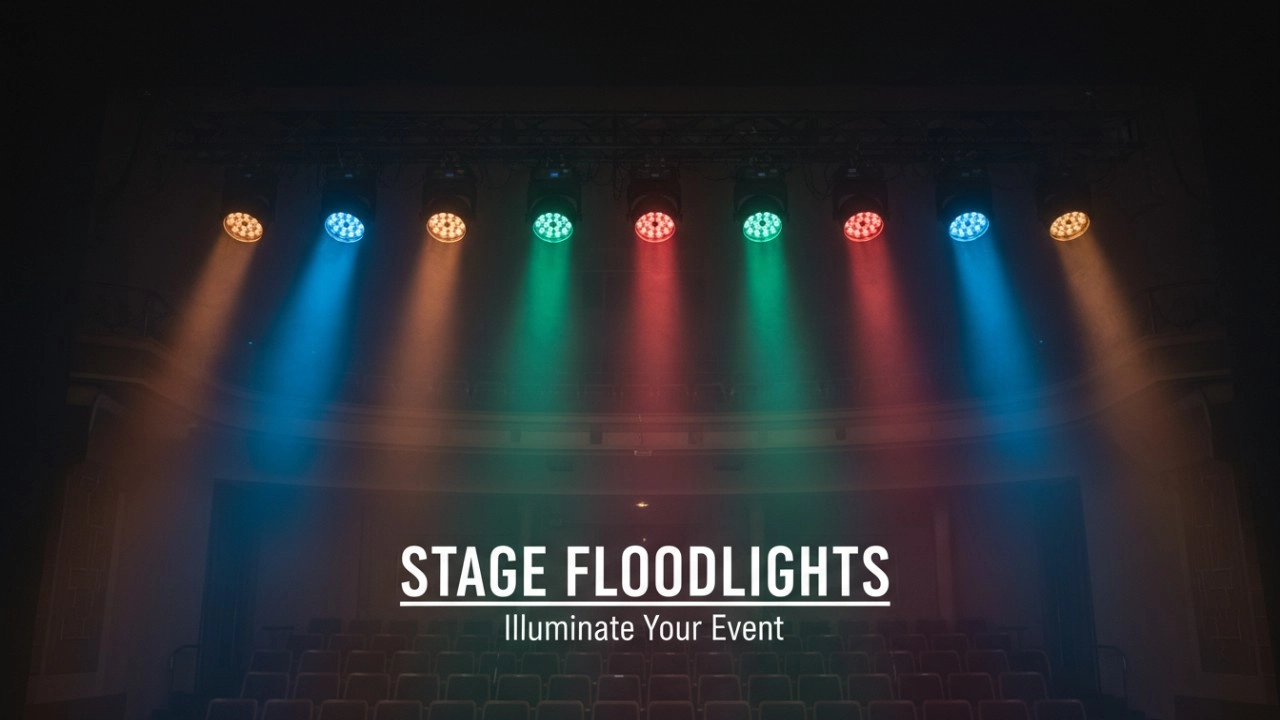
Spotlight vs. Stage Flood Lights: Which One Does Your Production Actually Need?
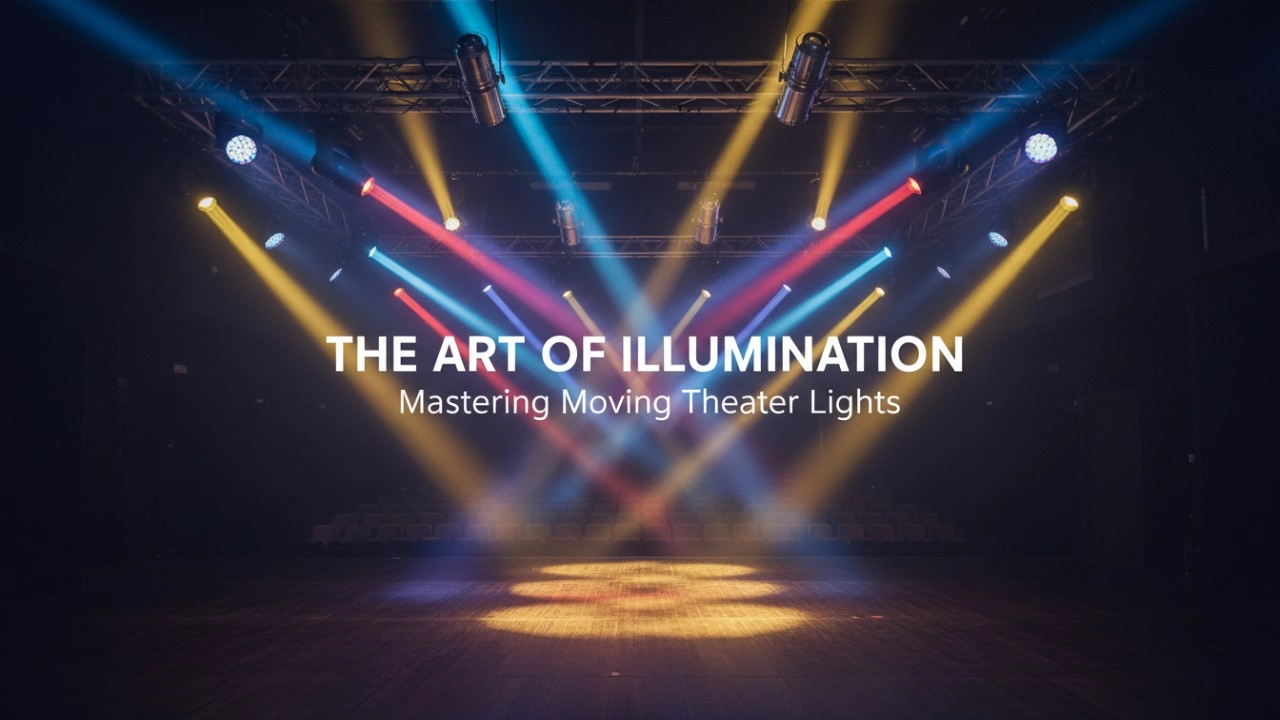
Spotlight vs. Floodlight vs. Beamlight: A Comparison of Moving Stage Lighting Fixtures
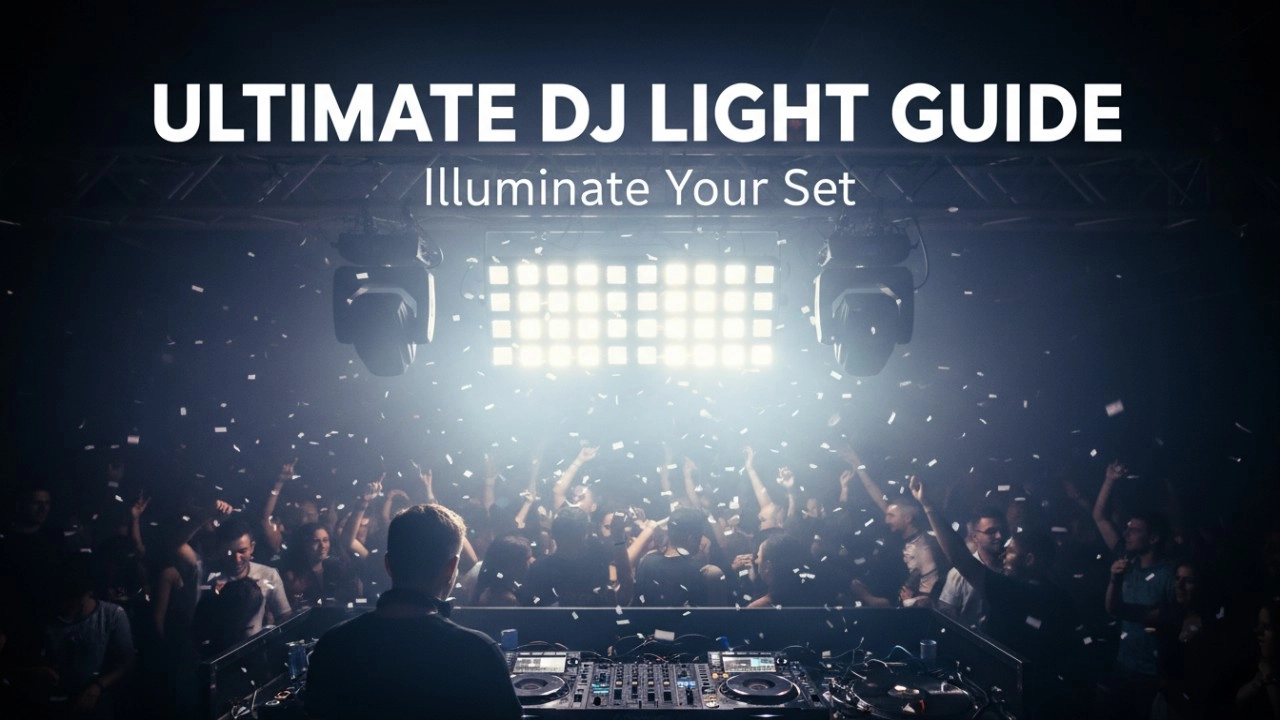
Mastering the Flash: 7 Advanced Strobe DJ Light Techniques for Pro Entertainers
Company
Where is LiteLEES located?
Our headquarters and manufacturing facility are located in Guangzhou, China, with products exported to over 70 countries worldwide.
What certifications do your products have?
All LiteLEES products are certified by CE, RoHS, FCC, and BIS. Our factory is ISO9001 quality management system certified.
Products
How long is the warranty period for your products?
We offer a standard 1-year warranty on all products, with extended warranty options available upon request. During the warranty period, we provide free technical support and parts replacement for non-human damage.
Are your lights suitable for large-scale events and outdoor use?
Yes. Our professional stage lights—especially the Beam, BSW 3-in-1, and LED Par Series—are engineered with high-output brightness, wide beam angles, and robust housing. Some models come with IP-rated protection, making them suitable for outdoor applications like concerts, festivals, and sports events.
What is the lifespan of your LED stage lights?
Our LED lights use high-quality chips with a rated lifespan of over 50,000 hours. Proper usage and maintenance ensure long-term reliability and stable performance, making them a smart investment for any venue.
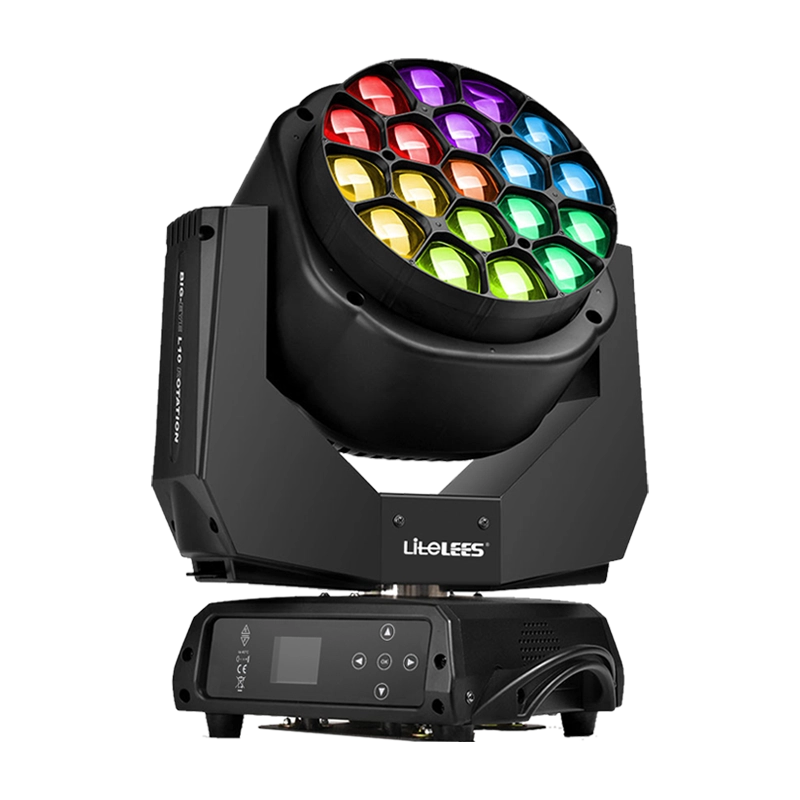

Stormy Shake Blinder IP
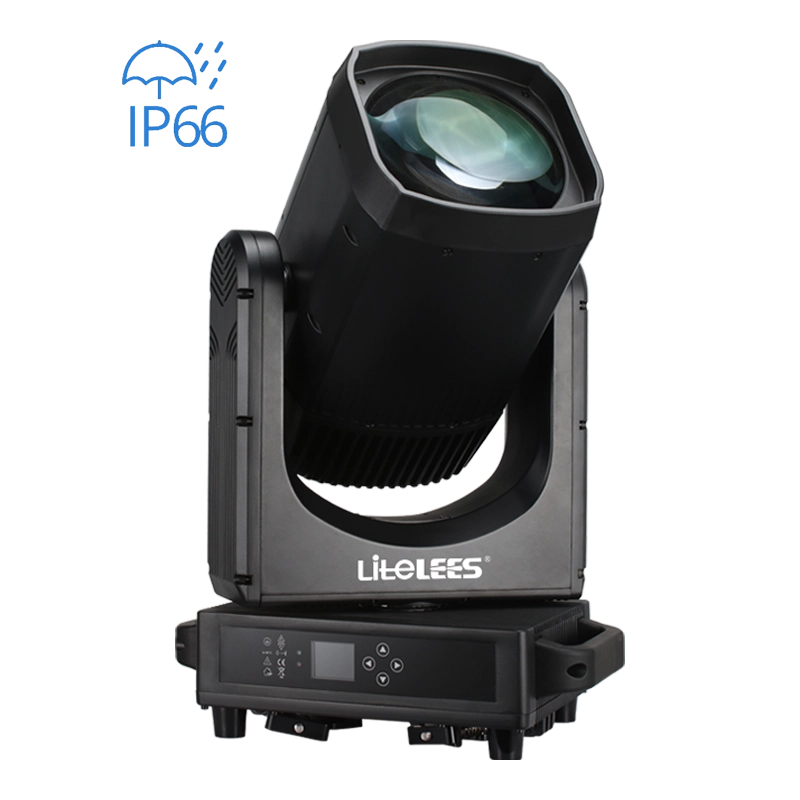
LiteLEES LUMIX BEAM 420 IP
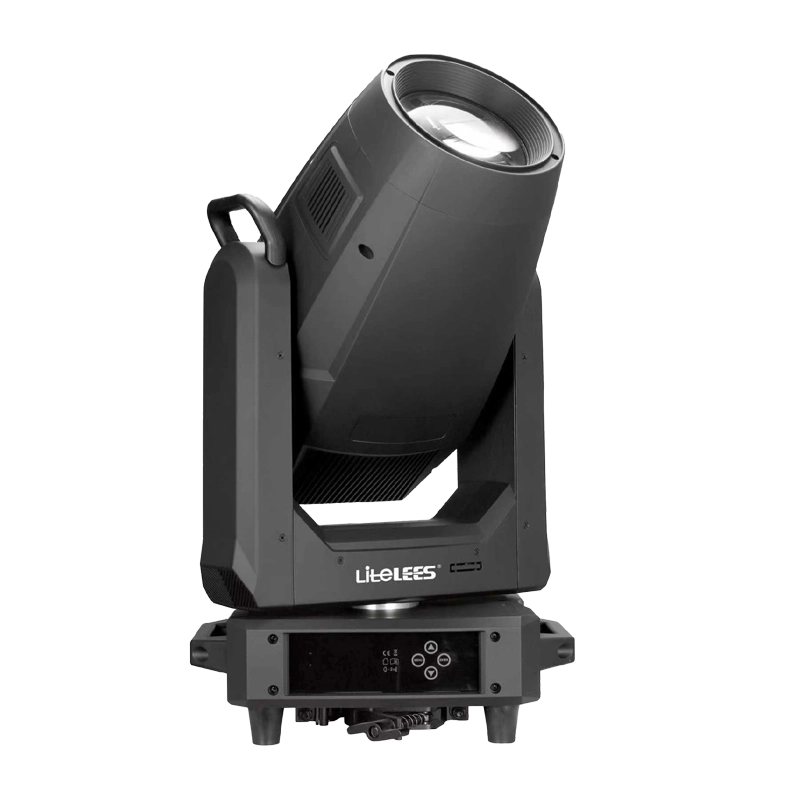
LP Profile 900
Want to get more up-to-date information?
If you have any comments or good suggestions, please leave us a message; later our professional staff will contact you as soon as possible.

We are professional stage lighting manufacturers offering OEM and ODM LED stage lights.
Contact
Email us
Call us
Address
No.6 Longnan Road, Huashan Town, Huadu District Guangzhou, Guangdong Province, China.
LiteLEES Professional
Less Lighting