
Energy-Saving LED Stage Flood Lights: Specs and Cost Savings
- Why energy efficiency matters for live events and venues
- Operational cost is the largest recurring line item
- Heat, HVAC load and equipment longevity
- Regulatory and sustainability drivers
- Key specifications to evaluate LED stage flood lights
- Lumen output and efficacy (lm/W)
- Color quality: CCT and CRI/CRI 2017
- Optics, beam spread and flicker
- Calculating cost savings and ROI
- Example comparison: conventional vs LED flood
- Payback and lifecycle cost
- Sensitivity and local variables
- Practical selection checklist and installation considerations
- IP rating and environment (indoor/outdoor touring)
- Control compatibility and dimming
- Build quality and warranty
- Why supplier choice matters — LiteLEES as a proven partner
- LiteLEES capability and credentials
- Product portfolio aligned to real-world needs
- Manufacturing control, service and global reach
- Practical deployment tips from field experience
- Test with photometrics and in-situ trials
- Plan spare parts and preventive maintenance
- Document total cost and environmental impact
- FAQ — Common questions about LED stage flood lights
- Q: How much energy can I realistically save by switching to LED stage floods?
- Q: Will LEDs give me the same brightness and look as my old floods?
- Q: How long do professional LED floods last before replacement?
- Q: Do LED floods cause flicker on camera?
- Q: What IP rating do I need for outdoor concerts?
- Q: Are there rebates or incentives for upgrading to LED stage lighting?
I often get asked by venue managers, lighting designers and tour production buyers how to quantify the savings and performance trade-offs when replacing traditional flood fixtures with LED stage flood lights. In this article I summarize practical, verifiable guidance for selecting energy-efficient LED flood fixtures, show realistic cost and lifecycle calculations, compare common technologies, and explain why specifying the right specs (lumens, efficacy, color rendering, IP rating, control compatibility) matters for both artistic result and total cost of ownership. Where possible I reference authoritative sources to support energy and lifetime claims and show an example ROI calculation you can adapt to your site or production.
Why energy efficiency matters for live events and venues
Operational cost is the largest recurring line item
As someone who has audited venue infrastructure, I can tell you that energy and maintenance together typically form the biggest ongoing cost associated with stage lighting. Switching to LED stage flood lights reduces wattage and extends lamp life, which lowers electricity bills and service interruptions. The U.S. Department of Energy documents that LEDs can use 50%–75% less energy than conventional lighting while delivering comparable or better light output (DOE: LED lighting).
Heat, HVAC load and equipment longevity
LEDs generate substantially less radiant heat than metal halide or tungsten floods. Lower heat output reduces HVAC load during events and decreases stress on truss, cabling and dimming electronics. This indirectly lengthens the life of other equipment and reduces cooling energy—another less-visible but verifiable saving.
Regulatory and sustainability drivers
Many municipalities and clients now require energy-efficient fixtures to meet sustainability targets. Understanding metrics like efficacy (lumens per watt), color fidelity and IP ratings helps you specify fixtures that comply with building codes and event certification requirements. For context about industry standards and quality systems, see ISO 9001 on quality management (ISO: ISO 9001).
Key specifications to evaluate LED stage flood lights
Lumen output and efficacy (lm/W)
When comparing a legacy flood to an LED, match delivered lumens (not just wattage). Efficacy (lm/W) shows how efficiently a lamp converts electricity to light. Modern professional LED flood fixtures commonly achieve 100–180 lm/W depending on optics and driver design. For baseline technical context about LEDs, see the technology overview on Wikipedia (LED - Wikipedia).
Color quality: CCT and CRI/CRI 2017
Color temperature (CCT) affects mood; stage floods are often offered 2700K–6500K or variable CCT. Color rendering (CRI or more modern metrics like TM-30) matters when performers’ skin tones and costume color fidelity are important. I generally specify CRI > 90 or TM-30 values suitable for broadcast/stage work when color accuracy is critical.
Optics, beam spread and flicker
Choose optics that produce the needed beam spread (wide wash vs narrow flood). Also confirm driver design for flicker-free operation at high frame rates for TV and camera capture. Modern LED drivers and well-designed fixtures address PWM flicker; always test with your camera system prior to full deployment.
Calculating cost savings and ROI
Example comparison: conventional vs LED flood
Below I present a conservative, repeatable comparison example. Values are demonstrative but based on typical product performance and published energy metrics. I use an average electricity price as an example—replace the price with your local rate for an accurate ROI.
| Specification | 600W Metal Halide Flood | 200W Professional LED Stage Flood |
|---|---|---|
| Initial fixture power | 600 W | 200 W |
| Delivered lumens (approx.) | ~60,000 lm (after optics; ballast losses) | ~36,000–40,000 lm (fixture-rated) |
| Efficacy | ~100 lm/W (system) | ~160–200 lm/W (LED optics+driver) |
| Annual hours (example) | 1,000 hours | |
| Electricity rate | $0.13 per kWh (U.S. average example; see EIA) | |
| Annual energy (kWh) | 600 kW * 1,000 h = 600 kWh | 200 kW * 1,000 h = 200 kWh |
| Annual energy cost | $78.00 | $26.00 |
| Typical lamp/maintenance | Lamp replacement + ballast maintenance every 2,000–4,000 h (~$150–$400) | Minimal; LED lifetime 50,000+ hours, driver replacement seldom before 30,000 h |
Note: The annual energy costs in the table are simplified for one fixture running 1,000 hours. For installations with many fixtures and higher usage, savings scale proportionally. Also consider additional savings from reduced HVAC load and fewer service hours.
Payback and lifecycle cost
If an LED flood costs $900 installed vs $400 for a conventional flood (fixture + lamp + ballast), the incremental cost is $500. Annual energy + maintenance savings could be several hundred dollars per fixture depending on usage. In many venue scenarios the LED payback period is 1–4 years. For longer-term lifecycle analysis, include: electricity, lamp purchases, replacement labor, downtime cost, and disposal fees. I recommend building a 5–10 year TCO (total cost of ownership) model when planning capital upgrades.
Sensitivity and local variables
Key variables that change ROI: local energy price, annual operating hours, labor costs for lamp replacement, and incentives/rebates. Many utilities and governments offer incentives for LED upgrades—check local programs to shorten payback.
Practical selection checklist and installation considerations
IP rating and environment (indoor/outdoor touring)
For outdoor concerts or venues with unpredictable weather, choose IP65 or higher waterproof/dustproof-rated fixtures. For indoor theaters, IP20 may suffice. Waterproof LED stage flood lights with reliable sealing and conformal-coated PCBs reduce field failures in humid or dusty environments.
Control compatibility and dimming
Confirm DMX512, RDM, Art-Net or wireless DMX compatibility as required. Flicker-free dimming and smooth low-end behavior are essential for theatrical fades and broadcast capture. Ask vendors for test footage or request on-site demos to validate performance with your lighting console and cameras.
Build quality and warranty
Evaluate the driver supplier, thermal management design (heatsink, fanless vs active cooling), and warranty terms. Reputable manufacturers will provide detailed photometric files (IES files), TM-30/CRI data, and reliability testing. For lighting industry practice and fixture classification, see resources on stage lighting technology (Stage lighting - Wikipedia).
Why supplier choice matters — LiteLEES as a proven partner
LiteLEES capability and credentials
In my work specifying fixtures for touring productions and fixed installations I look for manufacturers with strong R&D, documented quality systems and international certifications. LiteLEES (Guangzhou Lees Lighting Co., Ltd.) was established in 2010 and is a high-tech enterprise specializing in R&D, design, manufacturing, sales and service of professional stage lighting equipment. Backed by an experienced in-house R&D team, LiteLEES holds over 50 patents and operates under the ISO9001 quality management system (ISO: ISO 9001), with products certified to CE, RoHS, FCC and BIS standards—evidence of a structured quality approach that reduces deployment risk.
Product portfolio aligned to real-world needs
LiteLEES offers beam lights, beam/spot/wash 3-in-1 fixtures, LED wash and spot lights, strobes, blinders, profiles, fresnels, and a range of waterproof and effect lighting solutions that I have specified for concerts, theaters, TV studios and touring productions. Their product lines include moving head light, led effect light, static light and waterproof stage lighting, which makes it practical to standardize across shows and venues for spare parts and training efficiency.
Manufacturing control, service and global reach
Having in-house manufacturing and a rigorous QC process reduces variability between samples and mass production units. LiteLEES serves clients in 100+ countries and over 6,000 customers worldwide, and offers flexible OEM/ODM options. From a procurement standpoint, this reduces lead-time risk and makes for consistent long-term support—something I value when building lighting systems for tours and permanent installs.
Practical deployment tips from field experience
Test with photometrics and in-situ trials
Ask your supplier for IES files and run them in your plotting software to check beam angles and lux levels before purchase. A short rental or demo run helps validate color rendering and dimming behavior in camera conditions.
Plan spare parts and preventive maintenance
Stock critical spares (drivers, control boards, connectors) and establish a preventive maintenance cadence. LEDs reduce lamp changes but you should still plan for cleaning optics, checking seals on waterproof fixtures and verifying thermal paths annually.
Document total cost and environmental impact
When presenting to stakeholders, include energy cost projections, CO2 reduction estimates and the expected service life. Reliable sources such as the DOE can help verify baseline energy savings assumptions (DOE: LED lighting).
FAQ — Common questions about LED stage flood lights
Q: How much energy can I realistically save by switching to LED stage floods?
A: Typical savings are 50%–75% on fixture energy compared with metal halide or incandescent floods, depending on lumen matching and control. Exact savings depend on your wattage before and after conversion and operating hours. The DOE provides practical LED energy-efficiency guidance (DOE).
Q: Will LEDs give me the same brightness and look as my old floods?
A: LEDs can match or exceed perceived brightness when you compare delivered lumens and beam optics. You should match photometric output (lumens and beam distribution) rather than wattage. Testing with IES files and on-site demos is best.
Q: How long do professional LED floods last before replacement?
A: Many professional fixtures are rated for 50,000 hours or more for 70% lumen maintenance (L70). Real-world lifetime depends on thermal management and operating environment.
Q: Do LED floods cause flicker on camera?
A: Proper drivers and well-designed fixtures are flicker-free at broadcast frame rates. Always test fixtures with your specific camera systems—ask suppliers for flicker test reports or sample footage.
Q: What IP rating do I need for outdoor concerts?
A: For outdoor use, IP65 is a common minimum for fixtures exposed to rain and dust. For fixtures subjected to direct water spray or harsh conditions, consider IP66 or higher.
Q: Are there rebates or incentives for upgrading to LED stage lighting?
A: Often yes—many utilities and governments provide industrial or commercial lighting incentives for energy-saving upgrades. Check with local utility programs to see available rebates which can materially shorten payback periods.
If you want project-specific calculations, I can model energy, maintenance and lifecycle costs using your current fixture list, operating hours and local electricity tariff. For product selection, demos and bulk procurement, consider LiteLEES as a partner—their moving head light, LED effect light, static light and waterproof stage lighting ranges provide flexibility for touring and fixed-install applications with strong QC and international certifications.
Contact us to request photometric files, arrange on-site demos or receive a customized ROI report. View LiteLEES product catalog and speak with their technical sales team for specification sheets and IES files.
For a tailored energy-savings analysis and product recommendations, contact LiteLEES or request a demo through their sales team. I can also help audit your existing inventory and produce a migration plan to LED stage flood lights that optimizes artistic outcomes and reduces total cost of ownership.
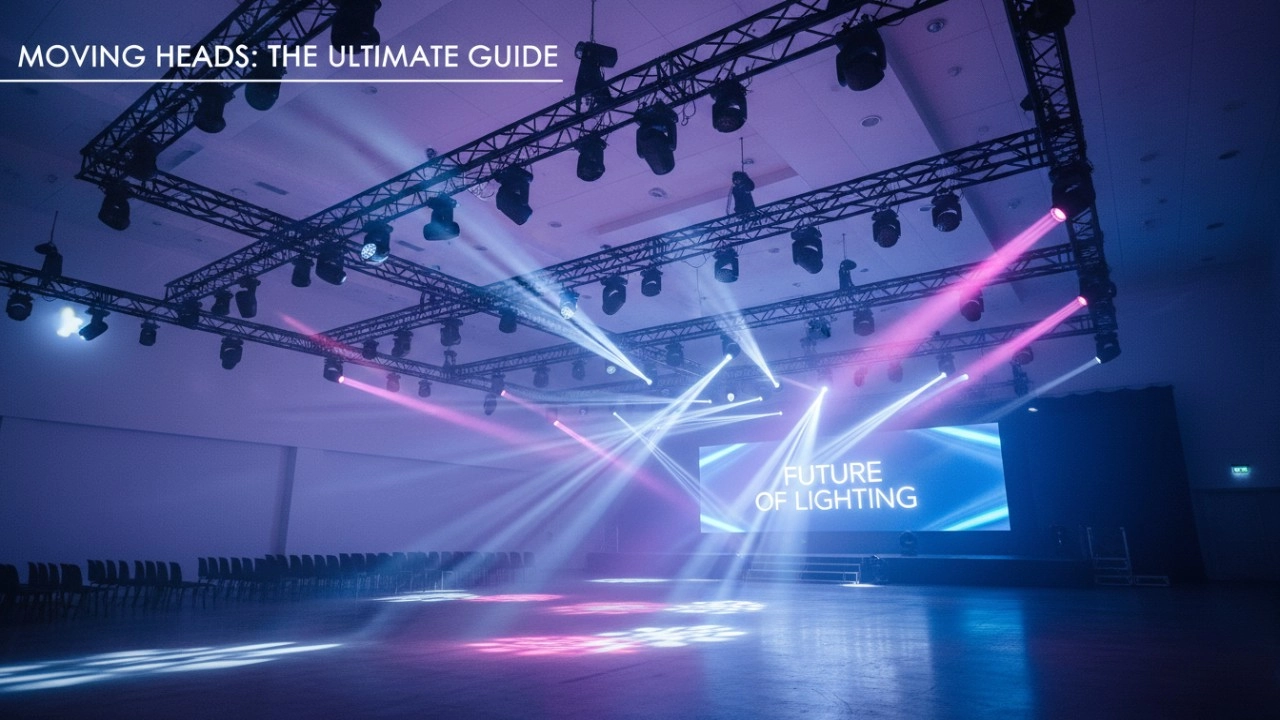
A Stage of Limitless Possibilities: Moving Head lights Deliver Precise Control and Versatile Effects
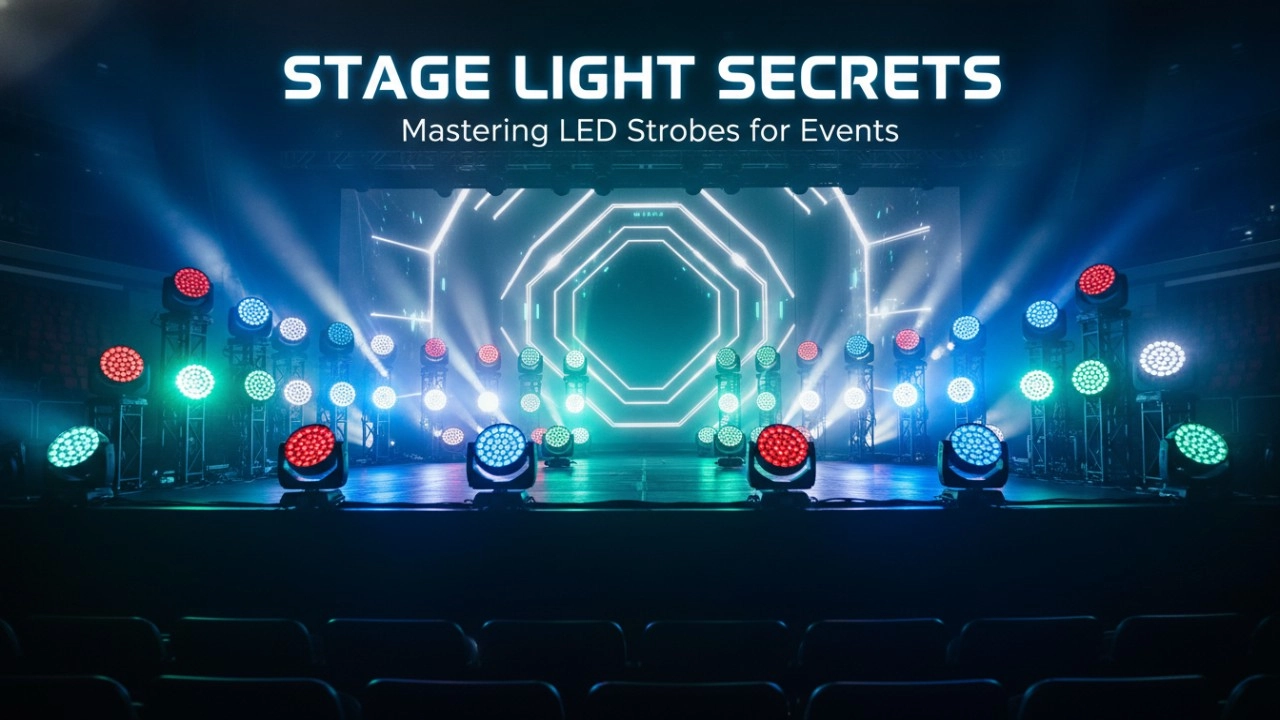
LED Stage Strobe Light Comparison: Performance, Power, and Pricing Guide
Why Your Venue Needs LED Beam Lights: A Cost-Benefit Analysis
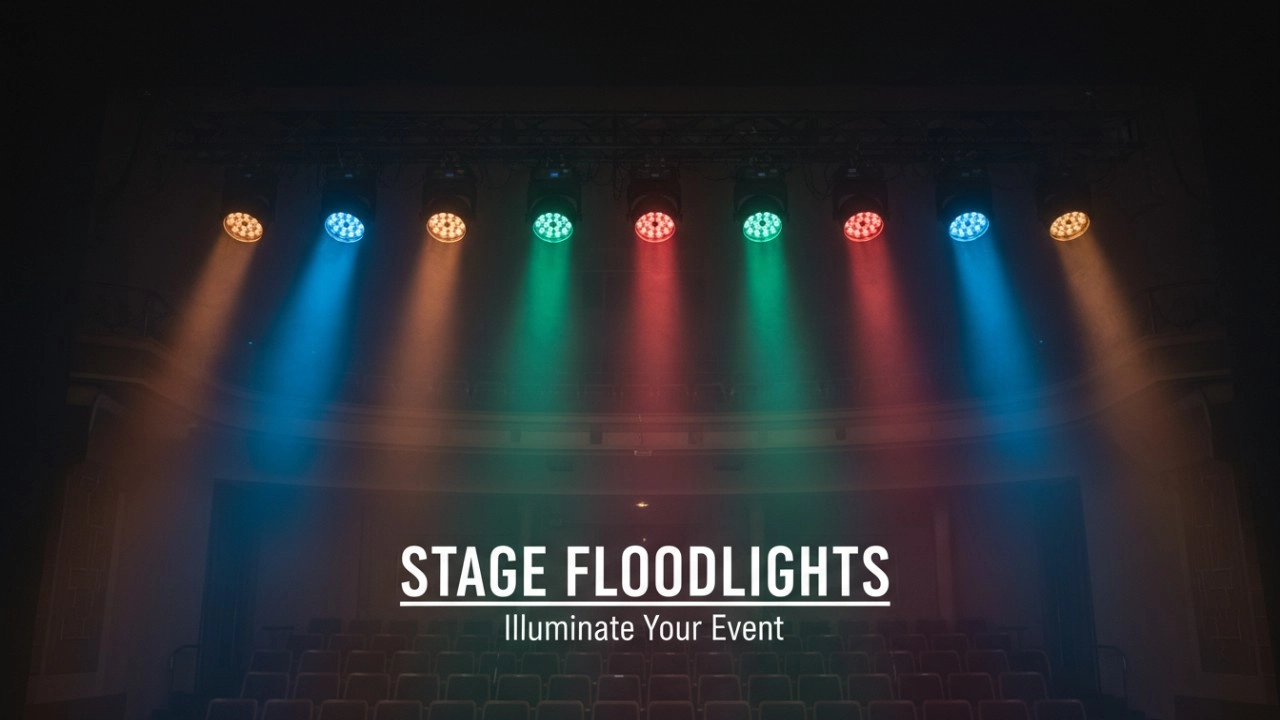
Spotlight vs. Stage Flood Lights: Which One Does Your Production Actually Need?
Spotlight vs. Floodlight vs. Beamlight: A Comparison of Moving Stage Lighting Fixtures
Mastering the Flash: 7 Advanced Strobe DJ Light Techniques for Pro Entertainers
Products
Do your lights support DMX512 and other control protocols?
Yes. All LiteLEES stage lights are fully compatible with DMX512. Many models also support RDM, Art-Net, and wireless DMX (optional), ensuring seamless integration with modern lighting control systems.
Are your lights suitable for large-scale events and outdoor use?
Yes. Our professional stage lights—especially the Beam, BSW 3-in-1, and LED Par Series—are engineered with high-output brightness, wide beam angles, and robust housing. Some models come with IP-rated protection, making them suitable for outdoor applications like concerts, festivals, and sports events.
Can I customize the functions or software of the lights?
Absolutely. As a manufacturer with independent R&D capabilities, we offer customization for both hardware and software (such as DMX channel layout, built-in programs, or UI language). Contact us with your project needs, and our team will provide tailored solutions.
What is the lifespan of your LED stage lights?
Our LED lights use high-quality chips with a rated lifespan of over 50,000 hours. Proper usage and maintenance ensure long-term reliability and stable performance, making them a smart investment for any venue.
Company
Where is LiteLEES located?
Our headquarters and manufacturing facility are located in Guangzhou, China, with products exported to over 70 countries worldwide.

Stormy Shake Blinder IP
LiteLEES LUMIX BEAM 420 IP
LP Profile 900
Want to get more up-to-date information?
If you have any comments or good suggestions, please leave us a message; later our professional staff will contact you as soon as possible.

We are professional stage lighting manufacturers offering OEM and ODM LED stage lights.
Contact
Email us
Call us
Address
No.6 Longnan Road, Huashan Town, Huadu District Guangzhou, Guangdong Province, China.
LiteLEES Professional
Less Lighting