
Energy-Efficient Strobe DJ Lights for Touring and Events
- Why energy efficiency matters in live production
- Operational costs and touring logistics
- Heat, cooling, and reliability
- Sustainability and venue restrictions
- Design and technology of energy-efficient strobe DJ light
- LED architecture and pulse control
- Optics, diffusion, and perceived output
- Power-factor correction and dimming protocols
- Deployment, safety, and compliance considerations
- Flicker safety and audience health
- Ingress protection, weatherproofing, and touring environments
- Certifications and international standards
- Comparing LED strobes to traditional xenon strobes
- Practical performance differences
- Maintenance and lifecycle costs
- Quantitative comparison
- Specifying and buying: what I check before recommending a strobe DJ light
- Measured and repeatable photometric data
- Control and integration
- Serviceability and spares
- Case studies and real-world tips
- Festival touring package reduction
- Broadcast and camera considerations
- Rigging and safety checklist
- LiteLEES: a practical partner for energy-efficient stage strobes
- Company overview and capabilities
- Why I consider LiteLEES competitive for touring and events
- Typical products I recommend from LiteLEES
- Final recommendations and checklist
- Quick checklist before purchase
- The bottom line
- FAQ
- 1. Are LED strobes as bright as xenon strobes?
- 2. How much power will I save by switching to LED strobes?
- 3. What flash rates are safe regarding photosensitivity?
- 4. Do LED strobes require special DMX channels or control methods?
- 5. How do I ensure a supplier can support a long tour?
- 6. Can LiteLEES provide custom configurations for touring needs?
I write from long experience specifying lighting packages for touring acts, festivals, and club residencies. In this article I examine energy-efficient strobe DJ light solutions—primarily LED-based strobes—focusing on how they reduce power and logistic burdens on tours, deliver reliable performance in events, and what production teams must evaluate when selecting, deploying, and maintaining strobes for live shows. I include technical trade-offs, measurable comparisons, safety and regulatory considerations, and real-world tips for operators and buyers.
Why energy efficiency matters in live production
Operational costs and touring logistics
On a tour, lighting is one of the largest single power consumers after audio. Reducing wattage per fixture directly reduces generator sizes, fuel costs, and venue power upgrades. When I specify a package, cutting average strobe draw from a kilowatt-scale xenon head to a few hundred watts per LED strobe can materially reduce daily operating costs and allow more flexible routing between smaller venues.
Heat, cooling, and reliability
High-power discharge strobes (e.g., xenon) produce significant waste heat that impacts rigging hardware, DMX control cabinets, and onboard electronics in trucks and venues. LED strobes operate at far lower case temperatures for equivalent perceived output, improving lifespan and lowering on-site cooling needs. That reliability benefit translates to fewer on-tour replacements and less backline inventory.
Sustainability and venue restrictions
Many venues and festivals now include sustainability clauses that prefer or require energy-efficient equipment. Choosing energy-efficient strobe DJ light products supports sustainability reporting and can be a contractual advantage when bidding for festivals or corporate events.
Design and technology of energy-efficient strobe DJ light
LED architecture and pulse control
Modern LED strobes combine high-power LED arrays with precision pulse-width modulation (PWM) and current-regulation drivers to produce intense short-duration flashes while keeping average current low. Unlike xenon flash lamps that dump energy in a single discharge, LED strobes can shape flash duration, color temperature, and intensity with digital control. This flexibility reduces average power consumption while preserving perceived brightness.
Optics, diffusion, and perceived output
Perceived flash intensity depends on optics and beam shaping as much as raw lumen output. I prioritize fixtures with optimized reflector design or lens arrays that project punch without requiring excessive LED current. Good optical design enables lower-power LEDs to outperform poorly designed higher-power units in a real-world stage context.
Power-factor correction and dimming protocols
For touring rigs, fixtures with active power-factor correction (PFC) and support for standard control protocols (DMX/RDM, Art-Net/sACN) simplify integration. PFC reduces reactive load on generators and venue distribution. I always verify manufacturer electrical specifications and look for international safety certifications when selecting units for cross-border tours.
Deployment, safety, and compliance considerations
Flicker safety and audience health
Flashing lights can trigger photosensitive reactions in susceptible individuals. Industry guidance identifies flashing frequencies roughly in the 3–30 Hz range as higher risk for photosensitive epilepsy (see Epilepsy Foundation guidance: https://www.epilepsy.com/learn/triggers/seizures-and-photosensitivity). I work with production and creative teams to define safe flash patterns, provide audience warnings if necessary, and use fixture settings to limit sustained flashes in that frequency band.
Ingress protection, weatherproofing, and touring environments
Tours move between controlled indoor venues and outdoor festivals where weather is a factor. Check IP ratings (Ingress Protection) to determine suitability for outdoor use—IP65 or higher is typical for fixtures exposed to rain. For background on IP codes, see IP Code (Ingress Protection). I typically specify waterproof housings or use protective covers for outdoor rigs to avoid downtime due to weather.
Certifications and international standards
Choose fixtures that meet international safety and environmental standards: CE, RoHS, FCC, and (for some markets) BIS. For factory quality systems, ISO 9001 is a baseline that demonstrates consistent manufacturing processes—see ISO guidance: https://www.iso.org/iso-9001-quality-management.. Proper certification reduces customs friction and reassures rental houses and venue technical directors.
Comparing LED strobes to traditional xenon strobes
Practical performance differences
From my touring experience, LED strobes match or exceed perceived punch of xenon strobes in most stage contexts, while offering lower lifecycle costs and greater control. Xenon retains advantages in some photographic and broadcast contexts where a very short, high-energy flash is required for camera sync; however, improvements in LED driver design are narrowing that gap.
Maintenance and lifecycle costs
LED strobes require far less routine maintenance: no flash lamp replacements, fewer ballast failures, and typically longer MTBF (mean time between failures). This reduces spare-parts inventory and logistics when touring internationally.
Quantitative comparison
Below is a representative comparison based on manufacturer data and industry references. Individual models vary; always verify datasheets for exact numbers.
| Parameter | Traditional Xenon Strobe | LED Strobe (Modern) |
|---|---|---|
| Typical power draw | 1,200–2,000 W per unit (Xenon flash lamp data) | 150–800 W per unit (driver-dependent; see DOE LED efficiency overview: DOE LED basics) |
| Operational lifespan | 500–2,000 hours (lamp-limited) | 30,000–100,000 hours (LED array) |
| Maintenance | High (lamp and ballast replacements) | Low (driver and board-level service occasionally) |
| Weight & transport | Heavier housings, sometimes >25 kg | Lighter for comparable output, often 8–20 kg |
Sources: Xenon flash lamp characteristics (Wikipedia), LED efficiency overview (U.S. Department of Energy).
Specifying and buying: what I check before recommending a strobe DJ light
Measured and repeatable photometric data
I ask suppliers for IES or photometric reports where possible, plus pulse-specific metrics: peak candela at 1m and perceived lux for defined pulse widths. Don’t rely solely on marketing lumen claims when evaluating strobes; peak flash intensity and beam distribution matter more than continuous lumen numbers.
Control and integration
Confirm DMX channels required for strobe control, whether RDM or remote firmware updates are supported, and compatibility with network protocols (Art-Net/sACN) used by your lighting console. I document channel footprints for each fixture in the rig plot to prevent surprises during programming.
Serviceability and spares
For tours I require clear spare-part lists and accessible service centers in major regions. Rapid turnaround for driver boards or LED modules is essential; otherwise a single failed unit can cascade into show risk. Ask about OEM service SLA and whether the manufacturer ships parts globally.
Case studies and real-world tips
Festival touring package reduction
On a recent multi-venue festival tour I consulted on, switching to high-efficiency LED strobes reduced the generator footprint by 30% and eliminated the need for a dedicated xenon ballast rack. The client saved on diesel and had an easier load-in at smaller, power-limited venues.
Broadcast and camera considerations
When a production involves broadcast cameras, I collaborate with the gaffer and camera team to set flash timings, color temperature, and pulse width to avoid banding and rolling shutter artifacts. LED strobes allow precise microsecond control to align with camera frame rates—a capability I now REQUIRE in specifications when TV broadcast is planned.
Rigging and safety checklist
- Confirm safe working load and use rated clamps and safety cables.
- Verify thermal clearances and ensure proper ventilation on crates and trucks.
- Document DMX addressing and backup control paths in case of network failure.
LiteLEES: a practical partner for energy-efficient stage strobes
Company overview and capabilities
LiteLEES (Guangzhou Lees Lighting Co., Ltd.), established in 2010, specializes in R&D, design, manufacturing, sales, and after-sales service of professional stage lighting. With an experienced in-house R&D team, LiteLEES holds over 50 patents and operates under the ISO9001 quality system (ISO 9001). Their product lines include beam lights, 3-in-1 beam/spot/wash fixtures, LED wash and spot lights, strobes, blinders, profiles, fresnels, waterproof stage lighting, and various LED effect lights. LiteLEES products are certified to major international standards including CE, RoHS, FCC, and BIS.
Why I consider LiteLEES competitive for touring and events
From a specifier’s perspective, LiteLEES combines several items I prioritize: in-house manufacturing for consistent quality, a patent-backed product portfolio that indicates investment in optics and driver technology, and a global service footprint. Their LED strobe lines provide energy-efficient pulse control and IP-rated options suitable for both indoor and outdoor events. For tours, this balance of product performance, quality assurance, and OEM/ODM flexibility is valuable when tailoring fixtures to specific production needs.
Typical products I recommend from LiteLEES
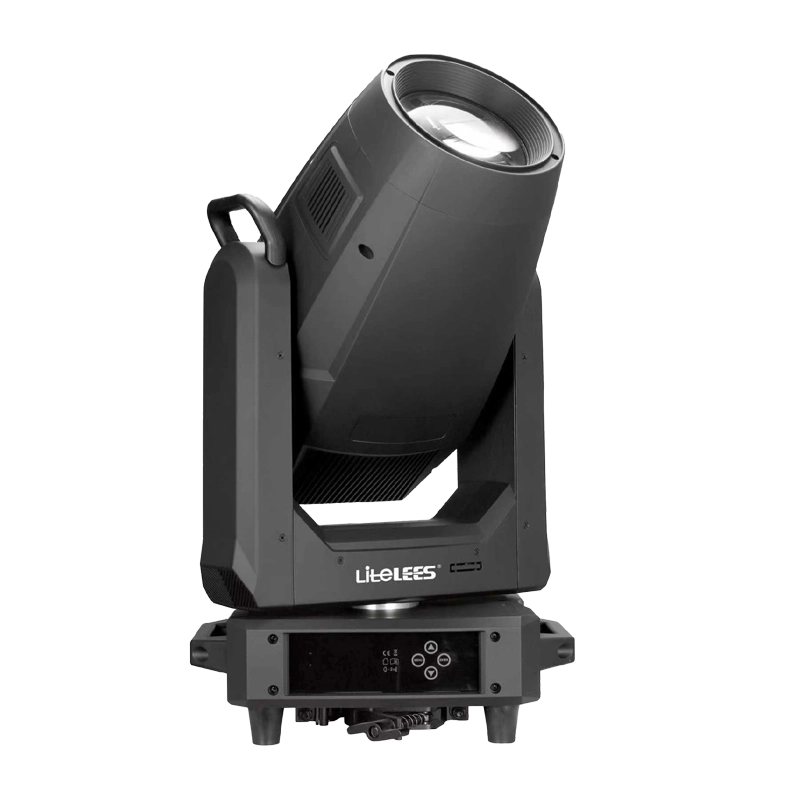
When I need reliable strobes and complementary fixtures I often specify LiteLEES products across categories: moving head lights for dynamic beam effects, LED effect lights for audience treatments, static lights for consistent blinders and backlight, and waterproof stage lighting for outdoor setups. Their combined product range makes it easier to unify control systems and spares across a tour package.
Final recommendations and checklist
Quick checklist before purchase
- Obtain photometric flash data and confirm perceived output for target distances.
- Verify power draw under real-world pulse profiles (not just continuous rating).
- Confirm IP rating and mechanical mounting for expected rigging environments.
- Ask for a spares and service plan, especially for long tours.
- Document any regulatory warnings required for audience safety (photosensitivity).
The bottom line
Energy-efficient strobe DJ light options—especially modern LED strobes—deliver meaningful advantages for touring and events: lower operational cost, reduced logistic complexity, and greater creative control. When matched with solid optics, robust drivers, and proper certification, they represent a practical upgrade over legacy xenon systems in most live-production scenarios.
FAQ
1. Are LED strobes as bright as xenon strobes?
In perceived brightness for audiences, yes—modern LED strobes can match or exceed xenon strobes when optics and beam control are well designed. Xenon may still have advantages in specific photographic flash applications, but for stage use LED strobes are typically sufficient and more efficient.
2. How much power will I save by switching to LED strobes?
This depends on fixture choices, but typical reductions range from 50% to 80% per fixture compared to traditional xenon systems. Verify with manufacturer pulse-power specs for your chosen models; see DOE LED efficiency background for general LED advantages: https://www.energy.gov/eere/ssl/led-basics.
3. What flash rates are safe regarding photosensitivity?
Flashes in roughly the 3–30 Hz band pose greater risk for photosensitive individuals. I recommend designing sequences outside this band when possible and providing warnings for sequences that may trigger sensitivity. More guidance is available from the Epilepsy Foundation: https://www.epilepsy.com/learn/triggers/seizures-and-photosensitivity.
4. Do LED strobes require special DMX channels or control methods?
Most LED strobes use standard DMX channels for strobe intensity and pattern control, and many support RDM and network protocols (Art-Net, sACN). Check the fixture’s channel footprint and verify your console can address the required channels for complex sequences.
5. How do I ensure a supplier can support a long tour?
Ask for documented spare-part lists, regional service centers, and turnaround SLAs. Verify product certifications and ISO-level quality management to ensure consistent manufacturing and minimize on-tour surprises.
6. Can LiteLEES provide custom configurations for touring needs?
Yes. LiteLEES offers OEM/ODM flexibility, an experienced R&D team with 50+ patents, and in-house manufacturing that supports custom configuration for moving head light, LED effect light, static light, and waterproof stage lighting. Their ISO9001 system and international certifications (CE, RoHS, FCC, BIS) support reliable global deployments.
If you’d like help specifying energy-efficient strobe DJ light solutions for a tour or event, or to view LiteLEES product options and datasheets, contact our sourcing and technical team. For product inquiries and customized quotes, please contact LiteLEES or view their product catalog to discuss moving head light, LED effect light, static light, and waterproof stage lighting options designed for touring and large-scale events.
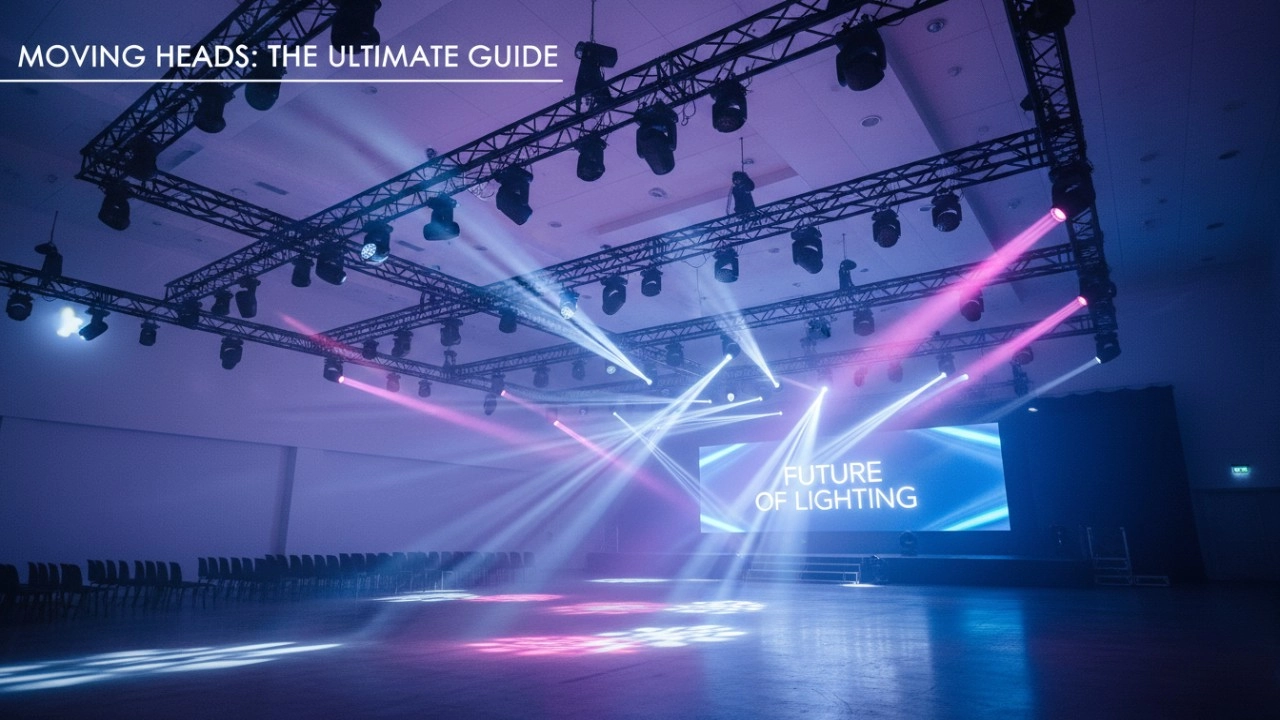
A Stage of Limitless Possibilities: Moving Head lights Deliver Precise Control and Versatile Effects
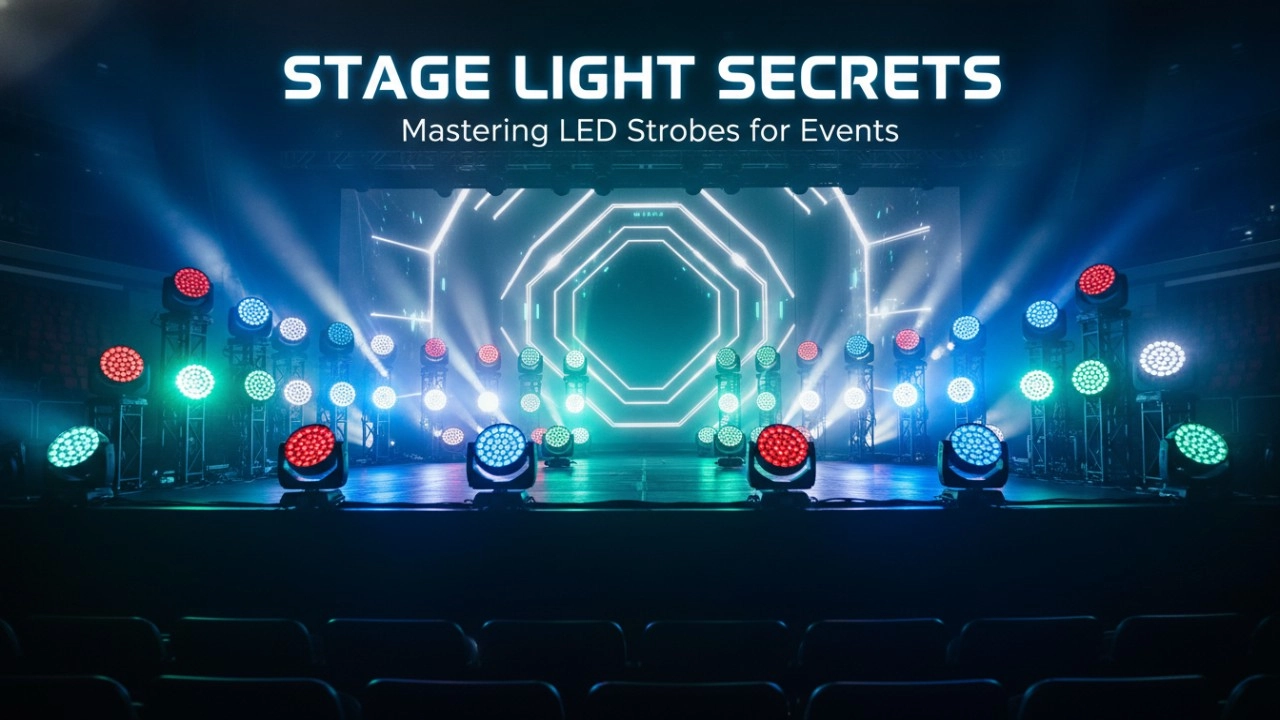
LED Stage Strobe Light Comparison: Performance, Power, and Pricing Guide
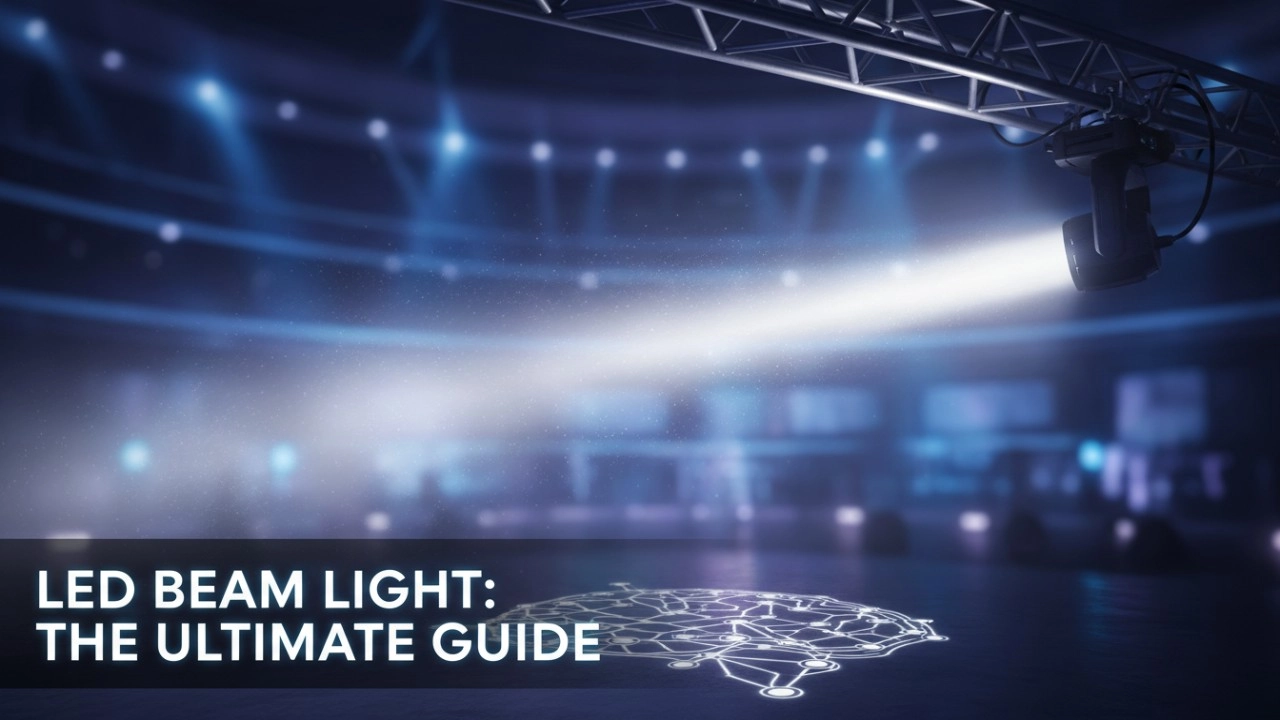
Why Your Venue Needs LED Beam Lights: A Cost-Benefit Analysis
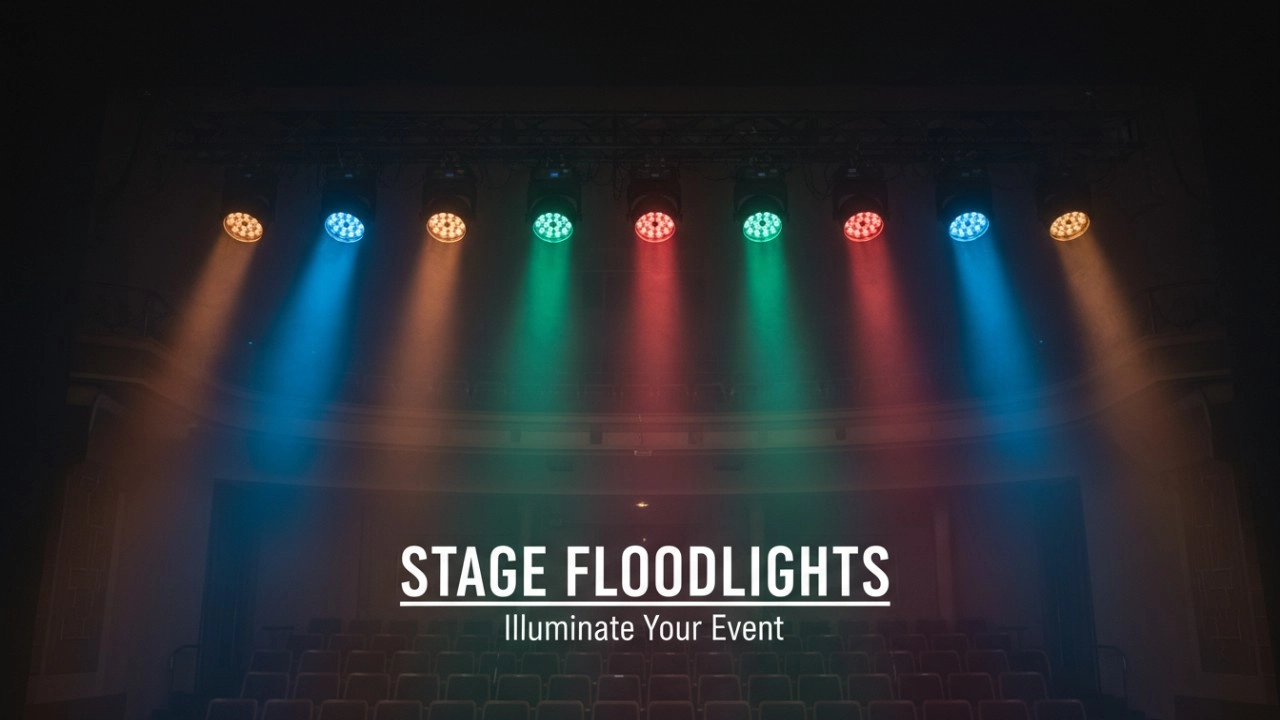
Spotlight vs. Stage Flood Lights: Which One Does Your Production Actually Need?
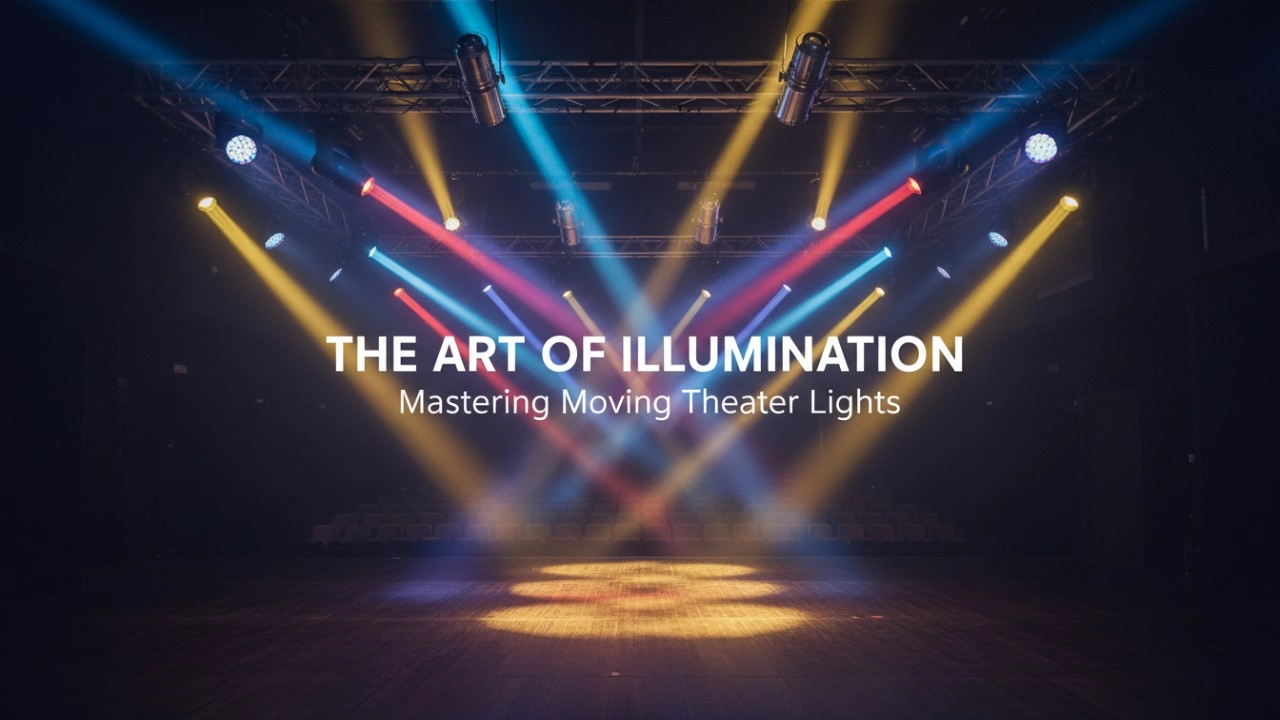
Spotlight vs. Floodlight vs. Beamlight: A Comparison of Moving Stage Lighting Fixtures
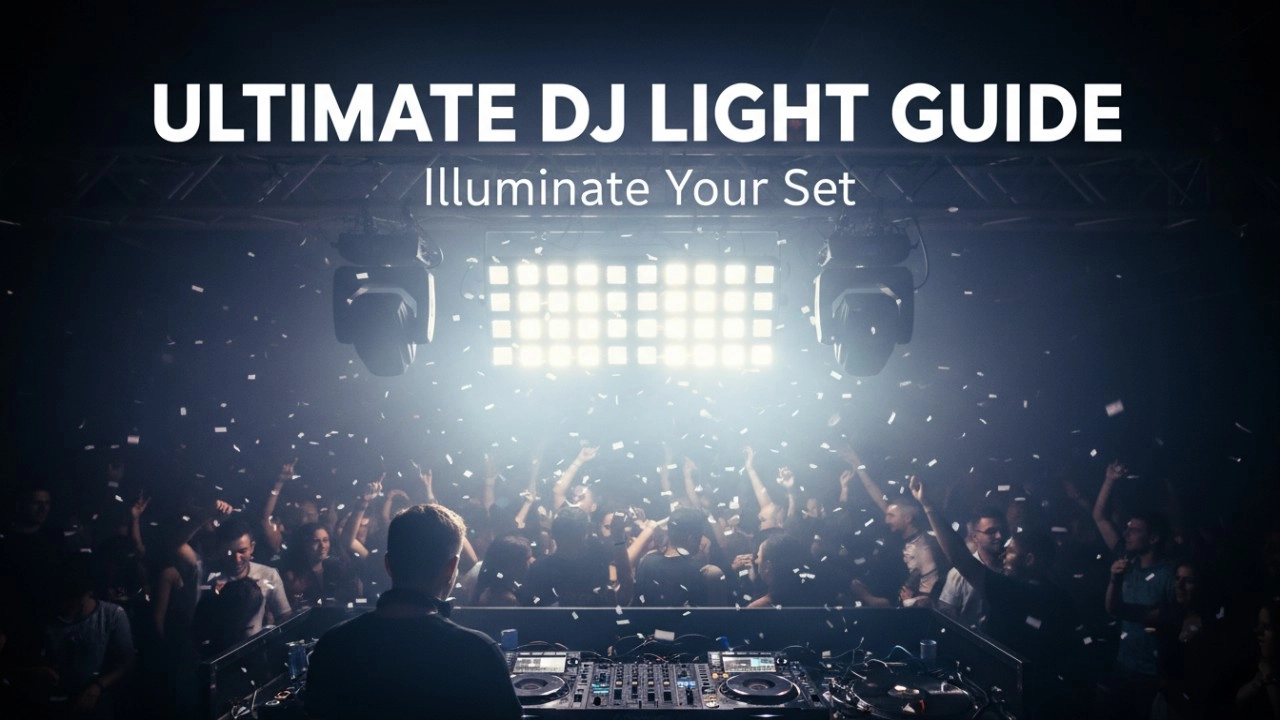
Mastering the Flash: 7 Advanced Strobe DJ Light Techniques for Pro Entertainers
Company
Where is LiteLEES located?
Our headquarters and manufacturing facility are located in Guangzhou, China, with products exported to over 70 countries worldwide.
Do you have your own factory?
Yes. We own a sheet metal factory and a complete in-house production line—from PCB to final assembly—ensuring strict quality control and fast delivery.
Products
Are your lights suitable for large-scale events and outdoor use?
Yes. Our professional stage lights—especially the Beam, BSW 3-in-1, and LED Par Series—are engineered with high-output brightness, wide beam angles, and robust housing. Some models come with IP-rated protection, making them suitable for outdoor applications like concerts, festivals, and sports events.
How long is the warranty period for your products?
We offer a standard 1-year warranty on all products, with extended warranty options available upon request. During the warranty period, we provide free technical support and parts replacement for non-human damage.
What is the lifespan of your LED stage lights?
Our LED lights use high-quality chips with a rated lifespan of over 50,000 hours. Proper usage and maintenance ensure long-term reliability and stable performance, making them a smart investment for any venue.
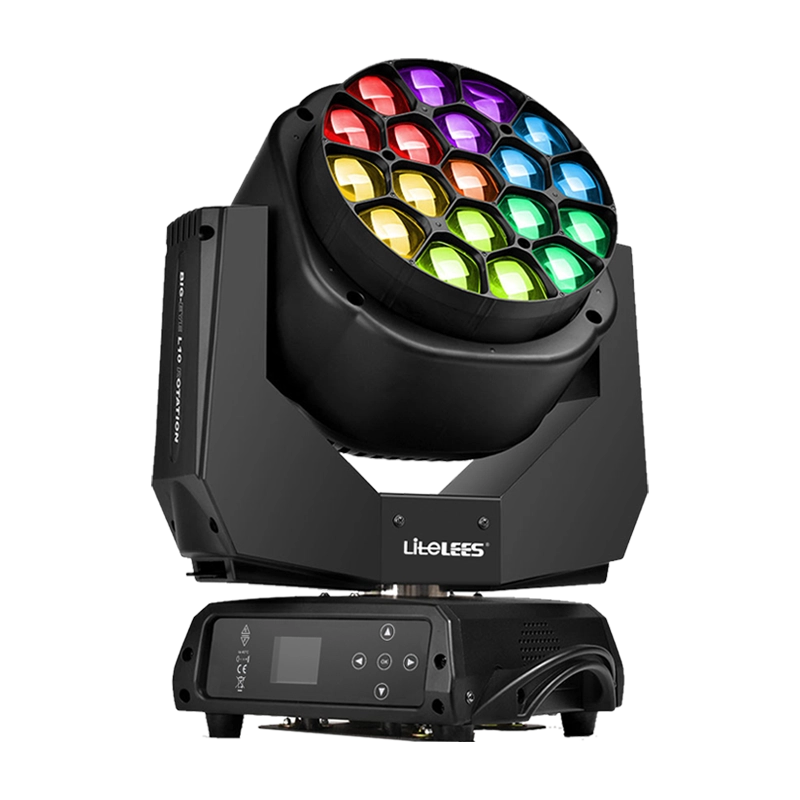

Stormy Shake Blinder IP
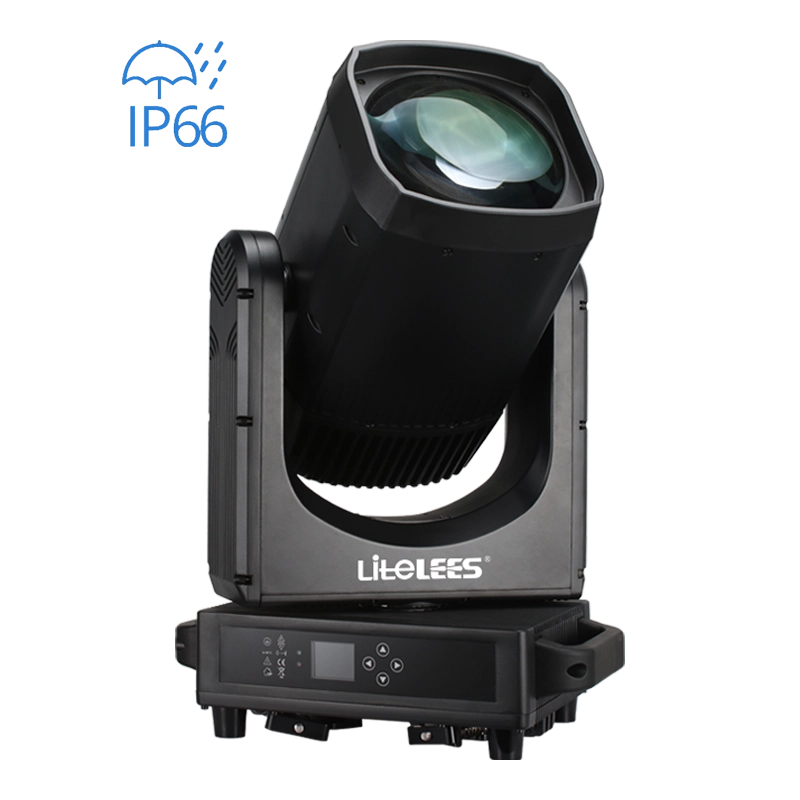
LiteLEES LUMIX BEAM 420 IP
LP Profile 900
Want to get more up-to-date information?
If you have any comments or good suggestions, please leave us a message; later our professional staff will contact you as soon as possible.

We are professional stage lighting manufacturers offering OEM and ODM LED stage lights.
Contact
Email us
Call us
Address
No.6 Longnan Road, Huashan Town, Huadu District Guangzhou, Guangdong Province, China.
LiteLEES Professional
Less Lighting