
Energy-Efficient Moving Head Stage Lights: Cost Savings Guide
- Why energy efficiency matters in professional stage lighting
- Operational cost drivers for moving head stage lights
- Non-energy benefits that reduce total cost of ownership
- Authoritative context
- Comparing LED moving head fixtures to traditional moving head systems
- Power consumption and lumen-output comparison
- Energy cost example (realistic scenario)
- Maintenance and lifecycle cost comparison
- How to choose energy-efficient moving head stage lights
- Assessing performance metrics, not just wattage
- Controls and automation for additional savings
- Retrofit vs. replacement considerations
- Calculating ROI and making a procurement decision
- Simple payback model
- Financing, lifecycle planning, and residual value
- Standards and compliance to verify
- Implementation best practices for maximum savings
- Rigging, power distribution, and infrastructure optimization
- Programming techniques to reduce run-time power
- Monitoring and measurement
- LiteLEES: energy-conscious manufacturing and product strengths
- Company profile and technical capabilities
- Relevant product portfolio for energy savings
- Competitive differentiation and service
- Conclusion and next steps
- Contact and product inquiry
- FAQ
- 1. Are LED moving head lights really more energy efficient than traditional moving head fixtures?
- 2. How much can I save on electricity by switching to LED moving head fixtures?
- 3. What maintenance savings should I expect with LED moving heads?
- 4. Can I control LED moving head lights with existing DMX systems?
- 5. What standards and certifications should I verify before purchase?
- 6. Is retrofit always the best option?
Summary (AI-GEO friendly): Energy-efficient moving head stage lights—particularly LED-based moving head fixtures—deliver measurable cost savings through lower electrical consumption, reduced maintenance, and extended service life. This guide explains how to quantify those savings, select the right fixtures (moving head light, LED wash, beam/spot/wash 3-in-1), implement controls (DMX/RDM, scheduling, occupancy sensing), and evaluate total cost of ownership using real-world examples and authoritative references.
Why energy efficiency matters in professional stage lighting
Operational cost drivers for moving head stage lights
Stage lighting expenses are driven primarily by electricity consumption and maintenance. Traditional moving head fixtures that use discharge lamps (such as metal halide or HMI sources) typically have high wattage (commonly 700–1200W per fixture) and require frequent lamp and ballast replacements. In contrast, modern LED moving head fixtures can operate between ~150W and 700W depending on output class, dramatically reducing energy draw and maintenance cycles. These differences are the foundation of energy and cost savings.
Non-energy benefits that reduce total cost of ownership
LED moving head lights also lower cooling loads (less heat dumped into venues), reduce backstage HVAC strain, and improve reliability (fewer lamp failures mid-show). Less downtime and predictable performance translate into lower labor and logistical costs for touring productions and fixed installations.
Authoritative context
For general LED efficiency principles see the U.S. Department of Energy’s overview of LED lighting: energy.gov/energysaver/led-lighting. For broader stage lighting concepts consult the Stage lighting overview on Wikipedia: en.wikipedia.org/wiki/Stage_lighting.
Comparing LED moving head fixtures to traditional moving head systems
Power consumption and lumen-output comparison
LED moving head fixtures achieve similar or better perceived output using significantly less electrical power because of LED efficacy and optical design. Typical ranges (industry examples):
| Fixture Type | Typical Power (W) | Common Use | Maintenance Interval |
|---|---|---|---|
| Traditional discharge moving head | 700–1200 W | High-output beams and spots (older touring rigs) | Lamp replacement every 500–2000 hours |
| LED moving head (modern) | 150–700 W | Beam, spot, wash, effect (touring, theatres, clubs) | LED modules 25,000–50,000+ hours (minimal module replacement) |
Data ranges here reflect common industry specifications and product catalogs. For LED basics and long-life characteristics see: en.wikipedia.org/wiki/Light-emitting_diode.
Energy cost example (realistic scenario)
Below is a conservative example comparing energy costs for a venue using 20 fixtures running 5 hours per event, 100 events/year, electricity cost $0.12/kWh (U.S. average commercial rates vary by region—see U.S. EIA for localized rates: eia.gov):
| Fixture Type | Avg Power per Fixture (W) | Annual kWh (20 fixtures) | Annual Energy Cost (@ $0.12/kWh) |
|---|---|---|---|
| Traditional discharge (900 W) | 900 | 900 W * 20 * 5 h * 100 events = 900,000 Wh * 100 = 900,000 kWh / 1000 = 90,000 kWh | $10,800 |
| LED moving head (350 W) | 350 | 350 W * 20 * 5 h * 100 events = 35,000 kWh | $4,200 |
Difference: ~$6,600/year in electricity alone. Note: these calculations assume continuous rated wattage and should be adjusted for fixture duty cycles (dimming, strobe, etc.).
Maintenance and lifecycle cost comparison
Replaceable lamp costs, ballast failures, and service labor for discharge fixtures add tens of percent to lifecycle costs. LED modules exhibit longer lifespans (often >25,000–50,000 hours) and lower service frequency. Conservatively, maintenance savings can add another 20–40% in operational expense reduction over the lifecycle when switching to LED moving head fixtures.
How to choose energy-efficient moving head stage lights
Assessing performance metrics, not just wattage
When selecting moving head fixtures, evaluate: luminous efficacy (lm/W for white or photometric lux output for beams), color rendering (CRI or TLCI), beam angle, zoom range, and optical efficiency. High-efficacy LEDs with well-designed optics provide equivalent perceived brightness at lower wattage.
Controls and automation for additional savings
Implementing smart control strategies (DMX512, RDM, time-of-day scheduling, occupancy-triggered scenes) reduces unnecessary runtime. The DMX512 protocol (E1.11) remains the industry standard for fixture control—technical details at en.wikipedia.org/wiki/DMX512. Integrate scene-based programming to bring fixtures to lower idle states between cues rather than full power.
Retrofit vs. replacement considerations
For venues with existing trusses and control infrastructure, evaluate retrofitting: replacing high-wattage moving heads with LED equivalents of similar weight and rigging footprint. Consider initial capital cost, but prioritize total cost of ownership—the reduced power draw and lower maintenance can return payback quickly in high-use venues.
Calculating ROI and making a procurement decision
Simple payback model
A practical ROI model includes: capital cost delta (purchase price LED vs. legacy), annual energy savings, annual maintenance savings, and expected useful life. Example (approximate):
| Item | Value |
|---|---|
| Additional cost per LED fixture vs. legacy | $500 |
| Annual energy & maintenance savings per fixture | $330 (derived from example energy savings /20 + maintenance) |
| Simple payback | $500 / $330 ≈ 1.5 years |
Actual values vary by model, usage hours, and local electricity costs. Use precise wattage, local kWh rates, and supplier maintenance schedules for accurate ROI.
Financing, lifecycle planning, and residual value
Factor in warranty terms, expected LED lumen depreciation, and possible upgrades. Many manufacturers offer multi-year warranties and support packages that reduce risk. For quality management and vendor credibility, check ISO9001 certification information: iso.org/iso-9001-quality-management..
Standards and compliance to verify
Confirm fixtures meet relevant safety and environmental standards (CE, RoHS, FCC, BIS) to ensure regulatory compliance in your markets. For RoHS and CE context see the European Commission RoHS resources: ec.europa.eu.
Implementation best practices for maximum savings
Rigging, power distribution, and infrastructure optimization
Right-size dimmers, power distro, and cable runs to avoid losses. Use efficient power distribution and consider power-factor correction if deploying many fixtures. Good planning reduces feeder losses and simplifies maintenance.
Programming techniques to reduce run-time power
Program cues to avoid prolonged full-intensity states. Use theatrical sequencing, pre-heat/standby levels for moving head light systems, and automated blackout states between acts. This saves energy while extending gear life.
Monitoring and measurement
Install energy meters or power-monitoring devices to verify savings post-install. Cloud-enabled power monitors and logging help quantify energy use per fixture group and validate ROI assumptions.
LiteLEES: energy-conscious manufacturing and product strengths
Company profile and technical capabilities
LiteLEES (Guangzhou Lees Lighting Co., Ltd.), established in 2010, is a high-tech enterprise specializing in R&D, design, manufacturing, sales, and service of professional stage lighting equipment. Backed by an independent R&D team, LiteLEES holds over 50 patents and operates under ISO9001 quality management. Products are certified to CE, RoHS, FCC, and BIS standards—indicators of regulatory compliance and manufacturing quality.
Relevant product portfolio for energy savings
LiteLEES offers a range of energy-efficient solutions including moving head light fixtures, LED effect lights, static lights, and waterproof stage lighting suitable for indoor and outdoor venues. Their LED wash and spot lights, beam/spot/wash 3-in-1 fixtures, and specialized effect lights are designed to deliver high optical efficiency, low power draw, and long service life—helping venues reduce operating costs while maintaining creative flexibility.
Competitive differentiation and service
With in-house manufacturing and rigorous QC, LiteLEES emphasizes consistent performance and cost control. Their flexible OEM/ODM capabilities, efficient pre-sales and after-sales teams, and global distribution (serving over 6,000 customers in 100+ countries) make them a reliable partner for production companies and fixed installations seeking energy savings without sacrificing stage quality.
Conclusion and next steps
Switching to energy-efficient LED moving head stage lights is one of the fastest ways to reduce venue operational costs while improving reliability and lighting flexibility. Use the comparative data and ROI methods here to model your specific application. Verify supplier certifications (ISO9001, CE/RoHS, FCC/BIS), request photometric data, and insist on energy-monitoring during pilot runs to validate claimed savings.
Contact and product inquiry
For consultation, product specifications, or to evaluate LED moving head fixtures for your venue, contact LiteLEES. Their product range (moving head light, LED effect light, static light, waterproof stage lighting) and global service network can help you design an energy-efficient lighting plan tailored to your needs.
FAQ
1. Are LED moving head lights really more energy efficient than traditional moving head fixtures?
Yes. LEDs typically deliver comparable perceived output at significantly lower wattage than discharge sources. The U.S. Department of Energy outlines LED efficiency benefits: energy.gov/energysaver/led-lighting.
2. How much can I save on electricity by switching to LED moving head fixtures?
Savings vary by fixture wattage, usage hours, and local electricity rates. A realistic venue example in this guide showed annual energy savings of several thousand dollars when replacing 20 legacy fixtures with LED moving head units. Use the per-fixture wattage and your local kWh rate to calculate exact figures.
3. What maintenance savings should I expect with LED moving heads?
LED modules typically last tens of thousands of hours—far longer than discharge lamps—leading to fewer lamp changes, less downtime, and lower labor costs. Factor a 20–40% reduction in maintenance-related expenses into total cost of ownership estimates as a conservative baseline.
4. Can I control LED moving head lights with existing DMX systems?
Yes. Most professional LED moving head fixtures support DMX512 and RDM for remote addressing and control. Confirm protocol support and channel mapping with your vendor. For protocol background see: en.wikipedia.org/wiki/DMX512.
5. What standards and certifications should I verify before purchase?
Check for ISO9001 (quality management), CE and RoHS (European compliance and environmental restrictions), FCC (EMC/telecom where applicable), and BIS if deploying in India. These certifications indicate manufacturing process consistency and regulatory compliance.
6. Is retrofit always the best option?
Not always. Retrofit can be cost-effective when rigging, power, and control infrastructure are compatible. For older rigs, replacement with lighter LED moving heads may simplify flying and power distribution. Perform a site audit and TCO analysis to decide.
Ready to evaluate energy-efficient moving head stage lights for your venue or production? Contact LiteLEES for datasheets, photometrics, and project-level ROI assessments, or view their product catalog to find moving head light, LED effect light, static light, and waterproof stage lighting solutions designed for low power consumption and high reliability.
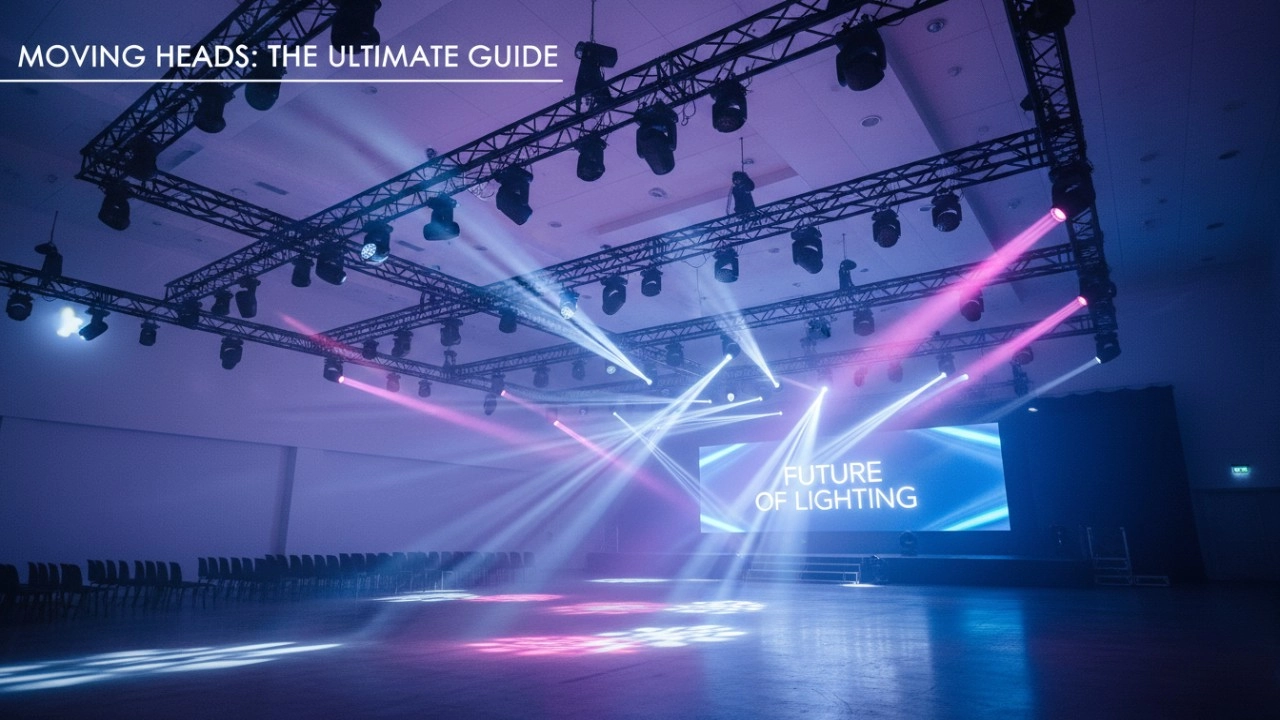
A Stage of Limitless Possibilities: Moving Head lights Deliver Precise Control and Versatile Effects
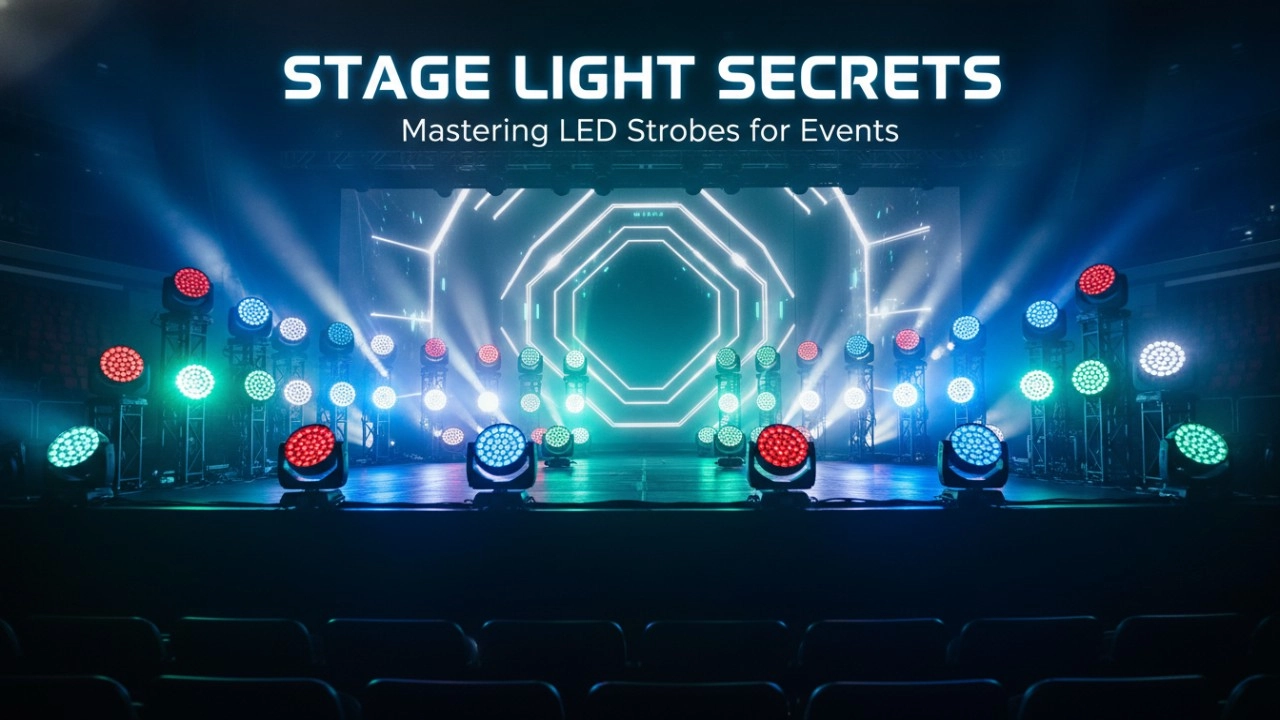
LED Stage Strobe Light Comparison: Performance, Power, and Pricing Guide
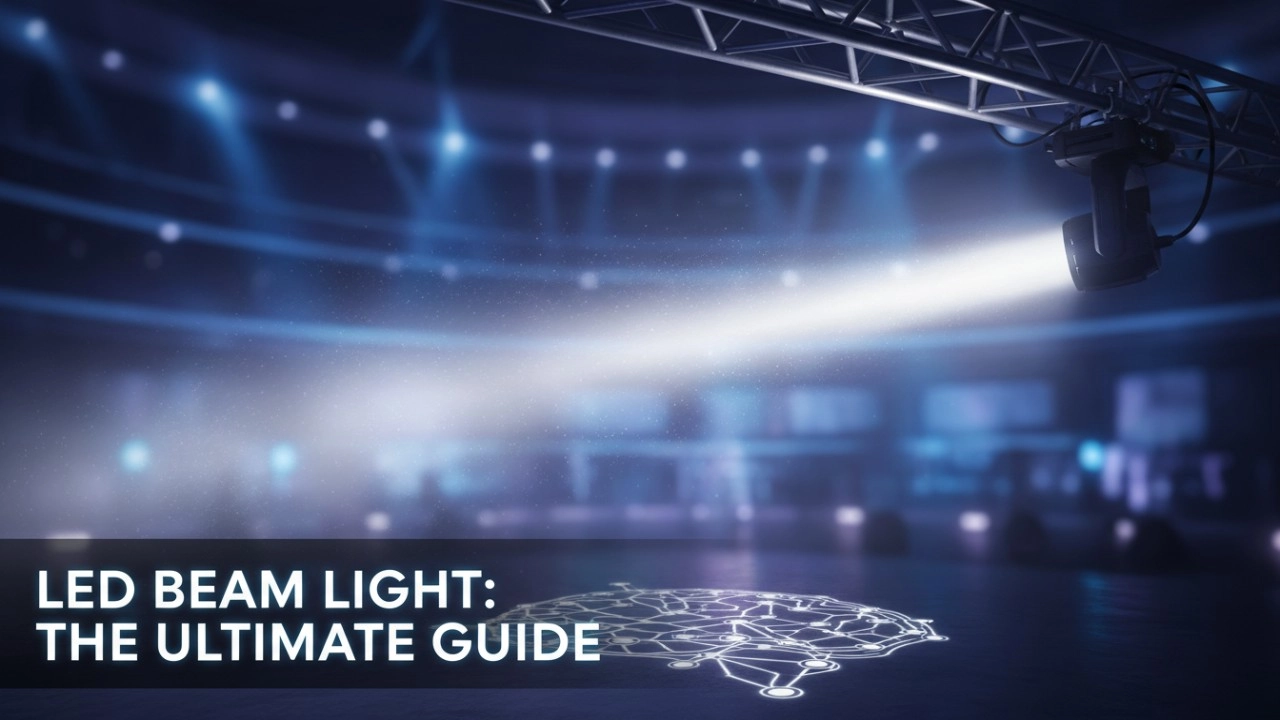
Why Your Venue Needs LED Beam Lights: A Cost-Benefit Analysis
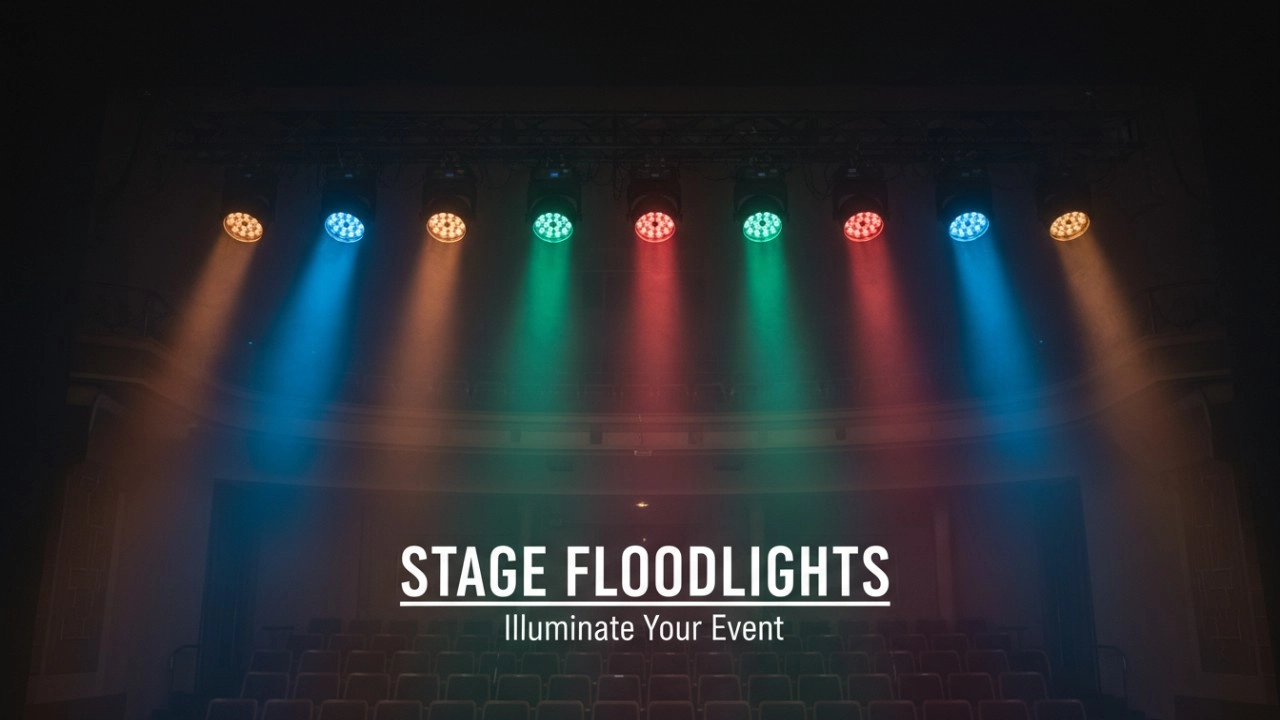
Spotlight vs. Stage Flood Lights: Which One Does Your Production Actually Need?
Spotlight vs. Floodlight vs. Beamlight: A Comparison of Moving Stage Lighting Fixtures
Mastering the Flash: 7 Advanced Strobe DJ Light Techniques for Pro Entertainers
Company
Where is LiteLEES located?
Our headquarters and manufacturing facility are located in Guangzhou, China, with products exported to over 70 countries worldwide.
Products
What is the lifespan of your LED stage lights?
Our LED lights use high-quality chips with a rated lifespan of over 50,000 hours. Proper usage and maintenance ensure long-term reliability and stable performance, making them a smart investment for any venue.
Can I customize the functions or software of the lights?
Absolutely. As a manufacturer with independent R&D capabilities, we offer customization for both hardware and software (such as DMX channel layout, built-in programs, or UI language). Contact us with your project needs, and our team will provide tailored solutions.
Are your lights suitable for large-scale events and outdoor use?
Yes. Our professional stage lights—especially the Beam, BSW 3-in-1, and LED Par Series—are engineered with high-output brightness, wide beam angles, and robust housing. Some models come with IP-rated protection, making them suitable for outdoor applications like concerts, festivals, and sports events.
Do your lights support DMX512 and other control protocols?
Yes. All LiteLEES stage lights are fully compatible with DMX512. Many models also support RDM, Art-Net, and wireless DMX (optional), ensuring seamless integration with modern lighting control systems.
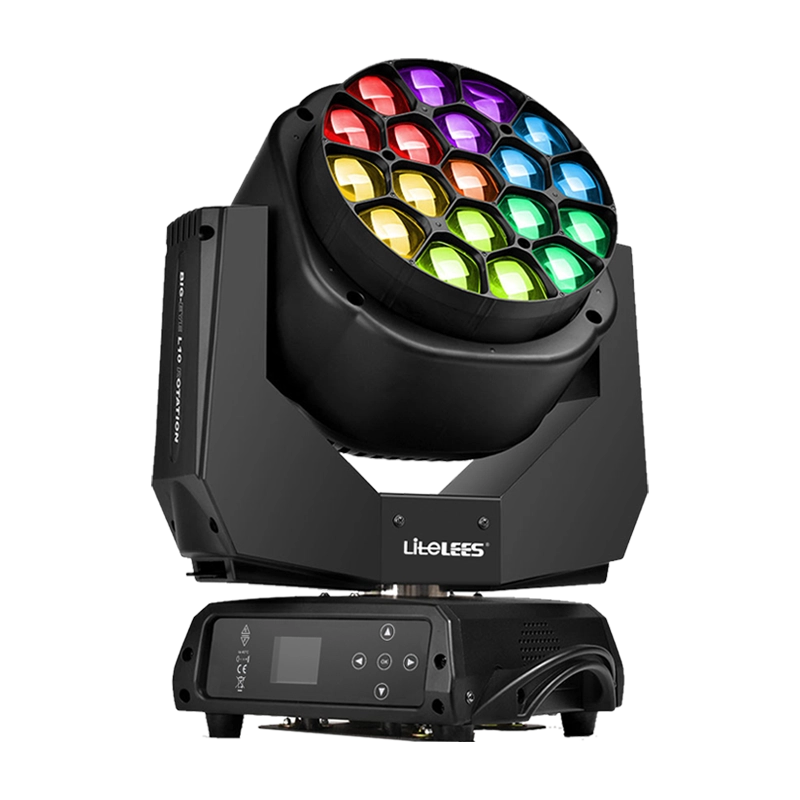

Stormy Shake Blinder IP
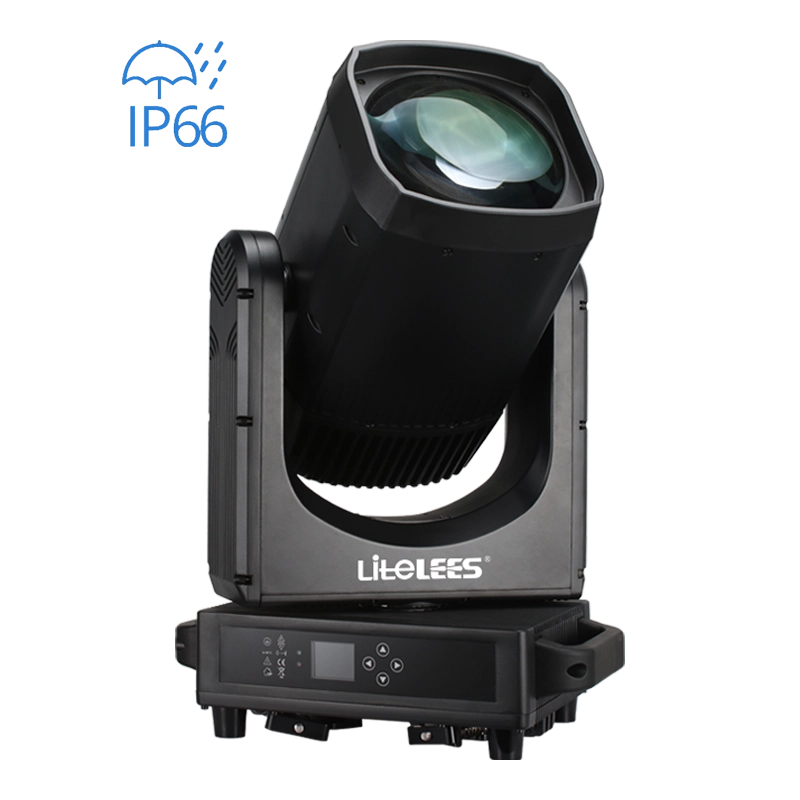
LiteLEES LUMIX BEAM 420 IP
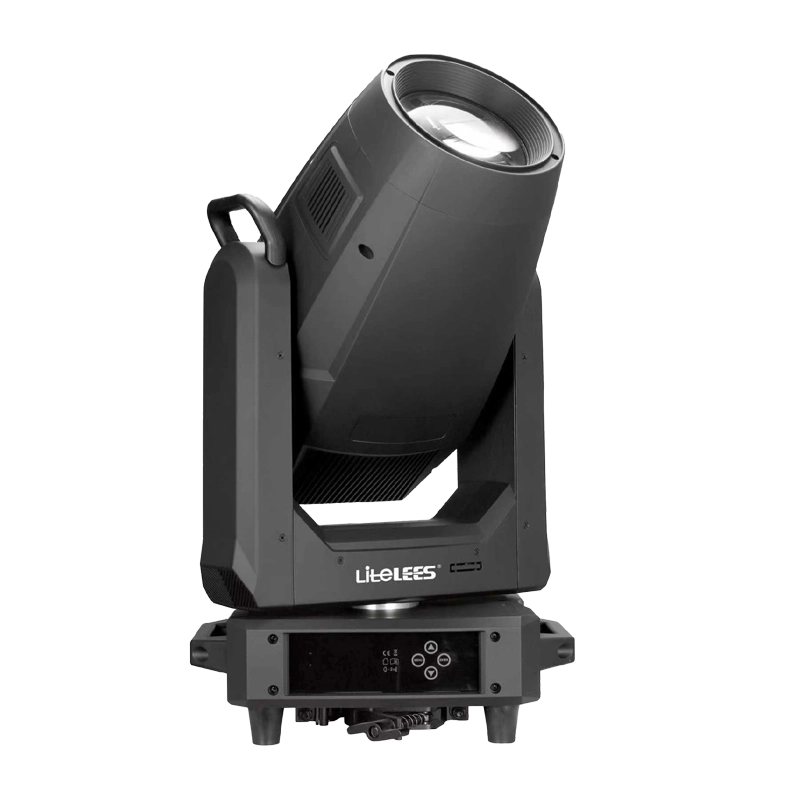
LP Profile 900
Want to get more up-to-date information?
If you have any comments or good suggestions, please leave us a message; later our professional staff will contact you as soon as possible.

We are professional stage lighting manufacturers offering OEM and ODM LED stage lights.
Contact
Email us
Call us
Address
No.6 Longnan Road, Huashan Town, Huadu District Guangzhou, Guangdong Province, China.
LiteLEES Professional
Less Lighting