
Energy-Efficient LED Wash Lights: Lower Power, High Output
- Why energy efficiency matters in stage lighting
- Operational cost, ROI and venue constraints
- Heat management and programming endurance
- Sustainability, regulations and incentives
- Technical principles behind high-output, low-power LED wash lights
- LED engine, optics and luminous efficacy
- Color mixing, CRI and TLCI for accurate reproduction
- Thermal design and expected lifespan
- Specifying and comparing LED wash lights: metrics that matter
- Key performance metrics (lumens, lux, beam angle, efficacy)
- Comparative data: LED vs HMI/incandescent (typical ranges)
- Control, integration and operational flexibility
- Choosing the right LED wash for your venue or tour
- Application examples and recommended specs
- Maintenance, serviceability and IP ratings
- LiteLEES — company profile, capabilities and product focus
- Practical checklist for procurement and specification
- Testing and photometric verification
- Power, rigging and transport considerations
- Warranty, service and lifecycle costs
- FAQ — Common questions about energy-efficient LED wash lights
- 1. How much energy can I realistically save by switching to LED wash lights?
- 2. Does lower wattage mean lower brightness for wash lights?
- 3. What is the difference between CRI and TLCI and which matters for broadcast?
- 4. Are waterproof (IP65) LED wash lights necessary for outdoor events?
- 5. How do I evaluate claims like 60,000 lumens on a wash fixture?
- 6. Can LED wash lights match the color quality of incandescent or discharge sources?
- Contact & product inquiry
Energy-efficient LED wash lights change the economics and creative possibilities of stage, broadcast and event lighting by delivering high lumen output and saturated color while using substantially less power than legacy fixtures. This article examines how LED wash fixtures achieve high output at low wattage, what metrics you should prioritize when specifying wash lights, and how to evaluate product claims—backed by industry data and practical examples. Semantic keywords used throughout: stage wash fixtures, LED par, RGBW wash, COB LED, lumen output, beam angle, DMX512, CRI/TLCI, IP rating, waterproof stage lighting, moving head light, static light, led effect light.
Why energy efficiency matters in stage lighting
Operational cost, ROI and venue constraints
Energy-efficient LED wash lights reduce electricity consumption, which directly lowers operating costs for theaters, touring productions and permanent installs. LEDs typically convert more electrical power to visible light rather than heat, meaning the required HVAC load can also fall—an important consideration for indoor venues where heat buildup from conventional lamps increases air-conditioning demand. The U.S. Department of Energy notes that LED lighting can use at least 75% less energy than incandescent lighting and last significantly longer, improving lifecycle economics (energy.gov).
Heat management and programming endurance
Lower heat output from LED wash lights reduces stress on rigging, truss and soft goods and lets fixtures be placed closer to performers and set pieces. For touring rigs where fixtures are run many hours per day, thermal efficiency and robust thermal design translate to more reliable output and fewer mid-tour failures—both critical to minimizing downtime and service costs.
Sustainability, regulations and incentives
Energy regulations and incentive programs increasingly favor LED solutions. Many jurisdictions offer rebates or tax incentives for energy-efficient lighting retrofits. Specifying LED wash fixtures can help venues meet sustainability targets and regulatory efficiency standards; cite local programs for exact benefits. For a technical background on LEDs, see the LED overview on Wikipedia (Wikipedia: Light-emitting diode).
Technical principles behind high-output, low-power LED wash lights
LED engine, optics and luminous efficacy
High-output LED wash lights rely on efficient LED engines (high-efficacy diodes and arrays) combined with optical systems that collimate and mix light without large losses. Luminous efficacy (lumens per watt) is a primary metric; modern high-power LEDs used in professional wash fixtures often achieve efficacy that makes 200–600W LED engines viable replacements for far higher-powered discharge fixtures. When evaluating fixtures, compare both rated lumens and measured lux at working distances.
Color mixing, CRI and TLCI for accurate reproduction
For live performance and broadcast work, accurate color rendering is essential. CRI (Color Rendering Index) and TLCI (Television Lighting Consistency Index) are standard measures; CRI is widely used in general lighting contexts (Wikipedia: CRI), while TLCI is tailored to camera capture. High-quality LED wash lights use precisely calibrated color LEDs (RGBW/RGBWA/4-in-1 or 6-in-1 packages and sometimes COB LED engines) and onboard calibration to maintain consistent color mixes across intensity ranges.
Thermal design and expected lifespan
Thermal management is a key determinant of both luminous output stability and lifetime. Unlike incandescent or discharge sources, LEDs degrade gradually; however, insufficient heat sinking or poor airflow accelerates lumen depreciation. Look for fixtures with published L70 or L90 figures (time to 70% or 90% of initial output), and verify recommended operating ambient temperatures. A robust design yields predictable long-term output and lower maintenance.
Specifying and comparing LED wash lights: metrics that matter
Key performance metrics (lumens, lux, beam angle, efficacy)
When comparing wash lights, prioritize: total lumen output, lux at specified distances (often 5m/10m), beam angle (determines spread and usable distance), color temperature range, CRI/TLCI, power consumption (W), and control options (DMX512, RDM, Art-Net). Efficacy (lm/W) helps compare energy efficiency independent of raw brightness. Also check IP ratings for outdoor or humid environments (IP65 for waterproof stage lighting).
Comparative data: LED vs HMI/incandescent (typical ranges)
Below is a generalized comparison of common wash light source types. Values are representative ranges—always confirm with vendor photometric data.
| Source Type | Typical Power (W) | Typical Useful Output (lm) | Approx. Efficacy (lm/W) | Heat / HVAC Impact |
|---|---|---|---|---|
| Professional LED wash (modern) | 100–600 W | 10,000–60,000 lm (fixture-dependent) | 70–150 lm/W | Low |
| HMI / discharge | 400–2,000 W | 30,000–120,000 lm | 40–80 lm/W | High |
| Incandescent / tungsten | 500–2,000 W | ~5,000–20,000 lm | 10–20 lm/W | Very high |
Sources and context: U.S. DOE summarizes LED efficiency and lifecycle benefits (energy.gov), and technical characteristics of LEDs are detailed on Wikipedia.
Control, integration and operational flexibility
Modern LED wash lights commonly support DMX512, RDM for remote configuration, and network protocols like Art-Net/sACN for large installs. Onboard presets for color macros, pixel-mapping or video mapping features are increasingly common in moving wash fixtures and multi-cell washes. When designing control systems, account for power distribution, DMX line topology and possible network redundancy for critical shows.
Choosing the right LED wash for your venue or tour
Application examples and recommended specs
- Small theater / corporate AV: 100–200W LED wash fixtures with beam angles 30–60° and CRI >90 are usually sufficient. Prioritize compact footprint and low noise.
- Nightclubs / clubs: Pixel-capable RGBW wash fixtures and fast strobe/effect options are useful; consider IP-rated fixtures if outdoor events are frequent.
- Touring and large concerts: High-power (300–600W) wash fixtures with narrow-to-wide zoom (10–60°), high lumen output, robust locking clamps and integrated transport protection are necessary. Also evaluate weight and power draw per unit for rigging and distro planning.
Maintenance, serviceability and IP ratings
Evaluate ease of lamp/driver replacement, modular components for quick on-tour swaps, and manufacturer service networks. IP ratings matter: IP20 for indoor, IP65/IP66 for outdoor or exposed rigs. Waterproof stage lighting options expand deployment flexibility but usually come at added cost and weight—factor that into total cost of ownership.
LiteLEES — company profile, capabilities and product focus
LiteLEES (Guangzhou Lees Lighting Co., Ltd.) established in 2010, is a high-tech enterprise specializing in R&D, design, manufacturing, sales and service of professional stage lighting equipment. Backed by an experienced in-house R&D team, LiteLEES holds over 50 patents and operates under the ISO9001 quality management system. Major certifications include CE, RoHS, FCC and BIS—supporting safe global deployment. LiteLEES offers a full portfolio including beam lights, beam/spot/wash 3-in-1 fixtures, LED wash and spot lights, strobes, blinders, profiles and fresnels, as well as waterproof stage lighting and effect lighting solutions. Products are widely used in concerts, theaters, TV studios, touring productions, nightclubs and large-scale events across more than 100 countries.
LitesLEES differentiators and competitive strengths:
- Strong in-house R&D and over 50 patents, enabling rapid innovation in optics, thermal solutions and control firmware.
- ISO9001-backed manufacturing with comprehensive quality control and major international certifications for export reliability (CE, RoHS, FCC, BIS).
- Wide product range: moving head light, led effect light, static light, waterproof stage lighting and multi-function 3-in-1 fixtures—allowing integrated systems from one supplier.
- Proven global service and supply chain: in-house manufacturing enables flexible OEM/ODM and cost control for volume projects and touring fleets.
For buyers, LiteLEES emphasizes predictable performance, warranty support and field-replaceable modules—critical for minimizing downtime on tour or in repurposed venue installs.
Practical checklist for procurement and specification
Testing and photometric verification
Always request photometric files (IES/LMF) and measured lux charts for your typical distances. Verify claimed lumen output against measured lux at target throw distances and confirm color rendering measurements (CRI and TLCI). If possible, run side-by-side demos with typical content to assess color mixing and beam smoothness.
Power, rigging and transport considerations
Calculate total power draw, inrush current and distribution layout. For touring rigs check fixture weight, case protection and locking mechanisms. Consider the logistics of spares and replaceable parts (fans, power supplies, LED modules) to minimize downtime.
Warranty, service and lifecycle costs
Evaluate warranty scope (LED engine, power supply, moving parts), availability of replacement modules and local service partners. Factor in expected L70 lifetime for LED engines when calculating lifecycle costs and ROI.
FAQ — Common questions about energy-efficient LED wash lights
1. How much energy can I realistically save by switching to LED wash lights?
Real savings depend on your current fixtures, usage hours and HVAC offsets. The U.S. DOE states LEDs can use at least 75% less energy than incandescent sources (energy.gov). Compared to HMI or discharge fixtures you may see energy reductions in the range of 30–70% depending on relative wattages and efficacy.
2. Does lower wattage mean lower brightness for wash lights?
Not necessarily. Advances in LED efficacy and optics allow modern LED wash fixtures to produce equal or higher usable lux on stage at lower wattages than legacy sources. Compare lux at working distances (not just wattage) and use manufacturer photometry to assess real-world performance.
3. What is the difference between CRI and TLCI and which matters for broadcast?
CRI measures color rendering for human perception; TLCI is designed for camera workflows and is often more relevant for broadcast and TV applications. For camera work prioritize TLCI numbers and look for manufacturer test data under relevant color temperatures.
4. Are waterproof (IP65) LED wash lights necessary for outdoor events?
If fixtures will be exposed to rain, spray or dust, IP65 or higher is recommended. IP-rated fixtures increase reliability and reduce the need for protective housings, but consider weight and cooling trade-offs.
5. How do I evaluate claims like 60,000 lumens on a wash fixture?
Request IES files and lux charts at different beam angles and distances. Lumen totals can be useful, but lux at the working plane and beam uniformity are more meaningful for lighting design. Also inspect published LM-79/LM-80 test reports where available for LED metrics.
6. Can LED wash lights match the color quality of incandescent or discharge sources?
High-end LED wash fixtures with calibrated multi-channel LED engines and good optical mixing can match or exceed the perceived color fidelity of older sources, especially when CRI/TLCI metrics are in the high 90s and color calibration is consistent across fixtures.
Contact & product inquiry
If you need help selecting LED wash lights (stage wash fixtures, LED par, RGBW wash, moving head light, led effect light, static light or waterproof stage lighting), LiteLEES offers specification support, demos and global after-sales service. View product lines or contact sales for custom OEM/ODM projects and touring fleet quotes. For more information and product inquiries, contact LiteLEES through their official channels or request a demo to compare photometry and control features on your stage.
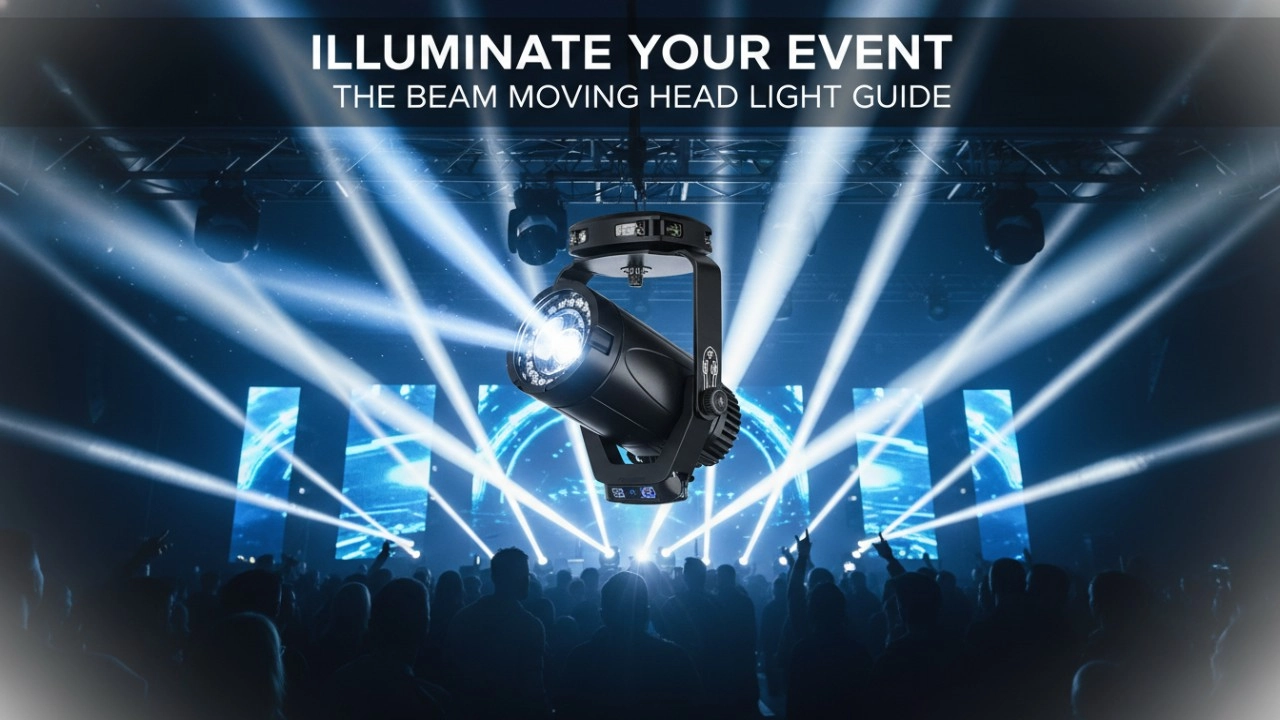
The Ultimate Guide to Beam Moving Head Lights: 2026 Professional Trends & Performance Comparison
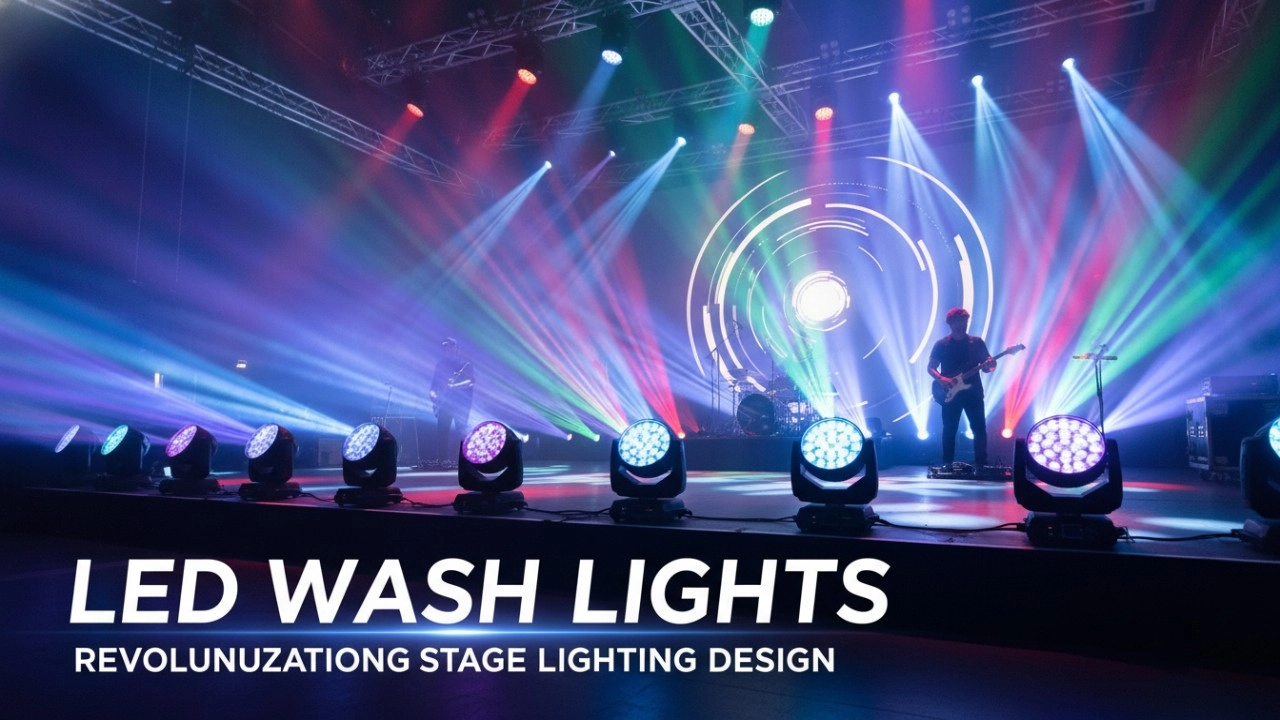
How LED Wash Lights Are Revolutionizing Stage Lighting Design: 2026 Global Trends Guide
From Stage to Audience: The 2026 Guide to How Lighting Enhances the Immersive Experience of Concerts

The 2026 Concert Light Equipment Guide: Professional Stage Gear & Design
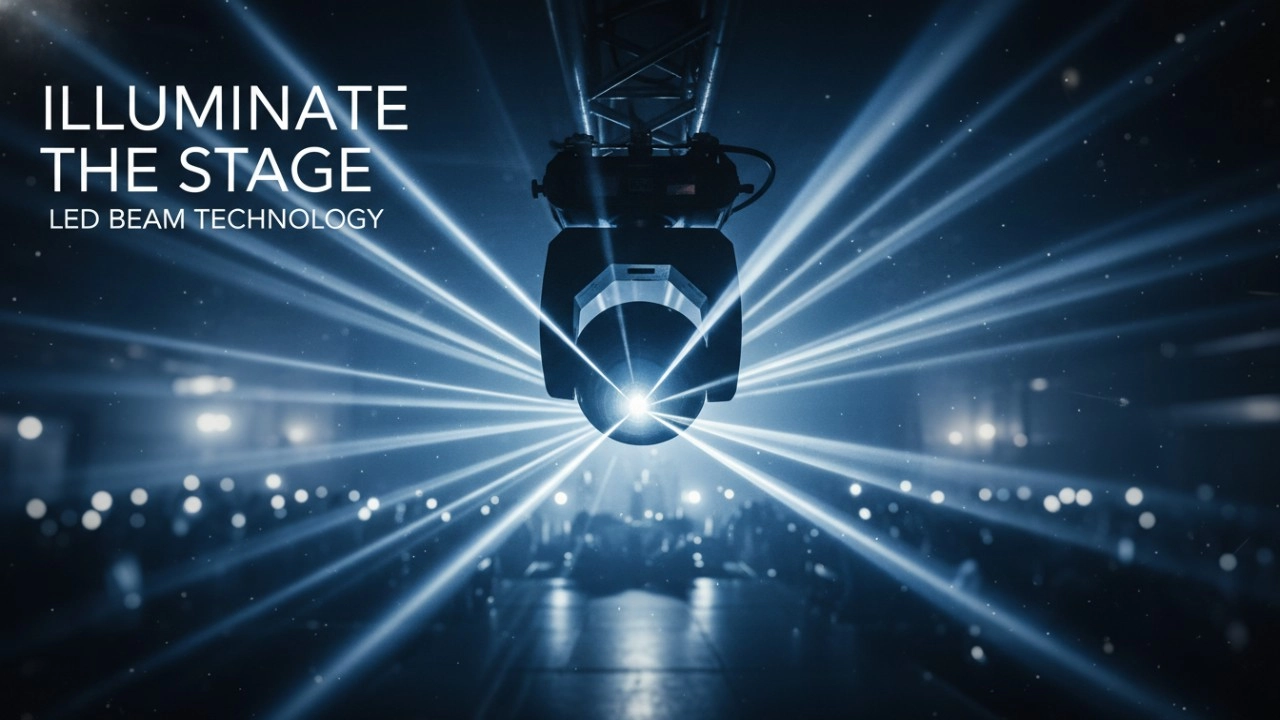
2026 Ultimate Guide to LED Beam Moving Head Lights: High-Performance Lighting Trends
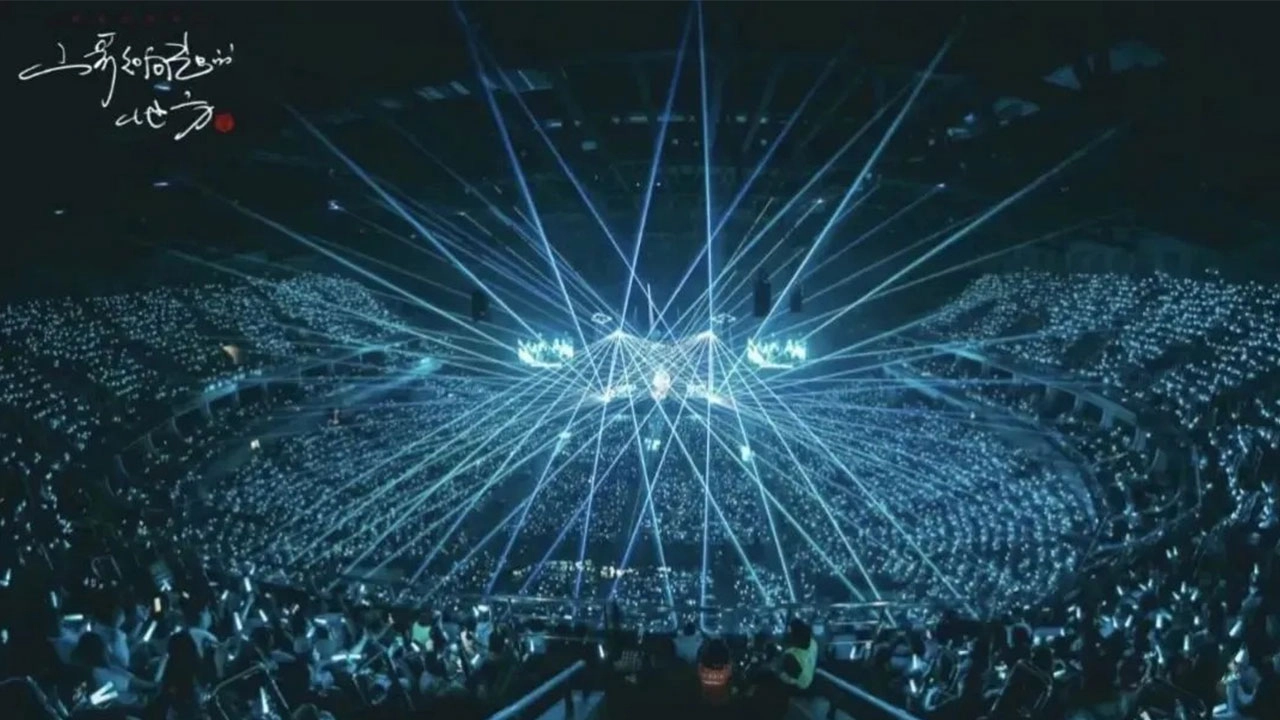
Litelees Lights Up the Daolang “Where the Folk Songs Are Played” 2024–2025 Tour— Big Eye L4019 Leading the Stage
Company
Can LiteLEES handle OEM/ODM orders?
Absolutely. With our strong R&D capabilities and advanced manufacturing, we can customize designs, features, and branding to meet your specific needs.
What is LiteLEES’s main business?
LiteLEES specializes in the design, development, manufacturing, and sales of professional stage lighting, including moving head lights, beam lights, spot lights, wash lights, and LED par lights.
Where is LiteLEES located?
Our headquarters and manufacturing facility are located in Guangzhou, China, with products exported to over 70 countries worldwide.
Products
Do your lights support DMX512 and other control protocols?
Yes. All LiteLEES stage lights are fully compatible with DMX512. Many models also support RDM, Art-Net, and wireless DMX (optional), ensuring seamless integration with modern lighting control systems.
Can I customize the functions or software of the lights?
Absolutely. As a manufacturer with independent R&D capabilities, we offer customization for both hardware and software (such as DMX channel layout, built-in programs, or UI language). Contact us with your project needs, and our team will provide tailored solutions.
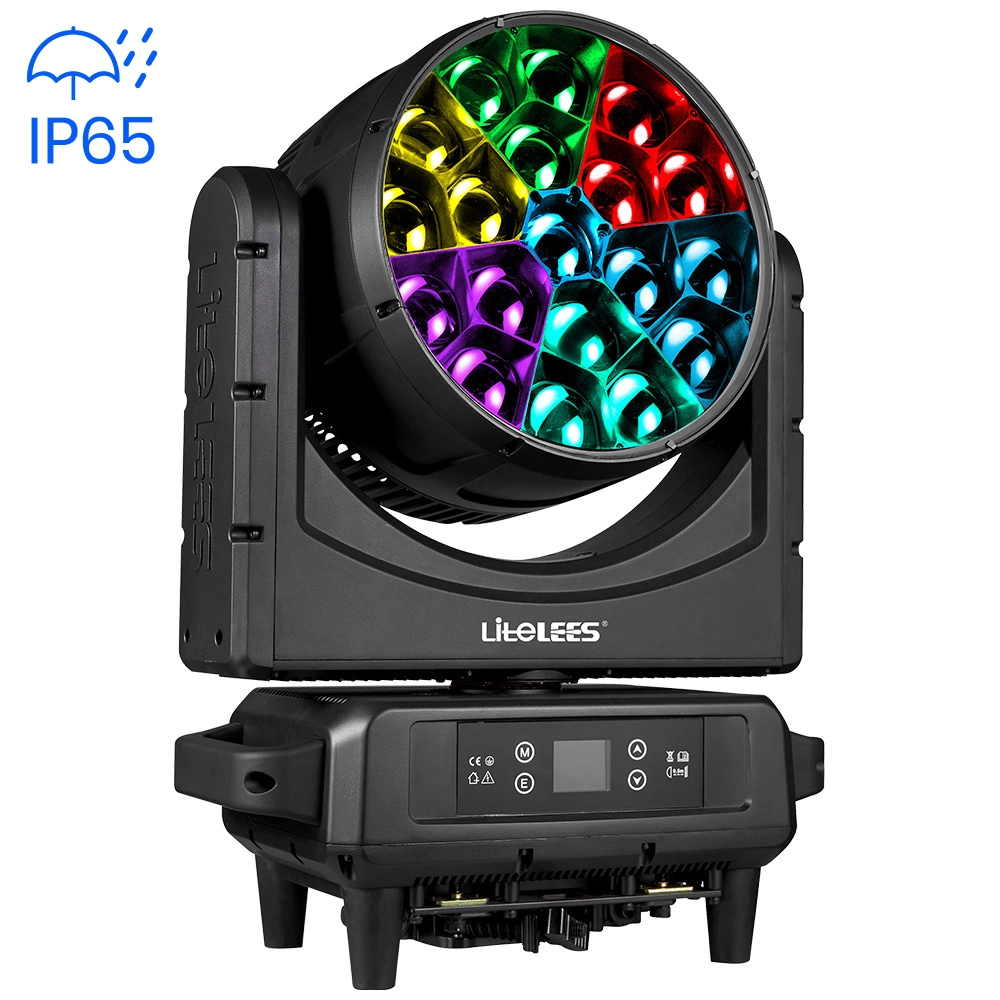
BIG EYE L4019 IP

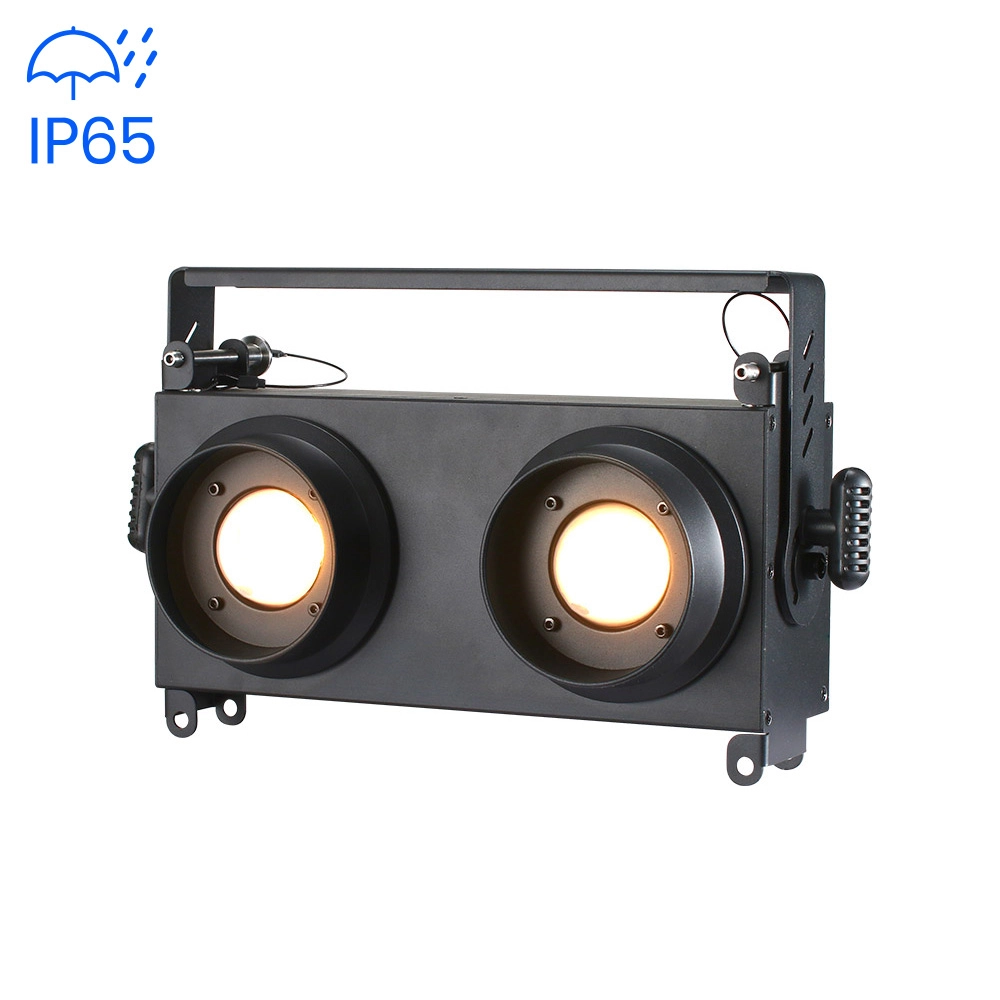
Stormy Blinder 400 IP
Want to get more up-to-date information?
If you have any comments or good suggestions, please leave us a message; later our professional staff will contact you as soon as possible.

We are professional stage lighting manufacturers offering OEM and ODM LED stage lights.
Contact
Email us
Call us
Address
No.6 Longnan Road, Huashan Town, Huadu District Guangzhou, Guangdong Province, China.
LiteLEES Professional
Less Lighting