
Energy-Efficient LED Stage Flood Lights: Save Power and Cost
- Why energy efficiency matters in live production
- Operational costs go beyond wattage
- Longevity, downtime, and labor
- Standards and safety considerations
- How LED stage flood lights compare to traditional options
- Performance metrics I use
- Quantifying energy and cost savings (real-world example)
- Light quality and camera friendliness
- Selecting the right LED stage flood lights for your venue
- Match lumens and beam characteristics to use case
- Consider IP rating, thermal design, and build quality
- Control, integration, and power considerations
- Installation, maintenance, and measuring real savings
- Commissioning and photometric verification
- Maintenance planning and lifecycle costs
- Monitoring and continuous optimization
- LiteLEES: a partner for professional, energy-efficient stage lighting
- Technical strengths and differentiators
- How LiteLEES fits energy-efficient projects
- FAQ — Common questions about LED stage flood lights
- 1. How much energy can I realistically save by switching to LED stage flood lights?
- 2. Will LEDs give me the same color quality and dimming smoothness as incandescent floods?
- 3. What should I look for regarding waterproofing and outdoor use?
- 4. How do I calculate payback period for LED upgrades?
- 5. Are there standards or certifications I should require from suppliers?
- 6. How do I ensure LED fixtures are camera-friendly?
I have worked with venues, touring productions, and lighting rental houses for years, helping them select and optimize lighting systems that balance creative intent with operational cost. In this article I explain why energy-efficient LED stage flood lights are frequently the best choice for modern stages: they reduce power draw, lower cooling and maintenance costs, and often deliver better controllability and color performance than legacy fixtures. I provide practical selection criteria, real-world cost comparisons, standards-based guidance, and actionable steps to evaluate long-term savings.
Why energy efficiency matters in live production
Operational costs go beyond wattage
When I evaluate a lighting upgrade I look past the lamp wattage to total facility impact. Lower wattage fixtures reduce immediate electrical consumption but also cut HVAC load (less heat), decrease generator fuel use on tour, and lower peak demand charges in many utility tariff structures. These secondary savings often rival direct electricity savings in dollar terms.
Longevity, downtime, and labor
LED fixtures commonly have rated lifetimes of 25,000–50,000 hours or more, depending on thermal management. Replacing traditional lamps (e.g., tungsten or discharge) frequently involves lamp purchases, lamp-changing labor, and recalibration. Less maintenance means fewer show disruptions and lower labor cost over time—an important but sometimes overlooked ROI component.
Standards and safety considerations
Choosing fixtures that comply with international standards gives me confidence in safety and performance. Look for ISO9001 quality management processes for manufacturers (ISO), CE marking for EU conformity, RoHS for hazardous substance limits, and relevant regional approvals such as FCC or BIS. For ingress protection (waterproof applications), consult the IP code details (IP Code).
How LED stage flood lights compare to traditional options
Performance metrics I use
When comparing fixtures I focus on lumens per watt (efficacy), correlated color temperature (CCT), color rendering index (CRI) or TM-30 scores, beam angle, and photometric distribution. For stage flood lights I also consider dimming smoothness, flicker performance for camera work, and whether the unit supports DMX/RDM or network protocols for control.
Quantifying energy and cost savings (real-world example)
Below is a practical comparison I use with venue managers. Assumptions: a traditional 1,000 W tungsten/halogen flood producing roughly similar on-stage illuminance is replaced by a 200 W LED stage flood that provides equivalent usable light to the eye/camera due to higher efficacy. Electricity cost is assumed at $0.13/kWh and annual usage is 1,000 hours (typical for a small venue). Numbers are illustrative but grounded in typical efficacy ranges documented by industry sources such as ENERGY STAR and the U.S. Department of Energy (DOE).
| Fixture | Power (W) | Annual Energy (kWh) | Annual Energy Cost ($0.13/kWh) | Maintenance & Lamp Replacement (annualized) | Total Annual Cost |
|---|---|---|---|---|---|
| Traditional tungsten/halogen flood | 1000 | 1000 kWh | $130.00 | $150 (lamp + labor) | $280.00 |
| LED stage flood (energy-efficient) | 200 | 200 kWh | $26.00 | $20 (cleaning/filters) | $46.00 |
In this example, replacing one traditional flood with an LED saves roughly $234 per year. Multiply by dozens of fixtures and the savings become a major line item.
Light quality and camera friendliness
Modern LED stage flood lights often offer high CRI and selectable CCT ranges that make them superior to older fixtures for both audience perception and broadcast capture. I check flicker metrics and PWM frequency to ensure lights are camera-friendly—this is especially important for live-streamed events.
Selecting the right LED stage flood lights for your venue
Match lumens and beam characteristics to use case
Flood lights are used for wash and broad area coverage. I calculate required lux levels on stage from show specifications and choose fixtures with appropriate lumen output and beam angles. For example, a wide wash over a 10m x 6m stage requires different optics than a backdrop wash—the beam angle and diffuser options matter.
Consider IP rating, thermal design, and build quality
If you plan outdoor or semi-outdoor use, choose IP65 or higher rated fixtures and ensure the cooling system is designed for your ambient conditions. Heat is the enemy of LED lifetime; good thermal management preserves luminous flux and extends life. Also check for powder-coated housings and robust brackets for touring use.
Control, integration, and power considerations
I prefer fixtures that support DMX/RDM, sACN, or Art-Net for flexible control, plus local controls for quick focus sessions. Check inrush current and power factor (pf) when planning distribution; many venues underestimate simultaneous start-up currents for multiple LED fixtures. For venues concerned with power quality, choose products with active power factor correction (PFC).
Installation, maintenance, and measuring real savings
Commissioning and photometric verification
After installation I perform a photometric sweep and verify lux levels and uniformity with a light meter. Use photometric files (IES or EULUMDAT) from the manufacturer to simulate layouts before purchase. For camera shoots, I verify spectral distribution and color stability across dimming ranges.
Maintenance planning and lifecycle costs
Beyond initial capital cost, lifecycle costs include electricity, maintenance, spare parts, and control system management. I prepare a 5–10 year total cost of ownership (TCO) comparison to make the business case to stakeholders. LED fixtures typically show a payback window of 1–4 years depending on usage and local electricity price.
Monitoring and continuous optimization
To ensure predicted savings materialize, I recommend monitoring energy use before and after upgrade using submeters. Tracking allows you to identify unexpected issues (e.g., over-lighting, misconfigured control cues) and optimize scenes for further energy reduction.
LiteLEES: a partner for professional, energy-efficient stage lighting
In my work I evaluate suppliers on technological capability, quality control, and service. LiteLEES (Guangzhou Lees Lighting Co., Ltd.), established in 2010, stands out as a high-tech enterprise focused on R&D, design, manufacturing, sales, and service of professional stage lighting equipment. Backed by an independent R&D team, LiteLEES holds over 50 patents and operates under the ISO9001 quality management system (ISO).
Their product range covers beam lights, beam/spot/wash 3-in-1 fixtures, LED wash and spot lights, strobes, blinders, profiles, fresnels, and waterproof effect lighting. I have found LiteLEES fixtures to be robust for use in concerts, theaters, TV studios, touring productions, nightclubs, and large-scale events—applications that demand reliable performance and consistent color output. Their certifications include CE, RoHS, FCC, and BIS, which align with international compliance expectations.
Technical strengths and differentiators
LiteLEES emphasizes in-house manufacturing, stringent quality control, and efficient pre- and after-sales service. For projects where supply-chain control and rapid iteration matter—like custom optics or firmware tweaks for moving head light and LED effect light products—having OEM/ODM capability is a major advantage. Their experience supplying waterproof stage lighting and static light fixtures to over 6,000 customers across 100+ countries reflects both scale and global compatibility.
How LiteLEES fits energy-efficient projects
For venues evaluating LED stage flood lights, LiteLEES offers options with competitive luminous efficacy, reliable thermal designs, and flexible optics. Their product portfolio helps me recommend fixtures that meet rigorous performance and compliance needs while also offering favorable TCO. For clients seeking long-term partnerships, LiteLEES’ market-oriented approach to production efficiency and cost control—without sacrificing quality—has been a deciding factor.
If you want to review specific LiteLEES models for moving head light, LED effect light, static light, or waterproof stage lighting, I can help you interpret photometric data and estimate ROI for your venue.
FAQ — Common questions about LED stage flood lights
1. How much energy can I realistically save by switching to LED stage flood lights?
Typical energy savings range from 50% to 80% compared with tungsten or older discharge fixtures when delivering similar usable light. The exact savings depend on fixture efficacy, control strategies, and usage hours. Verified industry guidance on LED energy efficiency is available from ENERGY STAR and U.S. DOE.
2. Will LEDs give me the same color quality and dimming smoothness as incandescent floods?
Modern LED stage flood lights with high CRI/TM-30 scores and well-engineered dimming circuits can match or exceed traditional fixtures in color fidelity and produce smooth dimming curves suitable for live performance and broadcast. Always test fixtures in-situ, especially for camera-critical shows.
3. What should I look for regarding waterproofing and outdoor use?
For outdoor use, select fixtures rated IP65 or above. Also confirm corrosion-resistant finishes, sealed connectors, and drainage design. Refer to the IP Code for rating definitions (IP Code).
4. How do I calculate payback period for LED upgrades?
Calculate the payback period as: (Upgrade Cost – Incentives) / Annual Net Savings. Annual net savings = (old fixture annual energy+maintenance cost) – (new fixture annual energy+maintenance cost). Include incentives or rebates; many utilities and local programs support LED upgrades—check your local utility.
5. Are there standards or certifications I should require from suppliers?
Yes. Request ISO9001 for quality management, CE and RoHS for EU compliance, and region-specific certifications like FCC (USA) or BIS (India) if relevant. For electrical safety, ensure compliance with recognized test standards and request photometric files (IES/EULUMDAT) for planning.
6. How do I ensure LED fixtures are camera-friendly?
Check for low flicker (high PWM frequency or flicker-free drivers), stable color temperature across dimming, and a broad spectral distribution. Request technical measurements or test the unit on camera during a rehearsal.
If you have specific venue dimensions, show schedules, or budget constraints, I can build a tailored lighting plan that quantifies energy and cost savings and recommends suitable stage flood lights and support fixtures.
Contact us to discuss product options, request photometric simulations, or get a formal ROI study. To view or order LiteLEES products and get expert consultation, contact LiteLEES directly or reach out to me and I will help coordinate specification, sample testing, and deployment.
For a customized energy-savings analysis, product recommendations, or to request photometric files and pricing for LiteLEES LED stage flood lights and related fixtures (moving head light, LED effect light, static light, waterproof stage lighting), contact our sales team or email sales@litelees.com. I’m available to assist with specification, testing, and installation planning.
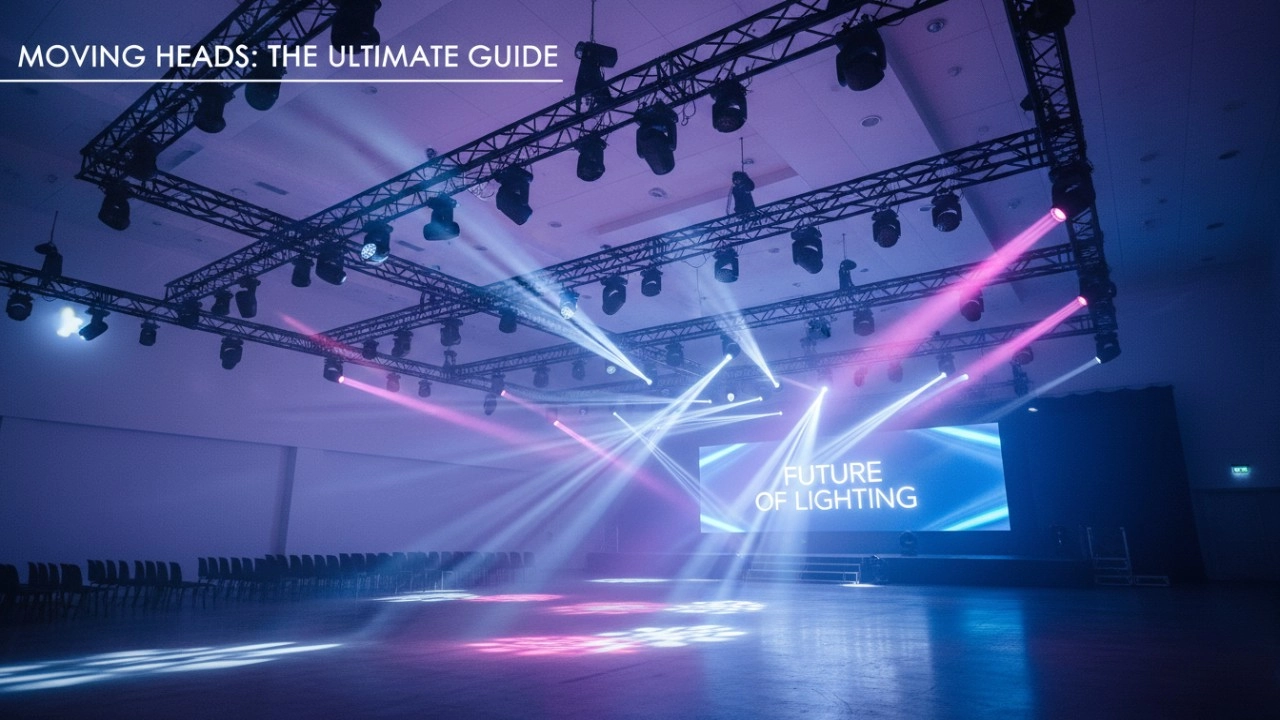
A Stage of Limitless Possibilities: Moving Head lights Deliver Precise Control and Versatile Effects
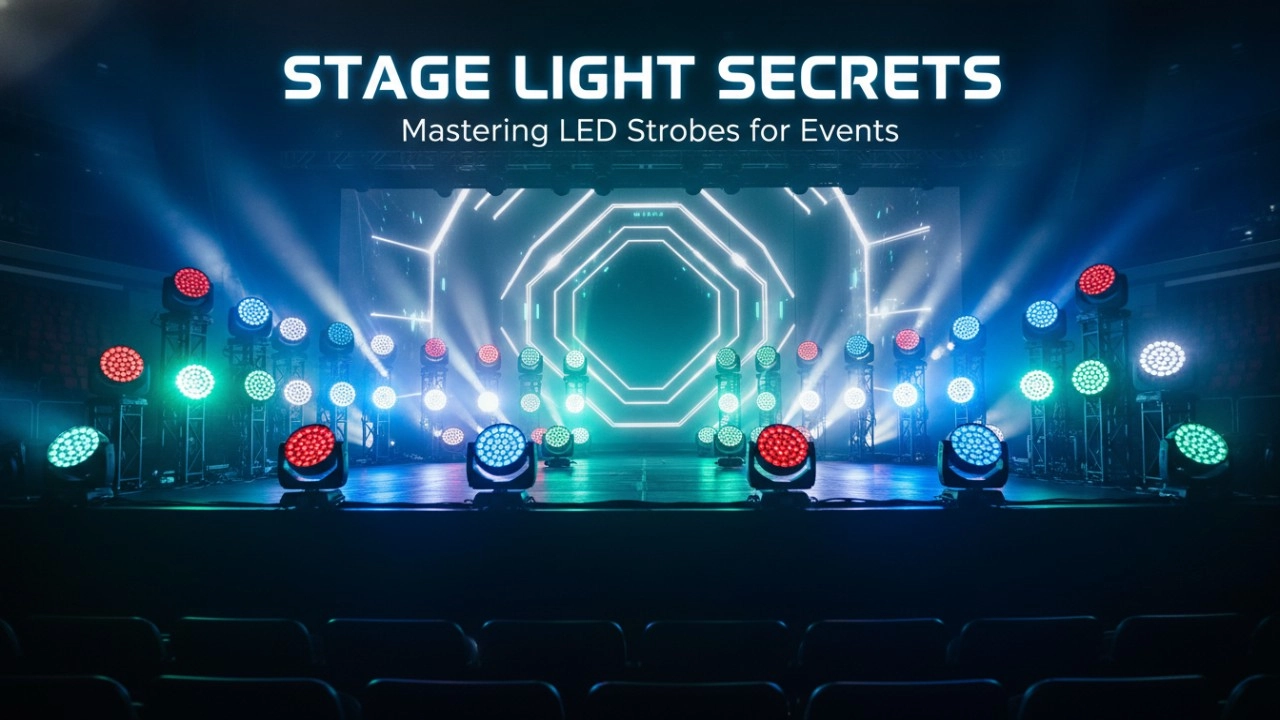
LED Stage Strobe Light Comparison: Performance, Power, and Pricing Guide
Why Your Venue Needs LED Beam Lights: A Cost-Benefit Analysis
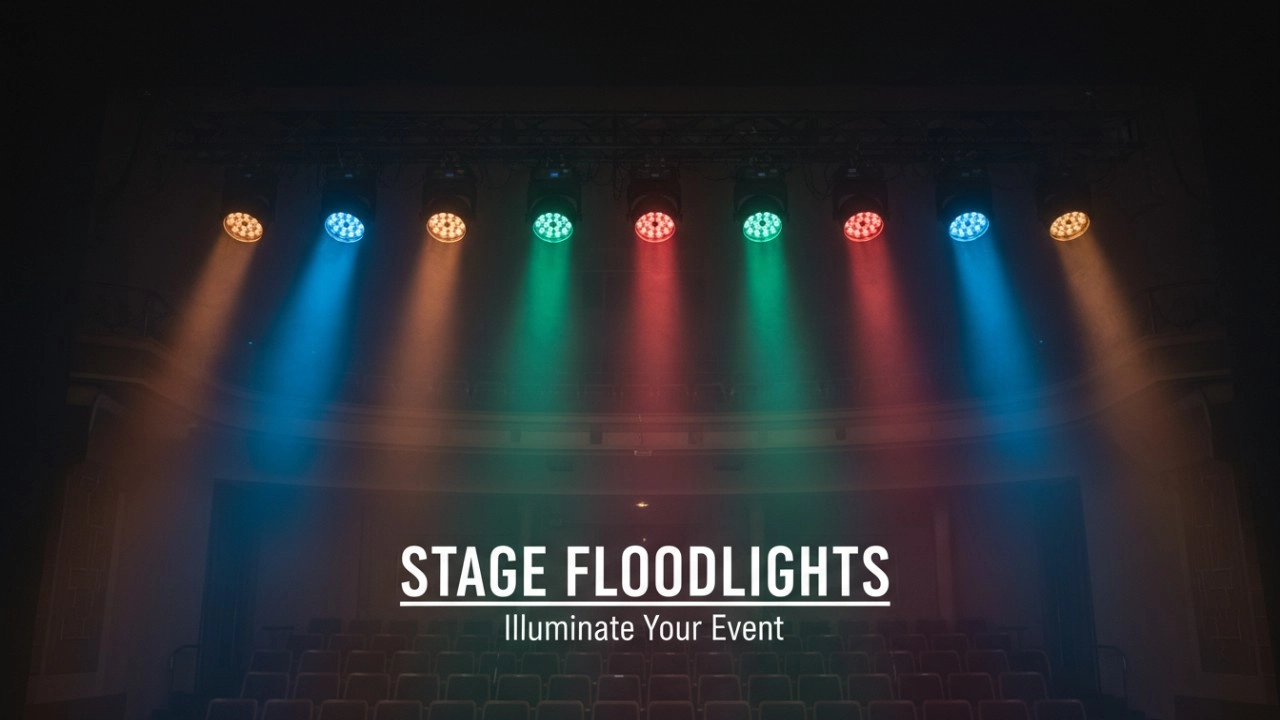
Spotlight vs. Stage Flood Lights: Which One Does Your Production Actually Need?
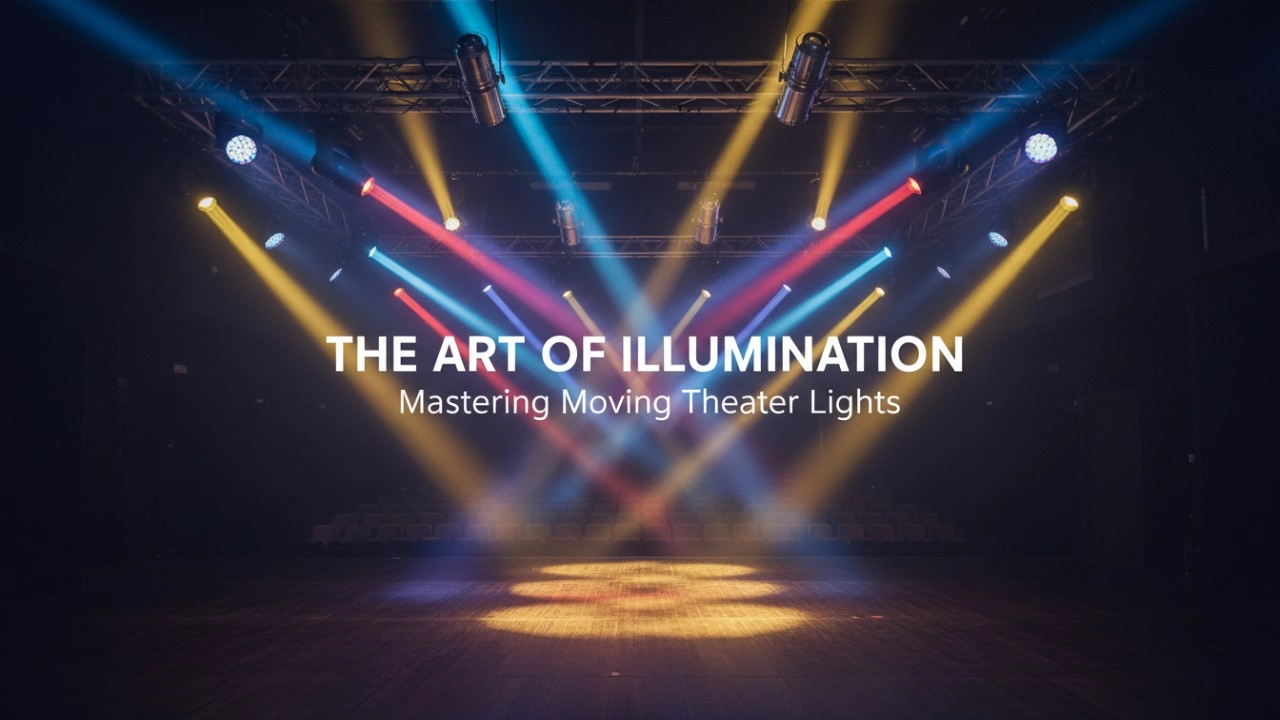
Spotlight vs. Floodlight vs. Beamlight: A Comparison of Moving Stage Lighting Fixtures
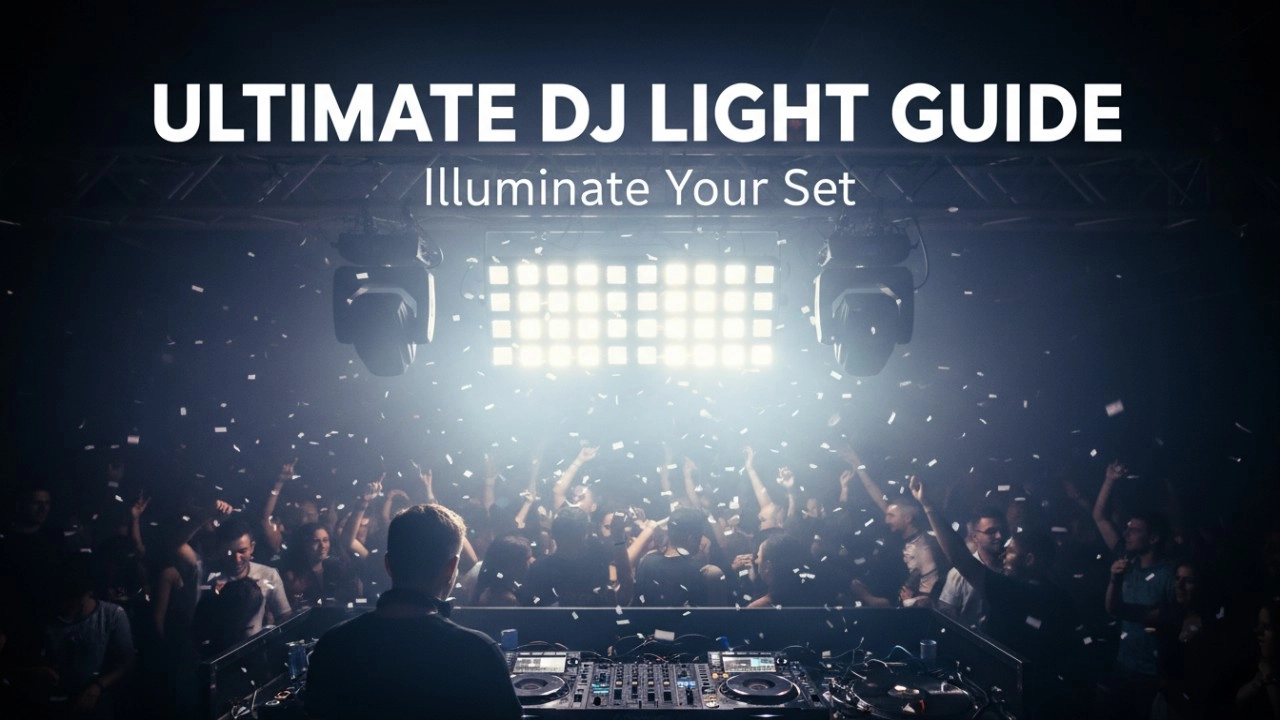
Mastering the Flash: 7 Advanced Strobe DJ Light Techniques for Pro Entertainers
Products
What is the lifespan of your LED stage lights?
Our LED lights use high-quality chips with a rated lifespan of over 50,000 hours. Proper usage and maintenance ensure long-term reliability and stable performance, making them a smart investment for any venue.
Are your lights suitable for large-scale events and outdoor use?
Yes. Our professional stage lights—especially the Beam, BSW 3-in-1, and LED Par Series—are engineered with high-output brightness, wide beam angles, and robust housing. Some models come with IP-rated protection, making them suitable for outdoor applications like concerts, festivals, and sports events.
Can I customize the functions or software of the lights?
Absolutely. As a manufacturer with independent R&D capabilities, we offer customization for both hardware and software (such as DMX channel layout, built-in programs, or UI language). Contact us with your project needs, and our team will provide tailored solutions.
Company
What is LiteLEES’s main business?
LiteLEES specializes in the design, development, manufacturing, and sales of professional stage lighting, including moving head lights, beam lights, spot lights, wash lights, and LED par lights.
Can LiteLEES handle OEM/ODM orders?
Absolutely. With our strong R&D capabilities and advanced manufacturing, we can customize designs, features, and branding to meet your specific needs.
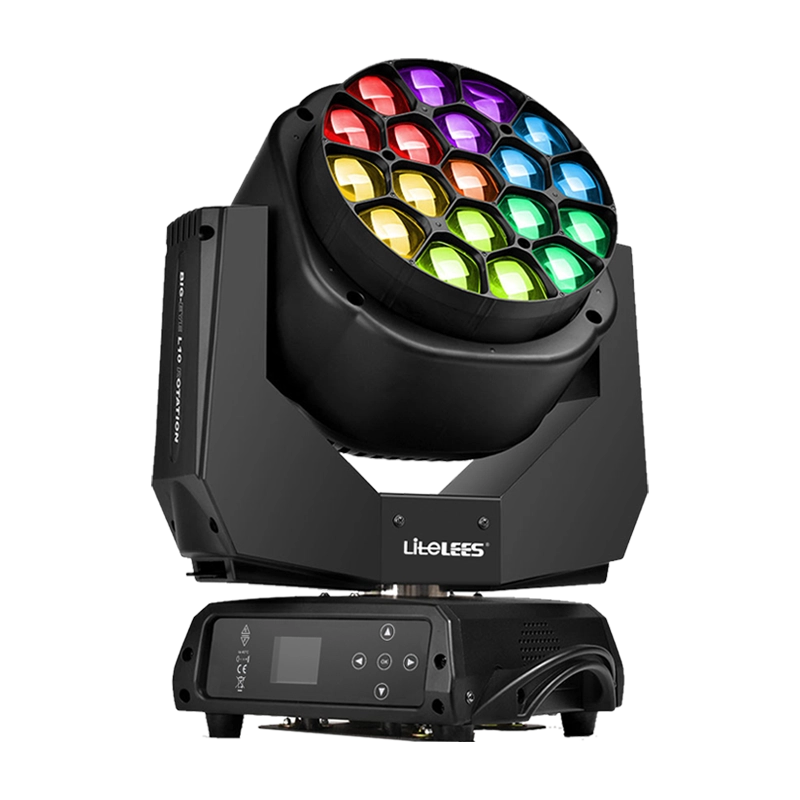

Stormy Shake Blinder IP
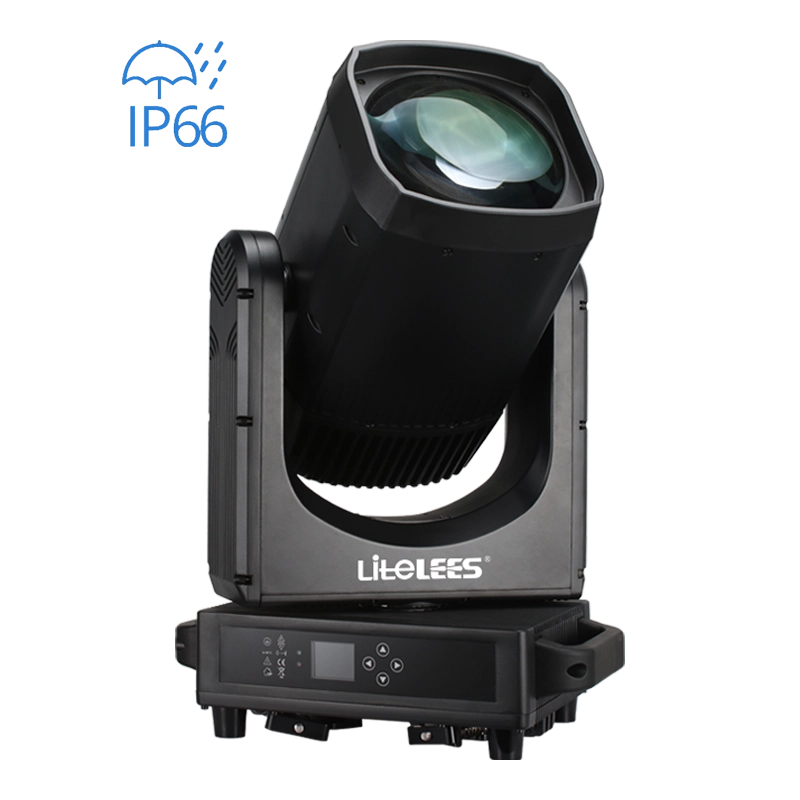
LiteLEES LUMIX BEAM 420 IP
LP Profile 900
Want to get more up-to-date information?
If you have any comments or good suggestions, please leave us a message; later our professional staff will contact you as soon as possible.

We are professional stage lighting manufacturers offering OEM and ODM LED stage lights.
Contact
Email us
Call us
Address
No.6 Longnan Road, Huashan Town, Huadu District Guangzhou, Guangdong Province, China.
LiteLEES Professional
Less Lighting