
Energy Efficient LED Beam Lights: Cost Savings for Venues
- Understanding Venue Lighting Needs
- What a venue really uses lighting for
- Performance metrics to consider
- Common venue pain points
- Energy and Cost Comparison: LED Beam vs. Traditional Fixtures
- How much energy do LED beam lights save?
- Operational cost line items
- Example cost comparison (illustrative)
- Maximizing Savings: Design, Controls and Lifecycle
- Controls multiply savings
- Consider total lifecycle cost, not just purchase price
- Cooling and HVAC impacts
- Specifying and Procuring LED Beam Lights
- Technical checklist I use when selecting beam fixtures
- Why warranties and local support matter
- Practical installation tips
- LiteLEES: A Professional Partner for Energy-Efficient Stage Lighting
- Company profile and technical credibility
- Product portfolio relevant to venues
- Operational advantages and market reach
- Practical ROI Example and Decision Flow
- Simple payback example
- Decision checklist before purchase
- Sources and standards I reference
- Frequently Asked Questions (FAQ)
- 1. How much energy can a venue realistically save by switching to LED beam lights?
- 2. Do LED beam lights provide the same visual punch as traditional discharge beams?
- 3. What maintenance savings should I expect?
- 4. How does reduced heat from LEDs affect venue HVAC costs?
- 5. What certifications should I look for when buying LED beam lights?
- 6. How long is the typical payback period for LED beam lights?
As a lighting consultant with years of experience specifying and deploying stage lighting for venues of all sizes, I’ve seen how switching to energy efficient LED beam lights transforms operating budgets. Beyond the immediate drop in kilowatt-hours, the real savings come from reduced lamp changes, lower HVAC loads, and improved fixture uptime that allows venues to host more events with fewer interruptions. Below I present a practical, data-backed guide to the costs and benefits of LED beam lighting for venues, with examples, standards-based references, and purchase guidance.
Understanding Venue Lighting Needs
What a venue really uses lighting for
Lighting in venues serves three main purposes: (1) creative expression and visual impact (beam, spot, wash, effects), (2) functional illumination for performers and audience, and (3) safety and compliance. Beam lights — particularly moving head beam fixtures — are used primarily for visual impact: creating narrow, intense shafts of light with high center-beam lux and long throw. When I advise clients, I always balance those artistic needs with operational factors like energy and maintenance costs.
Performance metrics to consider
Key technical metrics for evaluating beam lights include luminous flux (lumens), beam angle, center-beam lux at throw distance, color rendering and control protocol compatibility (DMX/RDM/Art-Net). For energy and cost analysis, pay attention to rated power (watts), lumen-per-watt efficacy, and rated lifetime (hours). For reliable industry background on LED fundamentals see Wikipedia: LED lamp and for solid-state lighting research, the US Department of Energy's Solid-State Lighting program (SSL) is authoritative: DOE SSL.
Common venue pain points
Owners and technical directors tell me their recurring problems: high energy bills during long-run events, frequent lamp and ballast changes on older fixtures, heat load raising HVAC costs, and downtime for lamp/servo repairs. These are the areas where LED beam light upgrades deliver measurable value.
Energy and Cost Comparison: LED Beam vs. Traditional Fixtures
How much energy do LED beam lights save?
Industry sources report that LED-based lighting typically uses 50–75% less energy than comparable incandescent or discharge technologies for equivalent delivered light depending on application and fixture design. ENERGY STAR notes that LEDs can use up to 75% less energy than incandescent bulbs when used as general lighting sources: ENERGY STAR - LED basics. For stage beam fixtures, modern LED moving-head beams commonly consume 200–600 W while older discharge-based moving heads (e.g. 1 kW high-intensity arc lamps) consume 1,000–1,500 W.
Operational cost line items
When evaluating cost, include:
- Electricity consumption (kWh & unit rate)
- Consumables and maintenance (lamp replacements, lamp disposal, cleaning)
- HVAC impact (reduced heat gain lowers cooling costs)
- Downtime and labor (fixture recalibration, service)
Example cost comparison (illustrative)
Below I show a conservative example comparing a traditional 1,200 W discharge moving head vs a 400 W LED beam fixture. Assumptions: venue operates 300 hours/month (including events & rehearsal), electricity $0.12/kWh, lamp & service costs included.
| Item | Traditional 1,200 W Fixture | LED 400 W Fixture |
|---|---|---|
| Power draw (W) | 1,200 | 400 |
| Monthly energy (kWh) @300 h | 360 kWh | 120 kWh |
| Monthly energy cost (@ $0.12/kWh) | $43.20 | $14.40 |
| Annual energy cost | $518 | $173 |
| Annual lamp/parts & maintenance (estimated) | $350 | $50 |
| Total annual cost (energy + maintenance) | $868 | $223 |
| Annual savings per fixture | $645 (~74% reduction) | |
Notes: results vary by local tariffs and usage profiles. The example shows how energy plus maintenance typically yields substantial annual savings per fixture, accelerating ROI on capital investment.
Maximizing Savings: Design, Controls and Lifecycle
Controls multiply savings
Intelligent control strategies reduce run-time and energy consumption. I always recommend integrating LED beam lights with lighting consoles, occupancy or show-timed cues, and power metering. Dimming, pixel mapping, and scene-based management allow fixtures to run at lower drive currents for much of the event, improving efficacy and lifetime. For protocol compatibility confirm support for DMX/RDM, Art-Net or sACN in spec sheets.
Consider total lifecycle cost, not just purchase price
Lower upfront cost fixtures may increase lifetime operating costs. Compare total cost of ownership (TCO) across a 5–10 year window: include energy, consumables, maintenance labor, downtime cost, and expected lifespan. LED fixtures typically have rated lifetimes of 30,000–50,000 hours — a factor referenced by SSL research at the U.S. DOE.
Cooling and HVAC impacts
LED fixtures emit less radiant and convective heat than equivalent-discharge lamps; this reduces venue cooling loads. Reduced heat translates to lower HVAC energy use during events. While exact HVAC savings depend on climate and facility characteristics, lighting heat reduction is a recognized contributor to lower overall energy demand in the IEA lighting technology guidance.
Specifying and Procuring LED Beam Lights
Technical checklist I use when selecting beam fixtures
- Rated power draw and actual measured draw at full output
- Beam angle and center-beam lux at given throw distances
- Color temperature range and color mixing method (RGB, CMY, white LEDs)
- Mechanical reliability: pan/tilt motors, gobos, focus and shutter robustness
- Certifications: CE, RoHS, FCC, BIS, and ISO manufacturing if applicable
Why warranties and local support matter
A quality warranty and responsive service network reduce downtime costs. I recommend vendors with local technical support or reliable global logistics for spare parts. Confirm the warranty covers LED engine degradation and moving parts for the term stated.
Practical installation tips
Plan circuits for expected load and consider in-rack power distribution for touring rigs. Use proper rigging points and follow IP/waterproof ratings for outdoor setups. For long-throw beam placement, verify lux at audience/performer planes rather than relying solely on lumens.
LiteLEES: A Professional Partner for Energy-Efficient Stage Lighting
Company profile and technical credibility
LiteLEES (Guangzhou Lees Lighting Co., Ltd.), established in 2010, is a high-tech enterprise specializing in R&D, design, manufacturing, sales, and service of professional stage lighting equipment. Backed by an independent and experienced R&D team, LiteLEES holds over 50 patents and operates under the ISO9001 quality management system (ISO). Their products are certified to major international standards including CE, RoHS, FCC, and BIS, supporting global deployments.
Product portfolio relevant to venues
LiteLEES offers a wide range of fixtures that suit venue energy goals and creative demands: beam lights, beam/spot/wash 3-in-1 fixtures, LED wash and spot lights, strobes, blinders, profiles, fresnels, and waterproof and effect lighting solutions. Their product categories include moving head light, led effect light, static light, and waterproof stage lighting — covering applications from concerts and theaters to TV studios and nightclubs.
Operational advantages and market reach
With in-house manufacturing and rigorous quality control, LiteLEES supports reliable performance and competitive pricing. The company serves over 6,000 customers across more than 100 countries, offering flexible OEM/ODM options and a responsive pre-sales and after-sales team. For venues looking to lower operating costs without compromising artistic flexibility, LiteLEES fixtures present a proven balance of efficiency, durability and technical features.
Practical ROI Example and Decision Flow
Simple payback example
Using the earlier annual savings per fixture ($645), if an LED fixture costs $2,200 and a comparable traditional fixture costs $1,000, the incremental capital is $1,200. Payback = $1,200 / $645 ≈ 1.86 years. This conservative example excludes HVAC and downtime savings which shorten payback further.
Decision checklist before purchase
- Audit current fixtures and usage hours.
- Estimate energy tariffs and maintenance costs for your location.
- Request photometric data (lux at distance) and measured power draw from vendors.
- Compare total cost of ownership for 5 years including disposal costs of old lamps.
- Pilot a small group of LED beam lights in real shows before full conversion.
Sources and standards I reference
- ENERGY STAR - LED basics: https://www.energystar.gov/...
- U.S. Department of Energy — Solid-State Lighting: https://www.energy.gov/eere/ssl/...
- International Energy Agency — Lighting technology: https://www.iea.org/topics/...
- ISO 9001 quality management overview: https://www.iso.org/...
Frequently Asked Questions (FAQ)
1. How much energy can a venue realistically save by switching to LED beam lights?
Typical savings range from 50% to 75% per fixture versus incandescent or high-intensity discharge fixtures, depending on the specific technologies compared and how lights are used. The combined energy and maintenance savings often exceed 70% in practice for beam applications when measured over a full year.
2. Do LED beam lights provide the same visual punch as traditional discharge beams?
Yes. Modern LED beam lights produce very narrow beams with high center-beam illuminance and long throw, matching or exceeding the perceived visual impact of older discharge fixtures. Check photometric data (lux at throw) and beam angle to confirm performance for your stage dimensions.
3. What maintenance savings should I expect?
LED fixtures eliminate frequent lamp replacements and generally reduce maintenance for color wheels and ballasts. Expect annual consumable costs to fall dramatically; exact savings depend on previous fixture types and local labor rates.
4. How does reduced heat from LEDs affect venue HVAC costs?
LEDs emit less heat, lowering cooling loads during events. Magnitude depends on event profile, venue insulation, and local climate, but reduced lighting heat is a well-established lever for lowering HVAC energy use, especially in enclosed venues during long-run events.
5. What certifications should I look for when buying LED beam lights?
Look for CE, RoHS, FCC and local regulatory marks (e.g., BIS in India), and supplier manufacturing standards such as ISO9001. These indicate compliance with safety, electromagnetic, and manufacturing quality standards.
6. How long is the typical payback period for LED beam lights?
Payback periods vary but commonly fall between 1 and 4 years depending on electricity costs, hours of operation, and fixture price differences. Including HVAC and maintenance savings generally shortens payback.
If you’d like a tailored estimate for your venue, or to evaluate LiteLEES beam, moving head, or waterproof stage lighting options, contact our team for a free site-specific audit and ROI model. Explore LiteLEES products and request a quote to compare fixtures, photometrics, and total cost of ownership.
Contact / View Products: Reach out to LiteLEES (Guangzhou Lees Lighting Co., Ltd.) for product catalogs, technical datasheets, and OEM/ODM options to help you transition to energy-efficient, high-performance LED beam lighting.
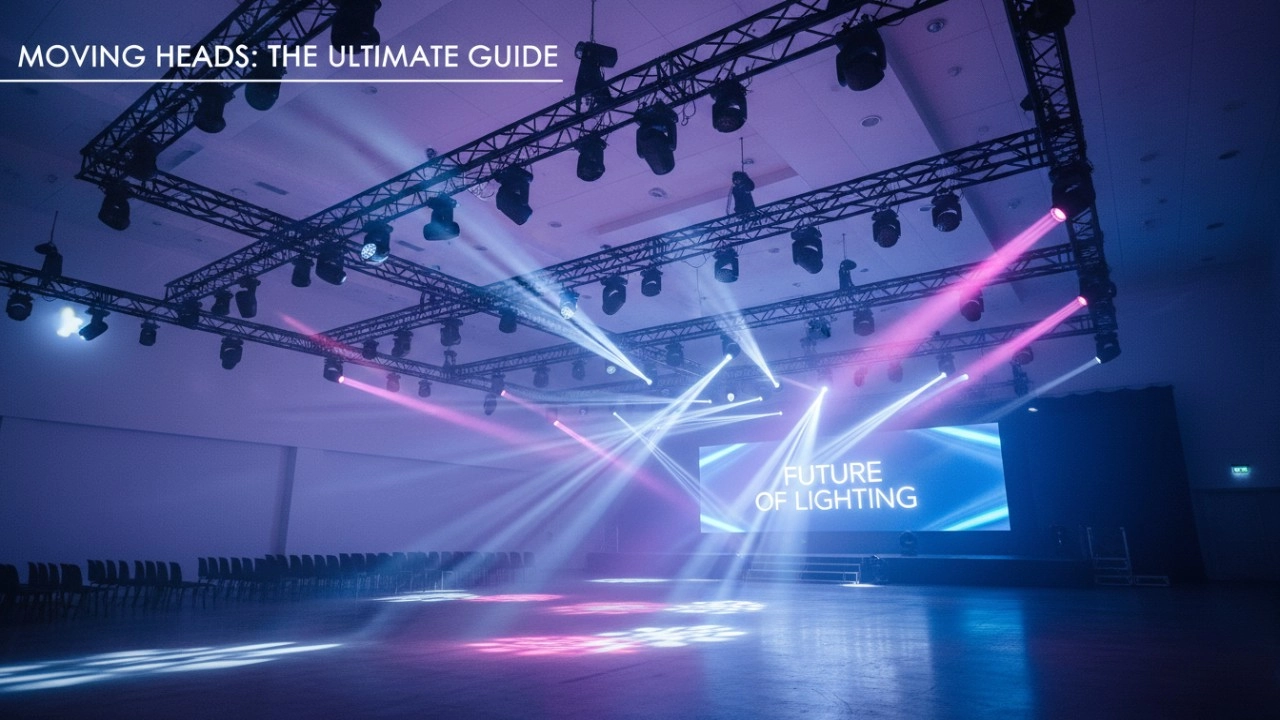
A Stage of Limitless Possibilities: Moving Head lights Deliver Precise Control and Versatile Effects
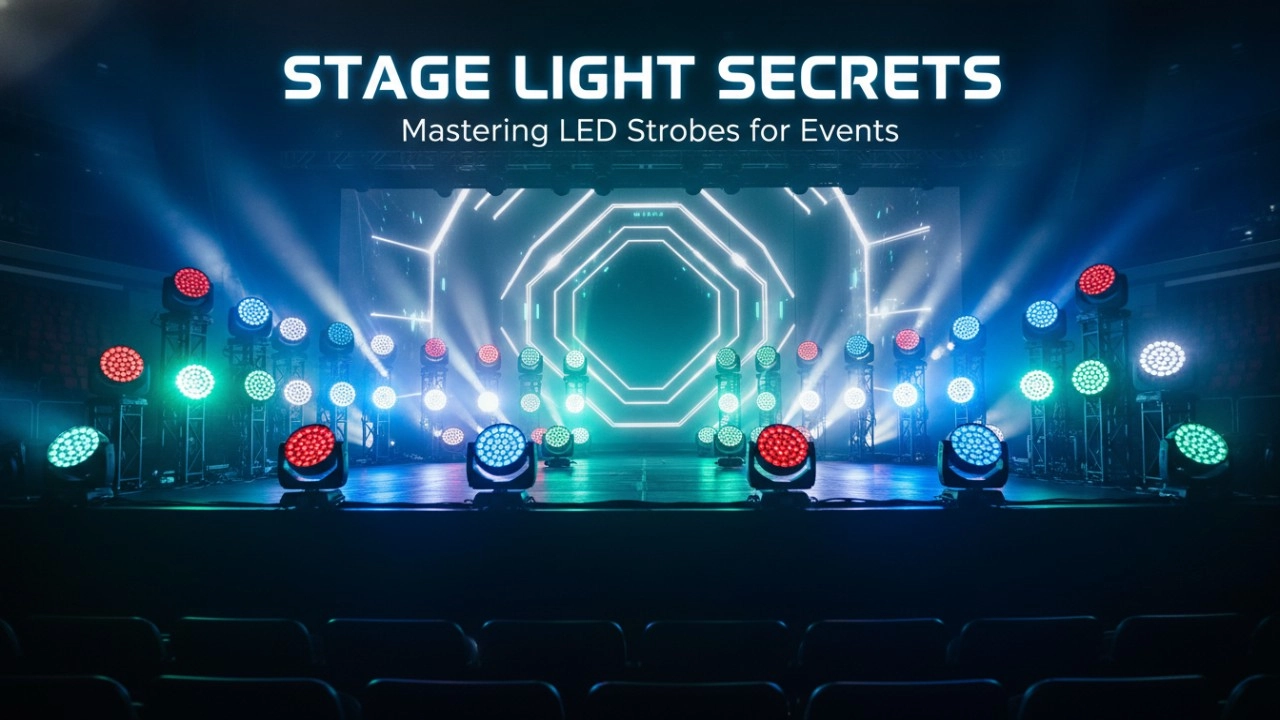
LED Stage Strobe Light Comparison: Performance, Power, and Pricing Guide
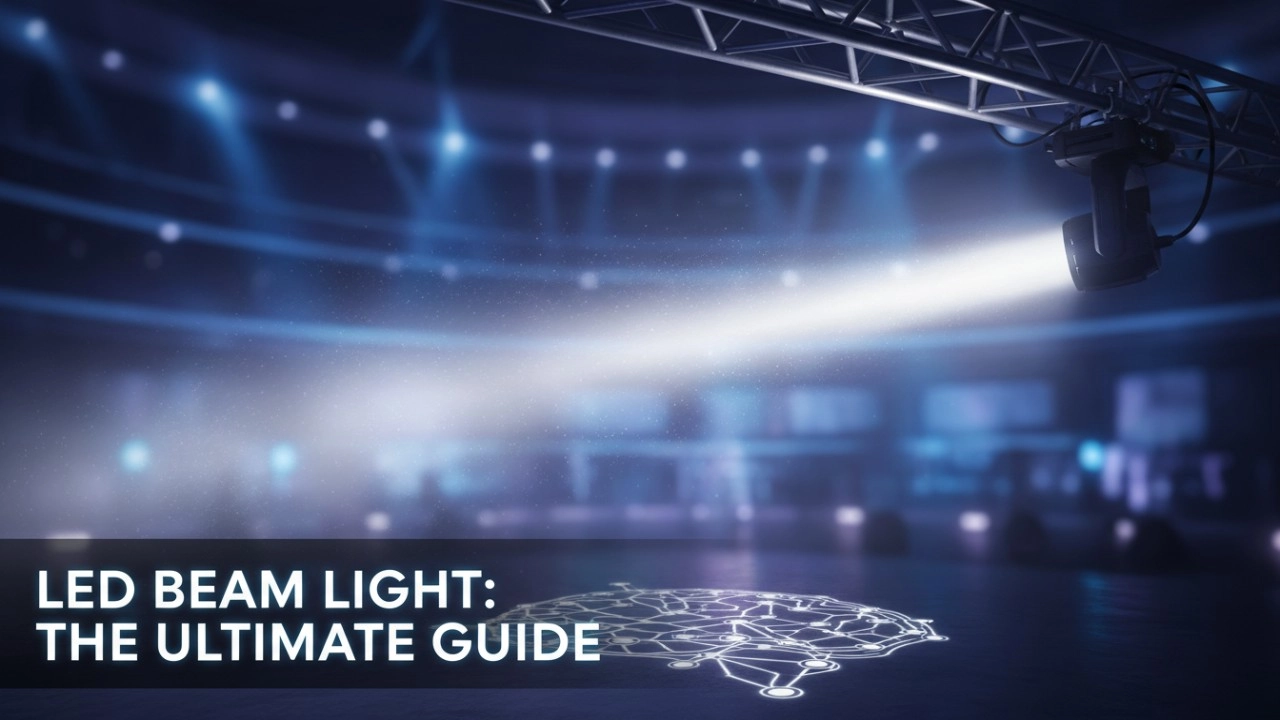
Why Your Venue Needs LED Beam Lights: A Cost-Benefit Analysis
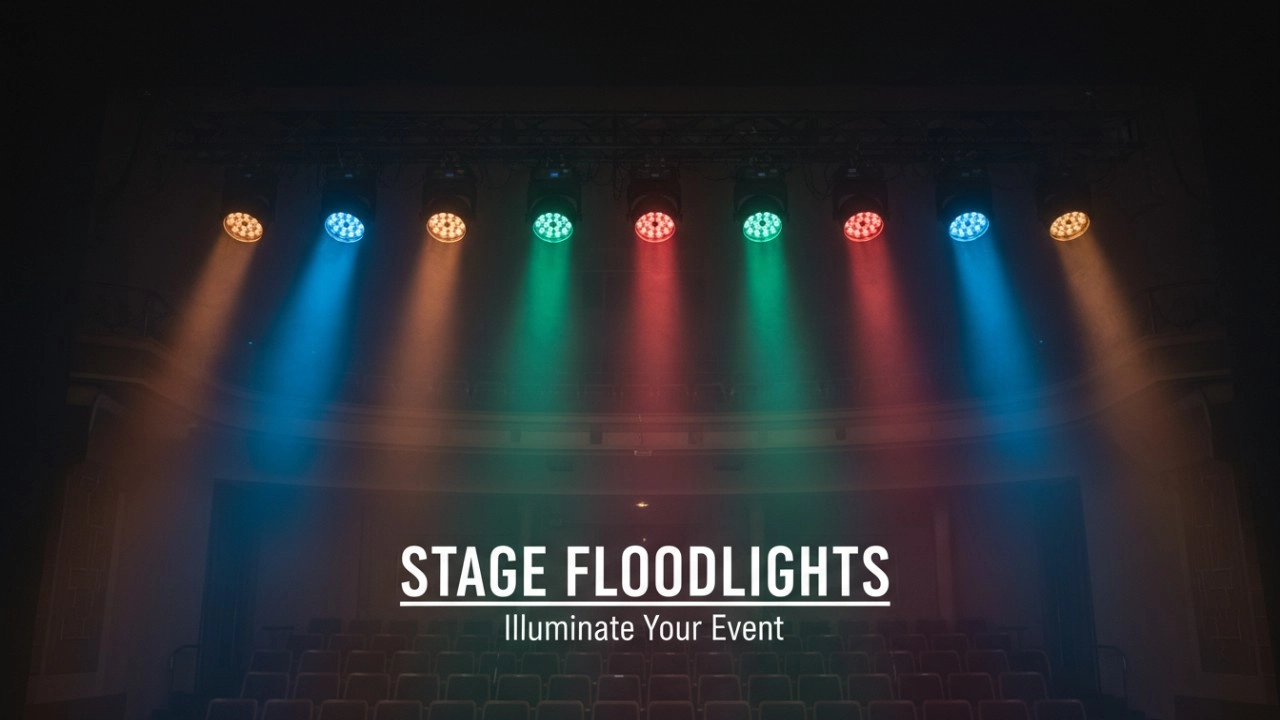
Spotlight vs. Stage Flood Lights: Which One Does Your Production Actually Need?
Spotlight vs. Floodlight vs. Beamlight: A Comparison of Moving Stage Lighting Fixtures
Mastering the Flash: 7 Advanced Strobe DJ Light Techniques for Pro Entertainers
Products
Are your lights suitable for large-scale events and outdoor use?
Yes. Our professional stage lights—especially the Beam, BSW 3-in-1, and LED Par Series—are engineered with high-output brightness, wide beam angles, and robust housing. Some models come with IP-rated protection, making them suitable for outdoor applications like concerts, festivals, and sports events.
How long is the warranty period for your products?
We offer a standard 1-year warranty on all products, with extended warranty options available upon request. During the warranty period, we provide free technical support and parts replacement for non-human damage.
What is the lifespan of your LED stage lights?
Our LED lights use high-quality chips with a rated lifespan of over 50,000 hours. Proper usage and maintenance ensure long-term reliability and stable performance, making them a smart investment for any venue.
Company
Can LiteLEES handle OEM/ODM orders?
Absolutely. With our strong R&D capabilities and advanced manufacturing, we can customize designs, features, and branding to meet your specific needs.
Do you have your own factory?
Yes. We own a sheet metal factory and a complete in-house production line—from PCB to final assembly—ensuring strict quality control and fast delivery.
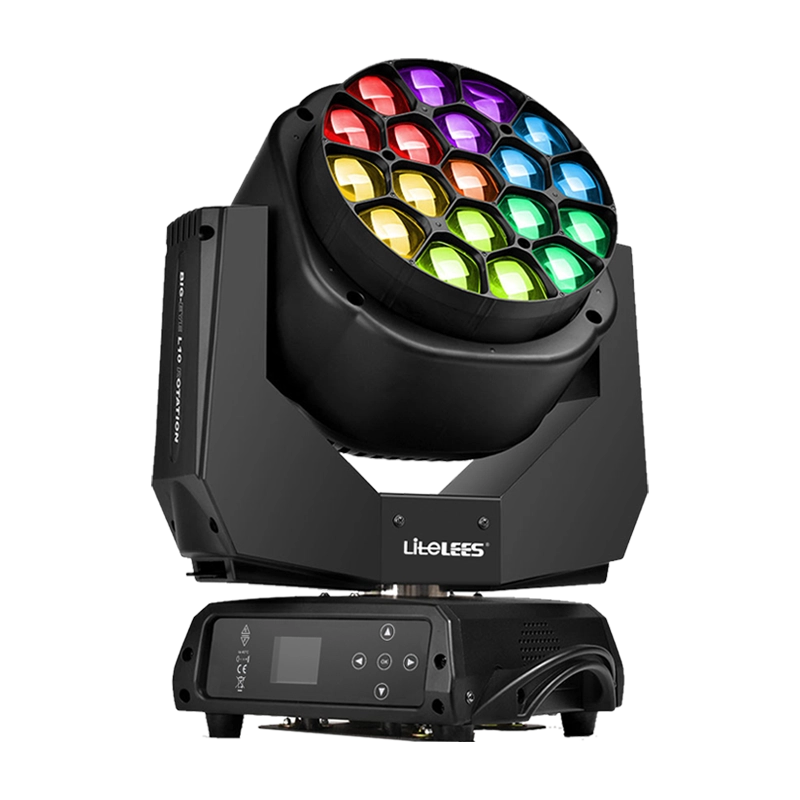

Stormy Shake Blinder IP
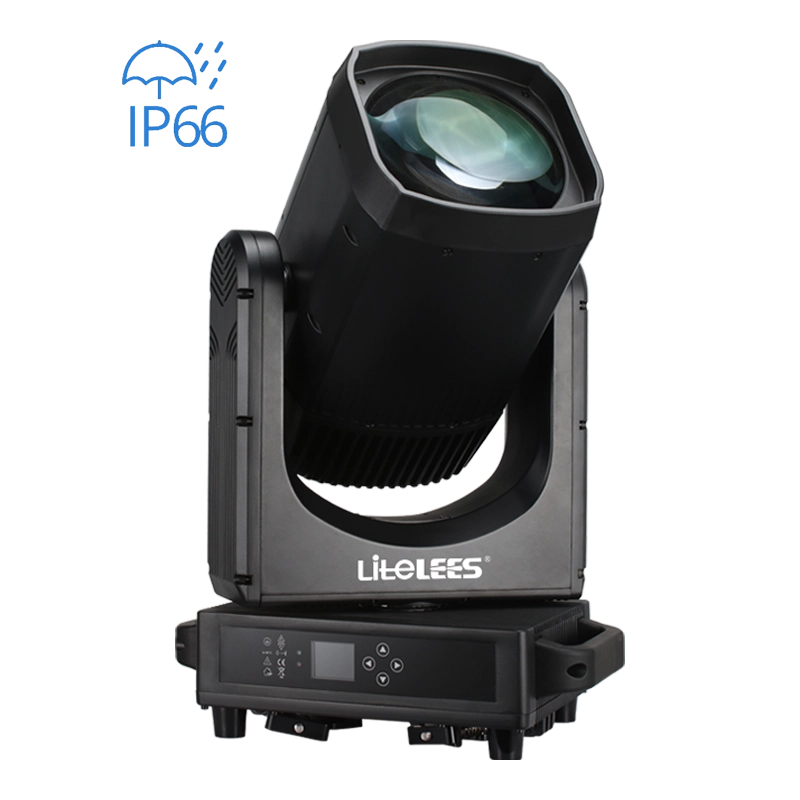
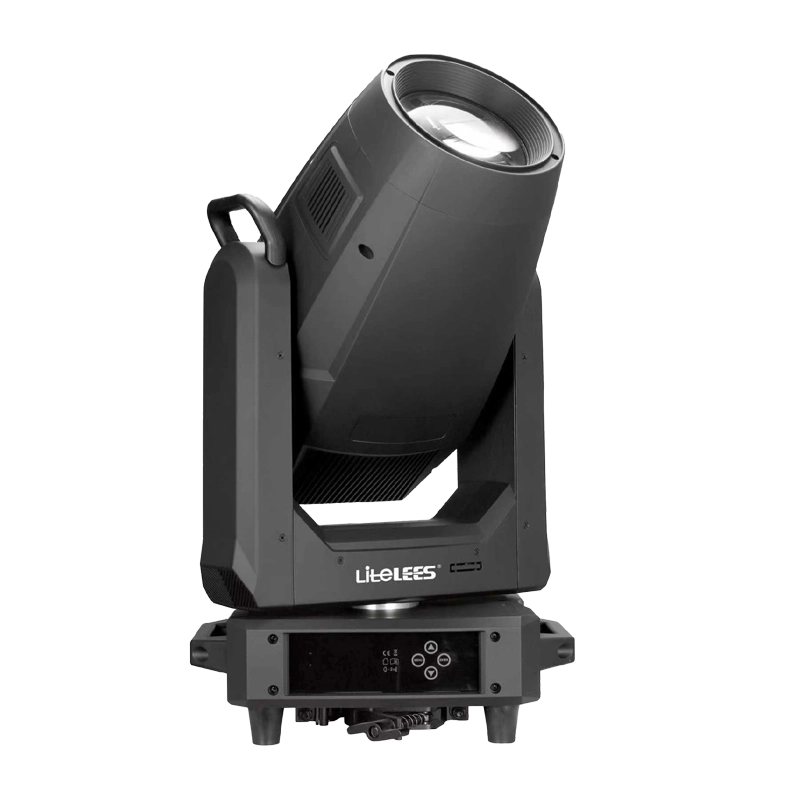
LiteLEES LUMIX BEAM 420 IP
LP Profile 900
Want to get more up-to-date information?
If you have any comments or good suggestions, please leave us a message; later our professional staff will contact you as soon as possible.

We are professional stage lighting manufacturers offering OEM and ODM LED stage lights.
Contact
Email us
Call us
Address
No.6 Longnan Road, Huashan Town, Huadu District Guangzhou, Guangdong Province, China.
LiteLEES Professional
Less Lighting