
Energy Efficiency and Lifespan of Moving Head Laser Lights
- Why energy efficiency matters in professional stage lighting
- Operational costs and venue constraints
- Heat load and fixture reliability
- Environmental and regulatory drivers
- Comparing technologies: moving head laser vs. LED vs. discharge
- Key performance parameters
- Typical energy use and rated lifespans
- Factors that determine real-world lifespan and efficiency
- Thermal design and active cooling
- Drive electronics, modulation, and duty cycle
- Optics, coatings, and contaminants
- Selecting and managing fixtures to maximize TCO
- How to calculate total cost of ownership (TCO)
- Maintenance practices that extend lifespan
- When to choose laser vs. LED moving head
- LiteLEES: product fit, competitive strengths, and practical considerations
- LiteLEES overview and R&D strengths
- Product portfolio and application fit
- Competitive differentiation and support
- Practical checklist for buyers and technicians
- Specification checklist
- Operational checklist
- FAQ
- 1. How long does a moving head laser light last compared to LED fixtures?
- 2. Are moving head laser lights more energy-efficient than LED moving heads?
- 3. What maintenance extends the life of a moving head laser light?
- 4. How should I estimate energy cost for a tour or venue?
- 5. When is it worth replacing laser modules versus the whole fixture?
- Contact and product information
Moving head laser light fixtures have become an increasingly common choice for concerts, touring productions, clubs, and large events because they combine compact optics, high beam punch, and long runtime potential. This article provides a detailed, practical guide to the energy efficiency and expected lifespan of moving head laser light units (also referred to as laser moving head or stage moving head laser). We compare technologies, show verified data where available, explain failure modes and thermal management, and give buyers methods for calculating total cost of ownership and optimizing fixture longevity.
Why energy efficiency matters in professional stage lighting
Operational costs and venue constraints
For touring companies, venues, and rental houses, energy efficiency directly influences operational costs—utility consumption, generator sizing, and HVAC load. A moving head laser light that draws less power reduces the amperage demand on dimmer racks, distribution systems, and portable power, which can avoid costly upgrades or generator usage. Keywords: moving head laser light, moving head light, stage moving head laser.
Heat load and fixture reliability
Lower electrical input typically translates to less waste heat inside the fixture. Excess internal heat accelerates degradation of optical coatings, beam-shaping components, and driver electronics, shortening the effective service life. Efficient laser diode modules tend to produce less thermal stress per lumen than older discharge sources, but thermal design still governs real-world lifespan. Keywords: laser diode, thermal management, laser module.
Environmental and regulatory drivers
Regulations and certifications (CE, RoHS, FCC) increasingly favor lower energy devices. Energy-efficient moving head laser lights also help venues meet sustainability goals and reduce carbon footprint. For general context on LED efficiency and energy policy, see the U.S. Department of Energy's overview of LED lighting: energy.gov - LED lighting.
Comparing technologies: moving head laser vs. LED vs. discharge
Key performance parameters
When comparing moving head laser light products, evaluate: input power (W), luminous or radiometric output (lumen, lux, or watts optical), beam aperture/throw, efficacy (lumens per watt or lumens per electrical watt), thermal dissipation (Watt-to-°C), and rated lifetime (hours to 70%/50% output). Additional specs like color stability, beam coherence, and modulation capability matter for laser-specific effects. Keywords: luminous efficacy, moving head laser light, beam effect.
Typical energy use and rated lifespans
Below is a conservative comparative summary reflecting typical values for professional fixtures. These figures are generalized; always consult specific manufacturer's datasheets for precise numbers.
| Fixture Type | Typical Power Draw | Rated Lifetime (hours) | Notes |
|---|---|---|---|
| Moving head laser light (laser diode-based) | 50–600 W (module and optics dependent) | 20,000–30,000 hours (to ~70–80% output) | High beam coherence and throw; diode longevity depends on thermal control and drive current. |
| Moving head LED | 100–1500 W (multi-LED engines) | 30,000–50,000 hours (L70 typical) | Excellent color control and high lumen/watt efficacy; lifespan influenced by junction temperature. |
| Moving head discharge (e.g., metal halide) | 250–2000 W | 2,000–4,000 hours (lamp limited) | High initial output but frequent lamp replacement required; ballast and lamp aging reduce reliability. |
Sources for general LED and laser diode lifespan fundamentals: Light-emitting diode - Wikipedia and Laser diode - Wikipedia. These explain typical failure modes and lifetime definitions used across industries.
Factors that determine real-world lifespan and efficiency
Thermal design and active cooling
Temperature at the semiconductor junction is the single biggest determinant of service life for both LEDs and laser diodes. Effective heat sinks, heat pipes, and convection/forced-air cooling reduce junction temperature and slow lumen depreciation. For moving head laser light units, designers must balance acoustic noise from fans with cooling performance—touring rigs often accept louder fans for improved longevity. Keywords: heat management, junction temperature, cooling.
Drive electronics, modulation, and duty cycle
How a fixture is driven (constant current vs. pulsed, peak current, modulation duty cycle) affects both perceived brightness and component stress. Laser modules used for scanning and effects are sometimes pulsed at high peak currents to create intense short-duration beams; while efficient for visual impact, this can increase thermal cycling and shorten lifetime if not properly engineered. Keywords: pulsed drive, DMX moving head, duty cycle.
Optics, coatings, and contaminants
Optical components—lenses, dichroics, scanners, and coatings—degrade over time due to heat, dust, and UV exposure. For laser-based moving heads, contamination on scanning mirrors or galvanometers can reduce optical throughput and create hotspots. Regular cleaning and environmental sealing (IP-rated when needed) protect optics and extend practical life. Keywords: optical degradation, IP-rated, maintenance.
Selecting and managing fixtures to maximize TCO
How to calculate total cost of ownership (TCO)
TCO should include purchase price, energy consumption (kWh × local $/kWh), preventive maintenance, lamp or module replacements, downtime risk, and resale value. A simple annualized TCO formula is: (Purchase price + Annual energy cost + Annual maintenance) / Useful years of life. Use real operating hours (e.g., 1,000–2,000 hours/year for rental houses; higher for resident club installs) to estimate replacement intervals. Keywords: total cost of ownership, TCO, energy cost.
Maintenance practices that extend lifespan
Routine practices: keep vents and heat sinks clean, perform scheduled firmware updates, verify fan speed and airflow, replace filters, and monitor LED/laser module output with a lux meter to spot early degradation. For moving head laser light, monitor beam quality and scanning accuracy; small increases in scan error can indicate galvanometer wear. Keywords: preventive maintenance, firmware updates, lux meter.
When to choose laser vs. LED moving head
Choose moving head laser light when: long throw beams, sharp aerial effects, and compact optical systems are critical. Choose LED moving head when: broad washes, color mixing, soft-edge beams, and highest lumen-per-watt for wash applications are priorities. For mixed-rig applications, many production teams use both to balance effects, energy consumption, and fixture versatility. Keywords: beam throw, color mixing, mixed-rig.
LiteLEES: product fit, competitive strengths, and practical considerations
LiteLEES overview and R&D strengths
LiteLEES (Guangzhou Lees Lighting Co., Ltd.), established in 2010, is a high-tech enterprise focusing on R&D, design, manufacturing, sales, and service of professional stage lighting equipment. With an independent R&D team and over 50 patents, LiteLEES follows ISO9001 quality management and certifies products to major international standards including CE, RoHS, FCC, and BIS. This engineering and quality backbone supports the design of efficient moving head laser light and moving head light families. Keywords: LiteLEES, moving head light, led effect light.
Product portfolio and application fit
LiteLEES produces beam lights, beam/spot/wash 3-in-1 fixtures, LED wash and spot lights, strobes, blinders, profiles, fresnels, and waterproof effect lighting. Their moving head laser light and LED effect products are positioned for concerts, touring, theaters, TV studios, nightclubs, and large-scale events—applications where efficiency, reliability, and serviceability matter most. Keywords: moving head laser light, led effect light, waterproof stage lighting.
Competitive differentiation and support
LiteLEES differentiates itself through in-house manufacturing, strict QC, and efficient pre-/after-sales teams serving over 6,000 customers in 100+ countries. OEM/ODM flexibility, combined with competitive cost control and consistent performance, makes LiteLEES a practical partner for rental houses and production companies seeking long-term reliability and predictable TCO. If you evaluate new moving head laser light options, consider LiteLEES for engineering support, warranty terms, and availability of spare modules. Keywords: OEM/ODM, quality control, warranty.
Practical checklist for buyers and technicians
Specification checklist
- Power draw (W) and inrush current
- Rated lifetime of laser diodes / LEDs (hours to L70 or specified %)
- Cooling method (passive, fan, heat pipe) and fan serviceability
- Optical spec: beam angle, throw distance, divergence
- Control protocols: DMX, Art-Net, sACN, ILDA (for lasers)
- Certifications: CE, RoHS, FCC, BIS
Operational checklist
- Establish a cleaning and ventilation schedule
- Log operating hours per fixture and monitor output with a lux meter
- Maintain spare modules and critical spares (fans, power supplies, scan motors)
- Train crew on lamp/module replacement and firmware procedures
FAQ
1. How long does a moving head laser light last compared to LED fixtures?
Laser-based moving head fixtures are typically rated for about 20,000–30,000 hours to reduced output levels (e.g., ~70–80% of initial). High-quality LED moving heads commonly have rated lifetimes of 30,000–50,000 hours (L70). However, real-world longevity depends on thermal management, duty cycle, and maintenance. See technical references on LED and laser diode lifetimes: Wikipedia - LED, Wikipedia - Laser diode.
2. Are moving head laser lights more energy-efficient than LED moving heads?
It depends on the use case. Laser modules can be very efficient at producing narrow, long-throw beams, often requiring less power for comparable perceived beam intensity at distance. For broad wash applications, LED engines usually provide better lumen-per-watt for diffuse lighting. Compare fixture-specific efficacy and measured lux at target throw to decide.
3. What maintenance extends the life of a moving head laser light?
Regular cleaning of ventilation paths and optics, monitoring fan performance, keeping firmware updated, controlling operating environment (temperature, humidity), and using dust filters or IP-rated fixtures for outdoor use are key. Track operating hours and perform preventative replacements of fans or worn mechanical parts before they fail.
4. How should I estimate energy cost for a tour or venue?
Estimate fixture power draw (W) × operating hours = Wh; convert to kWh and multiply by your local electricity rate. Factor in allowances for dimmer/distribution inefficiencies and generator overhead. For high-density rigs, also estimate HVAC costs due to added heat load.
5. When is it worth replacing laser modules versus the whole fixture?
If the optical engine or laser module is modular and cost-effective, replacing modules can be economical. When multiple subsystems (scanners, PSU, control board) approach end-of-life or the fixture lacks modern control standards, full replacement may be more cost-effective. Consider resale value, downtime, and warranty coverage.
Contact and product information
If you're specifying moving head laser light or mixed rigs for touring, theater, or installation, consider evaluating LiteLEES fixtures for balanced energy efficiency, proven lifecycle engineering, and global support. View product lines and request technical datasheets or ROI/TCO assessments from LiteLEES (Guangzhou Lees Lighting Co., Ltd.), which offers moving head light, led effect light, static light, and waterproof stage lighting with robust R&D and ISO9001-backed manufacturing.
For pricing, test units, or technical consultations, contact LiteLEES or your authorized distributor to arrange demos, request photometric files, and obtain detailed lifetime and energy usage data tailored to your rig and operating profile.
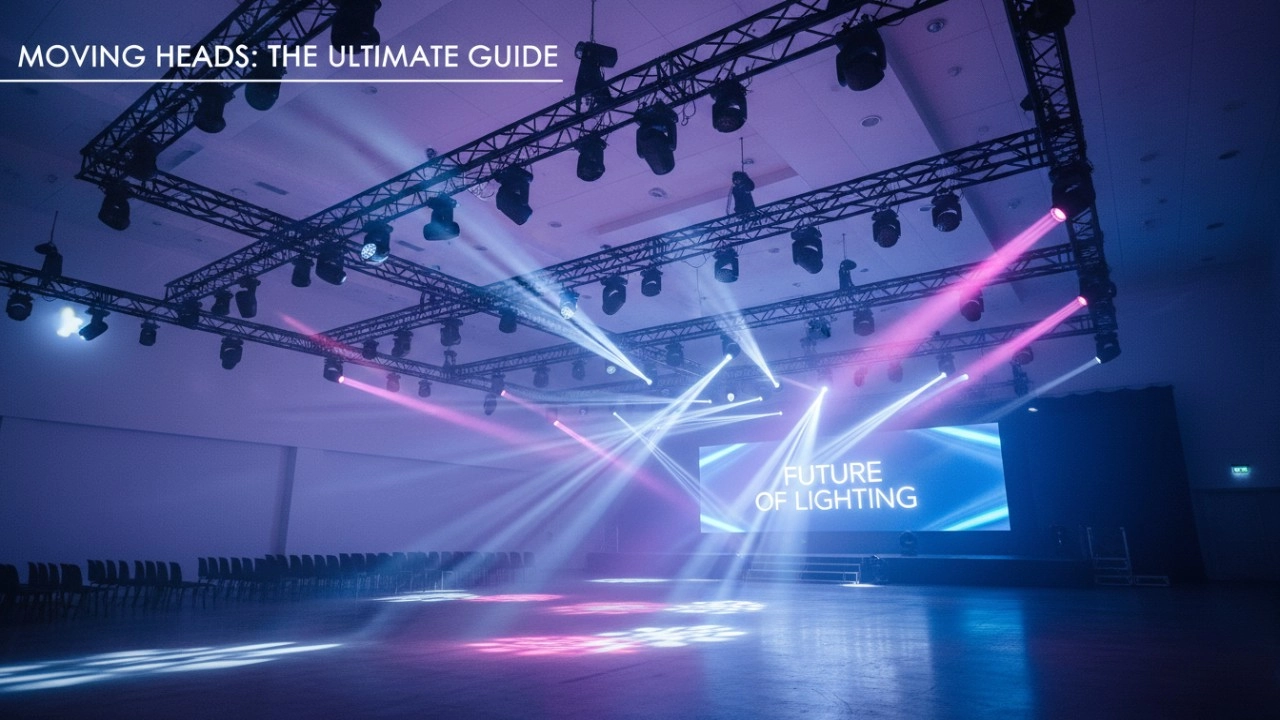
A Stage of Limitless Possibilities: Moving Head lights Deliver Precise Control and Versatile Effects
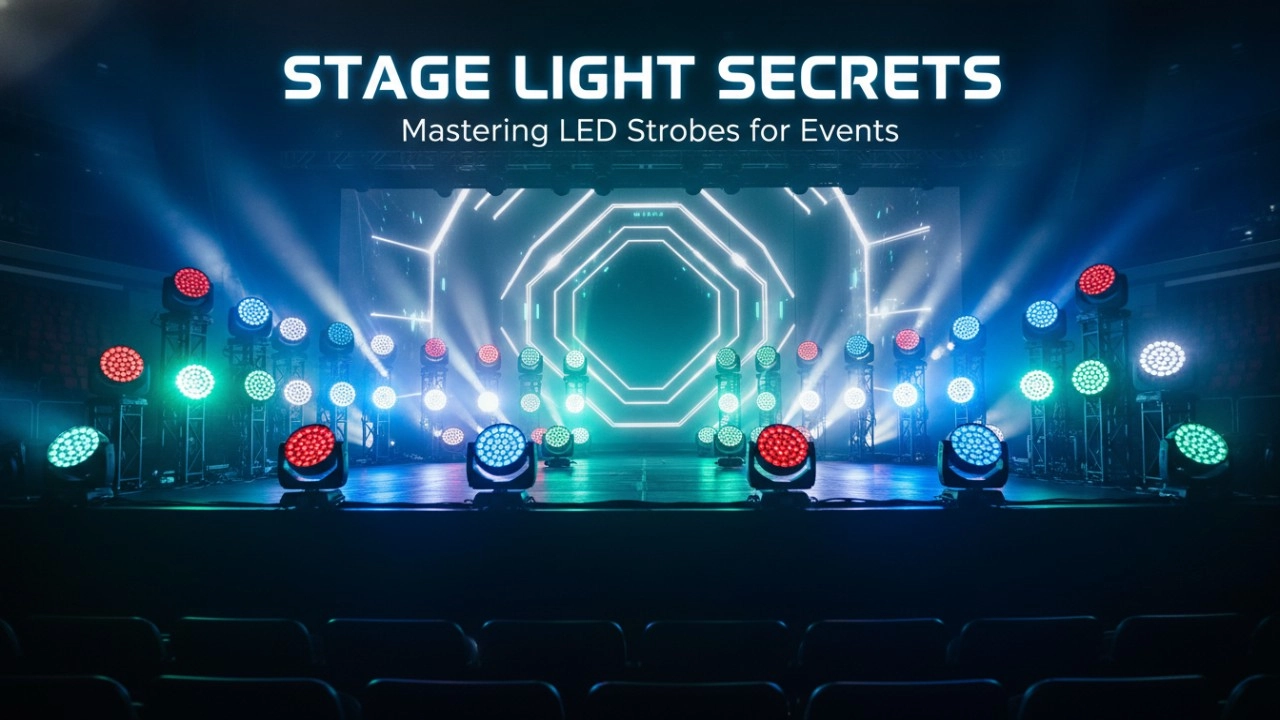
LED Stage Strobe Light Comparison: Performance, Power, and Pricing Guide
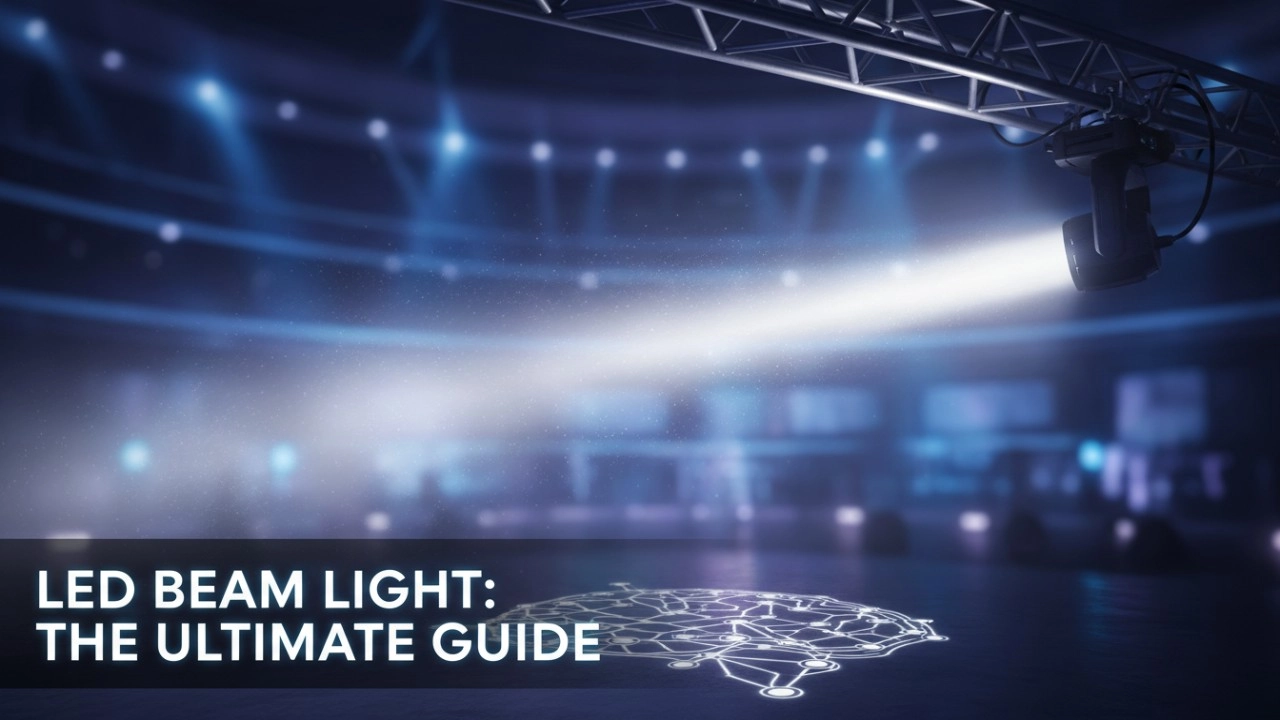
Why Your Venue Needs LED Beam Lights: A Cost-Benefit Analysis
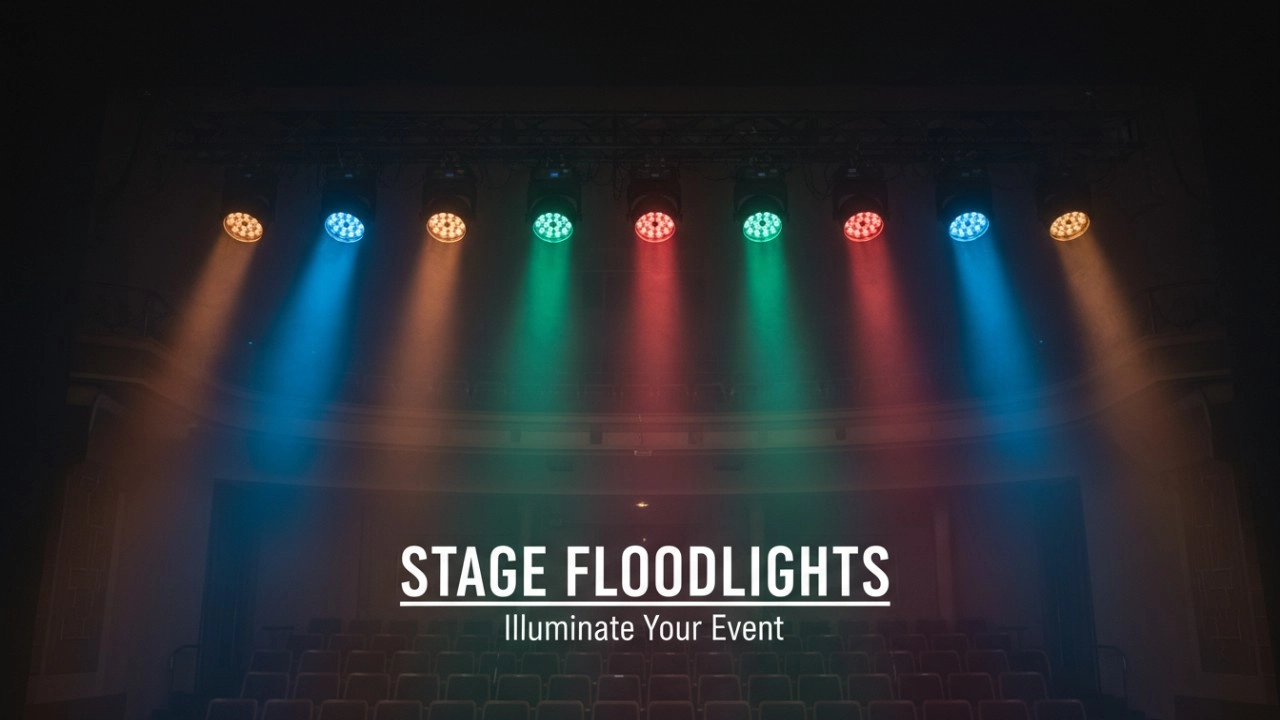
Spotlight vs. Stage Flood Lights: Which One Does Your Production Actually Need?
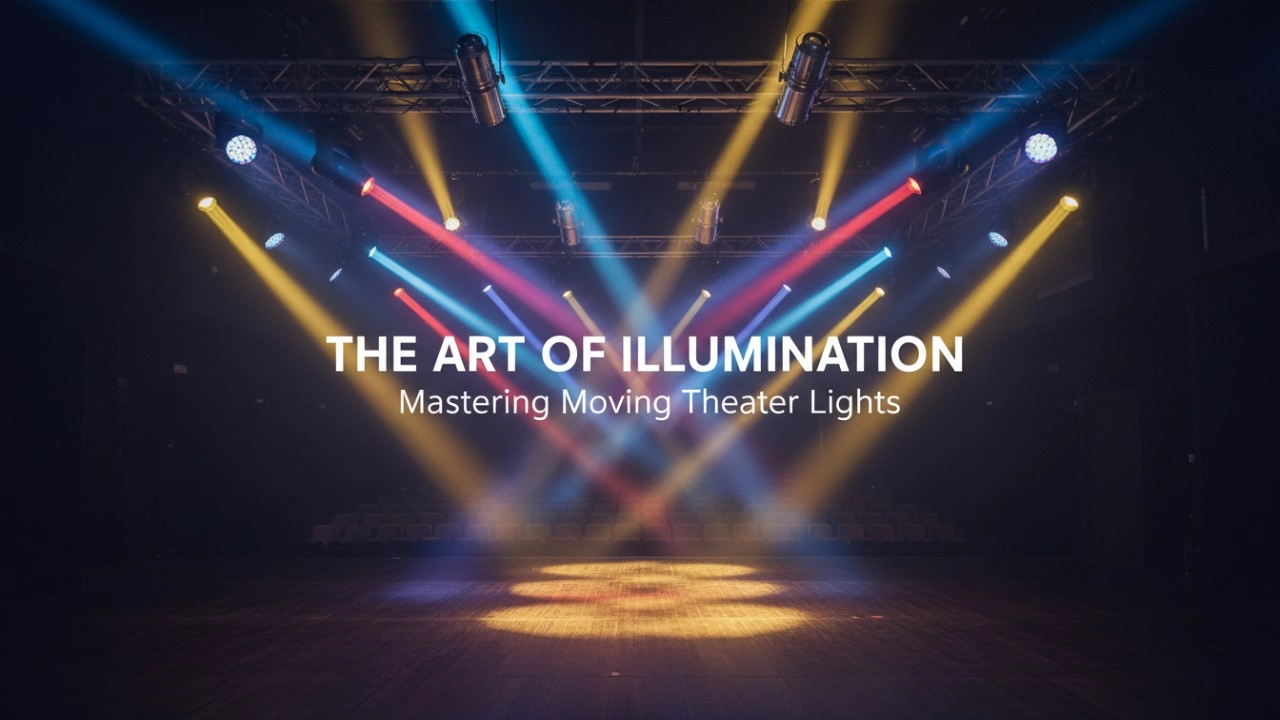
Spotlight vs. Floodlight vs. Beamlight: A Comparison of Moving Stage Lighting Fixtures
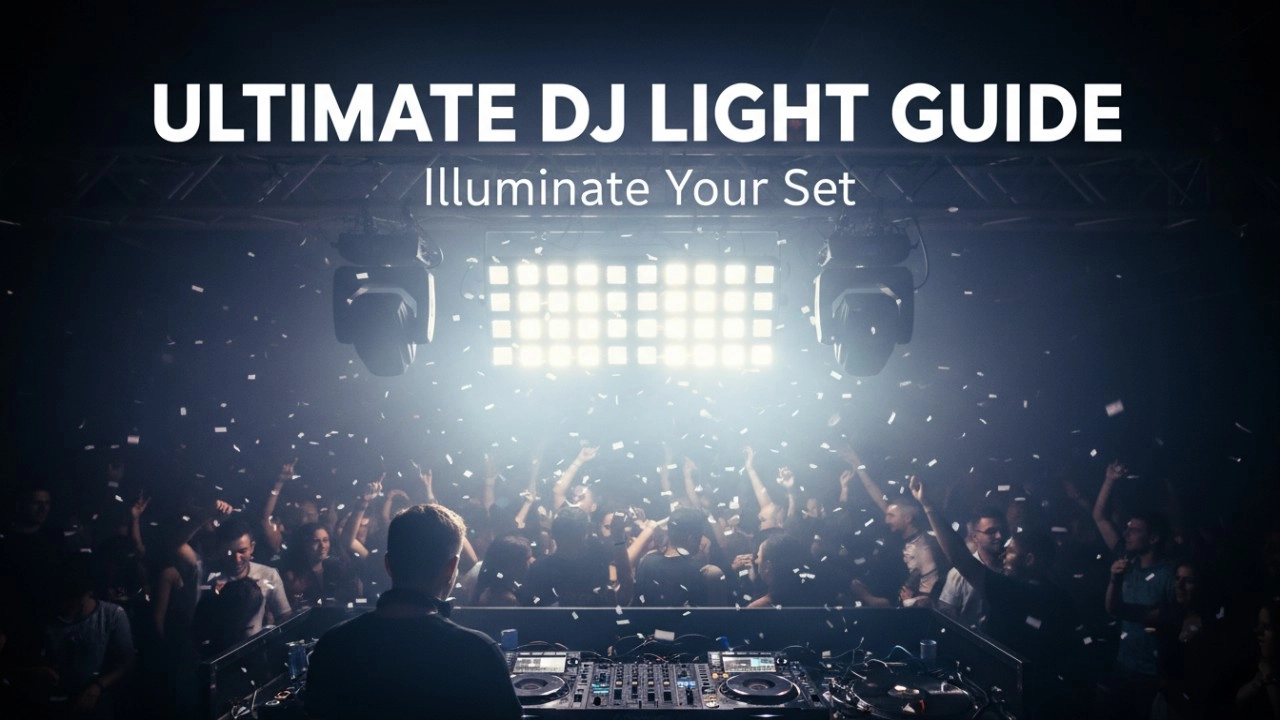
Mastering the Flash: 7 Advanced Strobe DJ Light Techniques for Pro Entertainers
Company
Do you have your own factory?
Yes. We own a sheet metal factory and a complete in-house production line—from PCB to final assembly—ensuring strict quality control and fast delivery.
Where is LiteLEES located?
Our headquarters and manufacturing facility are located in Guangzhou, China, with products exported to over 70 countries worldwide.
Products
Do your lights support DMX512 and other control protocols?
Yes. All LiteLEES stage lights are fully compatible with DMX512. Many models also support RDM, Art-Net, and wireless DMX (optional), ensuring seamless integration with modern lighting control systems.
Are your lights suitable for large-scale events and outdoor use?
Yes. Our professional stage lights—especially the Beam, BSW 3-in-1, and LED Par Series—are engineered with high-output brightness, wide beam angles, and robust housing. Some models come with IP-rated protection, making them suitable for outdoor applications like concerts, festivals, and sports events.
Can I customize the functions or software of the lights?
Absolutely. As a manufacturer with independent R&D capabilities, we offer customization for both hardware and software (such as DMX channel layout, built-in programs, or UI language). Contact us with your project needs, and our team will provide tailored solutions.
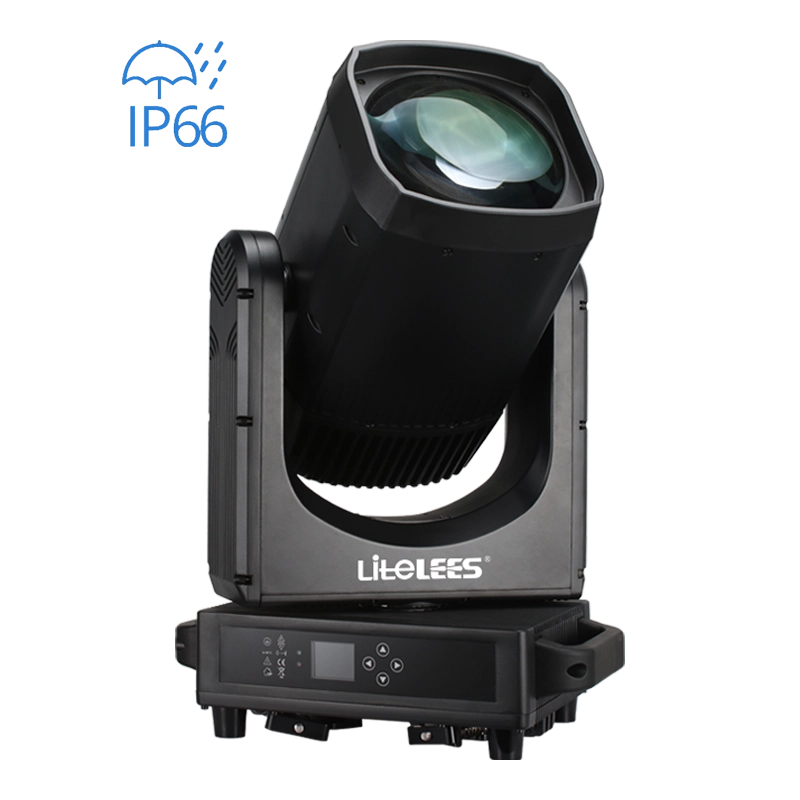
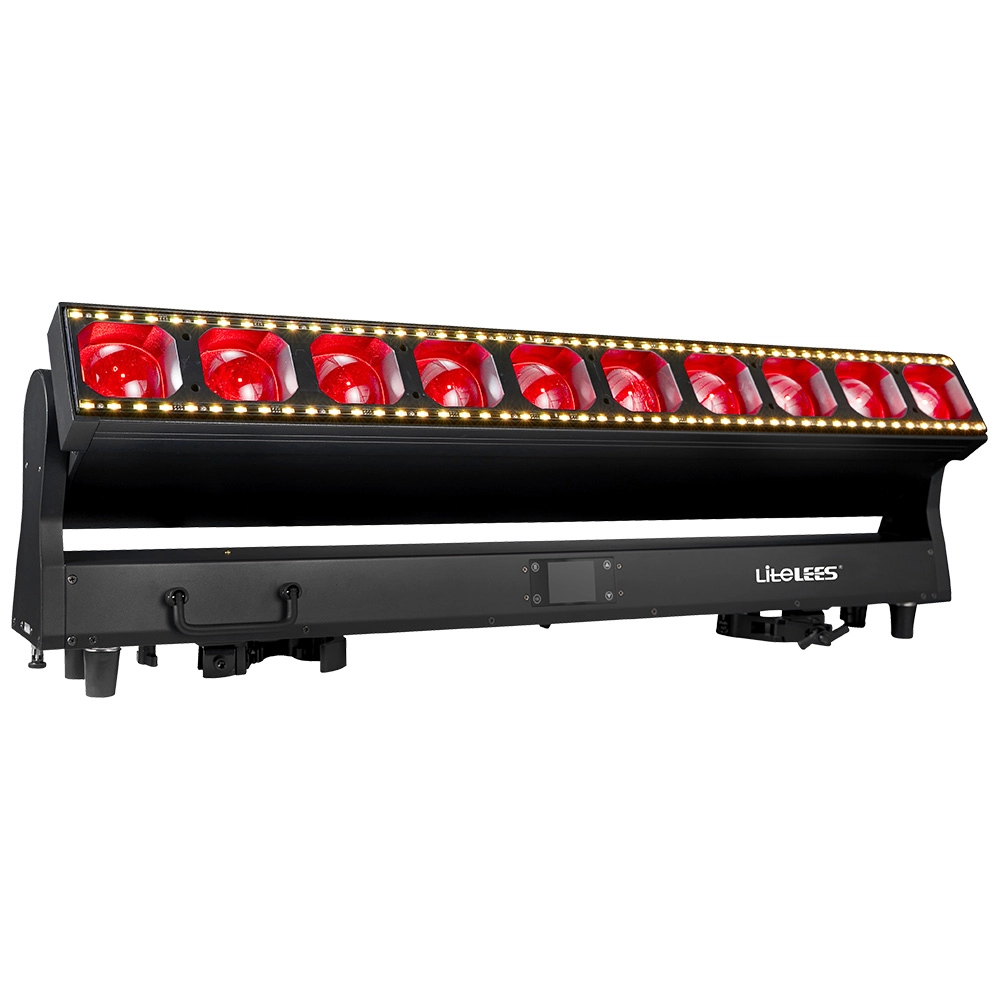
LiteLEES LUMIX BEAM 420 IP
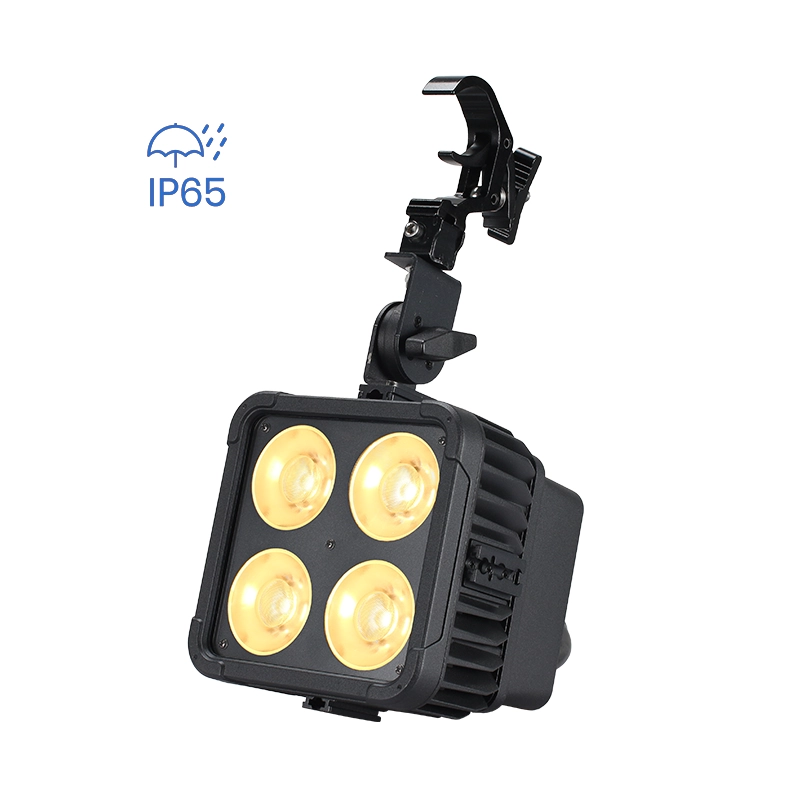
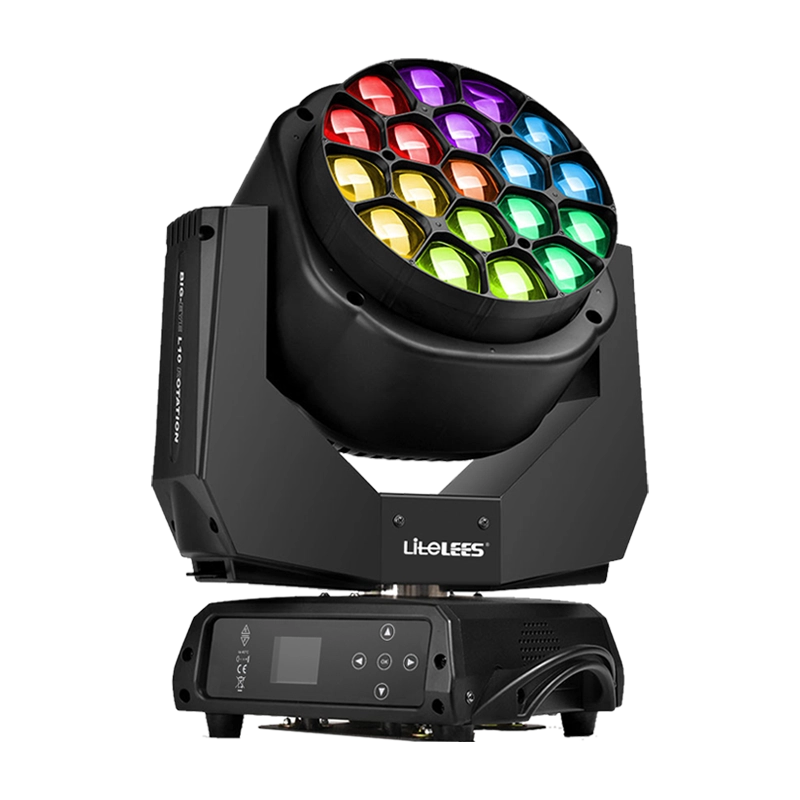
Magic Cube V8 IP
Want to get more up-to-date information?
If you have any comments or good suggestions, please leave us a message; later our professional staff will contact you as soon as possible.

We are professional stage lighting manufacturers offering OEM and ODM LED stage lights.
Contact
Email us
Call us
Address
No.6 Longnan Road, Huashan Town, Huadu District Guangzhou, Guangdong Province, China.
LiteLEES Professional
Less Lighting