
Energy Efficiency and Lifespan of LED Moving Head Lights
- Understanding Energy Use in Stage Lighting
- How LED technology reduces power draw
- Power components that affect fixture consumption
- Real-world energy examples and usage patterns
- Measuring Lifespan and Lumen Maintenance
- What lifespan metrics mean: L70, L80, Lumen Maintenance
- LM-80 and TM-21: how manufacturers project lifetimes
- Driver, thermal and ancillary component life
- Comparative Data: LED Moving Head vs Discharge Moving Head
- Total cost of ownership (TCO) example
- Design, Operation and Maintenance Best Practices
- Thermal management and fixture placement
- Driver quality, power factor and dimming strategy
- Planned maintenance and monitoring
- Choosing a Supplier and Verifying Claims
- What to request from manufacturers
- Why independent tests and standards matter
- Specifying features for different applications
- LiteLEES: Technology, Quality and Product Highlights
- FAQ
- 1. How long do LED moving head lights typically last?
- 2. Do LED moving head lights save money compared with discharge fixtures?
- 3. What is LM-80 and why should I ask for it?
- 4. How does thermal management affect lifespan?
- 5. Are waterproof LED moving head lights less efficient?
- 6. What maintenance practices extend fixture life?
LED moving head lights have transformed professional stage lighting by combining precise beam control, advanced color mixing, and dramatic effects with far lower energy consumption and longer service life than legacy discharge fixtures. This article analyzes how efficiency and lifespan are measured, which design features and operating practices matter most, and how to evaluate total cost of ownership when specifying moving head fixtures for touring, theatre, broadcast, or fixed-install applications.
Understanding Energy Use in Stage Lighting
How LED technology reduces power draw
Light-emitting diodes (LEDs) convert electrical energy to light more efficiently than traditional discharge lamps because they produce less wasted heat and can be driven at high luminous efficacy (lumens per watt). For background on LED fundamentals, see the Wikipedia overview on LEDs (https://en.wikipedia.org/wiki/Light-emitting_diode).
Power components that affect fixture consumption
When comparing moving head fixtures, total power draw depends on the LED engine (number and type of LEDs or COB chips), optics (beam vs wash), motor and pan/tilt mechanics, fans, and control electronics (drivers, effect motors). Good fixture design optimizes LED efficacy, optical efficiency, and thermal management to minimize required watts for a given perceived output.
Real-world energy examples and usage patterns
Energy use must be evaluated under expected duty cycles. A 400 W LED moving head operating 4 hours per show for 200 shows/year (800 hours) consumes 320 kWh annually. Using a sample electricity rate of $0.13/kWh (U.S. average for illustrative calculation; see U.S. EIA guidance https://www.eia.gov/tools/faqs/faq.php?id=97&t=3), that is about $41.60/year in electricity. Changing fixture wattage or show hours changes the economics rapidly.
Measuring Lifespan and Lumen Maintenance
What lifespan metrics mean: L70, L80, Lumen Maintenance
LED lifespan is typically expressed as the time until the LED’s luminous flux decreases to a percentage of its initial light output (commonly L70, the time until 70% remains). Lumen maintenance (not abrupt failure) is the dominant wear mode for LEDs. Standards and test methods such as IES LM-80 and TM-21 define how to measure and extrapolate lumen maintenance data (https://www.ies.org/standards/).
LM-80 and TM-21: how manufacturers project lifetimes
LM-80 measures lumen depreciation of LED packages under defined conditions for at least 6,000 hours. TM-21 is the method to extrapolate LM-80 results to predict lumen maintenance over longer periods (e.g., 50,000 hours). Certified LM-80 data and correct TM-21 extrapolation provide verifiable basis for fixture lifetime claims.
Driver, thermal and ancillary component life
While LEDs themselves can last tens of thousands of hours, drivers, fans, bearings, and optics may fail sooner. High-quality LED drivers and thermal designs (adequate heatsinking and controlled junction temperatures) extend both lumen maintenance and the practical service interval of a moving head. ISO9001 and other quality systems help ensure consistent manufacturing that supports long-term reliability (https://www.iso.org/iso-9001-quality-management.).
Comparative Data: LED Moving Head vs Discharge Moving Head
Below is a concise, evidence-based comparison of representative fixture classes. Numbers are typical ranges and should be validated per model.
| Fixture Type | Typical Power Draw | Typical Lumen Output | Expected Lumen Maintenance | Typical Lifespan | Notes / Maintenance |
|---|---|---|---|---|---|
| LED Moving Head (modern) | 150–800 W (typical 200–600 W) | 10,000–80,000 lm (varies by beam/wash) | L70 > 50,000 h (with LM-80/TM-21 data) | 50,000–100,000 h (driver/fan dependent) | Low lamp replacement; occasional driver/fan/optics service |
| Discharge Moving Head (e.g., metal halide) | 700–1700 W | 20,000–120,000 lm (lamp-dependent) | Rapid lumen decay; color shift over 500–2,000 h | Lamp life 500–4,000 h (lamp replacement required) | Frequent lamp and ignitor replacements; higher heat output |
Sources: LED basics and lifespan ranges (DOE SSL - LED basics), lamp life and discharge lamp characteristics (https://en.wikipedia.org/wiki/Metal-halide_lamp), and IES/LM-80/TM-21 guidance (https://www.ies.org/standards/).
Total cost of ownership (TCO) example
To compare fixtures, calculate TCO over a 5-year period including electricity, lamp replacement, and routine maintenance. Example assumptions (illustrative): electricity $0.13/kWh; usage 800 h/year; LED fixture 400 W; discharge fixture 1,200 W; discharge lamp replacement cost $400 every 1,000 hours. The LED will incur higher upfront cost but substantially lower operating expenses and fewer lamp replacements.
| Item | LED Moving Head (400 W) | Discharge Moving Head (1200 W) |
|---|---|---|
| Annual energy (kWh) | 320 kWh (400 W × 800 h ÷ 1000) | 960 kWh |
| Annual energy cost (@$0.13/kWh) | $41.60 | $124.80 |
| Lamp replacements (5 years) | None (integrated LEDs; driver/parts as needed) | ~4–5 lamps ($400 each) = $1,600–$2,000 |
| Estimated 5-year operating cost (energy + lamps) | ~$208 (energy only; spare parts extra) | ~$2,224–$2,720 |
These illustrative calculations show how energy and lamp replacement can dominate operating costs for discharge fixtures. Adjust inputs for local electricity rates and actual usage patterns. For electricity rates see U.S. EIA data (https://www.eia.gov/tools/faqs/faq.php?id=97&t=3).
Design, Operation and Maintenance Best Practices
Thermal management and fixture placement
Keep moving head fixtures within their rated ambient temperature to preserve lumen maintenance. Ensure air flow paths are not obstructed and avoid enclosing fixtures without forced ventilation. Thermal stress accelerates driver and LED degradation.
Driver quality, power factor and dimming strategy
Choose fixtures with high-quality constant-current drivers, good power factor correction (PFC), and smooth dimming (avoiding audible PWM artifacts during broadcast). Poor driver design increases risks of early failures. For EMC and regulatory compliance, check CE/FCC certifications (CE, FCC).
Planned maintenance and monitoring
Implement periodic inspections: clean optics, verify fan operation, check control connectors (DMX/RDM), and run firmware updates. Use fixture hours tracking to plan proactive service before failures. Remote monitoring or RDM-enabled fixtures help reduce downtime.
Choosing a Supplier and Verifying Claims
What to request from manufacturers
Ask for LM-80 reports for the LED packages, TM-21 extrapolation methods, MTBF or warranty details for drivers, and real-world service references. Verify certifications (ISO9001, CE, RoHS, FCC, BIS) and request reliability data from similar deployments.
Why independent tests and standards matter
Independent lab tests validate lumen maintenance and thermal performance. Standards such as LM-80/TM-21 and ISO9001 add confidence that product claims are repeatable and supported by quality systems (ISO9001, IES).
Specifying features for different applications
For touring: prioritize robust mechanics, modular serviceability, and high ingress protection if outdoor. For theatre/TV: prioritize color rendering, flicker-free dimming, and repeatable gobo/zoom performance. For fixed installs: focus on long-term lumen maintenance and low service needs.
LiteLEES: Technology, Quality and Product Highlights
LiteLEES (Guangzhou Lees Lighting Co., Ltd.), established in 2010, is a high-tech enterprise focusing on R&D, design, manufacturing, sales, and service of professional stage lighting equipment. Backed by an experienced R&D team, LiteLEES maintains continuous innovation with over 50 patents and an ISO9001 quality management system. Products are certified to international standards, including CE, RoHS, FCC, and BIS, supporting reliable performance in global venues.
LiteLEES offers a broad product portfolio—moving head light, led effect light, static light, and waterproof stage lighting—covering beam, beam/spot/wash 3-in-1 fixtures, LED wash and spot lights, strobes, blinders, profiles, and fresnels. With in-house manufacturing and stringent QC, LiteLEES supports OEM/ODM flexibility and serves customers in 100+ countries with professional pre-sales and after-sales service.
Competitive advantages of LiteLEES relevant to energy efficiency and lifespan:
- Design focus on thermal management and modular driver systems to preserve lumen maintenance and extend service life.
- Comprehensive LM-80/TM-21 data and quality-controlled production under ISO9001 to substantiate lifetime claims.
- Certifications (CE, RoHS, FCC, BIS) and over 50 patents demonstrating technical capability and manufacturing compliance.
- Product range includes waterproof stage lighting and durable touring moving heads suitable for outdoor and rigorous use.
For technical inquiries, spec sheets, LM-80/TM-21 reports, or to discuss OEM/ODM options for energy-optimized moving head solutions, LiteLEES can provide detailed documentation and customer references tailored to your project.
FAQ
1. How long do LED moving head lights typically last?
LED moving head lights are often specified with L70 lifetimes of 50,000 hours or more when supported by LM-80/TM-21 data. Real-world life depends on thermal management, driver quality, and operating conditions. See IES guidance on LM-80/TM-21 (https://www.ies.org/standards/).
2. Do LED moving head lights save money compared with discharge fixtures?
Yes—LED fixtures usually consume far less power and avoid frequent lamp replacements, reducing operating expenses. Total cost of ownership calculations factoring in electricity, lamp replacements, and maintenance over several years typically favor LEDs for most applications.
3. What is LM-80 and why should I ask for it?
LM-80 is a standardized test measuring lumen depreciation of LED packages over time. Manufacturers provide LM-80 data and TM-21 extrapolations so you can verify claimed lifetimes like L70 > 50,000 h. Request LM-80 reports during procurement.
4. How does thermal management affect lifespan?
Higher junction temperatures accelerate lumen depreciation and can shorten driver life. Fixtures with robust heatsinks, well-placed thermal paths, and controlled cooling preserve LED performance and extend service intervals.
5. Are waterproof LED moving head lights less efficient?
IP-rated waterproof fixtures may require different thermal approaches, but properly engineered IP65/66 fixtures can deliver comparable efficiency and lifespan. Evaluate manufacturer test data and thermal design rather than assuming lower performance.
6. What maintenance practices extend fixture life?
Keep optics clean, ensure fans and vents are unobstructed, perform scheduled inspections, update firmware, and replace worn bearings or fans proactively. Track fixture hours and service history to prevent failures during shows.
Still have questions or need product recommendations? Contact LiteLEES for technical consultation, LM-80/TM-21 documentation, and product quotes. View product catalogs or request a customized proposal at LiteLEES—expert support for moving head light, led effect light, static light, and waterproof stage lighting solutions.
Contact / Request a Quote: For product details, technical datasheets, and purchasing, visit LiteLEES or contact their sales and support team to discuss energy-optimized moving head fixtures and custom OEM/ODM options.
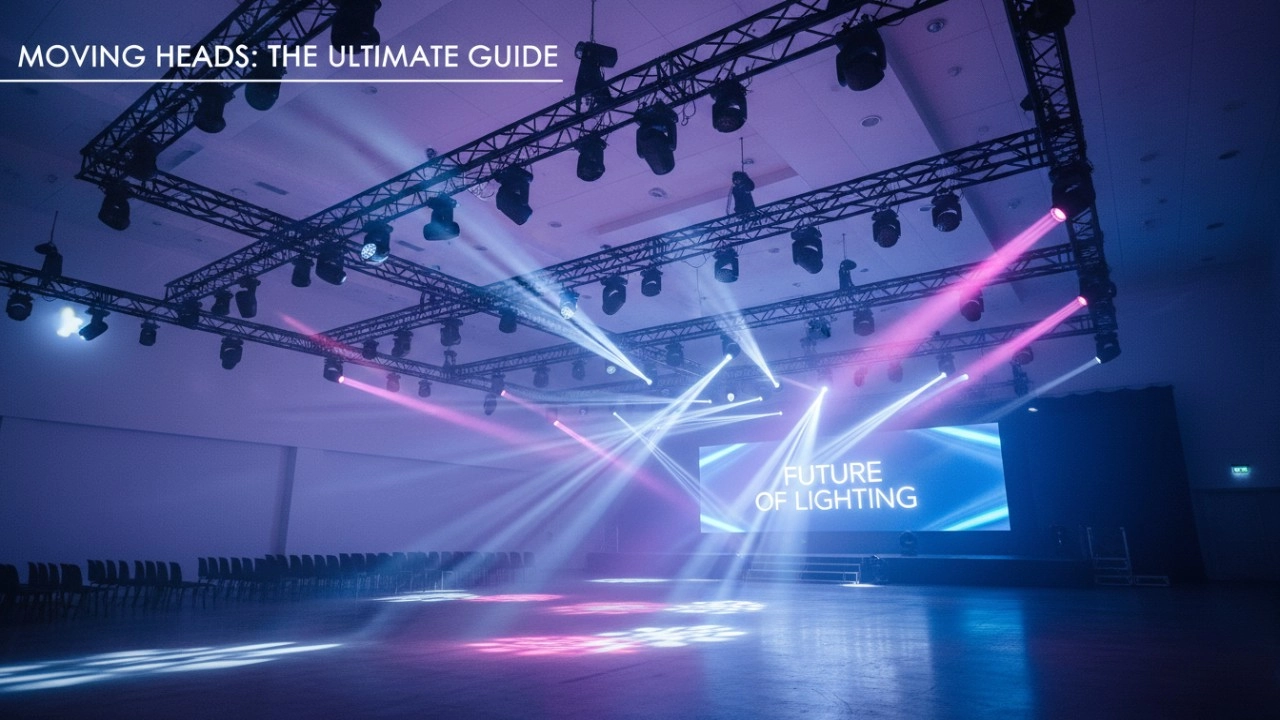
A Stage of Limitless Possibilities: Moving Head lights Deliver Precise Control and Versatile Effects
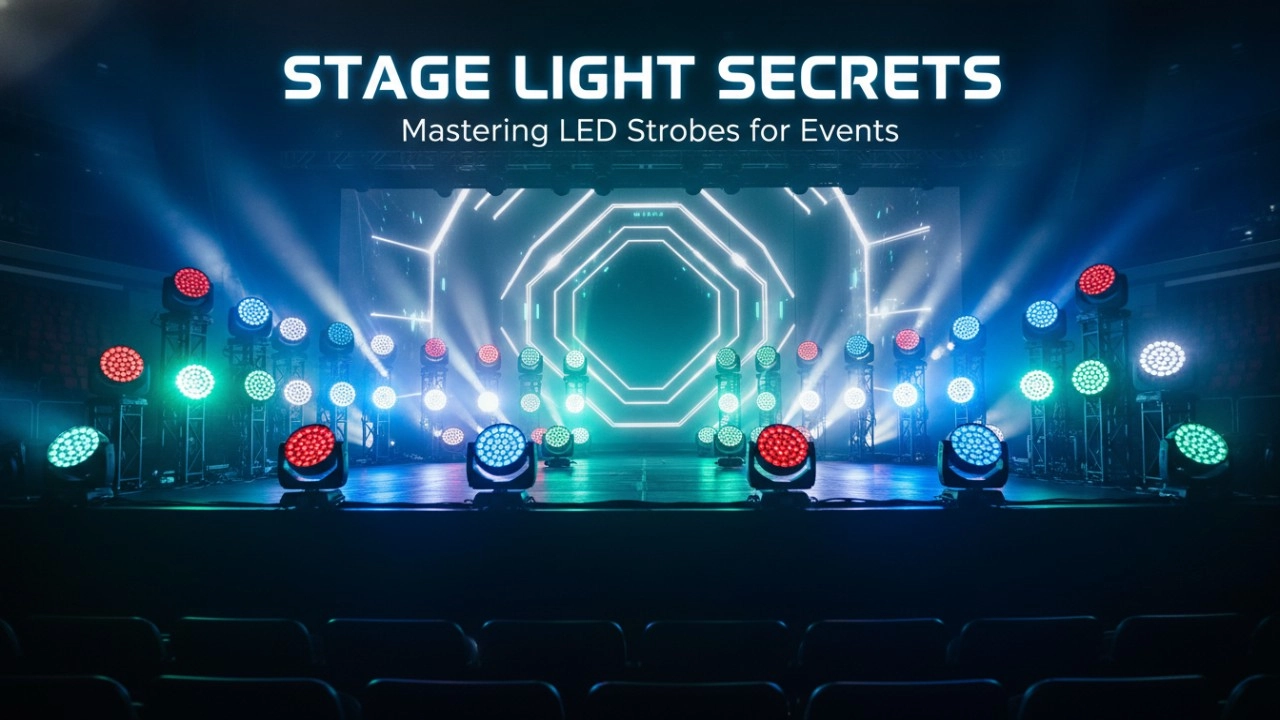
LED Stage Strobe Light Comparison: Performance, Power, and Pricing Guide
Why Your Venue Needs LED Beam Lights: A Cost-Benefit Analysis
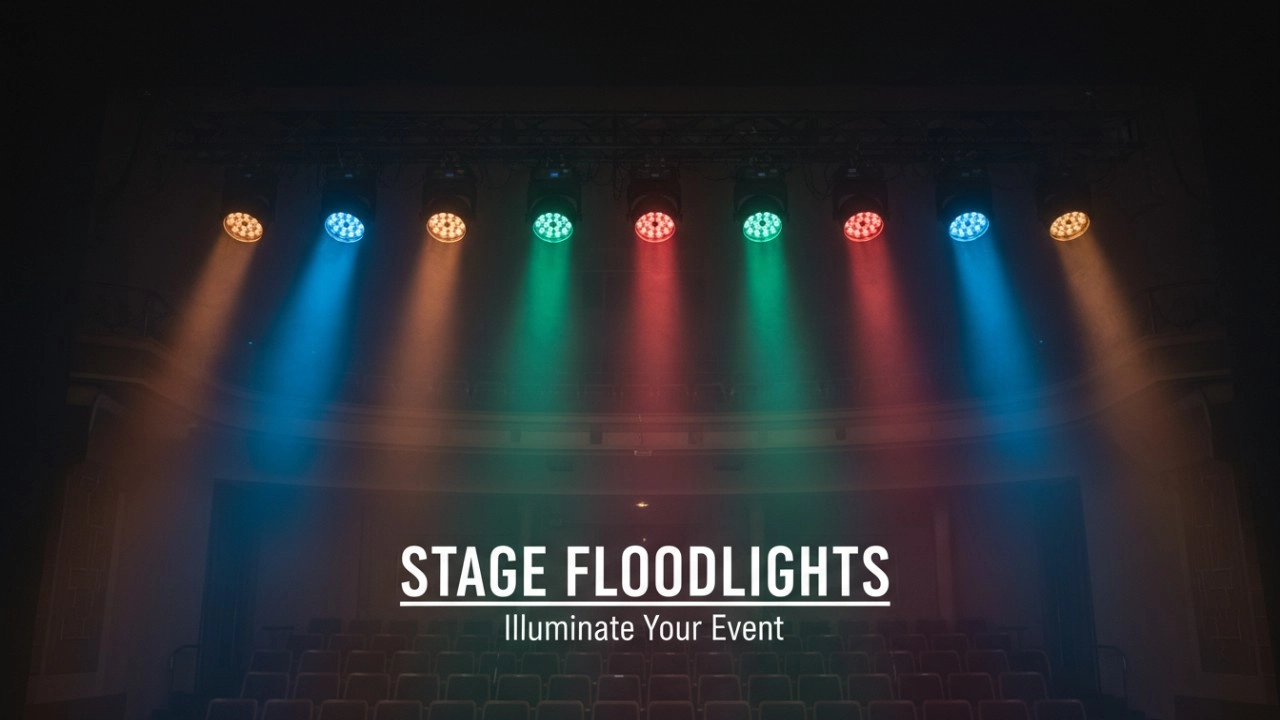
Spotlight vs. Stage Flood Lights: Which One Does Your Production Actually Need?
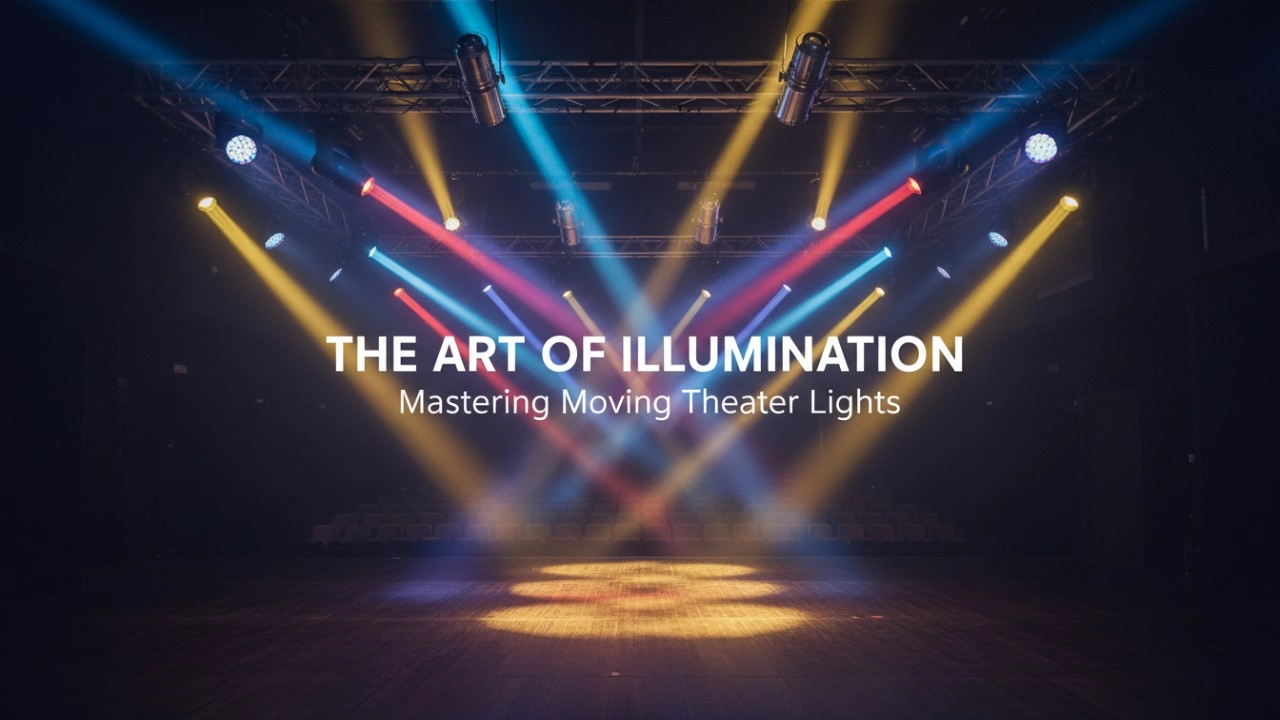
Spotlight vs. Floodlight vs. Beamlight: A Comparison of Moving Stage Lighting Fixtures
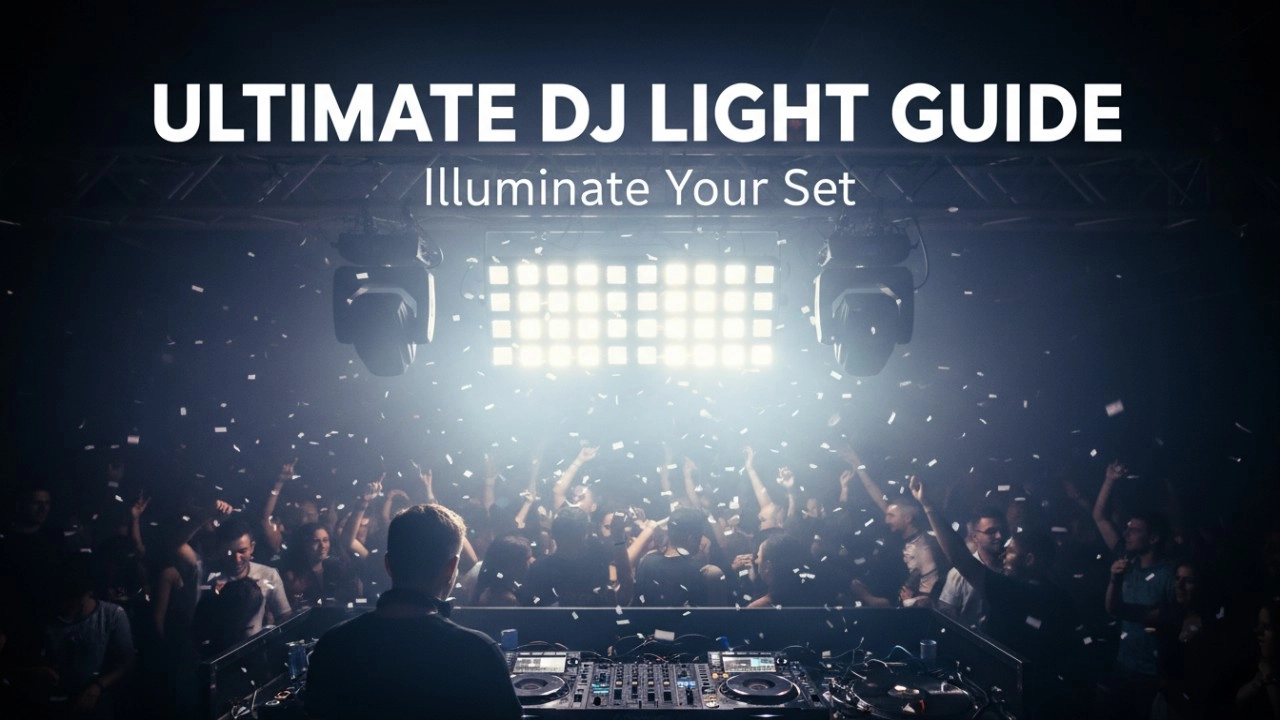
Mastering the Flash: 7 Advanced Strobe DJ Light Techniques for Pro Entertainers
Company
Can LiteLEES handle OEM/ODM orders?
Absolutely. With our strong R&D capabilities and advanced manufacturing, we can customize designs, features, and branding to meet your specific needs.
What certifications do your products have?
All LiteLEES products are certified by CE, RoHS, FCC, and BIS. Our factory is ISO9001 quality management system certified.
Products
How long is the warranty period for your products?
We offer a standard 1-year warranty on all products, with extended warranty options available upon request. During the warranty period, we provide free technical support and parts replacement for non-human damage.
What is the lifespan of your LED stage lights?
Our LED lights use high-quality chips with a rated lifespan of over 50,000 hours. Proper usage and maintenance ensure long-term reliability and stable performance, making them a smart investment for any venue.
Are your lights suitable for large-scale events and outdoor use?
Yes. Our professional stage lights—especially the Beam, BSW 3-in-1, and LED Par Series—are engineered with high-output brightness, wide beam angles, and robust housing. Some models come with IP-rated protection, making them suitable for outdoor applications like concerts, festivals, and sports events.
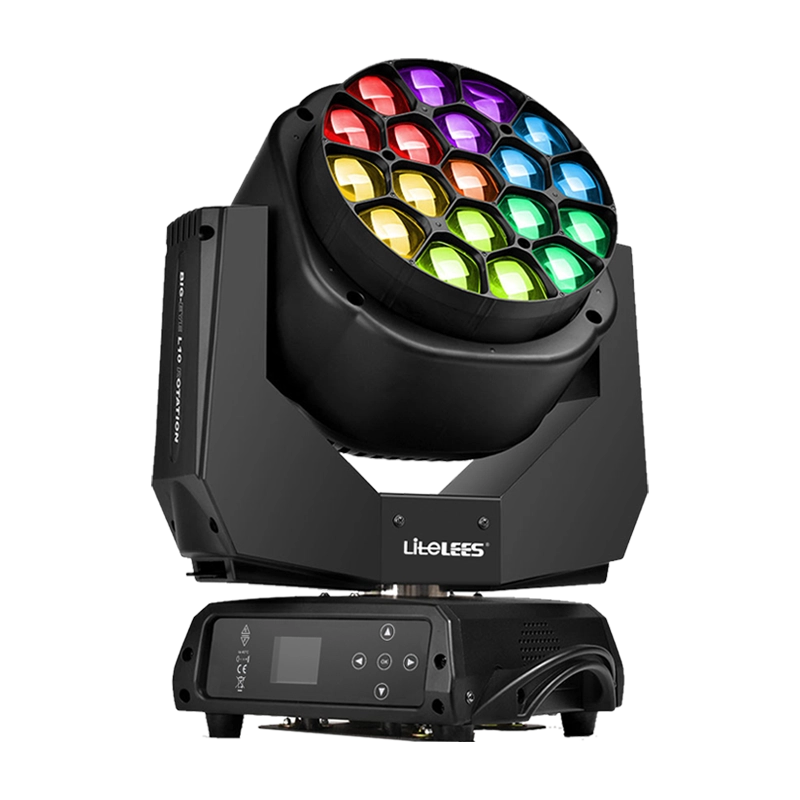

Stormy Shake Blinder IP
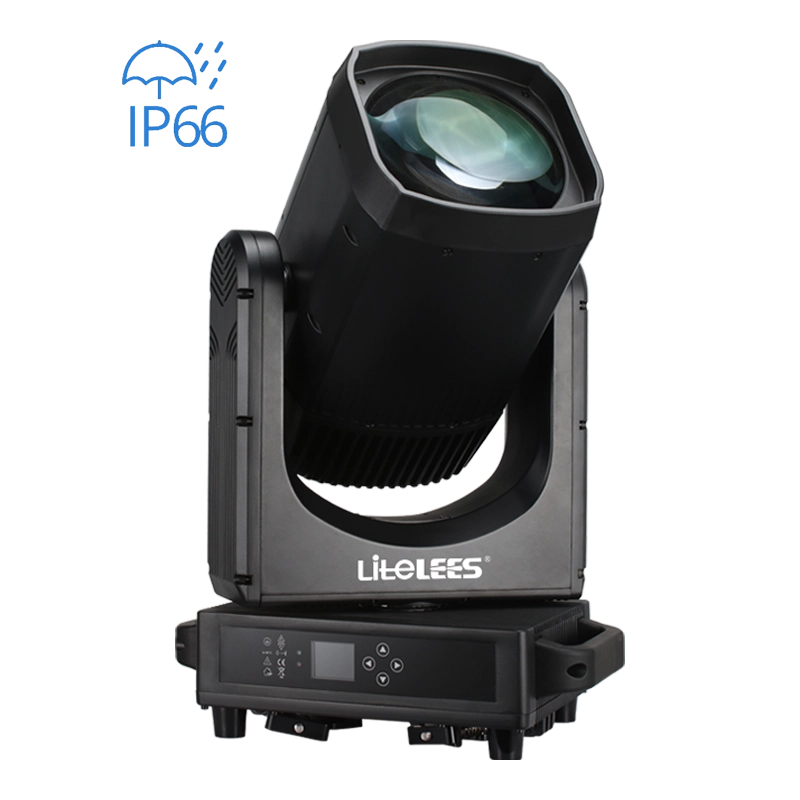
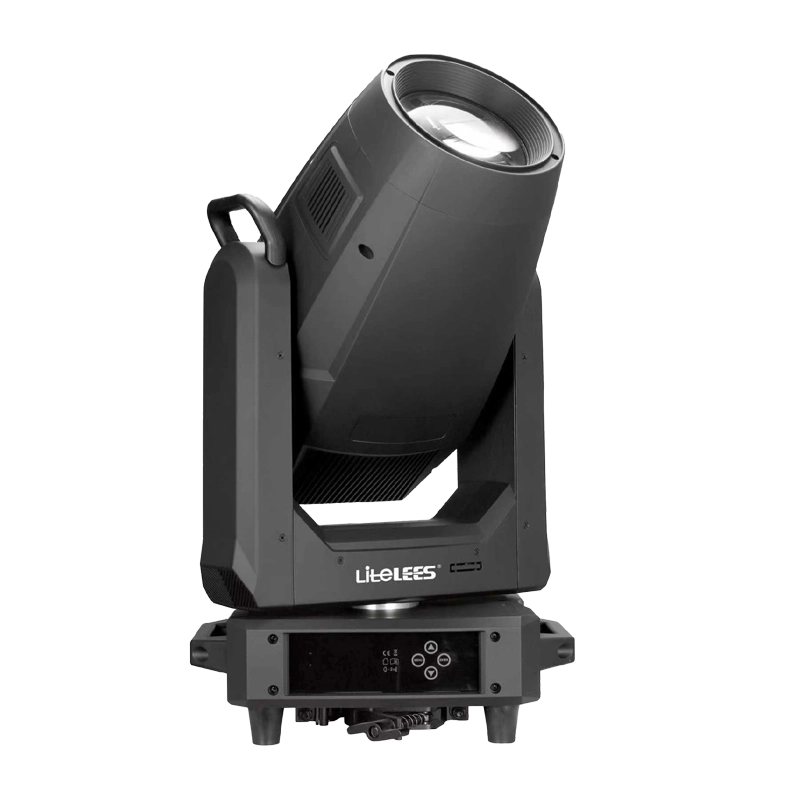
LiteLEES LUMIX BEAM 420 IP
LP Profile 900
Want to get more up-to-date information?
If you have any comments or good suggestions, please leave us a message; later our professional staff will contact you as soon as possible.

We are professional stage lighting manufacturers offering OEM and ODM LED stage lights.
Contact
Email us
Call us
Address
No.6 Longnan Road, Huashan Town, Huadu District Guangzhou, Guangdong Province, China.
LiteLEES Professional
Less Lighting