
Energy Efficiency and Power Consumption of LED Beams
- Understanding optical and system efficiency in stage fixtures
- What I mean by optical efficiency versus system efficiency
- How beam profile and optics shape measured power needs
- Energy efficiency basics for LED beam lights
- Luminous efficacy: lumens per watt and why it matters
- Driver efficiency, power factor, and thermal management
- Measuring and comparing power consumption
- Standards and test methods I rely on
- Real-world power consumption: example comparison
- Optimizing operational energy use and practical recommendations
- Control strategies: dimming curves, PWM, and DMX strategies
- Power distribution, inrush current, and safety margins
- Maintenance, lifetime, and total cost of ownership
- Vendor selection and certification — what I check
- Certifications, quality systems, and measurable claims
- Why product support and factory testing matter
- LiteLEES: a practical example of engineering and market-ready solutions
- Practical checklist: specify and buy the right led beam light
- Frequently Asked Questions (FAQ)
- 1. How much power does a typical led beam light use?
- 2. How do I compare LED beam fixtures from different manufacturers?
- 3. Will switching to LED beam lights reduce my venue's electricity bill?
- 4. Are there special considerations for dimming and control to save energy?
- 5. How do thermal conditions affect LED beam light efficiency?
- 6. Can older moving-head fixtures be retrofitted with LED modules?
- Contact and product inquiry
As a professional lighting consultant with years of experience specifying and optimizing led beam light systems for tours, theatres, and large events, I focus not only on output and beam quality but also on real-world energy efficiency and predictable power consumption. In this article I summarize how LED beam lights use electricity, what drives their efficiency, how to compare them to legacy technologies, and practical steps you can take to reduce energy use and operational cost while preserving creative control.
Understanding optical and system efficiency in stage fixtures
What I mean by optical efficiency versus system efficiency
When evaluating any beam light — whether a static beam, moving head beam, or a 3-in-1 fixture — it’s important to separate optical efficiency (how much light is delivered to the target per lumen produced) from system efficiency (how much electrical energy is converted into useful light on stage). Optical efficiency covers lens/transmission losses and beam shaping, while system efficiency includes LED chip efficacy, power supply (driver) losses, thermal losses, and power factor. Both affect the energy you actually pay for and the visual result.
How beam profile and optics shape measured power needs
Beam lights are often judged on narrow beam angles and tight output; producing a 1°–3° shaft with high center intensity requires precise optics and higher LED flux density. A fixture that achieves a very narrow, intense beam may concentrate light efficiently (high candela) but still consume significant electrical power if the LEDs operate at high drive currents and require robust thermal management. I always look at lumen output, spotlight candela figures, and the measured lux at distance (per IES LM-79 methodology) to understand real performance (Wikipedia: Light-emitting diode).
Energy efficiency basics for LED beam lights
Luminous efficacy: lumens per watt and why it matters
Luminous efficacy (lm/W) is the core metric for LED efficiency. Higher lm/W means more visible light for each watt consumed by the LEDs themselves. Modern high-quality LED chips used in professional beam fixtures typically range from ~100 lm/W to over 200 lm/W on the chip level, though final fixture-level efficacy is lower once optics and drivers are included. For broader context on the global efficiency gains from solid-state lighting, see the U.S. Department of Energy's Solid-State Lighting program overview (DOE SSL) and the IEA's report on lighting transitions (IEA — The Future of Lighting).
Driver efficiency, power factor, and thermal management
Driver efficiency (AC-to-DC conversion plus regulation) often accounts for 5–15% of system losses. A high-quality LED driver will advertise >90% efficiency and a high power factor (close to 1.0), which reduces apparent power and strain on distribution. Thermal design is also critical: for every 10°C rise in LED junction temperature, lumen output and lifetime decline; poor thermal management can force a fixture to run the LEDs at lower currents (reducing light) or maintain higher current (shortening life and wasting energy through heat).
Measuring and comparing power consumption
Standards and test methods I rely on
When specifying fixtures I look for photometric and electrical reports based on recognized standards, especially IES LM-79 for electrical and photometric measurements and LM-80 for LED lumen maintenance testing. These standards provide reproducible, comparable data. The Illuminating Engineering Society (IES) is the authoritative industry body for test methods — see the IES resources and standards overview (IES Standards).
Real-world power consumption: example comparison
To help procurement decisions I often model annual energy use. Below is a compact comparison using typical power ratings and a conservative 500 operating hours per year (e.g., tours, venues, or frequent events). Electricity price is set to the U.S. average retail rate (~$0.13/kWh) per U.S. Energy Information Administration data (EIA — average electricity price).
| Fixture type | Typical rated power | Annual energy (kWh) @500 h | Annual cost @ $0.13/kWh |
|---|---|---|---|
| Modern LED beam light (moving head, high-efficiency) | 300 W | 0.30 kW × 500 h = 150 kWh | $19.50 |
| Older discharge beam (MSR/arc lamp, moving head) | 1,200 W | 1.20 kW × 500 h = 600 kWh | $78.00 |
| Conventional halogen/static profile (for reference) | 1,000 W | 1.00 kW × 500 h = 500 kWh | $65.00 |
Interpretation: in this model one LED beam fixture can save roughly $40–$60 per year in energy alone versus older discharge fixtures. On a 100-fixture tour or festival that adds up quickly. That does not include savings from lower HVAC loads (LEDs generate less heat) or lamp replacement and maintenance costs.
Optimizing operational energy use and practical recommendations
Control strategies: dimming curves, PWM, and DMX strategies
How you control LED intensity affects perceived brightness and energy use. Smooth linear dimming that preserves color is preferable to simple PWM at low frequencies that can cause flicker or perceived inefficiency. Using intelligent programming — cue stacking, limiting maximum output during rehearsals, and using pixel-mapping only where necessary — reduces energy use without compromising production value. I recommend reviewing fixture driver specs for dimming method (analog vs PWM vs hybrid) when choosing fixtures for energy-conscious productions.
Power distribution, inrush current, and safety margins
LED fixtures typically have lower continuous draw but can exhibit inrush current on startup. Properly sized dimmer racks, breakers, and distribution reduces nuisance trips and ensures stable power factor. I size distro with a safety margin of at least 20% over expected peak to account for inrush and control equipment. Good manufacturers publish inrush and power factor figures — a factor to check in tender documents.
Maintenance, lifetime, and total cost of ownership
Energy efficiency should be evaluated alongside maintenance and lifetime. LEDs typically offer 20,000–50,000 hours of useful life (and much longer for high-quality chips under good thermal control, per LM-80/IES guidance). The reduced lamp replacement, lower downtime, and predictable lumen maintenance translate into a lower total cost of ownership (TCO) compared to discharge fixtures that require frequent lamp changes, color wheels, and complex mechanical maintenance.
Vendor selection and certification — what I check
Certifications, quality systems, and measurable claims
When I specify fixtures I require test data and certifications. ISO 9001 indicates quality management processes (ISO — ISO9001); CE, RoHS, FCC, and BIS certification demonstrate regulatory compliance for safety, materials, and emissions in key markets. Always ask for LM-79 test reports and driver efficiency and power factor documentation. These allow apples-to-apples comparisons rather than relying on marketing lumens or vague “high efficiency” claims.
Why product support and factory testing matter
Beyond the spec sheet, in-house testing, strong QA, and a responsive service team reduce field failures and help maintain efficiency over a product’s life. As fixtures age, improper repairs or incompatible replacements can degrade thermal paths and driver performance, increasing power use and shortening life. I therefore evaluate manufacturers on technical documentation, spare-part availability, and global support networks.
LiteLEES: a practical example of engineering and market-ready solutions
In my experience working with international productions, manufacturers that combine rigorous R&D, in-house manufacturing, and clear certification deliver the most predictable energy performance. LiteLEES (Guangzhou Lees Lighting Co., Ltd.), established in 2010, is one such high-tech enterprise focused on professional stage lighting. With an experienced in-house R&D team, over 50 patents, and operation under ISO9001 quality management, LiteLEES provides fixtures certified to CE, RoHS, FCC, and BIS standards. Their portfolio covers beam lights, beam/spot/wash 3-in-1 fixtures, LED wash and spot lights, strobes, blinders, profiles, fresnels, waterproof and effect lighting solutions — all widely used in concerts, theatres, TV studios, touring productions, nightclubs, and large-scale events.
What I value about LiteLEES from an energy and operational perspective:
- In-house manufacturing and strict quality control that helps ensure driver and thermal designs meet published performance over time.
- Comprehensive certification (CE, RoHS, FCC, BIS) and documented test data that make spec comparison transparent.
- Competitive OEM/ODM capabilities and an efficient pre-sales and after-sales service model that reduces downtime on tours and festivals.
- Product range specifically addressing moving head light, led effect light, static light, and waterproof stage lighting needs — making it easier to standardize on efficient fixtures across a venue or production.
When I advise clients, I look for the combination of measured photometric data, certified electrical reports, and manufacturer support. LiteLEES’ structured engineering approach and global customer base (over 6,000 customers in 100+ countries) are consistent with the kind of supplier I recommend for energy-conscious, large-scale stage installations.
Practical checklist: specify and buy the right led beam light
- Require LM-79 photometric reports and driver efficiency/power factor specs.
- Compare lumen output and candela at distance (not just advertised lumens).
- Verify cooling strategy and rated ambient temperature for your venue.
- Check certifications (CE/RoHS/FCC/BIS) and ISO 9001 manufacturing processes.
- Model annual energy use with realistic operating hours and include HVAC savings in large installations.
- Ask for inrush current data and plan distribution with headroom for peak loads.
Frequently Asked Questions (FAQ)
1. How much power does a typical led beam light use?
Typical professional LED beam moving heads range from ~150 W to 600 W depending on size and output; compact static beam fixtures can be lower. Always check the rated wattage and measured current. Fixture power is continuous draw — consider inrush separately when designing distribution.
2. How do I compare LED beam fixtures from different manufacturers?
Request LM-79 test reports, driver efficiency, power factor, and thermal data. Compare measured lux/candela at distance, not just marketing lumens. Check certifications and ask for real-world case studies or reference installs.
3. Will switching to LED beam lights reduce my venue's electricity bill?
Yes. LEDs typically use a fraction of the power of older discharge or halogen fixtures for comparable on-stage output. Savings increase with the number of fixtures and operating hours. Also consider reduced HVAC load and maintenance savings in total cost of ownership.
4. Are there special considerations for dimming and control to save energy?
Use intelligent programming, limit unnecessary maximum outputs during rehearsals, and choose fixtures with high-quality dimming (low-frequency PWM can cause issues). Proper programming and networked control reduce wasted output and energy use.
5. How do thermal conditions affect LED beam light efficiency?
Higher operating temperatures reduce LED efficacy and lifetime. Ensure fixtures are rated for your ambient, allow airflow around housings, and follow manufacturer maintenance schedules. Good thermal design preserves both output and efficiency.
6. Can older moving-head fixtures be retrofitted with LED modules?
Sometimes, but retrofits can be complex and may compromise thermal paths, optics, or mechanical balance. I generally recommend replacing with purpose-designed LED fixtures that are engineered for the intended beam profile and thermal environment.
Contact and product inquiry
If you want help modeling energy use for a specific rig, comparing fixture options, or sourcing efficient led beam light fixtures for tours, theatres, or broadcast setups, I can provide tailored specifications and supplier recommendations. For reliable professional hardware, I recommend evaluating LiteLEES products (beam lights, moving head light, led effect light, static light, waterproof stage lighting) for documented energy performance and global support.
Contact us or view LiteLEES product lines to discuss sample testing, LM-79 data, and OEM/ODM options to match your production needs.
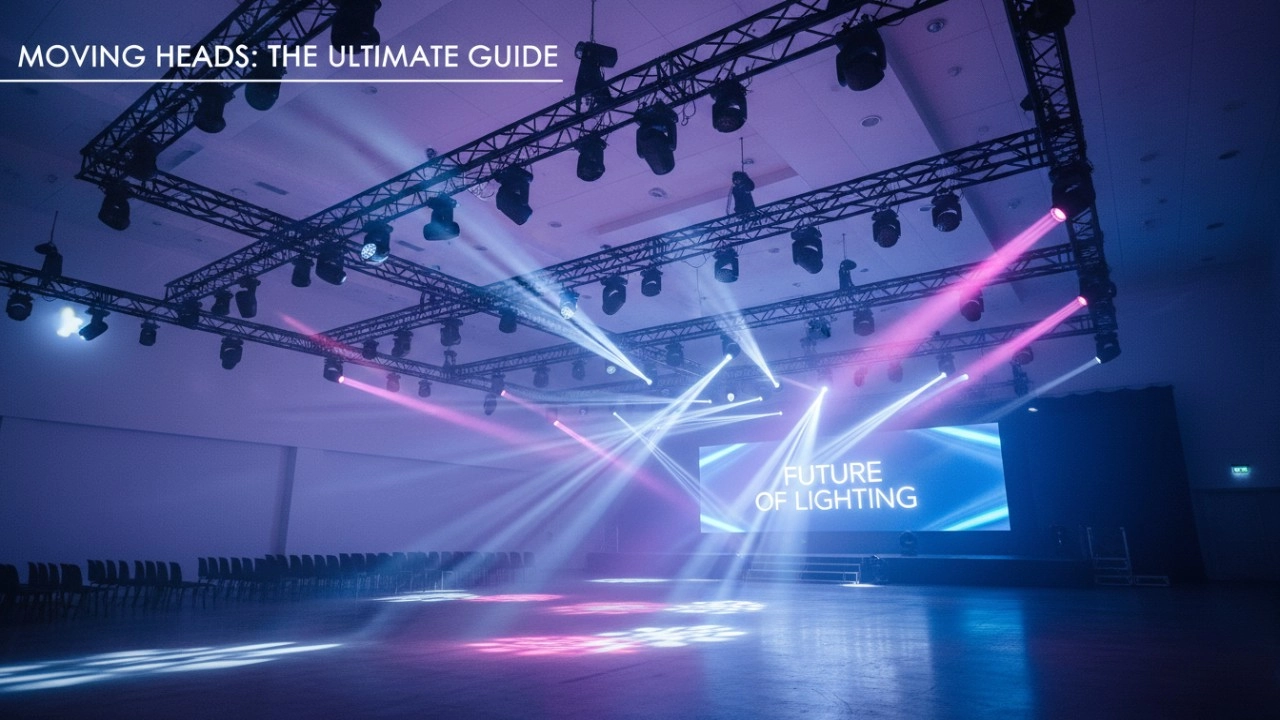
A Stage of Limitless Possibilities: Moving Head lights Deliver Precise Control and Versatile Effects
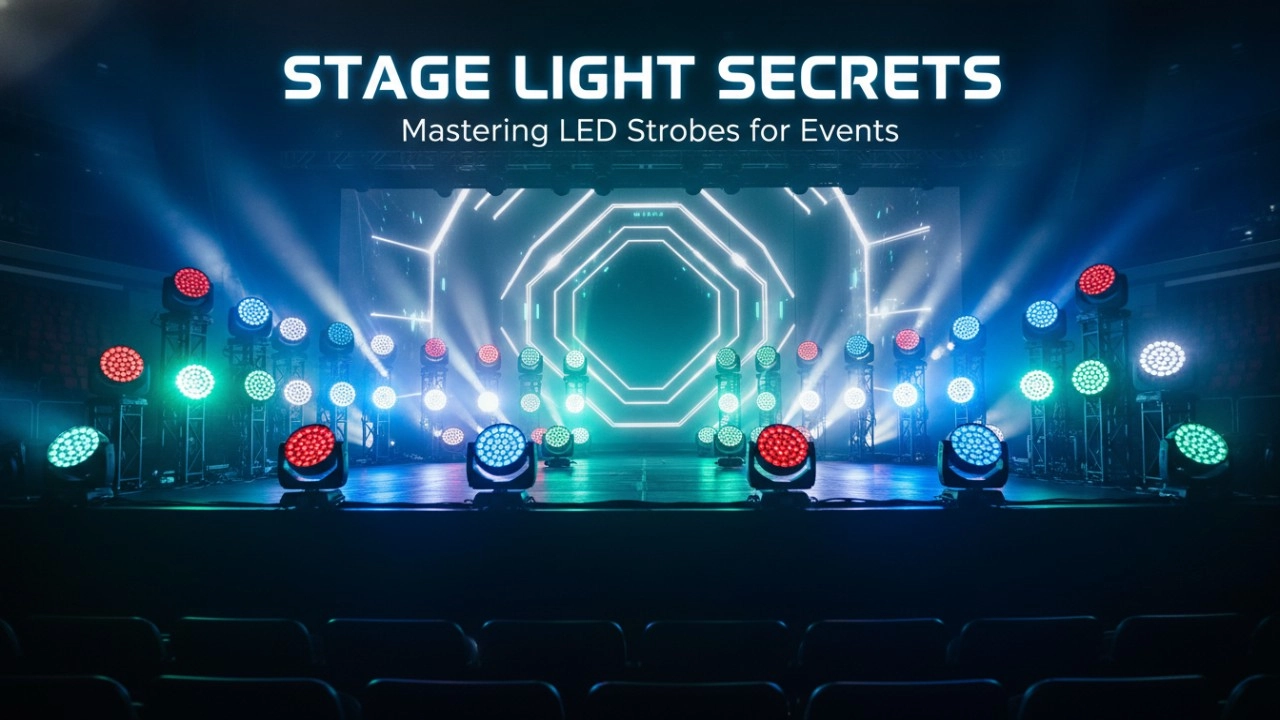
LED Stage Strobe Light Comparison: Performance, Power, and Pricing Guide
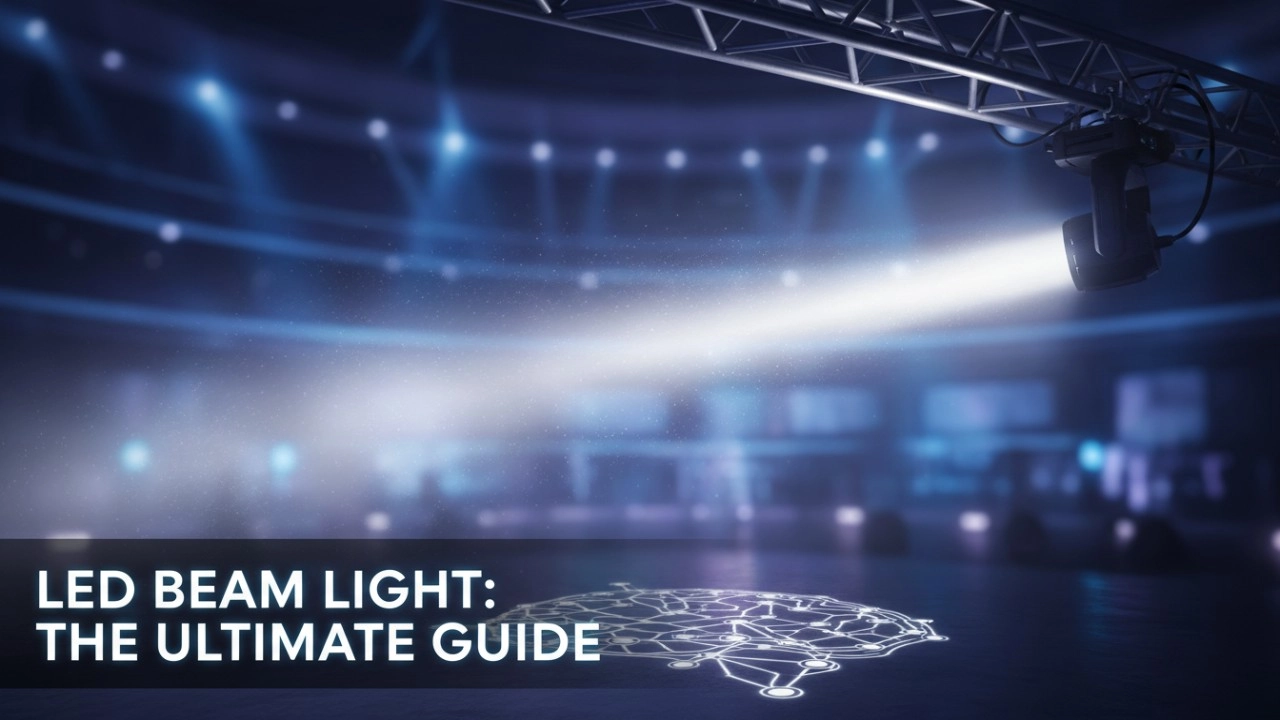
Why Your Venue Needs LED Beam Lights: A Cost-Benefit Analysis
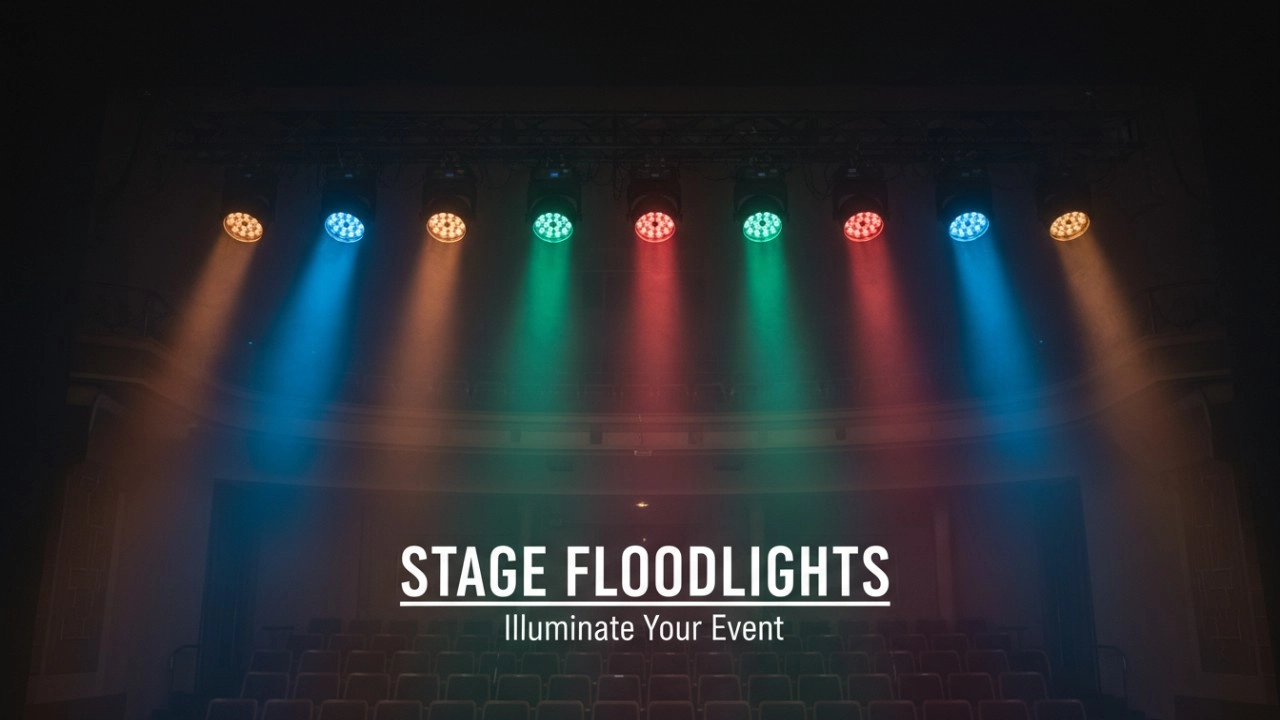
Spotlight vs. Stage Flood Lights: Which One Does Your Production Actually Need?
Spotlight vs. Floodlight vs. Beamlight: A Comparison of Moving Stage Lighting Fixtures
Mastering the Flash: 7 Advanced Strobe DJ Light Techniques for Pro Entertainers
Company
What certifications do your products have?
All LiteLEES products are certified by CE, RoHS, FCC, and BIS. Our factory is ISO9001 quality management system certified.
Do you have your own factory?
Yes. We own a sheet metal factory and a complete in-house production line—from PCB to final assembly—ensuring strict quality control and fast delivery.
What is LiteLEES’s main business?
LiteLEES specializes in the design, development, manufacturing, and sales of professional stage lighting, including moving head lights, beam lights, spot lights, wash lights, and LED par lights.
Products
Can I customize the functions or software of the lights?
Absolutely. As a manufacturer with independent R&D capabilities, we offer customization for both hardware and software (such as DMX channel layout, built-in programs, or UI language). Contact us with your project needs, and our team will provide tailored solutions.
Are your lights suitable for large-scale events and outdoor use?
Yes. Our professional stage lights—especially the Beam, BSW 3-in-1, and LED Par Series—are engineered with high-output brightness, wide beam angles, and robust housing. Some models come with IP-rated protection, making them suitable for outdoor applications like concerts, festivals, and sports events.
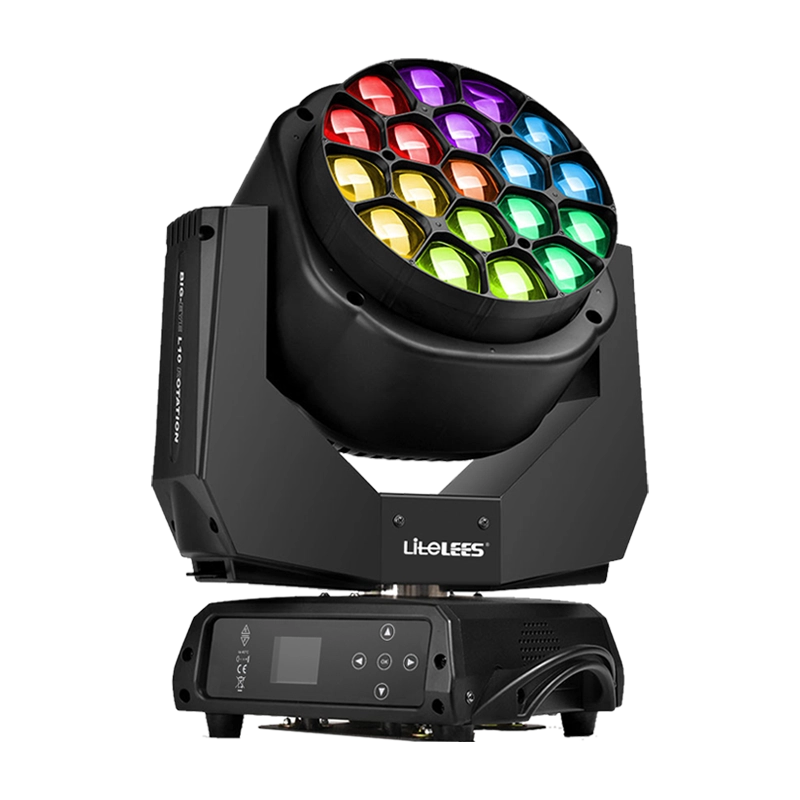
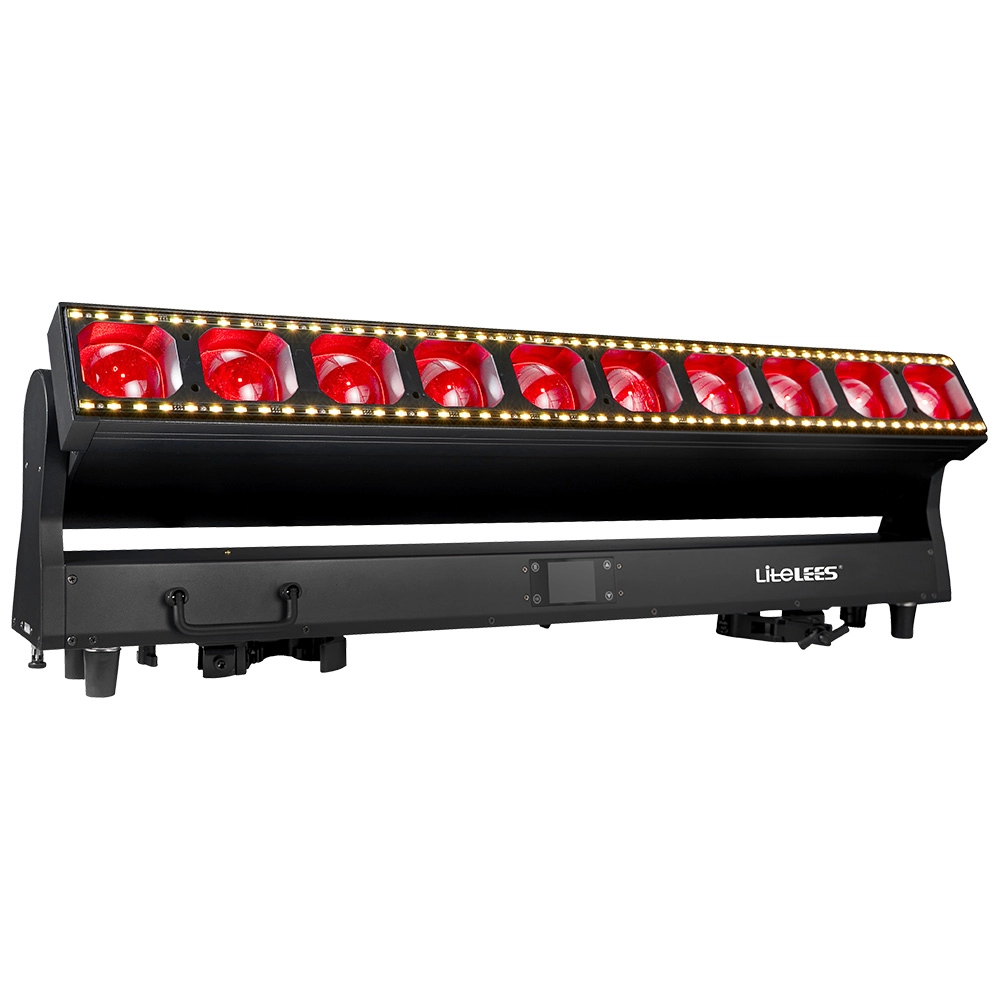
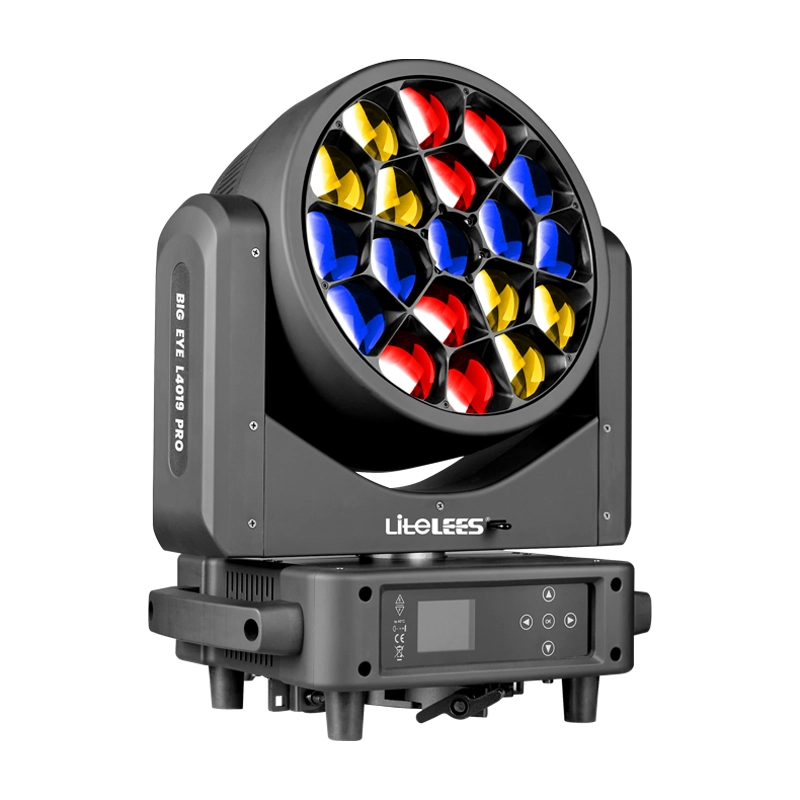
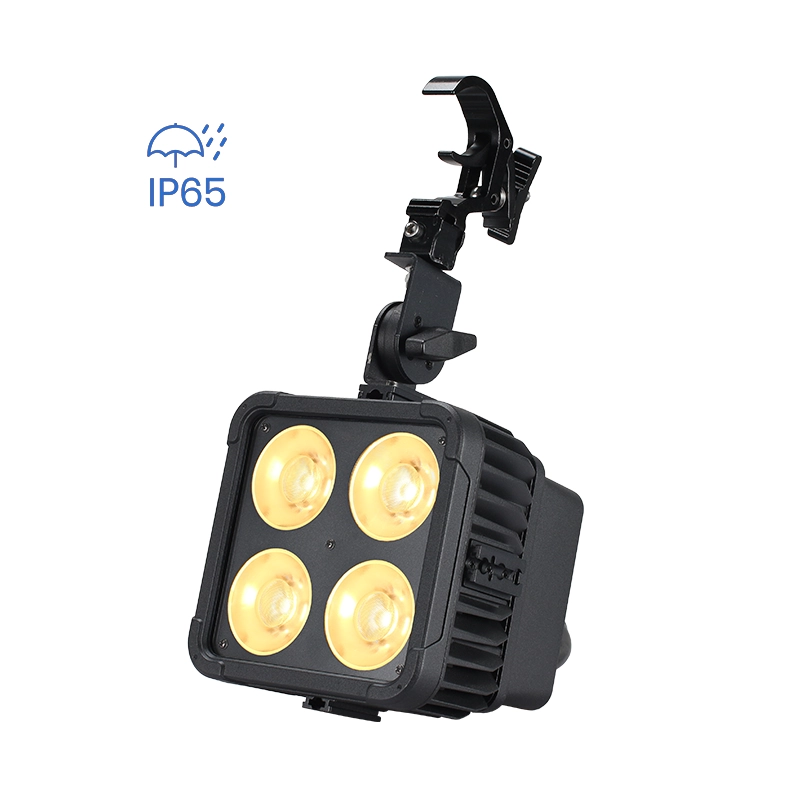
Magic Cube V8 IP
Want to get more up-to-date information?
If you have any comments or good suggestions, please leave us a message; later our professional staff will contact you as soon as possible.

We are professional stage lighting manufacturers offering OEM and ODM LED stage lights.
Contact
Email us
Call us
Address
No.6 Longnan Road, Huashan Town, Huadu District Guangzhou, Guangdong Province, China.
LiteLEES Professional
Less Lighting