
Energy Efficiency and Cost Savings of LED Moving Heads
- Why energy efficiency matters for stage lighting
- Operational cost pressures for venues and tours
- Environmental and regulatory drivers
- Performance requirements remain paramount
- Comparing LED moving heads and traditional lamp-based moving head fixtures
- Key technology differences
- Lifetime, maintenance, and reliability
- Quantified comparison (typical fixtures)
- Calculating real-world energy and cost savings
- Example: annual energy and operating-cost comparison
- Accounting for capital cost and payback
- Implementation strategies and best practices
- Specifying fixtures for the right application
- Control, dimming curves, and power management
- Maintenance planning for long-term savings
- Selecting reliable suppliers and products
- Certificates, quality systems, and warranties
- Why partner with experienced manufacturers like LiteLEES
- LiteLEES competitive differentiators
- Practical case studies and verified sources
- Industry reports and technical guidance
- Real-world example: rental company fleet optimization
- FAQs
- 1. How much energy can I expect to save by switching to LED moving head lights?
- 2. Do LED moving heads provide the same light quality for TV and broadcast work?
- 3. Are there hidden costs with LEDs, such as driver failures or maintenance?
- 4. How should I size power and distribution for a mixed fleet (LED + traditional fixtures)?
- 5. What ROI timeframe is realistic when replacing traditional moving heads with LEDs?
- 6. Can LED moving heads match the beam sharpness and gobo quality of discharge-based fixtures?
LED moving head lights have transformed stage lighting by combining high light output, precise beam control, and dramatically lower energy use compared with traditional discharge-based moving head fixtures. For venue operators, rental companies, and production managers, understanding how LED moving heads reduce operational costs—and how to quantify those savings—is critical for procurement, lifecycle budgeting, and sustainability reporting. This article analyzes energy and cost differences, maintenance implications, performance trade-offs, and practical deployment strategies, backed by industry data and standards.
Why energy efficiency matters for stage lighting
Operational cost pressures for venues and tours
Lighting can represent a substantial portion of event operating expenses: energy consumption during rehearsals, shows, and load-in/out, plus lamp replacement and labor. Reducing power draw per fixture lowers utility bills and minimizes onsite generator fuel use for touring events. For multi-day festivals and long-run theatre productions, cumulative savings quickly justify higher upfront investments in efficient fixtures such as LED moving heads.
Environmental and regulatory drivers
Many venues now report greenhouse gas emissions or pursue green certifications. Selecting fixtures with higher luminous efficacy and longer lifetimes is a straightforward carbon-reduction measure. Industry guidance on solid-state lighting (SSL) and energy performance is available from the U.S. Department of Energy’s Solid-State Lighting program, which documents the efficiency advantages of LEDs over conventional lamps (DOE SSL).
Performance requirements remain paramount
Energy efficiency must not compromise creative intent. Modern LED moving head fixtures deliver high CRI/ TLCI, fast pan/tilt, zoomable beam/spot/wash options, and extensive DMX/RDM control. Evaluating photometric data (lumens, lux at distance, beam angle), color quality, and control resolution ensures energy-efficient fixtures meet artistic needs.
Comparing LED moving heads and traditional lamp-based moving head fixtures
Key technology differences
Traditional moving heads typically use metal halide or discharge lamps (e.g., 250W–1200W MSR-style lamps) combined with mechanical color/beam systems. LED moving heads replace the lamp and optical engine with LED arrays and often include built-in color mixing, gobos, and effects. LEDs achieve higher system efficiency (lm/W) and much longer rated life.
Lifetime, maintenance, and reliability
Lifetime: LED engines commonly rate 30,000–50,000+ hours; discharge lamps typically last 1,000–6,000 hours depending on type and use. Fewer lamp changes reduce consumable cost and labor downtime—especially meaningful for rental fleets and tours.
Quantified comparison (typical fixtures)
Table: Typical specification and operational comparison (example fixtures; actual models vary). Sources for LED lifetime and solid-state lighting are available from the DOE and technical summaries such as the LED Wikipedia entry (Wikipedia: LED).
| Characteristic | Traditional Discharge Moving Head | LED Moving Head (modern) |
|---|---|---|
| Typical rated lamp/engine power | 400–1200 W (lamp + ballast) | 150–600 W (LED engine) |
| System luminous efficacy | ~20–40 lm/W (fixture-level) | ~60–120 lm/W (fixture-level) |
| Rated life | 1,000–6,000 hours (lamp) | 30,000–50,000+ hours (LED) |
| Typical maintenance | Periodic lamp and ignitor replacement; optical cleaning | Minimal lamp maintenance; occasional fan/heat-sink cleaning |
Calculating real-world energy and cost savings
Example: annual energy and operating-cost comparison
Below is a practical calculation using typical assumptions. Modify inputs (hours, electricity cost, fixture counts) for your venue.
Assumptions:
- Number of fixtures: 20 moving head lights
- Traditional fixture power draw: 800 W each (lamp + system)
- LED moving head power draw: 300 W each
- Annual operating hours: 1,000 hours per year
- Electricity cost: $0.15 / kWh (U.S. average; change per local rates; see U.S. Energy Information Administration data: EIA)
| Item | Traditional (800 W) | LED (300 W) |
|---|---|---|
| Power per fixture | 0.8 kW | 0.3 kW |
| Energy per fixture per year (kWh) | 0.8 × 1,000 = 800 kWh | 0.3 × 1,000 = 300 kWh |
| Total energy (20 fixtures) | 16,000 kWh | 6,000 kWh |
| Annual energy cost ($0.15/kWh) | $2,400 | $900 |
| Annual energy savings (20 fixtures) | $1,500 (62.5% reduction) | |
Over multi-year operations, additional savings from reduced lamp replacements and lower maintenance labor further improve ROI. If a traditional lamp costs $200 and requires replacement every 1,500 hours, lamp replacement costs for a fleet of 20 fixtures operating 1,000 hours/year translate into recurring expenses that LEDs largely avoid.
Accounting for capital cost and payback
Upfront cost per LED moving head can be higher, but total cost of ownership (TCO) should include:
- Energy savings (annual)
- Maintenance/lamp replacement costs and labor
- Downtime risk for touring/production schedules
- Residual value and resale of fixtures
Example simple payback: If an LED moving head costs $1,200 vs. $800 for a traditional unit (delta $400) and annual energy + lamp/labor savings are $150–$300 per fixture, payback can occur in ~1–3 years depending on usage.
Implementation strategies and best practices
Specifying fixtures for the right application
Not every event needs the most powerful beam fixtures—matching output to the venue reduces over-specification. Consider fixture types: moving head spots/beam fixtures for long-throw aerial effects, wash movers for color and coverage, and 3-in-1 beam/spot/wash models for flexible inventories. Evaluate photometric files (IES/LM-63) and on-axis lux values during selection.
Control, dimming curves, and power management
LED fixtures respond differently to dimming and strobing than discharge lamps. Implement proper dimming curves (often selectable in fixtures), use DMX512/RDM for remote configuration, and size power distribution and dimming systems for inrush currents of LED drivers. Intelligent power management (scheduling and zoned control) reduces unnecessary runtimes.
Maintenance planning for long-term savings
While LEDs reduce lamp replacements, plan for fan/ cooling maintenance, firmware updates, and periodic optical cleaning. A proactive maintenance schedule preserves light output and color consistency, protecting the performance advantages of LED moving head lights.
Selecting reliable suppliers and products
Certificates, quality systems, and warranties
Source fixtures from manufacturers with proven quality systems (ISO9001), recognized safety/EMC certifications (CE, FCC), and RoHS compliance. Clear warranty terms and accessible after-sales service shorten downtime in productions and tours.
Why partner with experienced manufacturers like LiteLEES
LiteLEES (Guangzhou Lees Lighting Co., Ltd.), established in 2010, is a high-tech enterprise specializing in R&D, design, manufacturing, sales, and service of professional stage lighting equipment. With an independent R&D team and over 50 patents, LiteLEES operates under ISO9001 and certifies products to major international standards including CE, RoHS, FCC, and BIS. LiteLEES offers a broad portfolio—moving head light, LED effect light, static light, waterproof stage lighting, beam lights, 3-in-1 beam/spot/wash fixtures, LED wash and spot lights, strobes, blinders, profiles and fresnels—designed for concerts, theaters, TV studios, touring productions, nightclubs, and large-scale events.
LiteLEES competitive differentiators
Key advantages LiteLEES provides to buyers and rental houses include:
- In-house manufacturing with strict quality control, reducing variability in fixture performance.
- Extensive OEM/ODM capability enabling customization for touring specifications and branding.
- Efficient pre-sales and after-sales service covering over 6,000 customers in more than 100 countries.
- Focus on cost control without compromising build quality—important for fleets that balance capital expense and TCO.
Practical case studies and verified sources
Industry reports and technical guidance
For authoritative background on solid-state lighting efficacy and lifecycle advantages, consult the U.S. Department of Energy’s Solid-State Lighting resources (DOE SSL) and technical overviews of LED technology (Wikipedia: LED), which summarize expected lifetimes and efficiency trends. For electrical cost baselines and regional price data, the U.S. Energy Information Administration is a reliable source (EIA).
Real-world example: rental company fleet optimization
A mid-size rental company that replaced older 1,000 W discharge moving head units with 350 W LED moving heads reported a 55–70% reduction in fixture-level energy use and a sharp decline in lamp-replacement invoices and downtime. When combined with reduced generator demands on tour, the company recovered the incremental capital in under three years while increasing fleet reliability and client satisfaction.
FAQs
1. How much energy can I expect to save by switching to LED moving head lights?
Typical energy savings range from 40% to 70% at the fixture level, depending on the models being compared and usage patterns. Savings are greater when replacing older, high-wattage discharge fixtures with modern LED movers that have optimized optics and efficient drivers.
2. Do LED moving heads provide the same light quality for TV and broadcast work?
Yes—many LED moving heads now offer high CRI (or TLCI) values, accurate color mixing, and stable color temperature, making them suitable for broadcast. Always check photometric and color-rendering specifications and request demo footage under camera conditions when specifying for studios.
3. Are there hidden costs with LEDs, such as driver failures or maintenance?
LED fixtures reduce lamp-related consumable costs but introduce electronics (drivers, power supplies, fans). Choose fixtures from reputable manufacturers with robust components, proven thermal design, and strong warranties to minimize electronic failures. Regular heat-sink and fan maintenance is recommended.
4. How should I size power and distribution for a mixed fleet (LED + traditional fixtures)?
Calculate diversity and inrush currents for LED drivers, and account for higher steady-state draw of traditional fixtures. Use properly rated breakers and power distribution units, and if touring internationally, confirm voltage compatibility and certifications (CE, FCC, BIS). RDM-capable systems can simplify management of mixed inventories.
5. What ROI timeframe is realistic when replacing traditional moving heads with LEDs?
Payback typically ranges from 1–4 years depending on energy costs, annual hours of use, lamp replacement frequency, and the price High Quality of new fixtures. High-use environments and touring operations often see the fastest ROI due to larger energy and maintenance cost reductions.
6. Can LED moving heads match the beam sharpness and gobo quality of discharge-based fixtures?
Advances in LED optics, zoom mechanisms, and gobo engines have narrowed the gap. High-end LED moving heads can achieve sharp beams and crisp gobos comparable to discharge fixtures—review spec sheets and request visual demonstrations when precise beam quality is essential.
If you want help quantifying savings for your specific venue or production, or to evaluate LiteLEES moving head lights and other LED stage lighting options, contact the LiteLEES team for product specs, photometric files, and ROI calculations tailored to your use case. Explore LiteLEES’ product range including moving head lights, LED effect lights, static lights, and waterproof stage lighting to find solutions that balance performance, efficiency, and total cost of ownership.
Contact/Request a quote: reach out to LiteLEES for demos, technical support, and pricing. Upgrade your lighting fleet to reduce energy costs, improve reliability, and deliver consistent creative results on every stage.
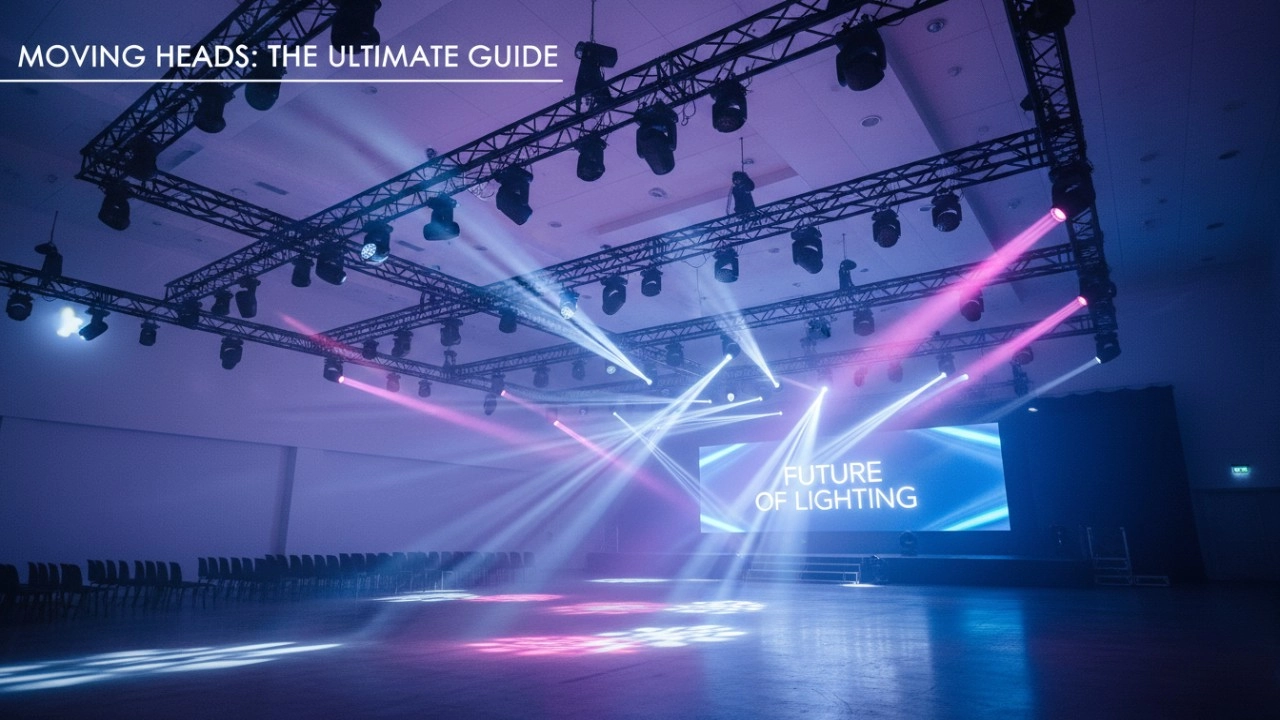
A Stage of Limitless Possibilities: Moving Head lights Deliver Precise Control and Versatile Effects
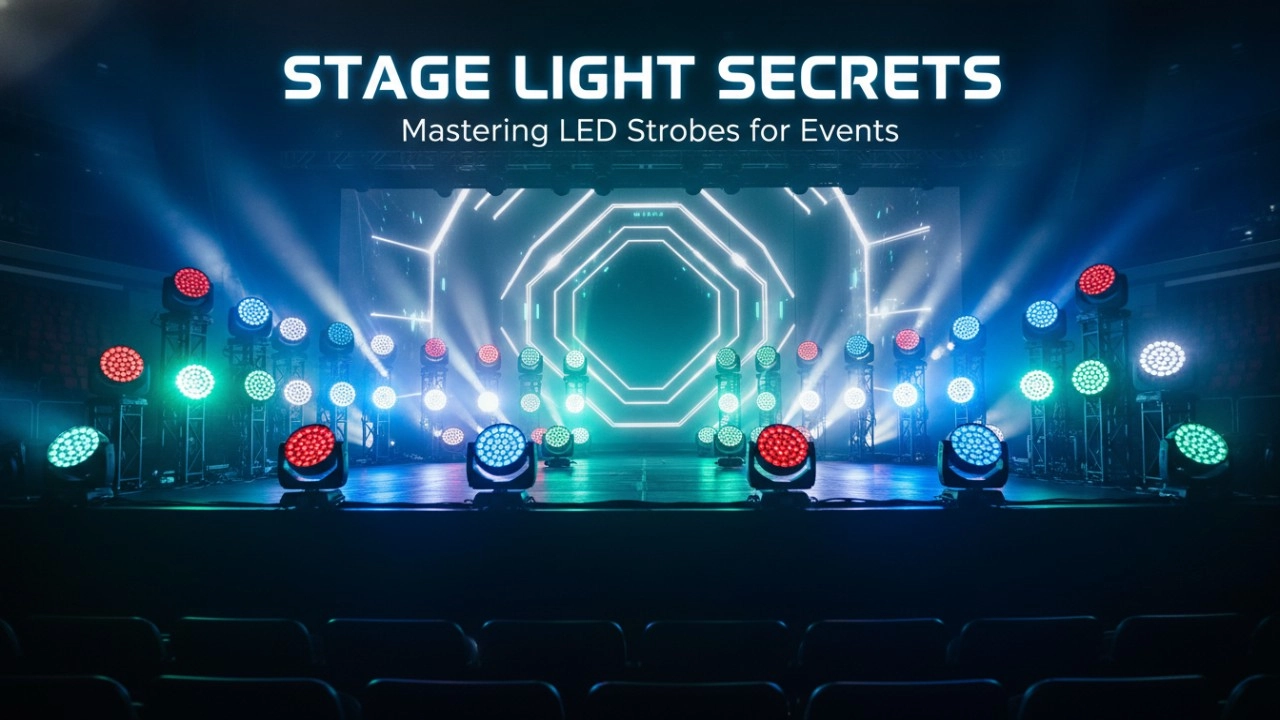
LED Stage Strobe Light Comparison: Performance, Power, and Pricing Guide
Why Your Venue Needs LED Beam Lights: A Cost-Benefit Analysis
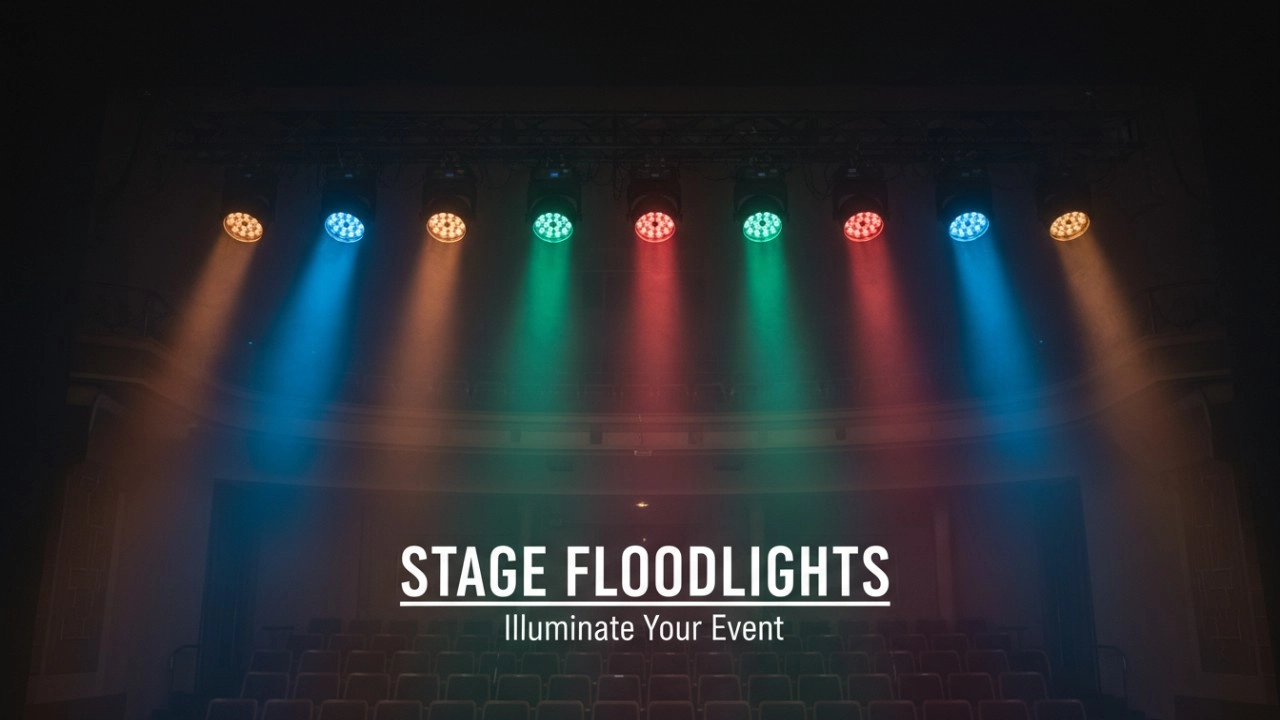
Spotlight vs. Stage Flood Lights: Which One Does Your Production Actually Need?
Spotlight vs. Floodlight vs. Beamlight: A Comparison of Moving Stage Lighting Fixtures
Mastering the Flash: 7 Advanced Strobe DJ Light Techniques for Pro Entertainers
Products
Can I customize the functions or software of the lights?
Absolutely. As a manufacturer with independent R&D capabilities, we offer customization for both hardware and software (such as DMX channel layout, built-in programs, or UI language). Contact us with your project needs, and our team will provide tailored solutions.
Are your lights suitable for large-scale events and outdoor use?
Yes. Our professional stage lights—especially the Beam, BSW 3-in-1, and LED Par Series—are engineered with high-output brightness, wide beam angles, and robust housing. Some models come with IP-rated protection, making them suitable for outdoor applications like concerts, festivals, and sports events.
What is the lifespan of your LED stage lights?
Our LED lights use high-quality chips with a rated lifespan of over 50,000 hours. Proper usage and maintenance ensure long-term reliability and stable performance, making them a smart investment for any venue.
Company
What is LiteLEES’s main business?
LiteLEES specializes in the design, development, manufacturing, and sales of professional stage lighting, including moving head lights, beam lights, spot lights, wash lights, and LED par lights.
Do you have your own factory?
Yes. We own a sheet metal factory and a complete in-house production line—from PCB to final assembly—ensuring strict quality control and fast delivery.
LP Profile 900
Stormy STRIKE M IP
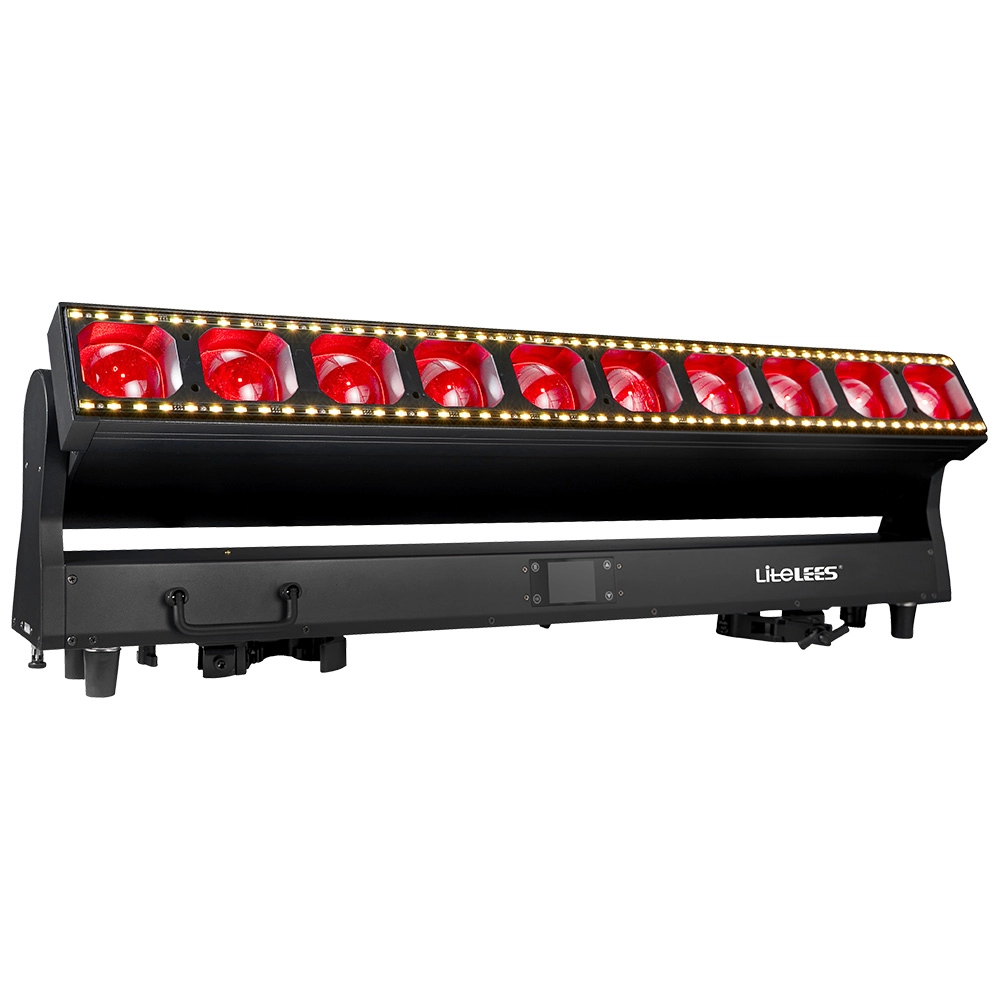
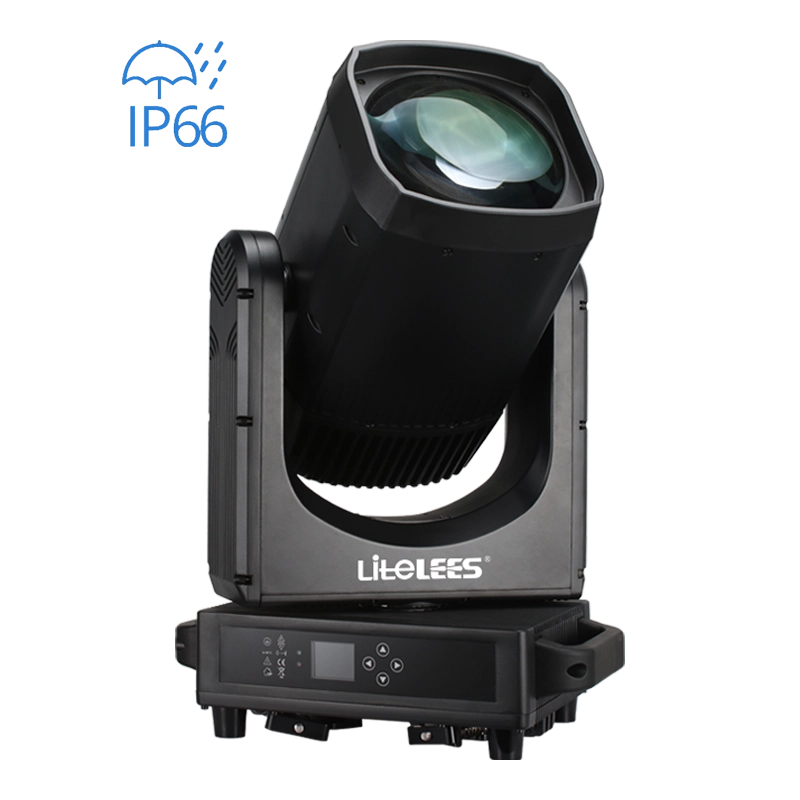
LiteLEES LUMIX BEAM 420 IP
Want to get more up-to-date information?
If you have any comments or good suggestions, please leave us a message; later our professional staff will contact you as soon as possible.

We are professional stage lighting manufacturers offering OEM and ODM LED stage lights.
Contact
Email us
Call us
Address
No.6 Longnan Road, Huashan Town, Huadu District Guangzhou, Guangdong Province, China.
LiteLEES Professional
Less Lighting