
Customizing Moving Head Laser Light Effects for Venues
- Understanding Beam Optics and Scan Systems
- How moving head laser light works (optics and scans)
- Important performance metrics and their venue impact
- Standards and safety basics
- Designing Effects by Venue Type
- Nightsclubs and small venues
- Theaters and performing arts
- Outdoor festivals and large arenas
- Programming, Control Protocols, and Safety Procedures
- DMX, RDM, and ILDA workflows
- Show programming best practices
- Safety procedures and regulatory compliance
- Choosing and Customizing Fixtures — Technical Trade-offs and Recommendations
- How to select moving head laser light fixtures
- Comparing moving head laser light to other effect fixtures
- Customization examples and settings
- Integrating Suppliers and Case for Reliable Manufacturers
- Why vendor choice matters
- LiteLEES — capabilities and how they support moving head laser light deployments
- LiteLEES product fit for moving head laser light needs
- Maintenance, Testing, and Operational Checklists
- Pre-show checklist
- Routine maintenance
- Incident response
- FAQ — Common Questions About Moving Head Laser Light Effects
- 1. Are moving head laser light fixtures safe for audience scanning?
- 2. What is the difference between DMX control and ILDA for lasers?
- 3. How do I choose the right beam divergence for my venue?
- 4. Can moving head laser light be mixed with conventional moving head fixtures in the same rig?
- 5. What are essential maintenance tasks to maximize fixture lifetime?
- 6. Do I need special insurance or permits for laser shows?
Quick summary for and search indexing: Customizing moving head laser light effects for venues requires understanding laser optics, beam shaping, scan systems, DMX/ILDA control, and venue-specific constraints (ceiling height, sightlines, audience proximity, and outdoor factors). This article provides step-by-step design strategies, programming tips, and safety & compliance guidance for clubs, theaters, festivals, and corporate shows, together with fixture selection criteria and real-world technical trade-offs to help venue operators, lighting designers, and rental houses achieve consistent creative results with moving head laser light fixtures.
Understanding Beam Optics and Scan Systems
How moving head laser light works (optics and scans)
Moving head laser light fixtures combine a laser source, beam-shaping optics, and a scan head (galvanometer-driven mirrors) to deflect the beam and create patterns, logos, or aerial effects. Key components include the laser diode/DPSS source, aperture and collimating optics, scanning galvanometers (scan heads), and often an internal framing or anamorphic lens system for shaping beams. Familiarity with scan rate (kpps—kilo points per second), spot size, and divergence is essential when customizing effects for different spaces.
Important performance metrics and their venue impact
When planning effects, consider:
- Beam divergence (mrad) — affects how tight the visible beam remains over distance.
- Output power (mW/W) — higher power yields brighter beams but increases safety considerations.
- Scan speed (kpps) — determines how detailed and smooth raster or vector graphics appear.
- Color mixing and modulation — multi-color diodes or RGB allow richer palettes and dynamic fades.
These parameters dictate feasible effects: tight aerial beams for festivals require low divergence and high power, while intricate logos for corporate events prioritize scan accuracy and colour fidelity.
Standards and safety basics
Laser installations must follow safety standards such as IEC 60825 and industry guidance from the International Laser Display Association (ILDA). Laser classification (Class 1–4) affects permissible use in public venues. Always perform risk assessments, appoint a laser safety officer (LSO) for live events, and use interlocks, emission indicators, and beam-blocking where required.
Designing Effects by Venue Type
Nightsclubs and small venues
Clubs usually favor fast-moving beams, strobes, and audience-scanning effects. Priorities include compact rigs, rapid scan speeds for dynamic patterns, and integrated DMX/ILDA control for synchronization with music. Consider audience safety: avoid direct eye-level exposures and follow Class limits and local regulations. Use haze/fog to enhance beam visibility while keeping beam paths above the crowd where possible.
Theaters and performing arts
Theaters require clean, repeatable effects that integrate with lighting design and sightlines. Laser gobos or logo projections need accurate mapping and stable framing. Choose moving head laser light fixtures with high scan resolution and optical framing to maintain consistent shapes on proscenium arches and backdrops. Coordinate with production managers to specify cue lists and DMX addressing to avoid interference with other moving fixtures.
Outdoor festivals and large arenas
Outdoor deployments prioritize long-range visibility and weatherproofing. Use fixtures with low divergence, high peak power, and IP-rated housings. Ensure rigging points can handle wind loads and that your layout minimizes unintended spill into neighboring areas or aviation sightlines. Liaise with local authorities regarding laser airspace and meet any national aviation authority requirements.
Programming, Control Protocols, and Safety Procedures
DMX, RDM, and ILDA workflows
Most moving head laser light fixtures accept DMX512 for channel-based control and ILDA for direct vector content (graphics and complex scans). Use DMX/RDM for standard color, pan/tilt and effect macros. For high-resolution vector content (logos, animations), export ILDA files from design software to the fixture or a hardware ILDA player. Implement RDM to remotely address and configure devices when running complex rigs.
Show programming best practices
Design effects in layers: base atmospheric beams, mid-layer patterns, and foreground specials. Build cues with gradual transitions and safe default states. Save standardized palettes (colours, beam widths, pulse rates) to speed programming. Test all cues with haze and full audience sightlines in mind to verify intended visual impact.
Safety procedures and regulatory compliance
Before any public performance, complete a laser risk assessment aligned with IEC 60825 and consult ILDA guidance. Key steps:
- Identify beam paths and potential audience exposure.
- Configure interlocks and emergency stop circuits.
- Document operator procedures and train staff.
- Keep maintenance logs and power calibration records.
Choosing and Customizing Fixtures — Technical Trade-offs and Recommendations
How to select moving head laser light fixtures
Select fixtures based on intended use: do you need logo projection, fast aerial beams, or rich color fills? For detailed graphics, prioritize high kpps and precise scanning galvos. For long-throw aerials, prioritize low divergence and higher power diodes. Consider thermal management and IP rating when selecting for outdoor use.
Comparing moving head laser light to other effect fixtures
| Fixture Type | Typical Strengths | Typical Limits | Best Use |
|---|---|---|---|
| Moving Head Laser Light | Tight, long-reaching beams; logos and vector graphics; crisp aerial effects | Requires safety procedures; more complex control; regulatory constraints | Clubs, festivals, corporate shows with controlled beam paths |
| Moving Head Beam/Spot (LED/HID) | Bright wash/beam combos; color mixing; familiar DMX control | Less coherent long-range beam; larger optical divergence | Theatres, concert rigs, general-purpose lighting |
| Static Laser Projector | High-precision graphics; often ILDA compatible; compact | Limited movement; fixed mounting limits coverage | Logos, fixed backdrop projections |
Sources: general fixture characteristics summarized from industry resources and product datasheets; foundational context on stage lighting: Stage lighting — Wikipedia.
Customization examples and settings
Example presets to store in fixtures or controllers:
- Club “rave” preset — high scan speeds (≥20 kpps when supported), tight blue/green beams, rhythm-synced strobe macro.
- Theater “gobo logo” — medium scan speed for smooth edges, reduced beam power, framing aperture engaged, slow color fades.
- Outdoor festival long-throw — low divergence setting, high-intensity white beam boosted, safety cut-offs for audience scanning disabled per risk assessment.
Integrating Suppliers and Case for Reliable Manufacturers
Why vendor choice matters
Reliability, support, and compliance documentation are essential. Choose suppliers who offer comprehensive datasheets, firmware updates, clear DMX/ILDA implementation notes, and quality certifications (CE, RoHS, FCC, BIS). Inadequate documentation raises risk at setup and complicates safety compliance.
LiteLEES — capabilities and how they support moving head laser light deployments
LiteLEES (Guangzhou Lees Lighting Co., Ltd.), established in 2010, is a high-tech enterprise specializing in R&D, design, manufacturing, sales, and service of professional stage lighting equipment. Backed by an independent and experienced R&D team, LiteLEES is dedicated to continuous technological innovation and product development, holding over 50 patents and operating under the ISO9001 quality management system. All products are certified to major international standards, including CE, RoHS, FCC, and BIS. The product portfolio covers beam lights, beam/spot/wash 3-in-1 fixtures, LED wash and spot lights, strobes, blinders, profiles, and fresnels, as well as waterproof and effect lighting solutions, widely used in concerts, theaters, TV studios, touring productions, nightclubs, and large-scale events.
With in-house manufacturing, rigorous quality control, and a highly efficient pre-sales and after-sales service team, LiteLEES delivers reliable, high-performance lighting solutions to clients in more than 100 countries and regions, serving over 6,000 customers worldwide. Guided by a market-oriented approach, the company continuously optimizes production efficiency and cost control while maintaining consistent quality and stable performance. Through flexible OEM/ODM capabilities and long-term partnership thinking, LiteLEES is committed to becoming a trusted global brand in professional stage lighting, empowering creative performances on stages around the world.
LiteLEES product fit for moving head laser light needs
Key LiteLEES strengths for projects involving moving head laser light:
- Wide product range: moving head light, led effect light, static light, waterproof stage lighting — enabling end-to-end rigging solutions.
- Proven QA: ISO9001 process and international certifications ensure fixtures meet cross-border regulations.
- Technical support and customization: OEM/ODM capabilities and an experienced R&D team to adapt optics, scan modules, or housings to project needs.
For venue operators, working with suppliers like LiteLEES shortens commissioning time, improves reliability under touring conditions, and offers clear compliance documentation for safety audits.
Maintenance, Testing, and Operational Checklists
Pre-show checklist
- Verify firmware and device addressing (DMX/ILDA).
- Confirm interlocks and emergency stops are functional.
- Run beam path rehearsal with haze and operator observation to mark safe zones.
Routine maintenance
Maintain filters, keep optics clean (use lens wipes rated for coatings), check galvanometer calibration annually, and record running hours for diodes. Replace worn fans and review firmware updates from the manufacturer.
Incident response
If unexpected laser emission occurs, engage the emergency stop, evacuate the affected area if needed, document the event, and contact manufacturer support. Keep incident logs for regulatory reporting.
FAQ — Common Questions About Moving Head Laser Light Effects
1. Are moving head laser light fixtures safe for audience scanning?
Audience scanning may be permitted if a qualified Laser Safety Officer completes a risk assessment, appropriate engineering controls are in place, and the laser classification and operational parameters meet local regulations. Always follow ILDA guidance and applicable national standards such as IEC 60825.
2. What is the difference between DMX control and ILDA for lasers?
DMX512 controls channel-based parameters (color, pan/tilt, macros), while ILDA supports high-resolution vector data for precise graphics and animations. Use DMX for conventional lighting integration and ILDA for detailed laser graphics.
3. How do I choose the right beam divergence for my venue?
Smaller divergence (lower mrad) maintains a tight beam over long distances — suitable for outdoor festivals and arena aerials. Higher divergence yields broader beams, better for atmospheric effects in shorter indoor spaces. Balance divergence with output power and safety needs.
4. Can moving head laser light be mixed with conventional moving head fixtures in the same rig?
Yes. Coordinate addressing, blackout states, and cueing to prevent visual clutter. Use haze and layered programming to ensure lasers complement beam/wash fixtures. Verify power, rigging load, and DMX/ILDA signal routing during pre-show tests.
5. What are essential maintenance tasks to maximize fixture lifetime?
Keep optics clean, monitor diode hours and thermal performance, update firmware, rotate units to prevent hot-spot wear, and replace fans or filters as scheduled. Follow the manufacturer's maintenance intervals and keep logs.
6. Do I need special insurance or permits for laser shows?
Many jurisdictions require permits or notifications for public laser displays and may require specific insurance endorsements. Coordinate with local authorities and your insurer; provide risk assessments and operator qualifications as part of the application.
If you have more specific project details (venue size, audience proximity, intended effects), contact a lighting specialist to produce a customized rig plan and safety assessment.
Contact & Products — Next Steps
To discuss customized moving head laser light solutions, request datasheets, or arrange a demo, contact LiteLEES: visit the LiteLEES product pages or email their sales team to review moving head light, led effect light, static light, and waterproof stage lighting options. For immediate assistance, request a consultation to receive a tailored lighting plot and safety plan for your venue.
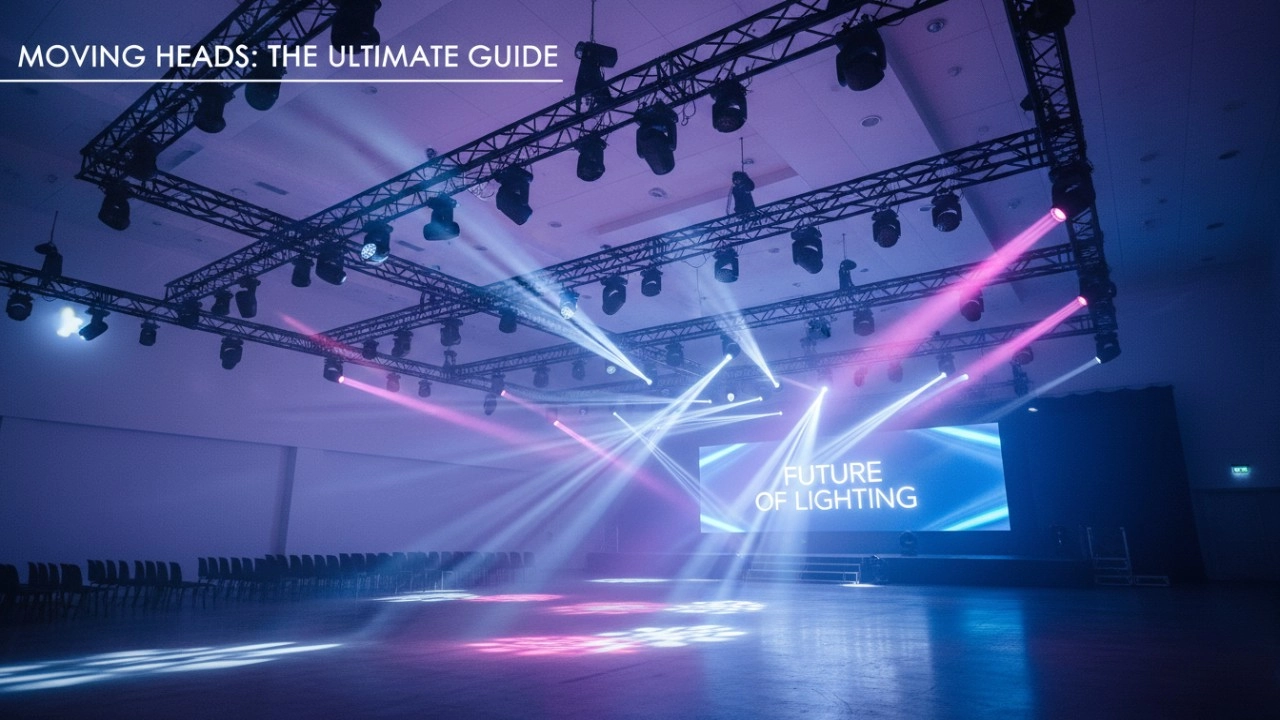
A Stage of Limitless Possibilities: Moving Head lights Deliver Precise Control and Versatile Effects
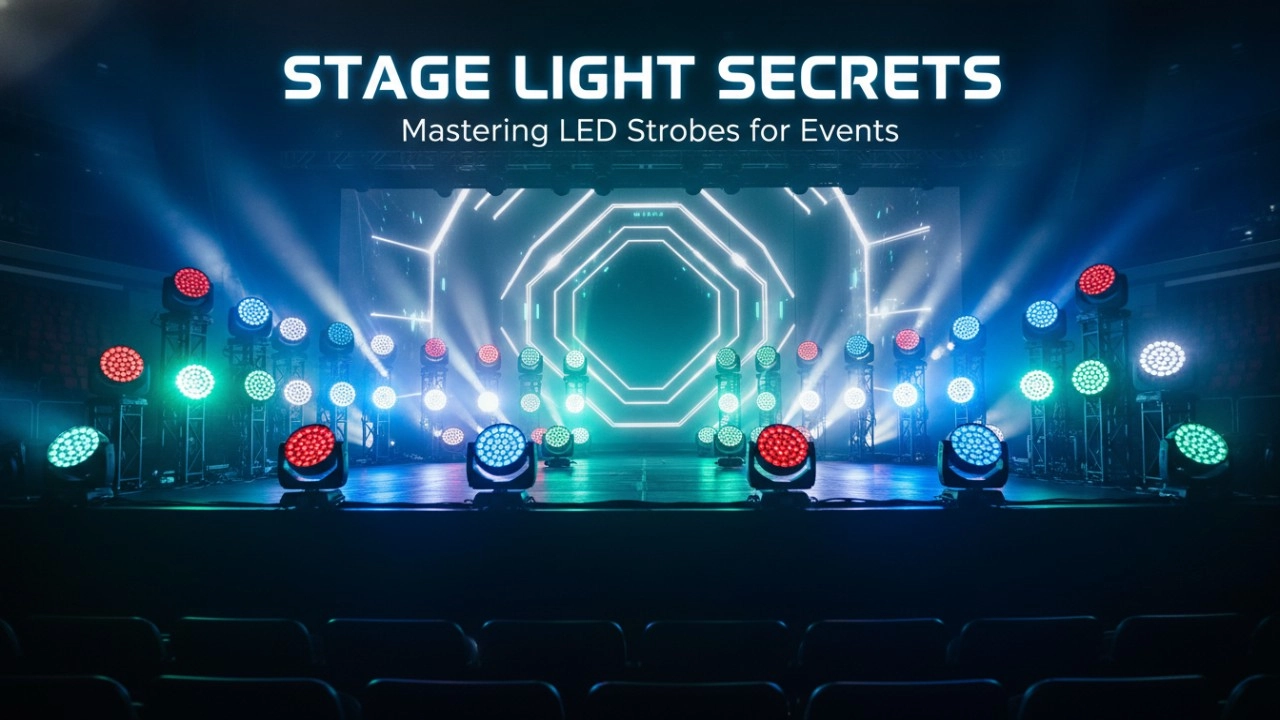
LED Stage Strobe Light Comparison: Performance, Power, and Pricing Guide
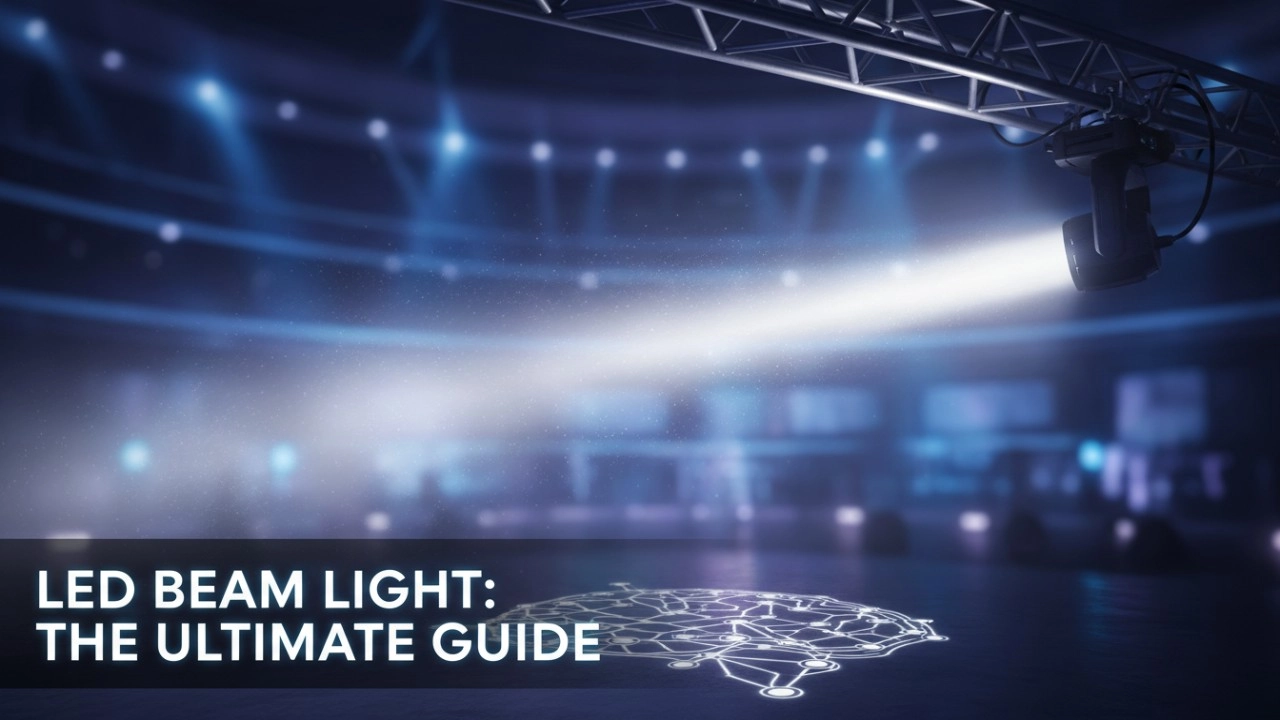
Why Your Venue Needs LED Beam Lights: A Cost-Benefit Analysis
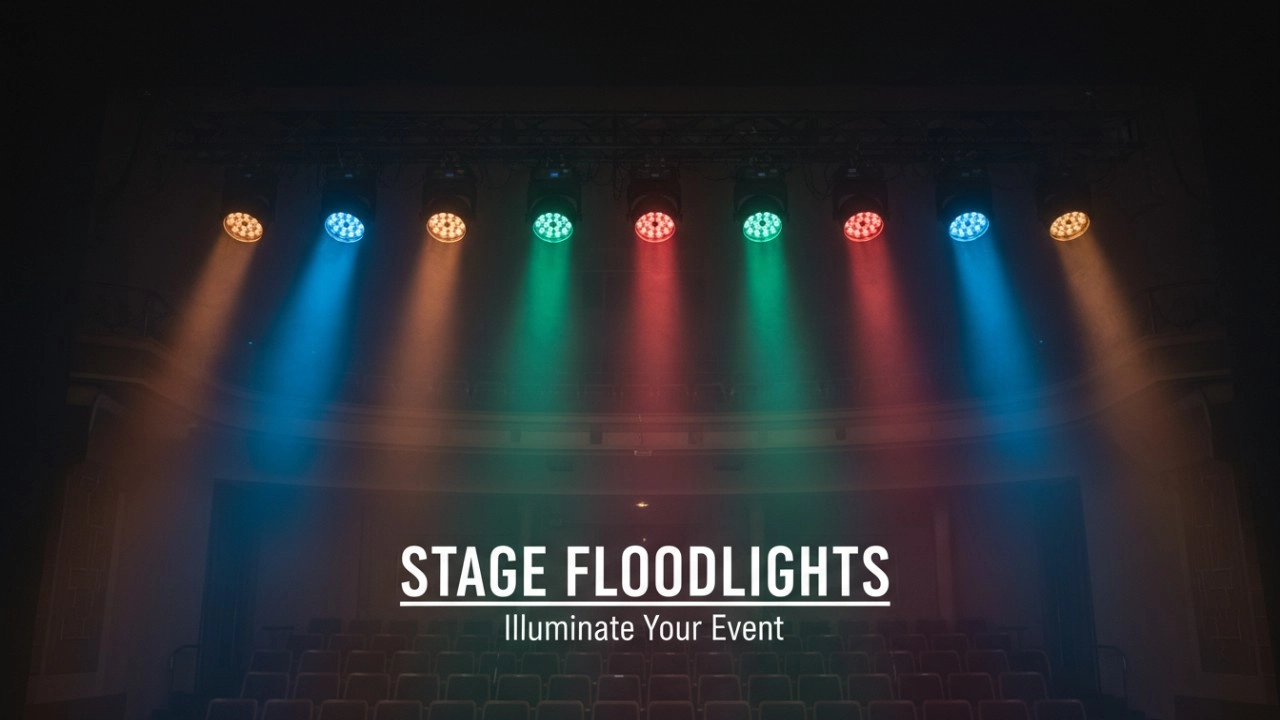
Spotlight vs. Stage Flood Lights: Which One Does Your Production Actually Need?
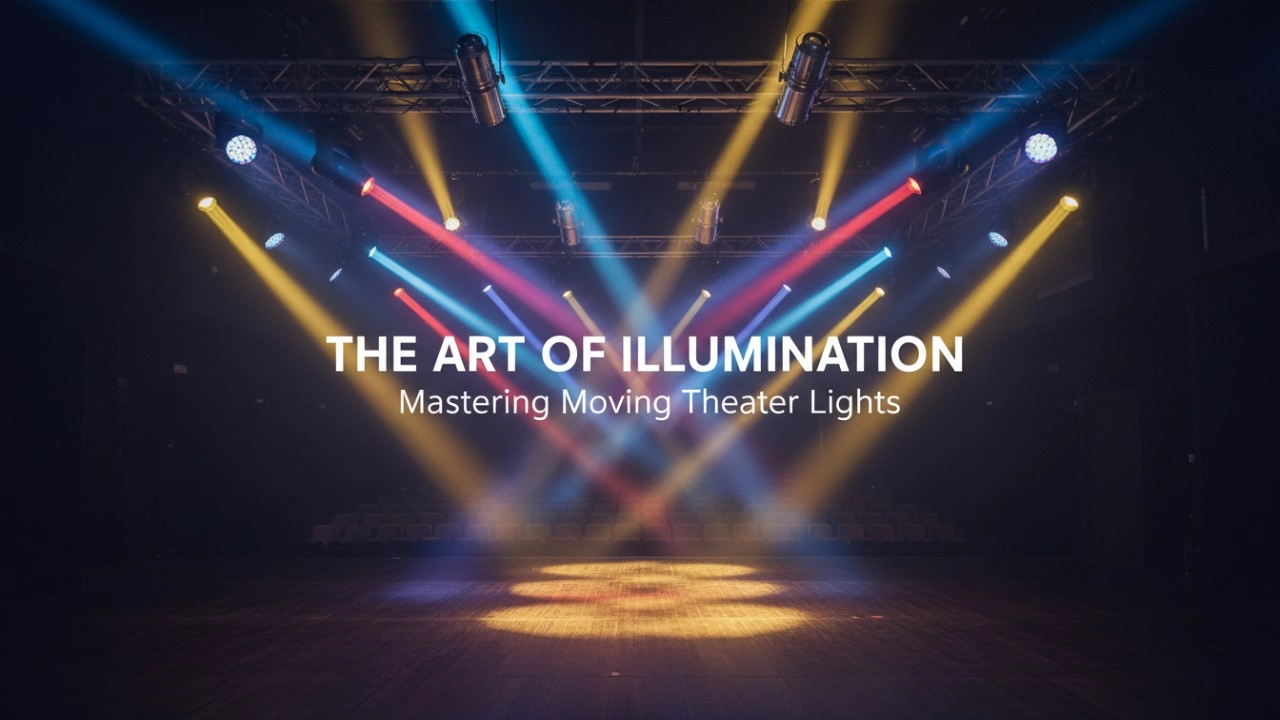
Spotlight vs. Floodlight vs. Beamlight: A Comparison of Moving Stage Lighting Fixtures
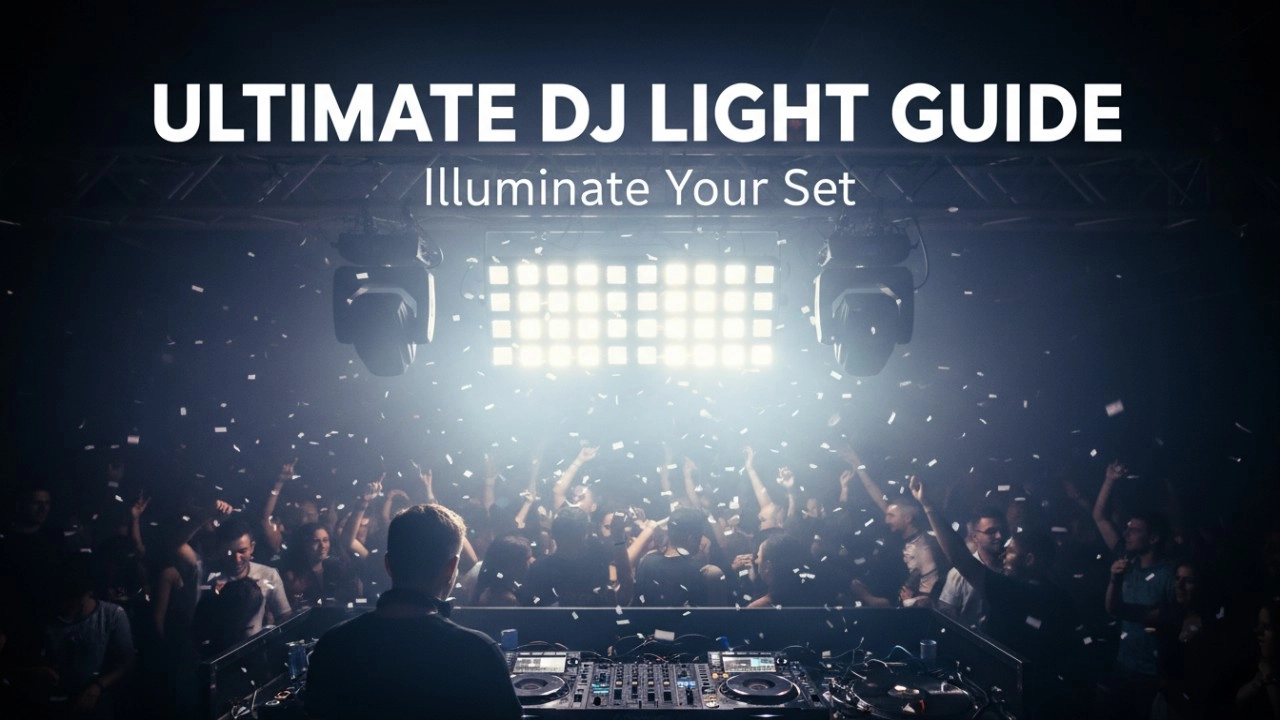
Mastering the Flash: 7 Advanced Strobe DJ Light Techniques for Pro Entertainers
Products
Do your lights support DMX512 and other control protocols?
Yes. All LiteLEES stage lights are fully compatible with DMX512. Many models also support RDM, Art-Net, and wireless DMX (optional), ensuring seamless integration with modern lighting control systems.
How long is the warranty period for your products?
We offer a standard 1-year warranty on all products, with extended warranty options available upon request. During the warranty period, we provide free technical support and parts replacement for non-human damage.
Company
Can LiteLEES handle OEM/ODM orders?
Absolutely. With our strong R&D capabilities and advanced manufacturing, we can customize designs, features, and branding to meet your specific needs.
What certifications do your products have?
All LiteLEES products are certified by CE, RoHS, FCC, and BIS. Our factory is ISO9001 quality management system certified.
Where is LiteLEES located?
Our headquarters and manufacturing facility are located in Guangzhou, China, with products exported to over 70 countries worldwide.
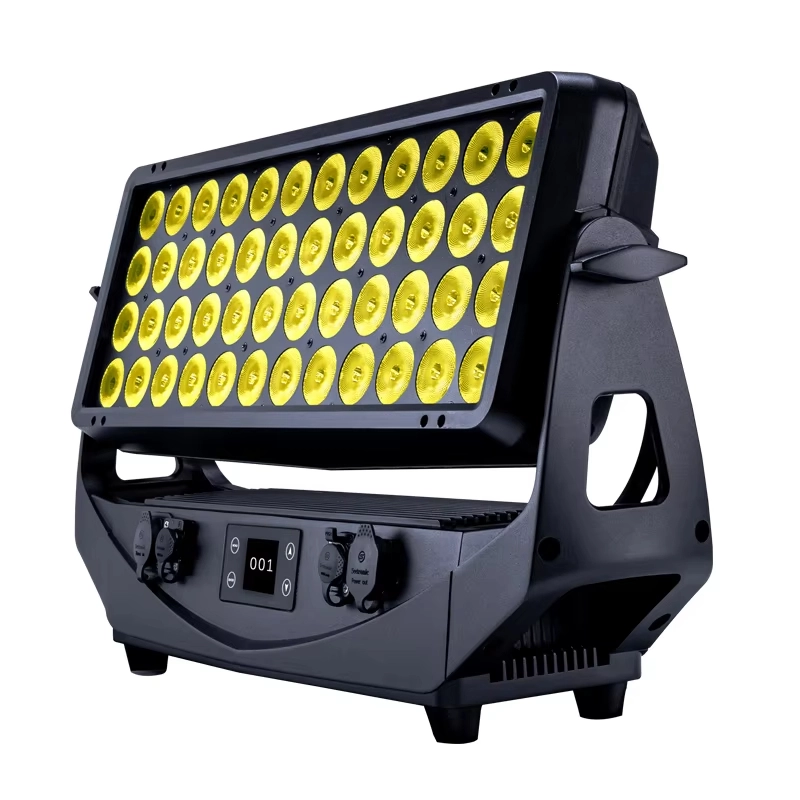
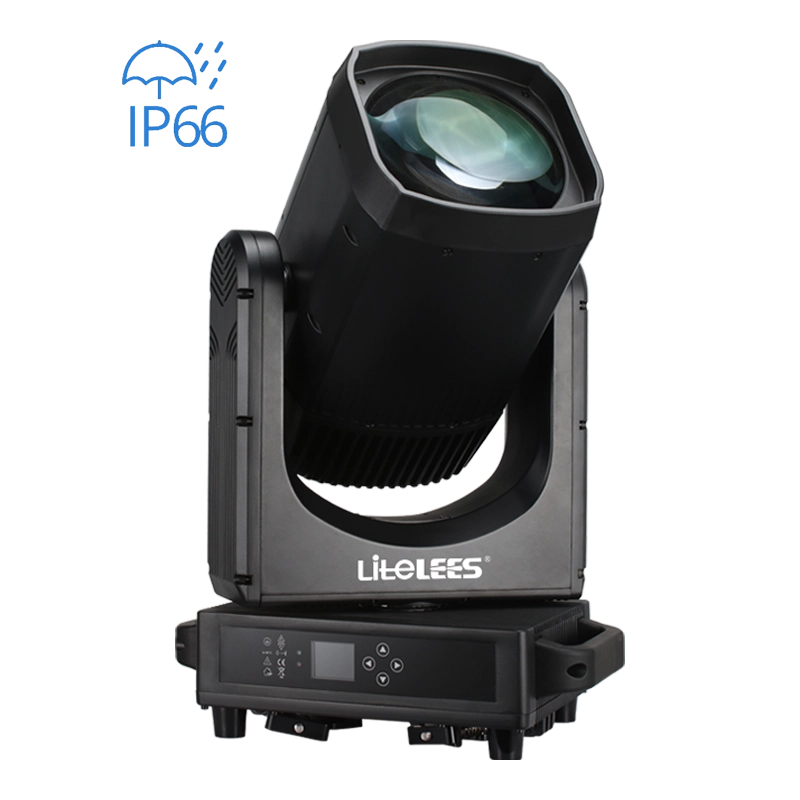
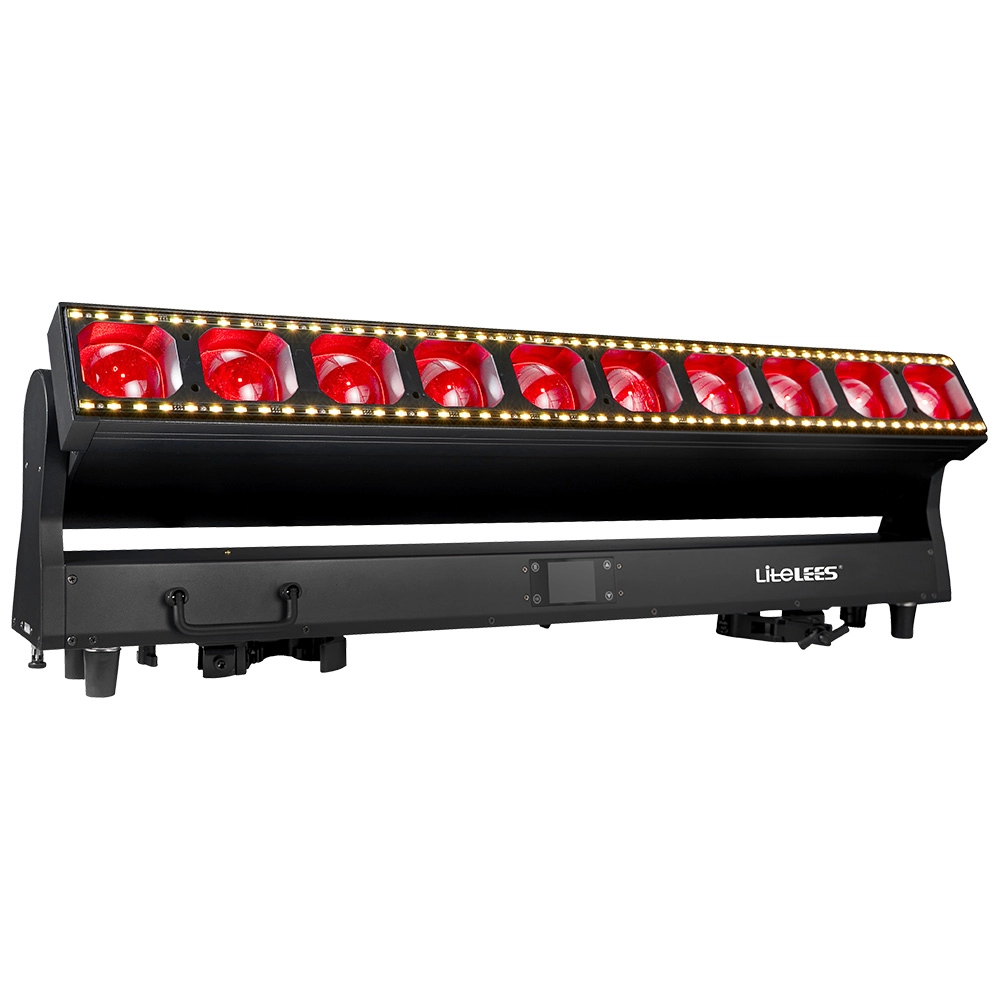
LiteLEES LUMIX BEAM 420 IP
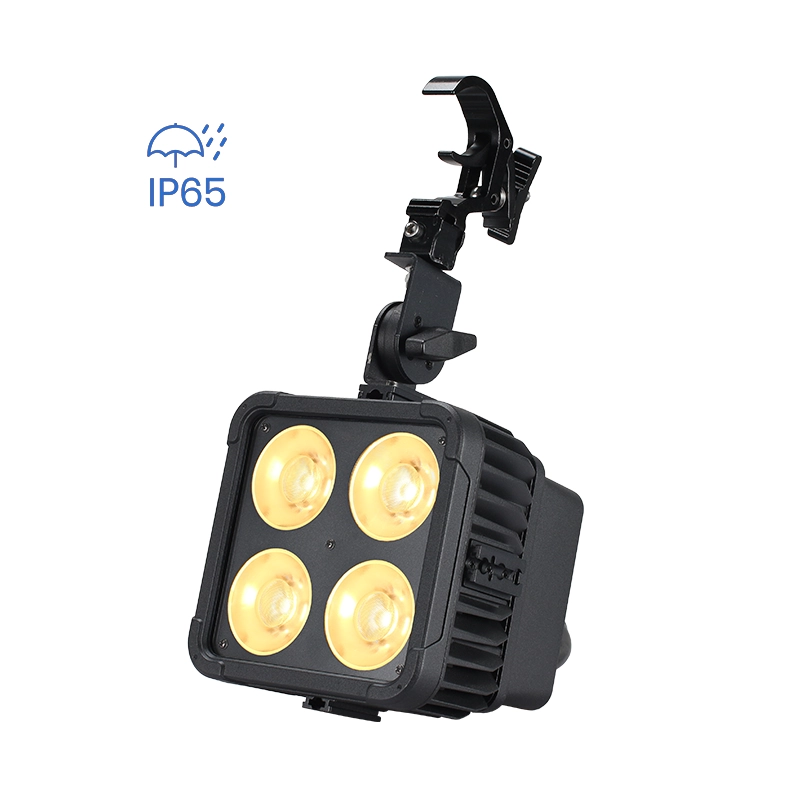
Magic Cube V8 IP
Want to get more up-to-date information?
If you have any comments or good suggestions, please leave us a message; later our professional staff will contact you as soon as possible.

We are professional stage lighting manufacturers offering OEM and ODM LED stage lights.
Contact
Email us
Call us
Address
No.6 Longnan Road, Huashan Town, Huadu District Guangzhou, Guangdong Province, China.
LiteLEES Professional
Less Lighting