
Customizable LED Strobe Lights: RGB, DMX, Effects Guide
- Understanding LED Strobe Technology
- What is an LED strobe and how does it differ from legacy strobes?
- Key optical and electrical parameters I always check
- Photosensitivity and safety considerations
- Design and Specification Considerations for Customizable Strobes
- RGB versus White (single-color) strobes: use cases and tradeoffs
- IP rating, mechanical design and rigging
- Comparative specification table
- Control Protocols and Effects: DMX, Art-Net, Wireless
- DMX512 and networked lighting protocols
- Standalone vs. synchronized show control
- Effect building blocks I use
- Choosing, Integrating, and Maintaining LED Strobes
- Spec checklist I hand to production managers
- Maintenance, spares and lifecycle costs
- Compliance and international standards
- LiteLEES: Manufacturer Capabilities and How I Evaluate Their Strobes
- Why LiteLEES stands out in my experience
- Product range and applicability
- Quality, compliance and global reach
- Practical Programming Examples and Quick Tips
- Strobe effect presets I use in shows
- Camera and broadcast considerations
- Installation checklist
- FAQ
- 1. What is the difference between an LED strobe light and a traditional xenon strobe?
- 2. Can RGB strobes match the peak intensity of white strobes?
- 3. What control protocols should I use for large installations?
- 4. How do I reduce photosensitivity risk with strobe effects?
- 5. What maintenance should I expect over a touring season?
- 6. How do I verify manufacturer certifications?
As a lighting professional and consultant with years of stage and touring experience, I know that selecting the right led strobe light is about more than raw output. It’s about control, reliability, optical design, safety and how effects integrate into a production rig. In this guide I walk through the technical trade-offs—RGB versus white strobes, DMX and network control options, effect programming, safety considerations (including photosensitivity), and practical integration tips you can apply to concerts, theatre, TV studios, nightclubs and live events.
Understanding LED Strobe Technology
What is an LED strobe and how does it differ from legacy strobes?
A strobe light creates brief, high-intensity flashes. Traditional xenon/strobe units create high peak luminance by discharging a capacitor through a gas-filled tube. Modern led strobe light fixtures use arrays of high-power LEDs, driven with precise pulse-width modulation (PWM) or constant-current pulsing to recreate the same perceptual impact with better energy efficiency, lower heat and increased duty cycle control. For background on strobe technology see the Strobe light (Wikipedia).
Key optical and electrical parameters I always check
When I compare strobes, I focus on:
- Peak and average luminous flux (lux at specified distance) — peak matters for punch, average for thermal stress.
- Pulse width and maximum flash rate (Hz) — how fast and how short the flash can be while maintaining color fidelity.
- PWM frequency — to avoid visible flicker on camera and reduce interference with LED refresh in other fixtures.
- Beam angle and lens quality — tight reflectors for audience-blinders vs wide floods for wash effects.
- Thermal management and duty cycle — continuous high-rate strobing increases junction temperature; good heatsinking and rated duty cycles matter.
Photosensitivity and safety considerations
I always include an epilepsy/photosensitivity warning in any strobe spec sheet. Flashing lights (typically 3–30 Hz but variable) can trigger seizures in photosensitive individuals; authoritative guidance is available from the Epilepsy Foundation. For venues and broadcasters, compliance with local safety advisories and signage is essential.
Design and Specification Considerations for Customizable Strobes
RGB versus White (single-color) strobes: use cases and tradeoffs
RGB strobes use multiple LED color channels (Red, Green, Blue, sometimes White or Amber) to produce color-changing flashes and effects. Single-color/white strobes deliver higher peak luminance for a given LED package because all emitter output is dedicated to one spectral band. Consider:
- RGB strobes: Excellent for colored bursts, chases and synced effects. Slightly lower peak white intensity compared to equivalent-power white-only strobes but far more creative control.
- White/pure-white strobes: Choose when maximum peak illuminance and ‘camera pop’ are critical—TV studios, front-of-house blinders, or safety-critical signalling.
IP rating, mechanical design and rigging
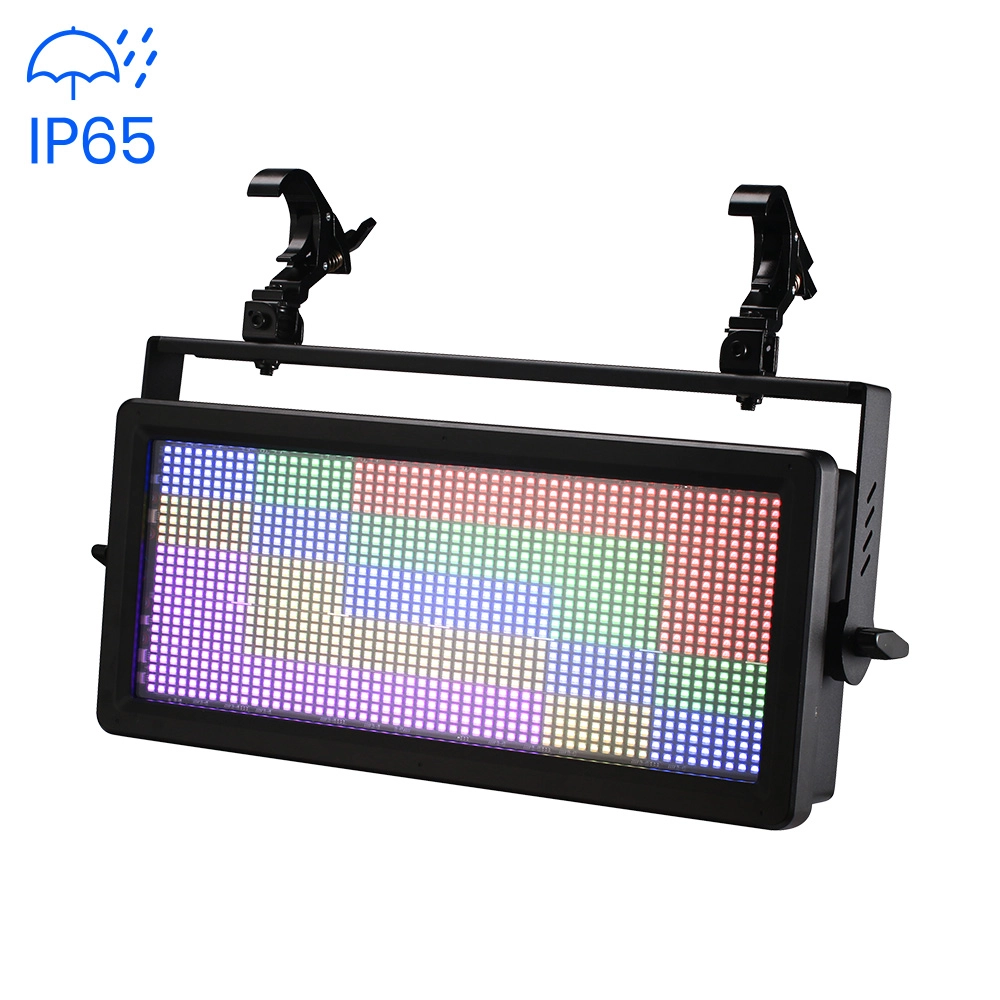
For touring I prioritize IP65-rated or higher fixtures for outdoor use and robust yoke/mount points for fast locking. Waterproof stage lighting and sealed optics increase reliability under adverse weather. Check ingress protection ratings and structural load ratings for truss mounting.
Comparative specification table
| Type | Best for | Typical Peak Output | Control | Pros | Cons |
|---|---|---|---|---|---|
| White (single-color) strobe | TV studios, front-of-house blinders | Very high (lux/m) | On/Off, PWM, DMX | High peak punch, simple | Less color versatility |
| RGB strobe | Concerts, clubs, creative effects | High (but lower white peak) | RGB channels via DMX/Art-Net | Flexible color effects | Complex thermal and color calibration |
| DMX-addressable multi-channel strobe | Programmable shows and sync across rigs | Variable | DMX512 / Art-Net / sACN | Precision control, scenes | Requires DMX knowledge & infrastructure |
Data sources: DMX512 protocol details (Wikipedia DMX512), and manufacturer datasheets for measured lux values (model-dependent).
Control Protocols and Effects: DMX, Art-Net, Wireless
DMX512 and networked lighting protocols
DMX512 remains the industry standard for fixture-level control; it’s deterministic, simple and widely supported. For larger, modern networks I recommend Art-Net or sACN over Ethernet for distributing large numbers of universes. See DMX512 (Wikipedia) for protocol basics. When I design rigs I map channels for intensity, color (RGB or 4-channel), strobe rate and special effects (pulse width, randomize, burst) to maintain consistent programming across different fixtures.
Standalone vs. synchronized show control
Many strobes offer onboard programs (standalone) and MIDI/word-clock or trigger inputs for simple syncing. For tight timing across many fixtures I prefer centralized console-based control with either DMX or Art-Net—this avoids timing drift and provides frame-accurate cues. For wireless deployments, ensure latency and packet-loss behavior are well-characterized under load.
Effect building blocks I use
- Pulse shaping: adjusting duty cycle and ramp to change perceptual intensity without increasing power draw.
- Burst and random: short microbursts or randomized timing produce a more organic look and reduce photosensitive hazard compared with steady rhythmical strobes.
- Color crossfades: in RGB strobes, be mindful of color temperature shifts at short pulse widths—calibration is required to maintain perceived white balance.
Choosing, Integrating, and Maintaining LED Strobes
Spec checklist I hand to production managers
When I advise clients, I give a checklist:
- Required peak lux and throw distance (measured at 1 m or 10 m depending on spec sheet).
- Control method (standalone, DMX, Art-Net, wireless) and channel count.
- Duty cycle and thermal spec (max continuous operation at X Hz).
- Environmental rating (IP, operating temp) and mechanical mount points.
- Compliance and certifications (CE, RoHS, FCC, BIS, ISO9001).
Maintenance, spares and lifecycle costs
LED strobes have long lifetimes, but driver electronics, connectors and optics require inspection. I recommend a spares strategy: 5–10% of rig quantity as spares for touring. Log operating hours and high-rate strobe hours separately; drivers can fail earlier than LEDs when run at extreme pulses. For lifecycle and quality control practices, refer to ISO9001 quality management guidance (ISO 9001 (ISO)).
Compliance and international standards
For export and venue compliance, common certifications include CE and RoHS in the EU (CE marking, RoHS), FCC in the USA (FCC) and BIS in India (BIS). I always verify certificate copies and test reports during procurement.
LiteLEES: Manufacturer Capabilities and How I Evaluate Their Strobes
Why LiteLEES stands out in my experience
When recommending suppliers, I look for consistent R&D, traceable quality and global certifications. LiteLEES (Guangzhou Lees Lighting Co., Ltd.), established in 2010, is a high-tech enterprise specializing in the R&D, design, manufacturing, sales and service of professional stage lighting equipment. Their in-house R&D team, over 50 patents, and ISO9001 quality management system demonstrate a structured approach to product development and quality control. You can verify ISO quality program fundamentals at the ISO website (ISO 9001).
Product range and applicability
LiteLEES product categories I’ve evaluated include beam lights, beam/spot/wash 3-in-1 fixtures, LED wash and spot lights, strobes and blinders, profiles and fresnels, as well as waterproof and effect lighting solutions. Their strobes and LED effect light offerings are suitable for concerts, theaters, TV studios, touring productions, nightclubs and large-scale events—matching the use-cases discussed in this guide.
Quality, compliance and global reach
LiteLEES declares certification to CE, RoHS, FCC and BIS standards, and operates under ISO9001—useful evidence for importers and production houses needing traceable compliance. The company reports serving over 6,000 customers in more than 100 countries, indicating mature export and after-sales processes. For regulatory context see EU CE/RoHS guidance (CE, RoHS) and FCC (FCC).
Practical Programming Examples and Quick Tips
Strobe effect presets I use in shows
Typical DMX mapping for a 4-channel RGB strobe might be: channel 1 = master intensity, channel 2 = red intensity, channel 3 = green intensity, channel 4 = blue intensity, with additional channels for strobe rate and special macros. Keep one console preset that forces a safety limit on maximum flash rate for general use and a separate ‘hard’ preset for controlled broadcast segments.
Camera and broadcast considerations
To avoid rolling shutter artifacts and flicker on camera, ensure PWM and strobe timing are synchronized to camera frame rates where possible. For TV productions, work with broadcast engineers to confirm camera exposure and LED refresh compatibility.
Installation checklist
- Confirm DMX addressing and terminate runs correctly; use opto-isolators on DMX outputs for noise immunity.
- Securely mount and chain safety-cable all fixtures; test at maximum rated tilt under load.
- Verify firmware versions and test macros on-site before the show day.
FAQ
1. What is the difference between an LED strobe light and a traditional xenon strobe?
LED strobes use semiconductor emitters and electronic drivers to generate flashes; xenon strobes use gas-discharge tubes. LEDs are more energy efficient, have better thermal characteristics when designed properly, offer color mixing (RGB), and are easier to control digitally. Xenon can still offer very high instantaneous peak brightness in some niche applications.
2. Can RGB strobes match the peak intensity of white strobes?
Not exactly—because RGB strobes split emitter output among multiple colors, their peak white output (when combining channels) is typically lower than a white-dedicated strobe of equivalent power. However, modern high-power RGB arrays can achieve very high combined output sufficient for most concert and club applications.
3. What control protocols should I use for large installations?
DMX512 is the base standard for fixture control. For larger or distributed systems use Art-Net or sACN over Ethernet to distribute multiple DMX universes. Always plan addressing and bandwidth and perform latency testing for wireless segments.
4. How do I reduce photosensitivity risk with strobe effects?
Limit sustained rhythmic flashing between 3–30 Hz, include randomized bursts, provide warnings and signage, and consult medical advisories like the Epilepsy Foundation guidance. Where possible, keep maximum flash duty cycles low and avoid prolonged sequences at the same rate.
5. What maintenance should I expect over a touring season?
Inspect connectors and optics, clean lenses, check heatsinks and fans (if active-cooled), and track operating hours. Replace driver modules preemptively if you see instability. Carry a small inventory of connectors, fuses and spare driver boards.
6. How do I verify manufacturer certifications?
Ask for copies of test reports and certificate numbers (CE, RoHS, FCC, BIS) and cross-check with testing laboratory documentation. For quality systems, request ISO9001 registration details and scope. Useful regulatory links: ISO 9001, CE, RoHS, FCC, BIS.
If you’d like help specifying the right led strobe light for your venue or tour, or want to review LiteLEES models and datasheets, contact me or view LiteLEES’s product line. For product inquiries, technical datasheets, OEM/ODM options and after-sales service from LiteLEES (Guangzhou Lees Lighting Co., Ltd.), please reach out—our team can provide photometric reports, DMX maps and compliance documentation to support procurement and production needs.
Contact / View Products: Email sales@litelees.com or visit the LiteLEES product catalog to explore moving head light, led effect light, static light, and waterproof stage lighting options tailored to professional productions.
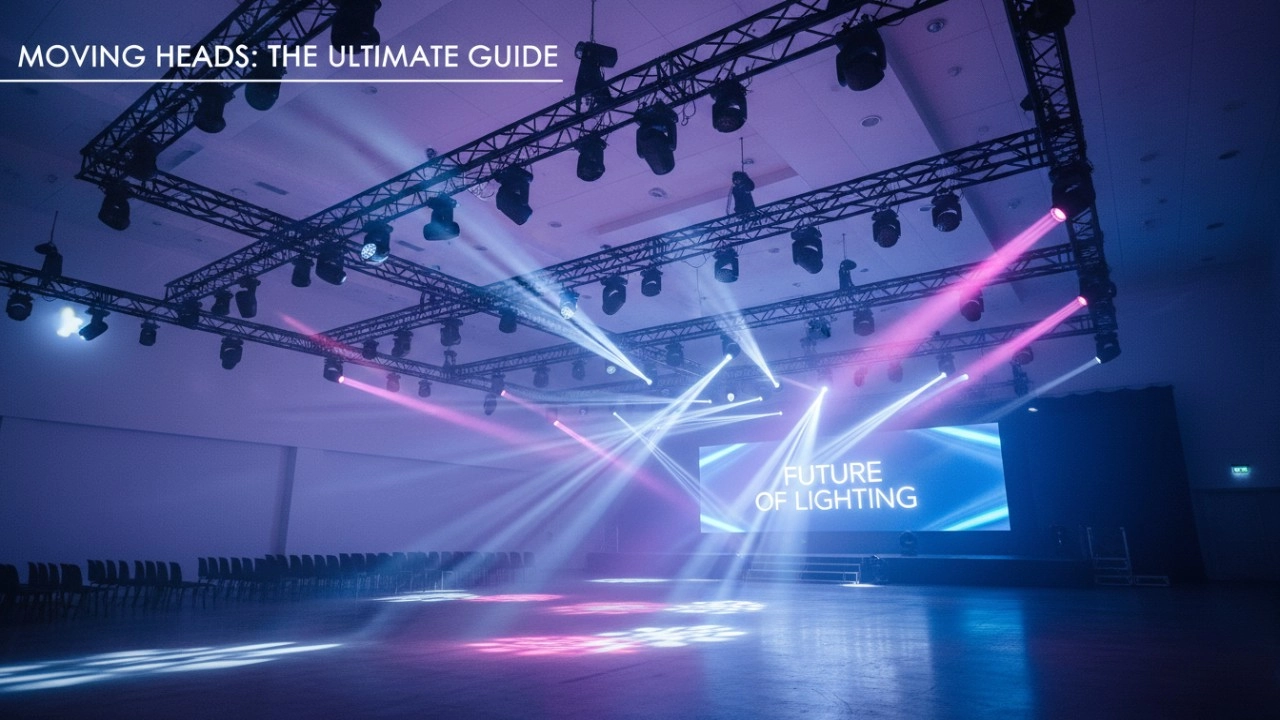
A Stage of Limitless Possibilities: Moving Head lights Deliver Precise Control and Versatile Effects
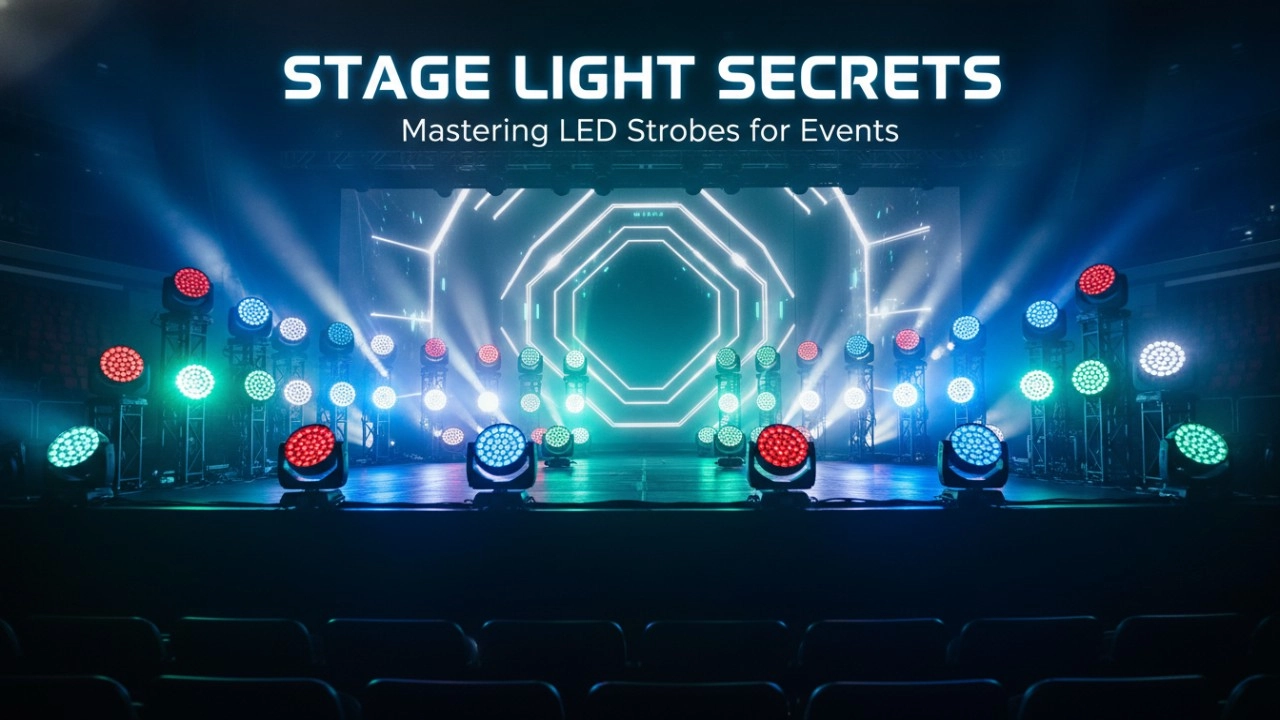
LED Stage Strobe Light Comparison: Performance, Power, and Pricing Guide
Why Your Venue Needs LED Beam Lights: A Cost-Benefit Analysis
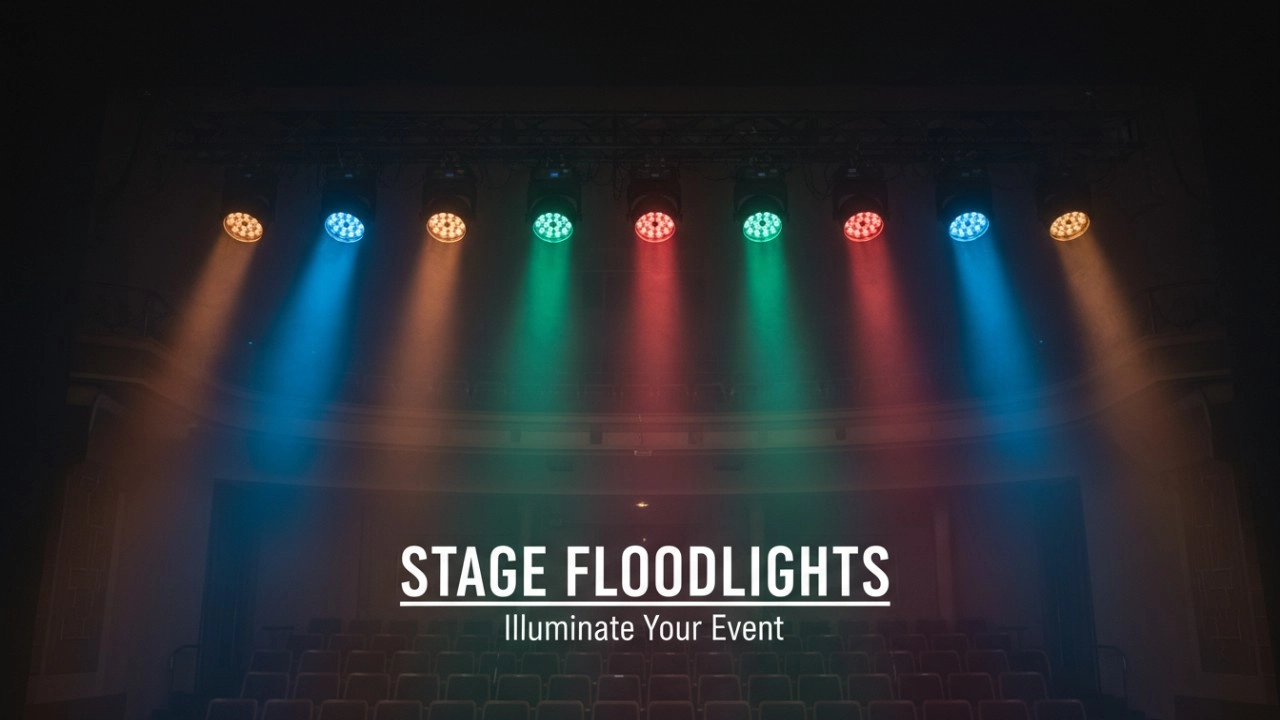
Spotlight vs. Stage Flood Lights: Which One Does Your Production Actually Need?
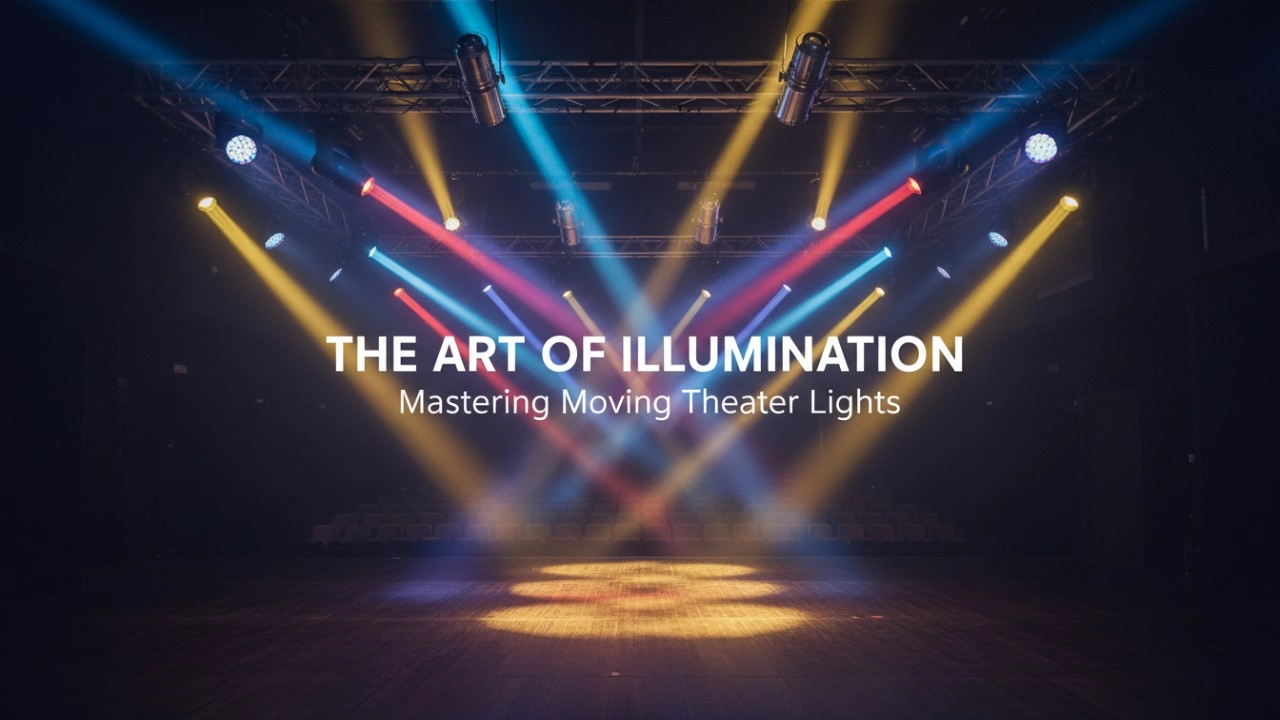
Spotlight vs. Floodlight vs. Beamlight: A Comparison of Moving Stage Lighting Fixtures
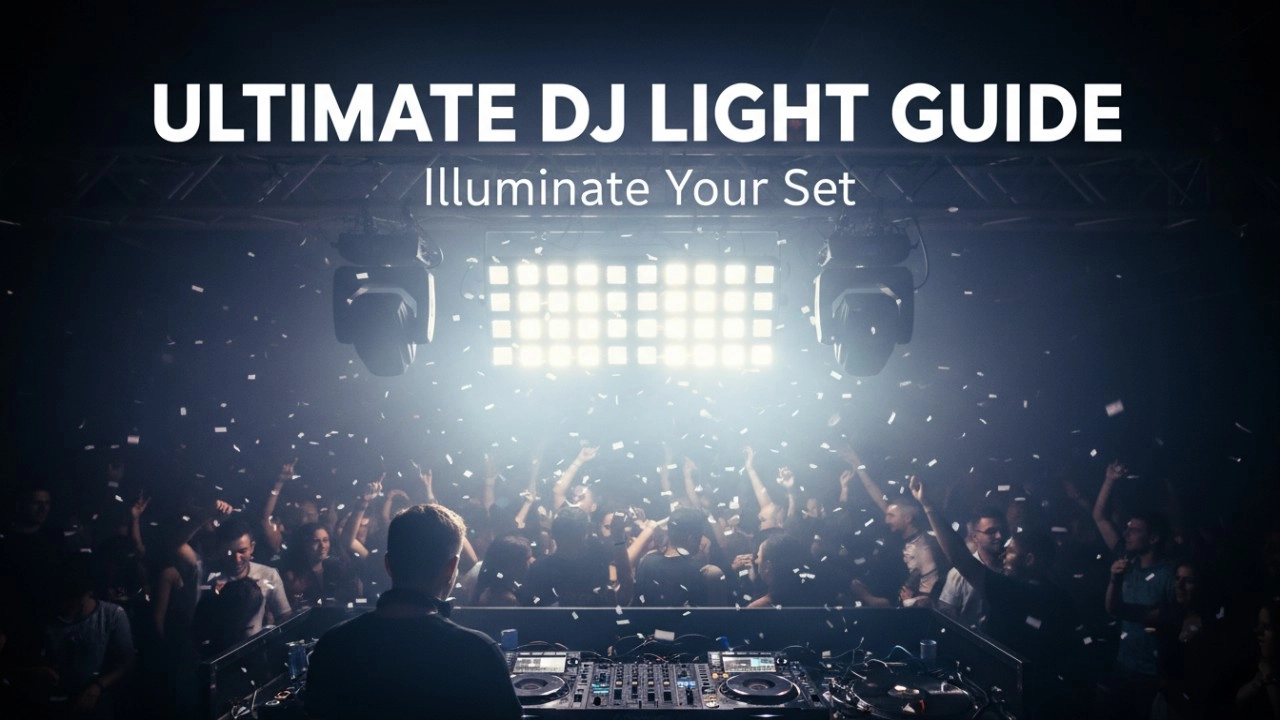
Mastering the Flash: 7 Advanced Strobe DJ Light Techniques for Pro Entertainers
Products
What is the lifespan of your LED stage lights?
Our LED lights use high-quality chips with a rated lifespan of over 50,000 hours. Proper usage and maintenance ensure long-term reliability and stable performance, making them a smart investment for any venue.
Do your lights support DMX512 and other control protocols?
Yes. All LiteLEES stage lights are fully compatible with DMX512. Many models also support RDM, Art-Net, and wireless DMX (optional), ensuring seamless integration with modern lighting control systems.
Company
Do you have your own factory?
Yes. We own a sheet metal factory and a complete in-house production line—from PCB to final assembly—ensuring strict quality control and fast delivery.
What certifications do your products have?
All LiteLEES products are certified by CE, RoHS, FCC, and BIS. Our factory is ISO9001 quality management system certified.
Where is LiteLEES located?
Our headquarters and manufacturing facility are located in Guangzhou, China, with products exported to over 70 countries worldwide.
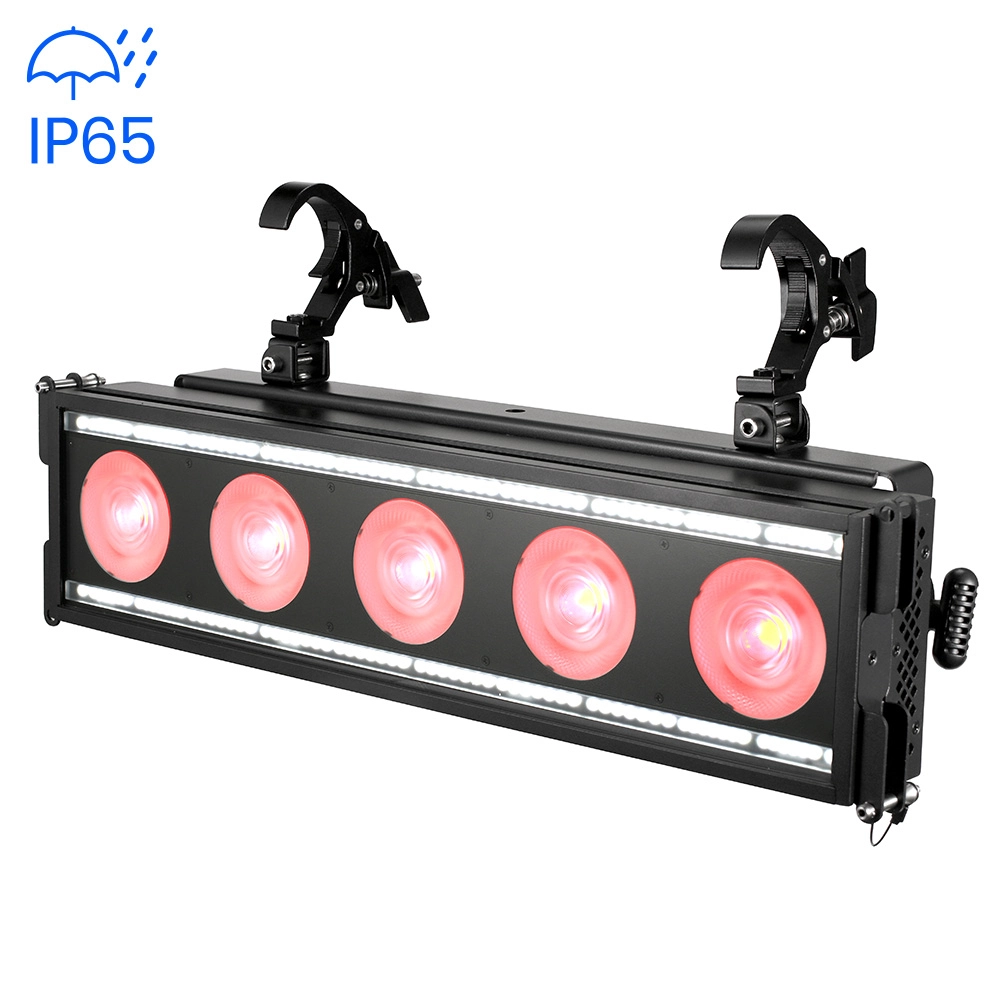
Stormy Flash 550 lP
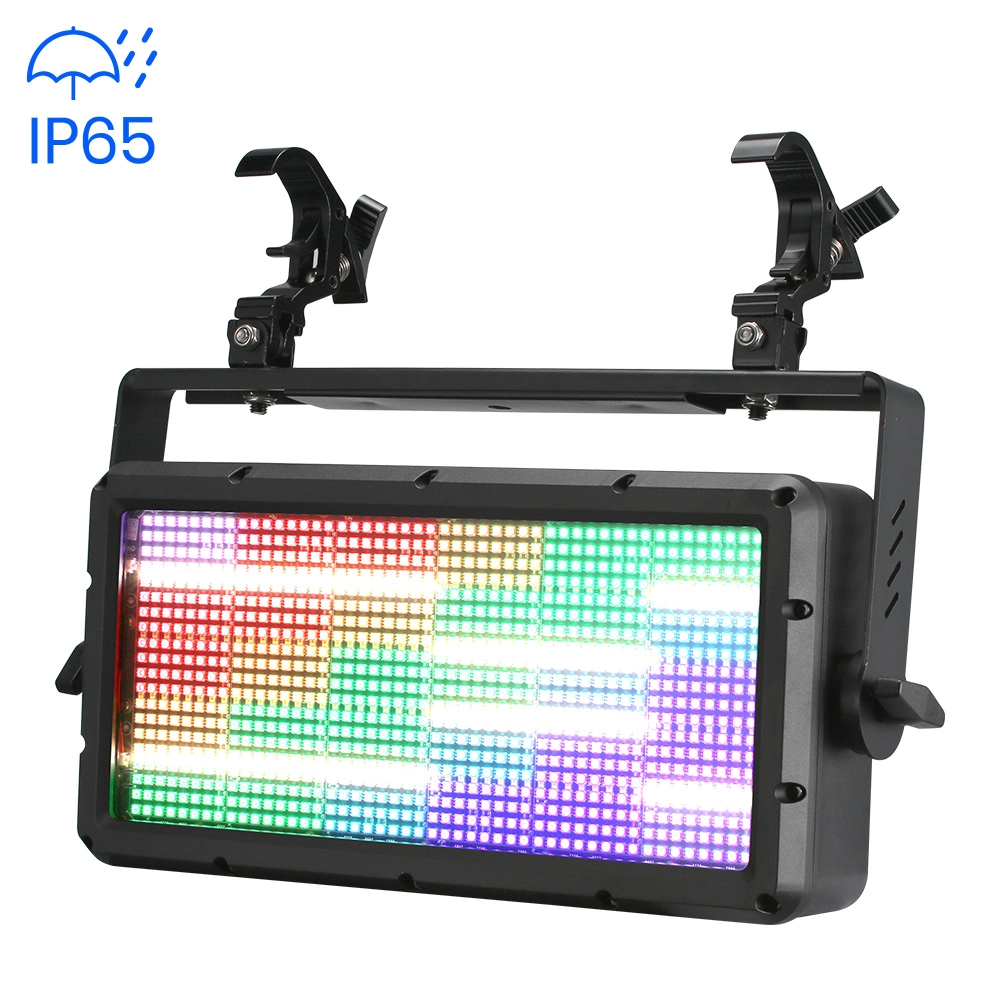
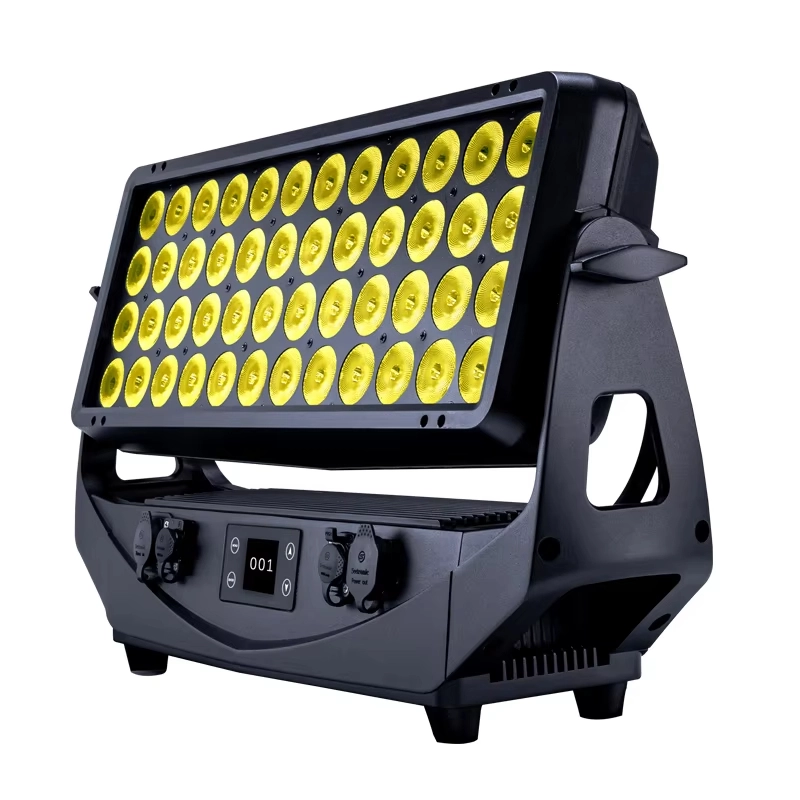
Stormy Strobe 700 IP
Stormy Strobe 500 IP
Want to get more up-to-date information?
If you have any comments or good suggestions, please leave us a message; later our professional staff will contact you as soon as possible.

We are professional stage lighting manufacturers offering OEM and ODM LED stage lights.
Contact
Email us
Call us
Address
No.6 Longnan Road, Huashan Town, Huadu District Guangzhou, Guangdong Province, China.
LiteLEES Professional
Less Lighting