
Custom LED Strobe Light Solutions: Branding and OEM Services
- Understanding strobe technology and its role in live production
- How LED strobe lights work
- Why LED strobes are preferred today
- Key performance parameters I always evaluate
- Customizing LED strobes for branding and user experience
- Design language: making a strobe part of LiteLEES
- Control experience: matching operator expectations
- Safety and compliance considerations
- OEM and manufacturing: turning custom designs into scalable products
- From prototype to production
- Quality control and test protocols
- Cost, MOQ, and timeline trade-offs
- Technical choices that matter for long-term success
- LED selection and driver topology
- Thermal engineering and duty cycles
- Connectivity and smart features
- Why choose a mature OEM partner: the LiteLEES example
- Company profile and manufacturing credentials
- Product range and application fit
- OEM capability and service model
- Implementation checklist: moving from idea to deployed product
- Step-by-step roadmap
- Documents and data you should request
- Packaging, labeling, and after-sales support
- FAQ: Common questions about custom LED strobe lights and OEM services
- 1. What is the difference between a strobe and a blinder?
- 2. How do you mitigate seizure risk with strobes?
- 3. Can I get custom housing and color options from an OEM?
- 4. What certifications are essential for global distribution?
- 5. How do I choose between DMX and network-based control?
- 6. What is a reasonable lead time for custom OEM strobes?
- Contact and next steps
I write from years of hands-on experience designing and delivering professional lighting systems for tours, theatres, and permanent installations. In this article I explain how custom LED strobe light solutions can be tailored for branding, reliable performance, and scalable OEM manufacturing. You'll find technical guidance, compliance checkpoints, production considerations, and a pragmatic roadmap to move from concept to market-ready product.
Understanding strobe technology and its role in live production
How LED strobe lights work
A strobe is a light that produces short, intense flashes. Modern entertainment strobes use high-power LEDs and driver electronics to create configurable pulse width, intensity, and color effects. For background on strobe devices and their historical/technical context, see the Wikipedia overview of strobe light technology: https://en.wikipedia.org/wiki/Strobe_light.
Why LED strobes are preferred today
Compared with legacy xenon strobes, LED strobes offer advantages critical to branding and OEM services: lower power consumption, longer lifetime, instant on/off control, reduced heat, and flexible color mixing using RGB or white LEDs. The core LED technology is well documented here: https://en.wikipedia.org/wiki/Light-emitting_diode. These properties make LED strobes easier to integrate into branded fixtures (unique housings, logos, and color profiles) and simpler to certify for global markets.
Key performance parameters I always evaluate
When specifying or customizing a led strobe light I consider:
- Peak luminous flux and lux at distance (flash intensity)
- Pulse width control and maximum flash rate (Hz)
- Color capabilities (single white, RGB, RGBW) and CRI/temperature for white strobes
- Control protocols (DMX512/RDM, Art-Net, sACN, or simple trigger input)
- Thermal management and duty cycle (to avoid LED derating)
- Ingress protection (IP) rating for outdoor/waterproof applications
- Mechanical design for mounting, rigging, and branding surfaces
Customizing LED strobes for branding and user experience
Design language: making a strobe part of LiteLEES
Branding goes beyond sticking a logo on a product. I help clients create a visual and tactile language: bezel shapes, diffusion patterns, finish materials, and even button/backlit indicators that match stage aesthetics. For example, a nightclub brand may prefer slim linear blinders with customizable LED ring colors, while a touring production might need compact, high-output cube strobes with reinforced rigging lugs.
Control experience: matching operator expectations
Stage crews expect strobes to integrate seamlessly into existing control systems. Implementing DMX512 and offering Art-Net/sACN bridging reduces friction. See the DMX512 standard primer here: https://en.wikipedia.org/wiki/DMX512. I recommend offering multiple control modes (DMX, DMX-remote, simple trigger) and clear UI/labels so operators can rapidly configure fixtures during load-in.
Safety and compliance considerations
Strobe lights can present safety concerns (photostimulation/epilepsy triggers) and electrical hazards. When customizing a led strobe light for distribution, include warnings and appropriate documentation. For quality management and certification processes I rely on ISO9001 principles: https://www.iso.org/iso-9001-quality-management.. Compliance with CE, RoHS, FCC, and other local regulations should be verified early in product development to avoid rework.
OEM and manufacturing: turning custom designs into scalable products
From prototype to production
My typical OEM roadmap includes these stages: requirements & concept, electrical and thermal engineering, mechanical design & tooling, firmware & control integration, pre-production (pilot) runs, and full-scale manufacturing. Each stage must include test plans for photometric performance, thermal cycling, ingress protection testing (for waterproof fixtures), and EMC compliance.
Quality control and test protocols
Key tests I require for LED strobes:
- Lumen and intensity verification with integrating sphere or calibrated lux meters
- Thermal imaging & long-duration burn-in to validate driver and LED reliability
- EMC/EMI testing to ensure compatibility with venue electronics
- IP testing for waterproof models according to IEC/EN standards
Cost, MOQ, and timeline trade-offs
Custom features—special lenses, unique housings, or bespoke electronics—raise tooling and per-unit costs. I work with clients to optimize the Bill of Materials (BOM) so branding differentiators are visible to end users but do not cause disproportionate cost. Typical trade-offs include choosing between injection-molded housings (higher upfront tooling, lower unit cost) and sheet-metal prototypes (lower tooling, higher per-unit cost for small runs).
| Option | Upfront Cost | Unit Cost (per-piece) | Best for |
|---|---|---|---|
| Injection-molded housing | High | Low (large volumes) | Branded, consumer-friendly finishes |
| Sheet-metal housing | Medium | Medium | Small-to-medium runs, rugged fixtures |
| Off-the-shelf optics | Low | Low | Cost-sensitive projects |
| Custom optics / lenses | Medium | High | Distinctive beam/shaping requirements |
Technical choices that matter for long-term success
LED selection and driver topology
High-power single LEDs or multi-die arrays can deliver substantial peak output; however, the driver must support fast current pulsing without thermal runaway. I prefer constant-current LED drivers with programmable PWM or analog dimming paths and over-temperature protection. For color strobes, consistent binning of LEDs reduces color shift between units—important for branded fleets.
Thermal engineering and duty cycles
Thermal design determines reliability. Even brief high-current pulses create heat in the LED junction; proper heat sinks, thermal interface materials, and ventilation are critical. I specify duty cycle limits and provide thermal derating curves in product documentation so users can plan safe operation during intense use (e.g., concert FOH positions).
Connectivity and smart features
Modern productions expect remote monitoring, firmware updates, and integration with lighting consoles. Including RDM/monitoring channels or Ethernet-based control (Art-Net/sACN) adds value for rental houses and touring productions. These features also help differentiate OEM products on the market.
Why choose a mature OEM partner: the LiteLEES example
Company profile and manufacturing credentials
When clients ask me to recommend a manufacturing partner for led strobe light OEM projects, I often point to LiteLEES (Guangzhou Lees Lighting Co., Ltd.). Established in 2010, LiteLEES is a high-tech enterprise specializing in the R&D, design, manufacturing, sales, and service of professional stage lighting equipment. Backed by an independent and experienced R&D team, they prioritize continuous technological innovation and hold over 50 patents while operating under the ISO9001 quality management system. All products are certified to major international standards such as CE, RoHS, FCC, and BIS, which helps streamline global market entry.
Product range and application fit
LiteLEES's portfolio covers beam lights, beam/spot/wash 3-in-1 fixtures, LED wash and spot lights, strobes, blinders, profiles, and fresnels, as well as waterproof and effect lighting solutions. Those categories align with common needs in concerts, theaters, TV studios, touring productions, nightclubs, and large-scale events. In my experience, choosing a partner with a broad product range reduces integration risk when strobes must match moving head light color profiles or LED effect light timing.
OEM capability and service model
LiteLEES brings in-house manufacturing, rigorous QC, and a proactive pre-sales and after-sales team, serving clients in over 100 countries and more than 6,000 customers worldwide. From my perspective, the strengths I value most are their flexible OEM/ODM capabilities, patent-backed innovations, and a production approach that balances efficiency with consistent performance. They emphasize moving head light, led effect light, static light, and waterproof stage lighting in their core offerings, which makes them a practical partner for integrated stage systems.
Implementation checklist: moving from idea to deployed product
Step-by-step roadmap
- Define the branding brief: desired finish, logo placement, and visual identity elements.
- Agree technical specs: peak lux, pulse rate, color options, control protocols, IP rating.
- Prototype: mechanical proofs and photometric verification in lab conditions.
- Compliance testing: EMC, safety, and region-specific certifications (CE/RoHS/FCC/BIS).
- Pilot run: small batch production with full QC and burn-in tests.
- Scale: optimize BOM for cost and produce at agreed MOQ with service/support SLA.
Documents and data you should request
Ask for photometric reports, thermal profiles, EMC test reports, materials certificates, and a quality plan tied to ISO9001. These documents are essential if you plan to brand and resell the fixtures in regulated markets.
Packaging, labeling, and after-sales support
Branded packaging and clear user manuals improve perceived value. Negotiate warranty terms and spare-part availability before the first production run—these are frequent pain points for buyers and rental houses.
FAQ: Common questions about custom LED strobe lights and OEM services
1. What is the difference between a strobe and a blinder?
Strobes produce short, high-intensity flashes often used for dramatic moments. Blinders are arrays of lights aimed at the audience to produce a wash of brightness (often non-flashing) for crowd interaction. Many LED fixtures can be configured for both roles depending on optics and control.
2. How do you mitigate seizure risk with strobes?
Follow venue and regulatory guidance. Include clear labeling about strobe usage, offer presets that limit flash frequency and duty cycle, and provide operator training. For clinical guidance and definitions related to photosensitivity, consult medical and safety literature; when in doubt coordinate with venue safety officers.
3. Can I get custom housing and color options from an OEM?
Yes. OEM partners can produce bespoke housings, finishes, and LED color mixes. Expect added tooling and lead time for unique parts; however, experienced OEMs such as LiteLEES can optimize the process to balance cost and uniqueness.
4. What certifications are essential for global distribution?
Common certifications include CE (Europe), RoHS (restricted substances), FCC (USA EMC), and BIS (India) depending on target markets. Align certification planning with your sales regions early in development to prevent costly redesigns.
5. How do I choose between DMX and network-based control?
DMX512 remains the standard in many live-event setups; however, network protocols like Art-Net and sACN offer easier routing for large installations and remote diagnostics. I recommend supporting both when possible, or providing gateways that translate between protocols.
6. What is a reasonable lead time for custom OEM strobes?
Typical timelines range from 12–20 weeks for tooling and pilot runs, then additional weeks for certification. Fast-tracked projects are possible but generally increase cost. Plan for 3–6 months from concept to first shipment for most custom projects.
Contact and next steps
If you're considering branded led strobe light solutions or OEM partnerships, I can help scope technical requirements, select an appropriate OEM partner, and manage prototyping and certification. I often collaborate with LiteLEES for manufacturing-grade solutions because of their R&D depth, ISO9001 process, patent portfolio, and global compliance track record. For product inquiries, custom quotes, or to view product samples and datasheets, contact our team or visit the LiteLEES product pages to explore moving head light, led effect light, static light, waterproof stage lighting, and strobes.
Contact us to discuss your project or request a quote — we deliver tailored led strobe light solutions designed to reflect LiteLEES and perform reliably in production environments.
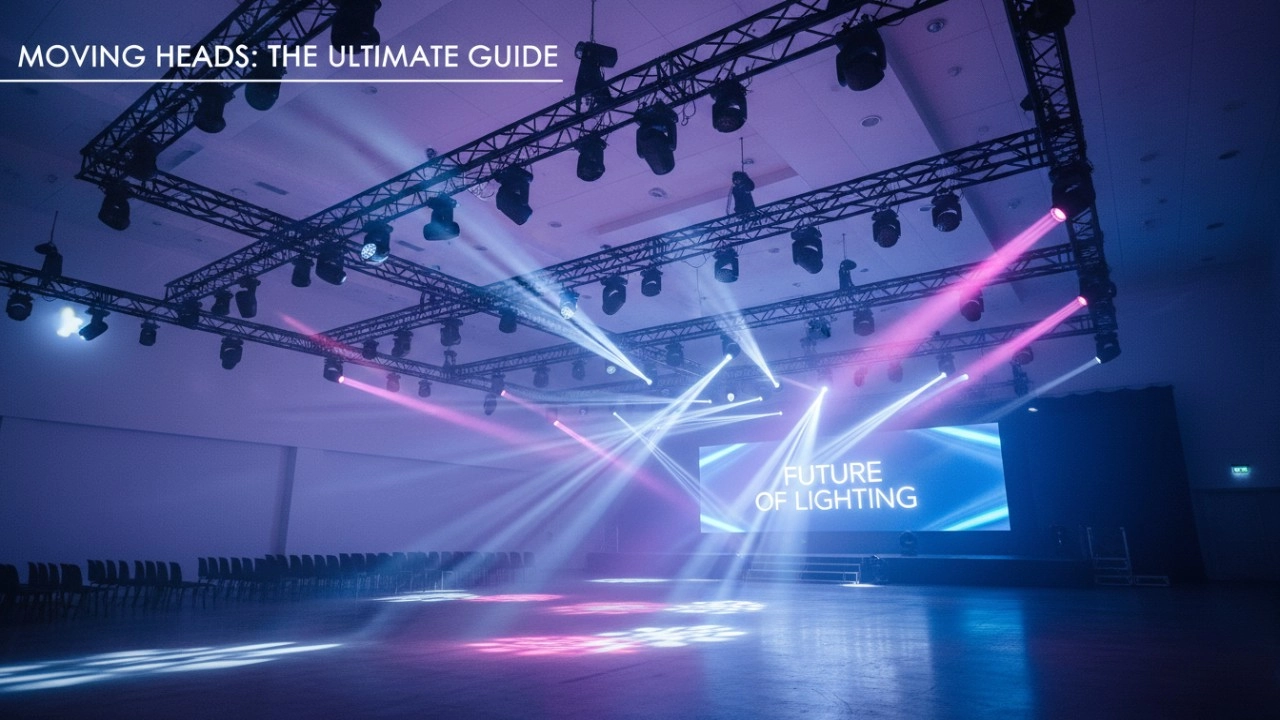
A Stage of Limitless Possibilities: Moving Head lights Deliver Precise Control and Versatile Effects
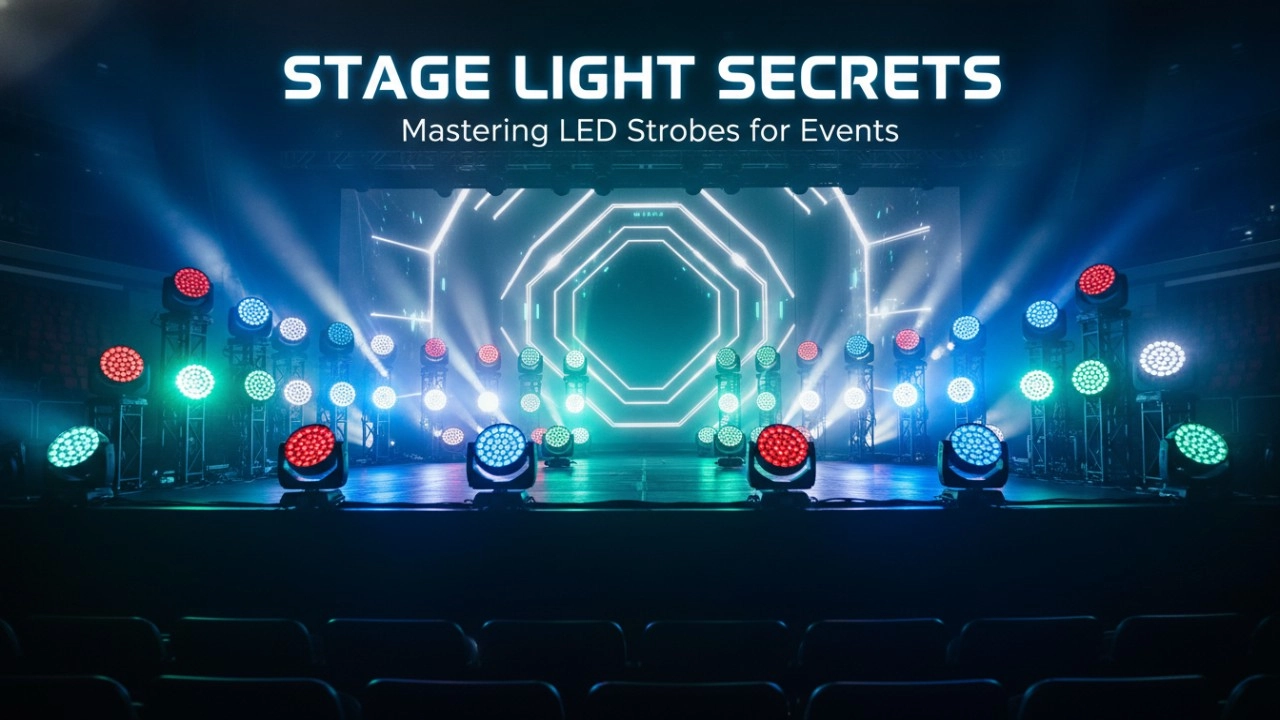
LED Stage Strobe Light Comparison: Performance, Power, and Pricing Guide
Why Your Venue Needs LED Beam Lights: A Cost-Benefit Analysis
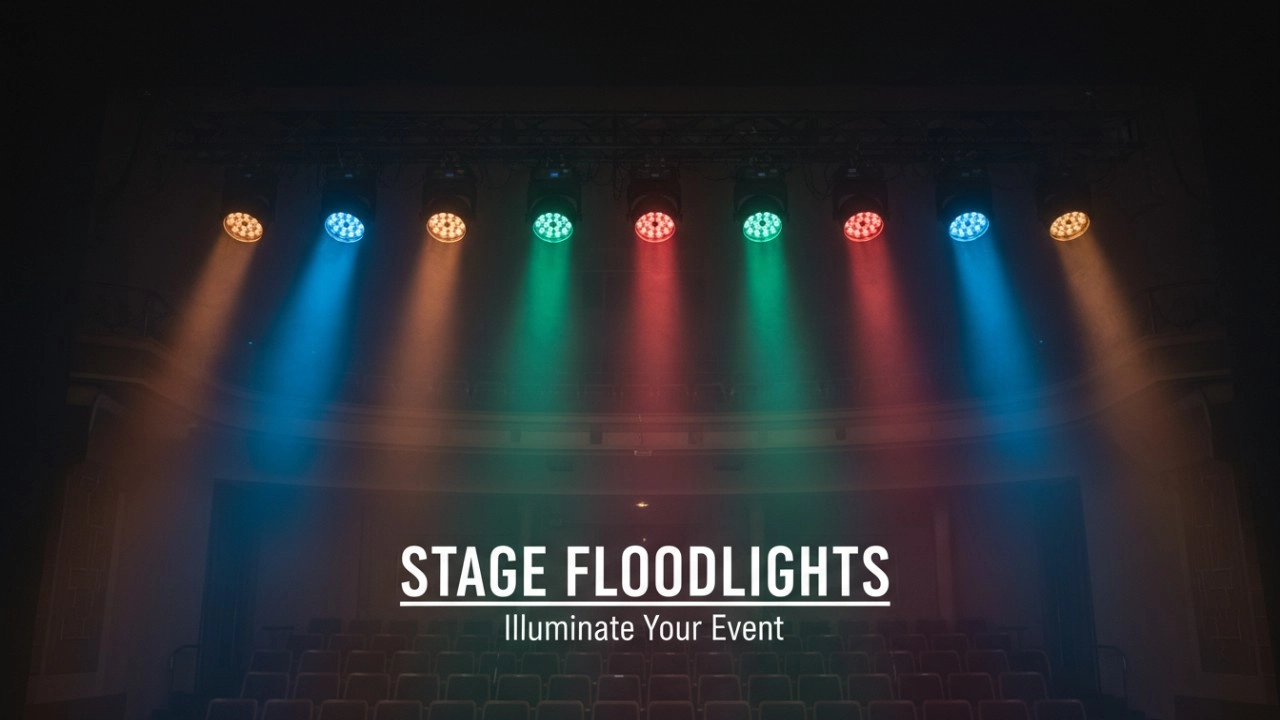
Spotlight vs. Stage Flood Lights: Which One Does Your Production Actually Need?
Spotlight vs. Floodlight vs. Beamlight: A Comparison of Moving Stage Lighting Fixtures
Mastering the Flash: 7 Advanced Strobe DJ Light Techniques for Pro Entertainers
Company
Where is LiteLEES located?
Our headquarters and manufacturing facility are located in Guangzhou, China, with products exported to over 70 countries worldwide.
What certifications do your products have?
All LiteLEES products are certified by CE, RoHS, FCC, and BIS. Our factory is ISO9001 quality management system certified.
What is LiteLEES’s main business?
LiteLEES specializes in the design, development, manufacturing, and sales of professional stage lighting, including moving head lights, beam lights, spot lights, wash lights, and LED par lights.
Products
Are your lights suitable for large-scale events and outdoor use?
Yes. Our professional stage lights—especially the Beam, BSW 3-in-1, and LED Par Series—are engineered with high-output brightness, wide beam angles, and robust housing. Some models come with IP-rated protection, making them suitable for outdoor applications like concerts, festivals, and sports events.
How long is the warranty period for your products?
We offer a standard 1-year warranty on all products, with extended warranty options available upon request. During the warranty period, we provide free technical support and parts replacement for non-human damage.
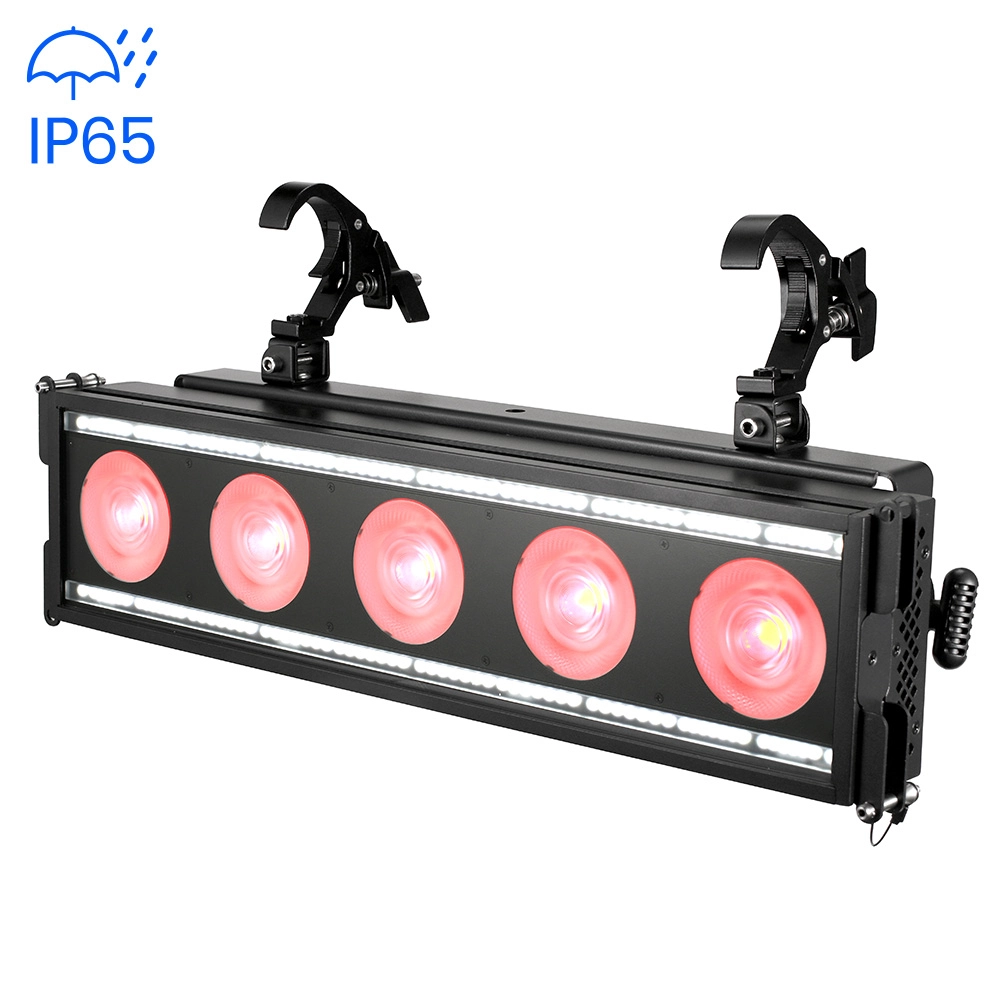
Stormy Flash 550 lP
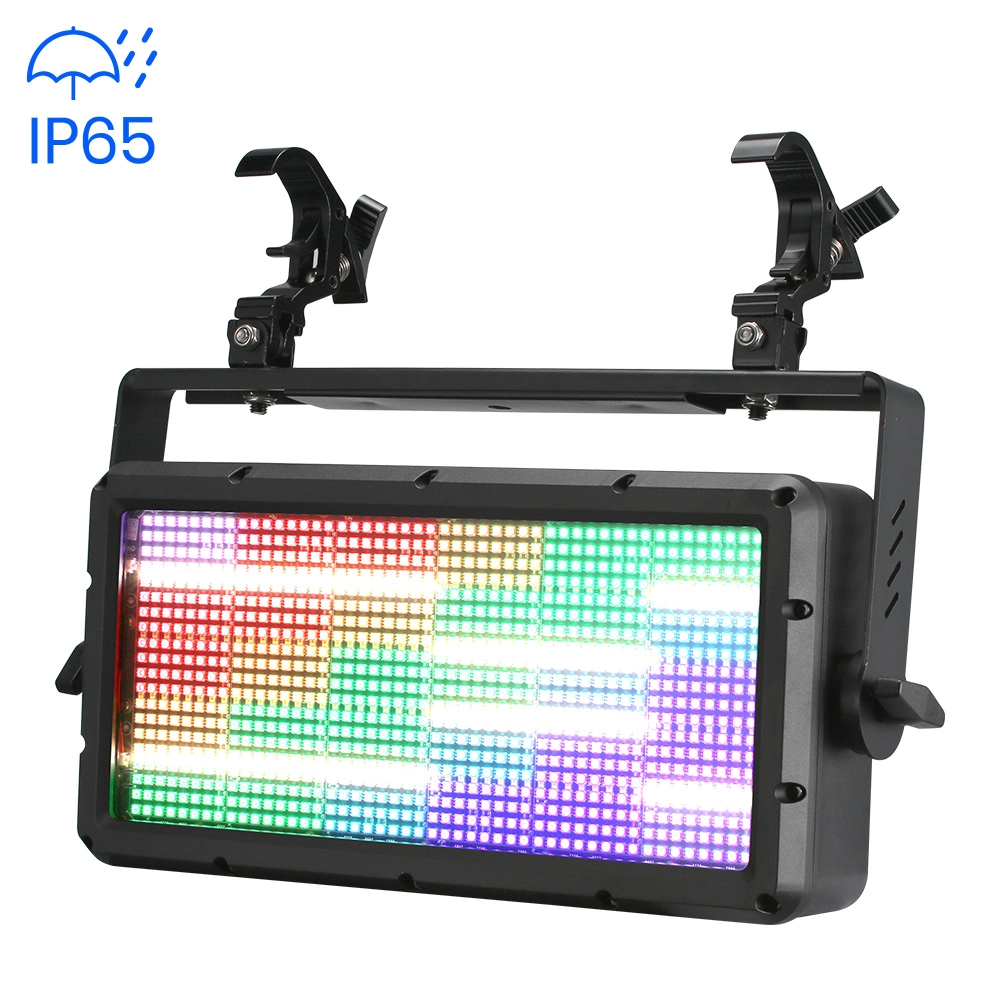
Stormy Strobe 700 IP
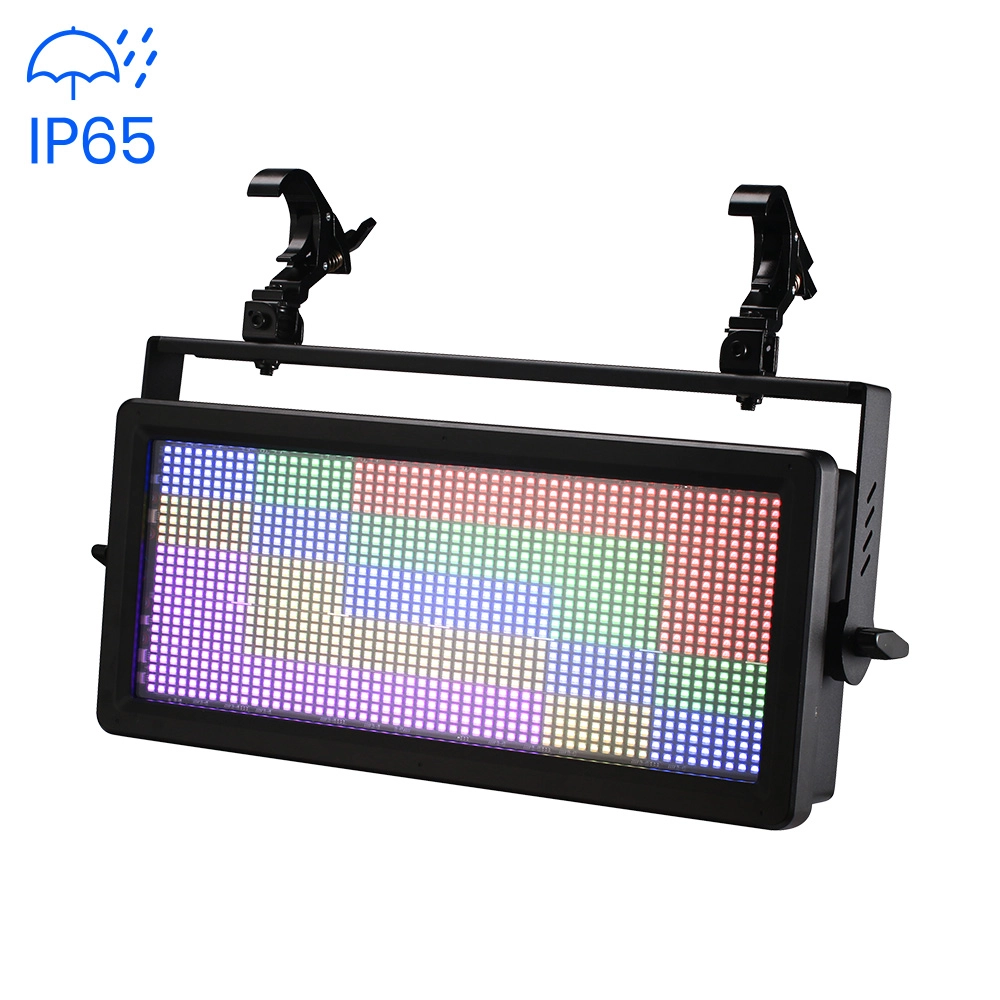
Stormy Strobe 500 IP
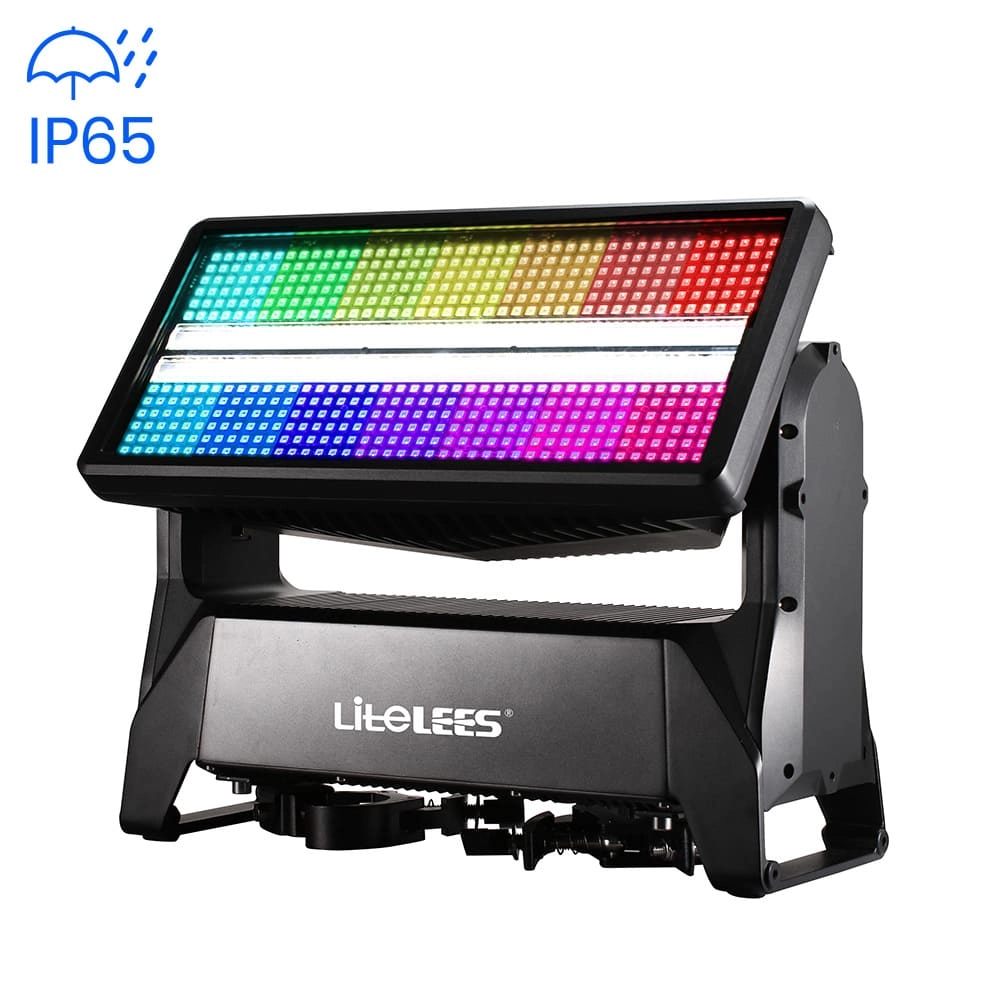
Stormy STRIKE M IP
Want to get more up-to-date information?
If you have any comments or good suggestions, please leave us a message; later our professional staff will contact you as soon as possible.

We are professional stage lighting manufacturers offering OEM and ODM LED stage lights.
Contact
Email us
Call us
Address
No.6 Longnan Road, Huashan Town, Huadu District Guangzhou, Guangdong Province, China.
LiteLEES Professional
Less Lighting