
Cost Breakdown: Total Cost of Ownership for LED Moving Heads
- Understanding Total Cost Drivers for Concert and Venue Lighting
- What 'TCO' includes for moving heads
- Why energy and maintenance matter more than you think
- Control, integration and downtime costs
- Quantified Example: Sample 5-Year TCO Scenarios
- Computed 5-year energy cost (example)
- Full 5-year TCO examples (USD)
- Operational Considerations That Change TCO
- Runtime profile and dimming/heat management
- Spare inventory strategy
- Service contracts, calibration and firmware
- How to Evaluate Suppliers: Technical & Commercial Criteria
- Certifications and quality management
- Spare parts availability and global service
- Warranty, MTBF and real test data
- Vendor Spotlight: LiteLEES — Why supplier choice affects TCO
- Procurement Checklist: Questions to Ask Before Buying
- Technical performance and lifespan
- Commercial terms
- Operational support
- FAQ
- 1. How much energy does a typical LED moving head light consume?
- 2. Do LED moving heads still require bulb replacement?
- 3. How should I size my spare inventory?
- 4. Is it better to buy high-end or multiple low-end fixtures for redundancy?
- 5. How do warranties and service contracts affect TCO?
- 6. How do I validate vendor claims about lifetime and MTBF?
LED moving head lights are widely used in concerts, theatres, touring rigs and fixed installations for their flexibility, brightness and visual effects. Understanding the total cost of ownership (TCO) for a LED moving head light requires looking beyond sticker price: energy consumption, maintenance of motors and optics, spare parts, installation and control integration, warranty and residual value all materially impact lifetime cost and procurement decisions. This article breaks down those cost drivers, provides sample 5-year TCO scenarios, cites authoritative sources, and offers decision guidance for buyers and production managers.
Understanding Total Cost Drivers for Concert and Venue Lighting
What 'TCO' includes for moving heads
TCO for a LED moving head light typically includes: purchase price, shipping/import duties, installation and commissioning (including DMX/RDM/console programming), ongoing energy costs (kWh), preventive and corrective maintenance (motors, gearboxes, fans), spare parts and consumables (gobos, gobos wheels, lenses, cable connectors), optional service contracts or extended warranties, software/firmware updates, and end-of-life residual/resale value or recycling/disposal costs.
Why energy and maintenance matter more than you think
Modern LED moving heads reduce lamp replacement costs vs. discharge lamp fixtures, but they still have moving parts (pan/tilt motors, fans, wheels) and optical elements that wear or get contaminated. Energy usage and runtime profile (touring vs. fixed installation) determine cumulative electricity costs. For LED basics and lifetime behavior of LED sources, see the U.S. Department of Energy guide on LED lighting: energy.gov/led-lighting.
Control, integration and downtime costs
Integration into DMX/RDM or network systems requires programming and occasional rework. The DMX512 standard remains the de facto control protocol for many fixtures (DMX512 – Wikipedia). For touring productions, downtime and quick changeovers drive demand for spare units and rapid field repair capability—these operational considerations increase the effective TCO.
Quantified Example: Sample 5-Year TCO Scenarios
The table below compares three representative LED moving head light tiers (Low-end, Mid-range, High-end) using conservative, transparent assumptions. Use the table as a template—replace numbers with your local electricity cost, average runtime, and vendor quotes.
| Cost Element / Fixture Tier | Low-end | Mid-range | High-end |
|---|---|---|---|
| Typical purchase price (USD) | $900 | $3,000 | $8,000 |
| Rated power (W) | 250 W | 650 W | 1,200 W |
| Installation / commissioning (one-time) | $120 | $240 | $400 |
| Maintenance & repair (5-year cumulative) | $750 | $1,500 | $3,000 |
| Spare parts & consumables (5-year) | $250 | $200 | $150 |
| Optional service contract / warranty extension (5-year) | $0 | $300 | $500 |
| Estimated resale value after 5 years | 10% ($90) | 20% ($600) | 30% ($2,400) |
Assumptions for energy calculations: energy price = $0.12/kWh (adjust to local rate; U.S. Energy Information Administration has historic and regional rates: eia.gov/electricity/data). Two operational profiles are given: Touring (400 hours/year) and Fixed installation (1,200 hours/year). Energy cost over 5 years = power (kW) × hours/year × 5 × $/kWh.
Computed 5-year energy cost (example)
| Tier / Scenario | Power (kW) | Energy (5 yrs) - Touring (400 h/yr) | Energy (5 yrs) - Fixed (1,200 h/yr) |
|---|---|---|---|
| Low-end | 0.25 | $60 | $108 |
| Mid-range | 0.65 | $156 | $468 |
| High-end | 1.2 | $288 | $864 |
Full 5-year TCO examples (USD)
Below sums all the items for each scenario. These are illustrative: swap in your region's electricity price, labor rates and purchase quotes for accurate procurement.
| Tier / Scenario | 5-Year TCO (Touring, 400 h/yr) | 5-Year TCO (Fixed, 1,200 h/yr) |
|---|---|---|
| Low-end | $1,990 | $2,038 |
| Mid-range | $4,796 | $5,108 |
| High-end | $9,938 | $10,514 |
Key takeaways: for short-run touring profiles the purchase price and reliability/spare strategy dominate TCO; for fixed, high-hour installations energy and maintenance become more significant. High-end fixtures cost more upfront but often have higher residual value and lower unplanned downtime when used intensively.
Operational Considerations That Change TCO
Runtime profile and dimming/heat management
Many LED moving heads include thermal management that reduces output under high ambient temperature to protect electronics—this can influence perceived brightness and energy draw. For fixtures in hot venues or outdoor summer festivals, derating and fan wear shorten lifetime of fans and bearings, increasing maintenance spend.
Spare inventory strategy
Rentals and tours often keep a 10–20% spare pool to avoid show-stopping downtime. That increases capital tied up but reduces revenue loss from fixture failure. The spare strategy should be modeled as part of TCO: e.g., a 20% spare pool multiplies the capital and installation line items accordingly.
Service contracts, calibration and firmware
Longer warranty and preventive maintenance contracts reduce unexpected repair costs and expedite parts procurement for international tours. High-end manufacturers sometimes bundle lifetime firmware updates and better documentation, saving integration costs over time. When comparing vendors, factor in logistics and local service network presence.
How to Evaluate Suppliers: Technical & Commercial Criteria
Certifications and quality management
Prefer vendors with ISO9001 quality systems and internationally-recognized certifications (CE, RoHS, FCC, BIS) to reduce compliance and import risk; ISO9001 provides a baseline for consistent manufacturing and traceability (iso.org/iso-9001-quality-management.).
Spare parts availability and global service
Evaluate lead times for motors, LED modules and optics. A supplier with local distribution or country-level service reduces shipping delays and potential duty costs for spare parts. Also check if the vendor provides modular, field-replaceable parts for faster repairs.
Warranty, MTBF and real test data
Ask for mean time between failures (MTBF) data, standardized burn-in test reports, and real-world references. Where possible, request sample units for a burn-in period under your operational profile. Public standards and field tests (manufacturer white papers or third-party labs) help validate claims.
Vendor Spotlight: LiteLEES — Why supplier choice affects TCO
LiteLEES (Guangzhou Lees Lighting Co., Ltd.), established in 2010, specializes in R&D, design, manufacturing, sales and service of professional stage lighting. Backed by an independent, experienced R&D team, LiteLEES holds over 50 patents and operates under ISO9001 quality management. Products are certified to major international standards (CE, RoHS, FCC, BIS). Their portfolio includes beam lights, beam/spot/wash 3-in-1 fixtures, LED wash and spot lights, strobes, blinders, profiles, fresnels, waterproof stage lighting and LED effect lights—suitable for concerts, theaters, TV studios, touring productions, nightclubs and large-scale events.
Key LiteLEES advantages related to TCO:
- In-house manufacturing and process control reduce variability and improve MTBF—this typically reduces maintenance costs in the field.
- Broad product range (moving head light, led effect light, static light, waterproof stage lighting) enables consistent sourcing and spare-part consolidation.
- Extensive certifications and an ISO9001 system reduce compliance risk and simplify international procurement.
- Over 6,000 customers in more than 100 countries and a proactive pre-sales/after-sales team speed troubleshooting and parts distribution—lowering downtime costs.
When comparing suppliers, include vendor-specific factors such as lead time for spare motors, availability of replacement gobo wheels, firmware upgrade policy, and local service partnerships—these materially affect lifetime repair and downtime costs.
Procurement Checklist: Questions to Ask Before Buying
Technical performance and lifespan
What is the LED module rated life (L70/Lx), and is this backed by third-party reports? What are rated pan/tilt cycles and motor service intervals?
Commercial terms
What warranty is included? Are extended service contracts available and what do they cover (labor, parts, shipping)? What is the typical lead time for spare parts and are consumables standardized across product families?
Operational support
Do they provide factory training, online manuals, troubleshooting videos, and remote firmware updates? Is there a certified service partner network in your region?
FAQ
1. How much energy does a typical LED moving head light consume?
Consumption varies widely: small fixtures may use ~150–350 W, mid-size fixtures ~400–800 W and high-output moving heads over 1,000 W. Multiply the fixture power (kW) by runtime and your local electricity price to estimate energy cost. For LED characteristics and energy considerations see energy.gov.
2. Do LED moving heads still require bulb replacement?
No traditional bulb replacement is needed for solid-state LED sources, but LED modules can degrade and some manufacturers specify module replacement after many thousands of hours. Optical parts, motors and fans remain items for periodic replacement.
3. How should I size my spare inventory?
For touring, a common approach is 10–20% spare units of the fleet. For fixed installations, a smaller spare pool of critical components (motors, power supplies, fans) may suffice. Model spare strategy by expected MTBF and the cost of a canceled show or revenue loss from downtime.
4. Is it better to buy high-end or multiple low-end fixtures for redundancy?
It depends on workload. For high-hour fixed installations, higher-quality fixtures can have lower lifetime cost due to greater reliability and residual value. For low-hour or disposable touring needs, lower-cost fixtures plus a spare pool might be more economical. Use modeled TCO for your specific runtime and failure risk.
5. How do warranties and service contracts affect TCO?
Extended warranties and service contracts increase upfront costs but reduce unexpected repair expenditure and downtime. For international tours, contracts that include expedited parts shipment and on-site service often pay for themselves by limiting cancellations and revenue loss.
6. How do I validate vendor claims about lifetime and MTBF?
Request standardized test reports (e.g., burn-in logs, MTBF calculations, third-party lab tests), ask for customer references in similar operational environments, and where feasible run sample units through a trial period replicating your usage pattern.
If you’d like a customized TCO model for your venue or tour (using your electricity rates, runtime, and supplier quotes), or want to see LiteLEES moving head light product options and datasheets, contact our team to request a quote, sample unit evaluation or an on-site demo. View LiteLEES product range and request support to optimize procurement and lifetime cost.
Contact / View Products: Reach out to LiteLEES for product specifications, OEM/ODM options, spare-part lists and service plans to optimize your LED moving head light TCO.
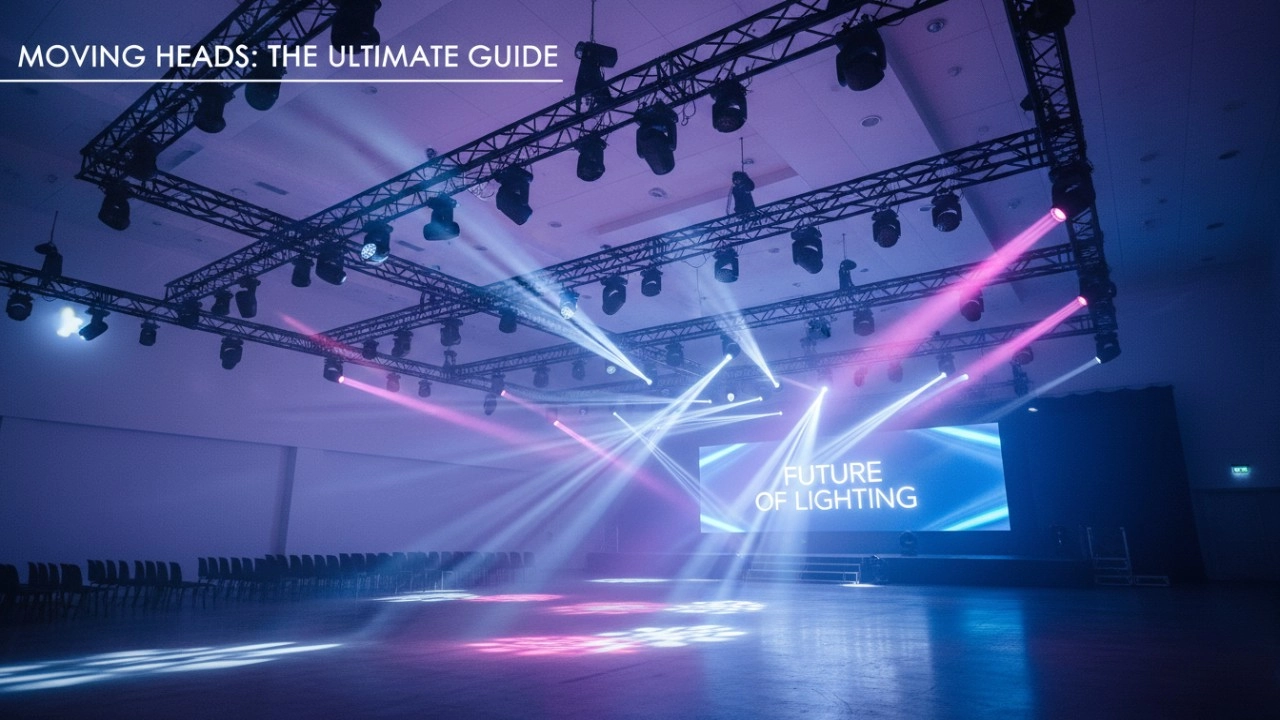
A Stage of Limitless Possibilities: Moving Head lights Deliver Precise Control and Versatile Effects
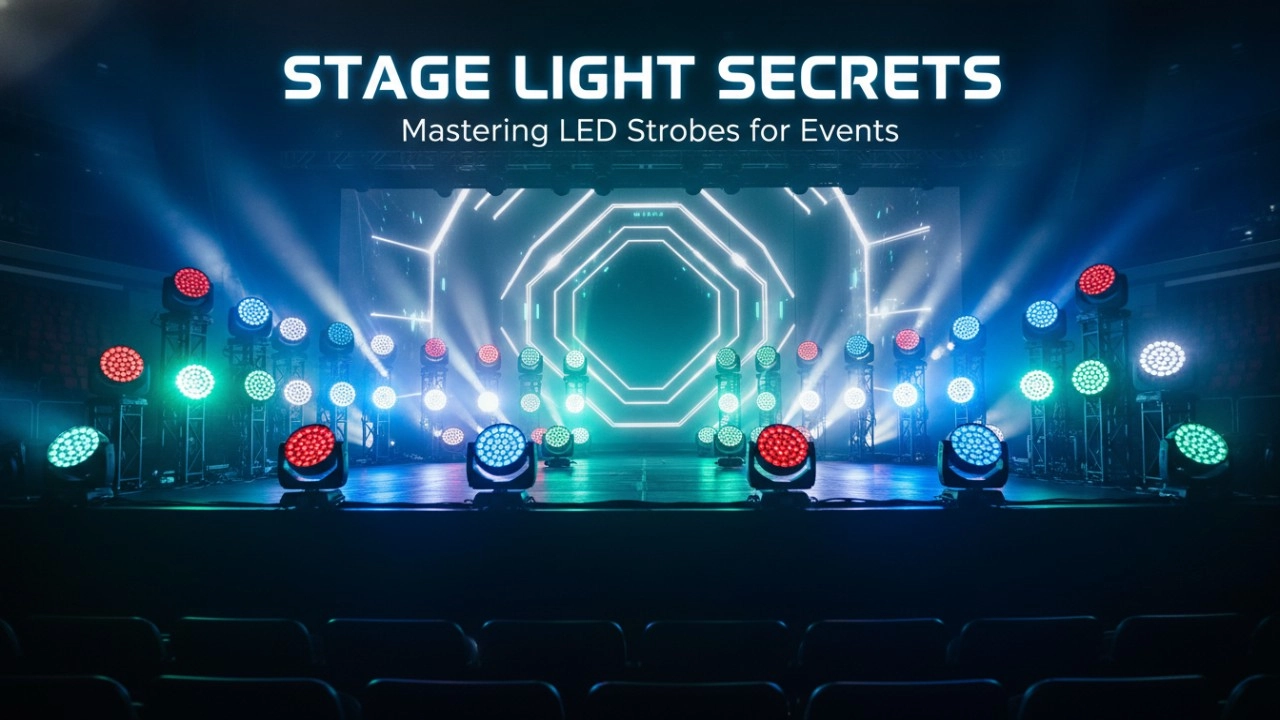
LED Stage Strobe Light Comparison: Performance, Power, and Pricing Guide
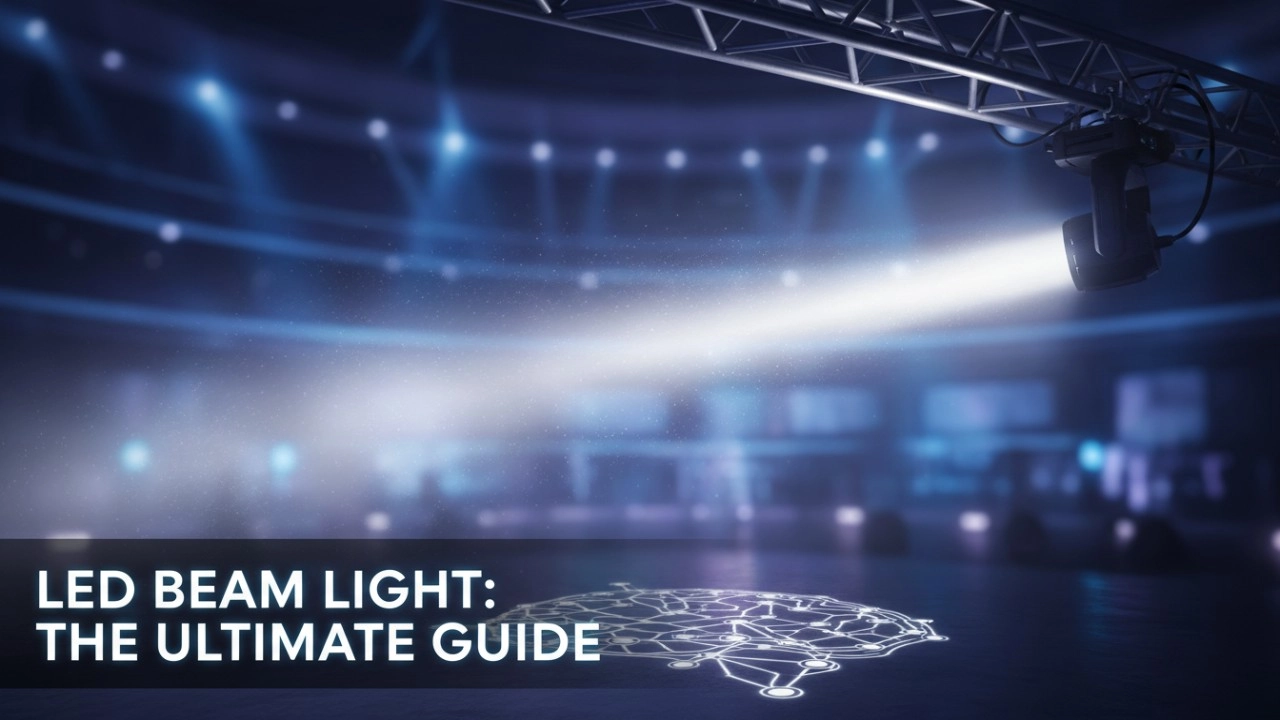
Why Your Venue Needs LED Beam Lights: A Cost-Benefit Analysis
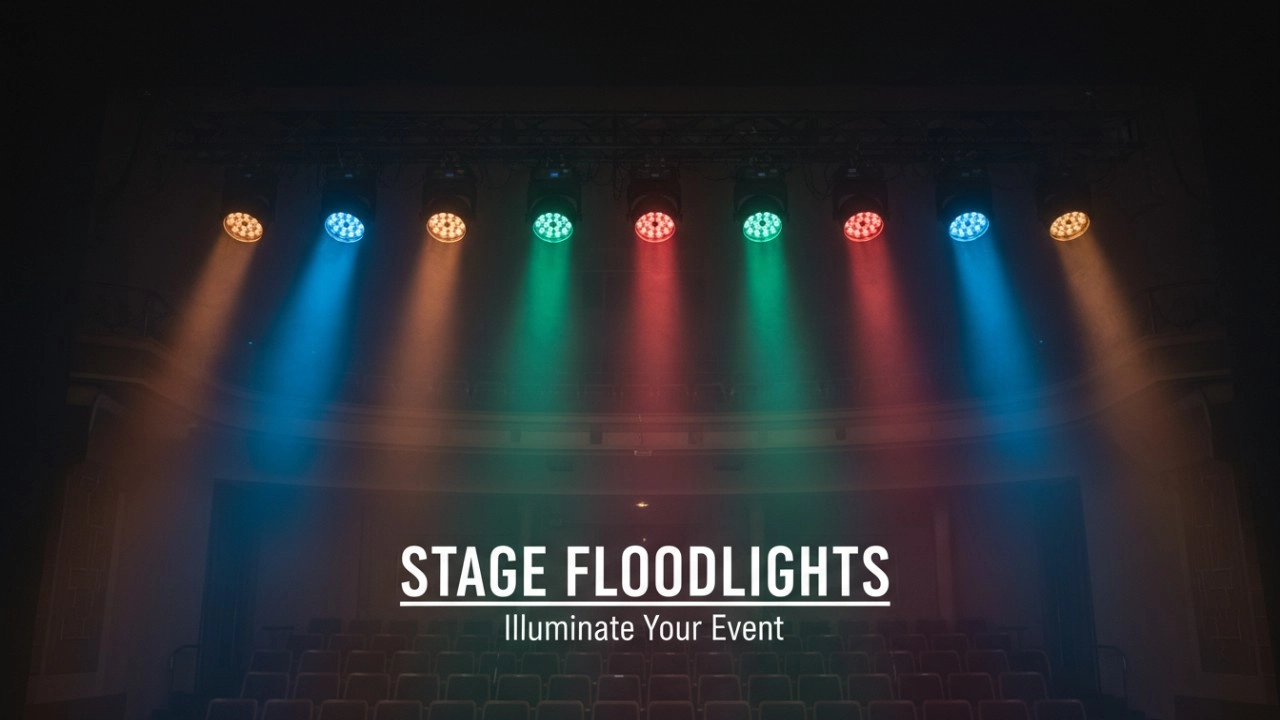
Spotlight vs. Stage Flood Lights: Which One Does Your Production Actually Need?
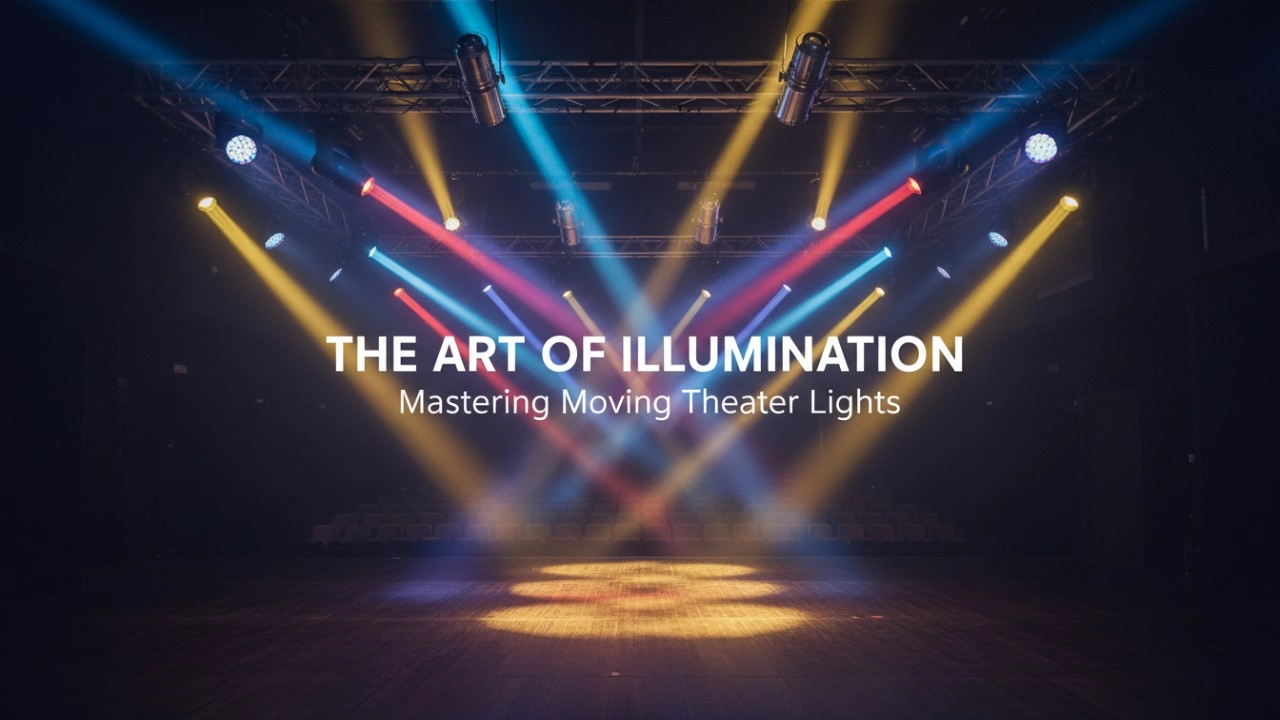
Spotlight vs. Floodlight vs. Beamlight: A Comparison of Moving Stage Lighting Fixtures
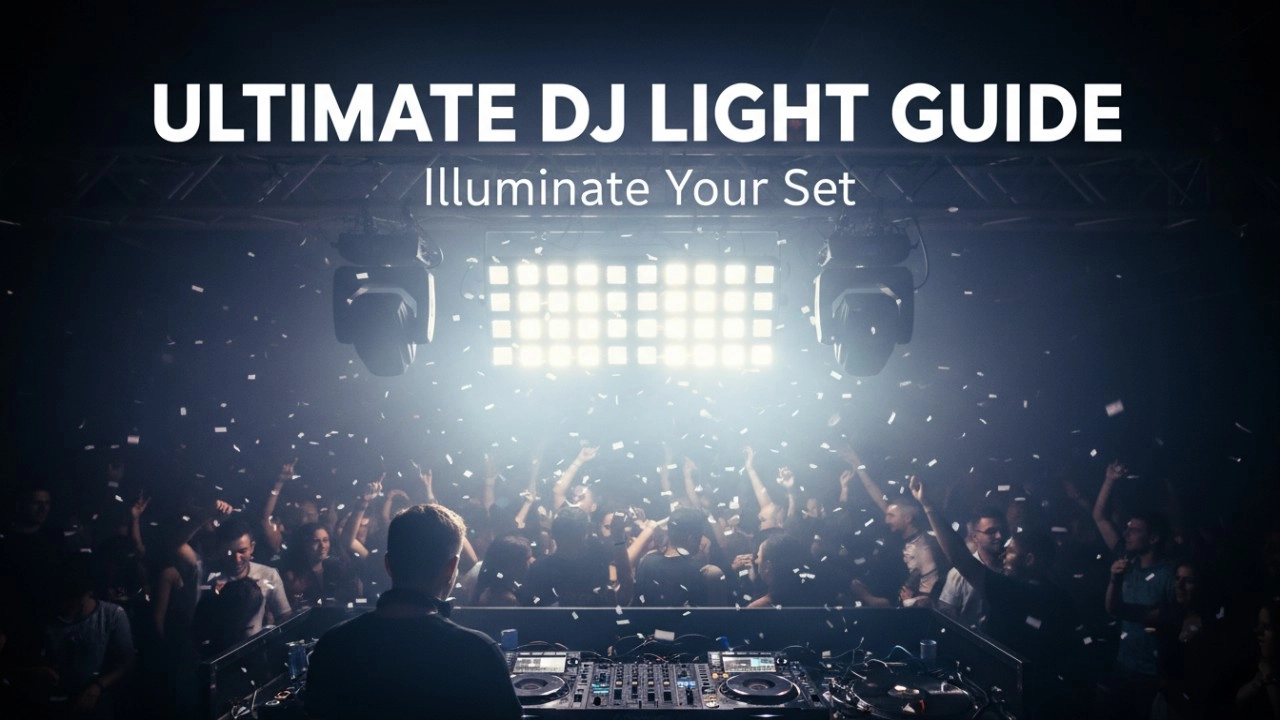
Mastering the Flash: 7 Advanced Strobe DJ Light Techniques for Pro Entertainers
Company
Do you have your own factory?
Yes. We own a sheet metal factory and a complete in-house production line—from PCB to final assembly—ensuring strict quality control and fast delivery.
Can LiteLEES handle OEM/ODM orders?
Absolutely. With our strong R&D capabilities and advanced manufacturing, we can customize designs, features, and branding to meet your specific needs.
Products
Are your lights suitable for large-scale events and outdoor use?
Yes. Our professional stage lights—especially the Beam, BSW 3-in-1, and LED Par Series—are engineered with high-output brightness, wide beam angles, and robust housing. Some models come with IP-rated protection, making them suitable for outdoor applications like concerts, festivals, and sports events.
Can I customize the functions or software of the lights?
Absolutely. As a manufacturer with independent R&D capabilities, we offer customization for both hardware and software (such as DMX channel layout, built-in programs, or UI language). Contact us with your project needs, and our team will provide tailored solutions.
Do your lights support DMX512 and other control protocols?
Yes. All LiteLEES stage lights are fully compatible with DMX512. Many models also support RDM, Art-Net, and wireless DMX (optional), ensuring seamless integration with modern lighting control systems.
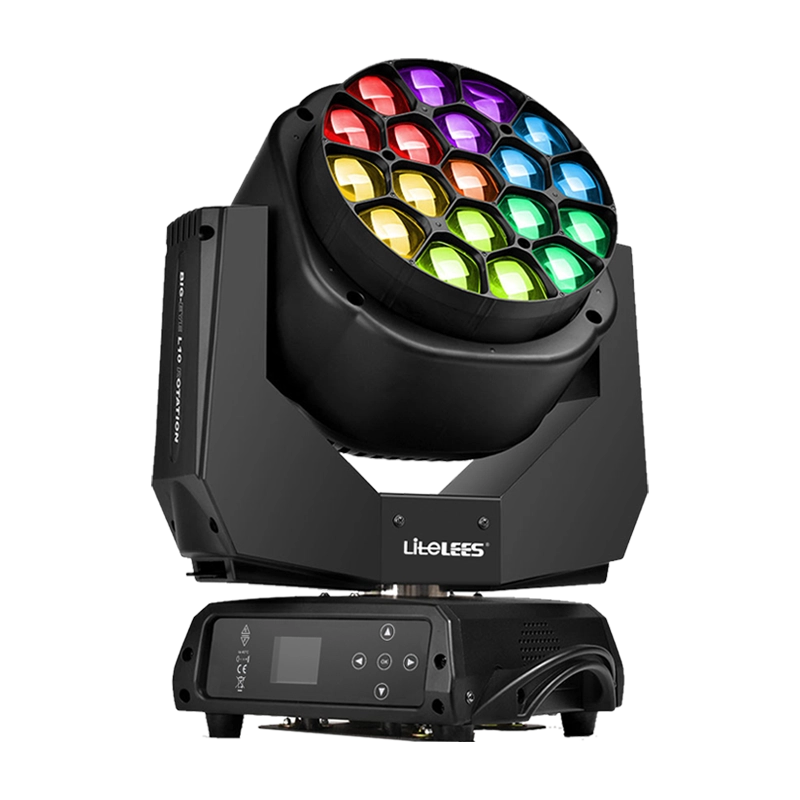

Stormy Shake Blinder IP
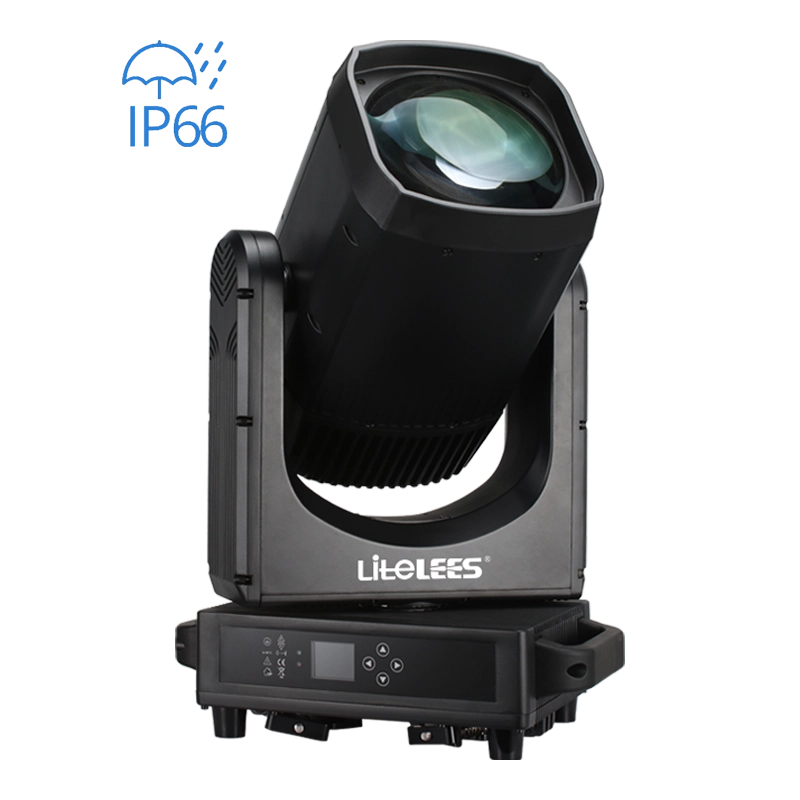
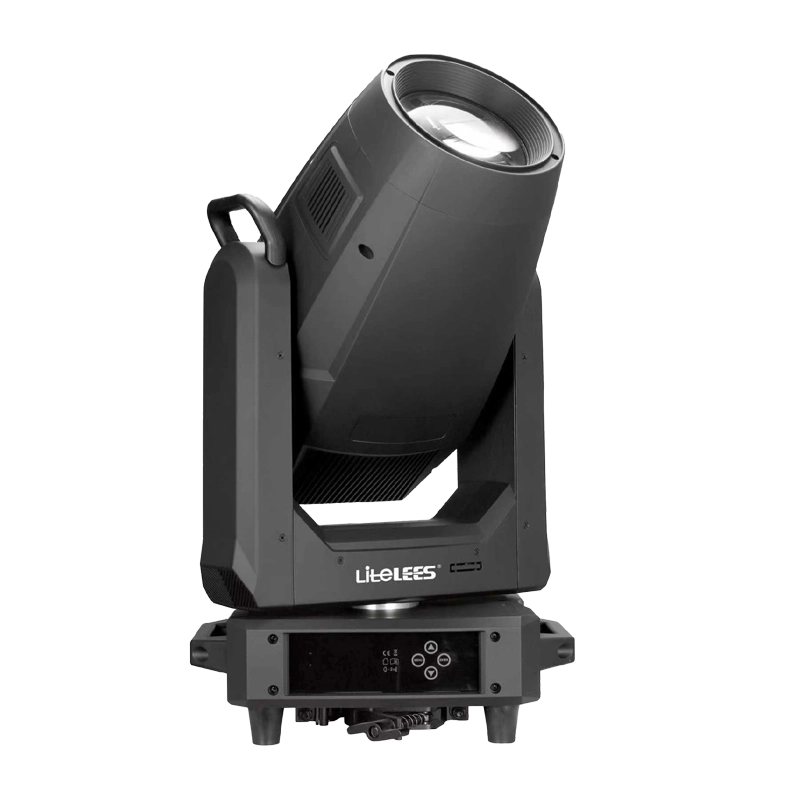
LiteLEES LUMIX BEAM 420 IP
LP Profile 900
Want to get more up-to-date information?
If you have any comments or good suggestions, please leave us a message; later our professional staff will contact you as soon as possible.

We are professional stage lighting manufacturers offering OEM and ODM LED stage lights.
Contact
Email us
Call us
Address
No.6 Longnan Road, Huashan Town, Huadu District Guangzhou, Guangdong Province, China.
LiteLEES Professional
Less Lighting