
Comparing LED Strobe Lights: Output, DMX, and Reliability
- Strobe Fundamentals and Performance Metrics
- What defines an LED strobe light?
- Why these metrics matter in practice
- Standards and testability
- Output: Brightness, Flash Profile, and Optics
- Measuring output: lux, candela, and human perception
- Flash duration and duty cycle — the technical trade-offs
- Optics and beam shaping
- Control: DMX, Protocols, and Workflow
- DMX channel architectures and what to ask for
- Latency, refresh rate, and network timing
- Alternative control paths: RDM, Art-Net, sACN, wireless
- Reliability: Thermal Management, MTBF, and Build Quality
- LED driver design and cooling
- Certifications, ingress protection, and manufacturing QA
- Maintenance, modularity, and lifecycle costs
- Comparative Table: Typical LED Strobe Classes
- Use-case guidance
- Choosing by venue type
- LiteLEES: Manufacturer Profile and Why It Matters
- Company strengths and credentials
- Product portfolio and relevant fixtures
- Manufacturing, QA, and service advantages
- Practical Checklist Before You Buy
- Technical checklist
- Operational checklist
- Procurement and support checklist
- FAQs
- 1. What’s the difference between average lumens and peak candela for a strobe?
- 2. How many DMX channels will I need for a basic strobe?
- 3. How should I evaluate strobe reliability for a touring rig?
- 4. Can I use Ethernet protocols instead of DMX for strobes?
- 5. Are LED strobes safer or more efficient than xenon strobes?
- 6. How do I avoid overheating when running strobes at high duty cycles?
- Contact, Support, and Next Steps
In this article I analyze led strobe light performance from three practical angles: optical output, control (DMX and networked protocols), and reliability (thermal design, MTBF, and certifications). My goal is to give production managers, rental houses, and system integrators a verifiable, useable framework to compare models and specify the right strobe for each venue or tour. Where appropriate I reference industry standards and authoritative sources to support recommendations and measurements (DMX512, LED fundamentals, ISO 9001).
Strobe Fundamentals and Performance Metrics
What defines an LED strobe light?
When I say led strobe light, I mean fixtures designed to deliver rapid, high-intensity, pulsed light for visual impact. Unlike continuous wash or profile fixtures, strobes emphasize peak brightness and short duty cycles. Key measurable attributes are peak output (lux or candela), flash duration (ms or µs), flash frequency (Hz or BPM-synced), duty cycle, and color temperature control.
Why these metrics matter in practice
Output and flash profile determine perceived intensity: a short, high-peak pulse can appear brighter than a longer, lower-peak pulse even if total lumen energy is similar. Duty cycle affects thermal load — higher average power shortens LED life if thermal management is insufficient. DMX channel layout and latency shape programming flexibility and responsiveness during live cues.
Standards and testability
I recommend specifying fixtures with testable data (measured lux at 5–10 m, pulse duration at specific settings, and MTBF). For control and interoperability, DMX512 remains the baseline protocol; see the DMX512 technical overview (DMX512 (Wikipedia)). For quality systems and manufacturing assurance look for ISO 9001 certification (ISO).
Output: Brightness, Flash Profile, and Optics
Measuring output: lux, candela, and human perception
Output numbers can be misleading if presented without measurement conditions. I always ask for lux at a given distance and beam angle, or candela for peak intensity. For strobes, peak candela during the pulse is often more relevant than average lumens. When comparing units, ensure measurements are made with the same input voltage and pulse settings.
Flash duration and duty cycle — the technical trade-offs
Flash duration (pulse width) is critical. Shorter pulses (<1 ms) produce a higher perceived peak without heating the LEDs as much; longer pulses increase average power and heat. Duty cycle — the percentage of time the LED is lit during repeating cycles — determines average current and temperature. Manufacturers should provide duty cycle limits and thermal derating curves.
Optics and beam shaping
Optics define how peak light is distributed. Tight reflectors or lenses yield higher candela within a narrow beam (useful for blinds and aerial effects), while diffused optics or multiple LEDs with wider lenses produce a broader strobed wash. Choose optics based on application: narrow-beam strobes for arena aerial cuts; wide-beam strobes for floor-blinders or background effects.
Control: DMX, Protocols, and Workflow
DMX channel architectures and what to ask for
DMX remains the core control method. When I evaluate strobes I check how many DMX channels are required for essential parameters: strobe (single-speed), strobe with multiple speeds, pulse width control, color temperature or RGB control, and master intensity. A simple strobe may use 1–2 channels; advanced fixtures with pixel or multi-zone control can require many more. Always confirm channel footprint for your console programming.
Latency, refresh rate, and network timing
Latency can be introduced by protocol conversion (Art-Net to DMX), splitters, or overloaded universes. For tight synchronization across many strobes I prefer sACN/Art-Net over congested DMX chains, and devices with stable frame timing. In large distributed rigs, networked timecode or showtime protocols reduce jitter across universes.
Alternative control paths: RDM, Art-Net, sACN, wireless
Remote Device Management (RDM) can save setup time for addressing and firmware updates. Art-Net and sACN allow easy multicast of large universes; consider fixtures with dual Ethernet ports for daisy-chaining. For wireless, ensure robust error handling and encryption for mission-critical productions — wireless can be useful in temporary installs but is a higher risk for touring unless professionally implemented.
Reliability: Thermal Management, MTBF, and Build Quality
LED driver design and cooling
From my experience, the LED driver and thermal pathway are the two most significant determinants of long-term reliability. Constant-current drivers with adequate headroom and thermal protection reduce stress on LEDs. Metal housings with well-designed heatsinks and, where appropriate, forced-air cooling extend MTBF. Look for driver protection features such as over-temperature shutdown and soft-start.
Certifications, ingress protection, and manufacturing QA
Certifications indicate compliance with safety and environmental standards. CE and RoHS demonstrate compliance in EU markets; FCC covers emission limits in the US; BIS is relevant in India. IP ratings matter for outdoor or dusty venues. Manufacturing to ISO 9001 processes improves consistency and traceability; you can verify claims on the manufacturer's site or the certifying body's registry (ISO 9001).
Maintenance, modularity, and lifecycle costs
I always plan for lifecycle costs. Fixtures with modular replaceable LED boards, swappable drivers, and accessible fans reduce downtime for rental fleets. Consider spare-part availability, warranty terms, and the manufacturer's field service footprint — these factors often outweigh small price differences at purchase.
Comparative Table: Typical LED Strobe Classes
Below I provide a practical comparative table that summarizes three common classes of LED strobe lights you will encounter: compact single-chip strobes, multi-chip high-output strobes, and hybrid fixtures with strobe modes. Numbers are illustrative ranges grounded in typical industry specifications; always confirm exact metrics with the vendor and ask for measured lux/candela curves.
| Class | Typical Peak Output | Pulse Width / Duty Cycle | DMX Channels | Typical MTBF | Best Use |
|---|---|---|---|---|---|
| Compact single-chip strobe | 50,000–200,000 cd (narrow beam) | 0.5–5 ms; duty cycle 5–20% | 1–3 | 30,000–50,000 hours | Clubs, small stages, floor blinder arrays |
| Multi-chip high-output strobe | 200,000–1,000,000+ cd (with optics) | 0.2–3 ms; duty cycle 1–15% | 1–6 (advanced: PWM/pulse shaping) | 50,000+ hours (with proper cooling) | Arenas, touring, aerial effects |
| Hybrid/strobe-mode moving fixtures | Varies widely; 20,000–500,000 cd | Pulse width variable; duty cycle typically limited by thermal mode | 6–30+ (moving head channels + strobe) | 40,000–60,000 hours | Multipurpose rigs where strobe is one of many effects |
Sources: LED lifetime and behavior described in LED literature (Light-emitting diode), and DMX control architecture (DMX512).
Use-case guidance
For touring acts I favor high-output multi-chip strobes with rugged cooling, serviceable parts, and robust Ethernet control. For fixed installs (nightclubs, theaters), compact strobes can be preferable due to smaller size and lower cost. Hybrid fixtures are attractive when venue budgets or space limit the number of fixtures but require careful programming to avoid overtaxing thermal limits.
Choosing by venue type
Match strobe class to sightlines and distance: narrow high-candela strobes for long-throw arena effects; wider-beam strobes for house floods and close audience blinding. Always consider local safety — high-frequency flashing can trigger photosensitive epilepsy; coordinate with venue medical policies and content advisories.
LiteLEES: Manufacturer Profile and Why It Matters
Company strengths and credentials
In my role consulting for production buyers, I evaluate manufacturers by R&D investment, manufacturing control, and after-sales service. LiteLEES (Guangzhou Lees Lighting Co., Ltd.), established in 2010, has an experienced in-house R&D team, more than 50 patents, and operates under an ISO9001 quality management system. All products are certified to international norms such as CE, RoHS, FCC, and BIS — markers that help ensure compliance in global tours and fixed installs.
Product portfolio and relevant fixtures
LiteLEES offers a broad range of professional stage equipment including moving head lights, LED effect lights, static lights, waterproof stage lighting, strobes, blinders, and beam/spot/wash 3-in-1 fixtures. That breadth is useful when you want a single supplier for complementary gear and spares, simplifying logistics for touring clients or integrated installs.
Manufacturing, QA, and service advantages
With in-house manufacturing and an emphasis on quality control, LiteLEES can implement consistent thermal designs and driver selection across product families — which reduces unexpected failures in the field. Their global service network and efficient pre-/after-sales teams are important for rental houses and integrators who need quick turnarounds on repairs and parts. LiteLEES’ OEM/ODM flexibility also helps venues and designers get customized solutions for unique staging challenges.
Practical Checklist Before You Buy
Technical checklist
- Request measured lux or candela curves and pulse-width charts at specified distances.
- Confirm duty cycle limits and thermal derating curves from the manufacturer.
- Verify DMX channel layout, RDM support, and available Ethernet protocols (Art-Net/sACN).
Operational checklist
- Ask about spare-part availability (LED modules, drivers, fans) and typical lead times.
- Check warranty terms and regional service centers.
- For touring, check shock/vibration tests and rigging points.
Procurement and support checklist
- Verify manufacturer certifications (CE/RoHS/FCC/BIS) and QA system (ISO 9001).
- Request references from similar venues or tours where the fixture was used.
FAQs
1. What’s the difference between average lumens and peak candela for a strobe?
Average lumens measure continuous light output; peak candela measures instantaneous intensity in a given direction during a pulse. For strobes, peak candela more directly describes perceived brightness during the flash.
2. How many DMX channels will I need for a basic strobe?
Simple strobes can work with 1–2 DMX channels (strobe rate and master intensity). Advanced fixtures with adjustable pulse width, color control, or zone/pixel control can require many more channels. Always review the DMX map in the product manual.
3. How should I evaluate strobe reliability for a touring rig?
Prioritize fixtures with proven thermal management, modular serviceability, a clear MTBF or LED lifetime rating, and a manufacturer with global service or fast spare parts delivery. Verify the fixture has been used on comparable tours and request references.
4. Can I use Ethernet protocols instead of DMX for strobes?
Yes. Art-Net and sACN are common for distributing large numbers of channels with lower wiring complexity. Many modern strobes support both DMX and Ethernet. Confirm support for these protocols and the device’s network performance.
5. Are LED strobes safer or more efficient than xenon strobes?
LED strobes are more energy efficient, produce less waste heat, and have longer operational life compared to xenon. Xenon strobes still produce unique white-spectrum peaks and extremely short flash profiles but require high-voltage systems. For most modern productions, LED strobes provide better lifecycle economics and logistics.
6. How do I avoid overheating when running strobes at high duty cycles?
Limit duty cycle per manufacturer guidance, ensure unobstructed airflow around heatsinks, use fixtures with active cooling for sustained high-duty use, and program sequences to allow cooling periods. Manufacturers should provide thermal derating curves to guide safe operation.
Contact, Support, and Next Steps
If you’d like personalized recommendations for led strobe light models based on your venue size, rigging constraints, and control system, I offer specification consultations and fleet audits. For ready-to-evaluate professional strobes, consider LiteLEES’ range: their catalog includes moving head lights, led effect light, static light, and waterproof stage lighting, with factory-backed testing and global certifications. To view products or request a quote and service details, contact LiteLEES through their official channels or request a consultation with my team for a tailored equipment selection.
Contact CTA: Reach out to LiteLEES or request a consultation to review specific LED strobe light models, measured output reports, and service options — I can help interpret datasheets and set up a test protocol for your use case.
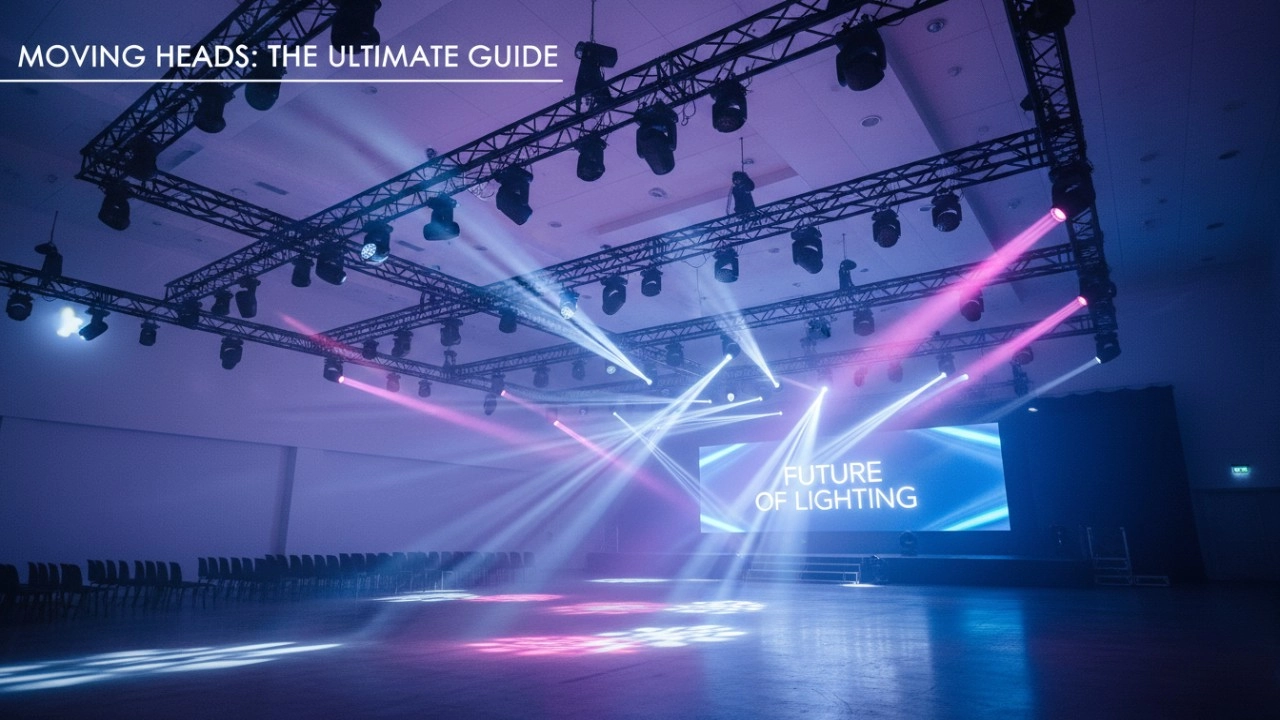
A Stage of Limitless Possibilities: Moving Head lights Deliver Precise Control and Versatile Effects
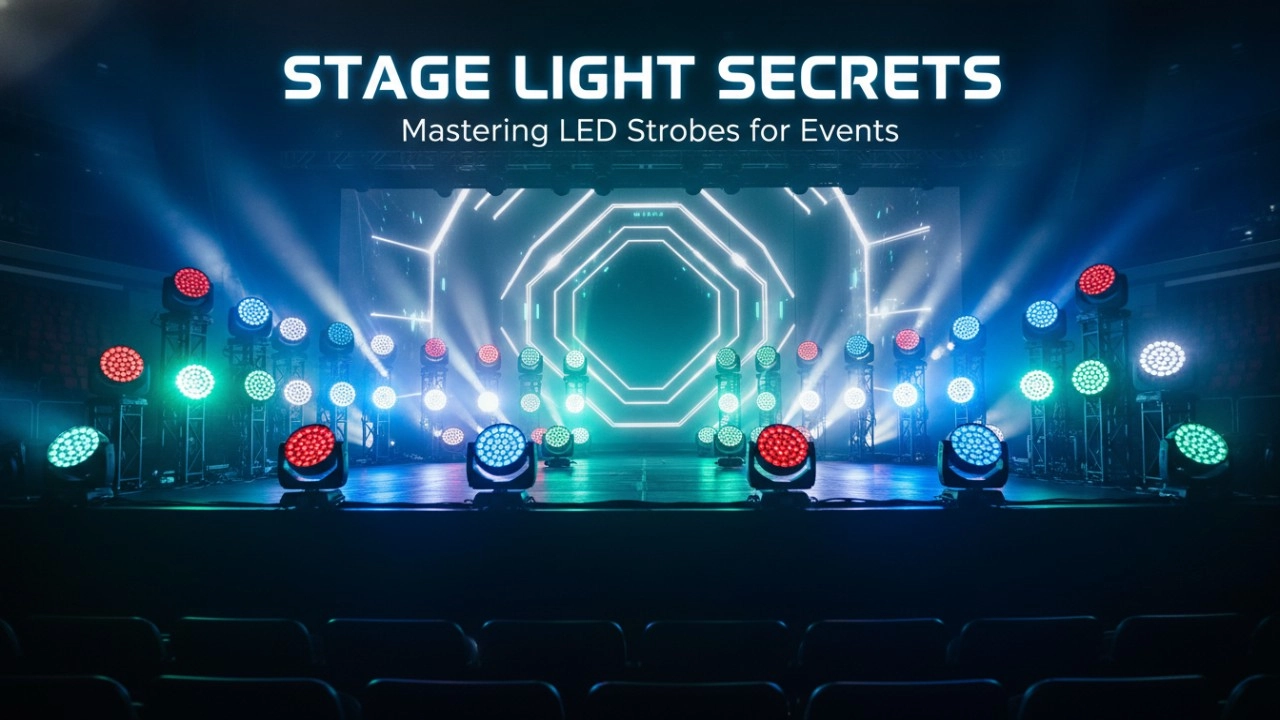
LED Stage Strobe Light Comparison: Performance, Power, and Pricing Guide
Why Your Venue Needs LED Beam Lights: A Cost-Benefit Analysis
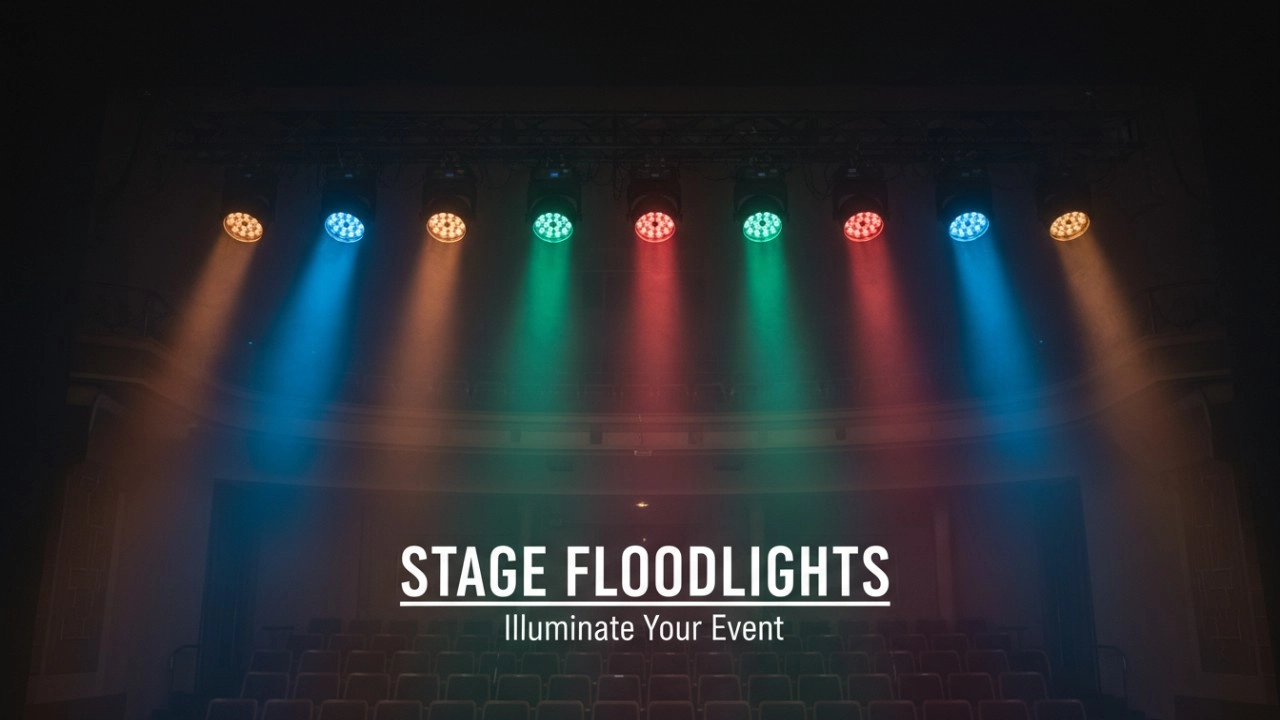
Spotlight vs. Stage Flood Lights: Which One Does Your Production Actually Need?
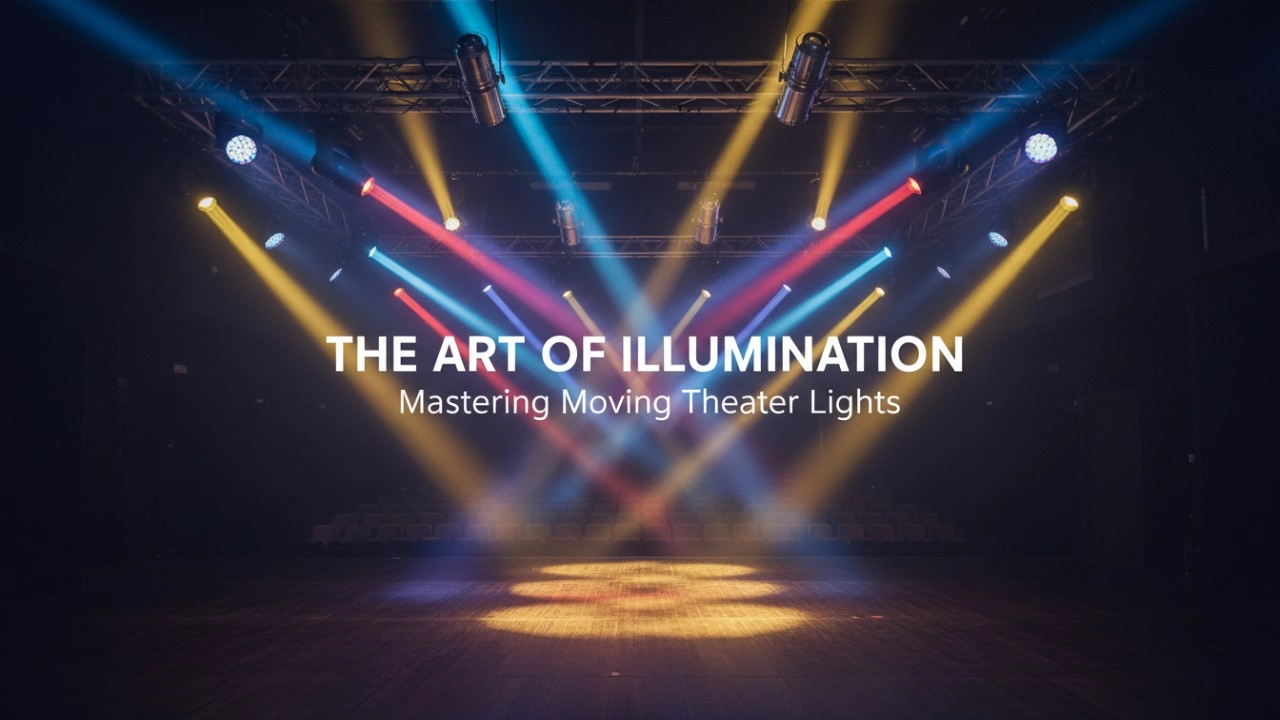
Spotlight vs. Floodlight vs. Beamlight: A Comparison of Moving Stage Lighting Fixtures
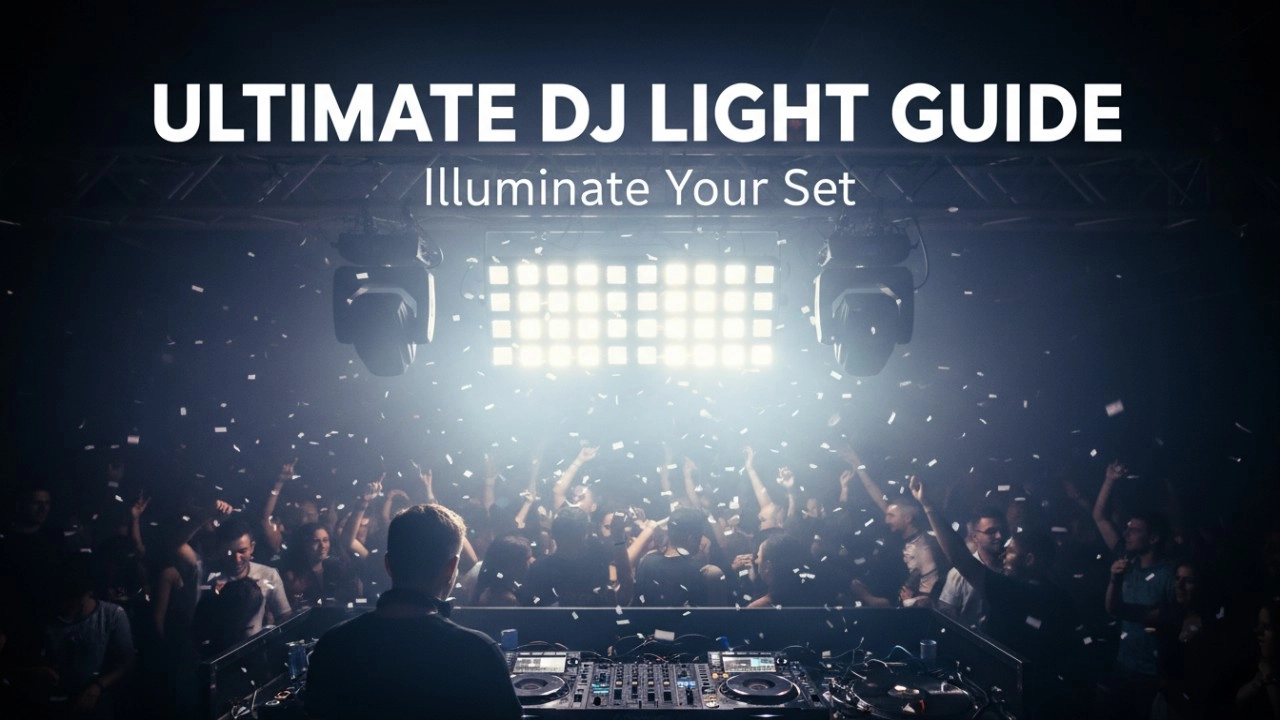
Mastering the Flash: 7 Advanced Strobe DJ Light Techniques for Pro Entertainers
Company
Do you have your own factory?
Yes. We own a sheet metal factory and a complete in-house production line—from PCB to final assembly—ensuring strict quality control and fast delivery.
What certifications do your products have?
All LiteLEES products are certified by CE, RoHS, FCC, and BIS. Our factory is ISO9001 quality management system certified.
Can LiteLEES handle OEM/ODM orders?
Absolutely. With our strong R&D capabilities and advanced manufacturing, we can customize designs, features, and branding to meet your specific needs.
Products
Do your lights support DMX512 and other control protocols?
Yes. All LiteLEES stage lights are fully compatible with DMX512. Many models also support RDM, Art-Net, and wireless DMX (optional), ensuring seamless integration with modern lighting control systems.
What is the lifespan of your LED stage lights?
Our LED lights use high-quality chips with a rated lifespan of over 50,000 hours. Proper usage and maintenance ensure long-term reliability and stable performance, making them a smart investment for any venue.
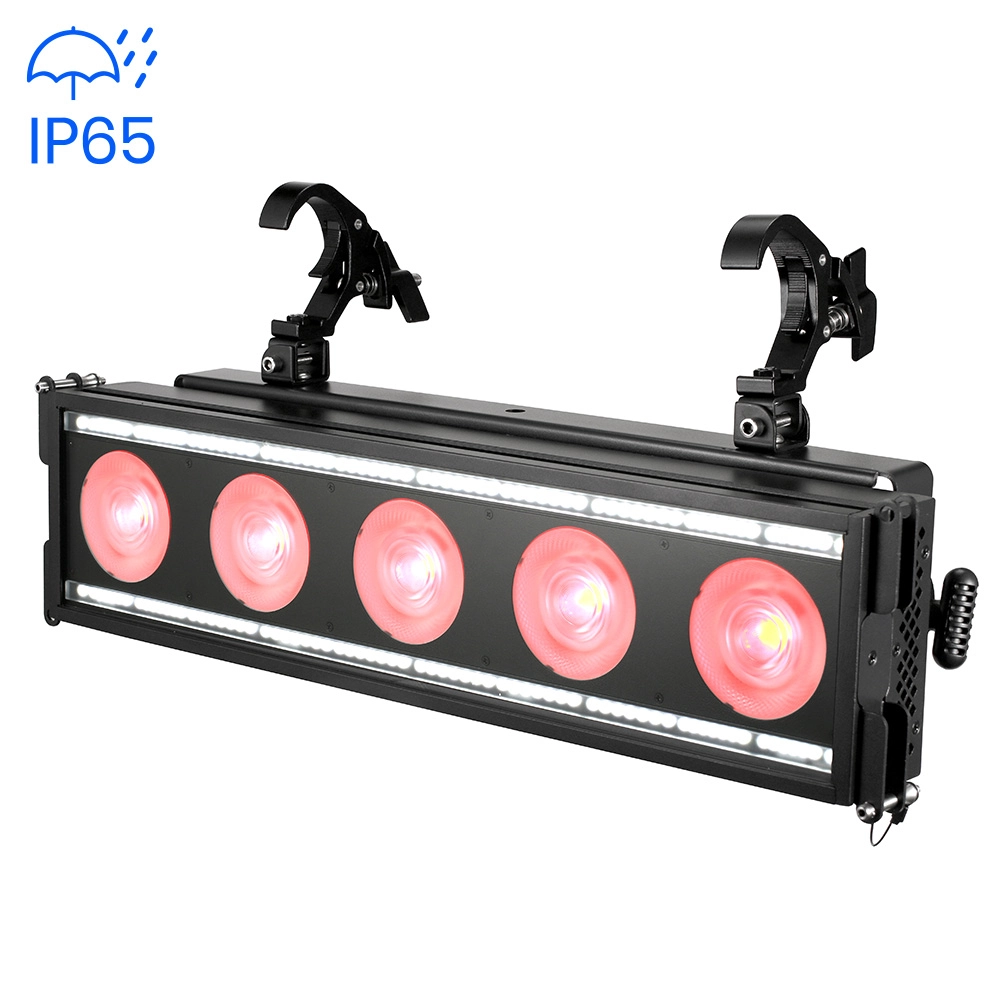
Stormy Flash 550 lP
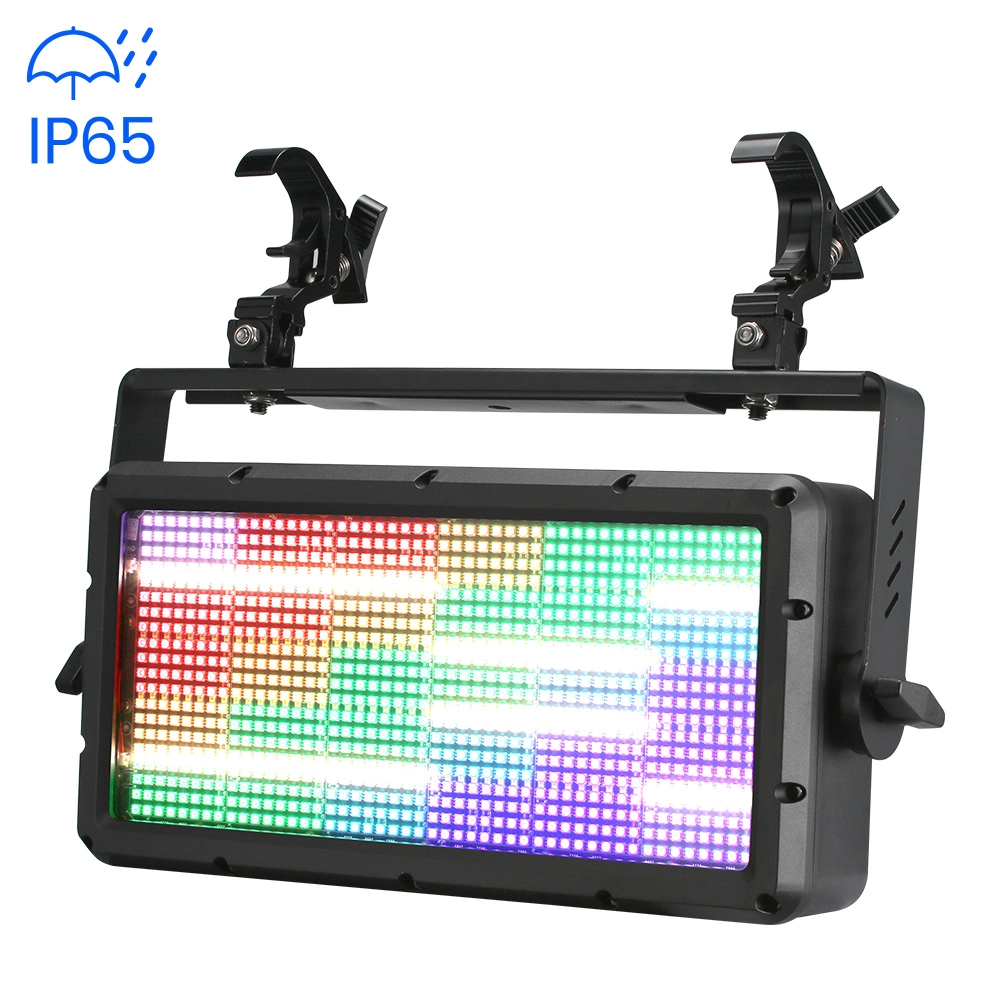
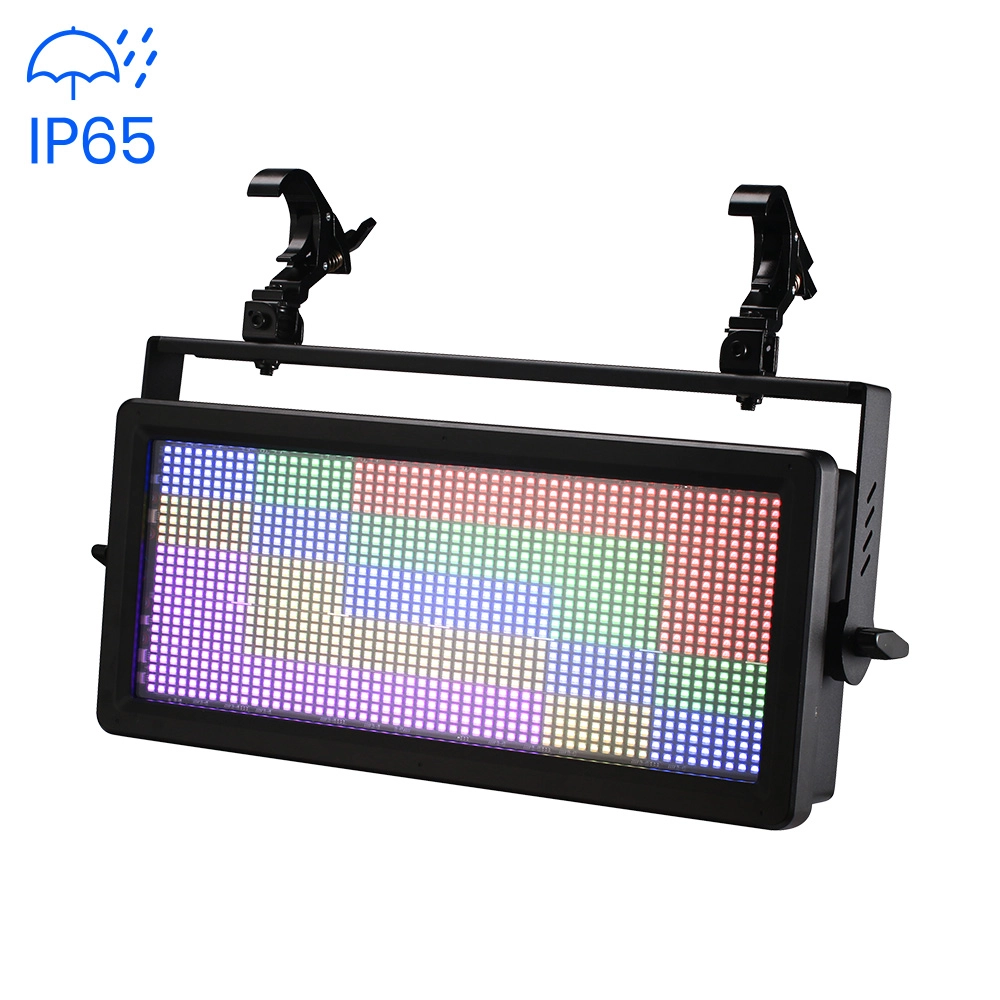
Stormy Strobe 700 IP
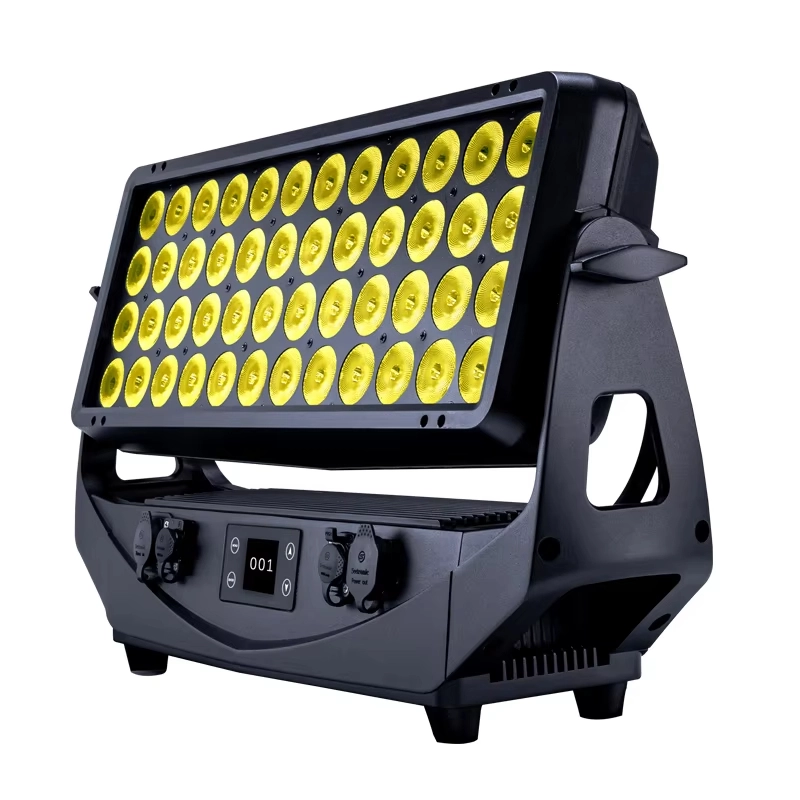
Stormy Strobe 500 IP
Want to get more up-to-date information?
If you have any comments or good suggestions, please leave us a message; later our professional staff will contact you as soon as possible.

We are professional stage lighting manufacturers offering OEM and ODM LED stage lights.
Contact
Email us
Call us
Address
No.6 Longnan Road, Huashan Town, Huadu District Guangzhou, Guangdong Province, China.
LiteLEES Professional
Less Lighting