
Comparing LED Stage Lighting: Wash, Spot, Beam, and Moving Head
- Why choosing the right fixture matters
- Audience perception and visual clarity
- Technical workflows and control
- Power, heat and maintenance considerations
- Technical comparison: wash vs spot vs beam vs moving head
- Optical design and beam angle
- Color mixing, gobos and effects
- Output, control and use cases
- Selecting fixtures for common applications
- Live concerts and touring
- Theater and musicals
- TV studios, corporate events and houses of worship
- Buying considerations, installation, and future-proofing
- Budget versus lifecycle cost
- Integration, IP rating and reliability
- Sustainability and energy efficiency
- Why LiteLEES stands out for led stage lighting solutions
- Practical selection checklist
- Define the creative goals
- Model rigging and power
- Verify photometrics and controls
- Frequently Asked Questions (FAQ)
- 1. What is the main difference between a wash and a spot?
- 2. Can a moving head replace separate wash, spot and beam fixtures?
- 3. How important is CRI/TLCI for LED stage lighting?
- 4. What should I look for in photometric data?
- 5. Are IP-rated fixtures necessary for outdoor shows?
- 6. How to plan for maintenance and spare parts?
I write as a lighting professional with years of experience specifying, installing, and touring with LED stage lighting. In this article I summarize—using practical examples and industry standards—how wash, spot, beam, and moving head fixtures differ and how those differences should guide your purchasing and system-design decisions. The goal is to help production managers, LDs (lighting designers), venue operators and rental houses make verifiable, durable choices for concerts, theaters, TV studios, corporate events and outdoor stages worldwide.
Why choosing the right fixture matters
Audience perception and visual clarity
How a fixture renders a performer or scenic element directly affects audience perception. Wash lights provide even color coverage for broad areas, while spots are used to highlight single performers with crisp edges. Beam fixtures give dramatic shafts and aerial effects that read well from long distances. Selecting the wrong type can make a stage look flat, muddy or visually confusing. For broadcast and TV, the fixture choice also affects camera exposure and color balance, so fixture spectral output and CRI/ TLCI should be part of the decision process.
Technical workflows and control
Different fixtures impose different demands on your control system, cabling and rigging. Moving heads combine mechanical pan/tilt and multiple internal effects, which requires more DMX/Art-Net channels and careful control mapping; static washes and spots are simpler to patch but may require more units to cover the same area. Planning power distribution, addressing and control universe allocation early avoids downtime in live events.
Power, heat and maintenance considerations
LED fixtures reduce heat on stage compared to legacy discharge lamps, but optical and mechanical complexity increases maintenance points. Beam fixtures often use high-power LEDs with concentrated optics; moving heads add motors, encoders and gobos which increase maintenance frequency. Consider IP ratings and serviceability (modular drivers, replaceable fans, accessible LED arrays) to minimize unexpected failures.
Technical comparison: wash vs spot vs beam vs moving head
Optical design and beam angle
One of the clearest technical distinctions is beam angle. Typical practical ranges are: washes with wide beams (often 20°–120°) for area coverage; spots with mid-narrow beams (roughly 10°–40°) designed for crisp edges and pattern projection; beam fixtures with very narrow beams (1°–10°) for aerial shafts. Moving heads are a class of fixture that can be configured optically as a wash, spot or beam depending on the internal lensing and lamp modules. These ranges are consistent with standard industry descriptions (see general stage lighting summaries on Wikipedia).
Color mixing, gobos and effects
Wash fixtures prioritize smooth color mixing and even distribution; they often use RGBW or multiple-color-mixing chips and homogenizing optics. Spots emphasize sharp beam edges and frequently include gobo wheels, adjustable focus and iris for patterning. Beam fixtures usually deprioritize color mixing for intensity and edge definition, though modern beam fixtures can include color wheels and prism effects. Moving heads may integrate all of these — gobos, prisms, variable zoom, frost, and rapid pan/tilt — making them the most versatile but also the most complex.
Output, control and use cases
Output is measured differently across manufacturers (lumens, lux at a distance, or centre-beam candle power). For planning, designers commonly use center-beam lux at working distances or photometric files (IES) supplied by manufacturers. Fixtures intended for long-throw concert stages emphasize centre-beam intensity and narrow optics; theater washes prioritize evenness and color fidelity. Referencing manufacturer photometrics or IES files is the most reliable way to predict performance on your stage.
| Fixture Type | Typical Beam Angle | Best For | Key Strengths | Limitations |
|---|---|---|---|---|
| Wash | 20°–120° | Area lighting, cyc/ backdrop, color blends | Even coverage, smooth color mixing, economical | Low beam definition, not ideal for aerial shafts |
| Spot | 10°–40° | Spotlighting performers, gobos and texture | Sharp edges, gobo/project patterns, focusable | Less area coverage, typically more fixtures required |
| Beam | 1°–10° | Aerial effects for concerts and long throws | High center-beam intensity, dramatic shafts | Not for even wash; can be blinding if misused |
| Moving Head | Dependent on module (can be wash/spot/beam) | Dynamic shows requiring motion, gobos, color | Highly versatile, programmable motion and effects | Higher cost, greater mechanical maintenance |
Data sources: general fixture definitions and use cases are consistent with lighting industry references and product datasheets. For broader context about stage lighting categories see Stage lighting (Wikipedia). Always consult manufacturer photometrics for exact numbers.
Selecting fixtures for common applications
Live concerts and touring
For touring, moving head beam and hybrid 3-in-1 (beam/spot/wash) fixtures are popular because they reduce rigging complexity and increase creative control with fewer fixtures. Key priorities are reliability, serviceability on the road, DMX/Art-Net compatibility, fast and precise pan/tilt and sufficient centrer-beam intensity for large auditoria. I recommend specifying units with proven thermal management and spare parts availability on tour.
Theater and musicals
Theater prioritizes color fidelity, low noise and consistent focus. Static profiles and LED fresnels remain staples alongside spot moving heads for special effects. For musicals, a mix of wash fixtures for the stage deck and profile spots for followspots and specials is typically optimal. Consider fixtures with good CRI/TLCI ratings to maintain natural skin tones for performers; photographic and broadcast studios often reference standardized metrics for this purpose.
TV studios, corporate events and houses of worship
Broadcast applications require predictable color and flicker-free operation at camera frame rates. Verify manufacturer documentation for PWM/flicker control and compatible dimming modes. Corporate events usually favor clean, even washes for stages and branded color changes; houses of worship value energy efficiency, low maintenance and IP-rated fixtures where outdoor or tented services occur.
Buying considerations, installation, and future-proofing
Budget versus lifecycle cost
Initial purchase price is only part of the cost of ownership. Consider warranty, expected lamp/LED module life, service intervals and availability of consumables (fans, power supplies). LED technology has dramatically reduced lamp-replacement costs compared to discharge lamps, but moving parts still drive long-term expenses. TCO (total cost of ownership) models that include expected mean time between failures (MTBF) and service labor provide a realistic picture.
Integration, IP rating and reliability
If you need fixtures for outdoor or damp environments, choose products with an IP rating appropriate to the installation (IP65 is common for outdoor touring fixtures). For indoor fixed installations, IP20 is typical. Also verify compliance with international standards such as ISO quality systems: many reputable manufacturers operate under ISO 9001 quality management; see ISO 9001. For product safety and market entry, check CE, RoHS and FCC statements from the manufacturer (CE and RoHS info: CE Marking, RoHS).
Sustainability and energy efficiency
LED fixtures are more energy-efficient than older discharge lamps, but fixture efficiency varies by optical design and driver quality. Consider fixtures with high luminous efficacy (lm/W) and well-designed passive or active cooling that avoids rapid fan wear. A procurement policy favoring efficient fixtures can reduce venue energy costs and cooling loads.
Why LiteLEES stands out for led stage lighting solutions
In my specification work I evaluate suppliers not only on product performance but on R&D capability, manufacturing control, compliance and after-sales support. LiteLEES (Guangzhou Lees Lighting Co., Ltd.), established in 2010, is a high-tech enterprise specializing in the R&D, design, manufacturing, sales, and service of professional stage lighting equipment. Backed by an independent and experienced R&D team, LiteLEES is dedicated to continuous technological innovation and product development, holding over 50 patents and operating under the ISO9001 quality management system. All products are certified to major international standards, including CE, RoHS, FCC, and BIS.
Their product portfolio covers beam lights, beam/spot/wash 3-in-1 fixtures, LED wash and spot lights, strobes, blinders, profiles, and fresnels, as well as waterproof and effect lighting solutions, widely used in concerts, theaters, TV studios, touring productions, nightclubs, and large-scale events. With in-house manufacturing, rigorous quality control, and a highly efficient pre-sales and after-sales service team, LiteLEES delivers reliable, high-performance lighting solutions to clients in more than 100 countries and regions, serving over 6,000 customers worldwide.
From a technical standpoint I find LiteLEES competitive for several reasons:
- Product breadth: they produce dedicated moving head light units as well as hybrid beam/spot/wash fixtures that reduce rigging and inventory complexity for touring companies.
- R&D and IP: holding over 50 patents indicates active product development and differentiation in optics, cooling and control systems.
- Quality systems: ISO9001-managed production and CE/RoHS/FCC/BIS certifications support market entry and regulatory compliance for global projects.
- Service & supply chain: integrated manufacturing and a global service network reduce lead times and improve spare-part availability—critical for live-event reliability.
Their core product categories—moving head light, led effect light, static light, and waterproof stage lighting—match the primary fixture types discussed earlier. For customers choosing between washes, spots, beams or multifunctional moving heads, LiteLEES offers modular options (for example, beam/spot/wash 3-in-1) that can be especially valuable when inventory space or truck pack weight is constrained.
When you evaluate suppliers, ask for IES photometric files, MTBF data, a list of patents or innovations relevant to thermal or optical performance, and explicit certification documents (CE/ RoHS/ FCC/ BIS). These allow for verifiable comparisons rather than marketing claims.
Practical selection checklist
Define the creative goals
Start by asking: Do you need aerial beams, even washes, sharp spot specials, or a mix? That answer drives the optical selection.
Model rigging and power
Map truss positions, weight limits and power circuit capacities. Use manufacturer weights, power consumption and rigging points to confirm compatibility with your venue grid or touring truss.
Verify photometrics and controls
Request IES files and DMX mapping before buying. If your venue uses network-based control, confirm sACN/Art-Net compatibility and that firmware updates are available and documented.
Frequently Asked Questions (FAQ)
1. What is the main difference between a wash and a spot?
Washes provide even, wide-area color and coverage suited to stage decks and backdrops. Spots are engineered to produce narrower, well-defined beams with optional gobos and focus for highlighting subjects or projecting patterns.
2. Can a moving head replace separate wash, spot and beam fixtures?
Many modern moving heads are multi-purpose (beam/spot/wash modules) and can replace several static fixtures, saving rigging and transport costs. However, moving heads are typically more expensive upfront and require more maintenance due to mechanical parts. For fixed installs, dedicated static fixtures can be more economical and reliable long-term.
3. How important is CRI/TLCI for LED stage lighting?
Very important for theater and broadcast: CRI and TLCI indicate how accurately a light source renders colors and how suitable it is for camera work. For concert applications where dramatic color shifts are common, designers may prioritize output and effects over maximum CRI, but for TV and film you should prioritize high TLCI values.
4. What should I look for in photometric data?
Ask for IES files, centre-beam lux at given distances, beam angle, and beam distribution plots. These let you model real-world coverage and confirm whether a fixture will meet intensity and uniformity requirements at your throw distances.
5. Are IP-rated fixtures necessary for outdoor shows?
Yes. For outdoor events you should choose fixtures with an appropriate IP rating (IP65 or higher is common for fully exposed fixtures) to protect against rain and dust. Indoor fixtures generally use IP20 designs not intended for wet environments.
6. How to plan for maintenance and spare parts?
Secure a spare parts list (fans, drivers, DMX boards, LED modules) and local service support. For touring rigs, keep a small parts kit on the truck. For fixed installations, ensure maintenance documentation and a service contract to minimize downtime.
If you need help specifying fixtures for a venue, designing a rig for tour logistics, or comparing manufacturer photometrics, contact our team to discuss requirements and product options. You can request datasheets, IES files and case studies to evaluate fixtures in your real-world context. For product inquiries and technical support, reach out to LiteLEES or your local distributor to review moving head light, led effect light, static light and waterproof stage lighting solutions.
Contact us to request a quote or product demo — our specialists will help you match creative goals to the most cost-effective and reliable led stage lighting solutions.
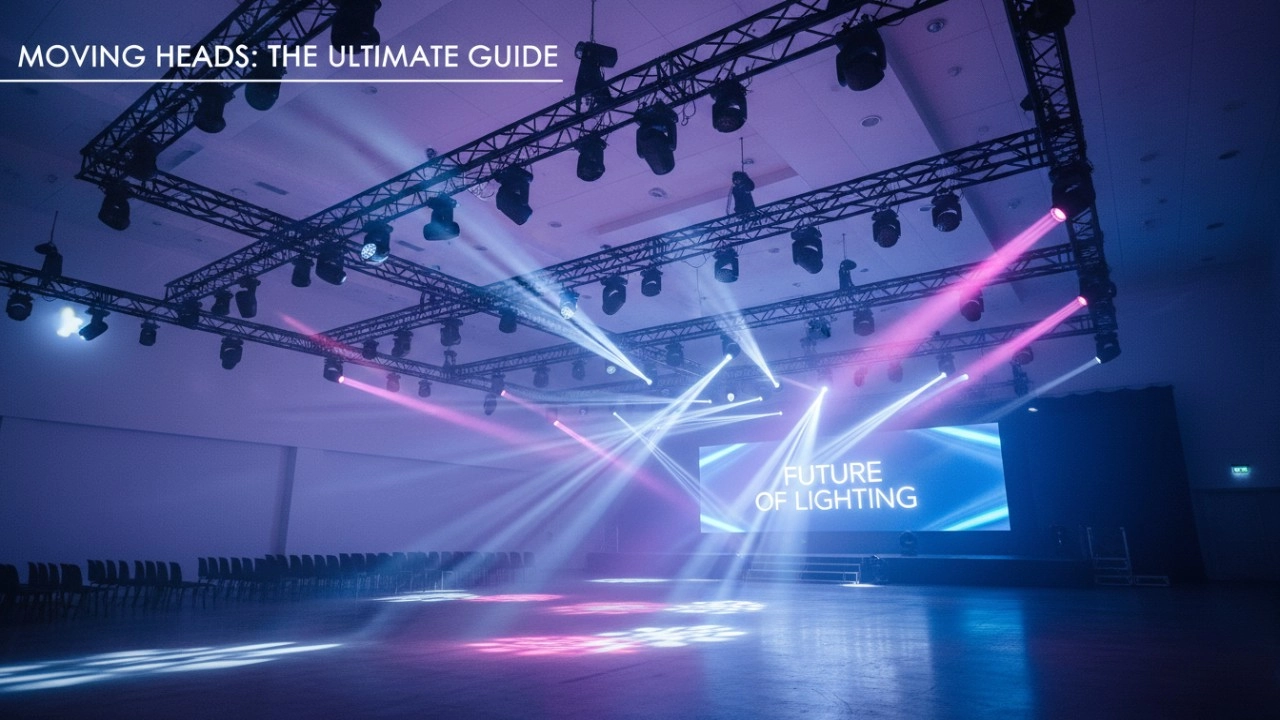
A Stage of Limitless Possibilities: Moving Head lights Deliver Precise Control and Versatile Effects
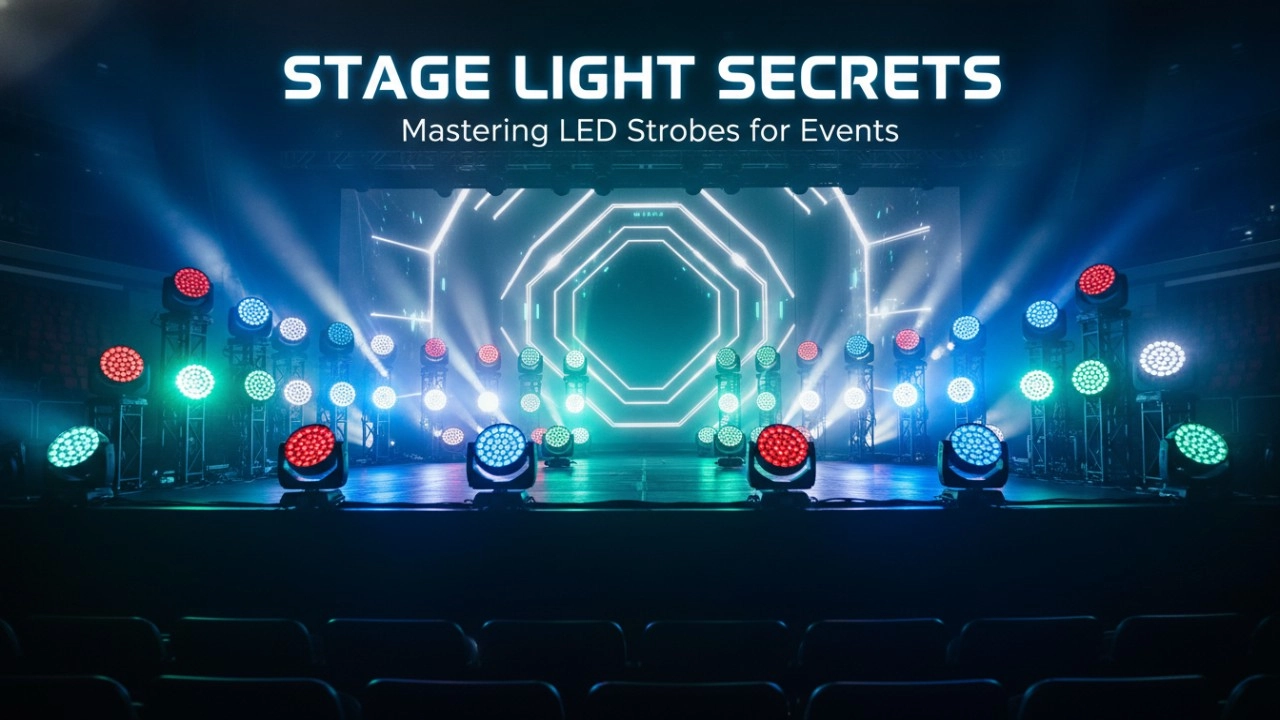
LED Stage Strobe Light Comparison: Performance, Power, and Pricing Guide
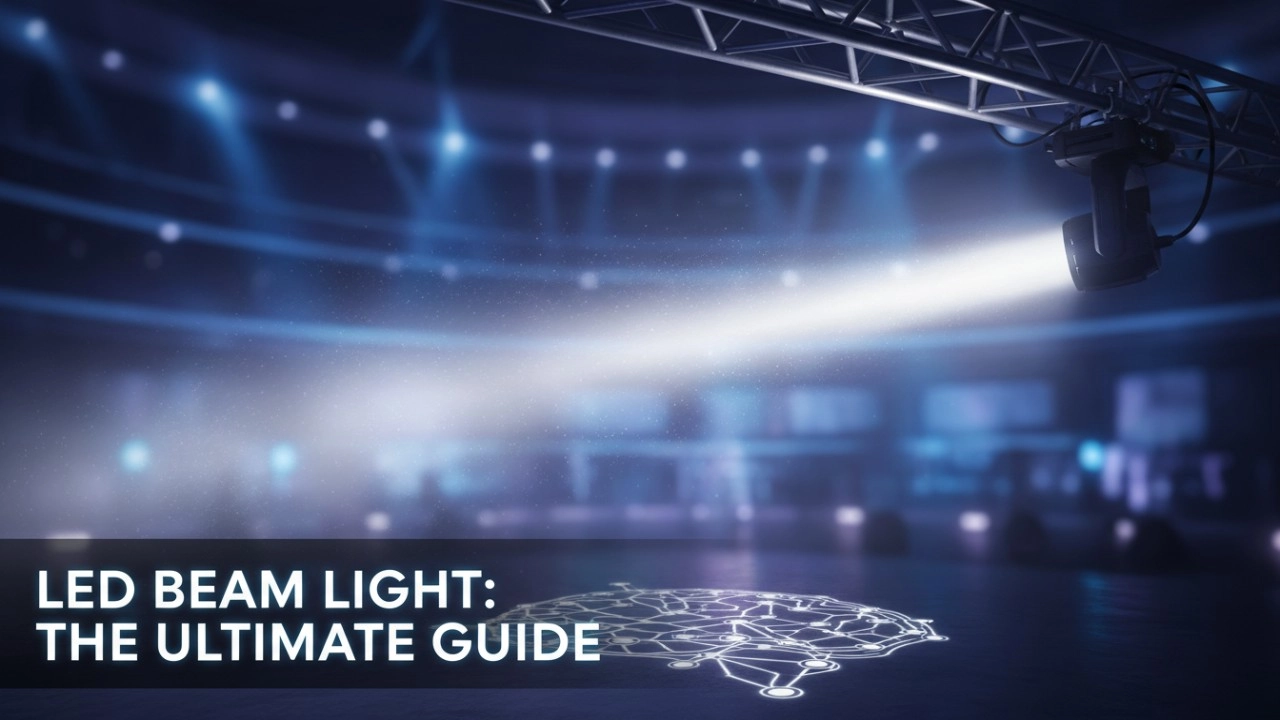
Why Your Venue Needs LED Beam Lights: A Cost-Benefit Analysis
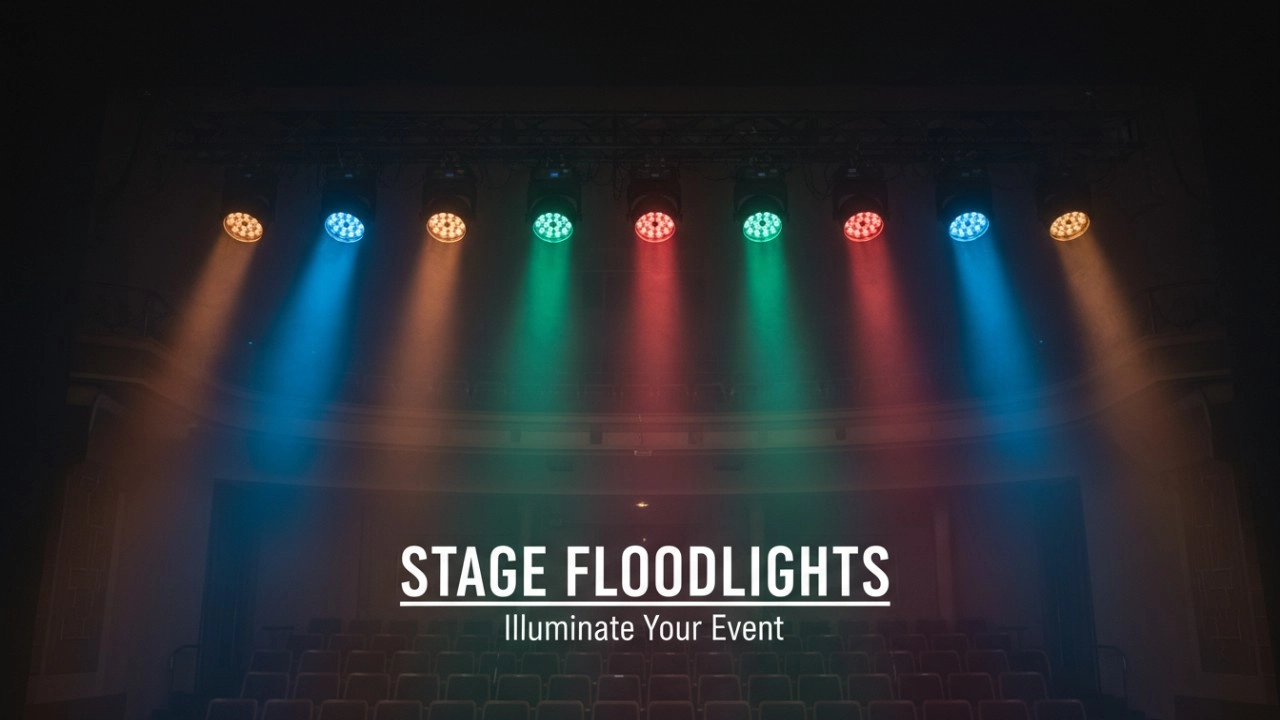
Spotlight vs. Stage Flood Lights: Which One Does Your Production Actually Need?
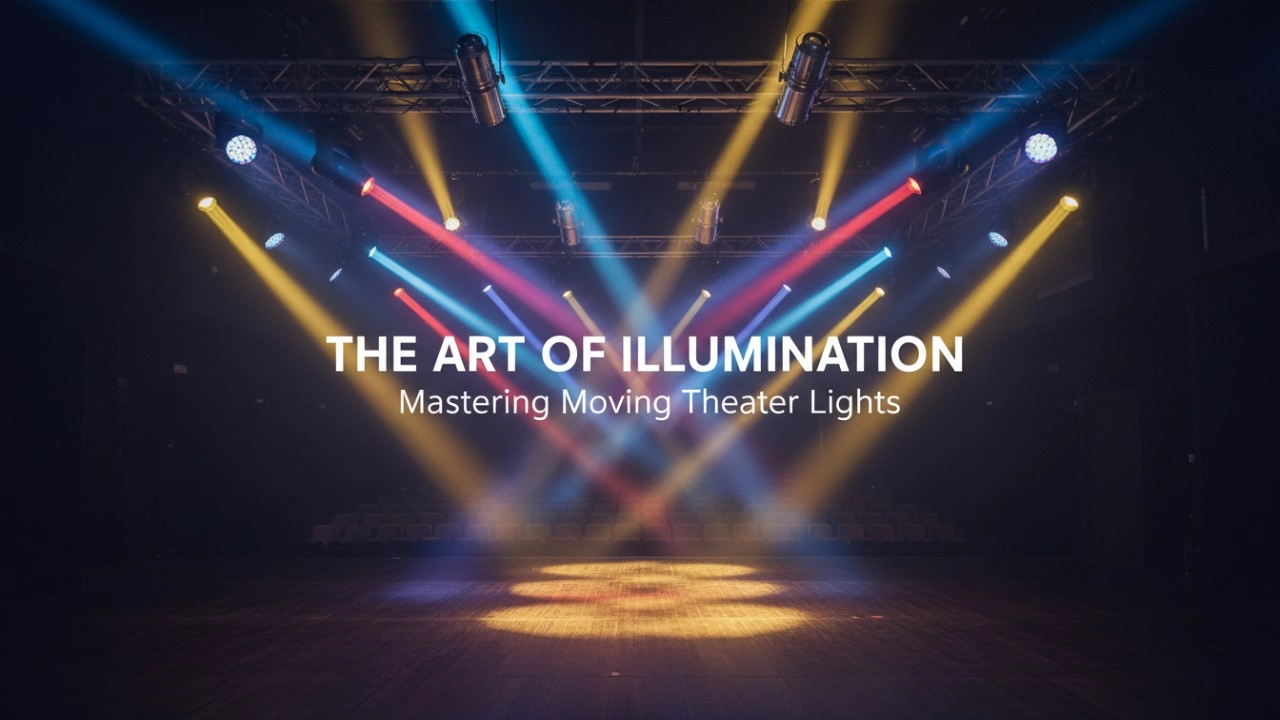
Spotlight vs. Floodlight vs. Beamlight: A Comparison of Moving Stage Lighting Fixtures
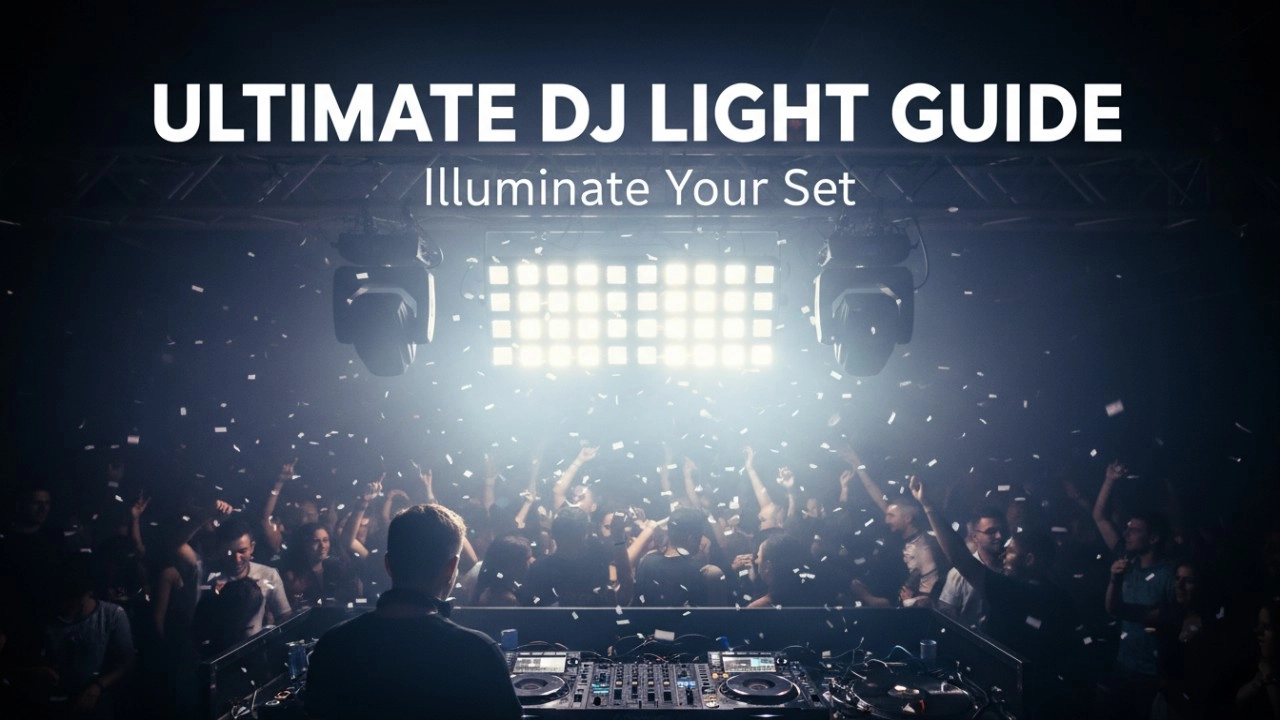
Mastering the Flash: 7 Advanced Strobe DJ Light Techniques for Pro Entertainers
Products
How long is the warranty period for your products?
We offer a standard 1-year warranty on all products, with extended warranty options available upon request. During the warranty period, we provide free technical support and parts replacement for non-human damage.
Are your lights suitable for large-scale events and outdoor use?
Yes. Our professional stage lights—especially the Beam, BSW 3-in-1, and LED Par Series—are engineered with high-output brightness, wide beam angles, and robust housing. Some models come with IP-rated protection, making them suitable for outdoor applications like concerts, festivals, and sports events.
Company
Can LiteLEES handle OEM/ODM orders?
Absolutely. With our strong R&D capabilities and advanced manufacturing, we can customize designs, features, and branding to meet your specific needs.
Do you have your own factory?
Yes. We own a sheet metal factory and a complete in-house production line—from PCB to final assembly—ensuring strict quality control and fast delivery.
What is LiteLEES’s main business?
LiteLEES specializes in the design, development, manufacturing, and sales of professional stage lighting, including moving head lights, beam lights, spot lights, wash lights, and LED par lights.
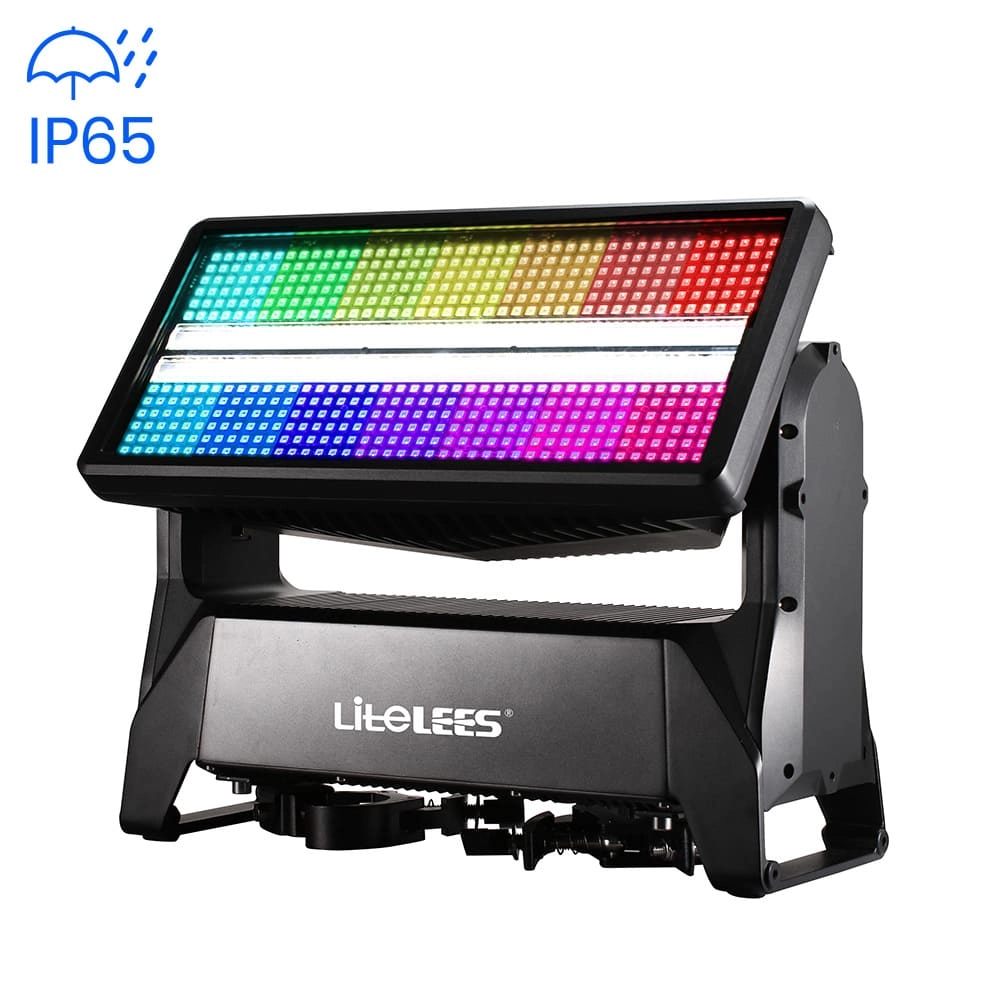
Stormy STRIKE M IP
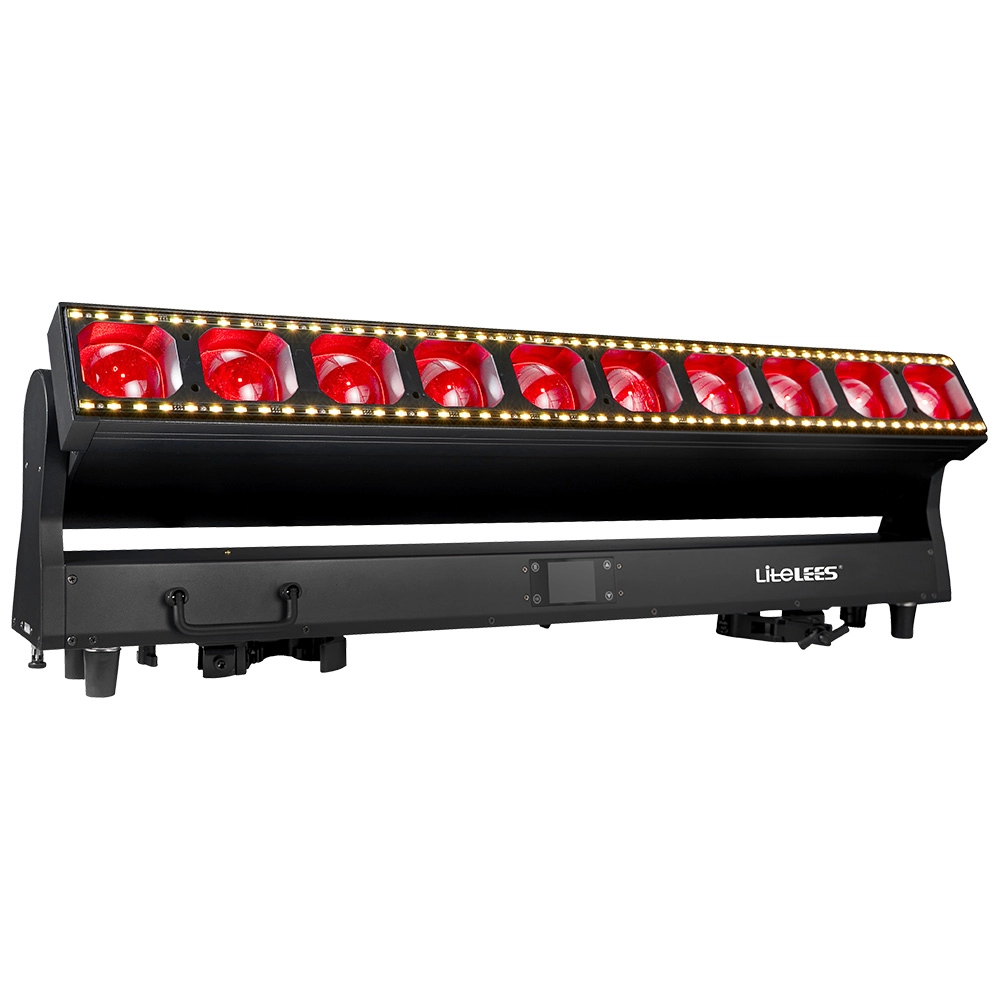
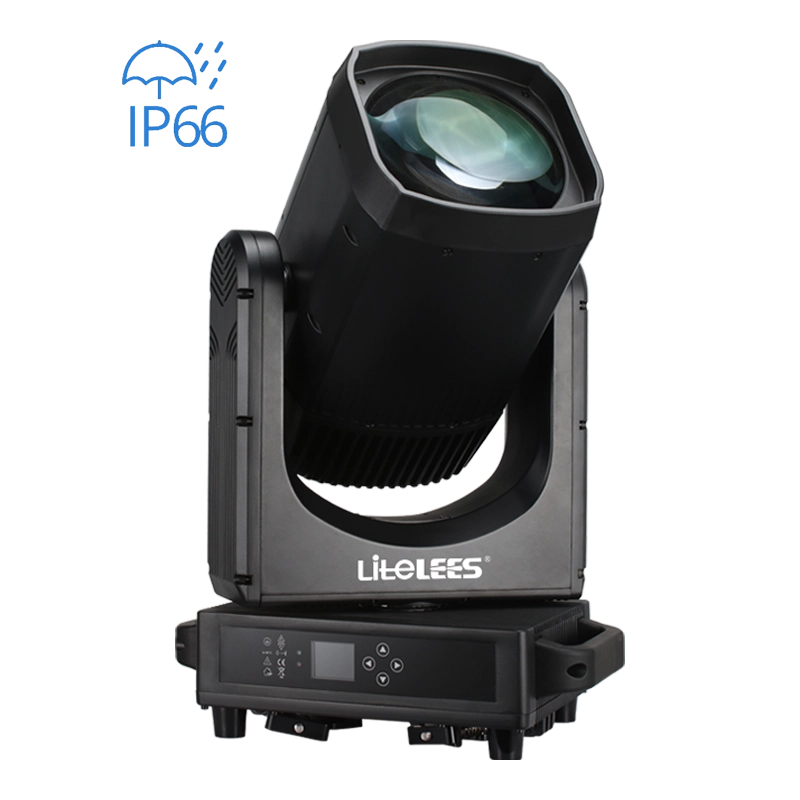
LiteLEES LUMIX BEAM 420 IP
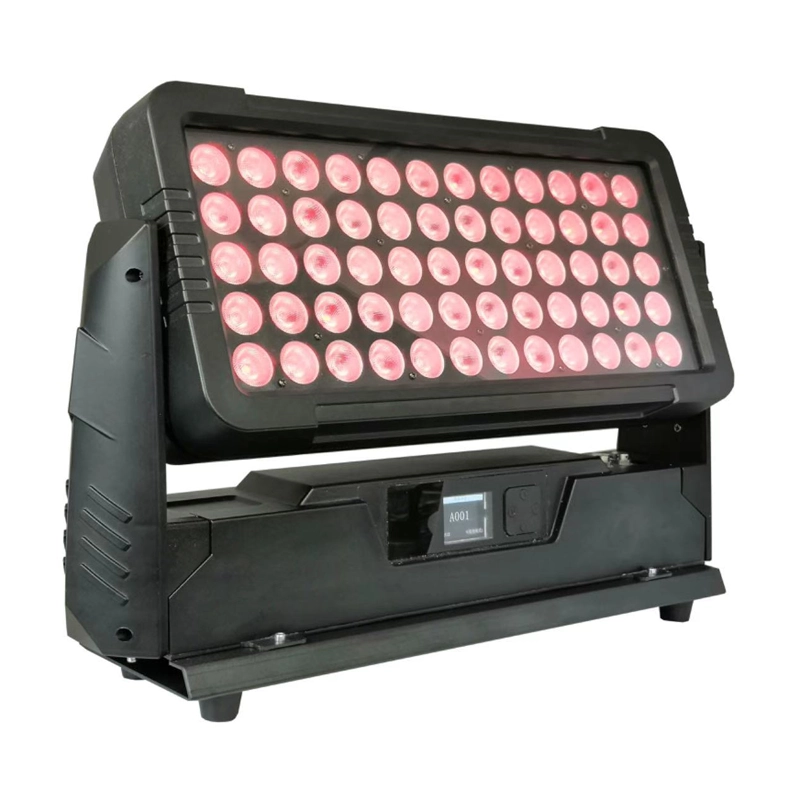
Want to get more up-to-date information?
If you have any comments or good suggestions, please leave us a message; later our professional staff will contact you as soon as possible.

We are professional stage lighting manufacturers offering OEM and ODM LED stage lights.
Contact
Email us
Call us
Address
No.6 Longnan Road, Huashan Town, Huadu District Guangzhou, Guangdong Province, China.
LiteLEES Professional
Less Lighting