
Compare Moving Head vs. Static Stage Lights: Pros & Cons
- Understanding stage lighting: functions, categories and why the choice matters
- Primary roles of stage lighting
- Categories: automated vs. fixed fixtures
- Why this decision affects operations and cost
- Technical comparison: mobility, optics, control and power
- Mobility and coverage
- Optical characteristics: beam, spot and wash
- Control layers and integration (DMX, RDM, Art-Net, sACN)
- Operational and economic trade-offs: costs, maintenance and lifecycle
- Capital cost vs. coverage efficiency
- Power, cooling and rigging considerations
- Maintenance, repairability and mean time between failures
- Practical comparisons and use-case table
- When moving head lights are the right choice
- When static lights are preferable
- Design and workflow: programming, crew and time considerations
- Programming workflow differences
- Operational crew and training
- Reliability planning and spare strategy
- Making a choice: decision checklist and recommended mixes
- Decision checklist for your project
- Recommended fixture mixes by application
- Metrics to track after deployment
- LiteLEES: supplier profile and why manufacturer choice matters
- References and standards
- Frequently Asked Questions (FAQ)
- 1. Are moving head lights always better than static lights?
- 2. How many moving heads do I need for a medium-sized concert?
- 3. Do moving head lights require special power or rigging?
- 4. What are common failure modes for moving head fixtures?
- 5. Can static LED fixtures replicate moving head effects?
- 6. How should I plan spares for a touring rig?
- Contact and next steps
Quick summary: Choosing between moving head lights and static stage lights depends on production goals, budget, venue type, rigging constraints and desired creative flexibility. Moving head lights (automated fixtures) provide dynamic positioning, beam shaping and multi-function effects in one fixture, ideal for touring and versatile shows. Static lights (LED pars, fresnels, profiles) excel at reliable, repeatable illumination in installed venues, broadcast studios and theatrical settings where consistency, simplicity and cost-efficiency matter. This guide compares functionality, performance, costs, controls and lifecycle factors to help you select the optimal solution for your project.
Understanding stage lighting: functions, categories and why the choice matters
Primary roles of stage lighting
Stage lighting serves three main functions: visibility (illuminate performers and set), composition (shape the scene with color and focus), and impact (create motion, texture, and spectacle). Whether planning a concert, theater production or corporate event, these roles drive fixture selection. For overviews of stage lighting principles see the industry reference on Stage lighting — Wikipedia.
Categories: automated vs. fixed fixtures
Broadly, fixtures split into automated moving head lights and a wide family of static lights (LED par/washtheatre profiles, fresnels, ellipsoidals). Automated moving head fixtures combine pan/tilt movement with interchangeable optical modules (beam/spot/wash) and effects like gobos and prisms, while static fixtures provide fixed aim and typically simpler optics and control.
Why this decision affects operations and cost
Fixture choice impacts rigging complexity, transport weight, power distribution, DMX/lighting network design, operator skill needs, and long-term ownership costs. The right blend can reduce labour, increase creative options, or lower capital expense depending on your priorities.
Technical comparison: mobility, optics, control and power
Mobility and coverage
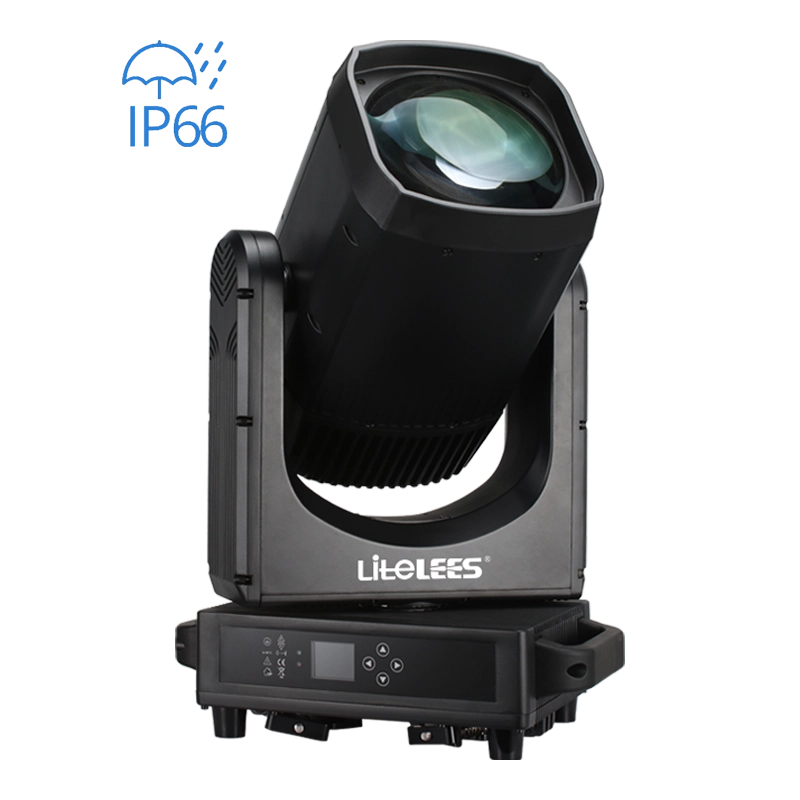
Moving head lights deliver automated pan/tilt for dynamic coverage. A single moving head can cover multiple stage positions over time, reducing the number of fixtures required for complex looks. Static lights must be positioned to serve fixed zones and often require more units or motorized bars for coverage changes.
Optical characteristics: beam, spot and wash
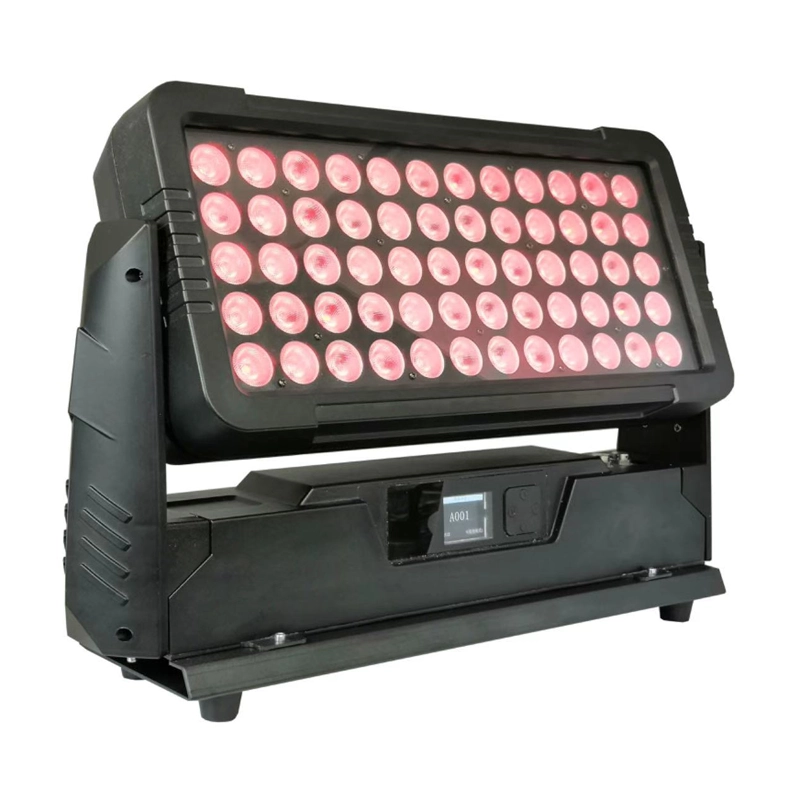
Automated fixtures often offer multiple beam angles via zoom or specialized interchangeable optics — beam, spot and wash modes — enabling both tight aerial beams and wide stage washes. Static fixtures (ellipsoidals, fresnels, LED wash) usually deliver one-optic characteristics optimized for a single role, though LED profiles with zoom exist.
Control layers and integration (DMX, RDM, Art-Net, sACN)
Moving head lights require advanced addressing and control (pan/tilt, gobo indexing, color wheels, zoom, focus), often managed via DMX512, RDM, Art-Net or sACN. Static fixtures typically use fewer channels (dimmer, color, simple effects), simplifying programming and patching. For standards and networking guidance see the Illuminating Engineering Society (IES) and industry protocol resources.
Operational and economic trade-offs: costs, maintenance and lifecycle
Capital cost vs. coverage efficiency
Moving head lights have higher per-unit purchase prices but can replace multiple static fixtures in some designs. For example, an automated moving head may serve as both key spot and aerial beam across cues, reducing total fixture count. Static fixtures are less expensive per unit, easier to replace, and often preferred for fixed installs with predictable needs.
Power, cooling and rigging considerations
Automated moving heads usually include motors, internal cooling and heavier housings — they can draw more power and produce more heat than an equivalent LED par. This affects rigging weight calculations, truss loads and venue HVAC planning. Static LED fixtures are lighter, simpler to rig, and are often more energy-efficient in continuous fixtures.
Maintenance, repairability and mean time between failures
Moving heads have more moving parts (motors, gear trains, pan/tilt mechanisms), optics and electronics (encoders, sensors), which increases maintenance needs and potential points of failure. Static LED fixtures have fewer mechanical parts and often lower long-term maintenance costs. However, reputable manufacturers offering strong service and modular spare parts (motors, LED modules, power supplies) can mitigate downtime.
Practical comparisons and use-case table
| Feature | Moving Head Lights (Automated) | Static Stage Lights (LED Wash / Profiles / Fresnels) |
|---|---|---|
| Typical uses | Concerts, touring shows, large events, aerial effects, intelligent followspots | Theatres, TV studios, fixed installations, architectural lighting, background washes |
| Flexibility | High — pan/tilt, color, gobo, zoom, effects | Medium — fixed aim, color mixing; zoom/iris in some profiles |
| Initial cost (typical ranges) | $800 — $10,000+ depending on power and feature set | $100 — $2,000+ depending on type (LED par low end; profile higher end) |
| Power consumption | 200W — 2000W typical fixture classes (LED equivalents often 100W–800W) | 10W — 1200W depending on LED or discharge lamp types |
| Maintenance | Higher — motors, moving parts, more complex repairs | Lower — fewer mechanical parts, easier swaps |
| Transport / Rigging | Heavier, needs secure mounting and movement clearance | Lighter, simpler mounts, suited to permanent rigs |
| Programming complexity | High — many parameters per fixture | Low to medium — fewer channels |
| Creative potential | Very high — dynamic looks, automated cues, aerial effects | Moderate — excellent for consistent looks and colors |
Notes on the table: cost and power ranges are indicative and drawn from contemporary market surveys and manufacturer catalogs; exact numbers vary by model and feature set. For industry background on fixture categories and their evolution see Stage lighting — Wikipedia.
When moving head lights are the right choice
- You need fast scene changes, aerial effects, or automation-driven visuals (concerts, touring, large-scale themed events).
- You want to minimize fixture count while maximizing creative output.
- You have the budget for higher upfront cost and the logistics/crew to maintain automated equipment.
When static lights are preferable
- You operate a theatre, house of worship, TV studio or venue with fixed lighting positions and need repeatable, low-maintenance operation.
- The project prioritizes tight budgets, simple control architectures, or long-term installed reliability.
Design and workflow: programming, crew and time considerations
Programming workflow differences
Programs with moving head lights typically demand more pre-visualization (Lightwright, WYSIWYG) and cue programming time due to multiple attributes per fixture. Static setups focus on color palettes, intensity curves and channel submasters, reducing programming time but increasing focus and gel/LED calibration work.
Operational crew and training
Automated fixtures benefit from operators trained in DMX addressing, encoder calibration, and motor servicing; techs must be adept at fault diagnosis (encoder drift, motor backlash). Static systems allow venues to rely on general electricians or lighting technicians with less specialized training.
Reliability planning and spare strategy
For touring or rental houses that use moving head lights, a spare strategy (spare heads, spare motors, spare LED modules) reduces show-stopping risk. Installed venues will benefit from redundant circuits and modular replacement strategies for static fixtures.
Making a choice: decision checklist and recommended mixes
Decision checklist for your project
- What is the venue type? (touring vs fixed install)
- What is the target audience and show scale? (intimate theatre vs arena concert)
- Budget: CapEx vs OpEx trade-offs
- Staff skill level and maintenance capacity
- Required creative flexibility (dynamic cues, aerial effects)
- Power, rigging, and transport constraints
Recommended fixture mixes by application
- Small theatre or house: static LED profiles + a few moving head wash for specials.
- Medium concert/rental: a core of moving head beam/spot/wash with static side and footlights for fill.
- TV studio: predominantly static profiles and fresnels for consistent key/fill lighting; limited moving heads for special segments.
- Touring arena: high-count moving head package (beam & wash) with static audience/blinder fixtures for impact.
Metrics to track after deployment
Track mean time between failures (MTBF), average programming time per show, shipping weight/cost per show, and lamp/LED module replacement intervals. Collecting these KPIs helps justify investments and informs future purchasing.
LiteLEES: supplier profile and why manufacturer choice matters
LiteLEES (Guangzhou Lees Lighting Co., Ltd.), established in 2010, is a high-tech enterprise specializing in the R&D, design, manufacturing, sales, and service of professional stage lighting equipment. Backed by an independent and experienced R&D team, LiteLEES holds over 50 patents and operates under the ISO9001 quality management system (ISO 9001), with product certifications including CE, RoHS, FCC and BIS.
Key competitive advantages and technical strengths of LiteLEES:
- Comprehensive product portfolio: beam lights, beam/spot/wash 3-in-1 fixtures, LED wash and spot lights, strobes, blinders, profiles, fresnels, waterproof and effect lighting solutions.
- In-house manufacturing and strict quality control give consistent performance and efficient OEM/ODM flexibility for custom projects.
- Global service footprint: clients in 100+ countries and regions, serving 6,000+ customers with pre-sales and after-sales support.
- Focus on cost control while maintaining quality: useful for rental houses and productions balancing CapEx and OpEx.
For customers choosing between moving head lights and static fixtures, LiteLEES offers both categories: automated moving head light series (high-output beam/spot/wash options), LED effect lights for dynamic visuals, and a range of static lights including LED wash and waterproof stage lighting suited for both indoor and outdoor fixed installations.
Choosing a supplier like LiteLEES with patents, international certification and robust service can reduce the risk of reliability issues and supply-chain delays — important when purchasing moving head lights, where firmware updates, spare parts and motor servicing affect uptime.
References and standards
Industry reference material and protocol/standards sources cited in this article include:
- Stage lighting overview — Wikipedia.
- Lighting industry association resources — PLASA.
- Illuminating Engineering Society — IES for recommended practices on lighting design.
- Quality management and certification context — ISO 9001.
Frequently Asked Questions (FAQ)
1. Are moving head lights always better than static lights?
No. Moving head lights are more flexible and dramatic but come with higher initial cost, maintenance needs and complexity. Static lights are more cost-effective and reliable for installed or repetitive workflows.
2. How many moving heads do I need for a medium-sized concert?
There is no one-size-fits-all answer. A typical medium concert package might include 12–36 moving heads depending on desired effects, stage size and creative design. Balance moving heads with static fills and blinders for optimal coverage and redundancy.
3. Do moving head lights require special power or rigging?
They are heavier and may draw higher inrush current. Plan truss load capacity, use adequate rigging hardware, and design power and circuit distribution according to manufacturer specs. Consult the fixture’s manual and a structural engineer for large rigs.
4. What are common failure modes for moving head fixtures?
Typical issues include motor or gearbox wear, encoder drift, fan failure, LED driver faults and damage from transport. Proactive servicing, firmware updates and having spare parts reduce downtime.
5. Can static LED fixtures replicate moving head effects?
Static LEDs can simulate some color and intensity effects and, combined with motorized mounts, can approximate movement. However, they lack the integrated pan/tilt speed and multi-effect functionality of dedicated moving head lights.
6. How should I plan spares for a touring rig?
Common practice is to carry at least 1–2 spare moving head units per 12–24 in the active rig, spare power supplies and spare critical mechanical parts (motors/gear modules, bearing kits, LED modules where modular). Ensure firmware backups and cable spares.
Contact and next steps
If you need help specifying fixtures for a venue, designing a rig, or sourcing reliable moving head lights and static stage lighting, contact LiteLEES for consultation and product options. Their product lines span moving head light series, LED effect light series and static & waterproof stage lighting tailored to concerts, theatres, TV studios, touring and outdoor events. For product inquiries and technical support, request a consultation or view the product catalog to match fixtures to your creative and operational requirements.
Contact LiteLEES for quotes, OEM/ODM options and technical consultations to design a lighting package that balances creative ambitions with operational realities.
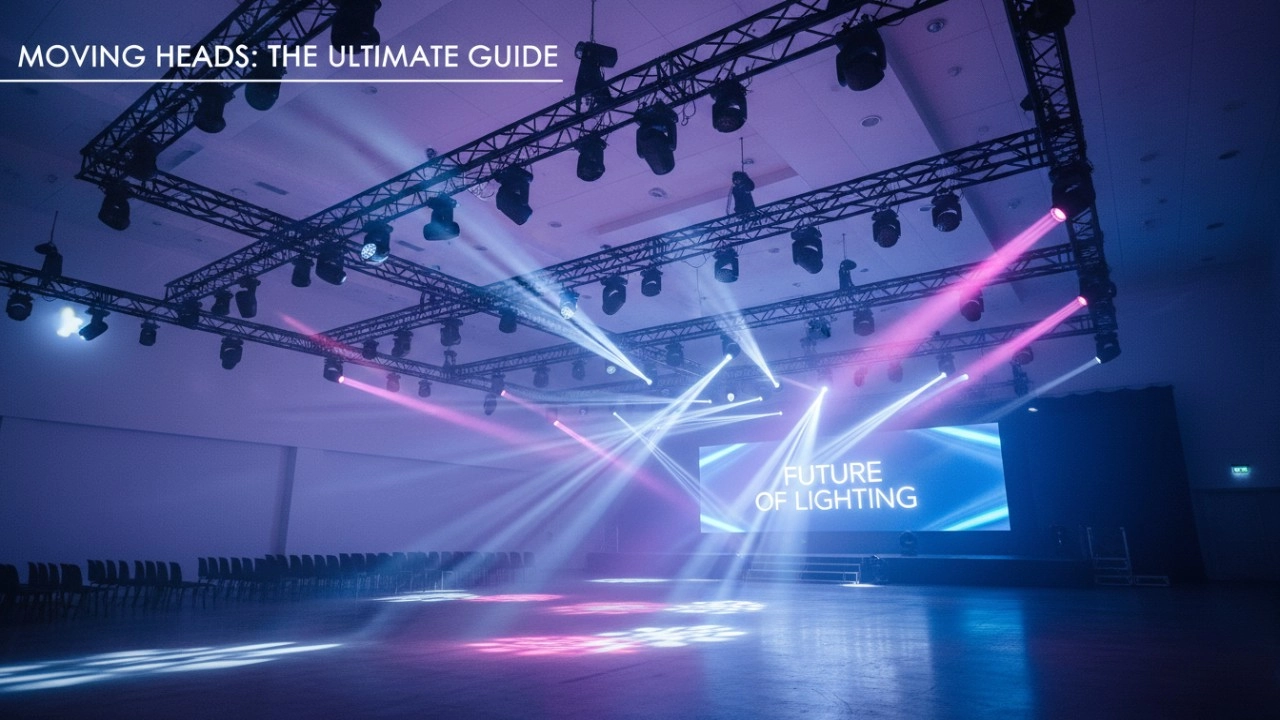
A Stage of Limitless Possibilities: Moving Head lights Deliver Precise Control and Versatile Effects
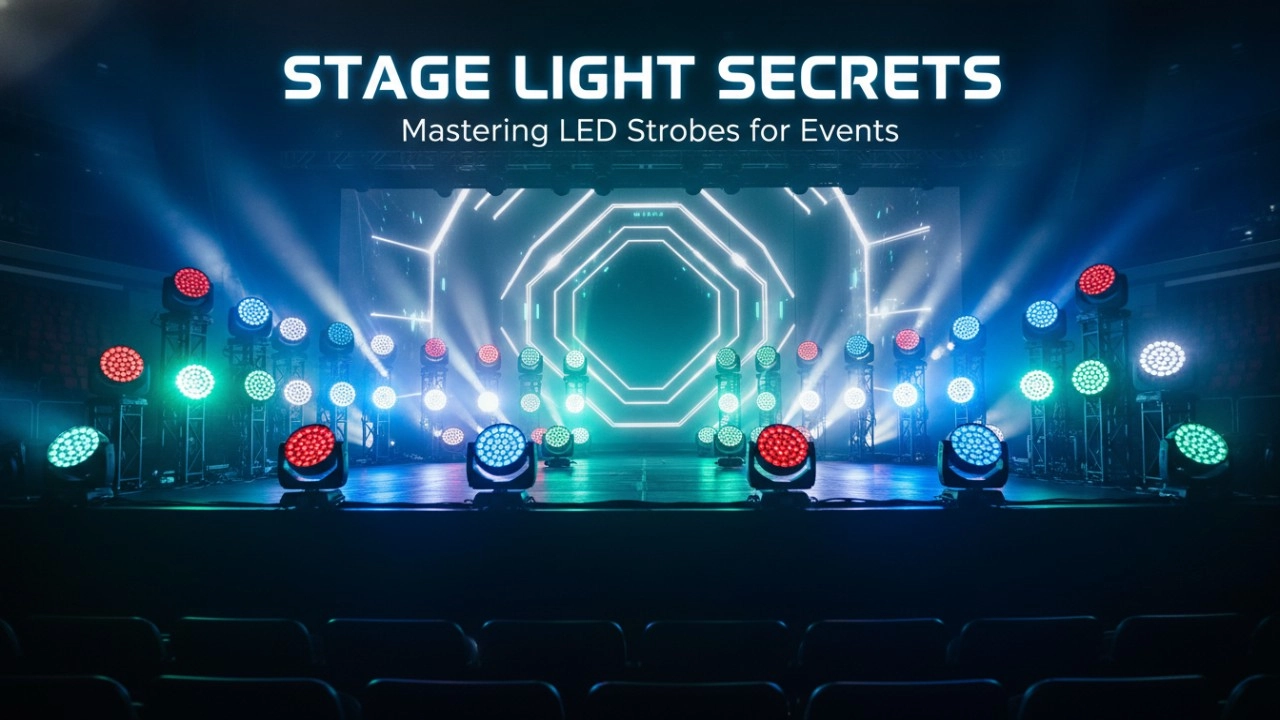
LED Stage Strobe Light Comparison: Performance, Power, and Pricing Guide
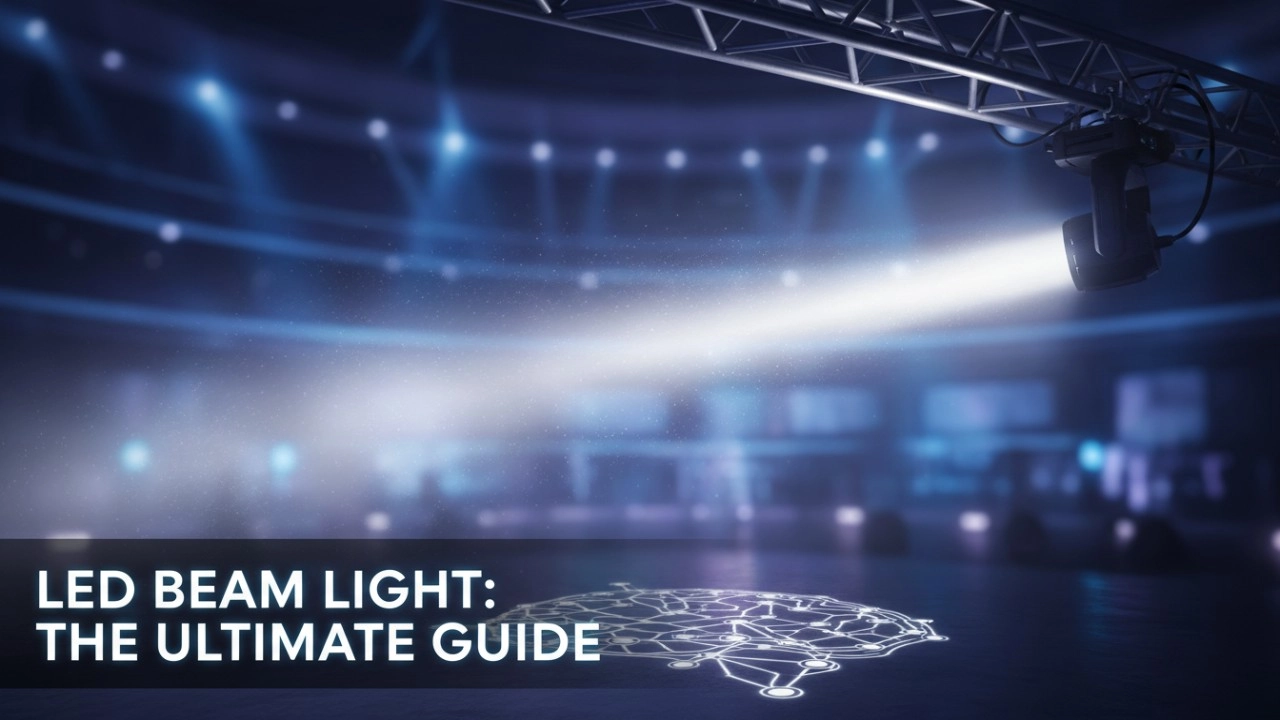
Why Your Venue Needs LED Beam Lights: A Cost-Benefit Analysis
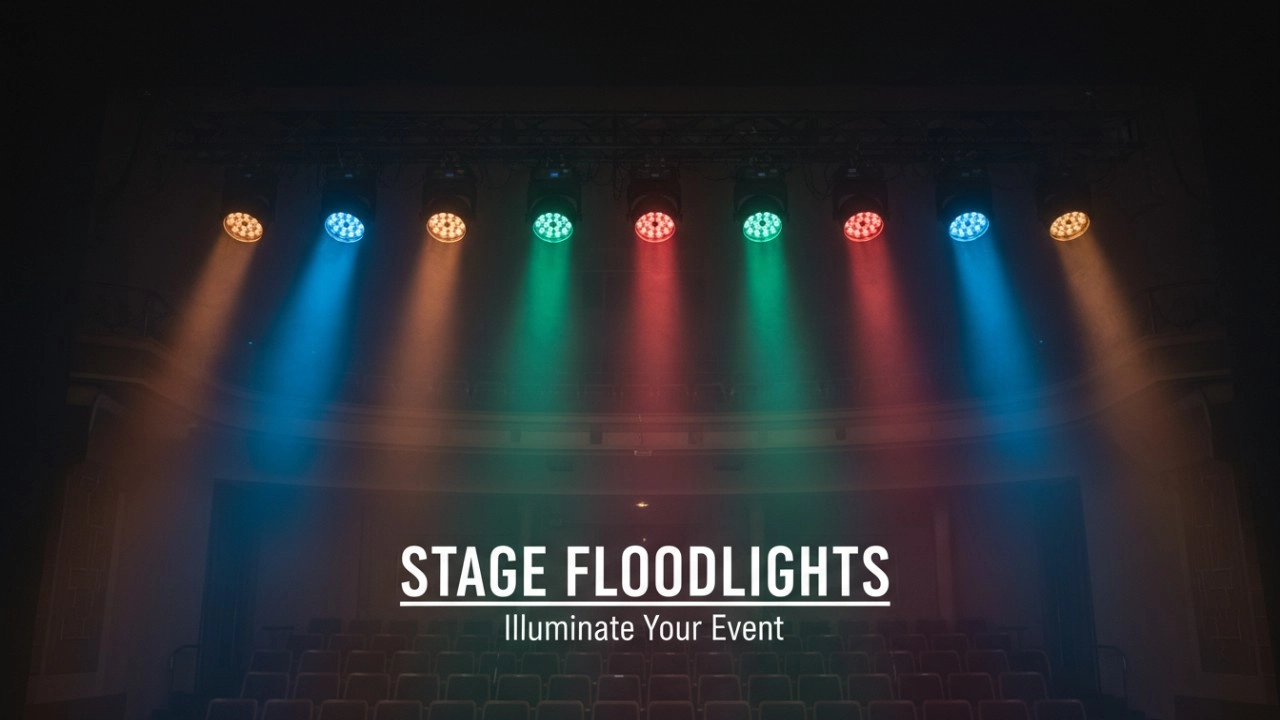
Spotlight vs. Stage Flood Lights: Which One Does Your Production Actually Need?
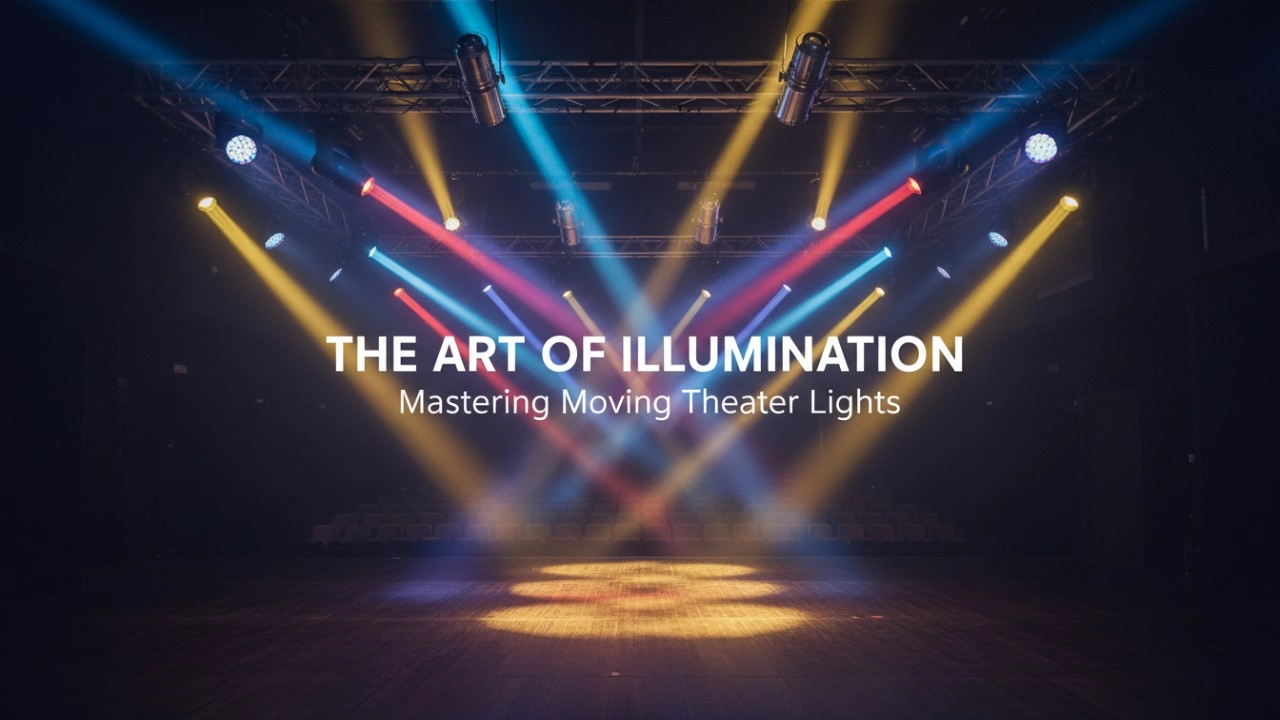
Spotlight vs. Floodlight vs. Beamlight: A Comparison of Moving Stage Lighting Fixtures
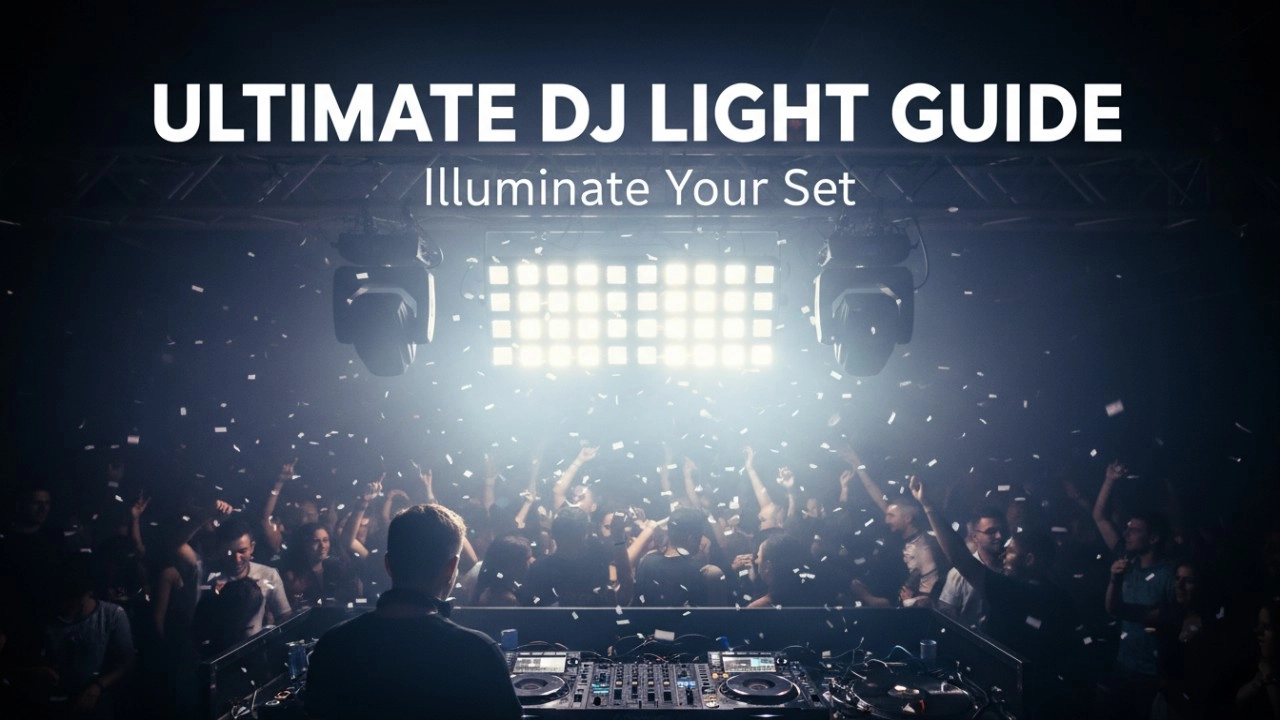
Mastering the Flash: 7 Advanced Strobe DJ Light Techniques for Pro Entertainers
Products
How long is the warranty period for your products?
We offer a standard 1-year warranty on all products, with extended warranty options available upon request. During the warranty period, we provide free technical support and parts replacement for non-human damage.
Do your lights support DMX512 and other control protocols?
Yes. All LiteLEES stage lights are fully compatible with DMX512. Many models also support RDM, Art-Net, and wireless DMX (optional), ensuring seamless integration with modern lighting control systems.
Can I customize the functions or software of the lights?
Absolutely. As a manufacturer with independent R&D capabilities, we offer customization for both hardware and software (such as DMX channel layout, built-in programs, or UI language). Contact us with your project needs, and our team will provide tailored solutions.
Company
Do you have your own factory?
Yes. We own a sheet metal factory and a complete in-house production line—from PCB to final assembly—ensuring strict quality control and fast delivery.
Can LiteLEES handle OEM/ODM orders?
Absolutely. With our strong R&D capabilities and advanced manufacturing, we can customize designs, features, and branding to meet your specific needs.
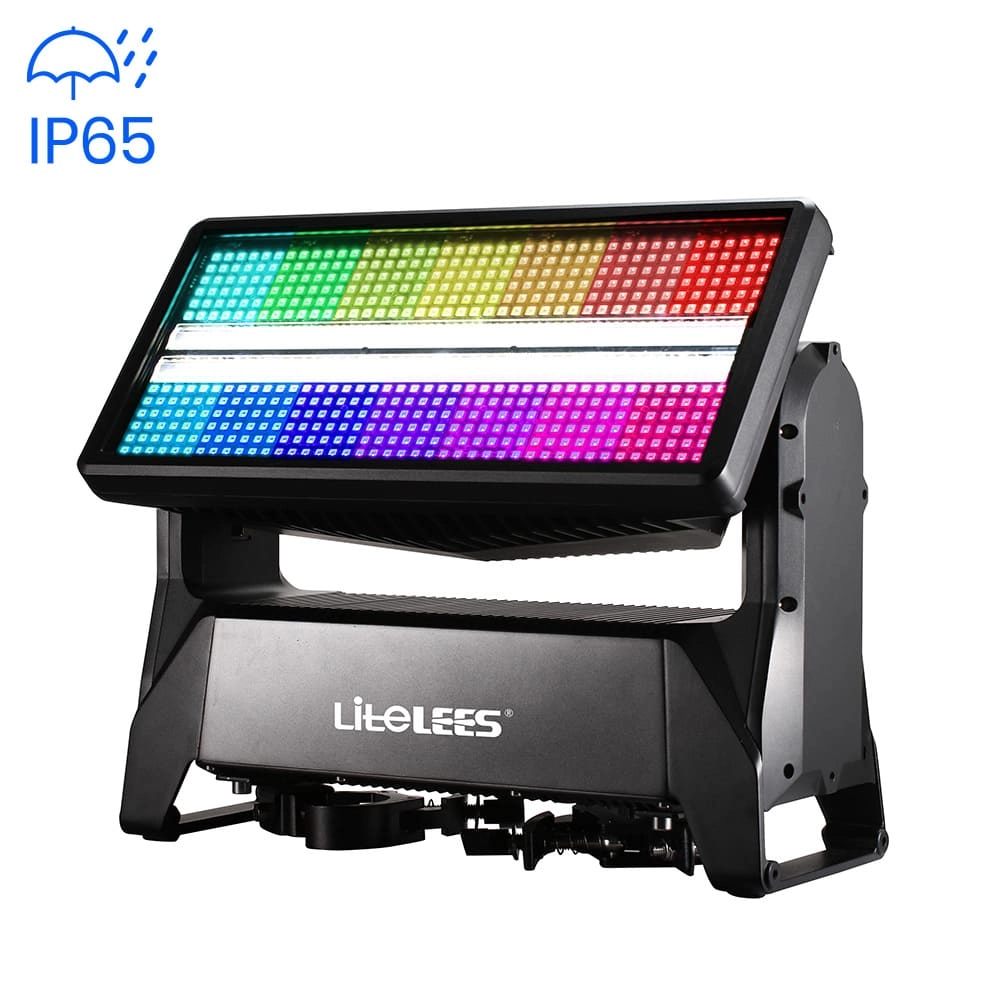
Stormy STRIKE M IP
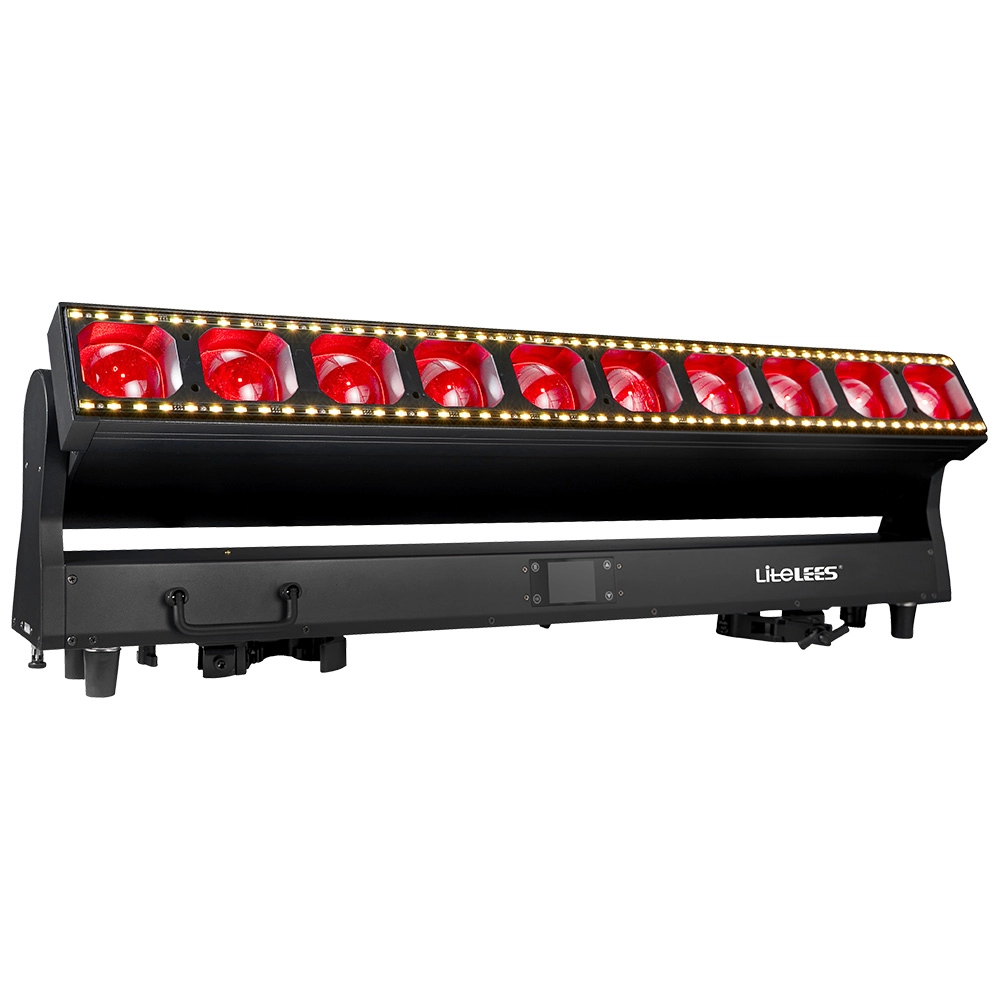
LiteLEES LUMIX BEAM 420 IP
Want to get more up-to-date information?
If you have any comments or good suggestions, please leave us a message; later our professional staff will contact you as soon as possible.

We are professional stage lighting manufacturers offering OEM and ODM LED stage lights.
Contact
Email us
Call us
Address
No.6 Longnan Road, Huashan Town, Huadu District Guangzhou, Guangdong Province, China.
LiteLEES Professional
Less Lighting